
All articles
-
Missions
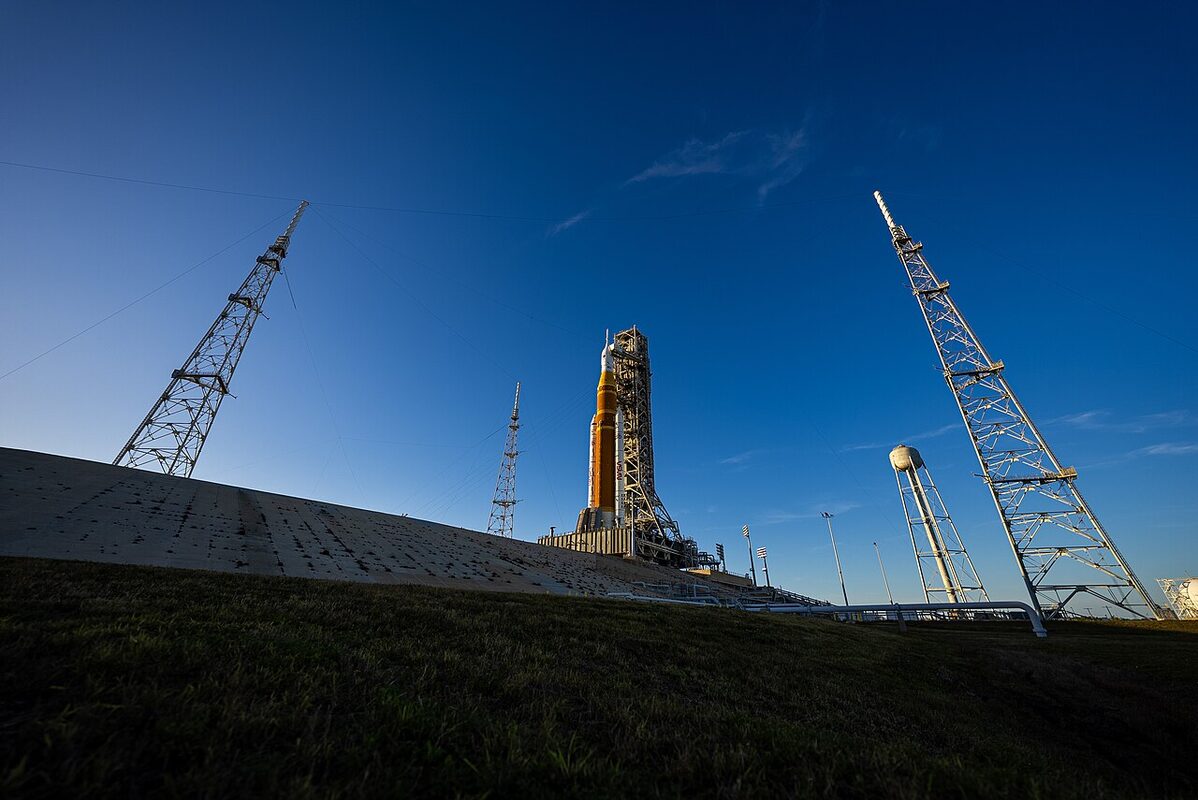
Still to Fly in 2026: Roman, a Moon-Lander Wave, India's Crew Capsule Test, and Japan's Phobos Grab
Artemis II is done — but 2026's manifest isn't. NASA's Roman Space Telescope launches August 30, four lunar landers chase year-end windows, Gaganyaan-1 rehearses India's first crewed flight, and JAXA's MMX departs for Phobos. What's still scheduled, what slipped, and which dates to believe.
-
Commercial
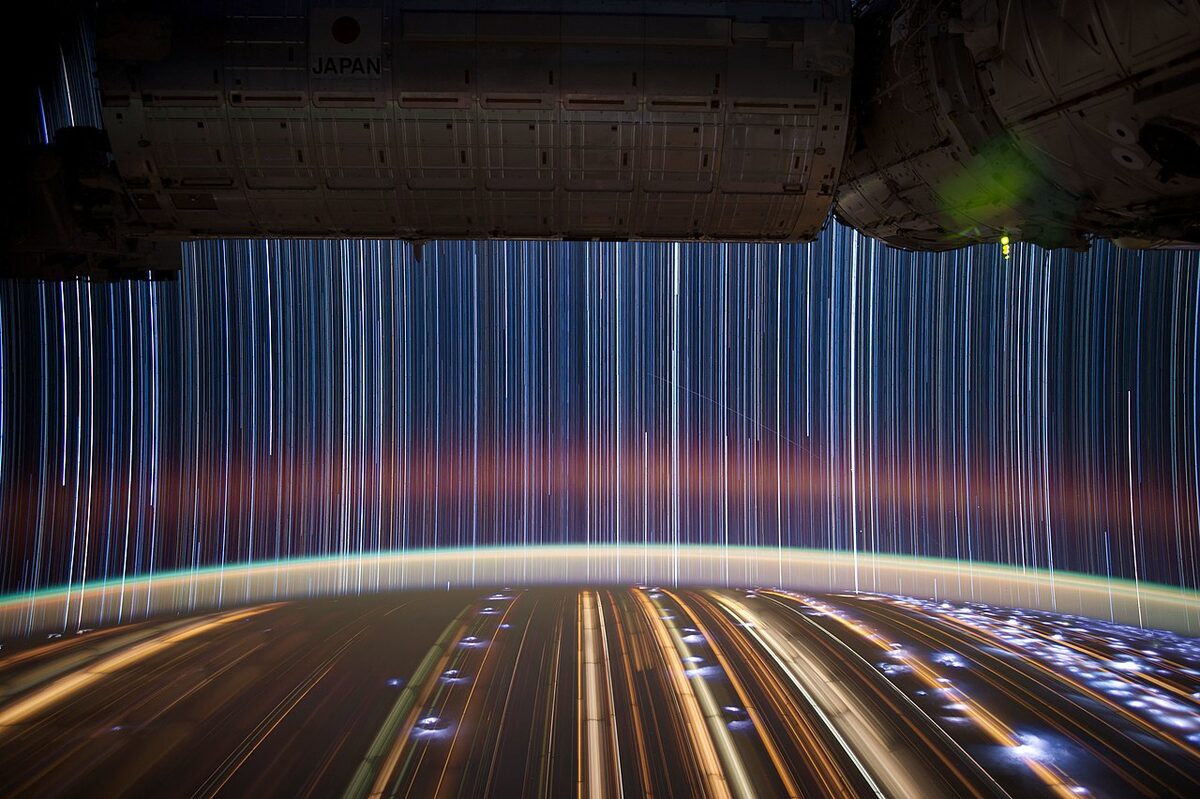
With the ISS nearing retirement, the race to build its replacement is on
The International Space Station is slated to retire around 2030, and NASA is betting that private companies will build what comes next. A wave of record funding in 2026 is fueling a contest among several rival stations to be first.
-
Astronomy
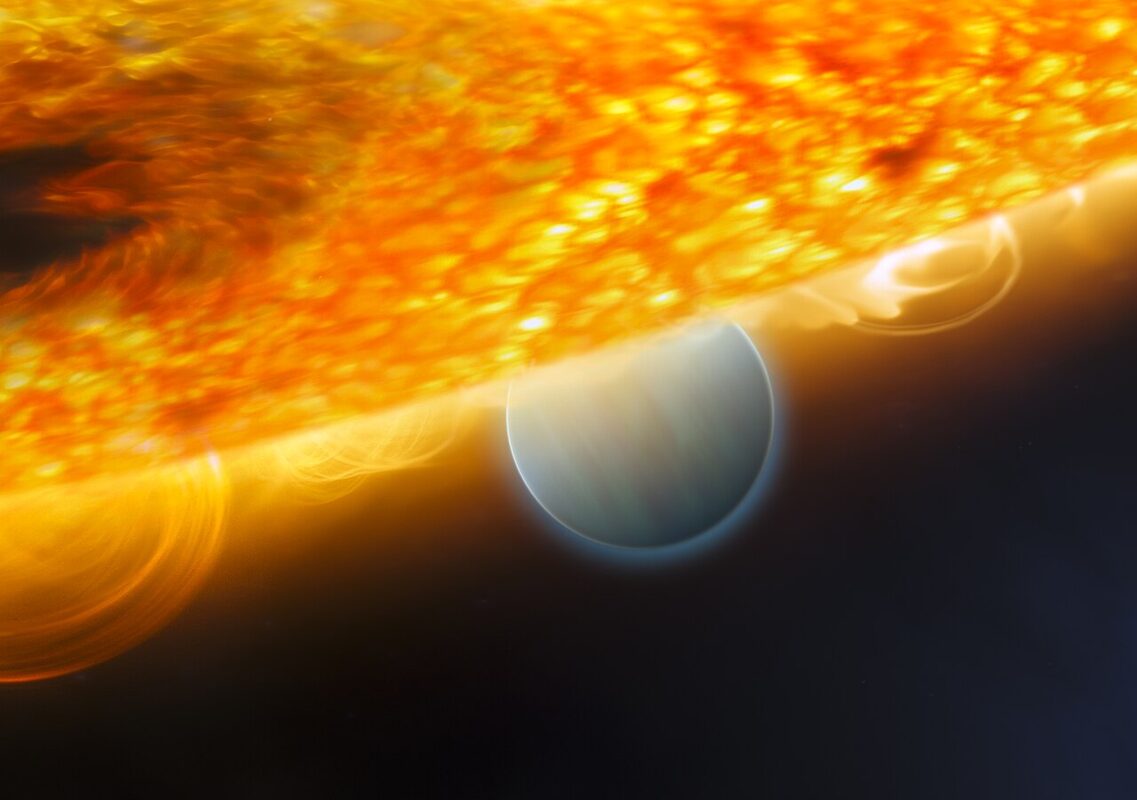
The coldest planet we've ever photographed seems to have icy clouds
JWST directly imaged Epsilon Indi Ab, a frigid super-Jupiter next door, and found less ammonia than models predict. The likely culprit — patchy water-ice clouds — would make it the first such clouds spotted on a giant world beyond the Solar System.
-
Missions
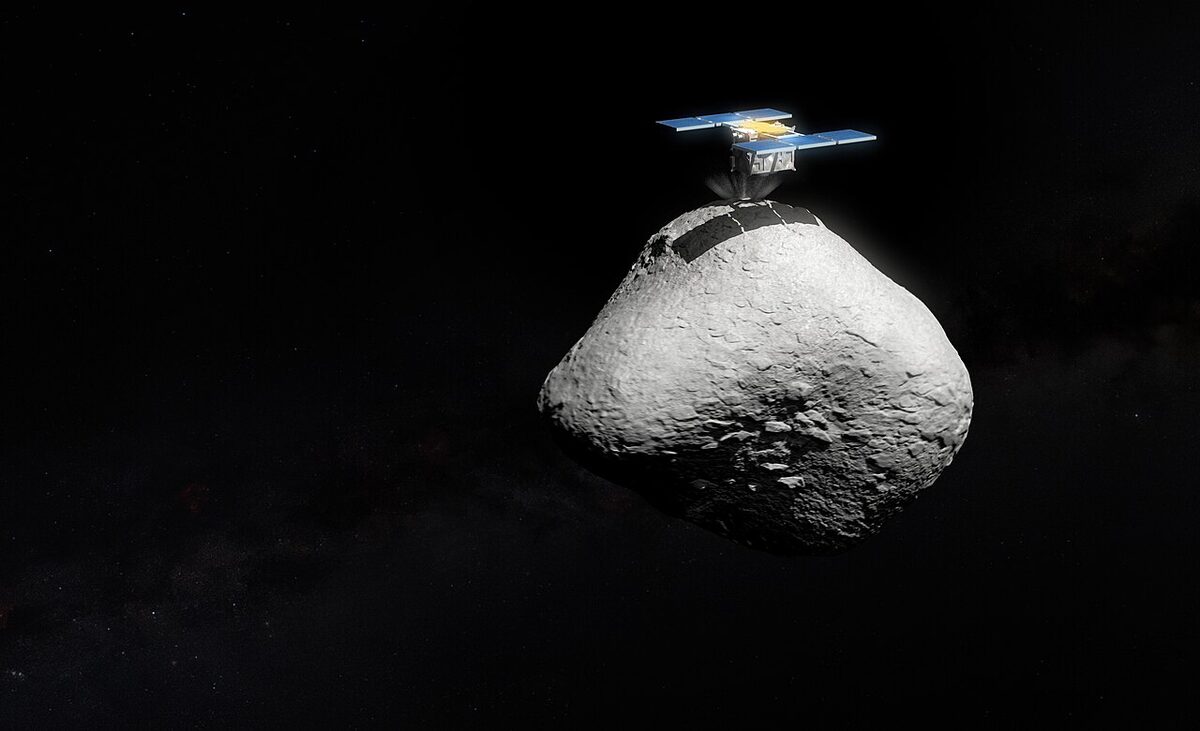
Japan's veteran asteroid hunter lines up a 5-kilometer-per-second flyby
Years after returning samples from Ryugu, Japan's Hayabusa2 is still flying — and on July 5 it will scream past a 450-meter asteroid called Torifune at five kilometers per second, a rehearsal for the planetary-defense techniques of the future.
-
Astronomy
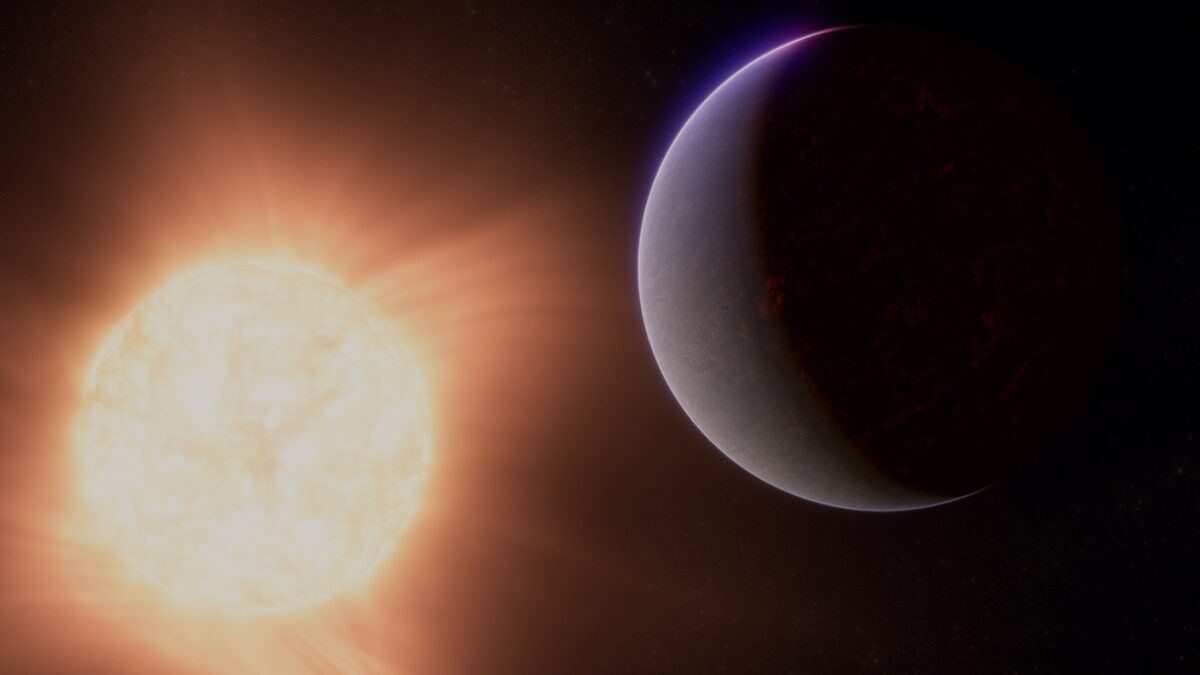
Webb stares at a rocky exoplanet and sees nothing — which tells us plenty
JWST's mid-infrared look at the rocky world LHS 3844b found a dark, featureless surface and no sign of an atmosphere. For exoplanet scientists, a bare rock is a data point about which small worlds can hold onto air at all.
-
Science & Discovery
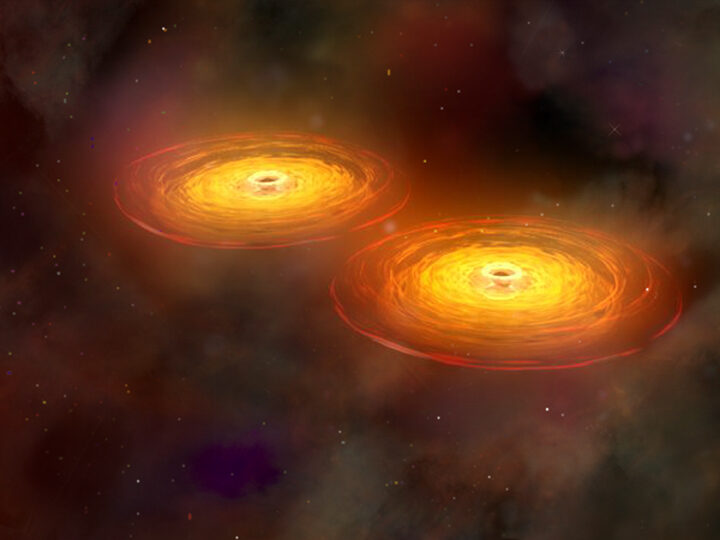
A strange gravitational wave is reviving an old idea: black holes older than the stars
A peculiar signal recorded by LIGO has astronomers entertaining a radical possibility — that it came from primordial black holes born in the universe's first instants, which could also help solve the dark matter problem.
-
Science & Discovery
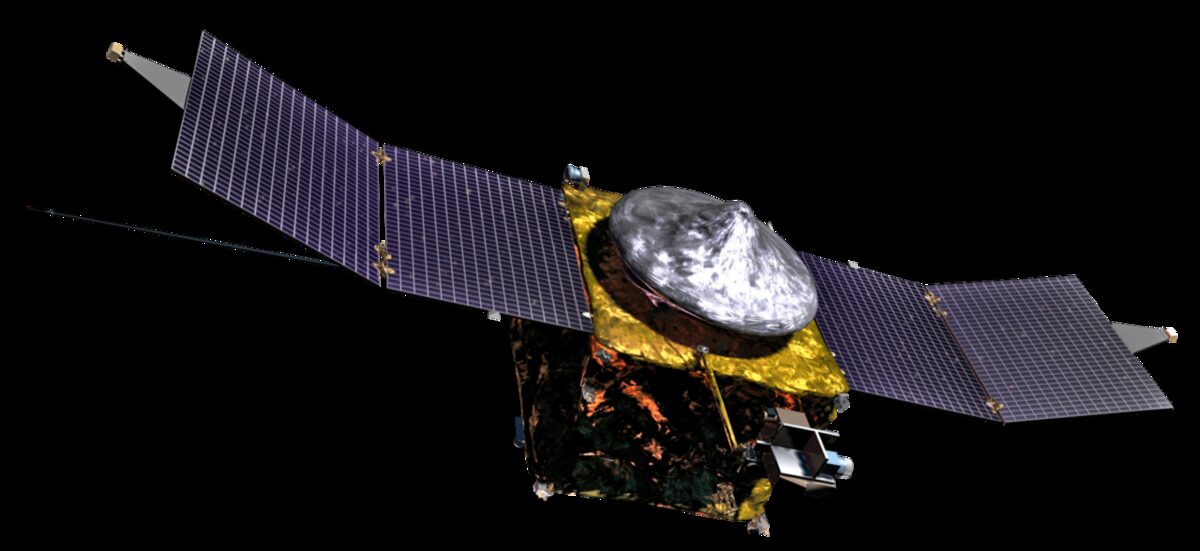
After 11 years reading the Martian air, MAVEN goes quiet
NASA has ended its MAVEN mission after more than a decade studying how Mars lost its atmosphere. The orbiter rewrote our understanding of why a once-wet world dried out — and found auroras nobody expected.
-
Missions
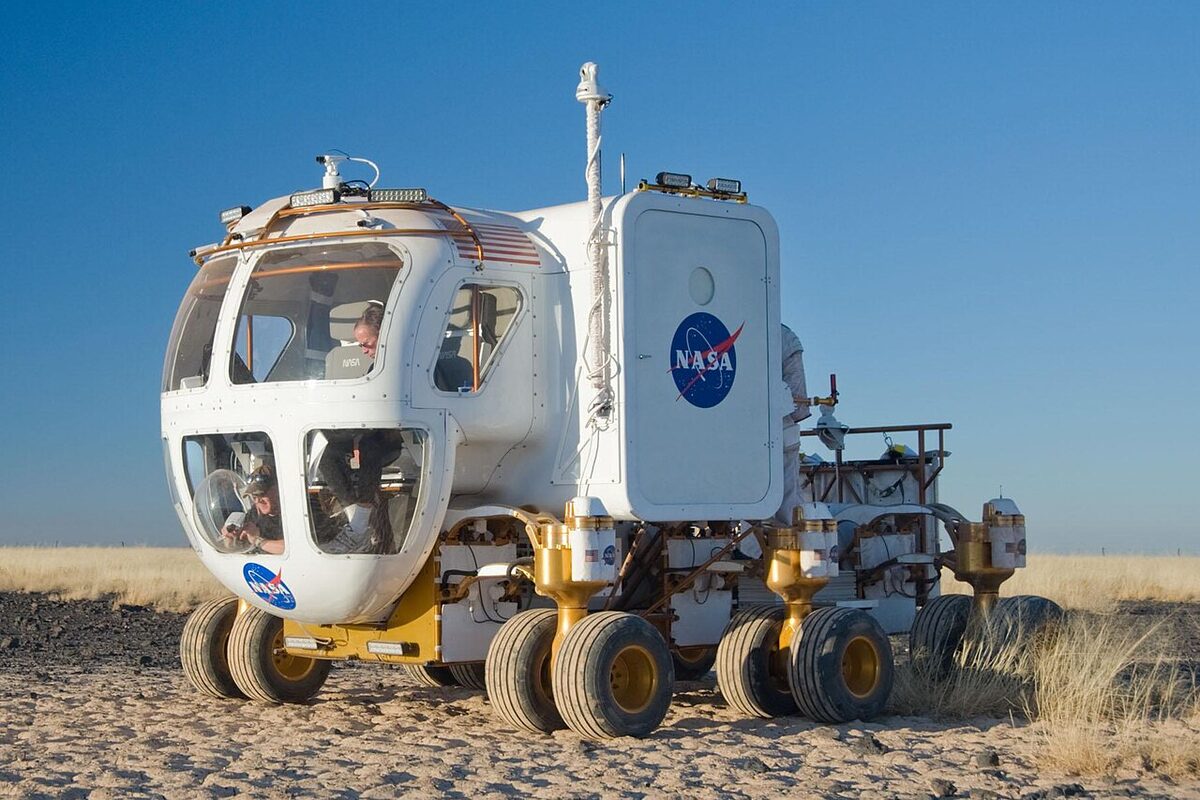
NASA's Moon base stops being a slogan and starts signing contracts
At a Moon Base event in Washington, NASA named the commercial hardware that will build out a lunar surface presence — pressurized rovers for crews to drive and uncrewed cargo landers — with the first robotic delivery targeted for as soon as this fall.
-
NASA & Agencies
Six toaster-sized satellites are about to become one giant radio telescope
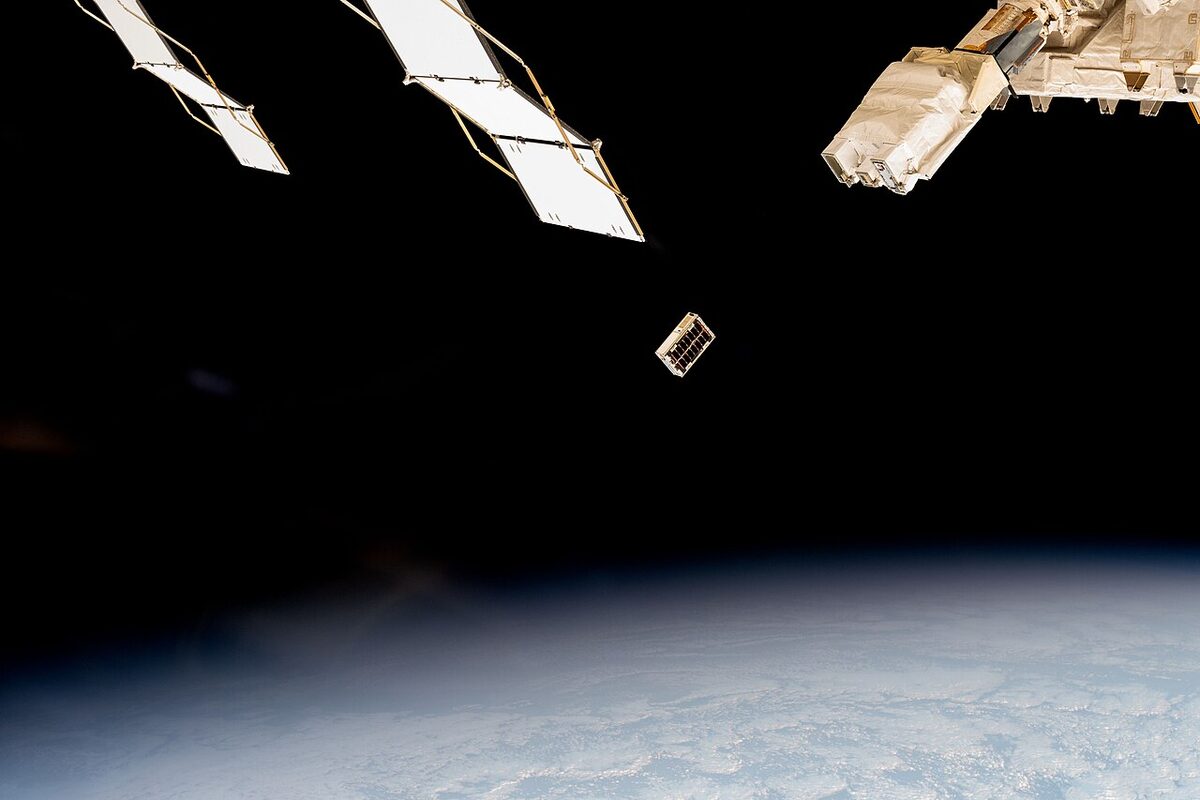
NASA's SunRISE mission, targeting a summer 2026 launch, will fly six small satellites in formation so they act as a single radio telescope ten kilometers wide — built to trace the solar storms that threaten astronauts and power grids.
-
Stargazing
Mark the date: on August 12, 2026, the Moon's shadow returns to Europe
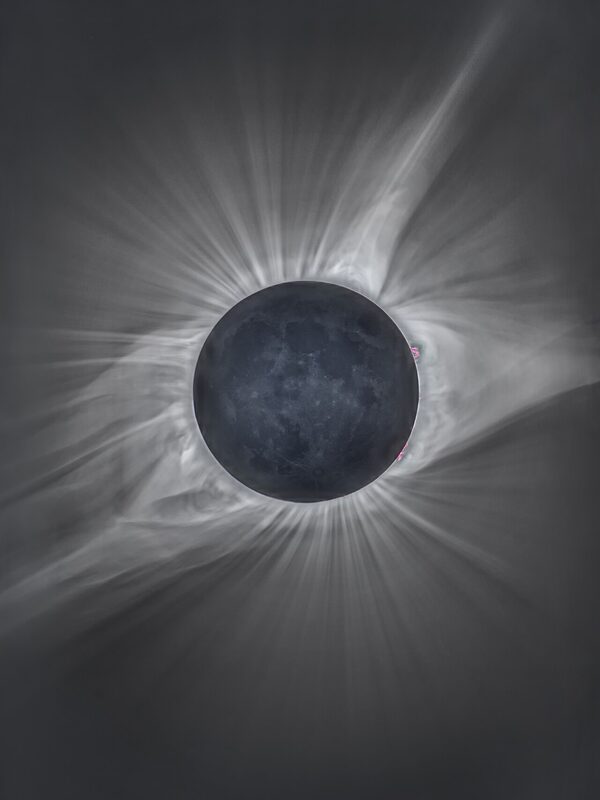
A total solar eclipse on August 12, 2026 will cross Greenland, Iceland, and Spain — the first to touch mainland Europe since 1999. Here's where totality falls, how long it lasts, and who gets a partial show.
-
Astronomy
One planet, two weathers: Webb catches an ultra-hot world with a split atmosphere
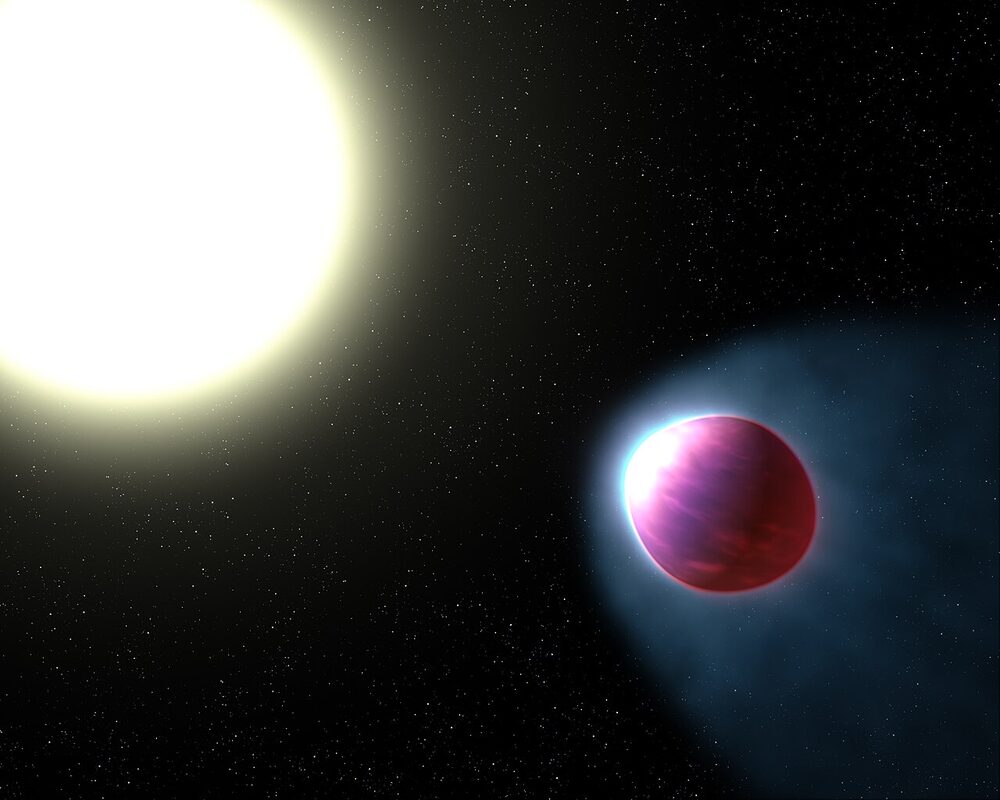
Using JWST, astronomers have measured a clear difference between the morning and evening edges of the ultra-hot gas giant WASP-121b — the same planet showing two distinct atmospheres at once, separated only by the line where day meets night.
-
Missions
In 2029 an asteroid will pass closer than our satellites — and two spacecraft will be waiting
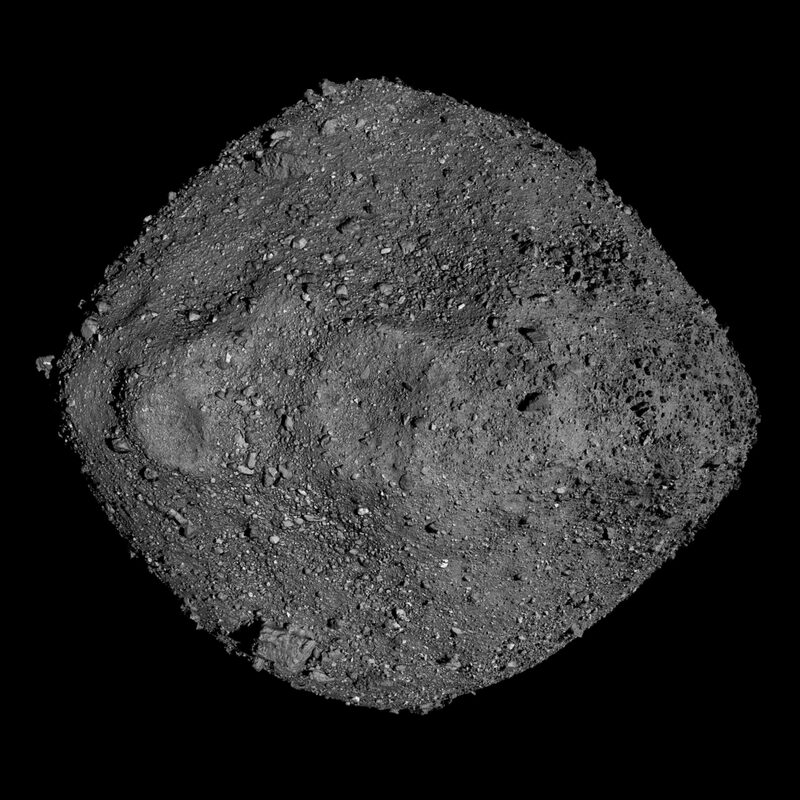
On April 13, 2029, the asteroid Apophis will skim just 32,000 kilometres above Earth, visible to the naked eye for billions of people. It will miss us — but NASA and ESA are sending spacecraft to watch what Earth's gravity does to it, a free experiment in planetary defense.
Page 62 of 68
