
All articles
-
Commercial
New Glenn flew. Now Blue Origin has to prove it can do it again.
Blue Origin's New Glenn rocket reached orbit on its first attempt — a significant achievement for a company that spent years being compared unfavorably to SpaceX. But a single successful launch is a beginning, not a business. What comes next will define whether New Glenn becomes a serious player.
-
Stargazing
Jupiter is at its biggest and brightest of the year. How to make the most of it.
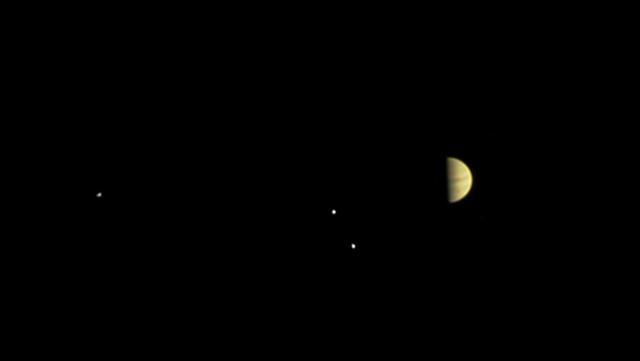
Every thirteen months, Earth laps Jupiter in their orbits around the Sun, bringing the giant planet to opposition — closest approach, fully illuminated, visible all night. Jupiter's 2026 opposition puts it in a favorable position for northern observers, and a modest telescope will show you cloud bands, the Great Red Spot, and four moons that.
-
Stargazing
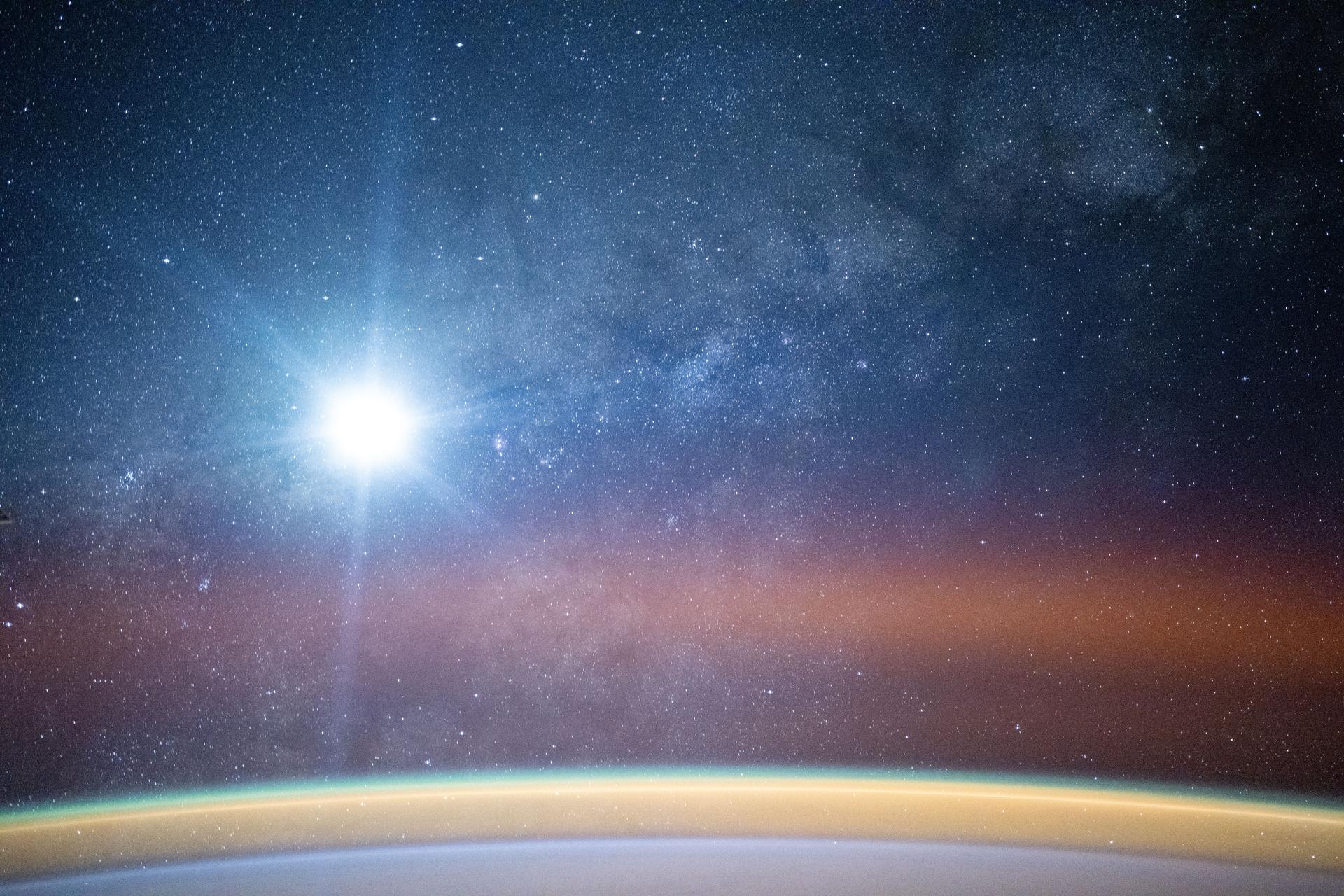
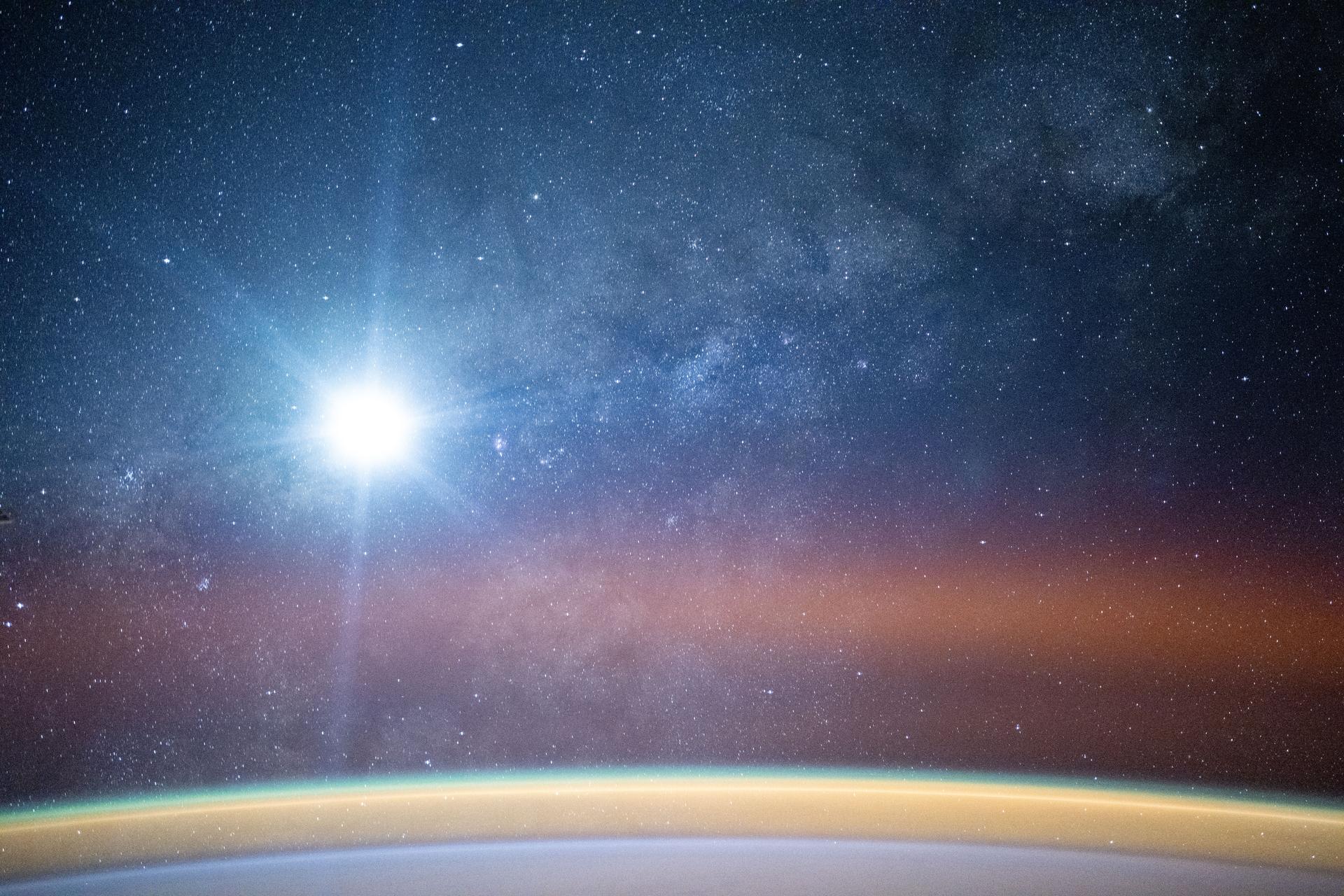
Night sky photography in 2026: what modern cameras can do that used to take an observatory
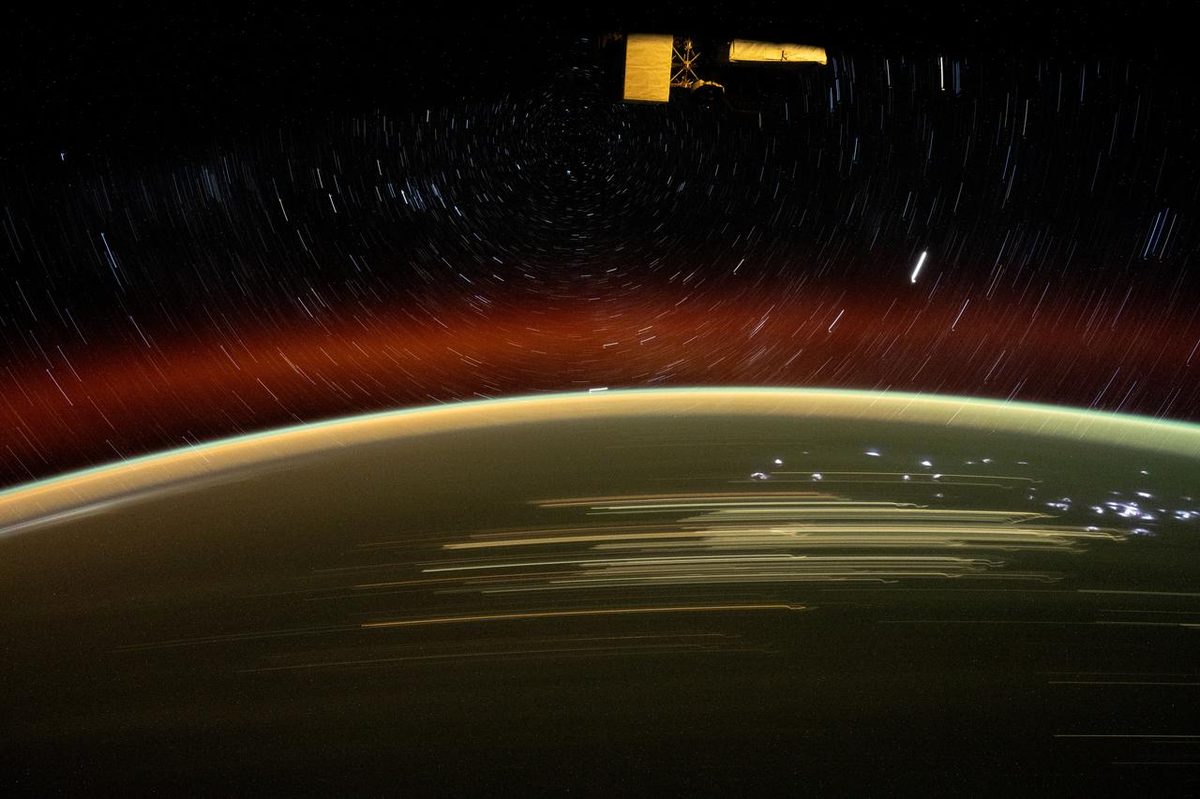
The gap between what professional astronomers can photograph and what a person with a consumer camera can photograph has collapsed in a decade. Modern sensors, computational processing, and stacking software have put Milky Way portraits and even nebula detail within reach of anyone with patience and a clear night. Here's what the technology.
-
Commercial
A startup is building a space station. Haven-1 is closer than most people realize.
Vast Space is developing Haven-1, a small commercial space station aimed at hosting private astronauts and eventually science payloads. SpaceX is launching it. The timeline is aggressive and the company is a newcomer, but the hardware is real and the contracts are signed.
-
Science & Discovery
The Wow! Signal is 47 years old. We still don't know what it was.
On August 15, 1977, a radio telescope at Ohio State University detected something that fit every expected signature of a signal from extraterrestrial intelligence. It was never detected again. Decades of follow-up have generated hypotheses but no consensus. Here is where that investigation stands.
-
Missions
Artemis II keeps slipping. Here's what's actually holding it back.
NASA's crewed lunar flyby mission has been delayed again. The reasons are technical, financial, and organizational — and understanding them reveals how difficult it is to run a government human spaceflight program in 2026.
-
Science & Discovery
How black holes actually grow: new X-ray observations are filling in the picture
Black holes grow by consuming nearby gas and dust — but the details of how that accretion works, and how it produces the relativistic jets that extend for millions of light-years, are still being worked out. A new generation of X-ray telescopes is catching the process in action.
-
Missions
Dragonfly is going to Titan. Here's why that's one of the boldest planetary missions ever designed.
NASA's Dragonfly mission will send a nuclear-powered rotorcraft to fly across the surface of Saturn's moon Titan — a world with lakes of liquid methane, organic chemistry everywhere, and possibly the ingredients for life. The mission is years away, but it's being built now.
-
Stargazing
The best meteor showers of 2026: when to watch and where to look
Each year brings the same celestial calendar of debris trails — but the conditions change. Moon phase, radiant altitude, and predicted rates vary year to year, and 2026 has some genuinely favorable nights worth planning around.
-
Stargazing
Saturn's rings are nearly edge-on. Here's why that's worth watching.
Saturn's rings appear to open and close as the planet orbits the Sun, presenting a full face every fifteen years or so — and then nearly vanishing as they tilt edge-on. We are approaching one of those disappearing acts. Understanding the geometry, and how to watch it unfold, makes an ordinary telescope into a front-row seat for orbital mechanics.
-
Astronomy
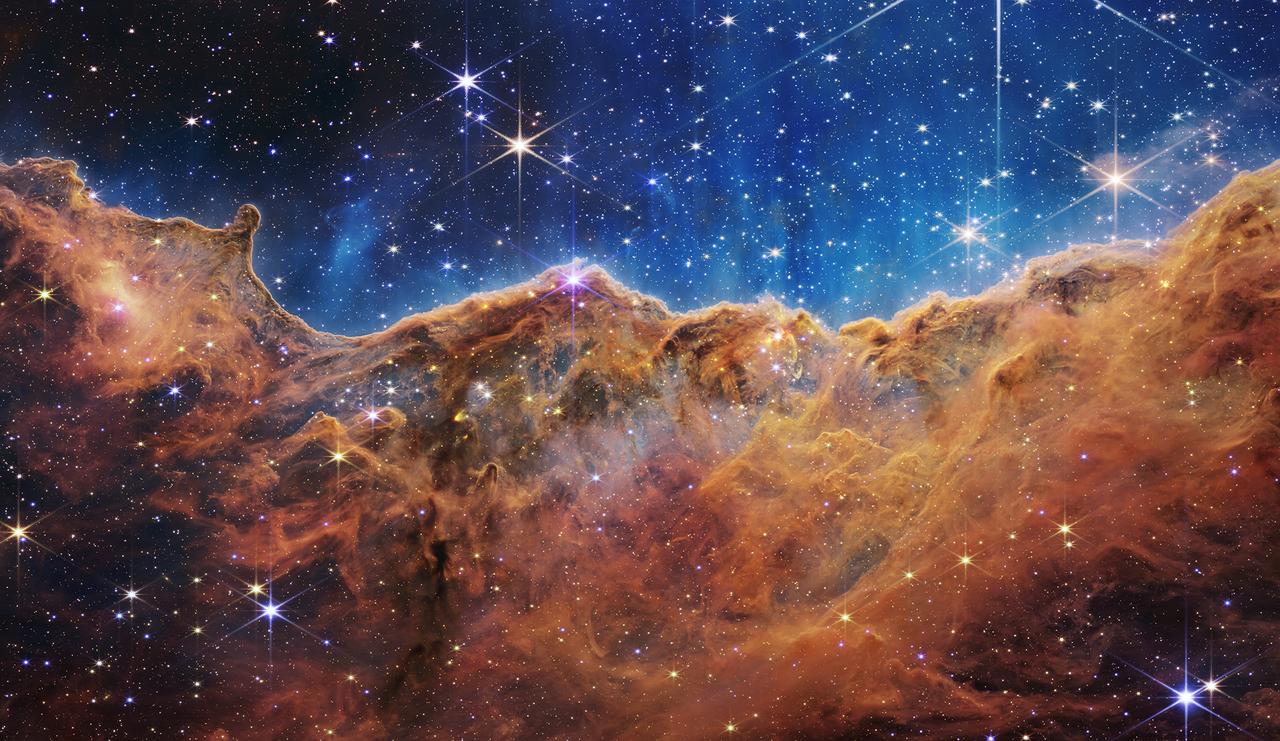
Webb found water in the disk where a planet is forming right now
Using the James Webb Space Telescope, astronomers have detected vast amounts of water vapor in the inner region of a protoplanetary disk — the ring of gas and dust that surrounds a young star and eventually assembles into planets. It's direct evidence that planets can begin their lives wet.
-
Missions
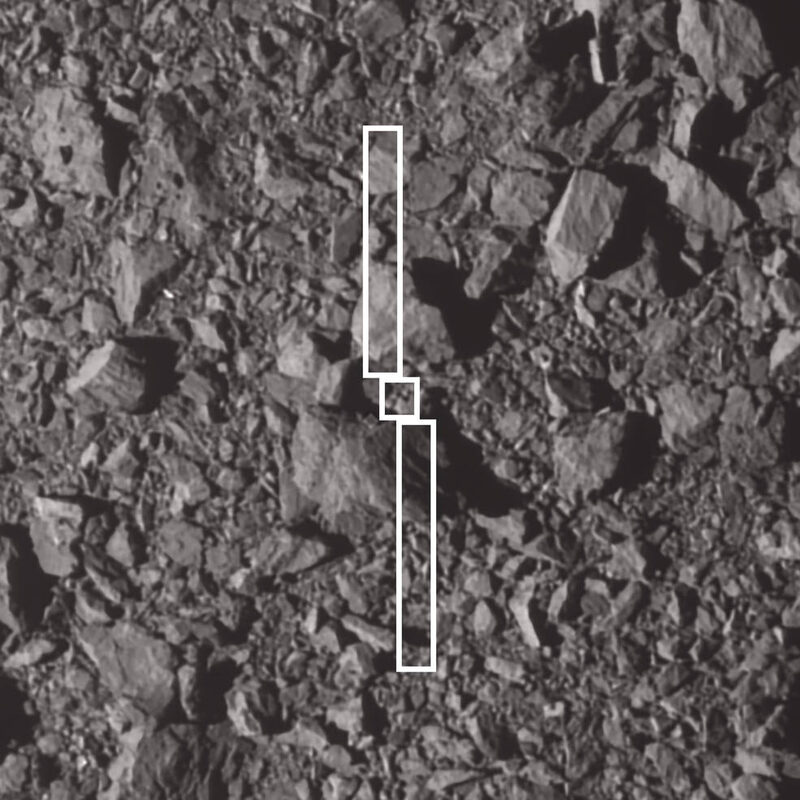
NASA crashed a spacecraft into an asteroid on purpose. It worked better than the models said it would.
The DART spacecraft impacted asteroid Dimorphos on September 26, 2022, reducing its orbital period by 33 minutes — far more than the minimum 73-second threshold for mission success. The result has permanently changed how planetary defense is planned.
Page 56 of 68
