
All articles
-
Stargazing
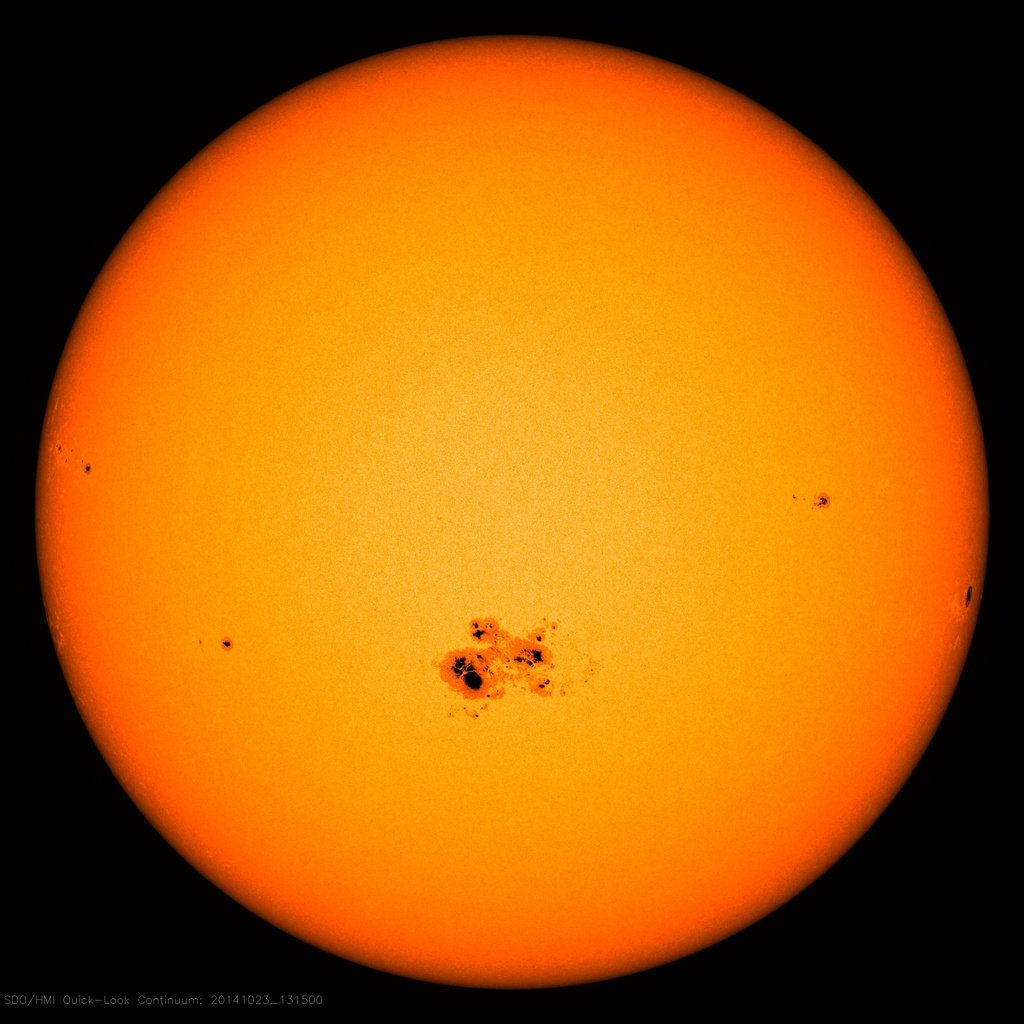
Monster Sunspot AR4551 Loads Up for Possible M- and X-Class Flares
Earth-facing sunspot region AR4551 has spent days in a beta-gamma-delta configuration and has produced most of the Sun's flares, all C-class so far. NOAA puts the chance of an M-class flare at 25% through Oct 18 and says an X-class flare is possible.
-
Astronomy
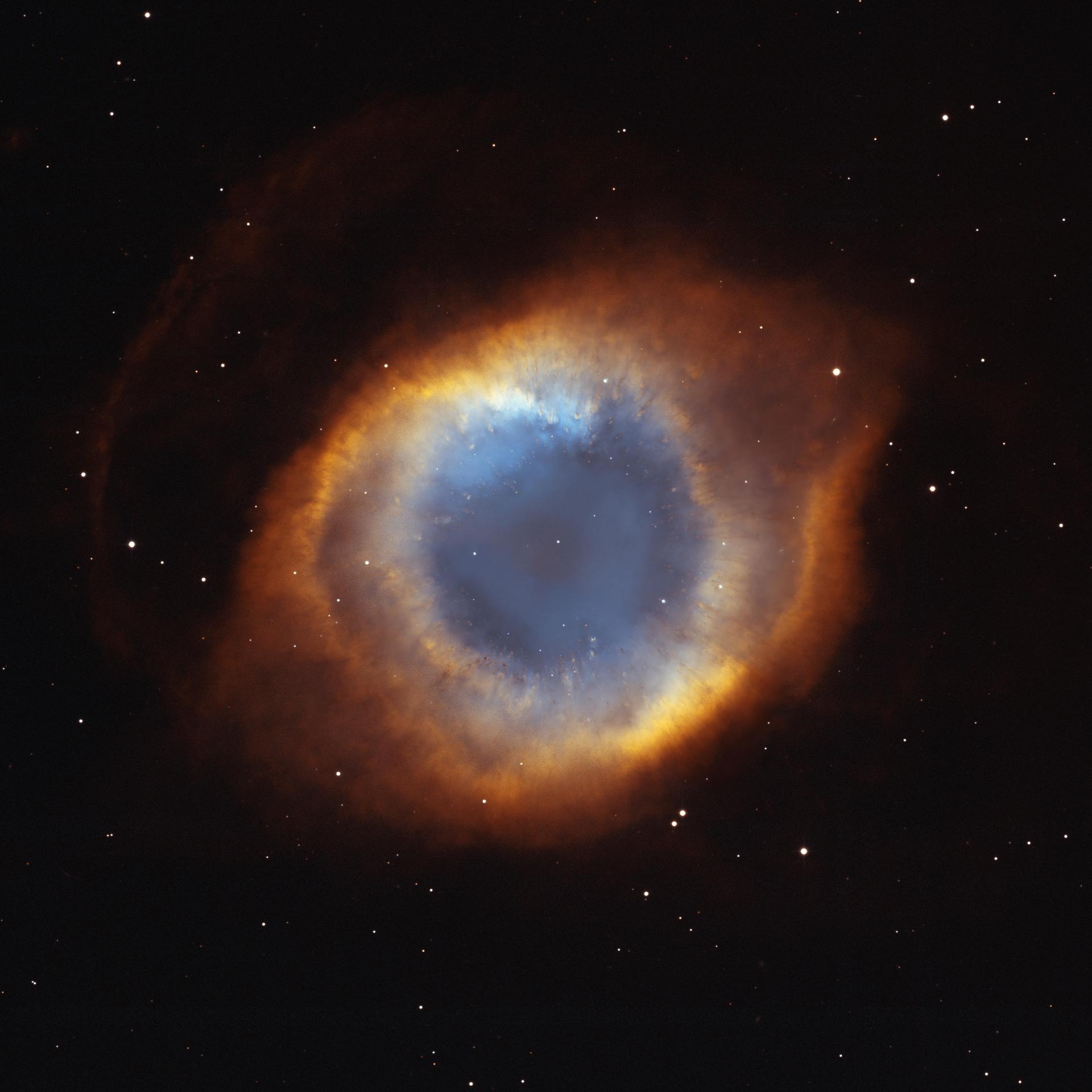
Green, Pink and Purple: The Surprising True Colours of White Dwarfs
Warwick astronomers ran white dwarf spectra through a model of human vision and found that, seen up close, some of these stars would look pink, purple, cyan, yellow, or in one case chartreuse green, even though the average white dwarf really is white.
-
Astronomy
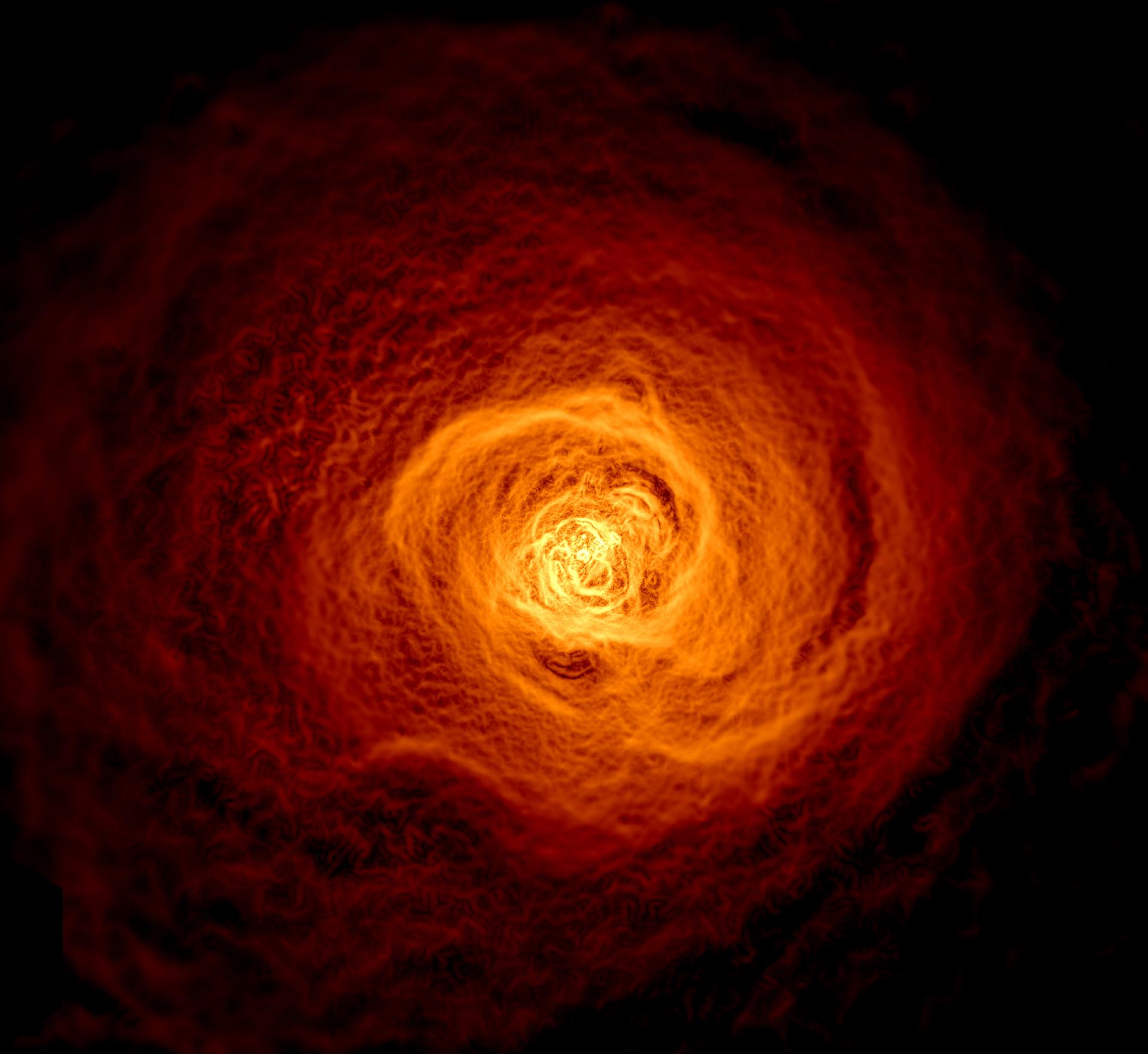
Chandra Decodes the 'Treble Clef': A Black Hole Outburst Revived by a Cluster Collision
A treble-clef-shaped radio glow hidden behind the Milky Way turns out to be a radio phoenix: old plasma from a supermassive black hole outburst, revived when two galaxy clusters collided a few hundred million years ago.
-
NASA & Agencies
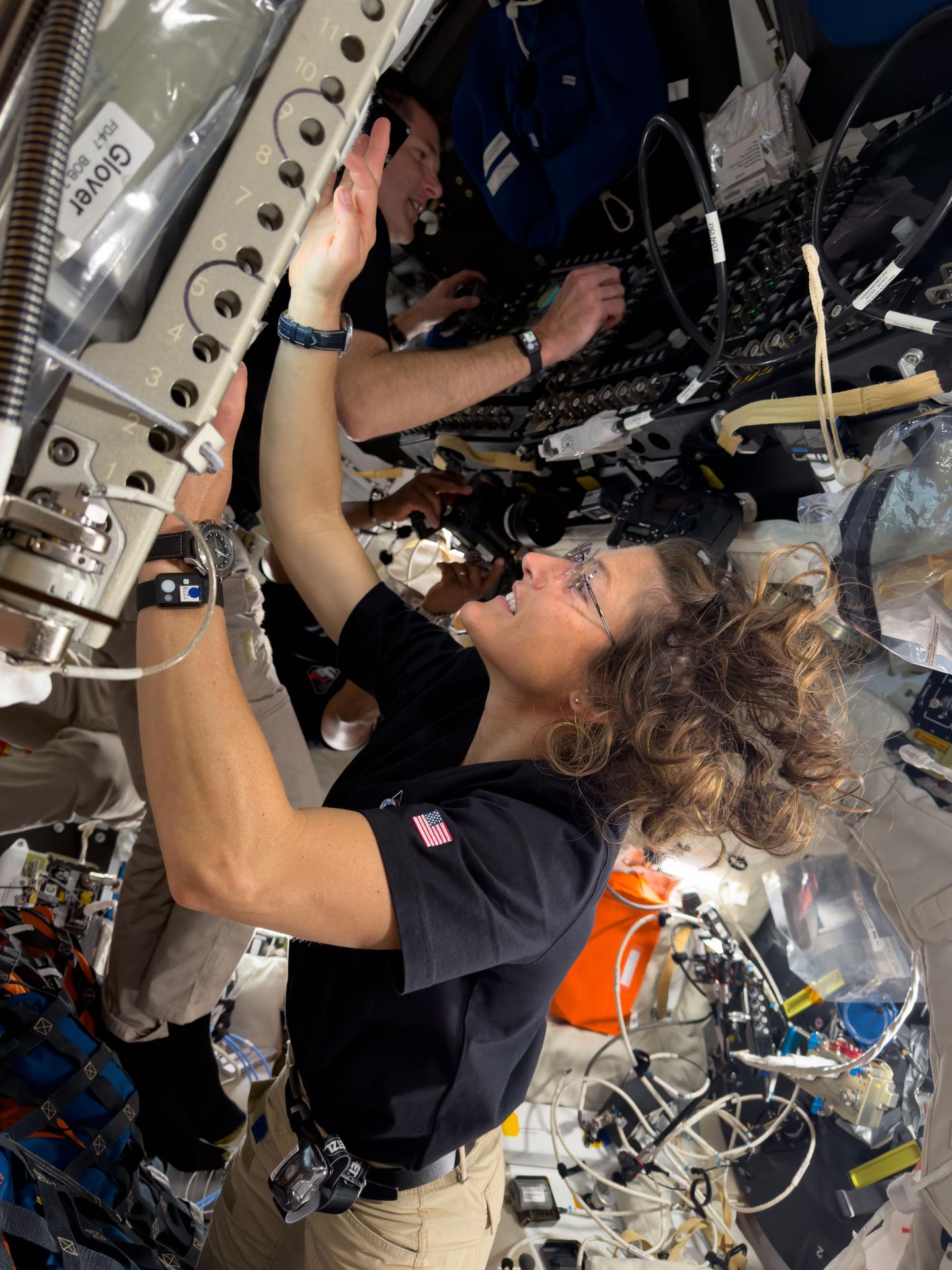
Artemis II's Christina Koch Leaves the Flight Line as NASA Readies an Artemis Update
Six months after flying around the Moon, Christina Koch is giving up spaceflight eligibility to become NASA's acting deputy chief engineer. She is the last of the four Artemis II astronauts to take a new role, and NASA has set an Oct. 23 briefing on Artemis III and its 2028 landing plan.
-
Missions
Two Spacewalks to Finish the Station's Power Upgrade With the Last Roll-Out Solar Arrays
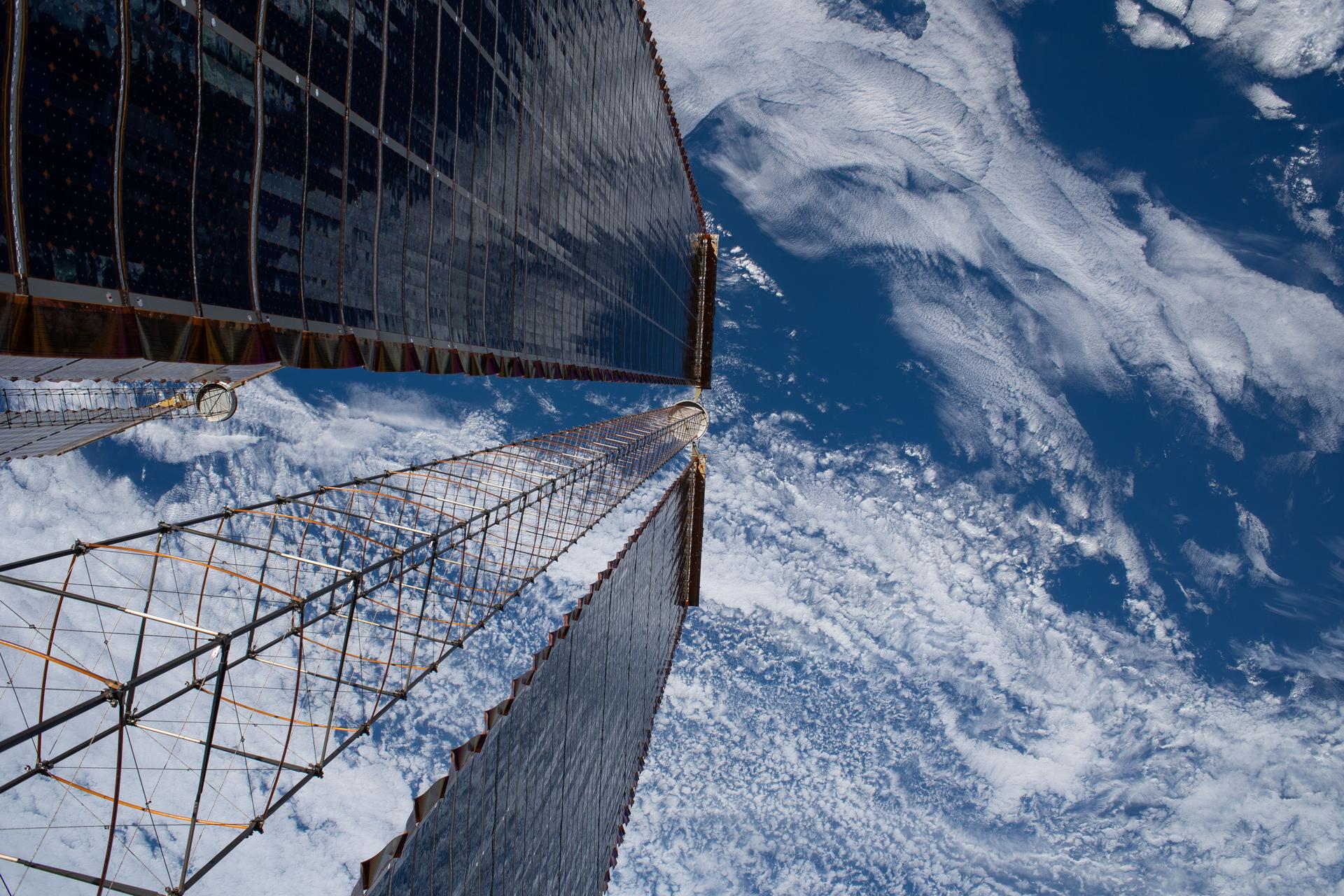
With CRS-35 carrying the final pair of roll-out solar arrays, NASA will preview spacewalks 100 and 101 on Oct. 20, when Anil Menon and Joshua Kutryk are set to install arrays seven and eight and lift ISS power from 160 kW to about 215 kW.
-
Science & Discovery
Planetary Systems Sort Into Two Families, and the Host Star Decides Which
An INAF-led Nature Astronomy study of 300 well-characterised multi-planet systems finds they split into two families: calm, compact systems around smaller stars, and massive systems around metal-rich stars that are about ten times more dynamically agitated.
-
Commercial
SpaceX Asks the FAA to Approve 456 Starship Launches a Year From Starbase
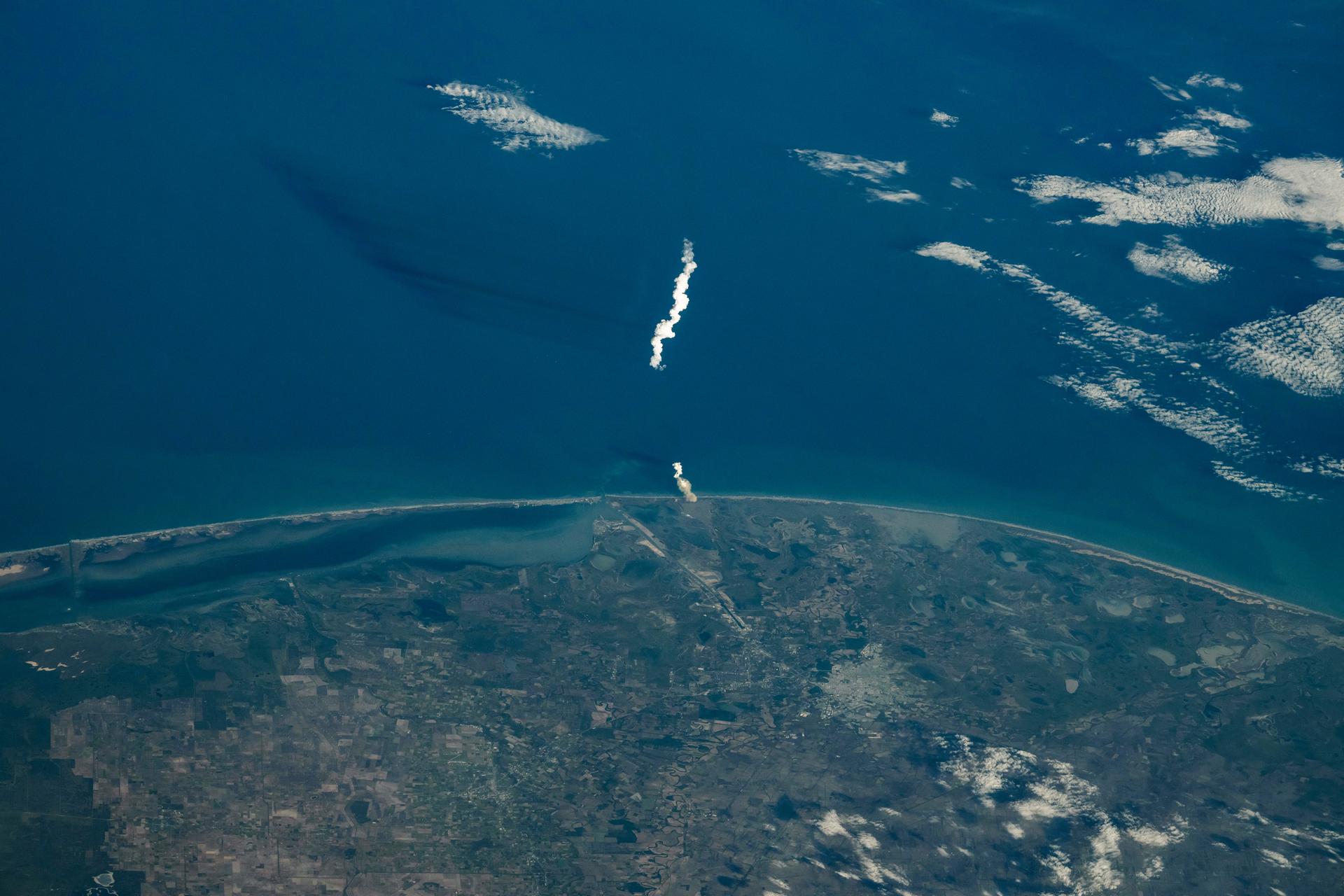
The FAA has opened an environmental review of SpaceX's plan to go from 25 Starship launches a year at Boca Chica to as many as 456, with up to 912 landings. Public comments are due Nov. 30.
-
Missions
Jupiter's Magnetodisk Ripples Like a Flag, Juno Data Show
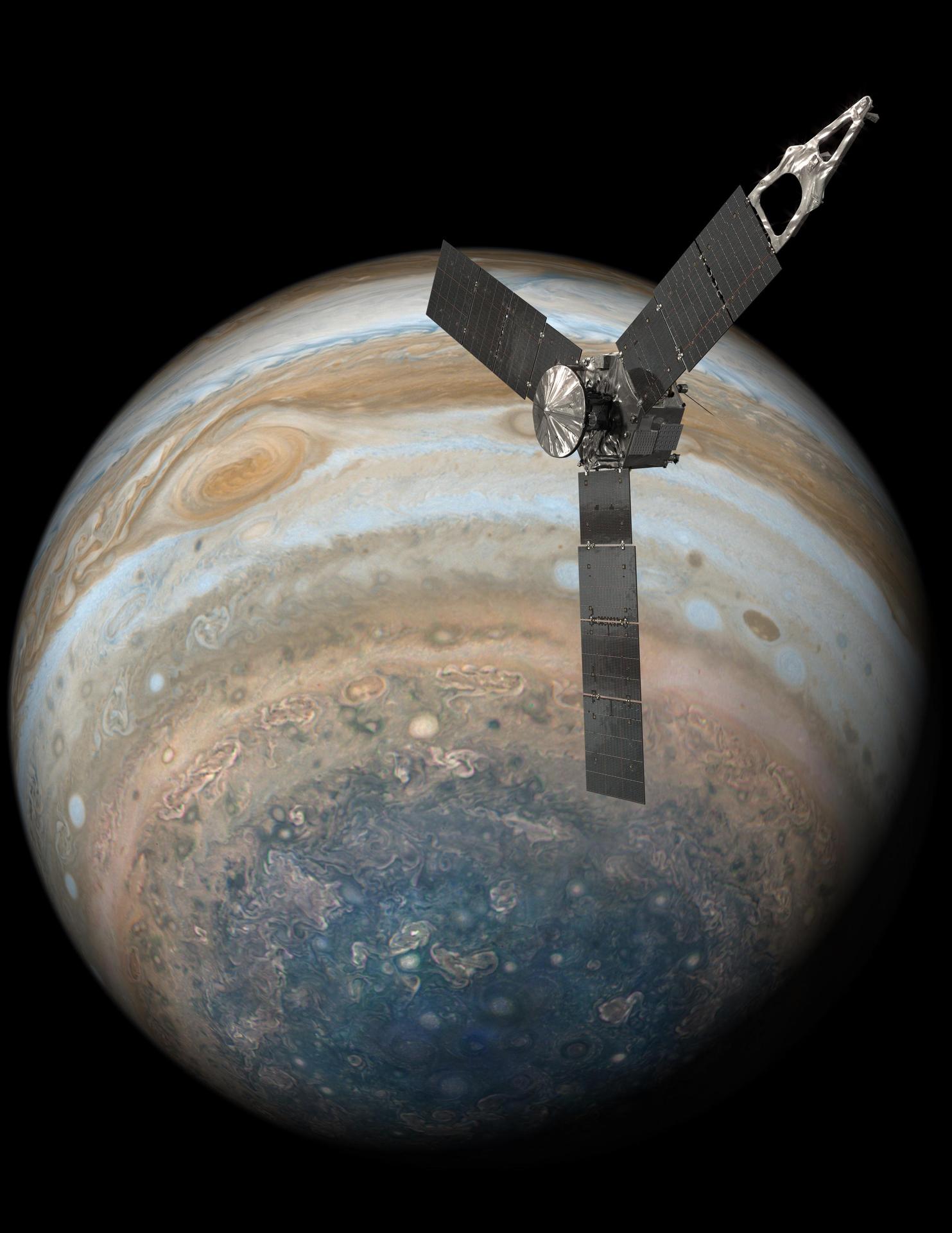
Juno data show that Jupiter's magnetodisk current sheet is not a smooth, tilted disk. When magnetic reconnection breaks its field lines, the sheet crumples into ripples that rotate with the planet and sweep past the spacecraft again and again.
-
Stargazing
After the G3 Storm: A Fast Solar Wind Stream Keeps Aurora Hopes Alive, but the Forecasts Don't Agree
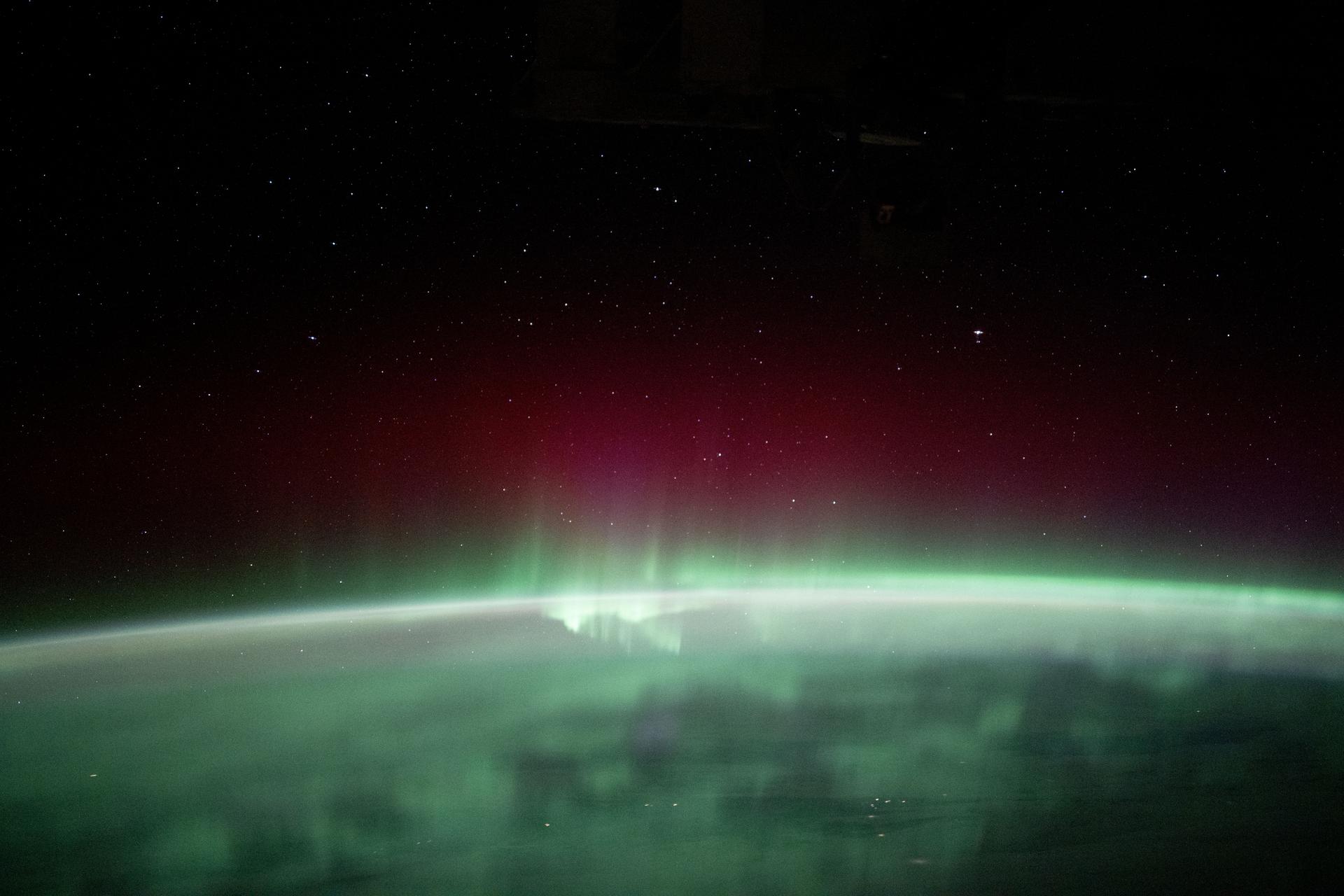
Four days after an M6.4 flare and a G3 storm, a coronal-hole stream topping 600 km/s is buffeting Earth. EarthSky says G1, maybe G2. NOAA's newest outlook peaks at Kp 3.67, below storm level. High latitudes have the best shot.
-
Military Space
Space Force Quietly Stands Up Its Ninth Component, This One for Special Operations Command
The Space Force activated SPACEFOR-SOC, its ninth component field command, on Oct. 7, more than 18 months after SOCOM revealed the plan and after Congress paused it. A formal ceremony is still to come, and the service has not yet named a commander.
-
Astronomy
Hypernovae May Not Exist: UCL Study Says Ordinary Supernovae Explain 'Impossible' Stars
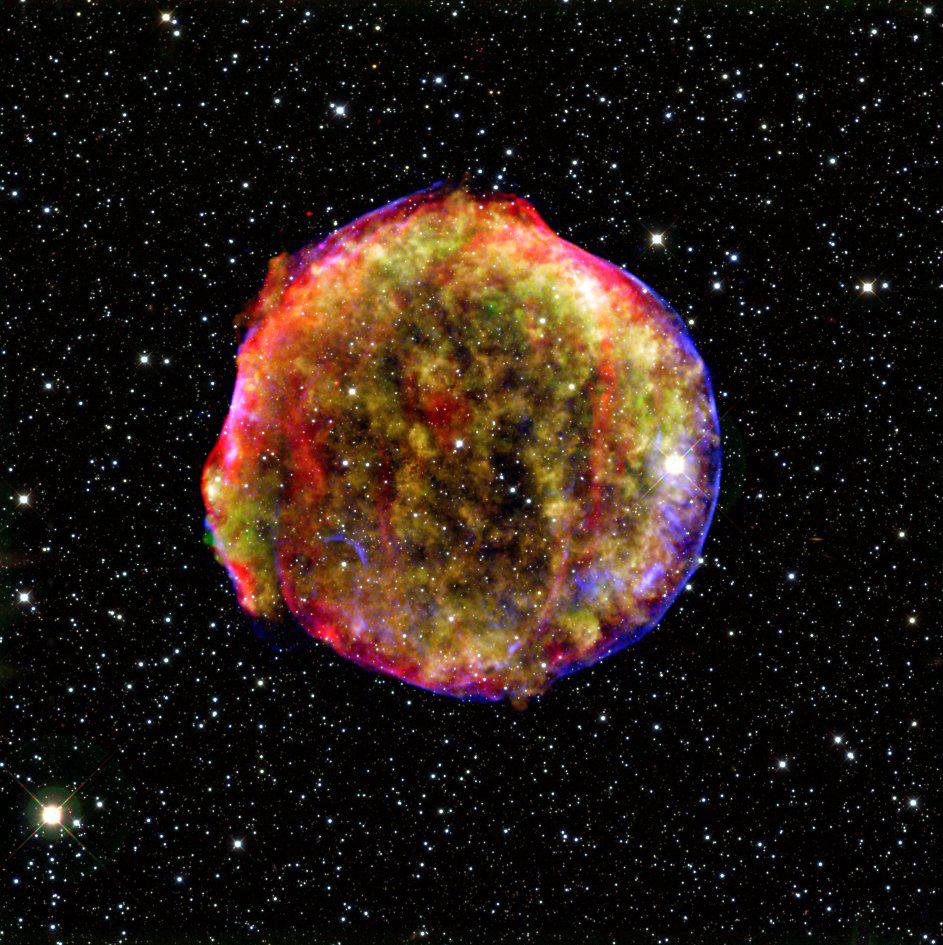
Two MNRAS papers from UCL argue that the strange metal-poor stars long cited as evidence for ultra-energetic hypernovae fit ordinary supernovae better once you account for messy, incomplete mixing of the ejected material.
-
Commercial
Varda Flies Two Capsules at Once, Lines Up Seven More Missions for 2027
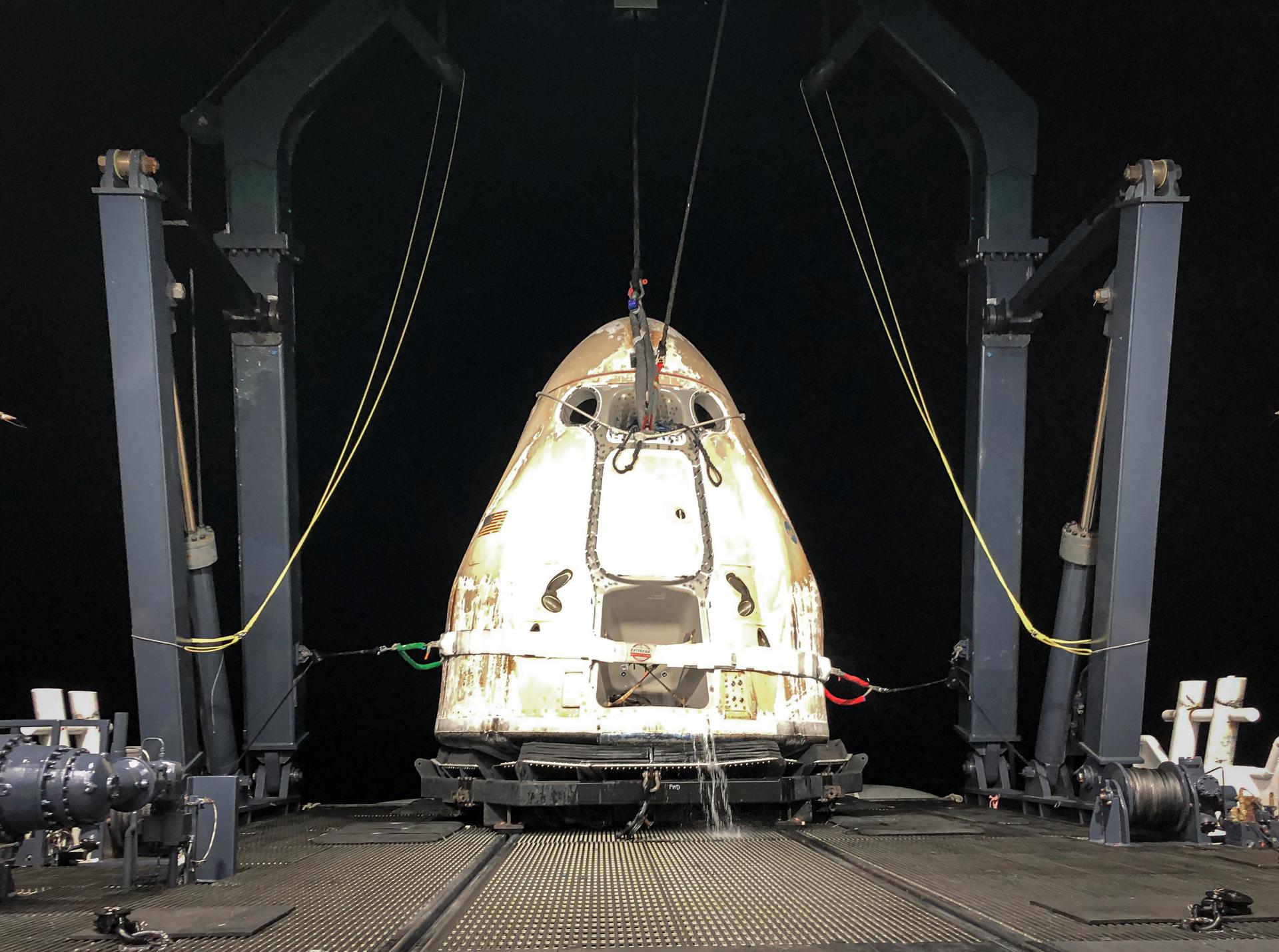
Varda Space Industries put two reentry capsules, W-8 and W-9, into orbit on one Falcon 9 rideshare, plans to bring three vehicles home to South Australia before Christmas and has seven missions lined up for 2027. Its CEO is already worried about a rocket shortage once Falcon 9 retires.
Page 4 of 68
