
All articles
-
Science & Discovery
Where Did Mars's Early Rain Deliver Life's Building Block? A Formaldehyde Map Points to Tharsis and Elysium
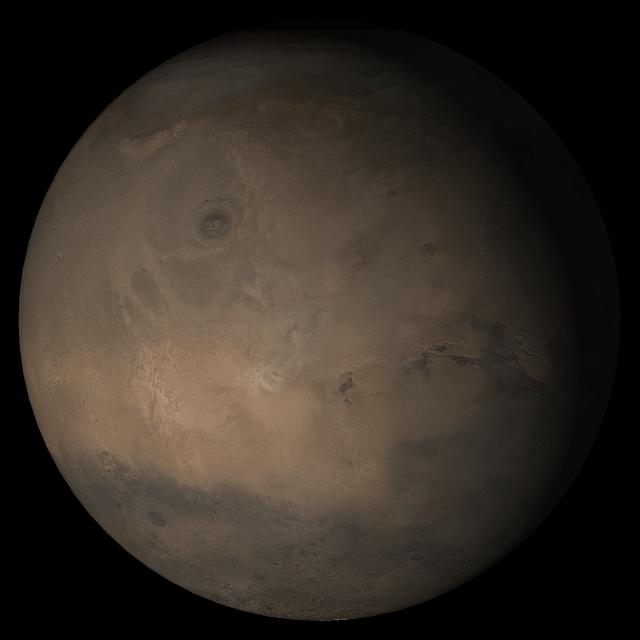
A new model of warm early Mars traces where rain carried formaldehyde, a starting material for sugars and amino acids, to the ground, and finds the wet, mountainous Tharsis and Elysium regions got about ten times the global average.
-
NASA & Agencies
NASA Offers $150,000 to Stop Moonwalkers From Becoming 'Walking, High Voltage Capacitors'
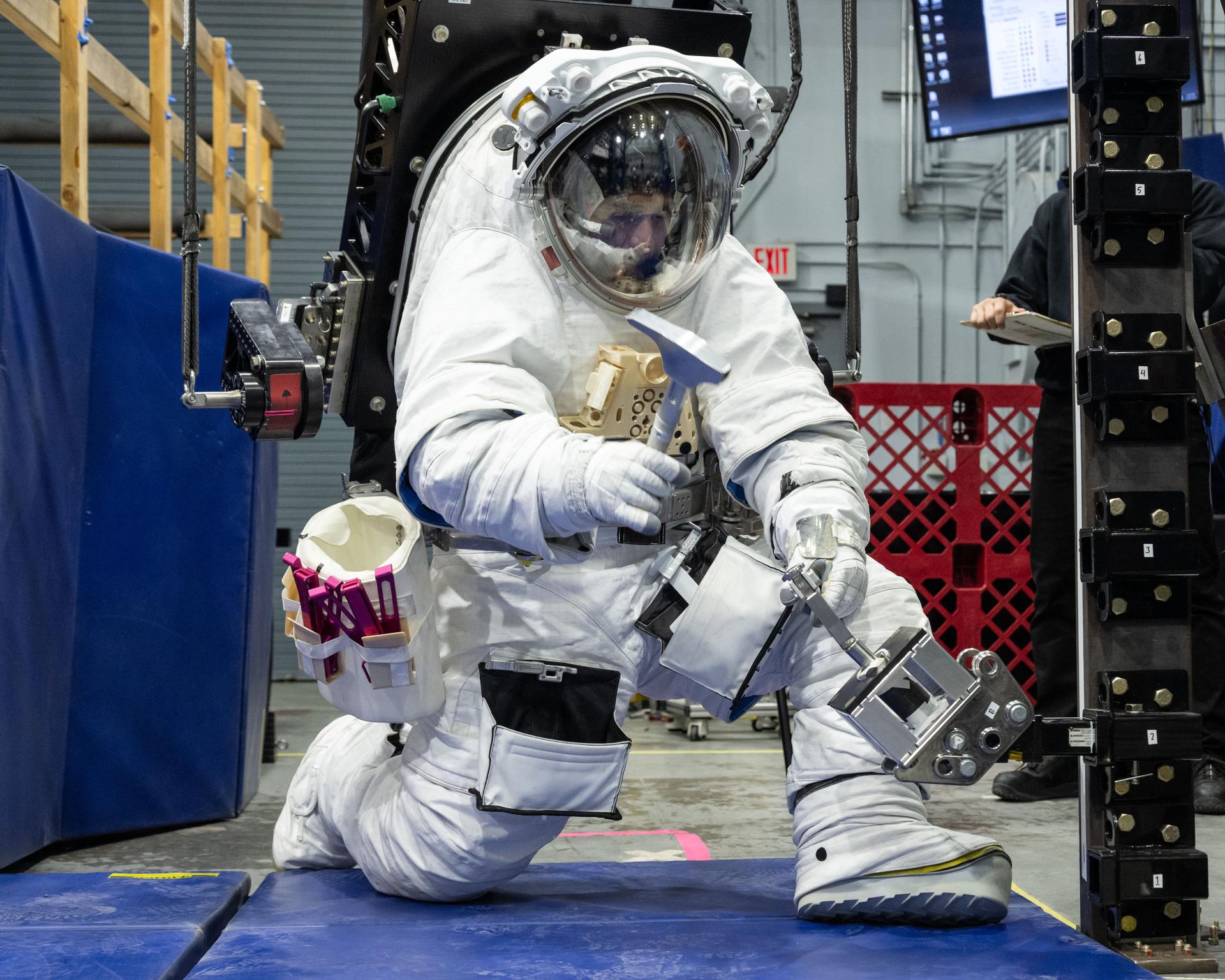
NASA's $150,000 Lunar Grounding Challenge wants a device that safely drains static charge from Artemis astronauts at the lunar south pole before they touch the lander. NASA's design case puts the suit near -100 kV.
-
Astronomy
Primordial Helium Pinned to 0.5%, and the Big Bang Still Fits
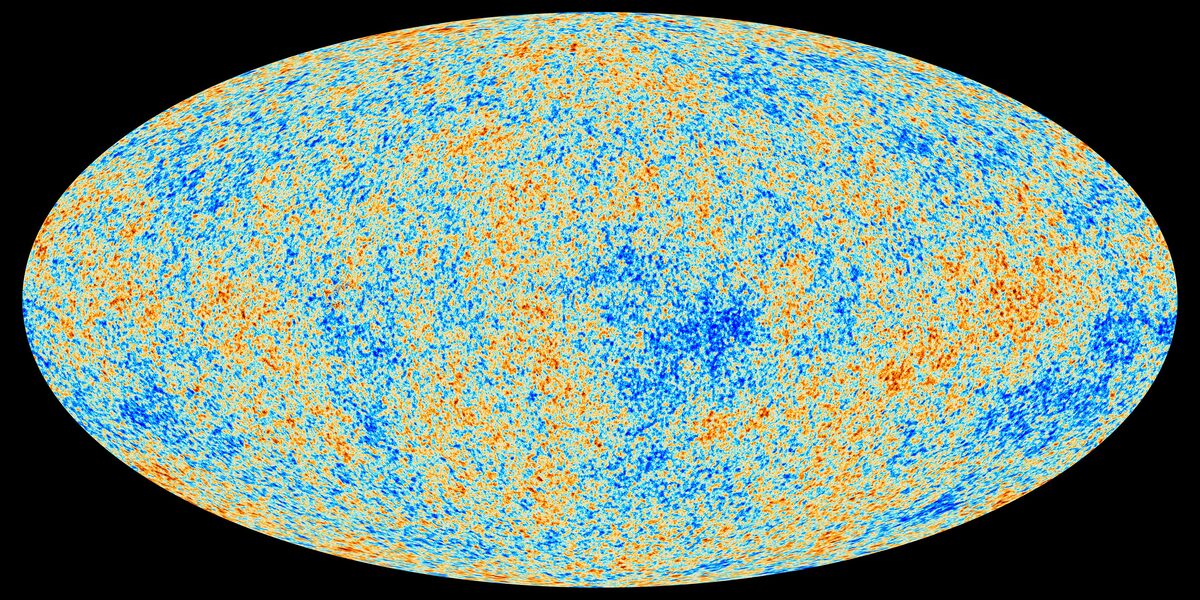
Large Binocular Telescope observations of 54 metal-poor gas clouds put the universe's original helium at 24.58% of its mass, measured to 0.5%. That agrees with the cosmic microwave background and Big Bang theory, and it tightens the limits on unknown light particles.
-
Military Space
SDA's Fourth Tranche 1 Launch Flies After Five-Day Scrub, Putting 21 Northrop Grumman Data Satellites in Orbit
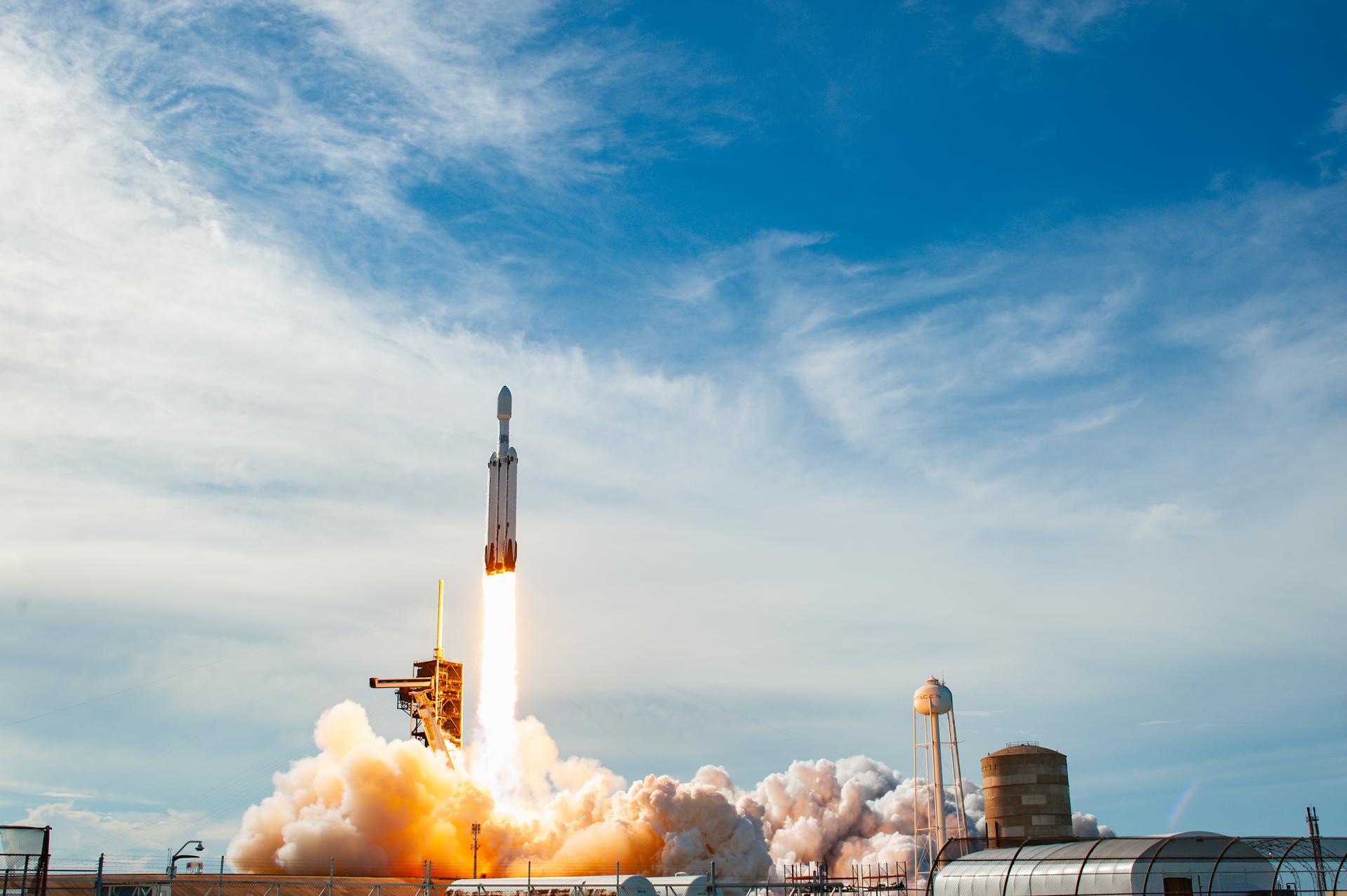
Five days after an automated abort, a Falcon 9 lifted 21 Northrop Grumman Transport Layer satellites from Vandenberg on Oct. 10. That brings the Space Development Agency to 84 of the 126 data-relay satellites planned for Tranche 1, with five of nine launches still to go.
-
Stargazing
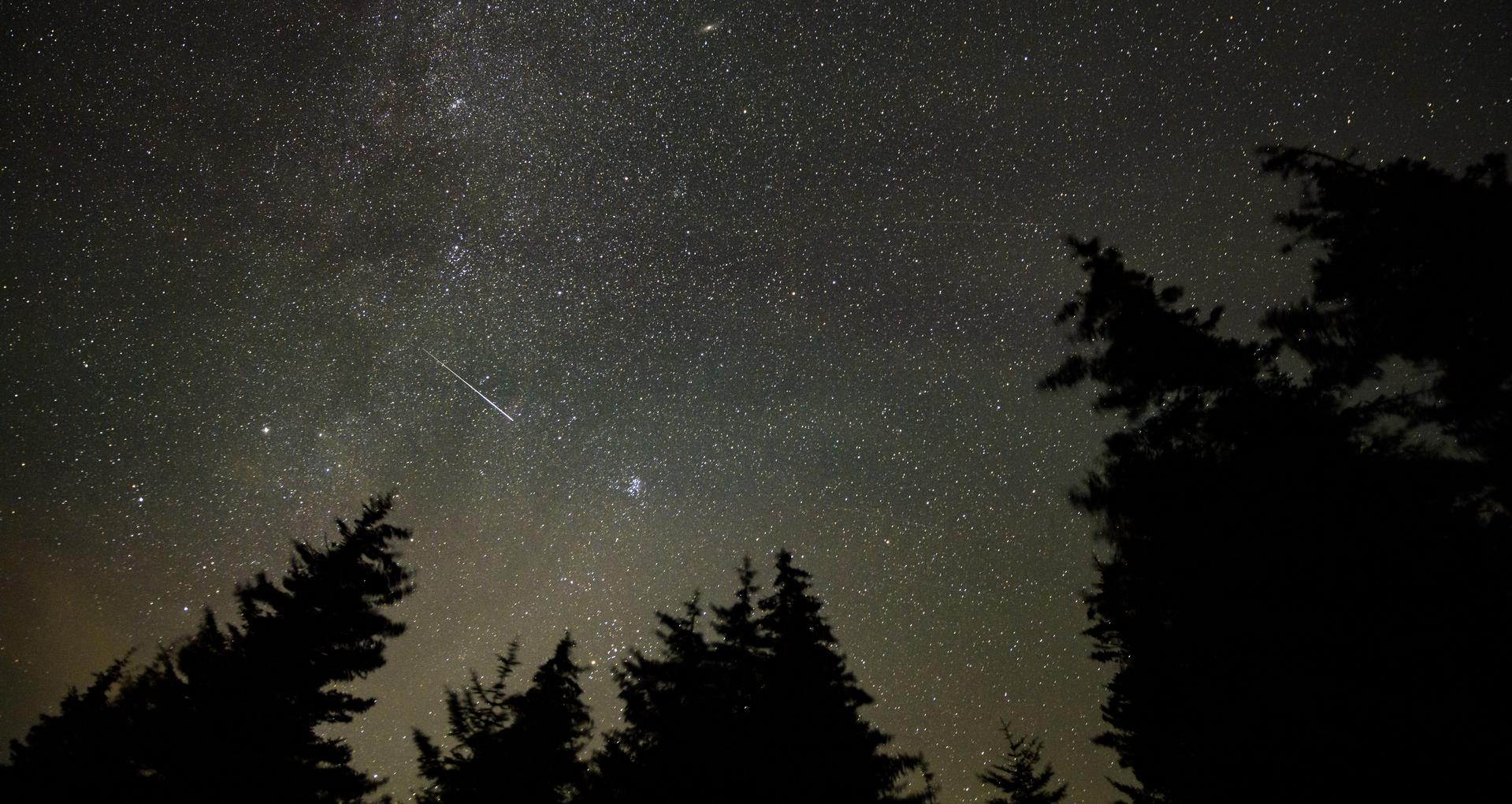
The 'Halloween Fireballs' Are Coming: How to Watch the 2026 Taurids, and Why This Isn't a Swarm Year
The Taurids are slow to build and produce only about 5 meteors an hour per stream, but they're known for bright fireballs, and there's little moonlight to get in the way this autumn. The catch: no enhanced swarm is predicted until 2032.
-
Missions
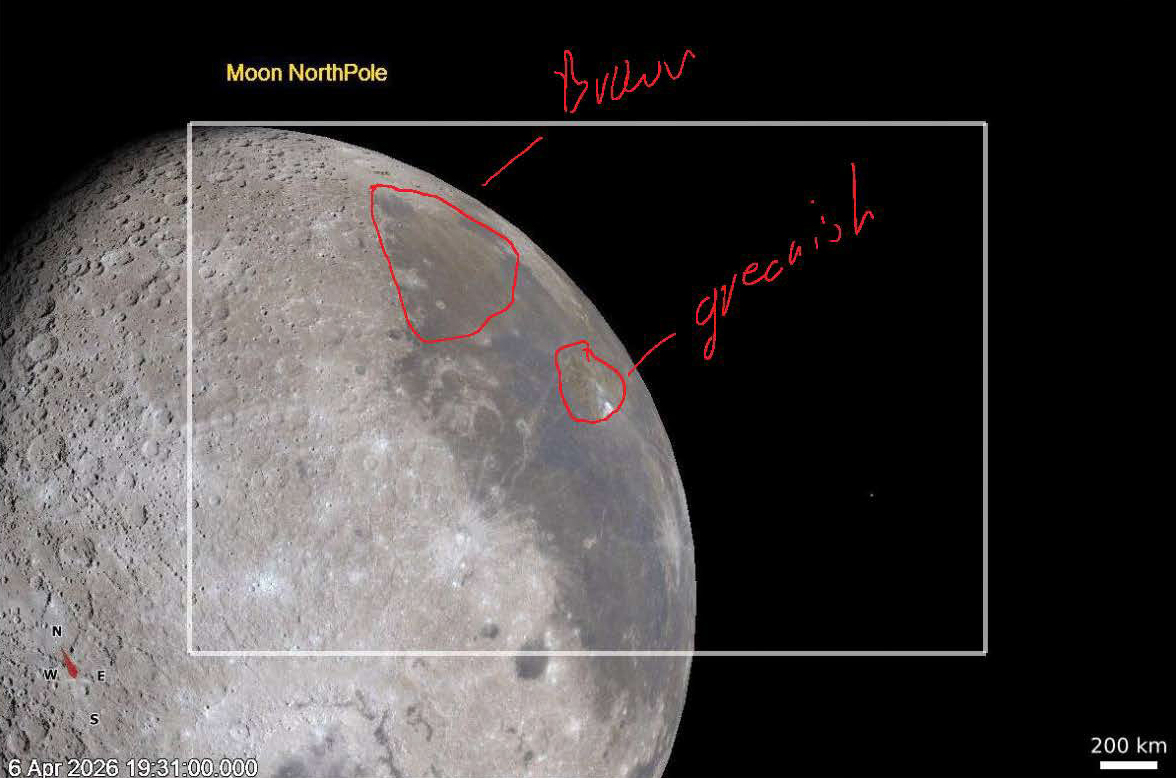
Artemis II Science Data Goes Public: Impact Flashes, a Rainbow Moon and 54 Minutes of Eclipse
NASA has released more than 800 GB of Artemis II lunar science data, including five confirmed impact flashes, a far-side region humans had never seen in sunlight, and a 54-minute total solar eclipse viewed from beyond the Moon.
-
NASA & Agencies
Crew-12 Comes Home: Sophie Adenot's Record 237-Day Flight Ends in Cologne
Crew-12's Dragon Freedom splashed down off Los Angeles on Oct. 8 after 237 days. Two days later ESA's Sophie Adenot landed in Cologne holding a new European record for the longest single spaceflight, and ESA is pointing to December's ministerial meeting in Rome.
-
Science & Discovery
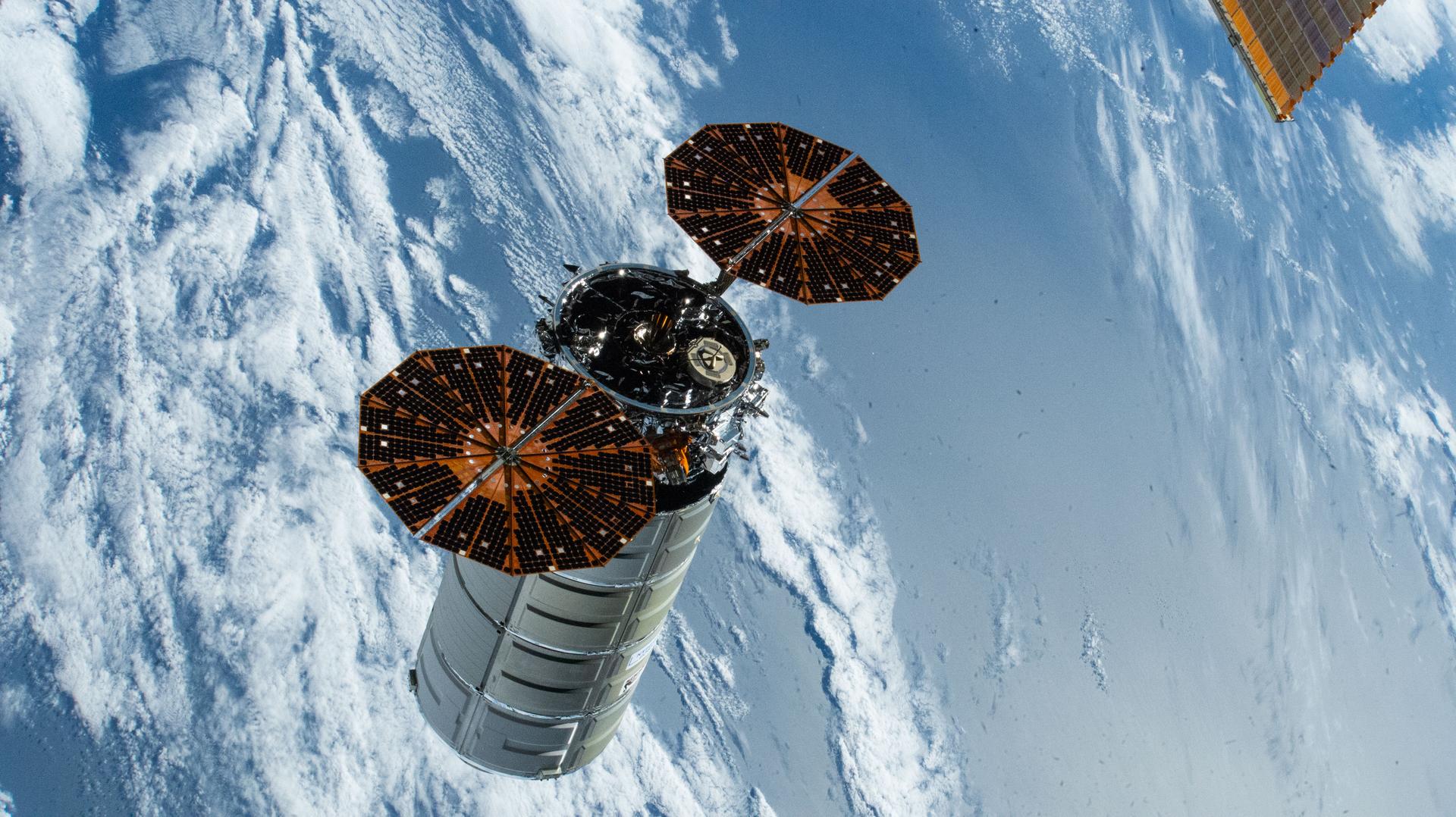
Trash to Treasure: Cygnus XL Leaves the ISS Carrying 12 Student-Built Heat-Shield Probes
Northrop Grumman's Cygnus XL left the ISS on Oct. 9 loaded with station trash and 12 University of Kentucky KREPE-3 capsules that will test experimental heat-shield materials, including a 3D-printed shield, during the cargo ship's destructive reentry.
-
Astronomy
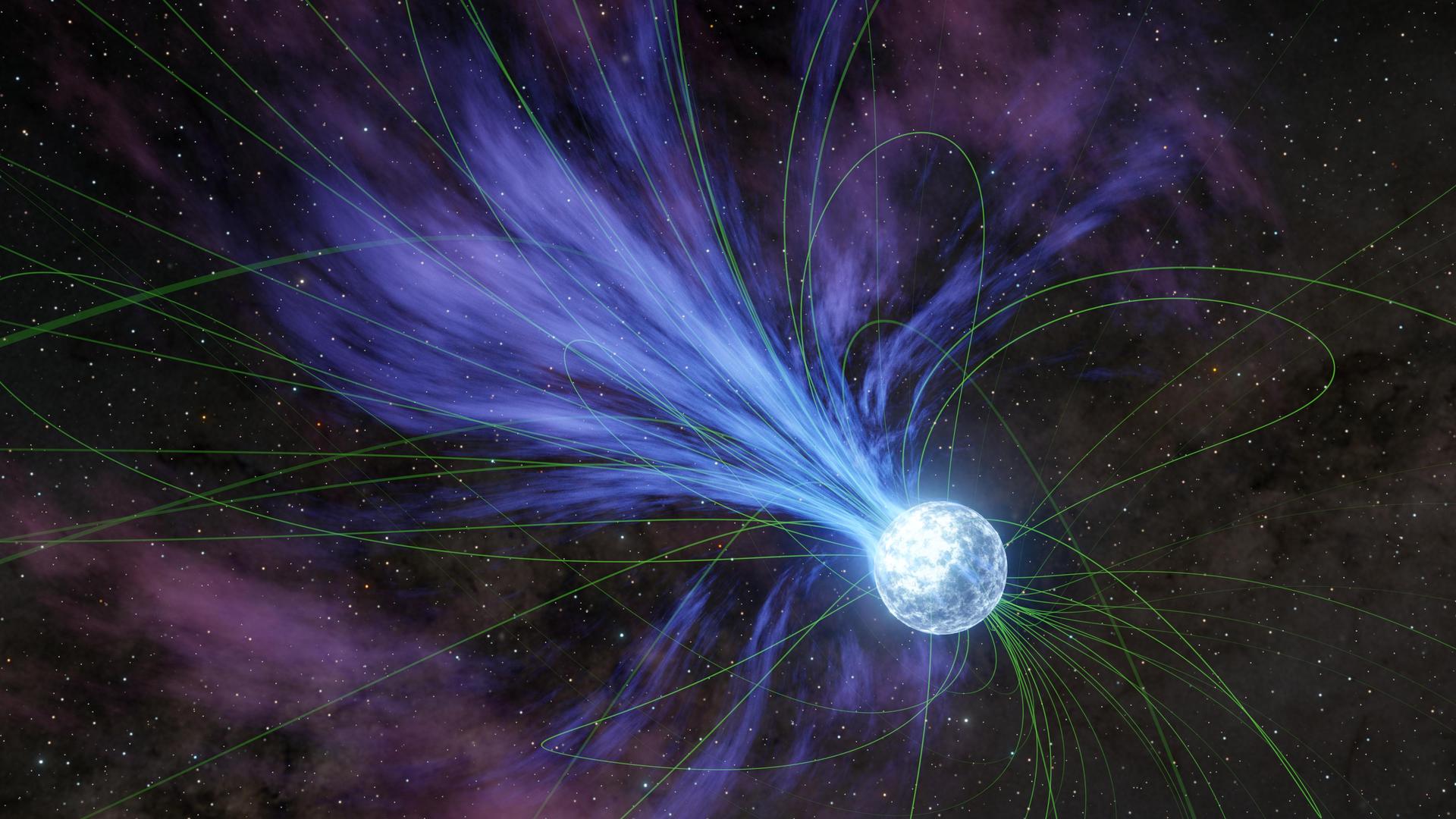
A Nearly 10-Minute X-Ray Flash After a Half-Second Gamma Burst May Mark a Newborn Magnetar
The 0.4-second gamma-ray burst GRB 250704B was followed by about 560 seconds of soft X-rays seen by Einstein Probe. It is the longest prompt X-ray flash yet tied to a neutron star merger, and it hints that the collision may have left behind a magnetar.
-
Missions
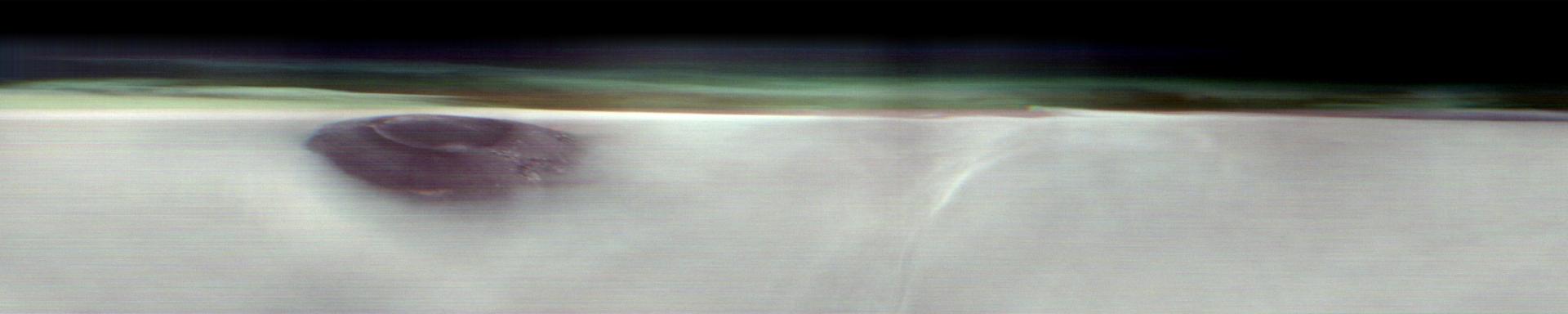
Mars's 1,800-km Cloud May Form Without Dust, Through Physics Never Before Seen in a Planetary Atmosphere
Modelling built on Mars Express images can reproduce the 1,800-km Arsia Mons Elongated Cloud only if water vapour freezes straight into ice without dust seeds. If the result holds, it is the first evidence of homogeneous nucleation in any planetary atmosphere.
-
Stargazing
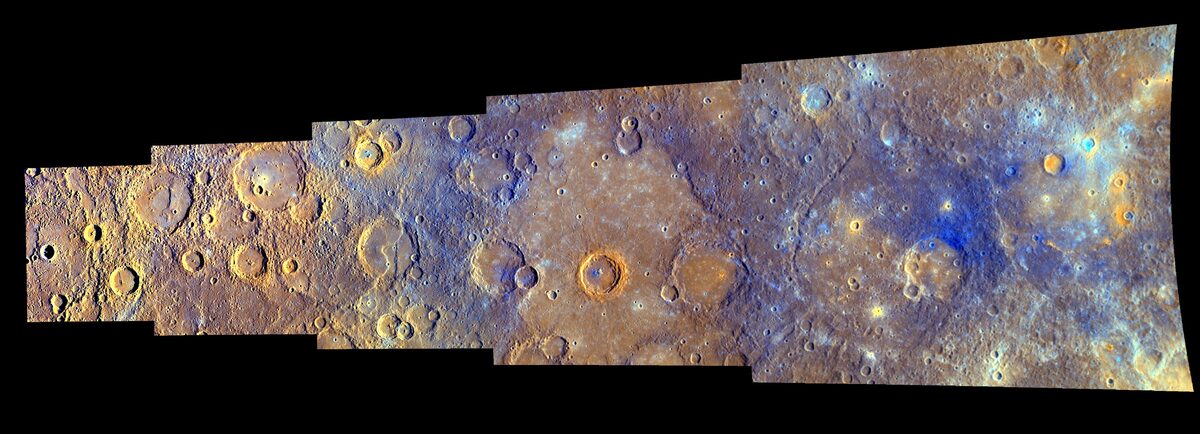
Mercury Reaches Greatest Eastern Elongation on October 12, and the Southern Hemisphere Gets the Best View of the Year
Mercury swings 25 degrees from the Sun on October 12, giving Southern Hemisphere skywatchers their best evening look at the planet in 2026. Most northern observers will find it hugging the horizon.
-
Commercial
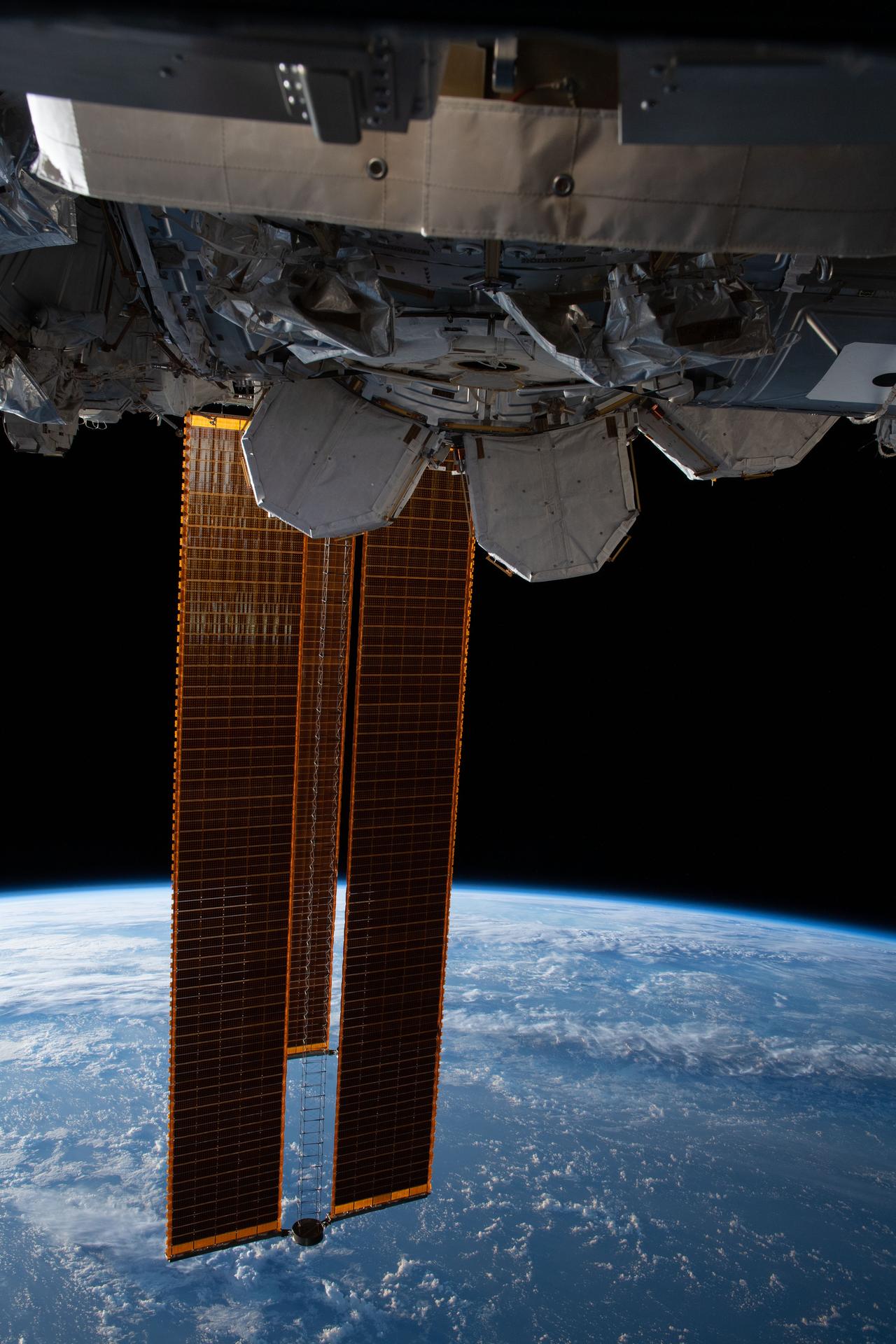
NASA Issues Final Call for Commercial Space Station Proposals; Bids Due Dec. 8
NASA has released its final request for proposals for commercial space stations in low Earth orbit. Bids are due Dec. 8 and awards are expected in spring 2027, so industry now has two months to show that a privately run station can pay for itself.

Page 5 of 68
