
All articles
-
Missions
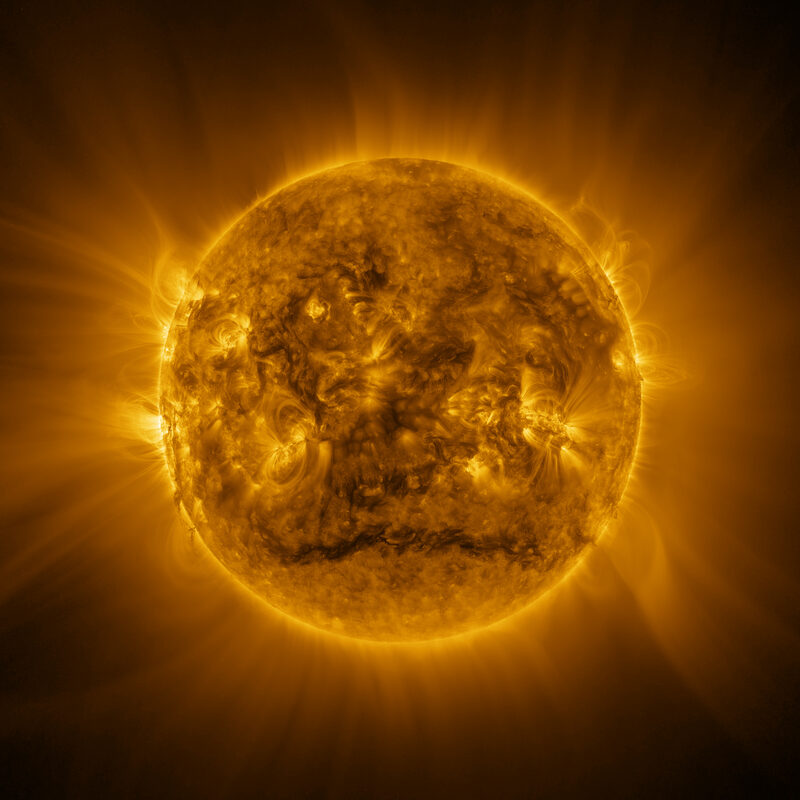
Solar Orbiter flew closer to the Sun than any imaging spacecraft before it. What it saw was unexpected.
ESA's Solar Orbiter has returned the closest images ever taken of the Sun, revealing thousands of tiny flares — dubbed 'campfires' — across the solar surface. It is also the first spacecraft designed to image the Sun's poles, solving a geometry problem that has frustrated solar physicists for decades.
-
Missions
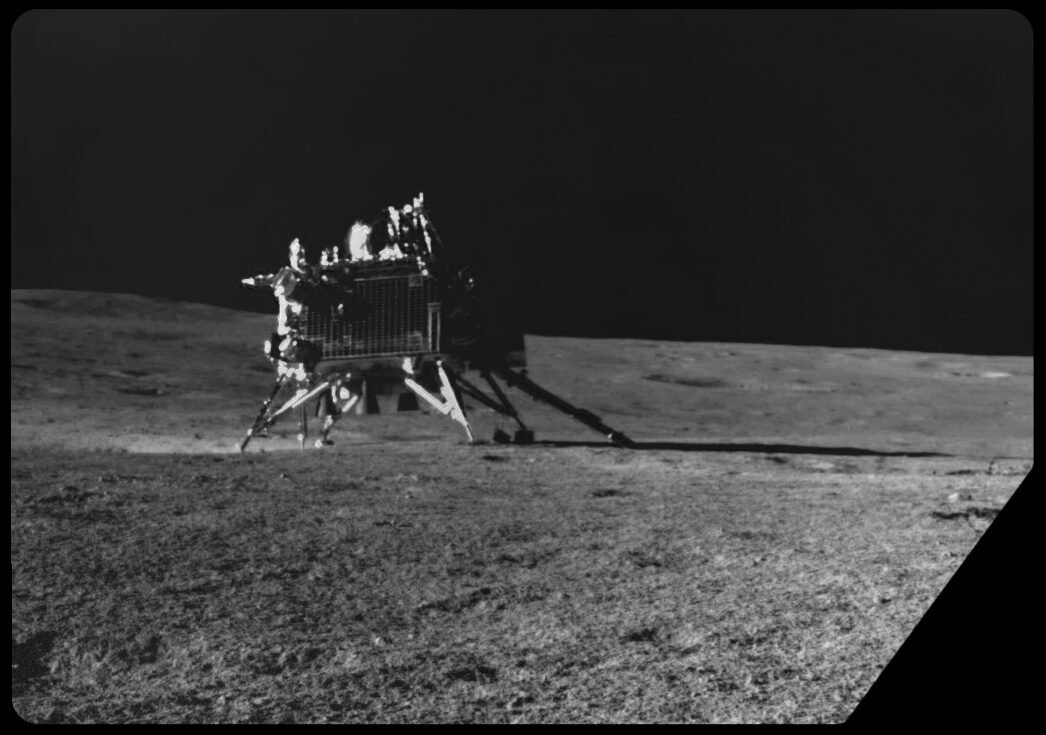
India landed on the Moon's south pole when others had failed. What Pragyan found in two weeks.
Chandrayaan-3's Vikram lander touched down near the lunar south pole on August 23, 2023, making India the fourth nation to soft-land on the Moon and the first to reach the polar region. The Pragyan rover operated for two weeks before entering sleep mode and has not reawakened.
-
Missions
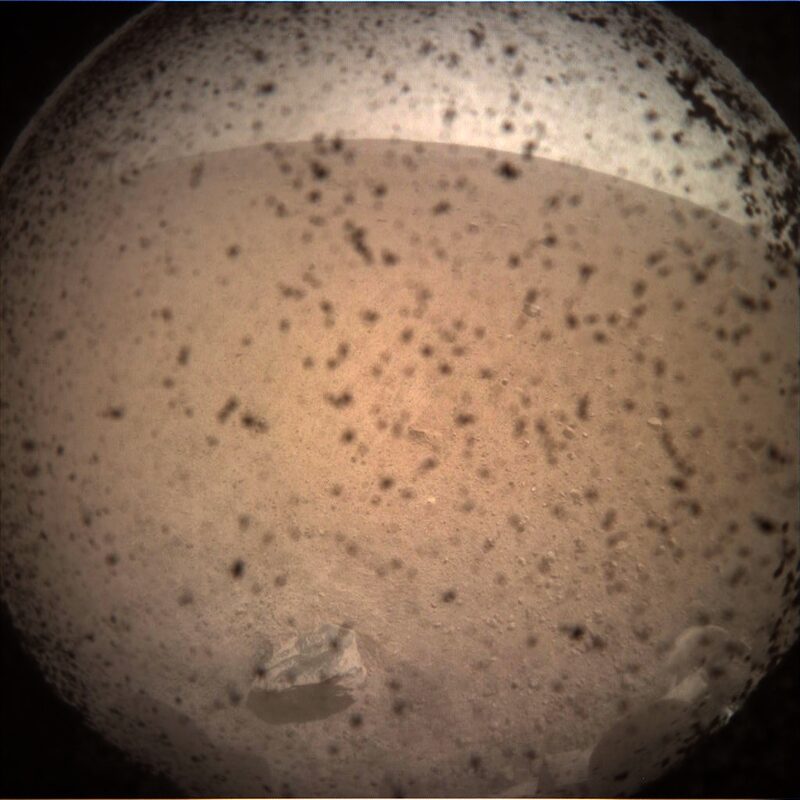
Before it died, InSight mapped the inside of Mars — and nothing was what we expected
NASA's InSight lander operated on Mars for four years, recording more than 1,300 marsquakes and making the first seismic measurements of another planet's interior. Its findings rewrote models of how rocky planets form.
-
Missions
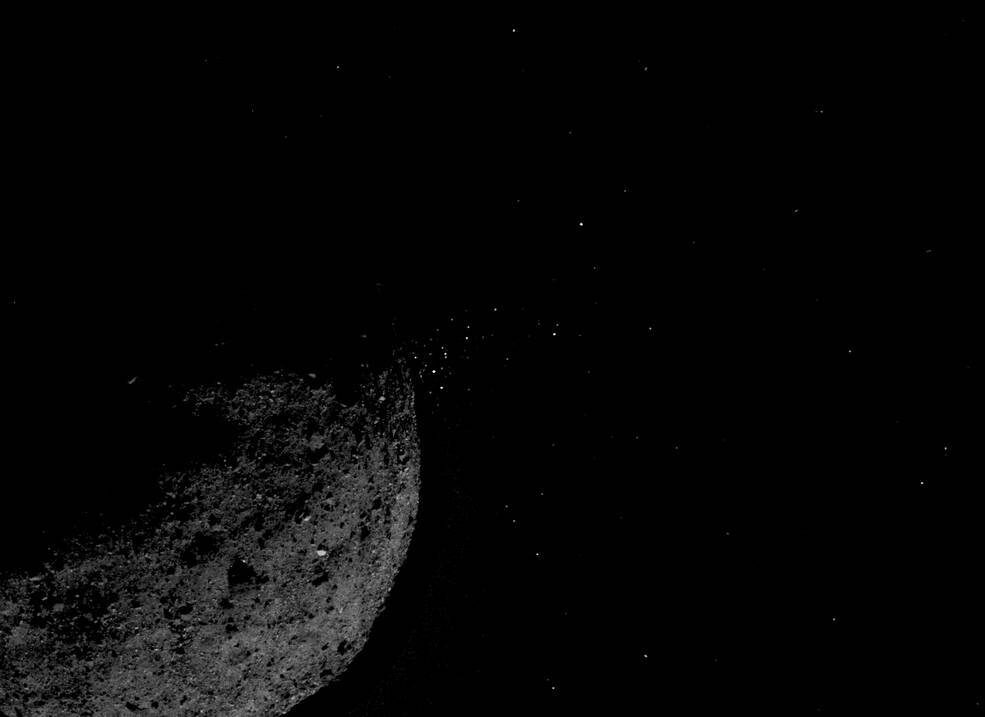
The asteroid Bennu handed us clay and carbon. Scientists are still processing what that means.
OSIRIS-REx returned 121 grams of material from asteroid Bennu in September 2023 — the largest asteroid sample ever brought to Earth. The rocks contained water-bearing clay minerals and carbon-rich organics, direct evidence of chemistry that preceded the formation of the solar system.
-
Missions
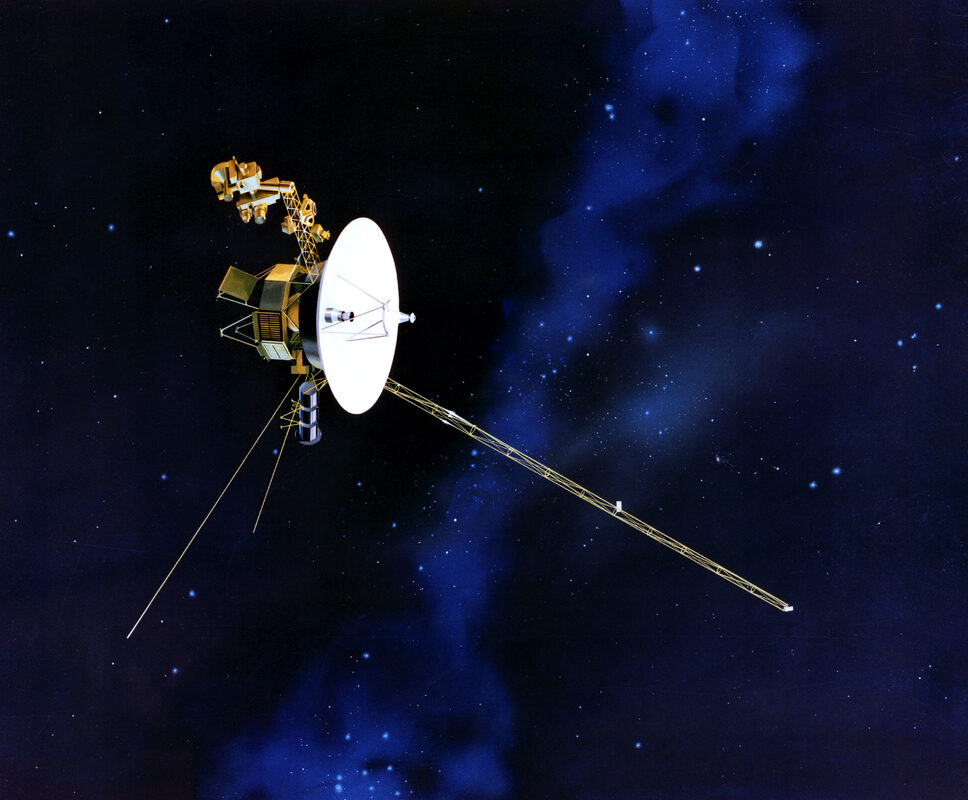
Voyager 1 crossed into interstellar space in 2012. It's still transmitting, and it's still surprising us.
Voyager 1 became the first human-made object to enter interstellar space in August 2012, more than 35 years after launch. In 2024 it recovered from a computer glitch and resumed science operations at a distance of more than 24 billion kilometers from the Sun.
-
Missions
China just brought back rocks from the side of the Moon we've never sampled. Here's why that matters.
Chang'e-6 landed in the South Pole–Aitken Basin on the Moon's far side in June 2024 — the first mission to return samples from this ancient region. The rocks it brought back may finally explain why the near and far sides of the Moon are so different.
-
Missions
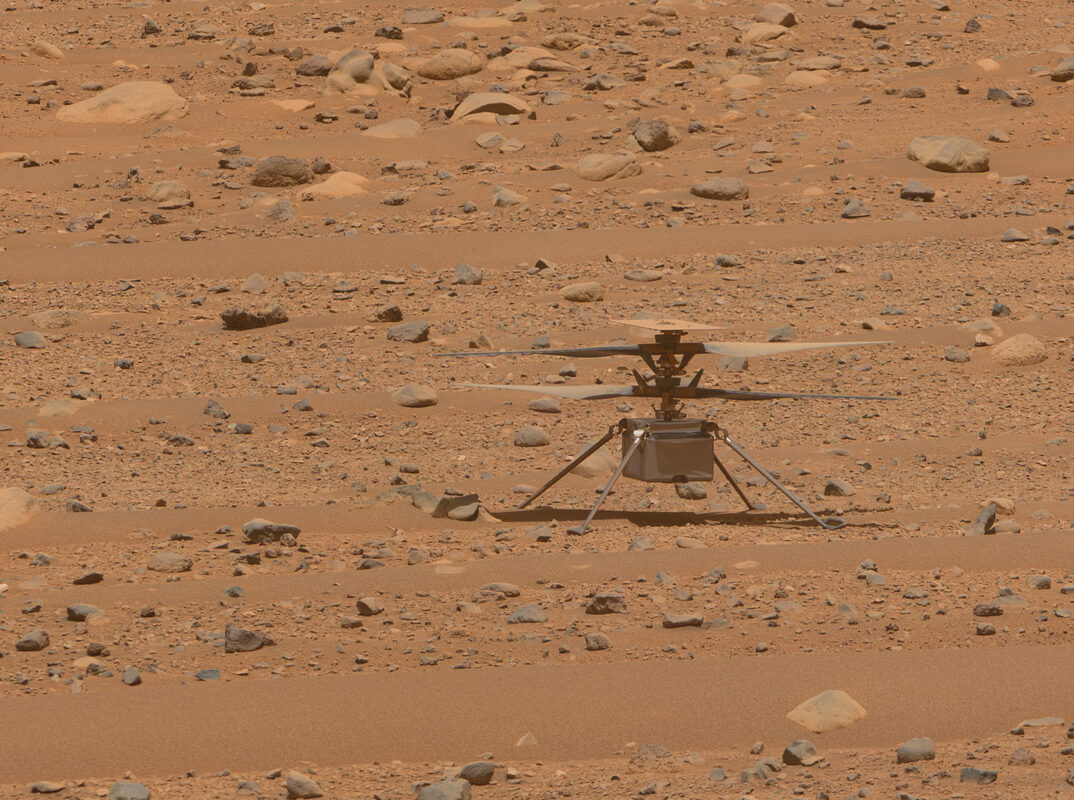
Ingenuity flew 72 times on Mars. Here's what those flights changed.
Designed for five flights, Ingenuity flew 72 times on Mars over nearly three years before a rotor blade broke on landing. It proved that powered flight on another planet is possible — and gave Perseverance a scout that changed how it drove.
-
Missions
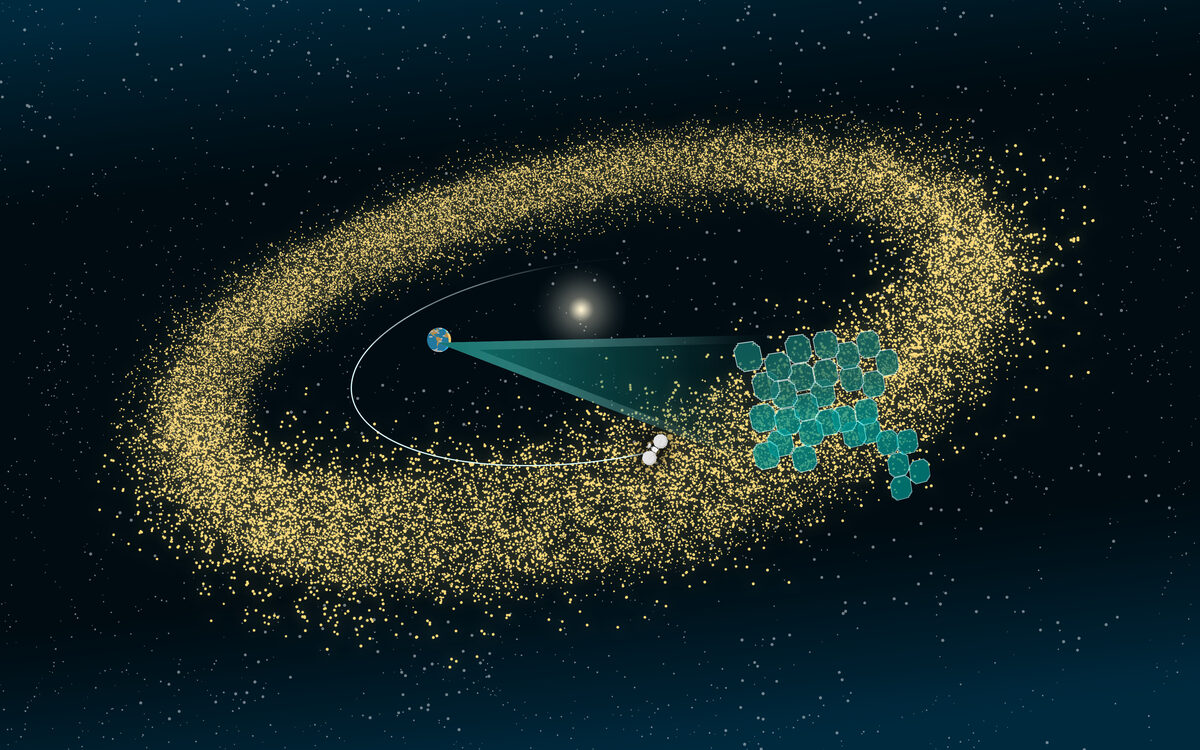
NASA's new space telescope has one job: find every asteroid that could hit Earth
NEO Surveyor is a purpose-built infrared space telescope designed to find near-Earth objects that ground-based surveys miss. Its goal is to complete the congressional mandate to catalog 90 percent of near-Earth asteroids larger than 140 meters — a mandate that has gone unmet since 2005.
-
Missions
A microwave-oven-sized spacecraft spent a year testing the orbit where NASA's Moon station will live
CAPSTONE, a 25-kilogram cubesat, was the first spacecraft to enter the near-rectilinear halo orbit that will host the Gateway lunar station. Its year of operations validated the orbital mechanics and navigation techniques Gateway will depend on.
-
Astronomy
Some black holes launch jets of plasma at nearly the speed of light. The physics of how they do it is still being worked out.
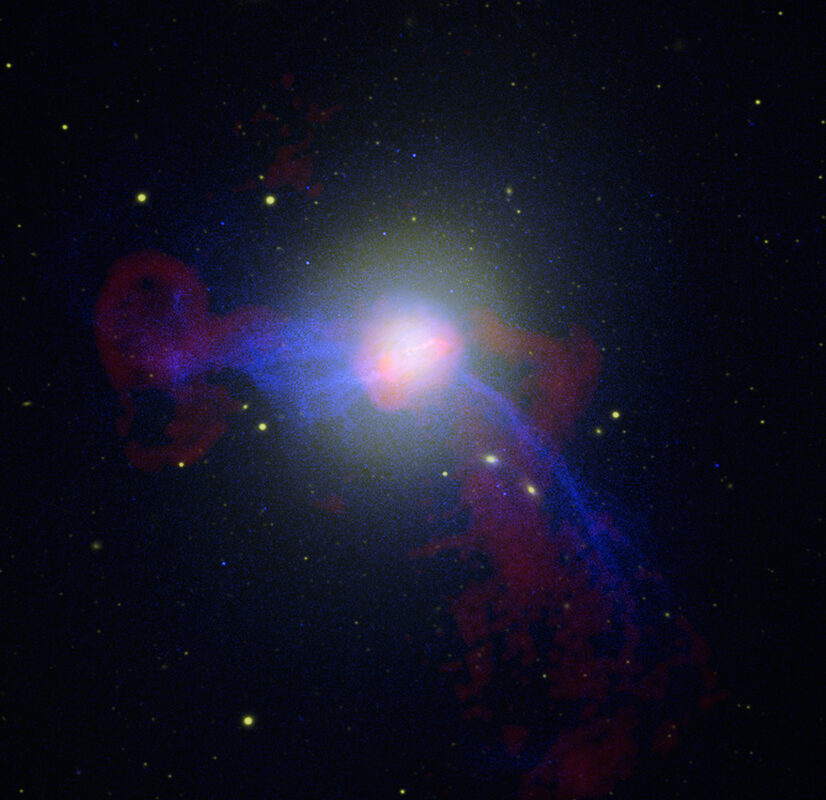
Relativistic jets from active galactic nuclei are among the most energetic phenomena in the universe — plasma launched at 99 percent of light speed, extending for millions of light-years. The 2019 Event Horizon Telescope image of M87 showed the jet's origin at the black hole's shadow.
-
Astronomy
The oldest light in the universe is still telling us things we didn't expect
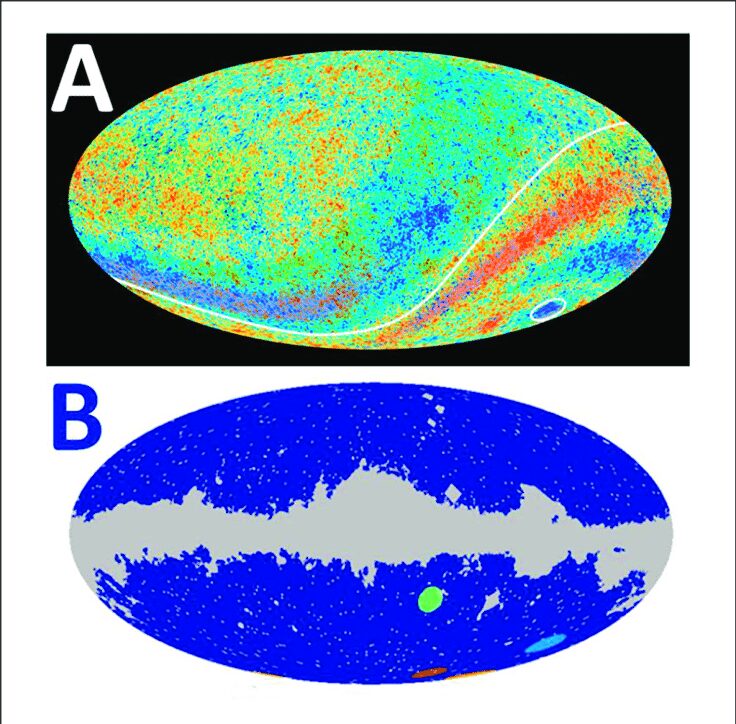
The cosmic microwave background is radiation left over from 380,000 years after the Big Bang — a snapshot of the universe's infancy encoded in temperature fluctuations of one part in 100,000. Every precision measurement of it has returned surprises.
-
Astronomy
JWST has started reading the air of alien worlds. The results are already rewriting textbooks.
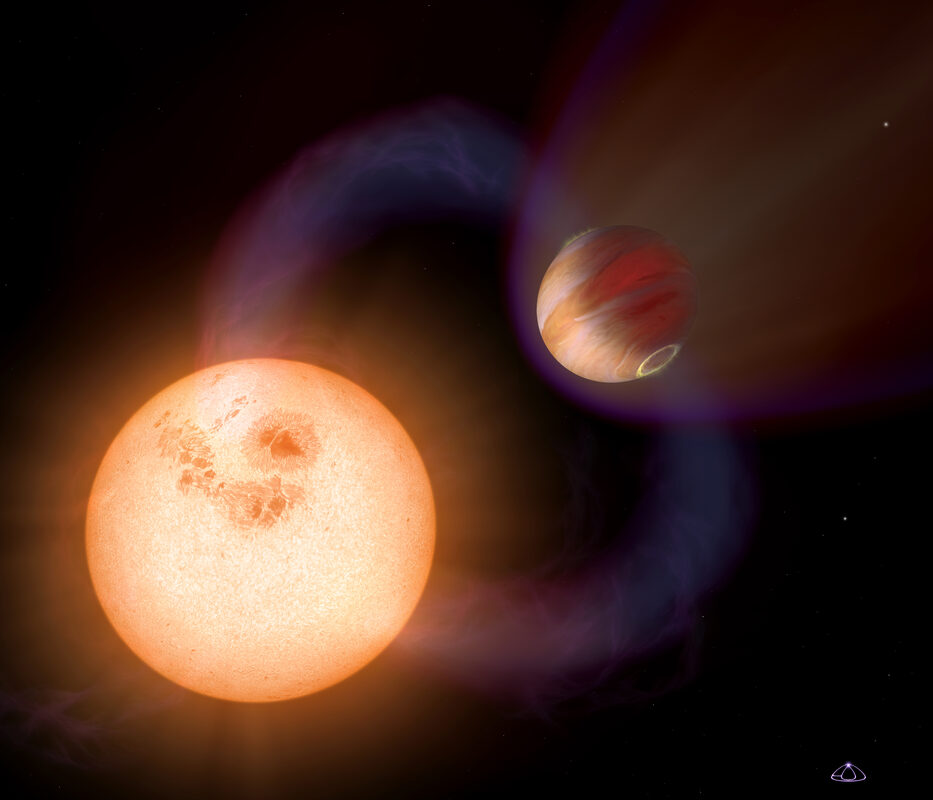
James Webb Space Telescope has detected carbon dioxide, water vapor, sulfur dioxide, and methane in the atmospheres of exoplanets — including, controversially, possible signs of a biosignature molecule on K2-18b. The era of comparative exoplanet atmospheres has begun.
Page 57 of 68
