
All articles
-
NASA & Agencies
India's First Private Orbital Rocket, Skyroot's Vikram-1, Opens Its Launch Window
Skyroot Aerospace's Vikram-1 sits fully stacked at Sriharikota with a July 12–August 4 window to become India's first privately built and launched orbital rocket.
-
Military Space
Space Force Completes Its Nine-Portfolio Acquisition Overhaul, Citing a 'Wartime Footing'
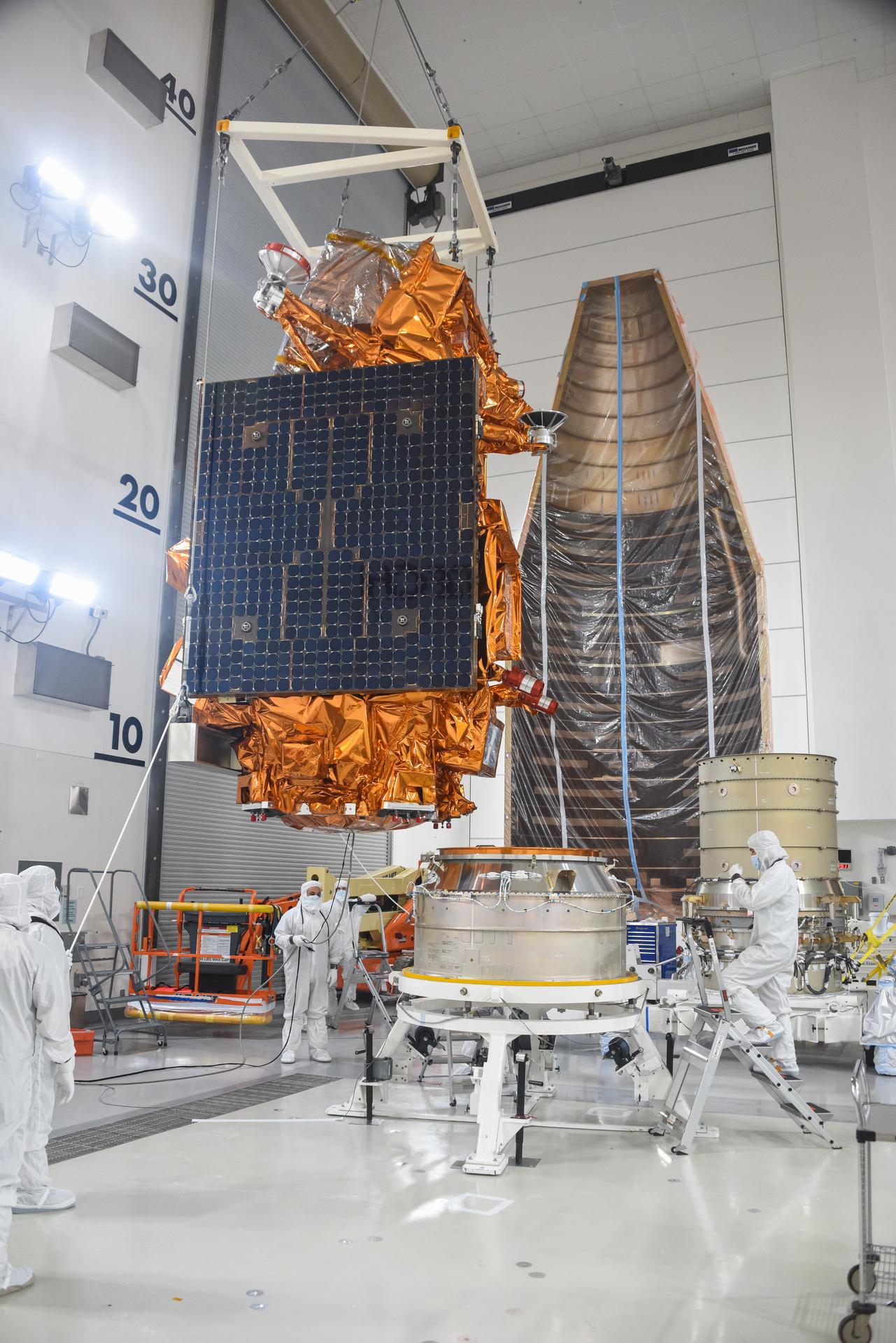
The Space Force has finished carving its entire acquisition enterprise into nine mission-focused portfolios controlling up to 92% of contracting authority, its biggest reorg since 2019.
-
Stargazing
Sunspot AR4485 Fires an M1.2 Flare as CMEs Set Up a G1-G2 Storm Watch Through Midweek
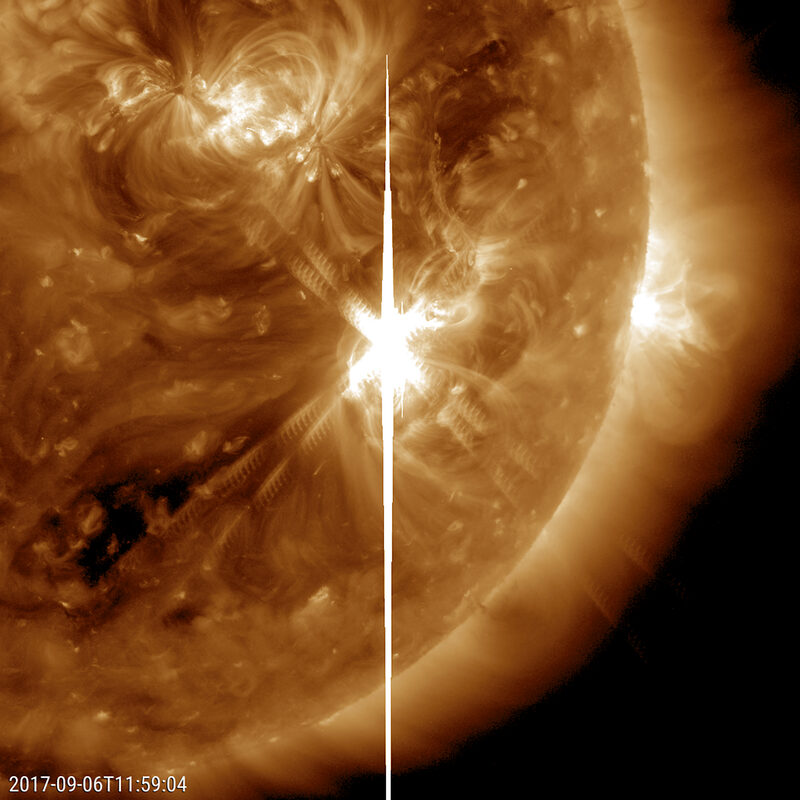
Departing sunspot AR4485 unleashed an M1.2 flare and a radio blackout before rotating off the disk, while a trailing coronal mass ejection could nudge Earth's geomagnetic field to G1 storm levels late this week.
-
Stargazing
The August 2026 Night Sky Guide
August 2026 stacks a rare eclipse double-header around its best night: a moonless Perseid peak on Aug 12-13, Venus at its evening best, and a deep 93%-covered partial lunar eclipse lighting up the Sturgeon Moon on Aug 27-28.
-
Astronomy
How Astronomers Measure Cosmic Distances: The Distance Ladder
No single method measures the universe. Astronomers climb a ladder — parallax, then pulsing Cepheid stars, then exploding white dwarfs, then redshift — each rung calibrating the next, and a crack near the top is now cosmology's biggest open problem.
-
Science & Discovery
James Webb's Biggest Discoveries So Far
From the most distant confirmed galaxy to overmassive black holes, a disputed biosignature, and proof the Hubble tension is real, here are JWST's most significant verified findings, sourced to NASA, ESA, and peer review.
-
Commercial
The World's Spaceports: Why Rockets Launch Where They Do
Latitude, launch azimuth, and downrange safety corridors dictate where a rocket can lift off. A tour of Cape Canaveral, Vandenberg, Baikonur, Kourou, Wenchang, and Mahia shows the physics — and the history — behind each choice.
-
Stargazing
The Total Solar Eclipse of August 12, 2026: The Complete Viewing Guide
On August 12, 2026 the Moon's shadow sweeps from the Arctic across Greenland, Iceland, and Spain — the first total solar eclipse to reach mainland Europe since 1999. Exact times, best viewing spots, weather odds, safety rules, and what U.S. skywatchers will and won't see.
-
Commercial
Vast's Haven-1 in 2026: a 3D-printed space station preparing to host orbital manufacturing
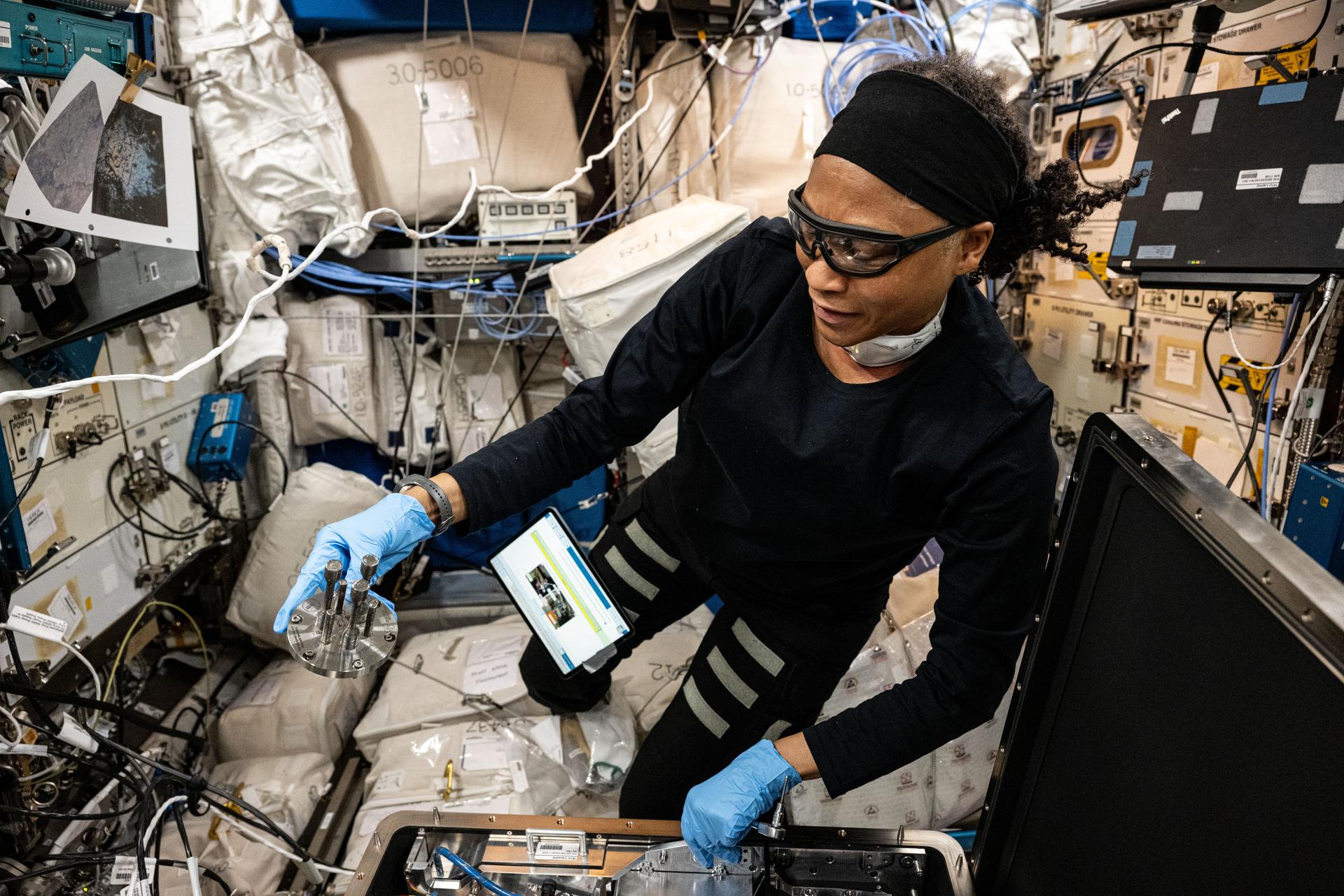
Vast's Haven-1 station is now targeting Q1 2027 after its Haven Demo pathfinder flew 49 test objectives. The single-module outpost carries metal 3D-printed hardware — and its manufacturing network now spans orbital bioprinting, drug crystallization, and pharma production partners.
-
Commercial
Rocket Launch Vehicles Compared: Payload, Cost, and Reusability in 2026
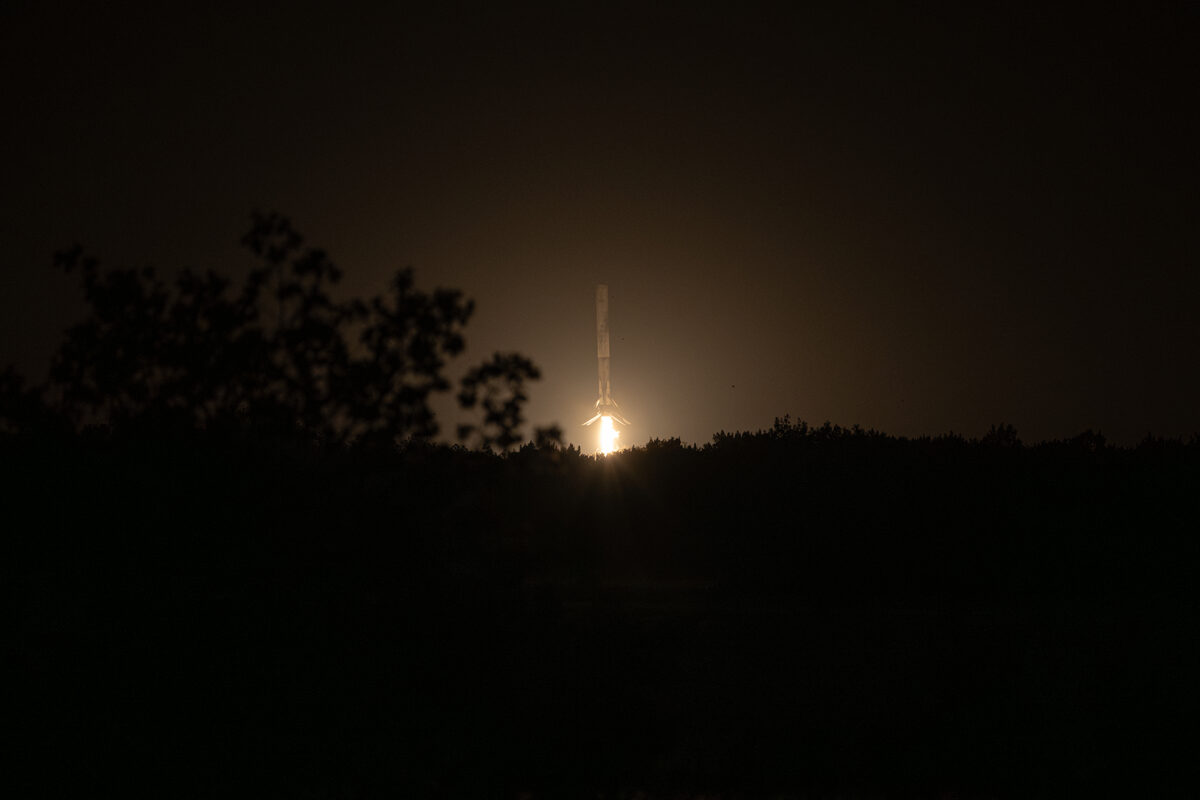
Falcon 9, Falcon Heavy, Starship, New Glenn, Vulcan Centaur, Neutron, Ariane 6, and six more launch vehicles compared on payload, cost per launch, and reusability, including China's Long March 10B, which on July 10 became just the third rocket in history to catch its own booster.
-
Astronomy
Euclid Doubles the Known Sample of the Universe's Most Ancient Quasars
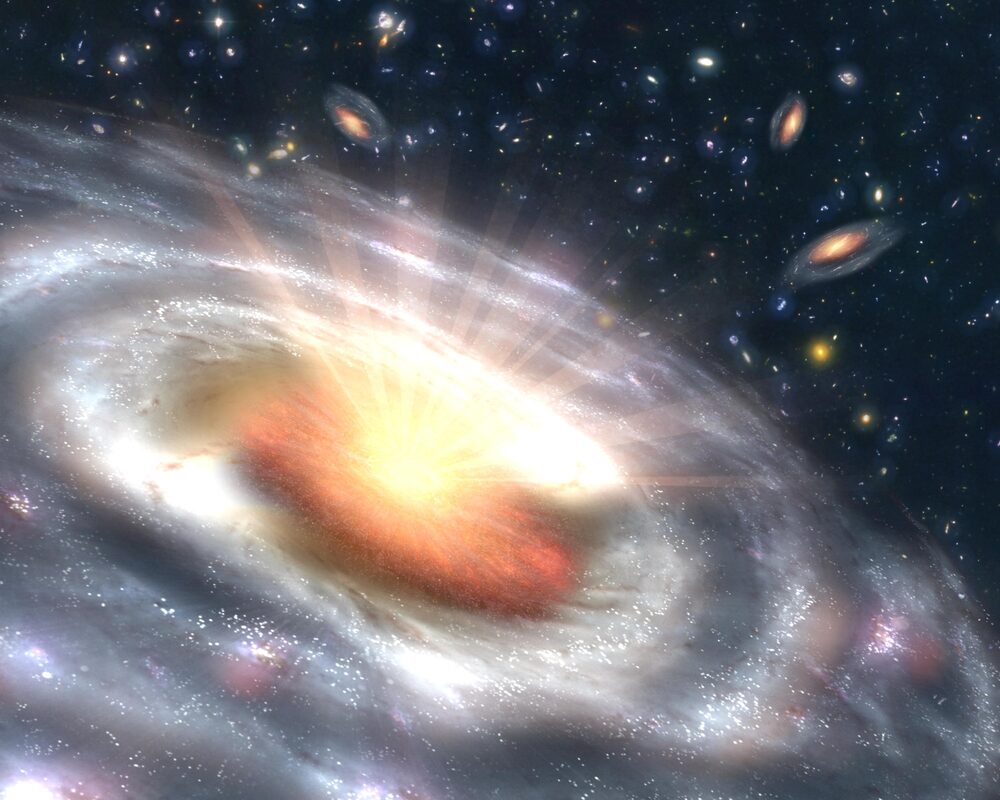
ESA's Euclid telescope has found 31 new quasars from the cosmic dawn, including two record-breakers at redshifts 7.77 and 7.69, more than doubling the known sample from that era.
-
Science & Discovery
Beta Pictoris Gains a Third Confirmed World, Joining an Elite Club of Directly Imaged Systems
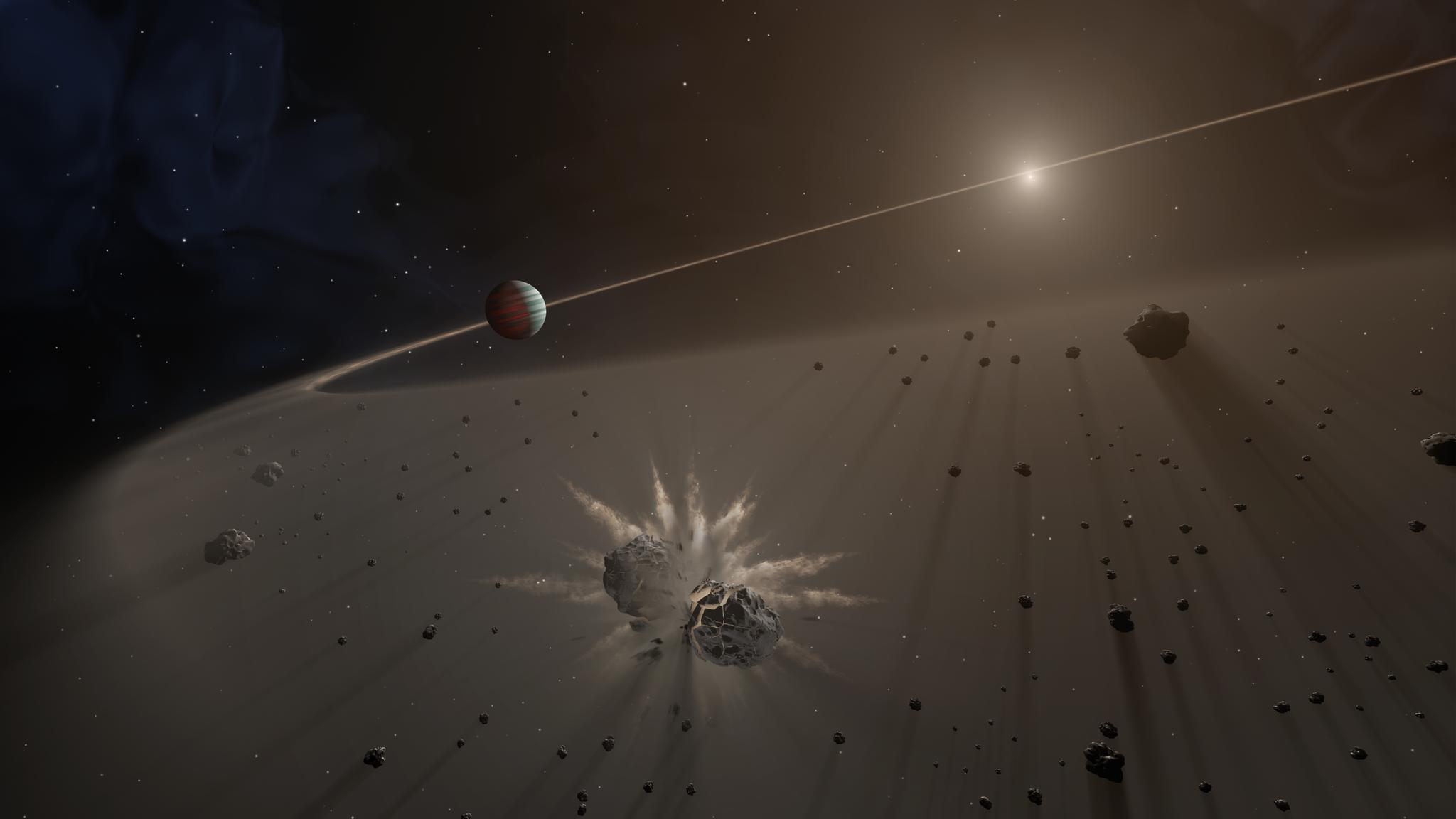
NASA's Exoplanet Archive confirmed Beta Pictoris d in its July 9 update, making Beta Pictoris only the second directly imaged system known to host more than two planets.
Page 34 of 68
