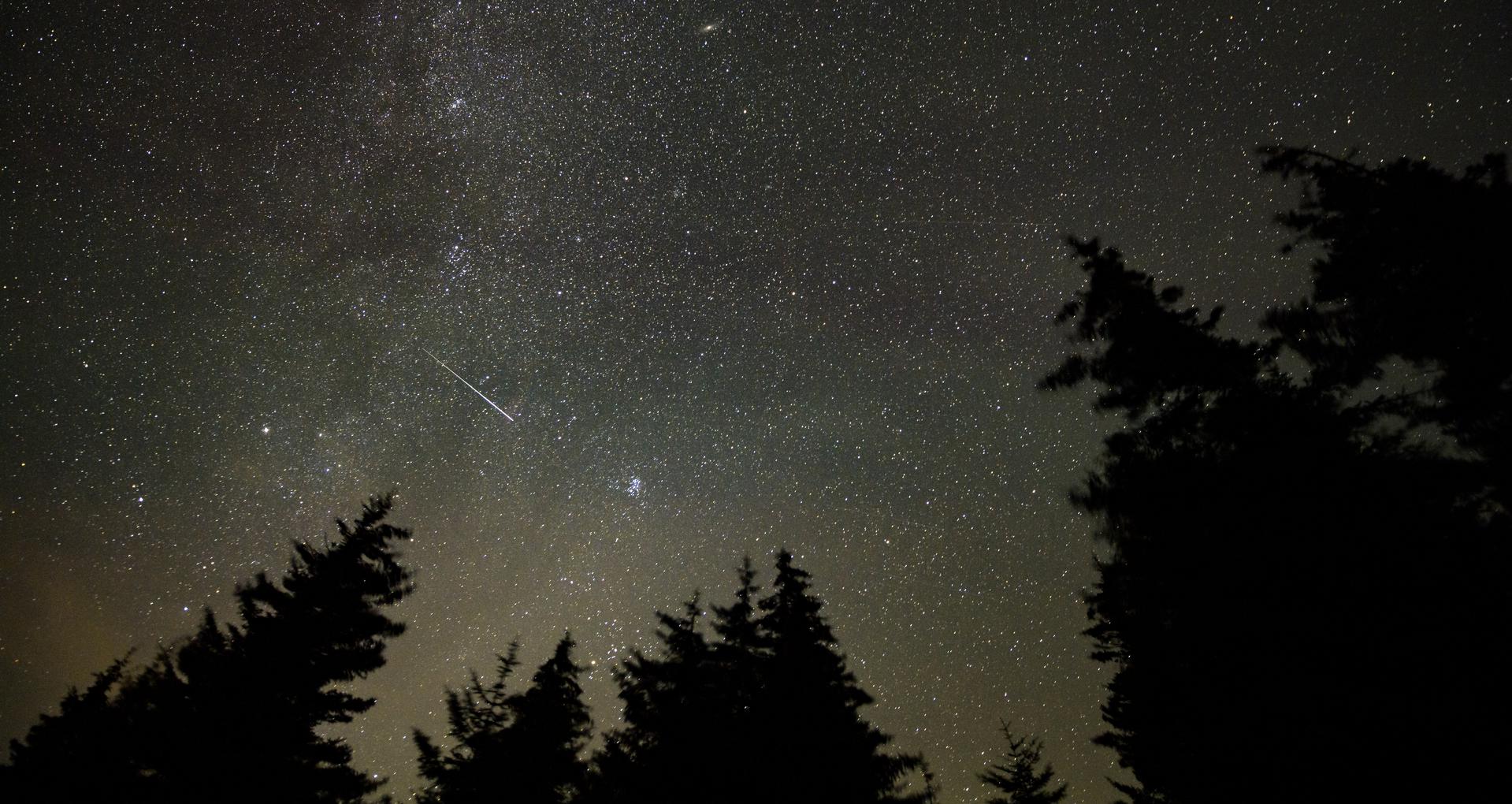
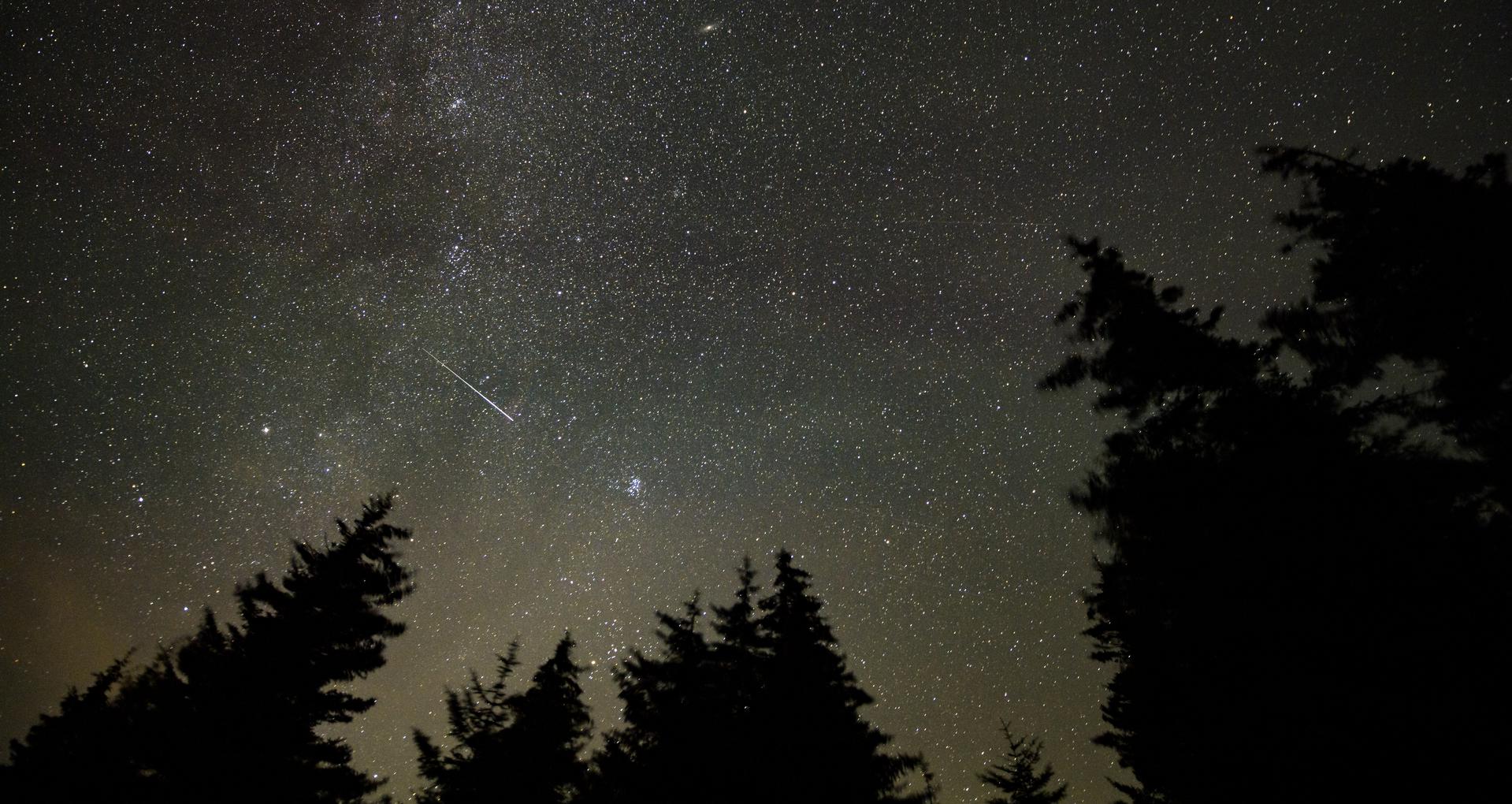
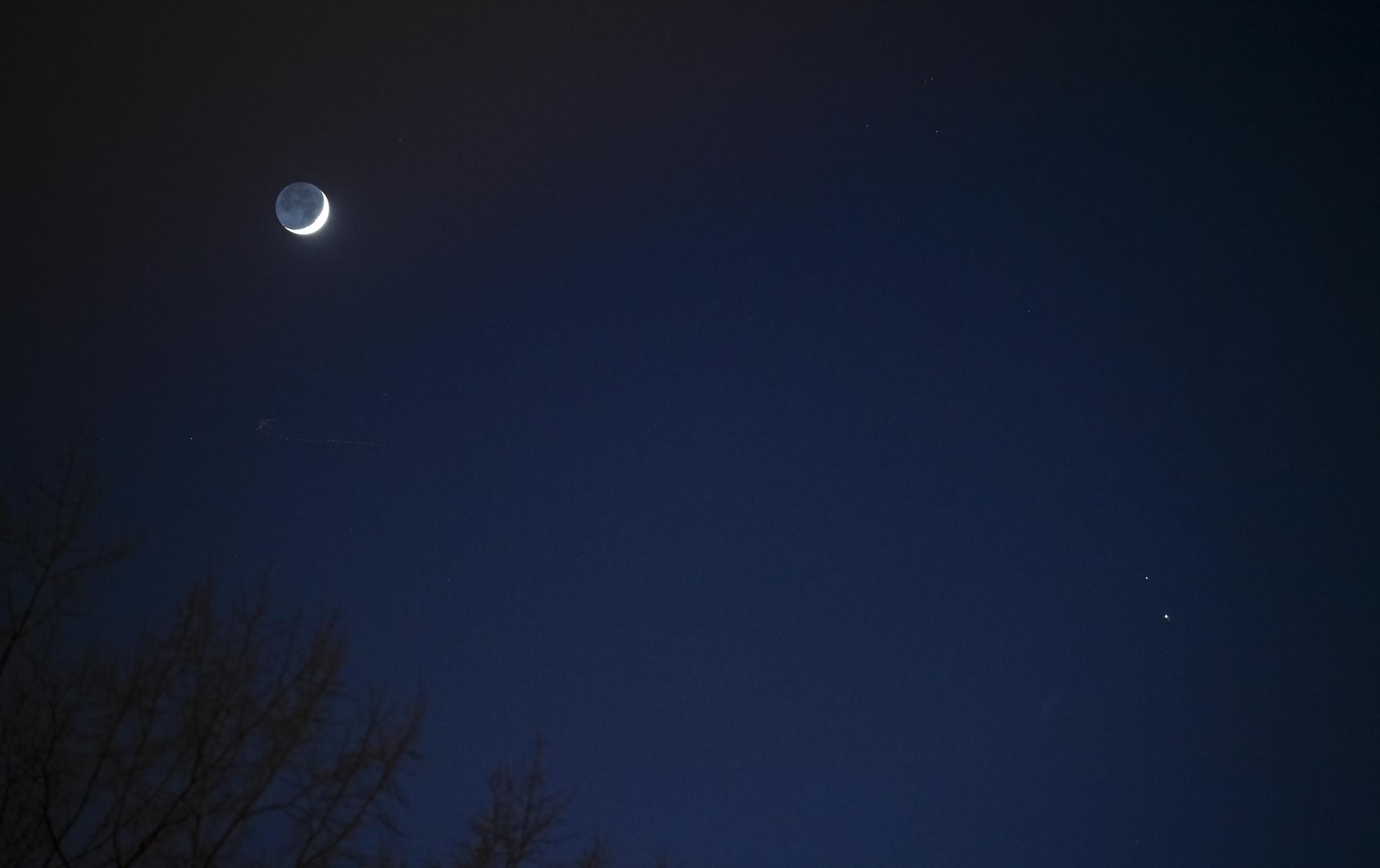
A nearly full moon will drown out most of the Southern Delta Aquariids' July 28-29 peak, but the slower, brighter Alpha Capricornid fireballs that follow on July 30-31 should still cut through the glare.
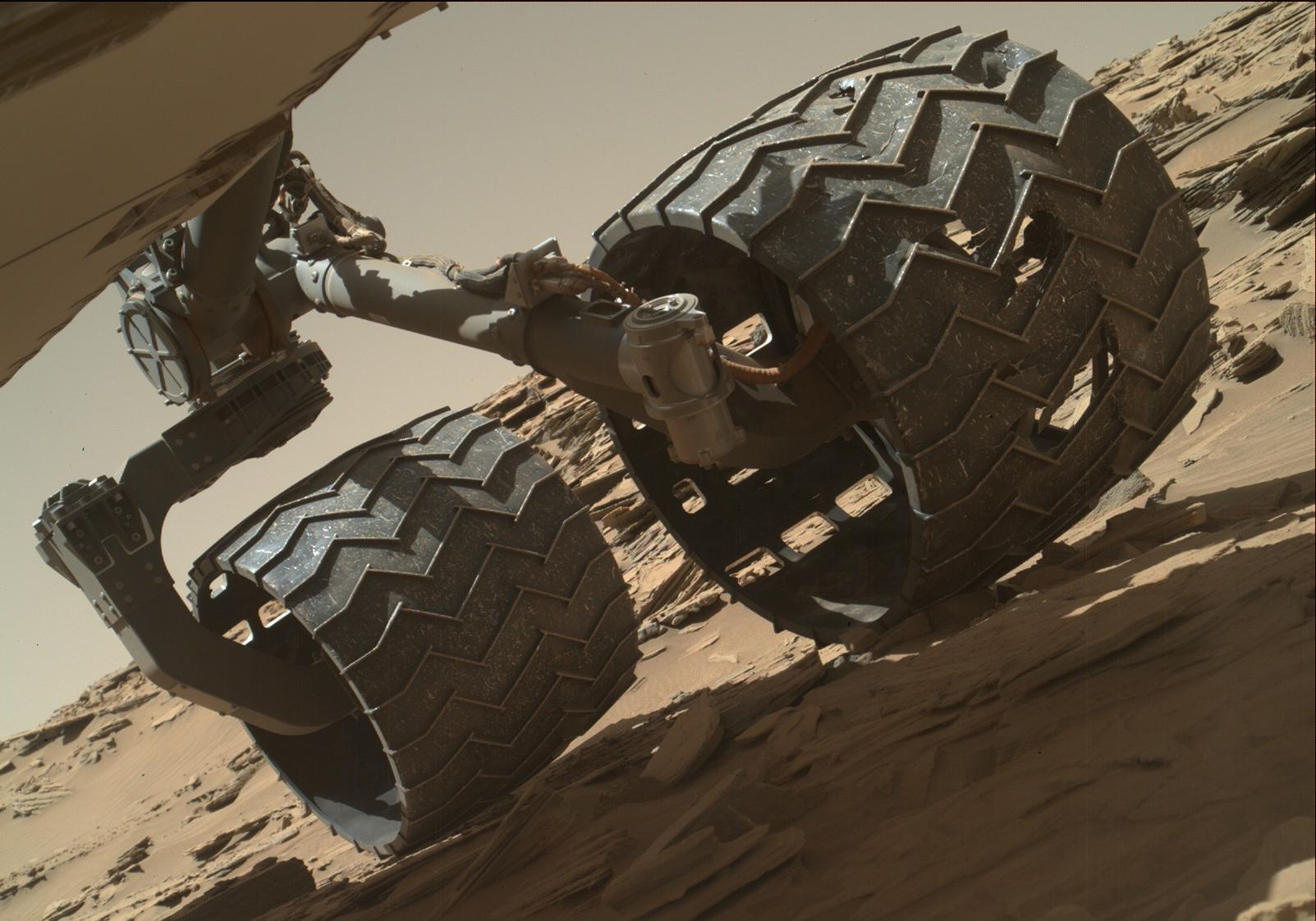
A new MAHLI close-up from Sol 4963 shows Curiosity's aluminum wheels riddled with cracks and holes after nearly 14 years and 20+ miles of driving across Gale Crater — and NASA says that's still within spec.
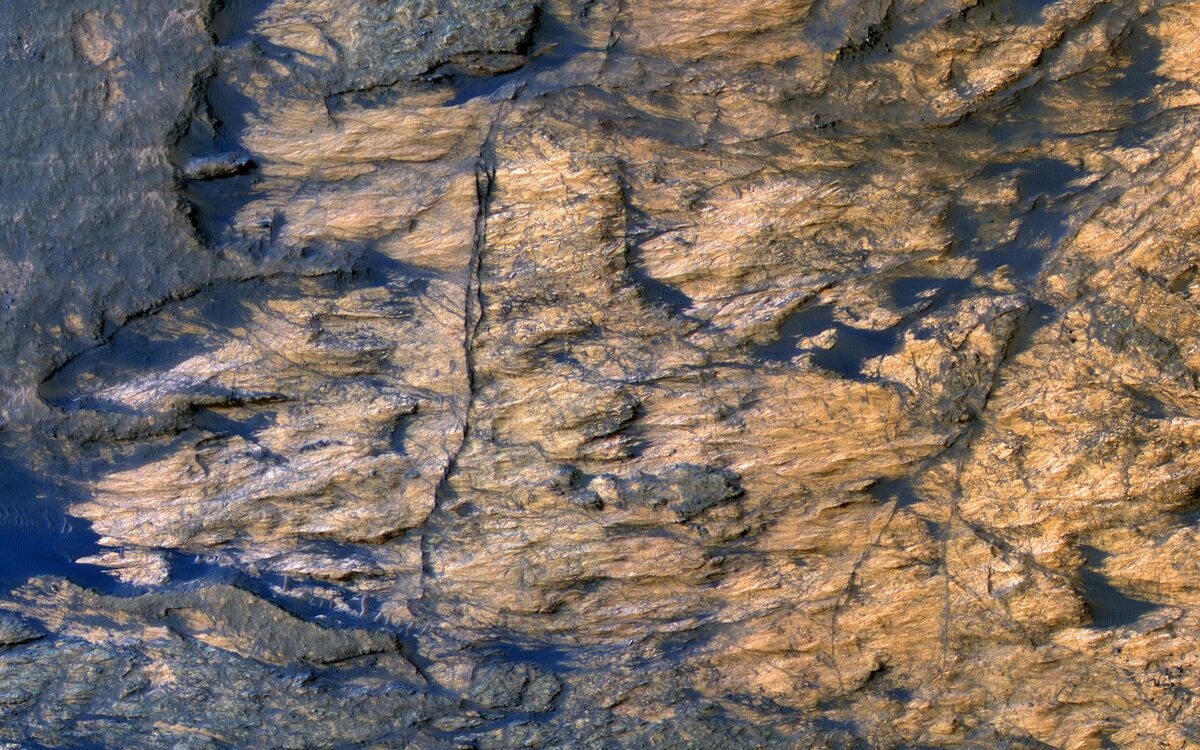
Mars Express imaged a shimmering, metallic-looking dune field on the floor of Kaiser Crater. It's an illusion: bright winter hoarfrost draped over 100-meter dark basaltic dunes, with clays and gullies hinting at a wetter past.
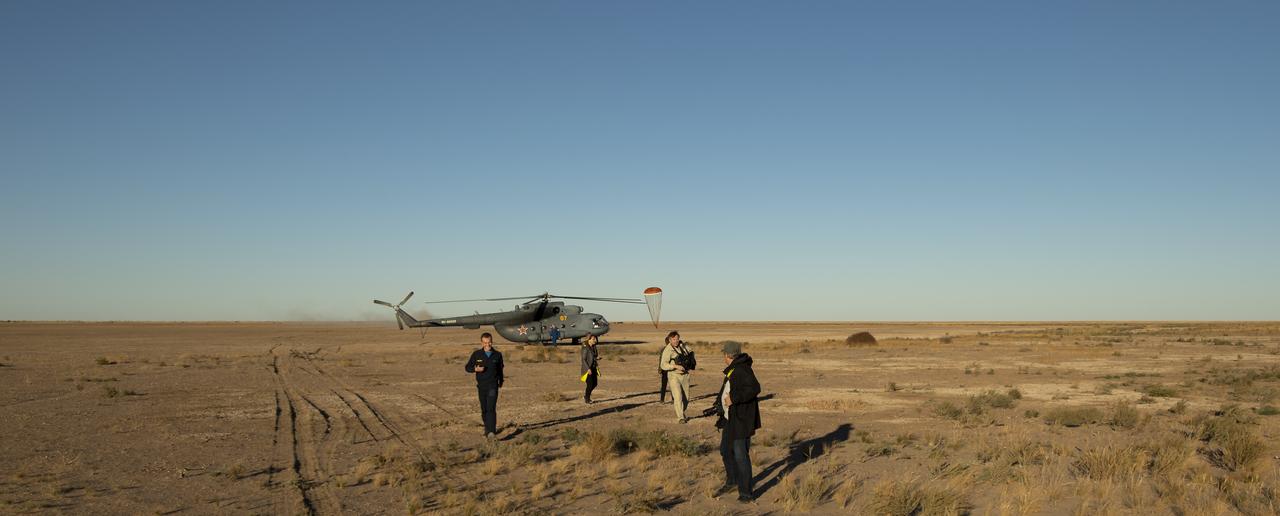
NASA's Chris Williams and cosmonauts Sergey Kud-Sverchkov and Sergei Mikaev landed on the Kazakh steppe aboard Soyuz MS-28 on July 26, 2026, ending an eight-month mission as Jessica Meir took command of Expedition 75.
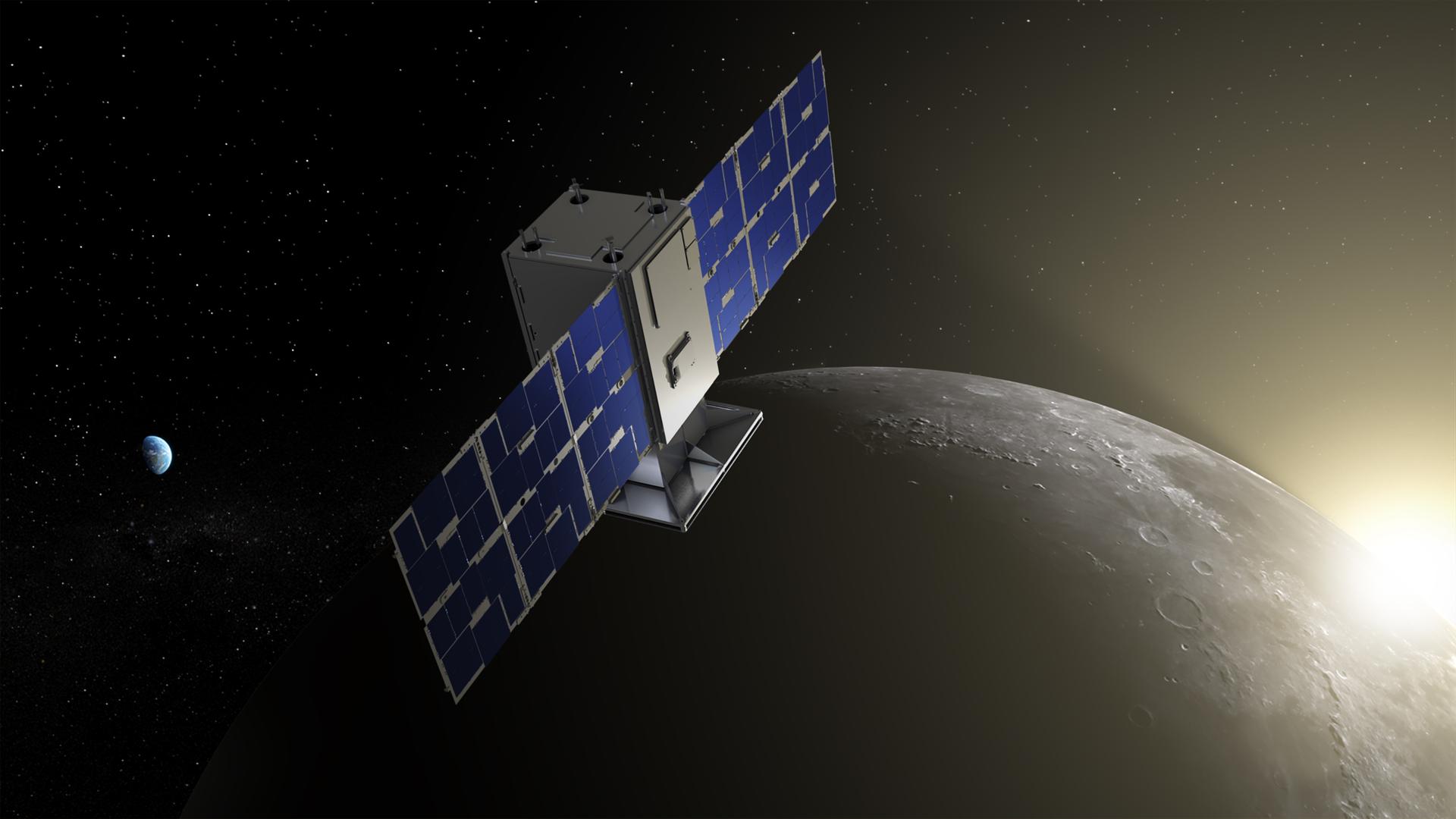
NASA has announced CAPSTONE 02, a pair of identical ~400 kg spacecraft launching in 2027 into a near-rectilinear halo orbit to practice rendezvous, autonomous navigation and cislunar comms — groundwork for Artemis and a future lunar base.
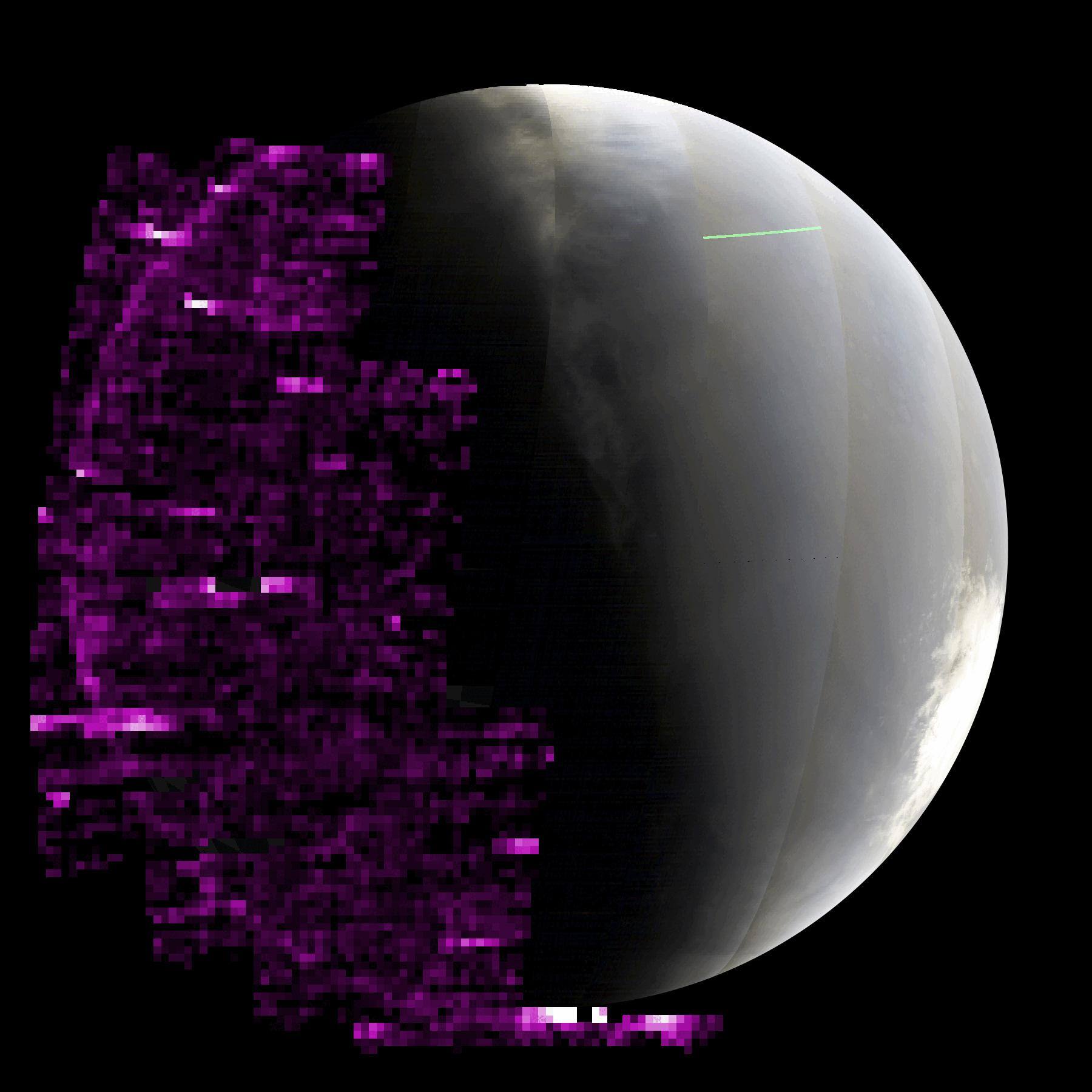
MAVEN data show Mars powers its discrete auroras with a miniature Dungey cycle running on 4-billion-year-old crustal magnetism — 42 of 49 events matched reconnection-friendly conditions. The orbiter died in 2025; the archive is still doing first-order science.
Noble gases in the ~2 grams of far-side soil Chang'e-6 returned reveal the Moon's near side is struck by solar wind slowed to ~200 km/s after passing through Earth's magnetosphere, while the far side takes the wind at nearly full speed.
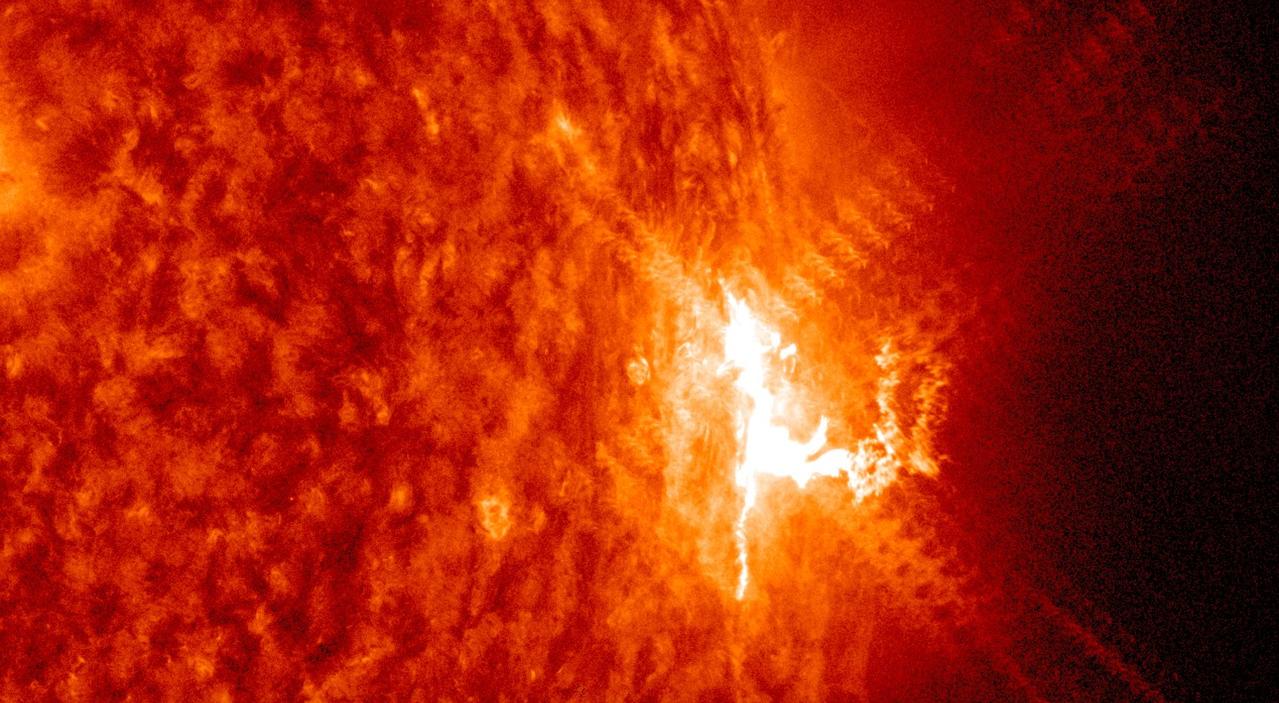
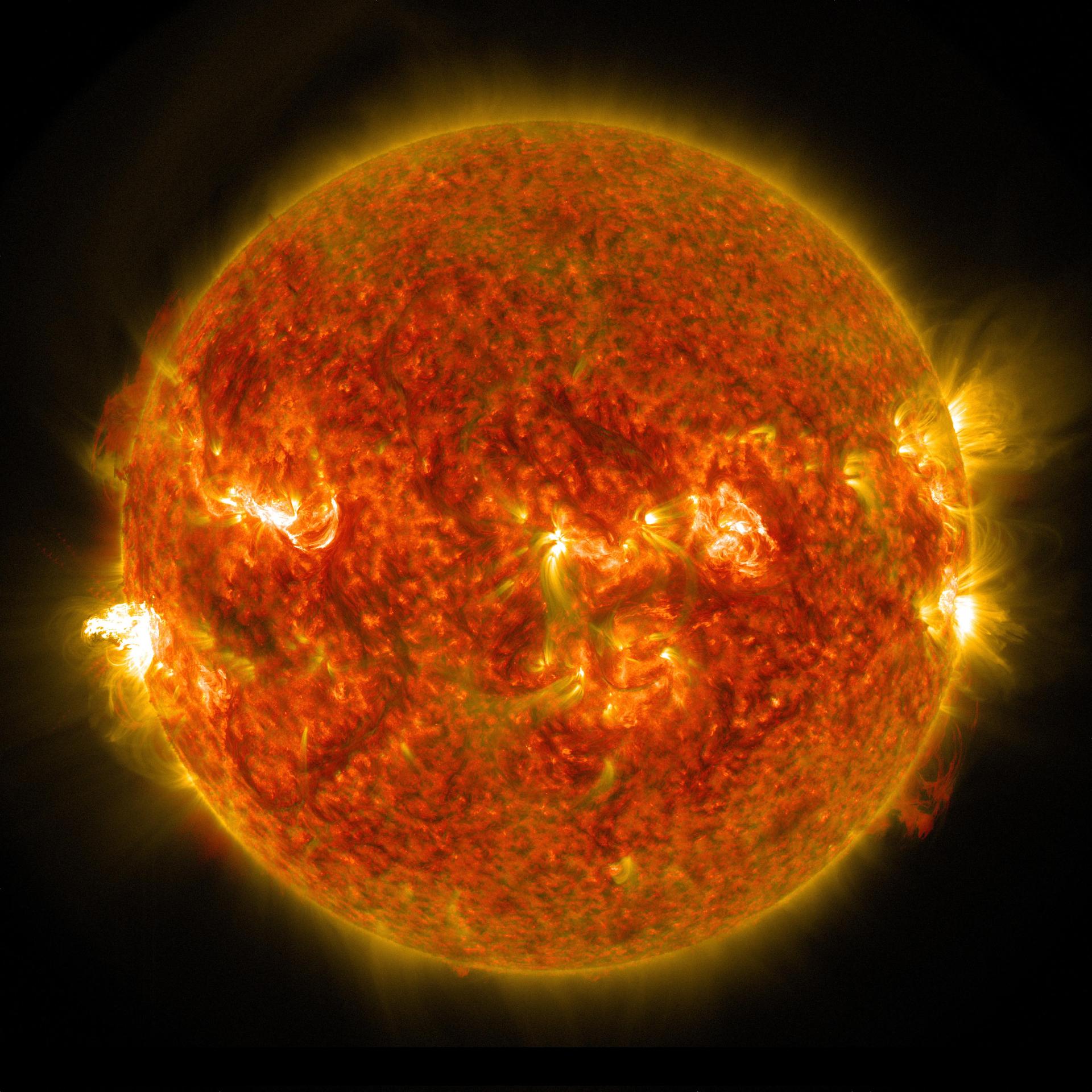
A central-meridian filament blast and a far-side prominence erupted in near-perfect sync on July 28, while AR4494 kept flaring and a G1 storm carried over from an incoming CME due July 30.
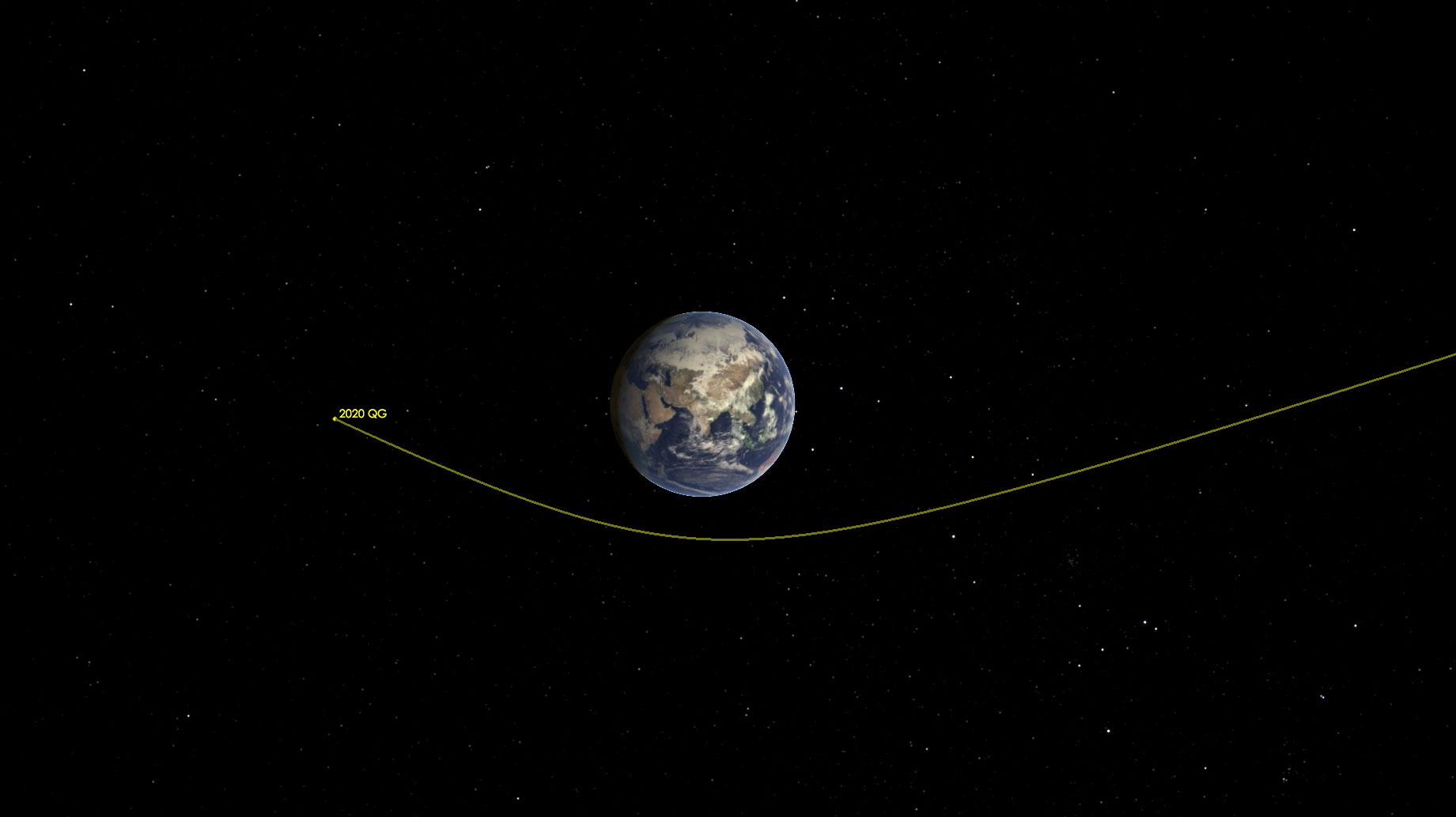
Newly discovered asteroid 2026 OD3 buzzed past Earth at 0.6 lunar distances on July 25, one of three close flybys this week that underscore how many small asteroids go undetected until days before arrival.
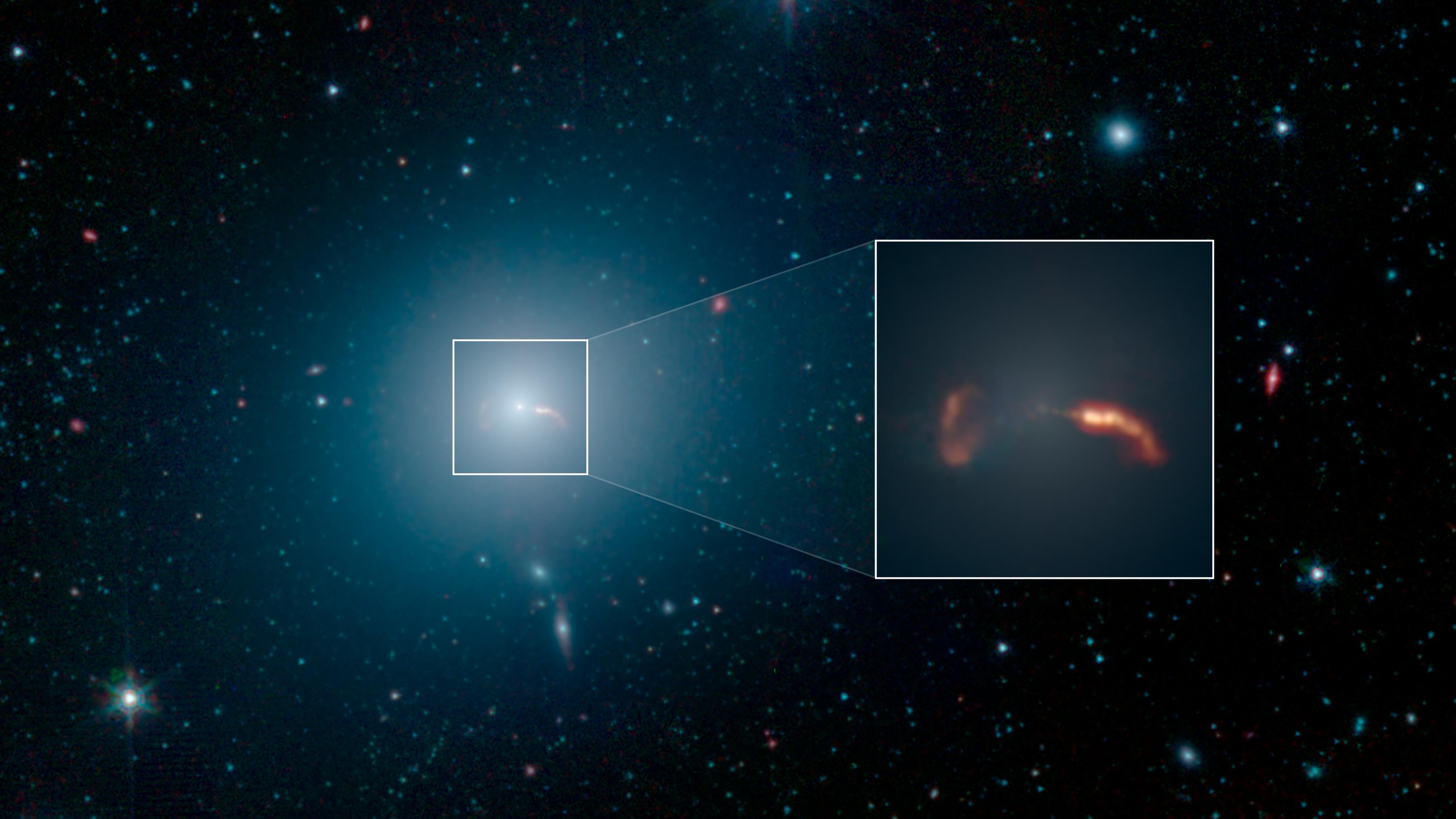
A SHAO-led team used the Event Horizon Telescope and the GMVA to build the first spatially resolved, dual-frequency spectral map of M87*, tying the famous 2019 ring to the physical state of plasma near the event horizon at a ~30-microarcsecond transition.
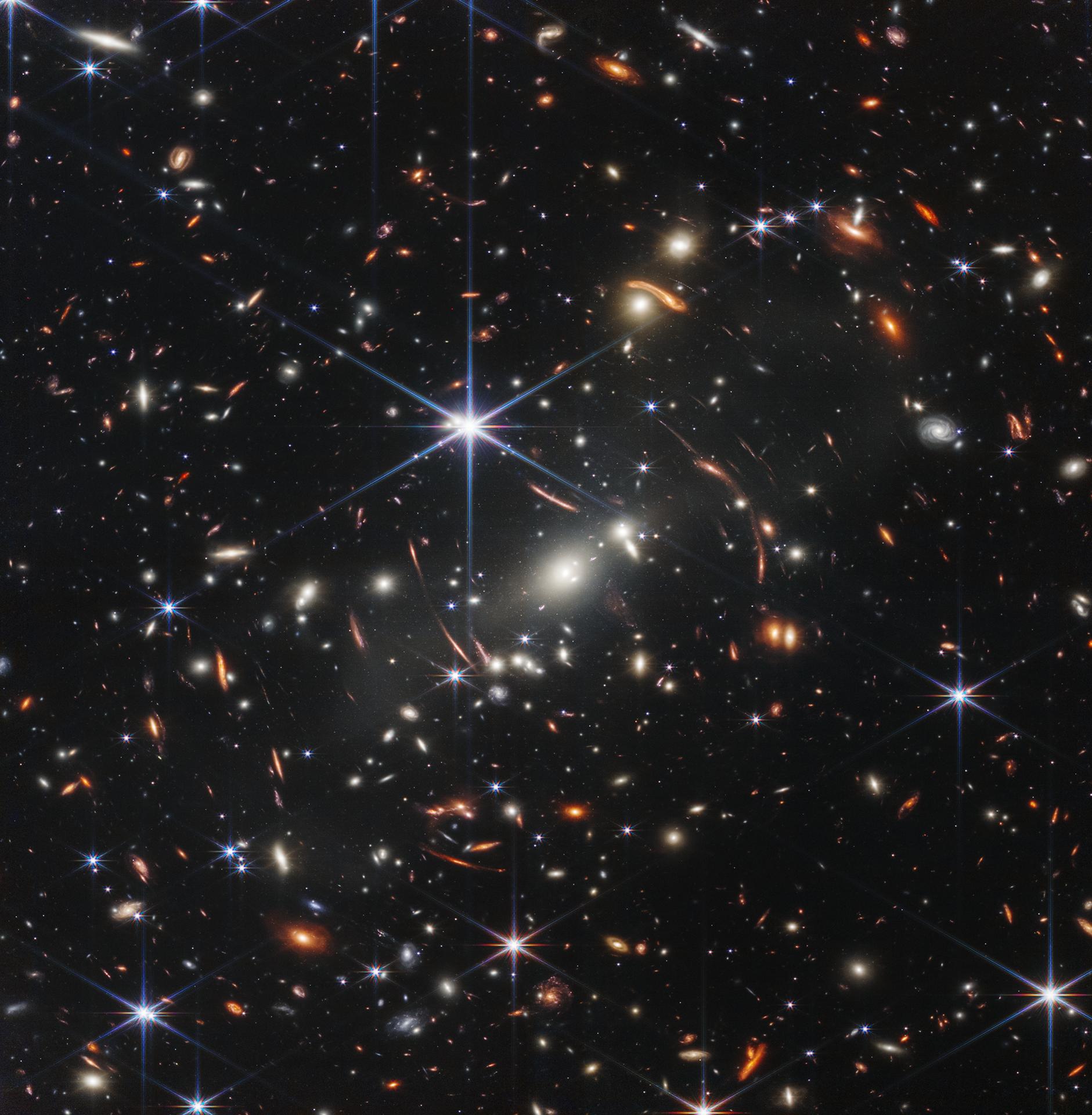
JWST's SAPPHIRES survey has caught a compact proto-group of six galaxies at z=4.97 — 1.2 billion years after the Big Bang — that models say will merge into a single ~100-billion-solar-mass galaxy.
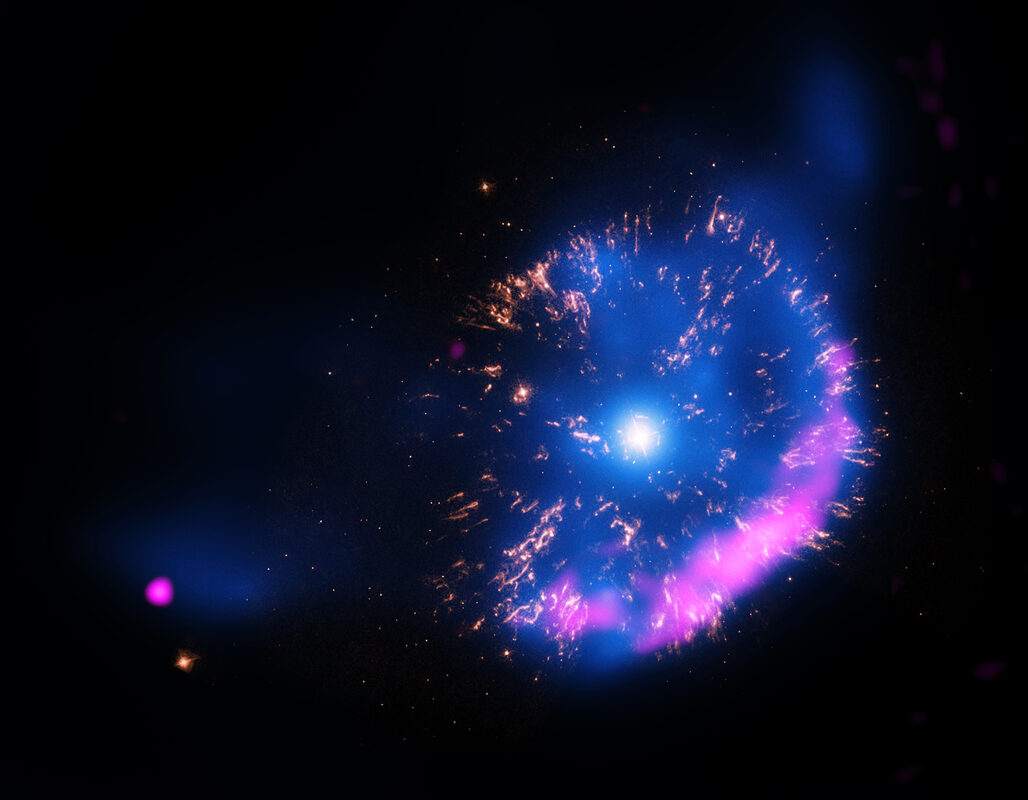
Hubble imagery reported July 24, 2026 shows a nova launching dense clumps of ejected material across the galaxy at roughly 20 million mph — and astronomers still can't explain where the projectiles come from.
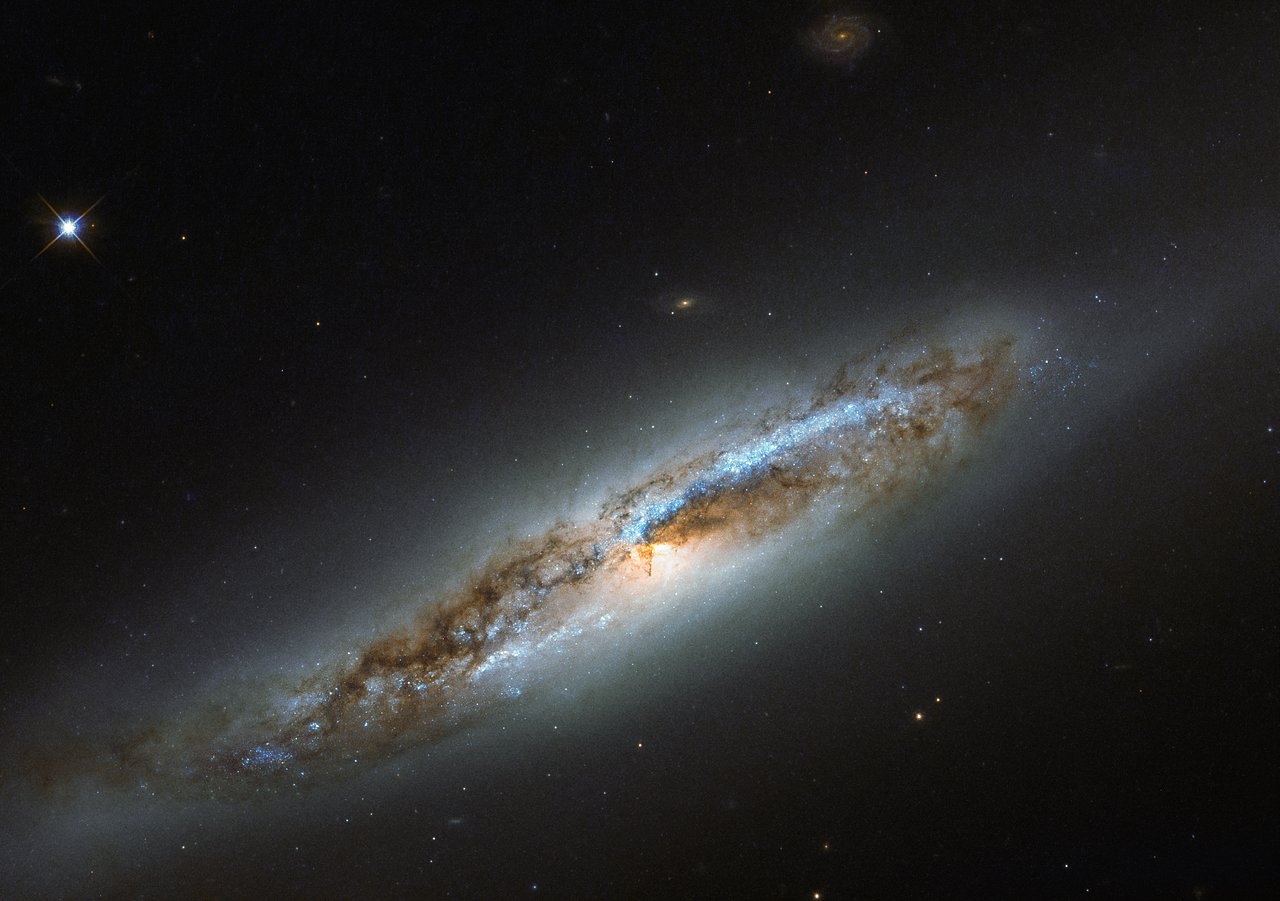
A new Hubble image of NGC 4654, an intermediate spiral 72 million light-years away in the Virgo Cluster, shows a galaxy being compressed along one flank and unravelled along the other — the combined fingerprint of ram-pressure stripping and a tidal encounter with NGC 4639 some 500 million years ago.
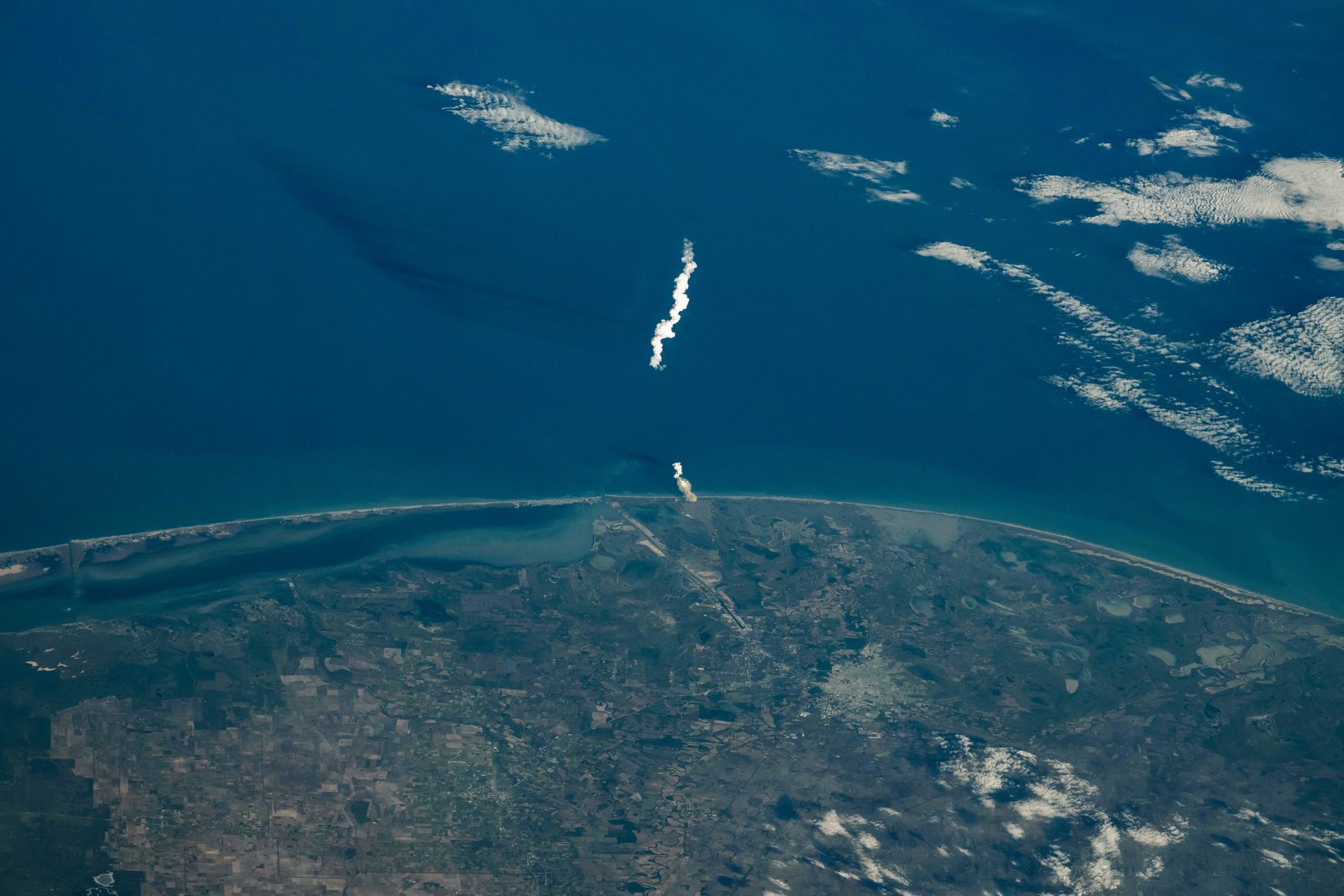
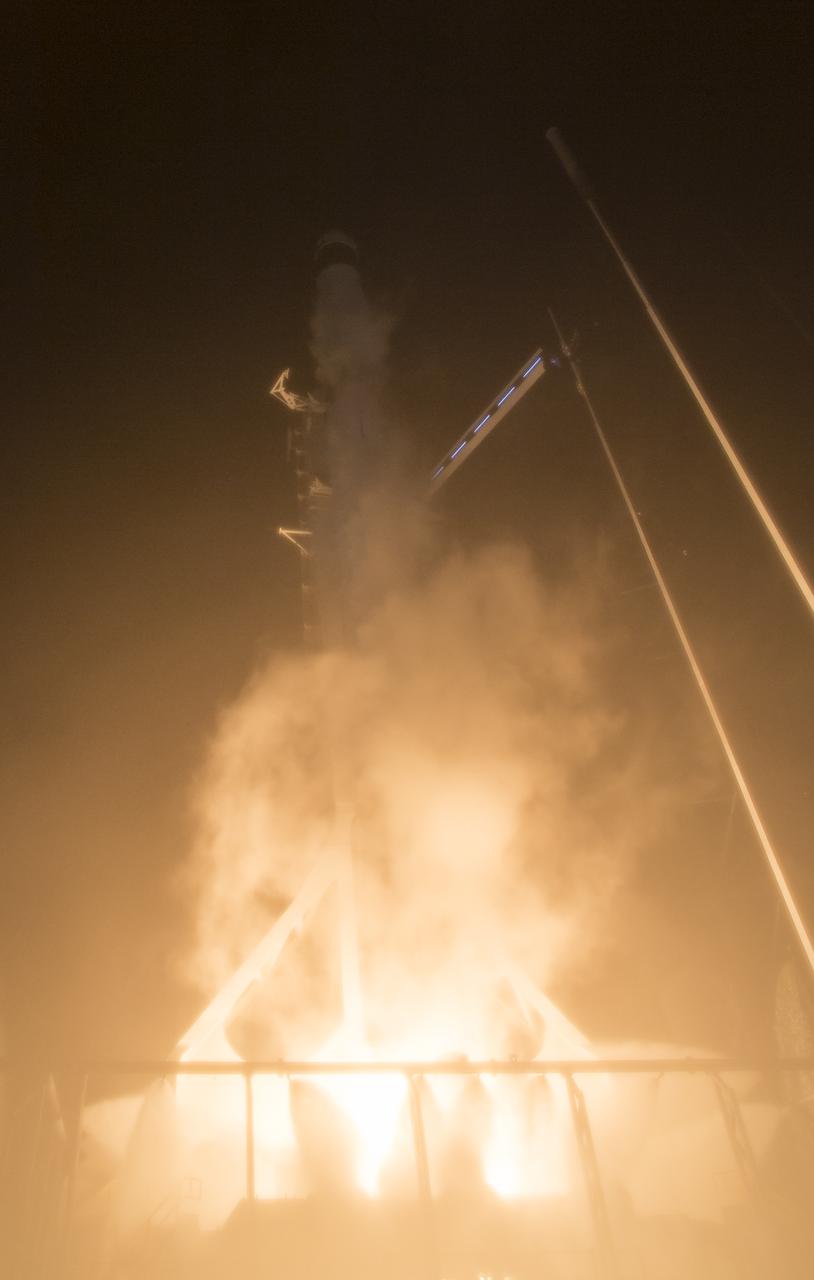
SpaceX's Starship Flight 13 delivered 20 production Starlink satellites and an in-space Raptor relight, but Super Heavy limped to a hard splashdown on just five of 13 engines.
Intel Government Technologies is entering the orbital computing market with Starfire, an 18A-process SoC aimed at giving satellites the onboard horsepower for AI-driven image analysis and anomaly detection.
On Flight 13, SpaceX put an intact Starship in the water for the first time and deployed 20 working Starlink V3 satellites — its first real payloads — even as the Super Heavy booster came down hard after an incomplete landing burn.
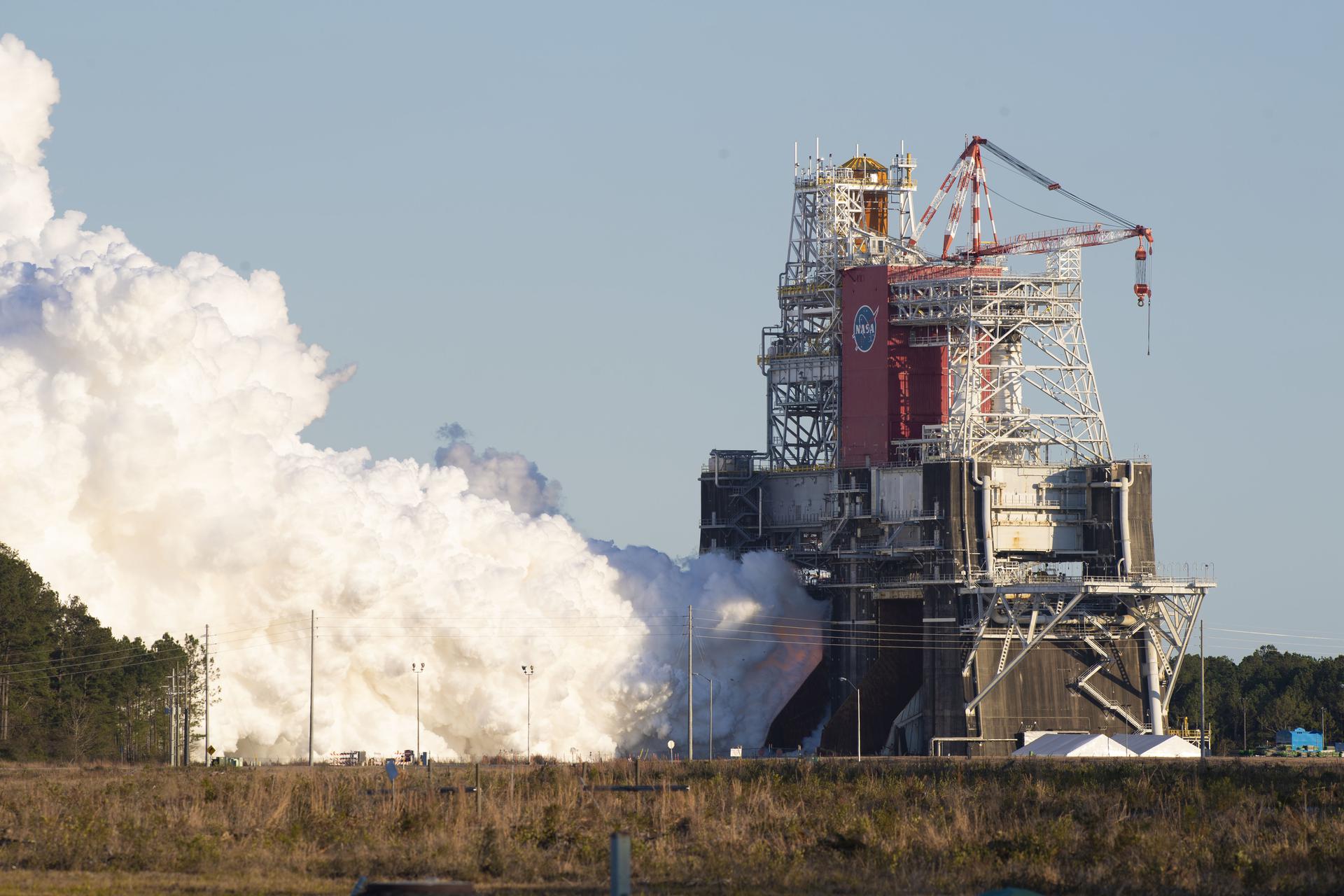
NASA and Blue Origin have agreed to prep the historic B-2 test stand at Stennis to hot-fire New Glenn's two-engine, LOX/LH2 second stage this fall — a move that ties the rocket's readiness directly to Artemis.
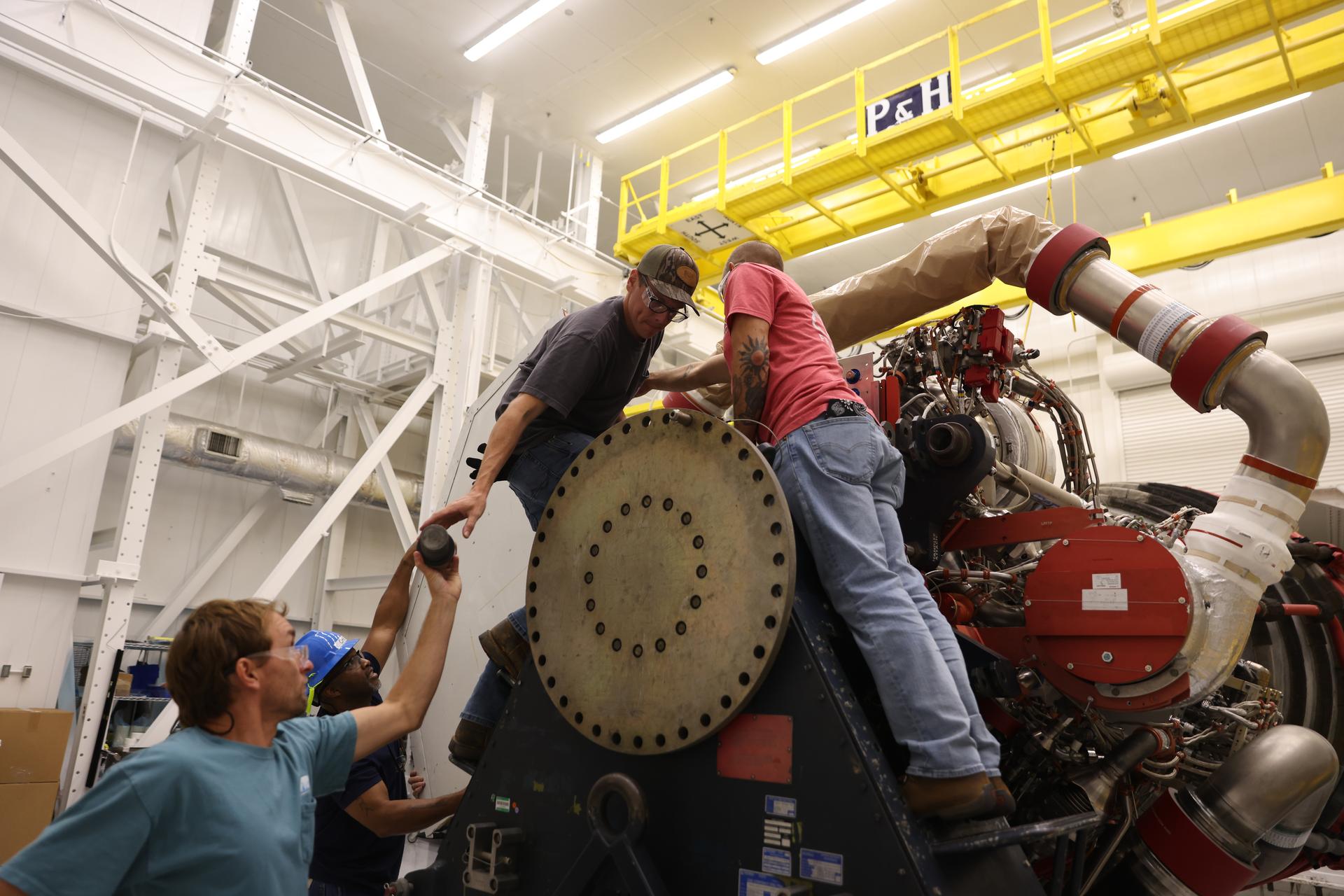
L3Harris delivered four RS-25 engines with 36 shuttle flights between them to NASA's Michoud facility on July 22, 2026 — the final flight of Space Shuttle Main Engine heritage hardware before Artemis V switches to newly built, 3D-printed engines.
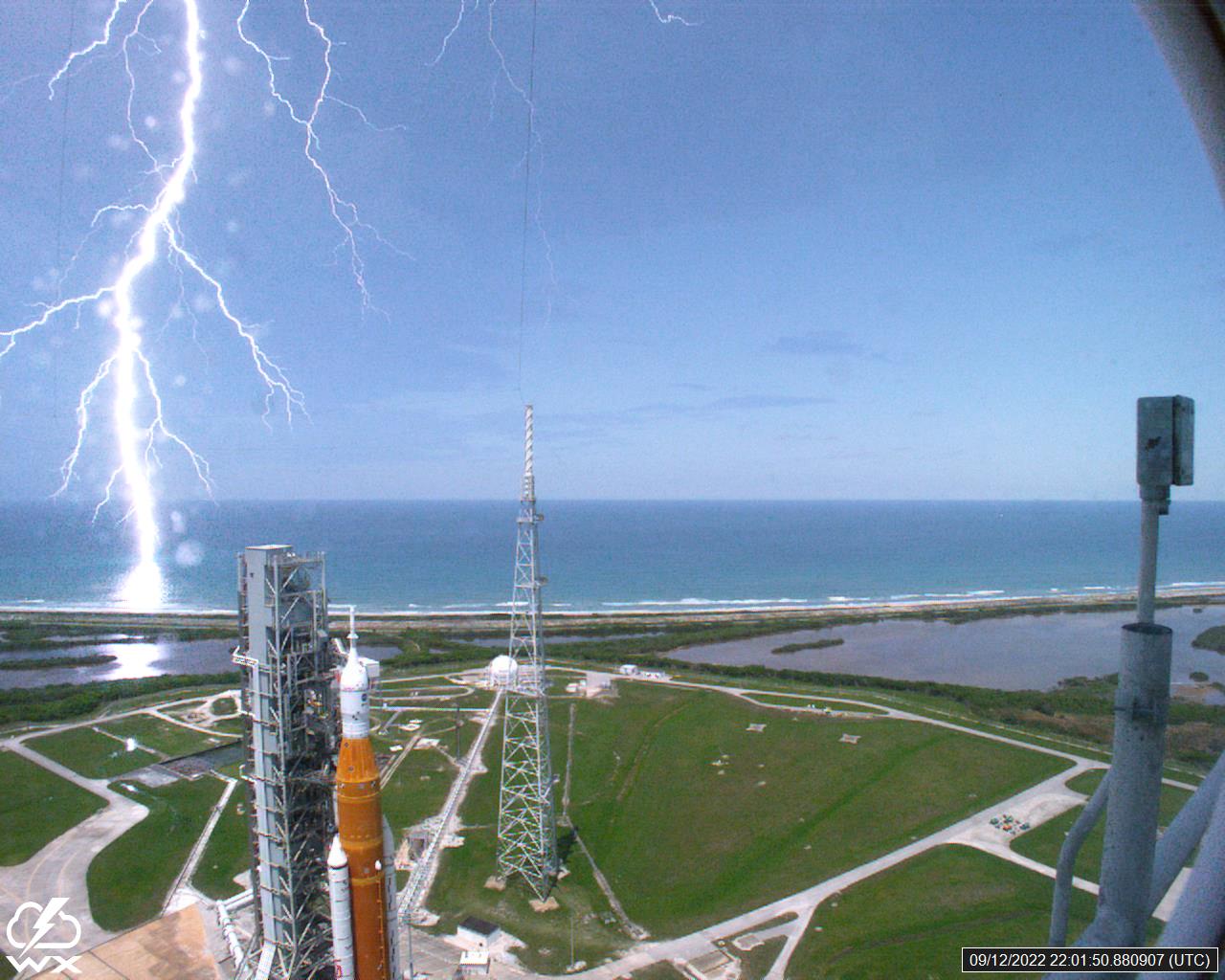
Amateur video caught a lightning bolt hitting a Long March 3B/E about 30 seconds after it left Xichang on July 23. The Tianlian II-06 relay satellite reached orbit anyway — and the footage raises an uncomfortable question about how differently launch ranges treat weather risk.
SAT 33 and SAT 34 — the final pair of first-generation Galileo satellites — have officially entered service, with SAT 34 cleared on July 23, 2026, as Europe's aging satnav fleet heads toward a heavier, electric-propulsion successor.
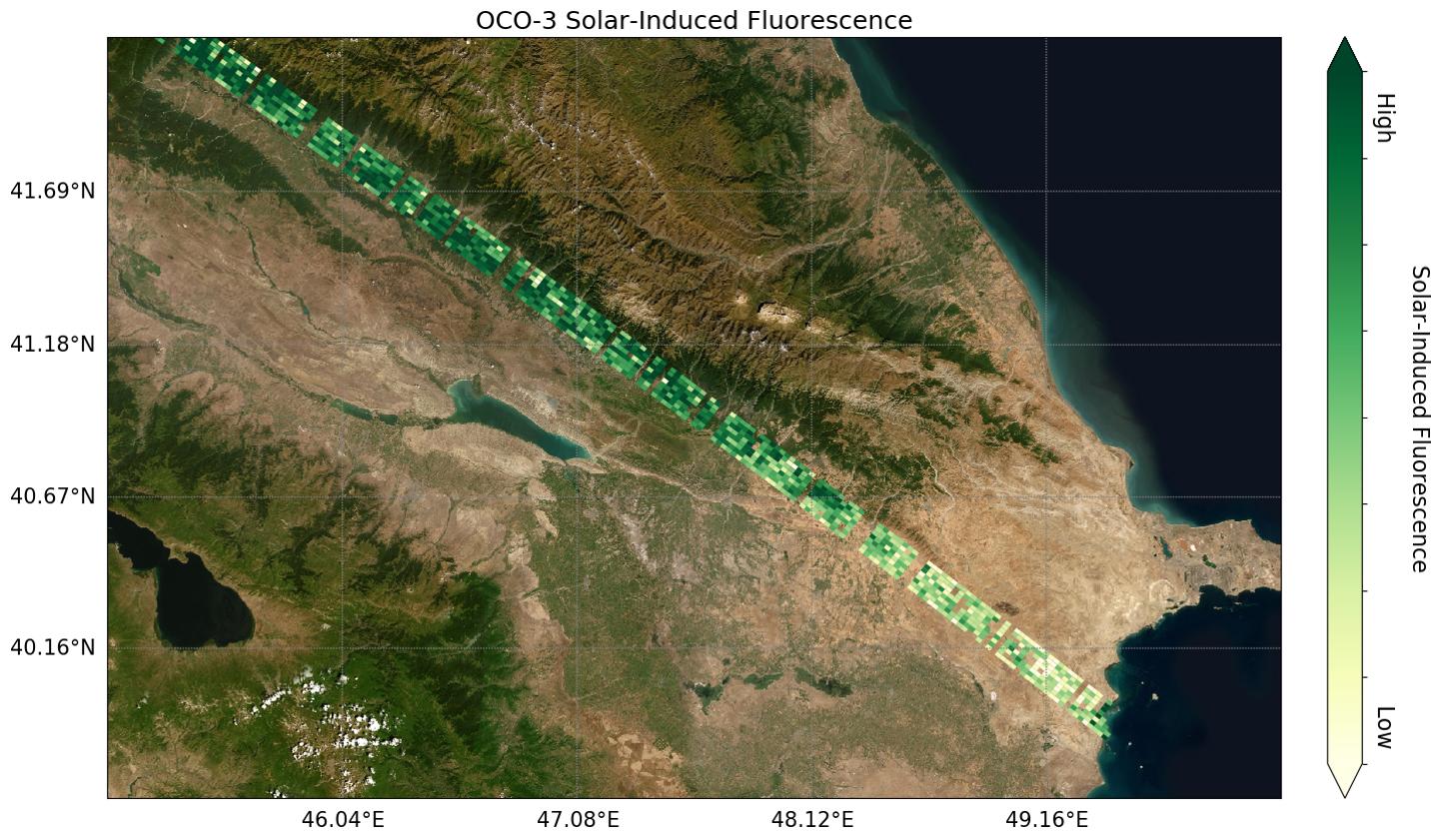
ESA is preparing FLEX, the first satellite dedicated to measuring the faint fluorescence plants emit during photosynthesis, for a September 2026 Vega-C launch alongside Copernicus Sentinel-3C from Kourou.
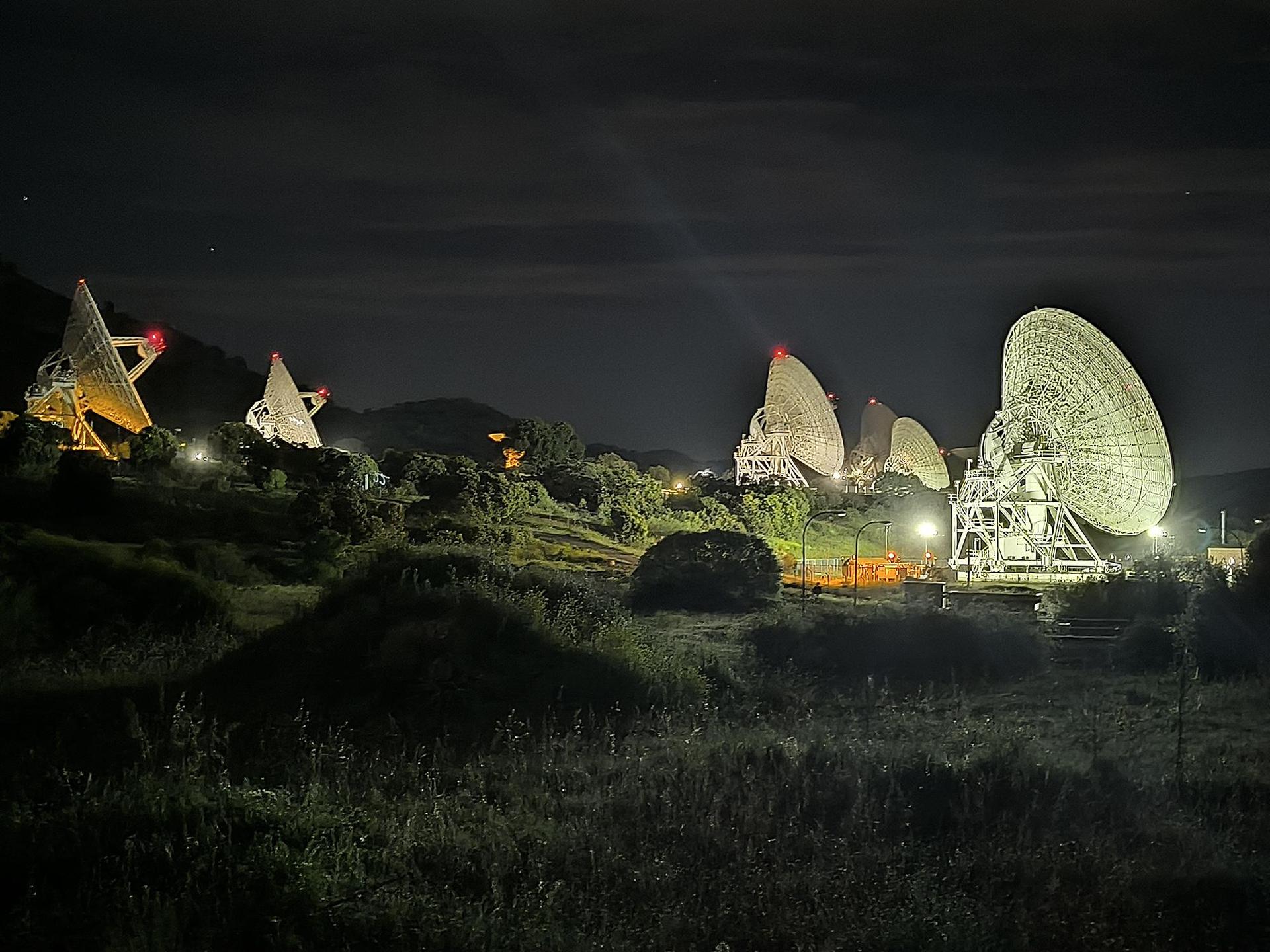
Wildfires near Madrid forced NASA to evacuate one of only three Deep Space Network complexes on Friday; all 90 workers got out safely and mission support, including the Voyager 1 downlink, shifted seamlessly to Goldstone in California.
The Office of Space Commerce is moving its Space Commerce Certification program from proposal to practice, offering a voluntary 120-day "presumption of approval" for satellite servicing, commercial stations and debris removal — the missions Congress has never assigned to any regulator.
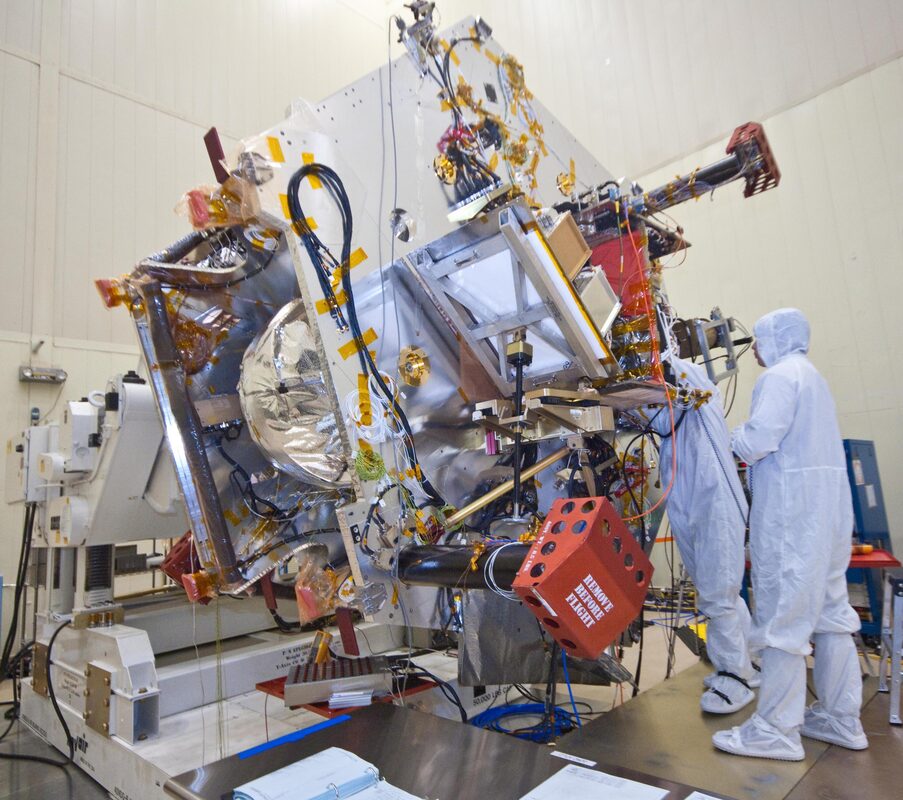
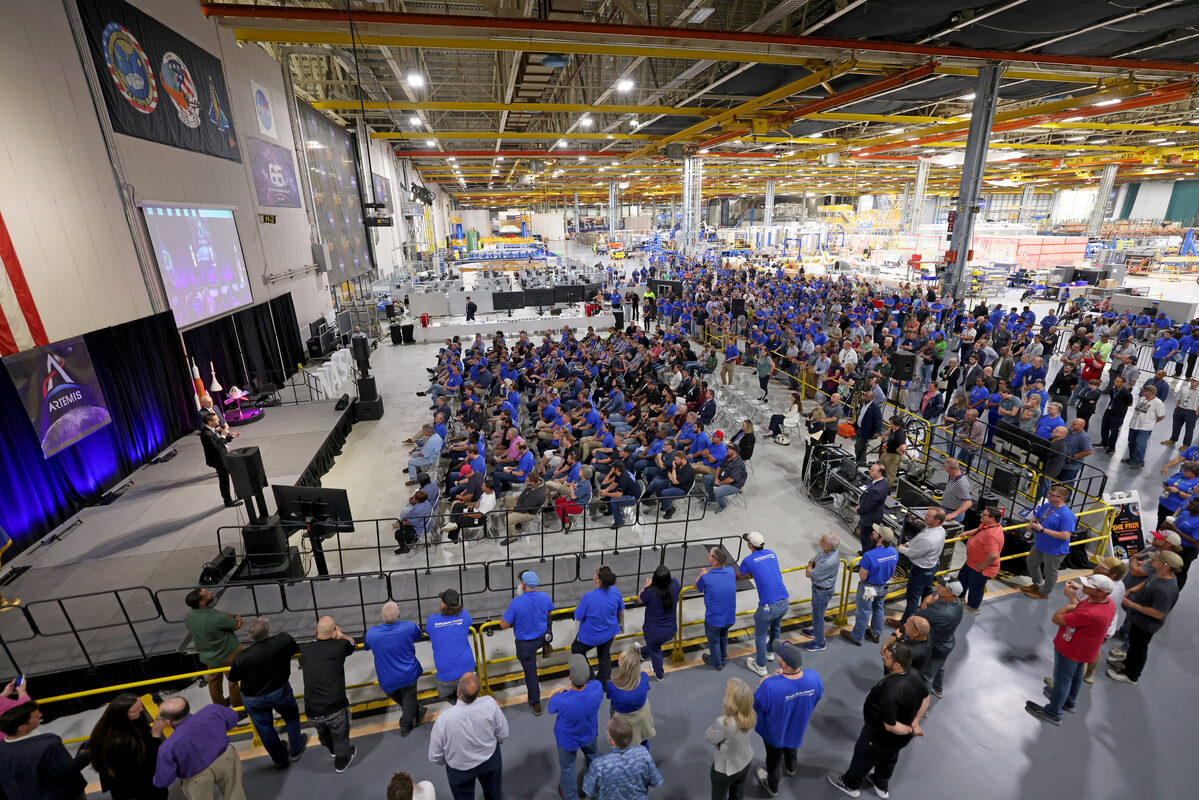
GAO's annual NASA project assessment is usually a story about hardware. This year it's a story about people: a 22 percent workforce cut, Goddard down 34 percent, Psyche delayed a year, and a proposed FY2027 budget that would cut another 20 percent.
Mauritius became the 70th Artemis Accords signatory on July 17, 2026 — the seventh African nation and the 11th country to sign this year — and framed its accession around protecting oceans and coastlines rather than lunar exploration.
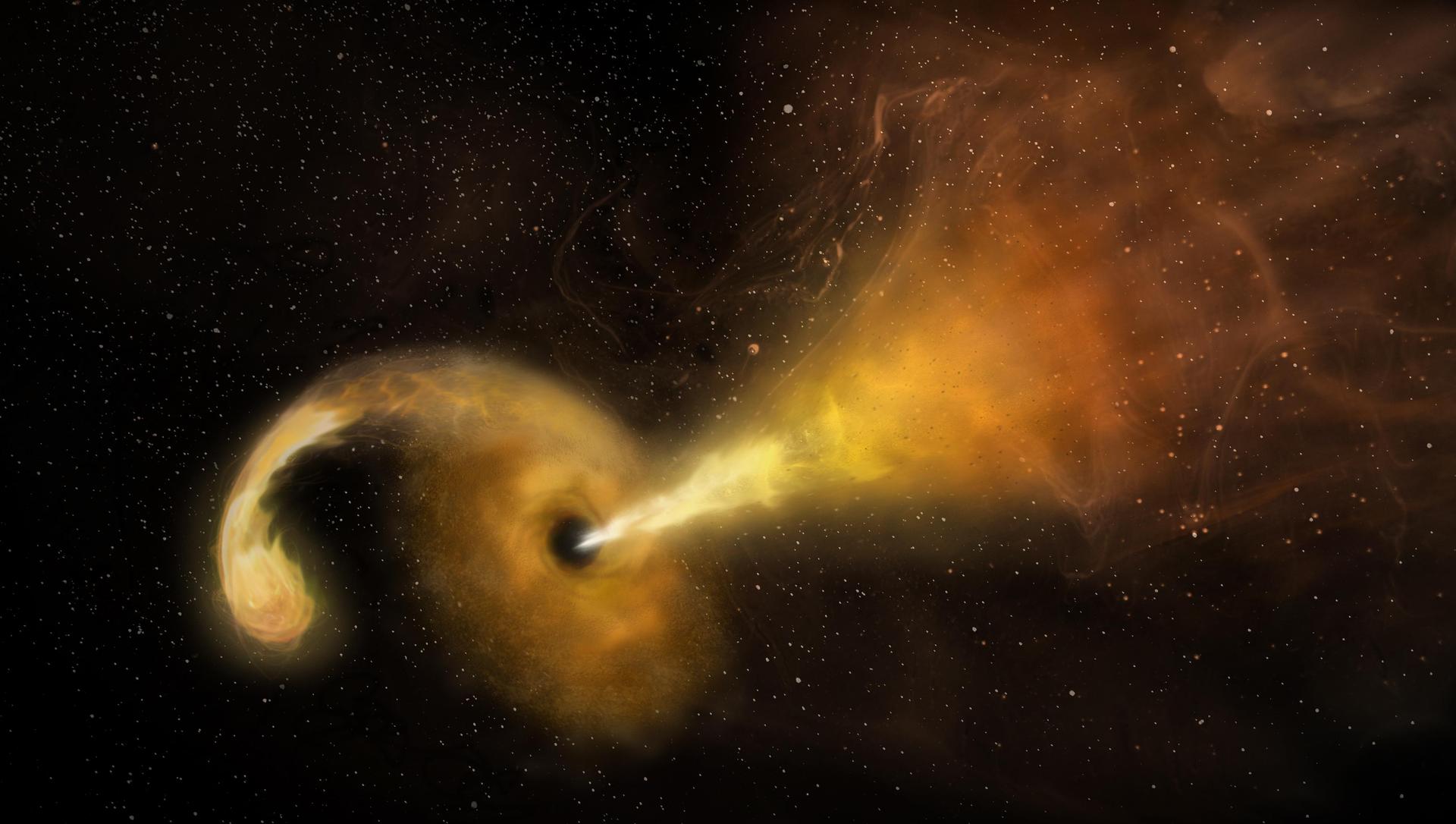
NASA's Swift Observatory and a UNC-Chapel Hill team caught a roughly million-solar-mass black hole shredding a star far outside its galaxy's core — the farthest such offset ever seen, and evidence that black holes can go wandering after galactic mergers.
A new analysis of LIGO-Virgo-KAGRA's fifth transient catalog finds statistical evidence for four separate black-hole merger populations — including a rare group of black holes built from earlier mergers.
Mining the LIGO-Virgo-KAGRA GWTC-4 catalog, an MIT-led team finds that roughly 14% of merging black holes are themselves products of earlier collisions, with a spin-driven transition near 46 solar masses.
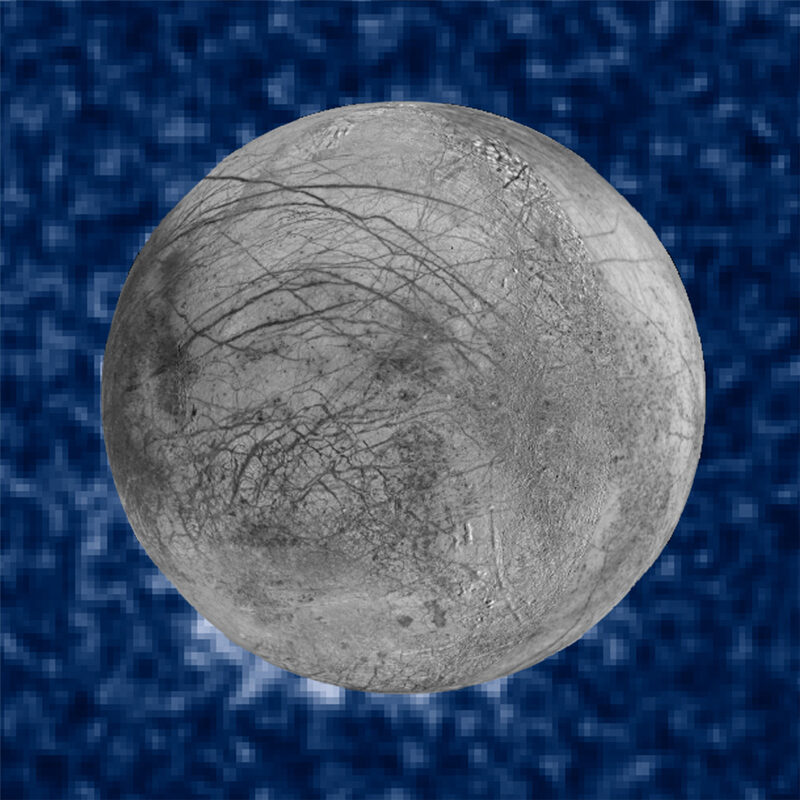
A Nature Astronomy study led by Rutgers' Lujendra Ojha finds that water rising through Europa's ice-shell fractures supercools and clogs with frazil ice, freezing narrow cracks shut within hours - reshaping where Europa Clipper and JUICE should hunt for habitable niches.
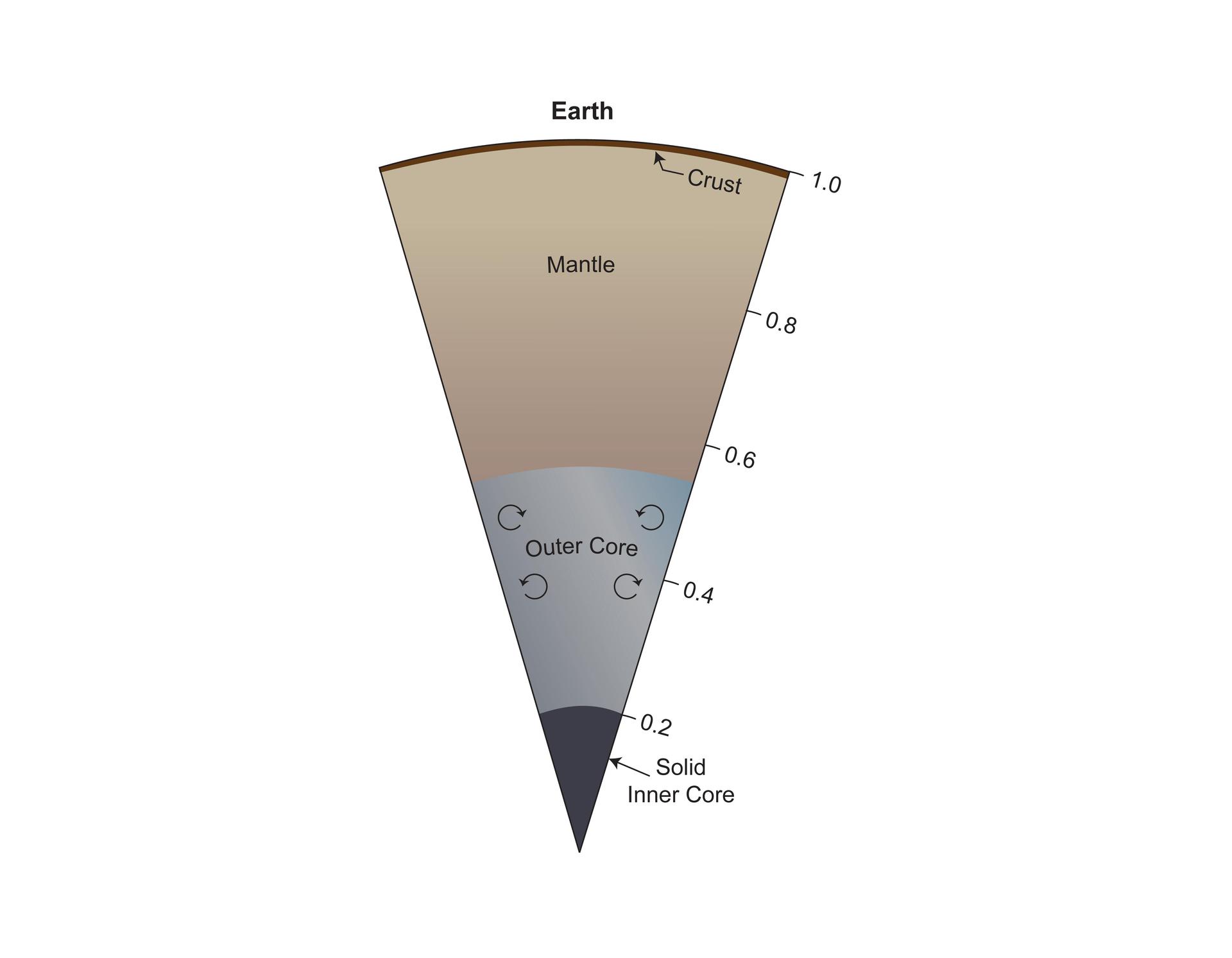
Neon bubbling out of mid-ocean-ridge basalts can only have come from the solar nebula, and a new Planetary Science Journal paper uses it to pin the young Earth's mass at roughly 0.3 Earth masses — captured from a disk already depleted at least 100-fold.
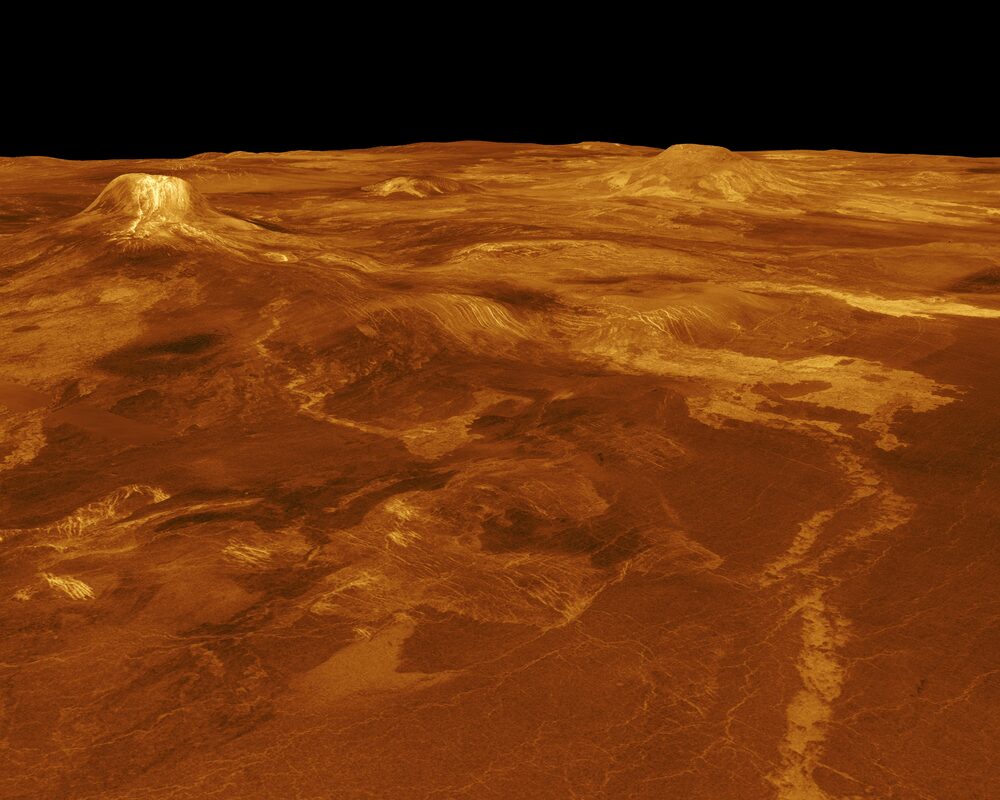
ETH Zurich's first high-resolution 3D simulations of Venusian rifting, published in Nature Geoscience, use the broad ridges flanking Venus's 10,000-km rift valleys as a geological clock — and conclude some rifts are still spreading at 3-10 cm per year.
Sunspot AR4494 threw an M3.2 flare on July 26 while regions 4495 and 4496 added C-class pops. Earth's magnetic field stayed quiet, but forecasters put the odds at 45% for another M-flare and 10% for an X-flare over the next 24-48 hours.
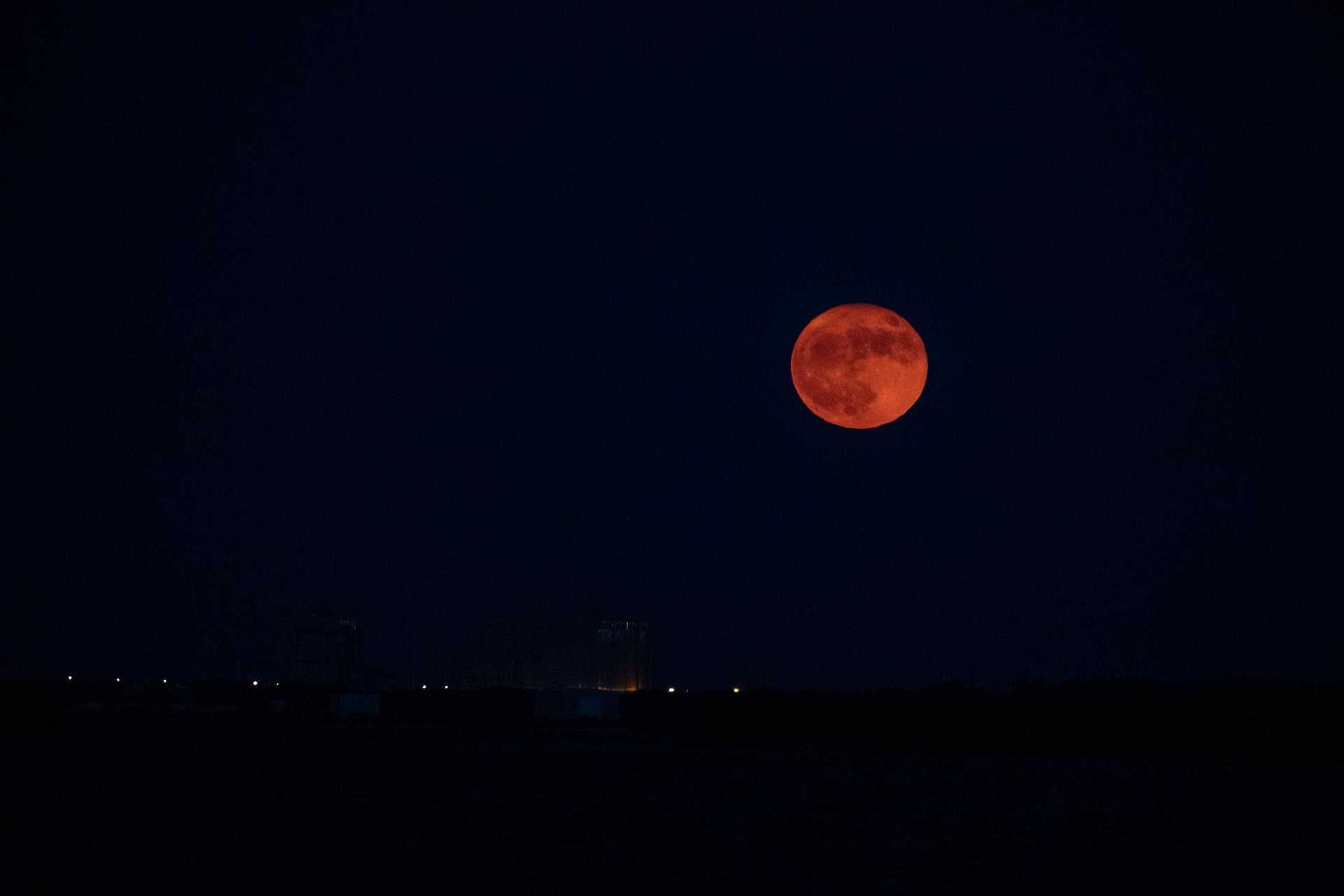
The last ten days of July 2026 hand skywatchers a First Quarter Moon growing into the Full Buck Moon on 29 July, a nearly edge-on Saturn, evening Venus in Leo, and Delta Aquariid meteors that a near-full Moon will mostly drown out.
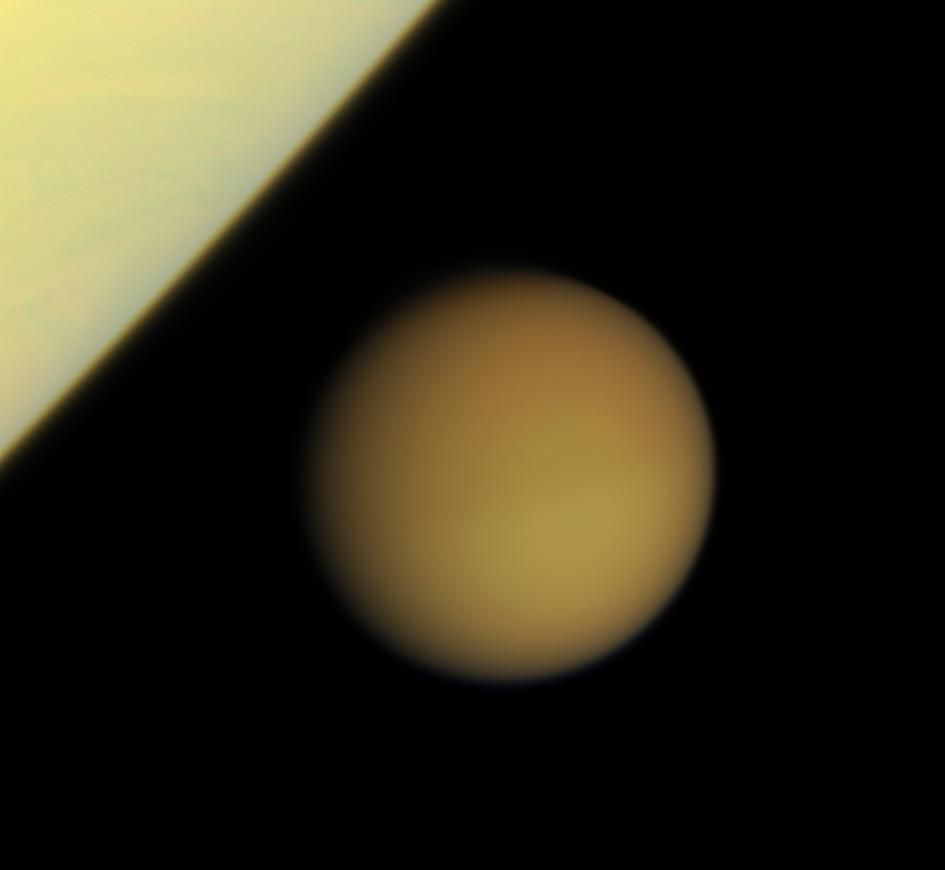
From July 20-24, 2026, the Metonic cycle serves up a Moon that echoes Apollo 11's landing night, Mercury stalls to end its retrograde in Gemini, and Titan hangs easily beside Saturn.
The Southern Delta Aquariids peak the night of July 30-31, 2026, but a full moon just one day earlier means the best views come from patient pre-dawn watching in the week before.
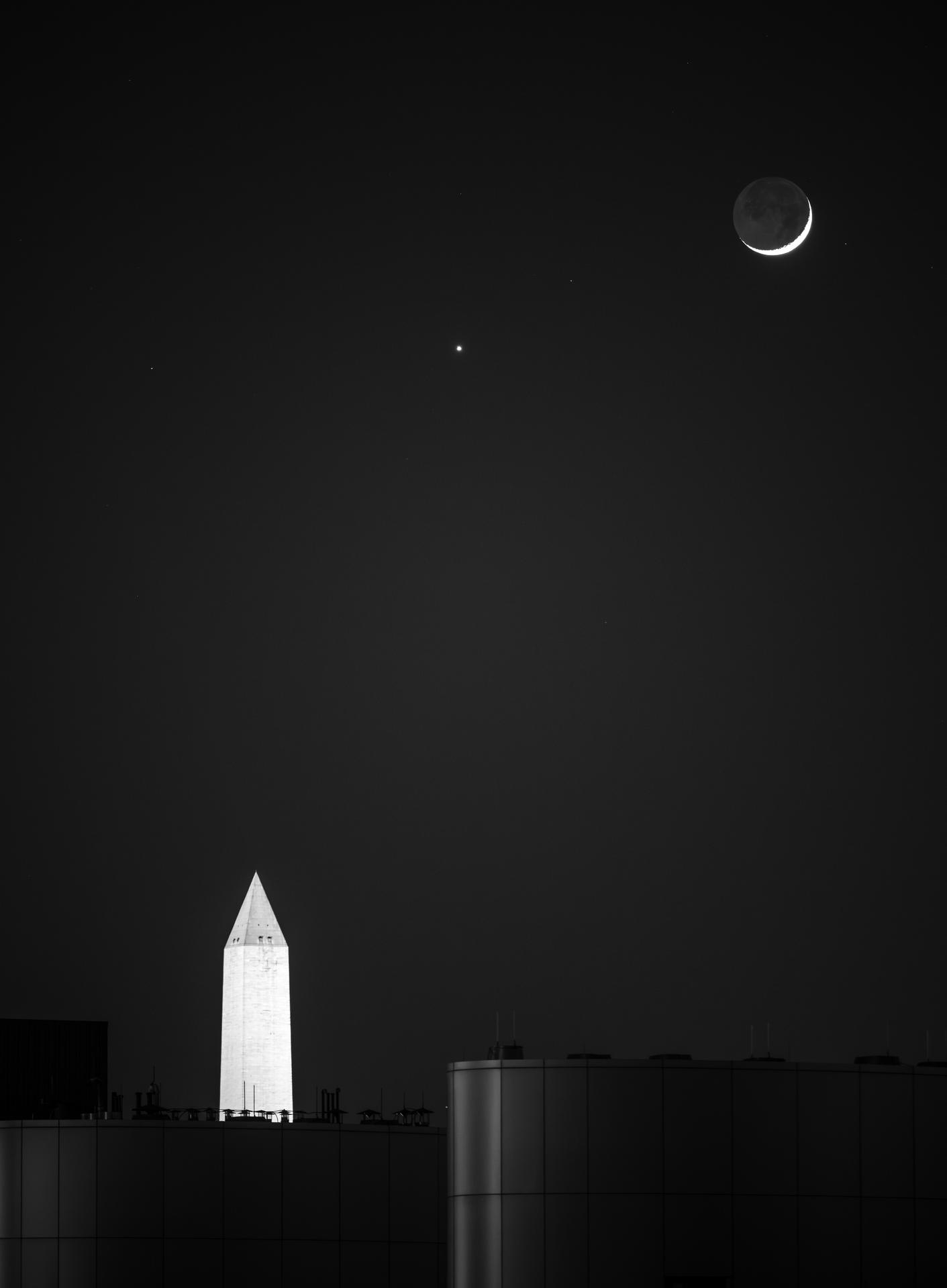
A waxing crescent Moon glides past Venus and Regulus on three straight evenings this week, brushing 0.5° from the heart of Leo on July 16 before closing to within 2° of Venus the next day.
A waning crescent Moon points the way to Mars, Saturn, and a binoculars-only Uranus in the predawn eastern sky on July 11-12, 2026, part of a busy month of lunar-planetary conjunctions.
·By Cosmic Herald Staff
Stargazer's ShopTelescopes & astronomy gear — As an Amazon Associate, Cosmic Herald earns from qualifying purchases.
Never miss a launch.
Free. We email you when we publish — missions, discoveries, and skywatching highlights.