
All articles
-
Science & Discovery
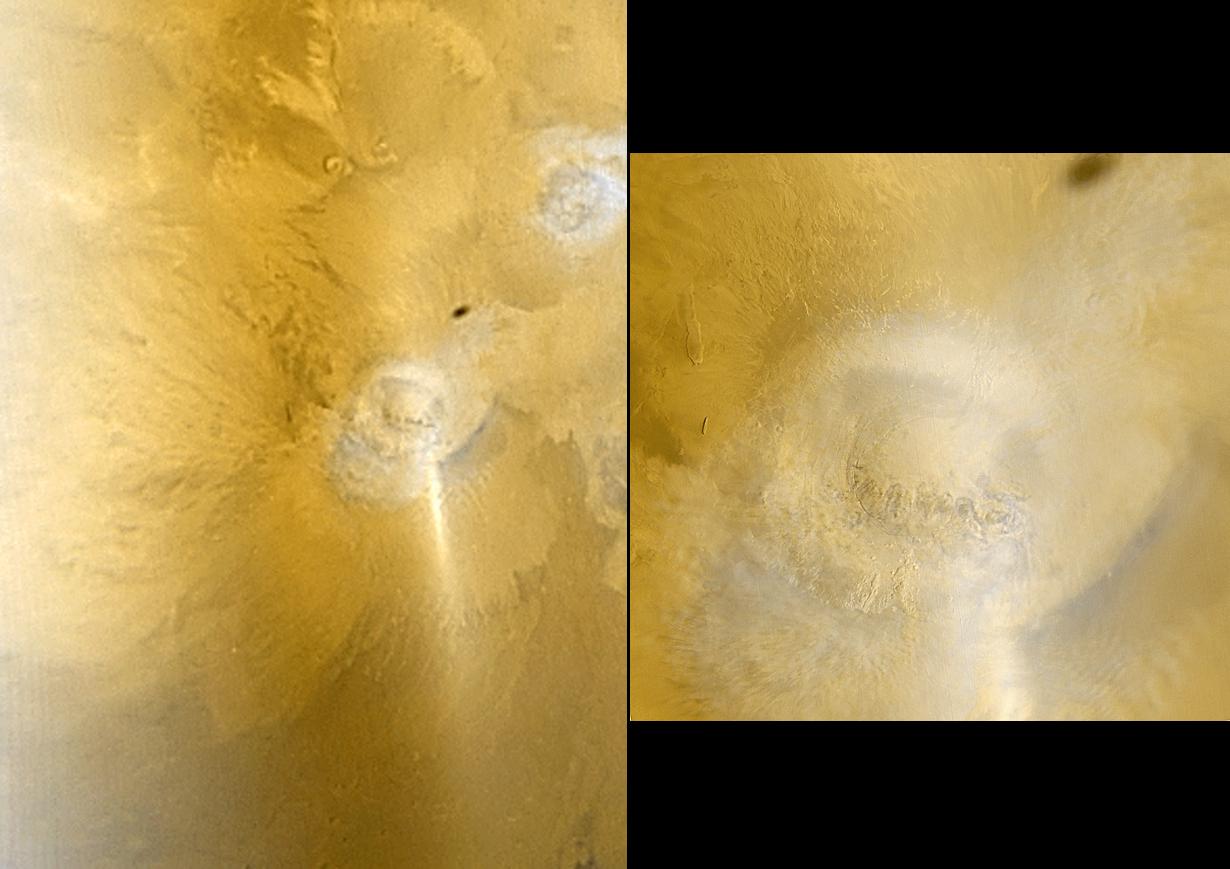
Mars's Strangest Cloud Needed 'Impossible' Physics: Homogeneous Ice Nucleation Seen on the Red Planet
A cloud up to 1,800 km long that trails Mars's Arsia Mons volcano only forms in models if water vapour freezes straight into ice with no dust seed, a process predicted for planetary atmospheres but never before seen in nature.
-
Missions
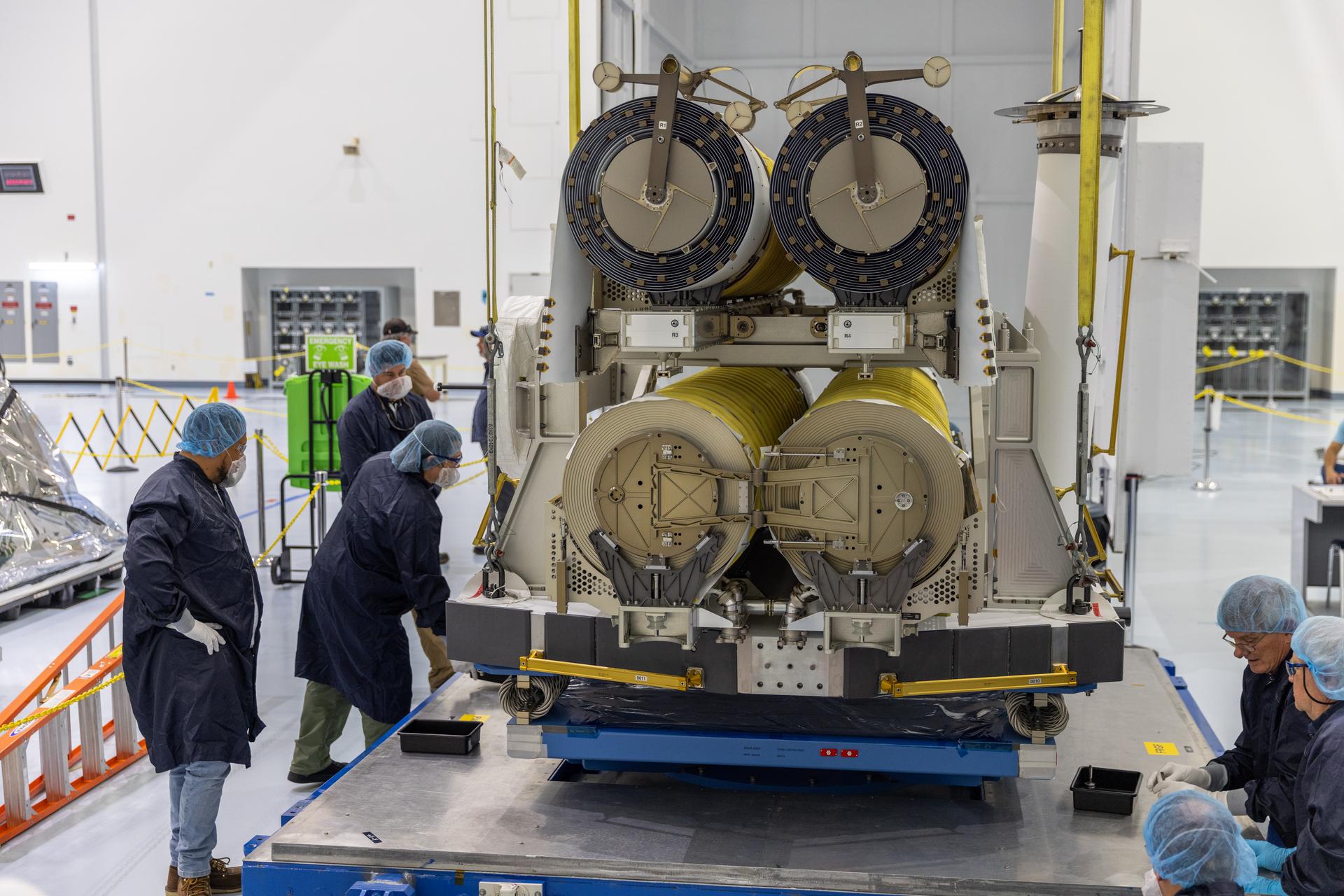
Dragon's 35th Cargo Run Brings the Last ISS Roll-Out Solar Arrays, Targeting an Oct. 13 Launch
NASA and SpaceX are targeting 6:33 a.m. EDT Oct. 13 for CRS-35, a Cargo Dragon carrying more than 6,300 pounds to the ISS, including the last pair of roll-out solar arrays meant to keep the station powered through its controlled deorbit.
-
NASA & Agencies
ESA and Vast Sign a New MoU Looking Past the International Space Station
ESA and Vast have replaced their 2024 agreement with a broader three-year MoU covering possible European astronaut missions to Vast's Haven station, hardware contributions and joint research, starting with a feasibility study as Europe plans for life after the ISS.
-
Science & Discovery
A Narrowband Signal From K2-155 d's Direction: FAST's Wavelet Search Finds an Intriguing, Probably Earthly Candidate
A machine-learning SETI pipeline run on China's FAST data cut 139,127 detections from 33 exoplanet systems to two, and one of them, a narrow, drifting signal at 1148.4167 MHz toward the red dwarf K2-155, has passed several tests. The researchers still think it is most likely interference from Earth.
-
Commercial
NASA Hands Modulate Space $38 Million to Build 5G for the Moon
NASA has given Modulate Space a roughly $38 million fixed-price contract to build a 5G network with Wi-Fi 6, first as a lab "Network-in-a-Box" and then as a flight demonstration on the lunar surface in late 2028.
-
Astronomy
Webb Peers Into NGC 7129, a Dusty Stellar Nursery Full of Jets and Hidden Protostars
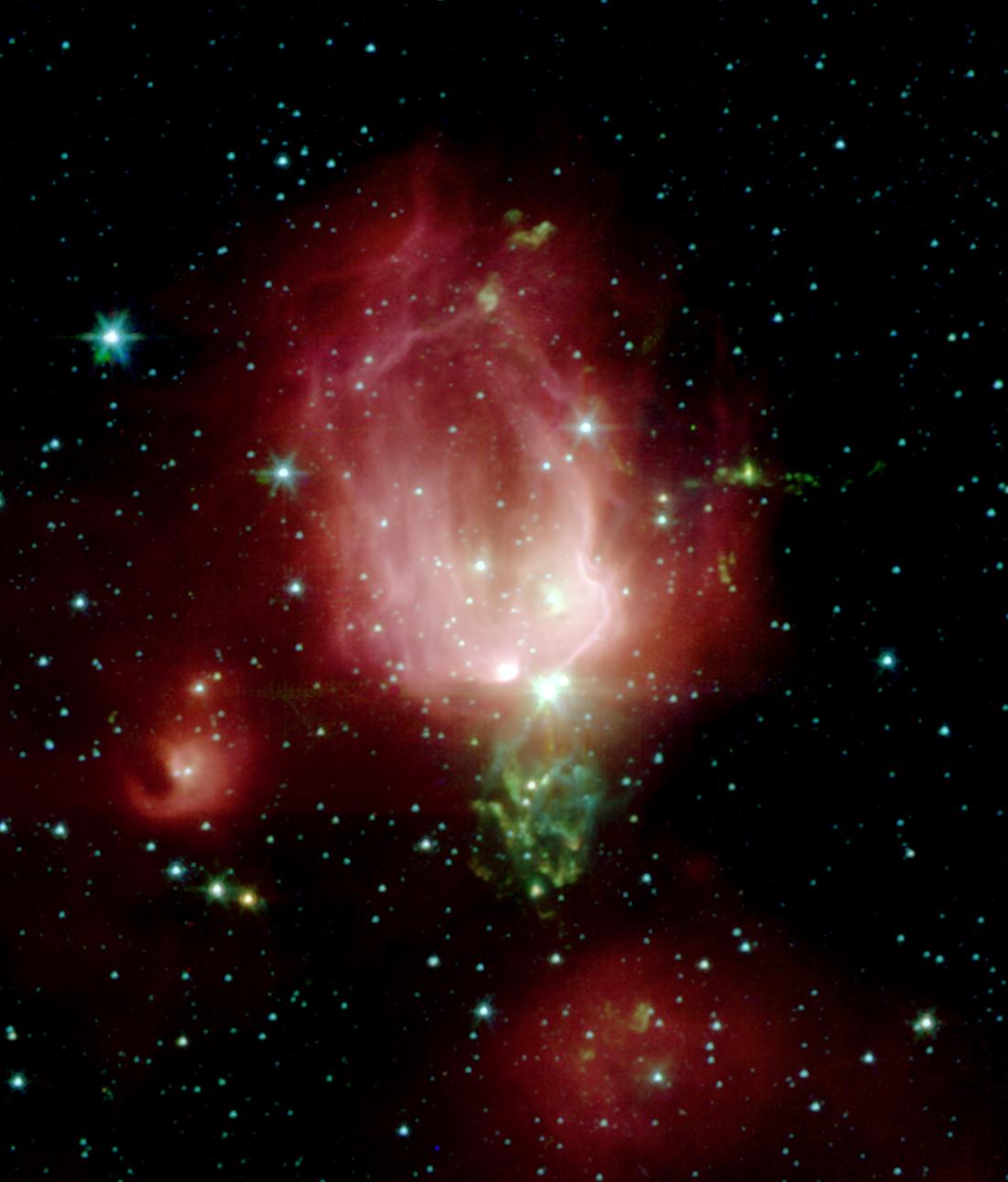
A new Webb image of NGC 7129, about 3,300 light-years away, cuts through the dust to show protostars, shocked gas, bow shocks and a 3.5-light-year cavity carved by the young 5-8 solar-mass star LkH-alpha 234.
-
NASA & Agencies
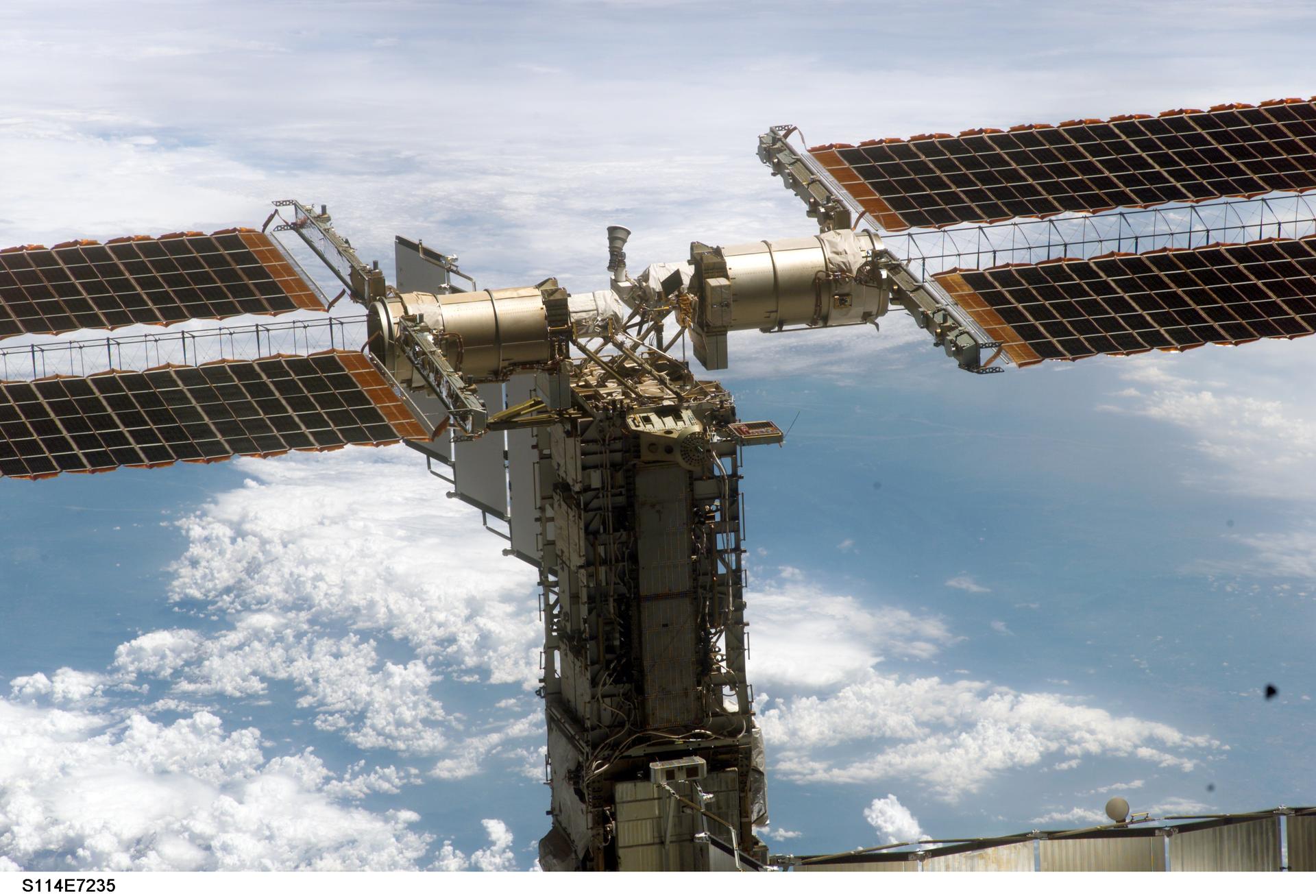
Crew-12 Heads Home: Dragon Undocking Set for Oct. 7 as Crew-13 Settles In Aboard the Station
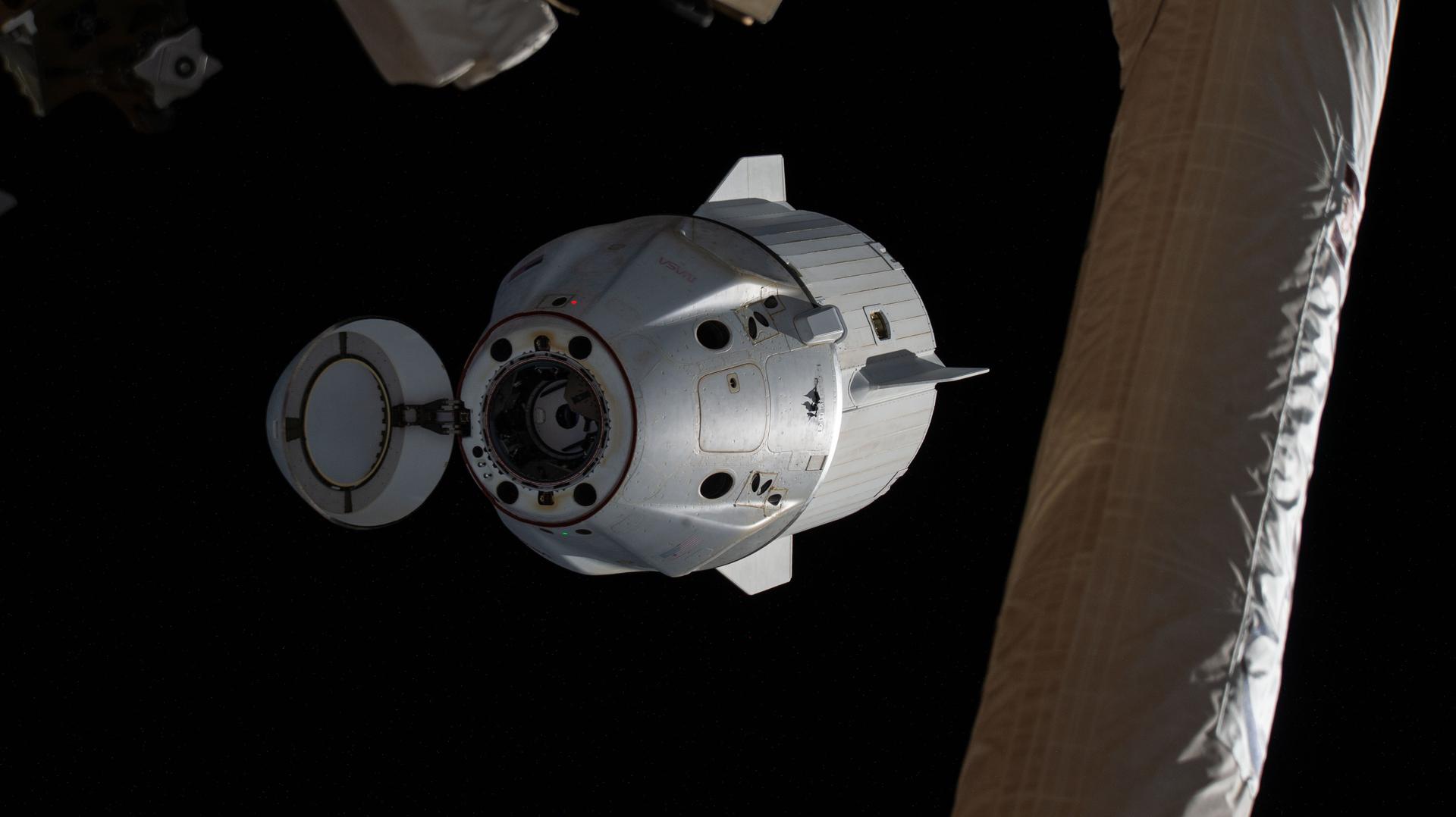
NASA and SpaceX are targeting 8:05 a.m. EDT Wednesday, Oct. 7, to undock Crew-12 from the ISS, with a Pacific splashdown off California around 11:34 a.m. Thursday. Crew-13 arrived after an Oct. 1 launch, and ESA's Sophie Adenot heads home with three spacewalks totalling 19 h 42 min.
-
Astronomy
A 27-Year-Old Hubble Puzzle Points to a Planet Born From a Dying Star
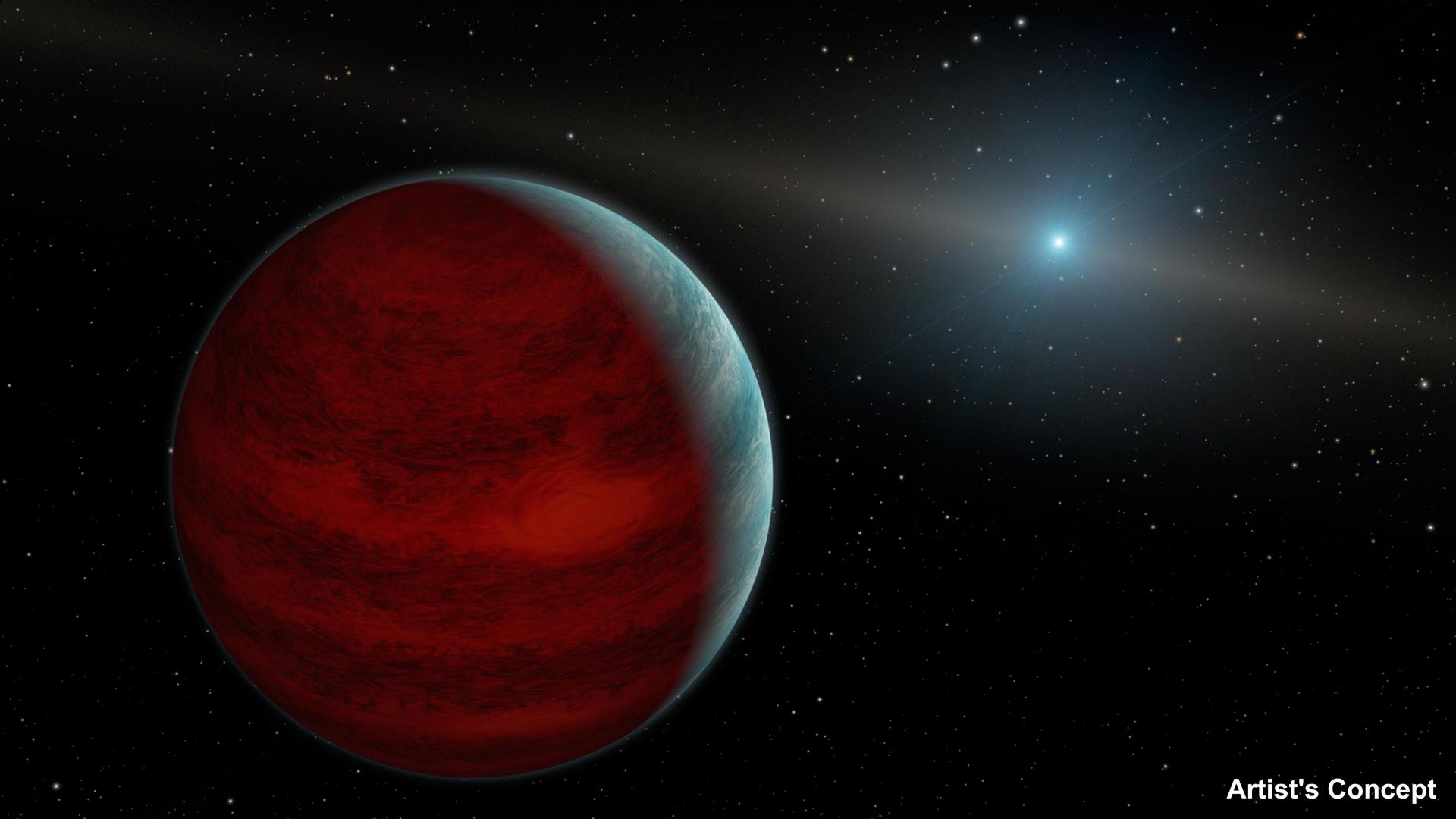
Unexplained lines in 1999 Hubble spectra of white dwarf HS 0209+0832 turn out to be niobium and other heavy elements, evidence for what may be the first planet around a white dwarf that formed from its star's death rather than its birth.
-
Stargazing
Saturn Reaches Opposition: The Ringed Planet Is at Its Best of 2026
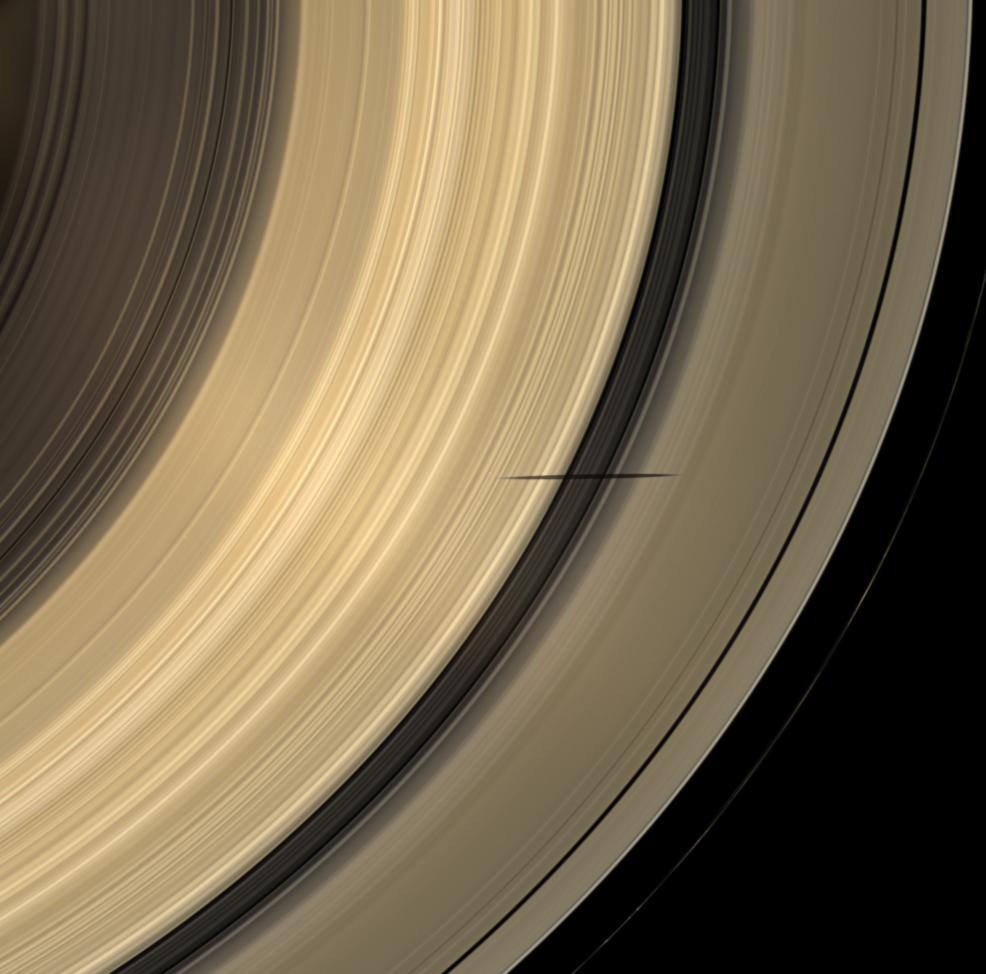
Saturn reached opposition on Oct. 4 at magnitude 0.3 and about 784 million miles away. It is the year's best window on the ringed planet, and the same week brings a predawn lunar occultation of Jupiter for eastern North America.
-
Military Space
Final-Minute Scrub Holds Up SDA's Fourth Tranche 1 Launch; Falcon 9 Now Aiming for Oct. 10 at the Earliest
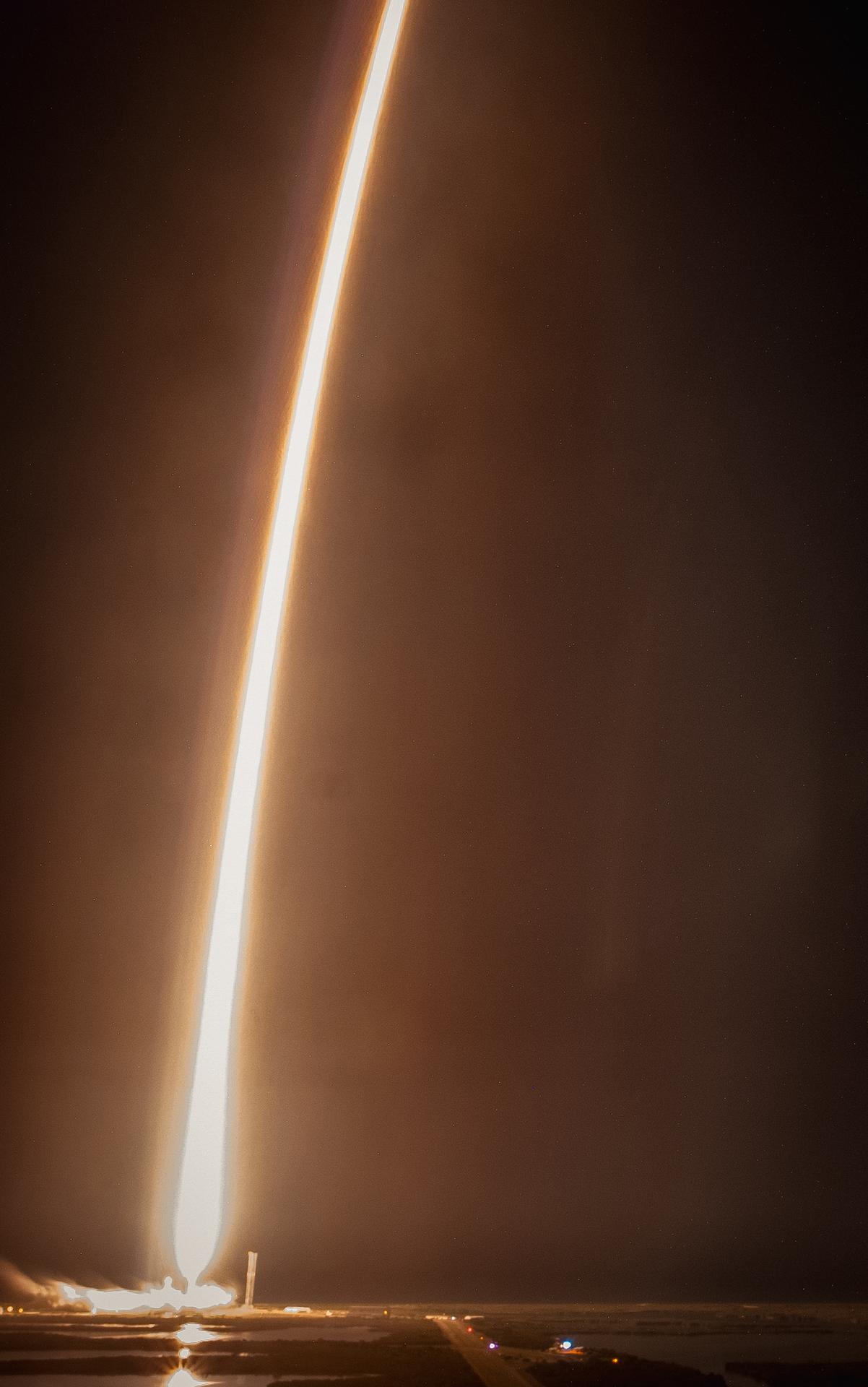
SpaceX called off the Space Development Agency's T1TL-A launch of 21 Northrop Grumman data-transport satellites in the final minute of Monday's count at Vandenberg, and SpaceX is now targeting no earlier than Saturday, Oct. 10.
-
Science & Discovery
Sunspot AR4549 erupts out of nowhere as three M-class flares break the Sun's lull
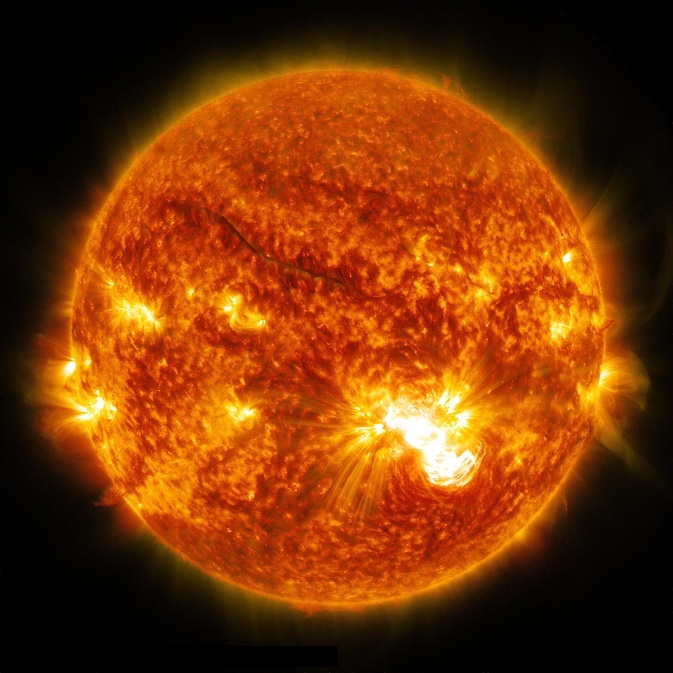
After a quiet stretch, the Sun fired three M-class flares in about 13 hours. Most of the action came from AR4549, a fast-growing sunspot that didn't exist a day earlier and now has the magnetic tangle that can produce bigger flares.
-
Astronomy
Hubble Logs Its 200,000th Orbit While Waiting for a Supernova to Happen Again
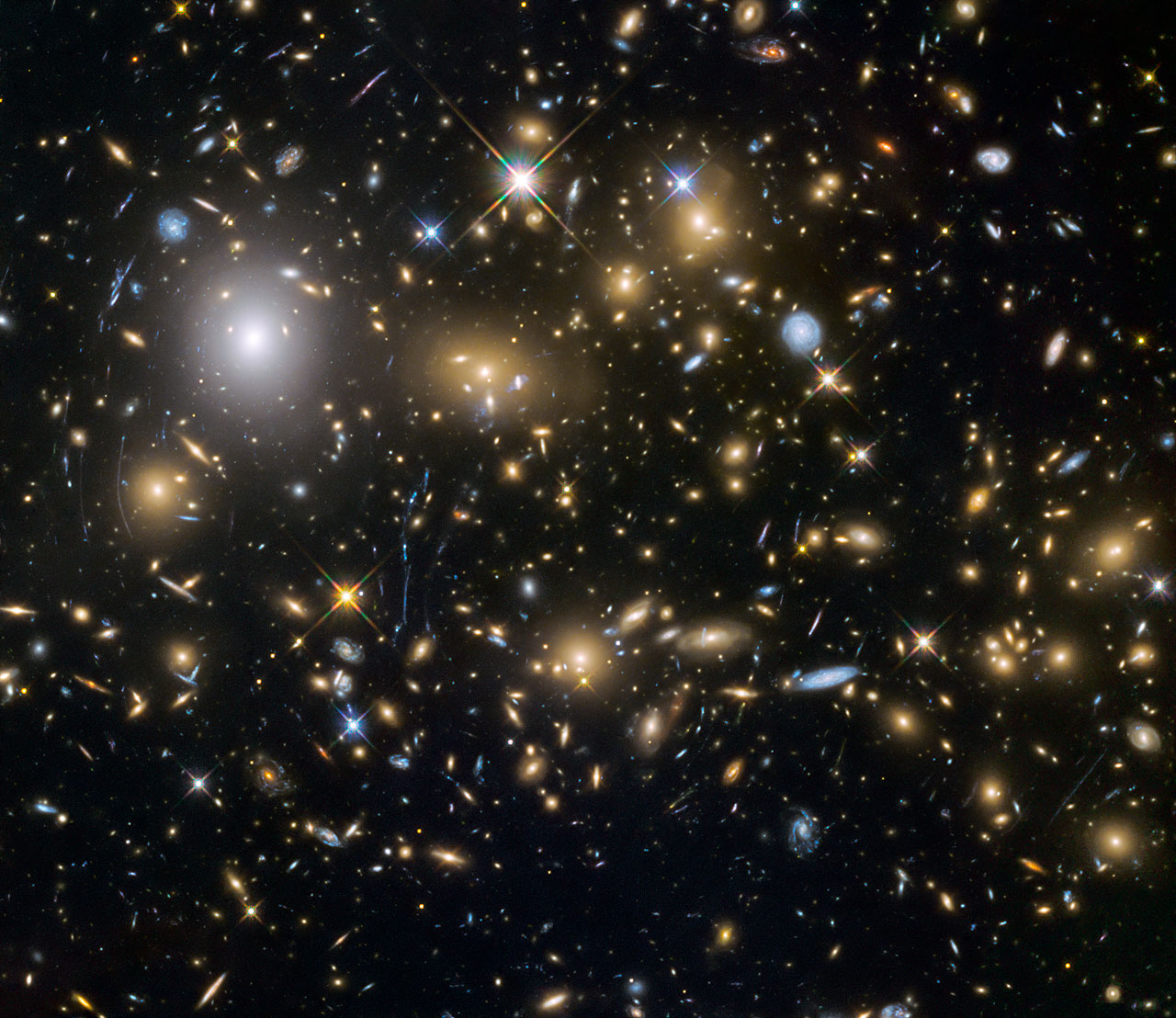
Hubble finished its 200,000th orbit on Sept. 19 while watching galaxy cluster MACS J0417, waiting for the lensed supernova Athena to reappear by early March 2027. The timing could help map the cluster's mass and refine the Hubble constant.
Page 7 of 68
