
All articles
-
Military Space
GPS jamming and spoofing: the quiet threat that's getting louder
GPS signals are extraordinarily weak and easy to jam. Military and civilian aircraft across the Middle East, Baltic, and Black Sea regions are routinely encountering jamming and spoofing that sends their navigation systems to completely wrong locations. The problem is growing.
-
Military Space
Space is already a battlefield. Ukraine showed us what that looks like.
The war in Ukraine has been the first large-scale test of satellite capabilities in peer conflict. GPS jamming, Starlink dependence, reconnaissance satellites, and Russian anti-satellite threats have all featured — and the lessons are reshaping military space doctrine worldwide.
-
Military Space
The Space Force is quietly replacing its aging satellite backbone. Here's what's new.
GPS III, Next Gen OPIR missile warning satellites, and the Evolved Strategic SATCOM program are replacing Cold War-era systems that have been showing their age. The upgrades are designed to survive a contested space environment that didn't exist when the original satellites were built.
-
Military Space
What the Space Force actually does — and why it matters more than most people realize
The US Space Force is the world's first independent space military branch. Its missions — protecting GPS satellites, tracking debris, watching for missile launches — are largely invisible but underpin nearly every aspect of modern warfare and daily civilian life.
-
Missions
NASA's DAVINCI mission will drop a probe through Venus's atmosphere. Here's what it's looking for.
DAVINCI is a spherical probe designed to fall through Venus's corrosive atmosphere for about an hour, sampling the air at every altitude. It's looking for evidence that Venus once had oceans — and why it lost them.
-
NASA & Agencies
India's space program is moving faster than anyone expected. Here's where it stands.
ISRO's Chandrayaan-3 south pole landing in 2023 and Aditya-L1 solar observatory marked a turning point. With Gaganyaan crewed flights approaching and a Venus mission on the books, India is building the infrastructure of a major spacefaring nation.
-
Astronomy
Pulsars are spinning neutron stars that keep better time than atomic clocks — and we're using them to detect gravitational waves
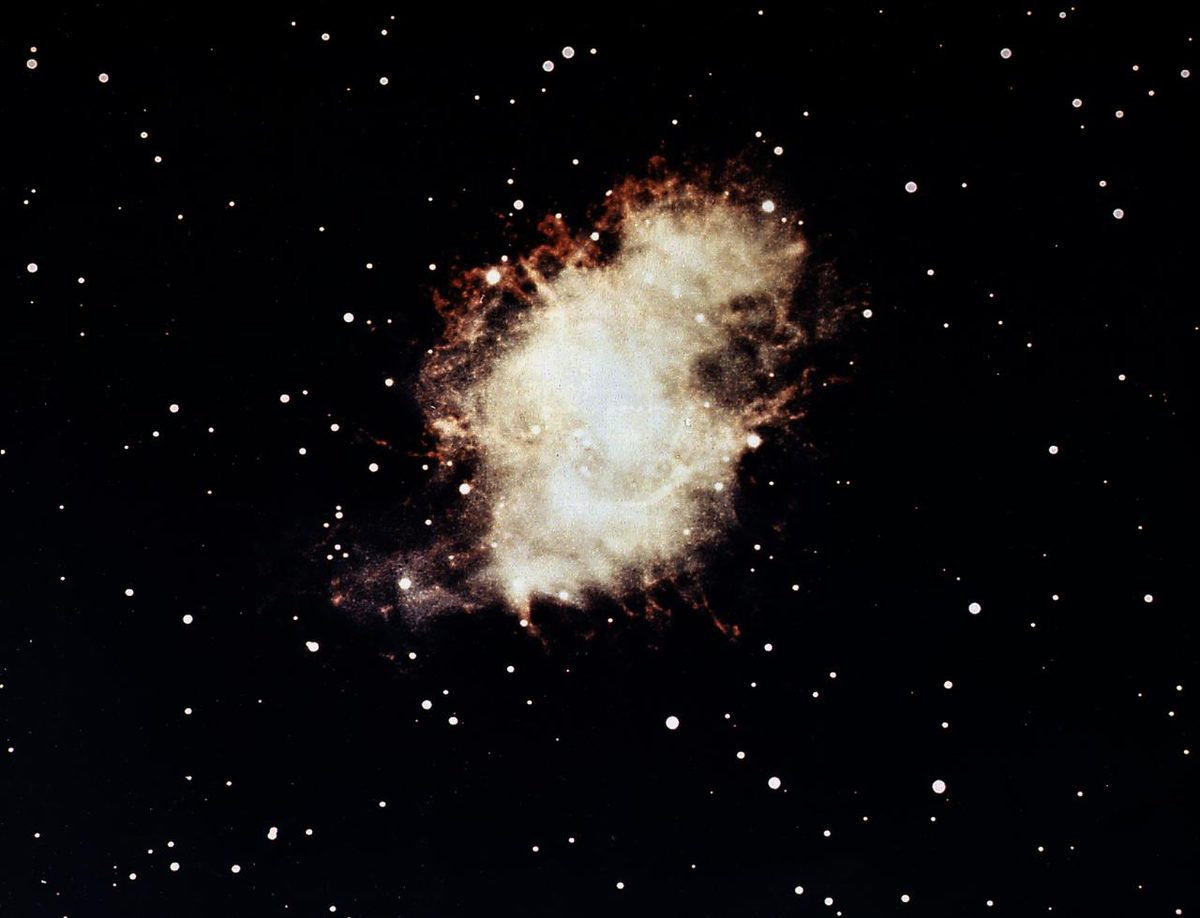
A pulsar is a neutron star rotating dozens to hundreds of times per second, beaming radio waves with clocklike regularity. Arrays of pulsars spread across the galaxy are now sensitive enough to detect gravitational waves from supermassive black hole mergers.
-
Commercial
Low Earth orbit has a garbage problem. Here's who's trying to clean it up.
There are roughly 27,000 tracked pieces of debris in orbit, and hundreds of thousands more too small to track. Two companies — Astroscale and ClearSpace — are building the first commercial debris removal spacecraft. The engineering is harder than it sounds.
-
Stargazing
Globular clusters are the oldest things you can see with a backyard telescope
Globular clusters are gravitationally bound balls of hundreds of thousands of stars, some over 12 billion years old. M13 in Hercules is the showpiece of the northern sky, but Omega Centauri dwarfs it — and both are accessible with modest equipment.
-
Missions
BepiColombo is about to become the first new Mercury orbiter in 50 years
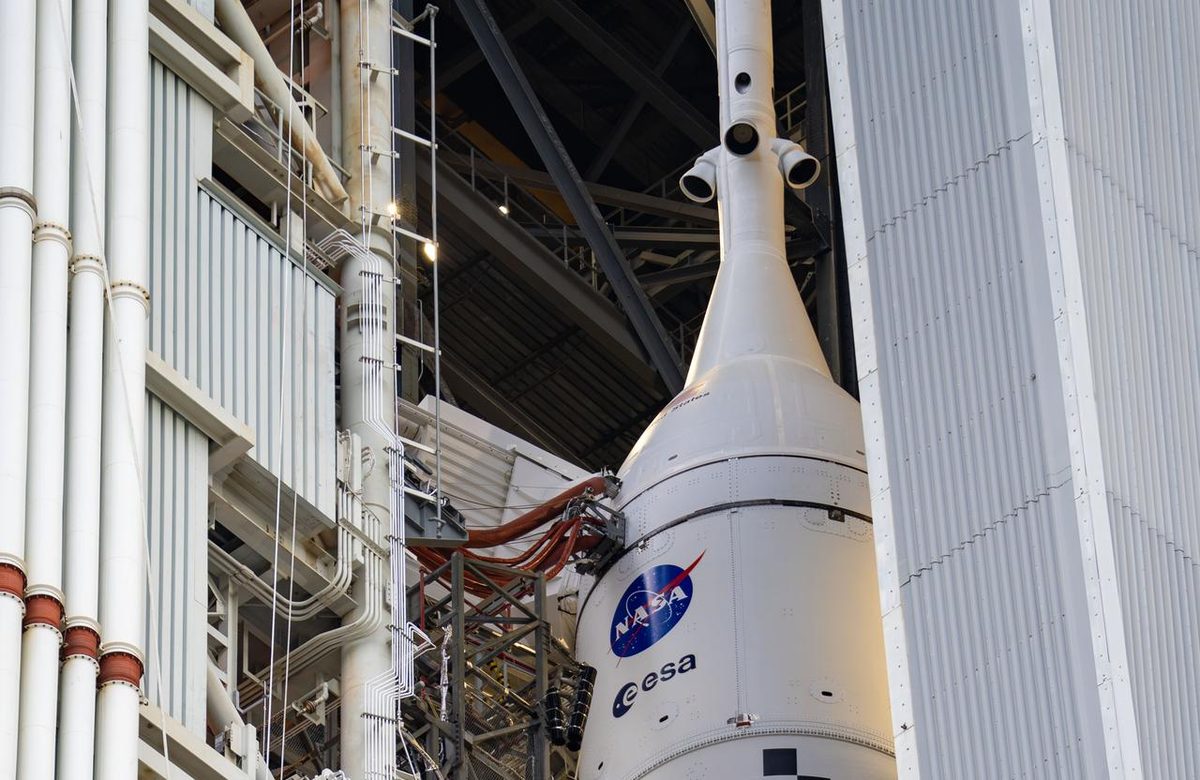
ESA and JAXA's joint BepiColombo mission spent six years threading through the inner solar system. Its arrival at Mercury orbit will answer questions about the planet's magnetic field and mysterious dark surface that MESSENGER couldn't fully resolve.
-
Astronomy
The missing planets: why there's a gap in the size distribution of worlds around other stars
Kepler data revealed a strange gap in exoplanet sizes: planets between 1.5 and 2 Earth radii are surprisingly rare. The leading explanation involves atmospheric loss driven by stellar radiation, and JWST is now testing that theory directly.
-
Science & Discovery
Your phone's GPS is a real-time test of general relativity — and it passes every day
GPS satellites experience time dilation from both their orbital speed and their position in Earth's gravitational field. Without constant relativistic corrections, GPS would drift by kilometers per day. The system works only because Einstein was right.

Page 52 of 68
