
All articles
-
Missions
NASA Scraps LINK's Boost of Swift Observatory After Thruster Trouble
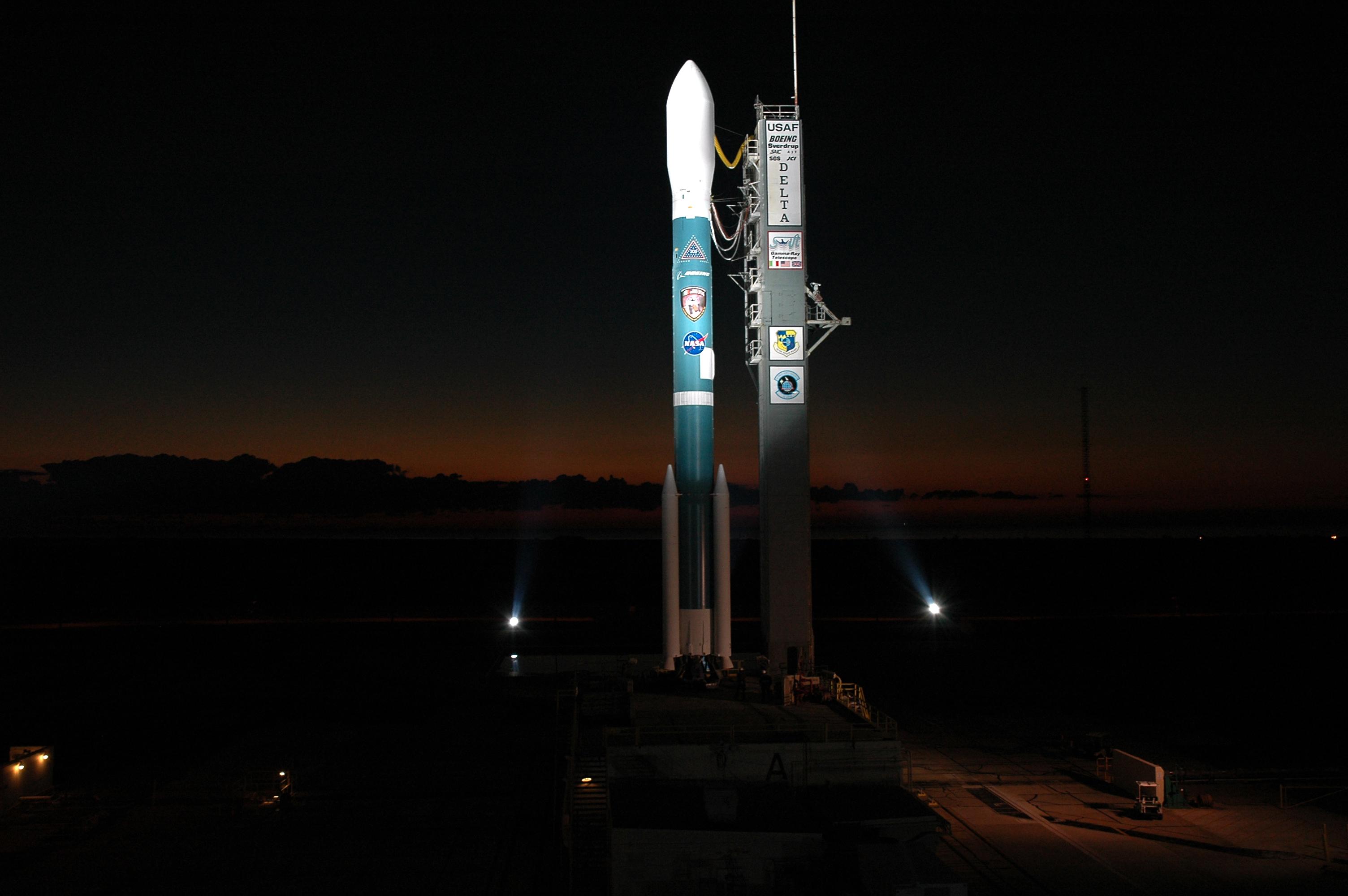
A servicing spacecraft launched to save the Swift Observatory from a decaying orbit now needs saving itself, after two of its three reaction wheels failed and NASA called off the planned altitude boost.
-
Military Space
Space Force Stands Up Its First Squadron Built to Both Listen and Jam
The newly activated 1st Electromagnetic Warfare Squadron pairs a decades-old signal-detection system with a brand-new mobile jammer, staffed largely by Air National Guard veterans who transferred into the Space Force last fall.
-
Astronomy
A Golden Corona: NASA's APOD Captures an Unusually Amber Total Solar Eclipse Over Spain
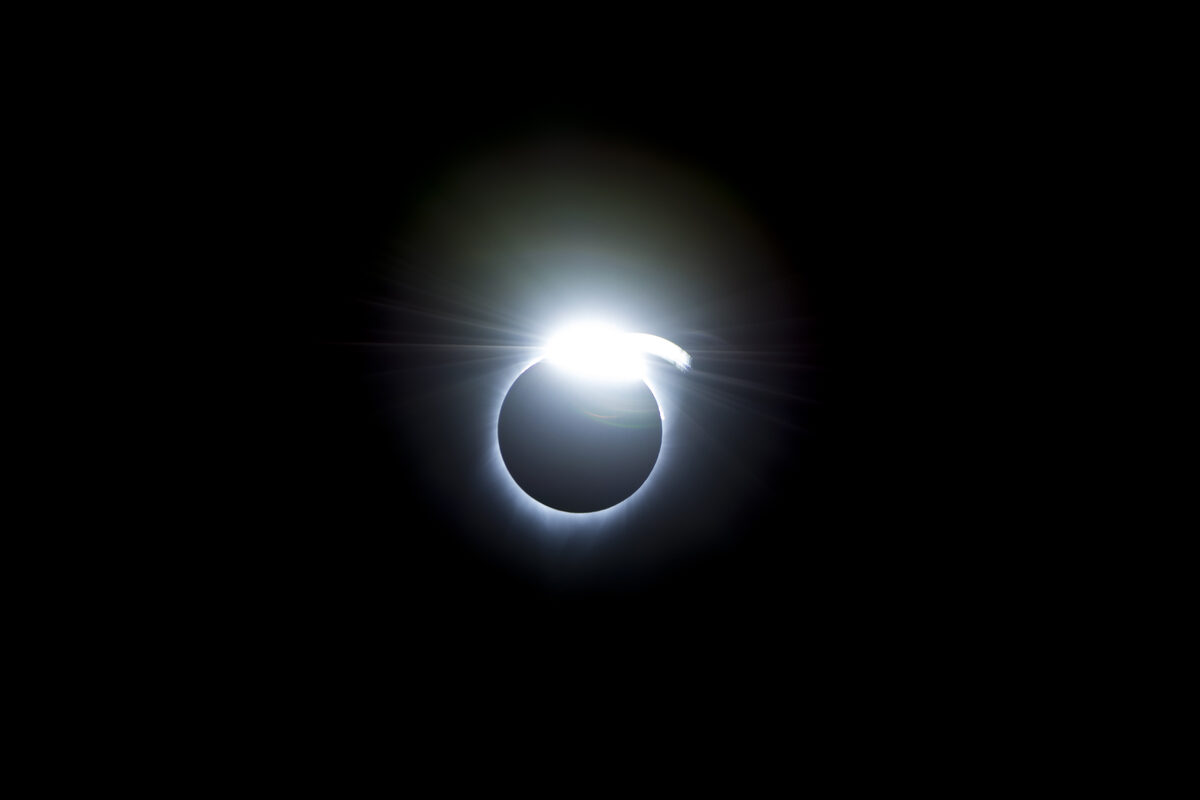
NASA's Astronomy Picture of the Day reveals why the August 12 total solar eclipse's corona over Benavente, Spain glowed gold instead of white — a rare mix of low-sun geometry and wildfire smoke.
-
Commercial
NASA Adds Blue Origin, Firefly, and L3Harris to $100M Spacecraft Processing Contract
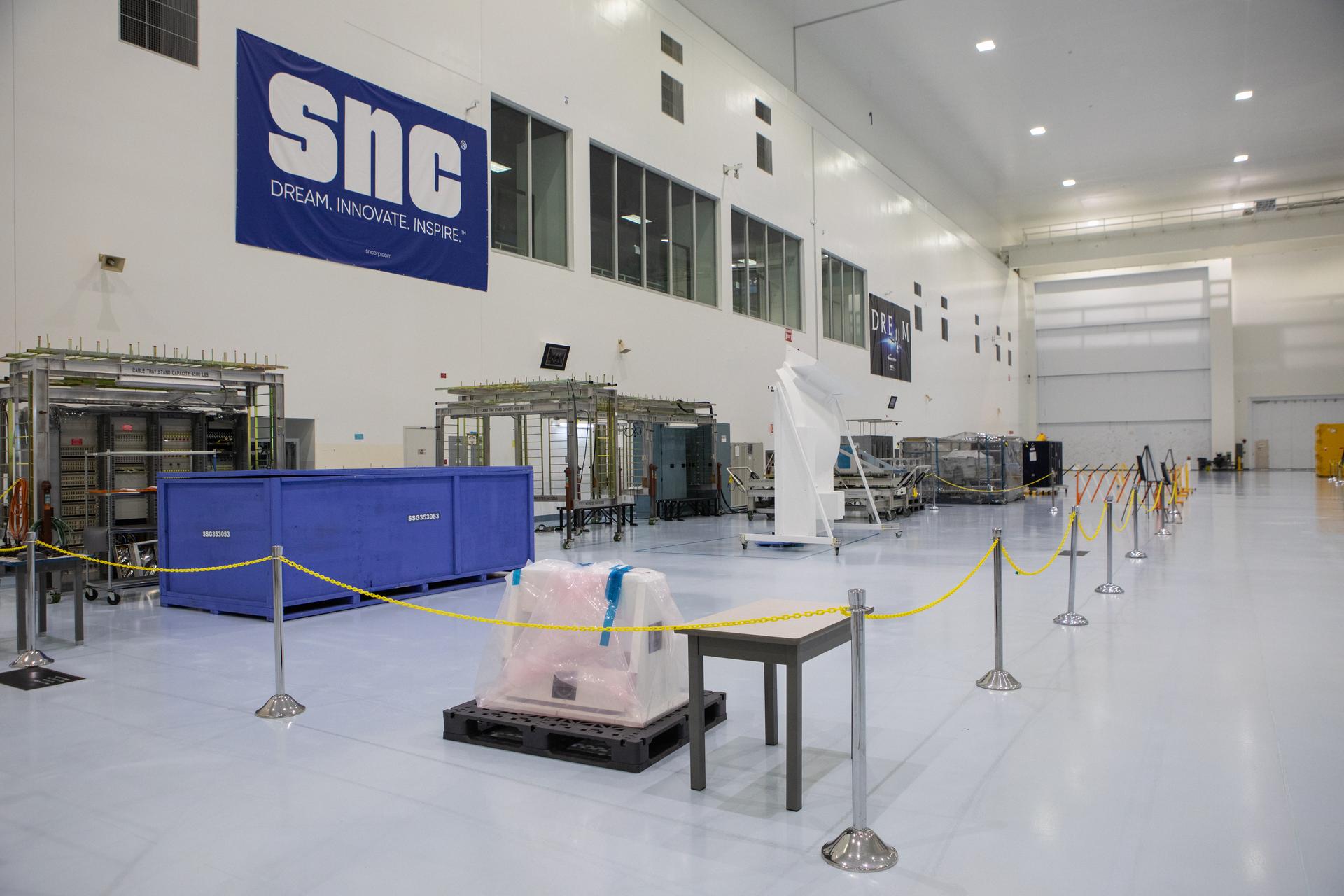
NASA on-ramped four companies — All Points Logistics, Blue Origin, Firefly Aerospace, and L3Harris — to a $100 million payload processing contract that expands where commercial providers can prep spacecraft for launch.
-
Missions
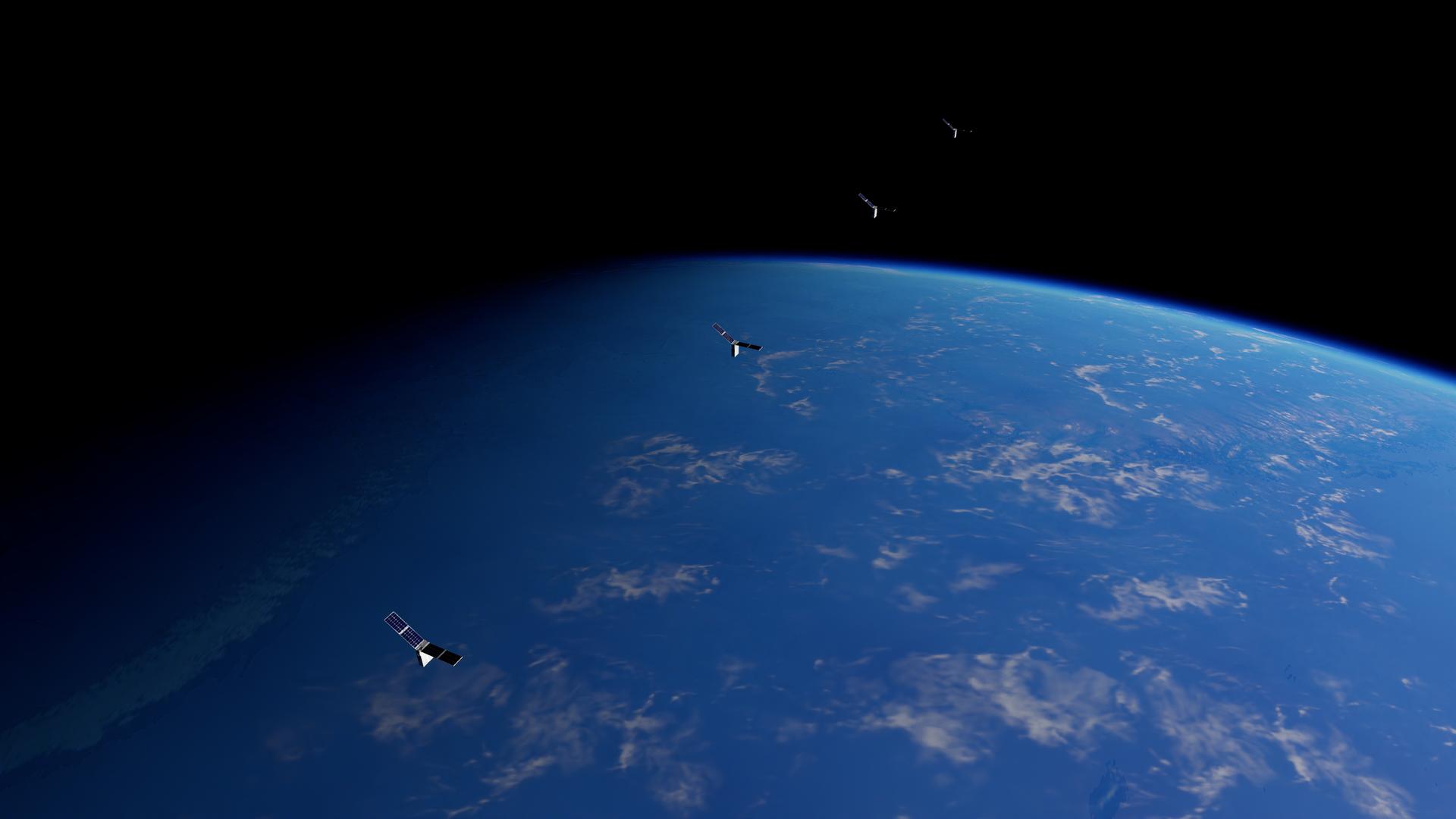
NASA's Starling Swarm Just Learned to Navigate Without GPS
NASA and Stanford spinoff EraDrive flight-tested FALCON on the Starling CubeSats, letting small satellites fix their position by matching nearby objects to a catalog instead of relying on GPS.
-
Military Space
Space Force and Japan Complete Bilateral Space-Watch Program With QZS-7 Launch
The U.S. Space Force and Japan finished a two-satellite space-surveillance partnership as QZS-7 lifted off August 10 carrying a second American sensor that now watches geosynchronous orbit over the Indo-Pacific.
-
Stargazing
Venus Reaches Greatest Eastern Elongation, Dazzling the August Evening Sky
Venus hit its widest separation from the Sun on August 14-15, 2026, blazing at magnitude -4.3/-4.4 low in the west near the crescent Moon and Spica, with a half-lit telescopic disk visible into late September.
-
NASA & Agencies
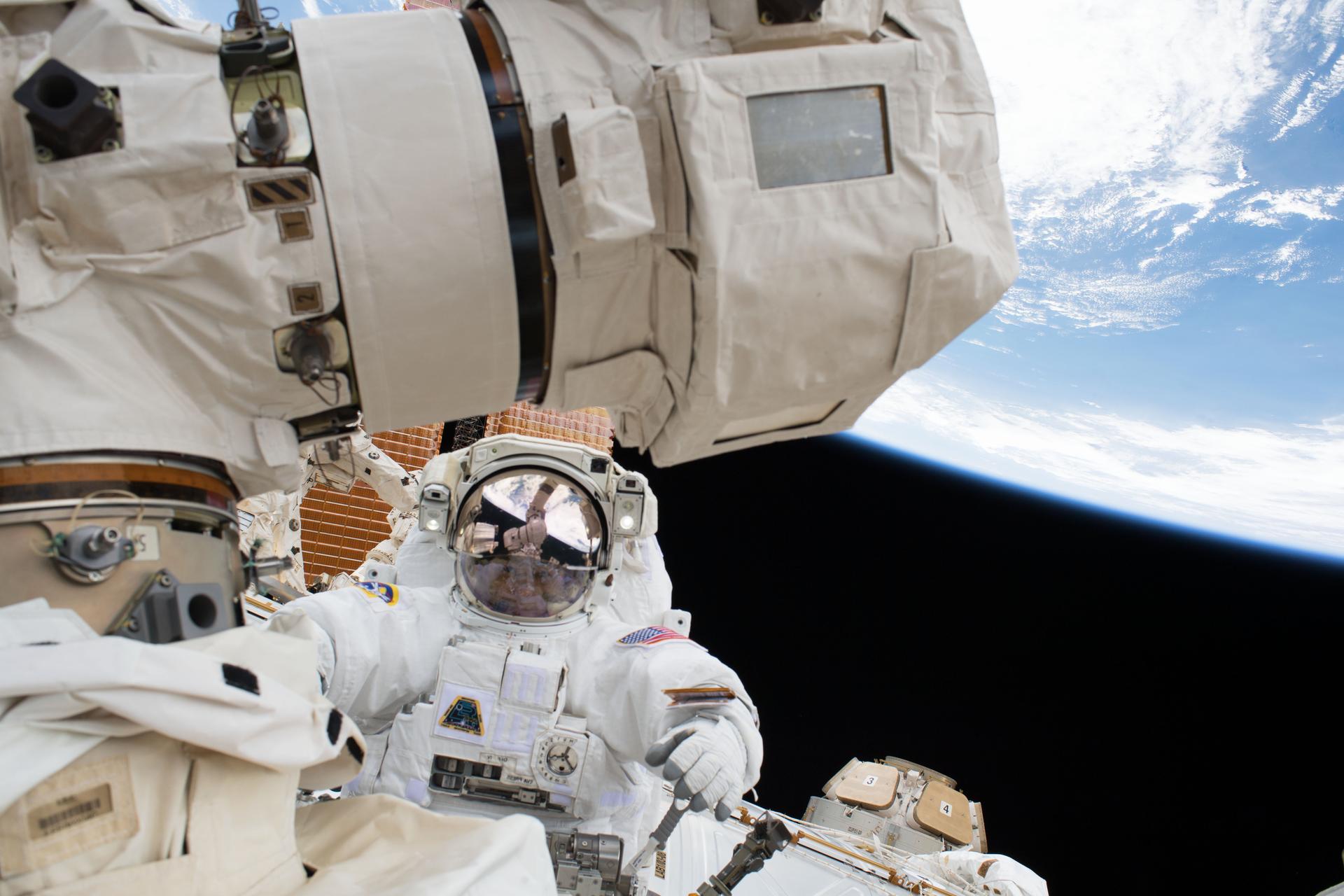
ISS Crew Preps for Aug. 18 Spacewalk to Replace Station's High-Speed Antenna
NASA's Anil Menon and ESA's Sophie Adenot are set for Aug. 18's U.S. Spacewalk 97 to swap a Z1 truss antenna that carries the station's high-speed link to Mission Control — Adenot's first EVA and a first for a French woman.
-
Stargazing
A Solar 'Rope' Is Headed Our Way: Glancing CME Could Spark Aurora Aug. 17
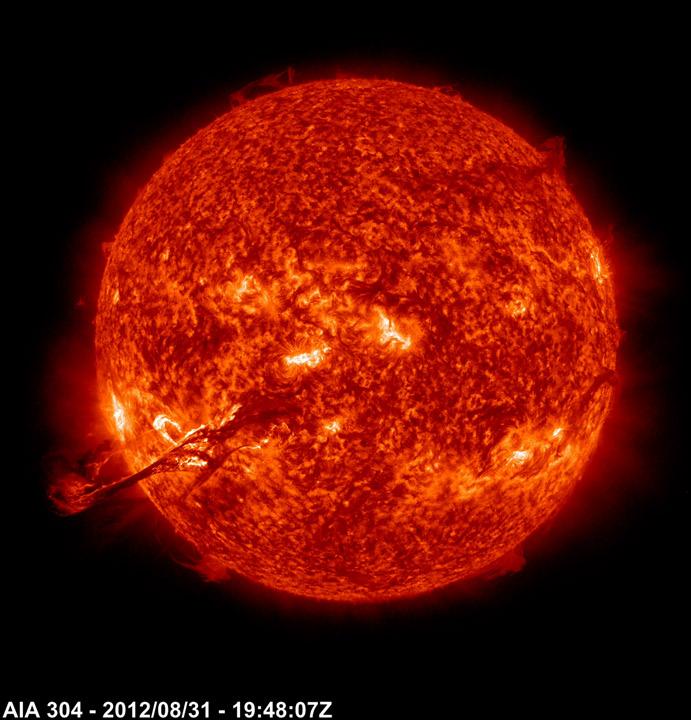
A filament eruption on the Sun has launched a coronal mass ejection toward Earth, and NOAA forecasters expect a glancing blow late Aug. 17 that could push aurora into the northern-tier U.S. and similar latitudes down south.
-
Science & Discovery
Something May Have Survived the 'Whippet' — the Most Powerful Star-Shredding Explosion Ever Seen
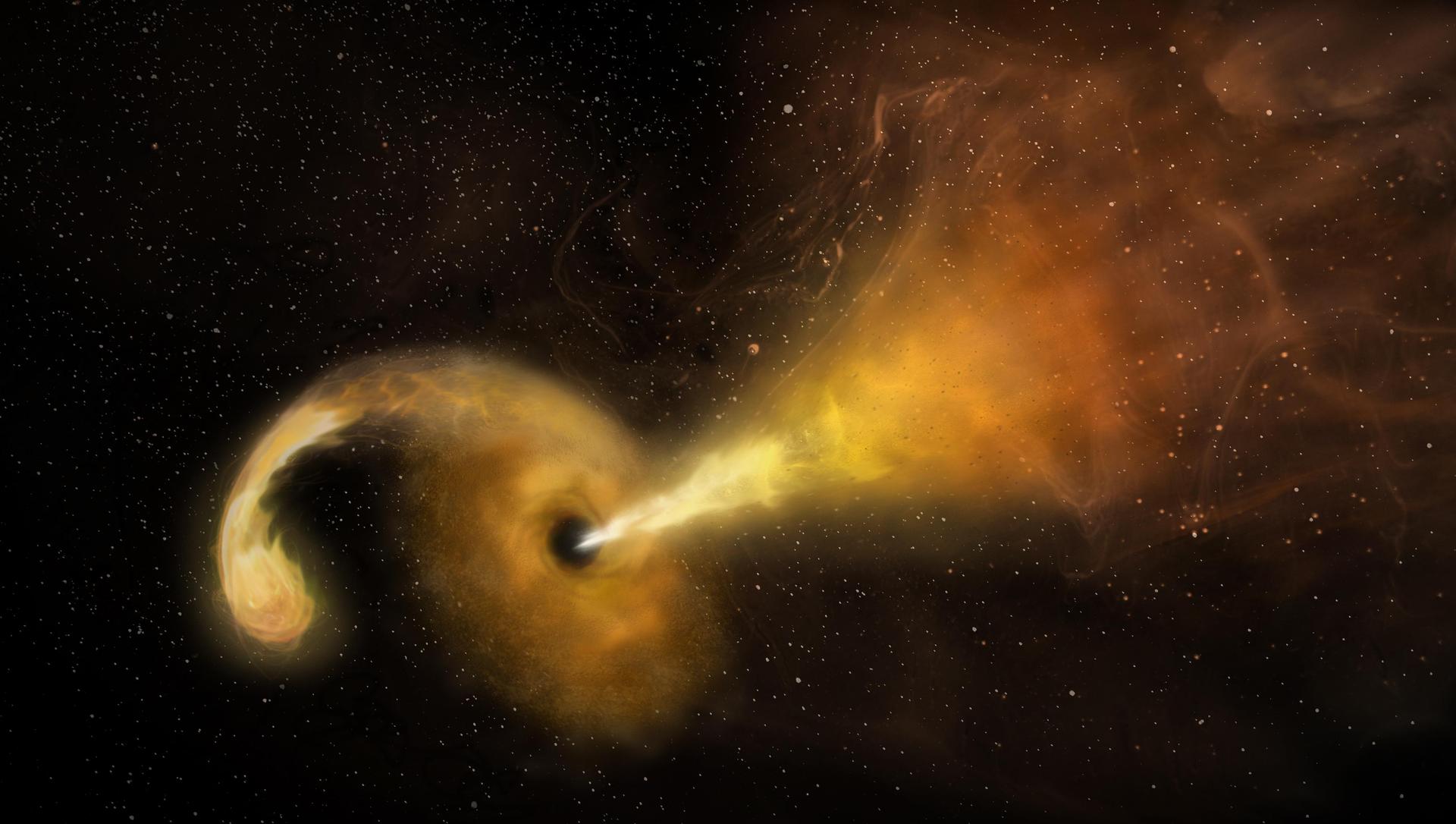
New spectra from AT2024wpp, a black hole's 400-billion-Sun star-shredding flare, show helium gas racing away at over 6,000 km/s months later — hinting a dense clump of the star, or a companion object, made it out alive.
-
Military Space
Space Force Spreads $60 Million Across Five Companies to Keep Its New Satellite Network From Having a Single Point of Failure
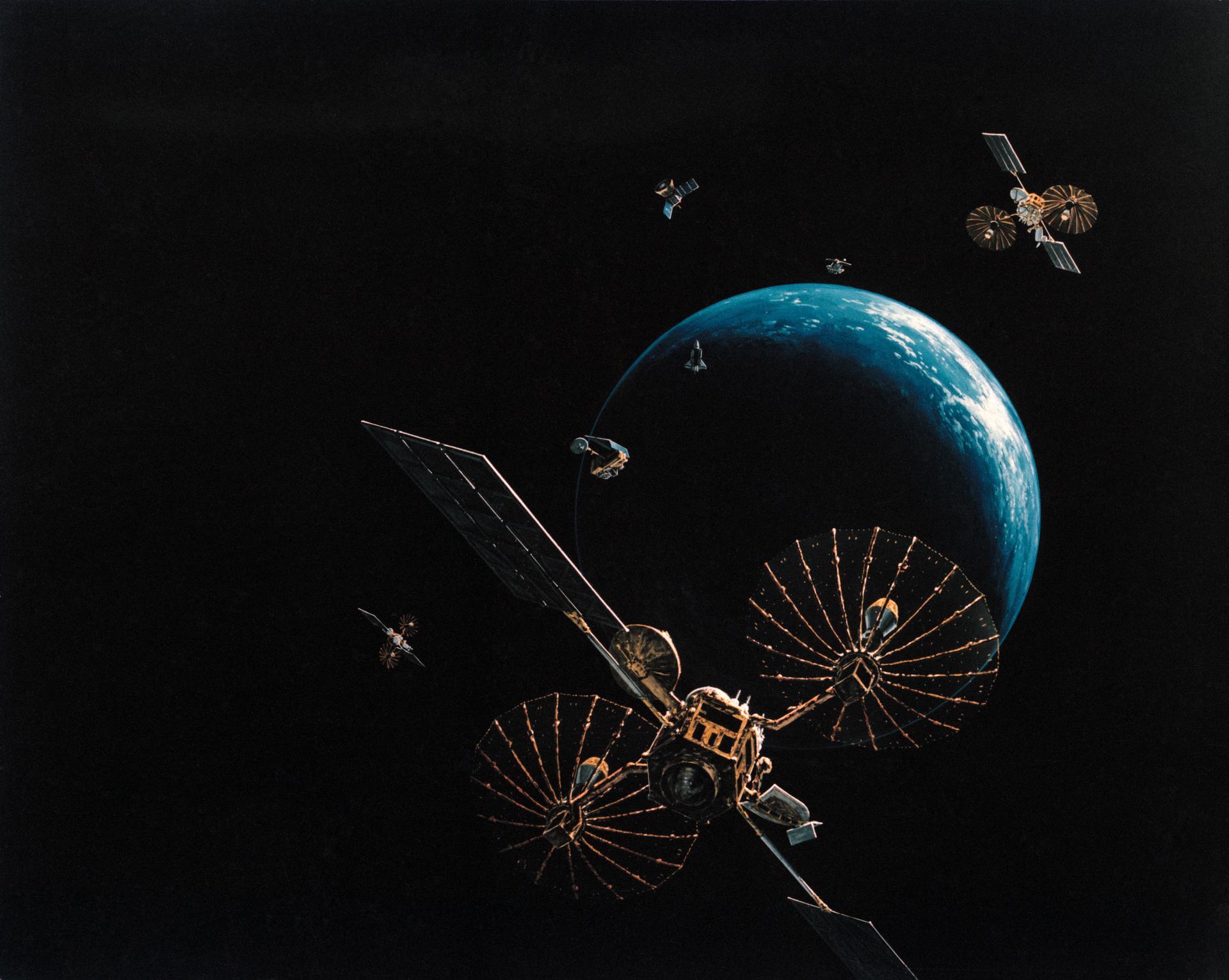
Amazon, Lockheed, Northrop, Rocket Lab, and York each pocket roughly $12M to prove their satellites can talk to a backbone SpaceX is building — and to each other.
-
Commercial
SpaceX Sets Falcon 9 Turnaround Record With Twin Launches 38.5 Minutes Apart
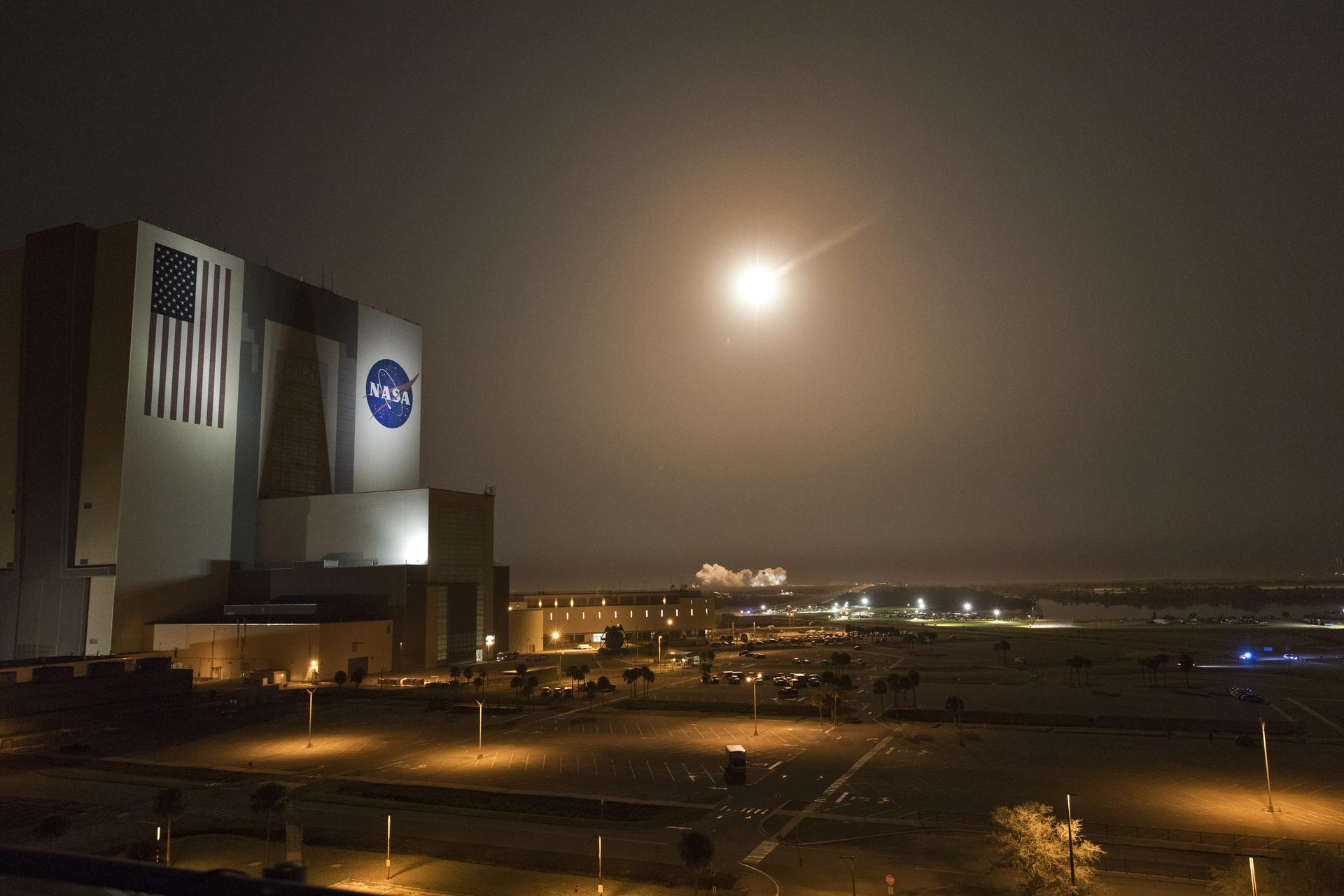
SpaceX launched two Falcon 9 rockets from opposite U.S. coasts just 38.5 minutes apart on Aug. 15, 2026, setting a new back-to-back cadence record with a Globalstar replenishment mission from Florida and the classified USSF-366 flight from California.
Page 21 of 68
