
All articles
-
Commercial
The World's First Commercial Nuclear-Powered Satellite Just Reached Orbit
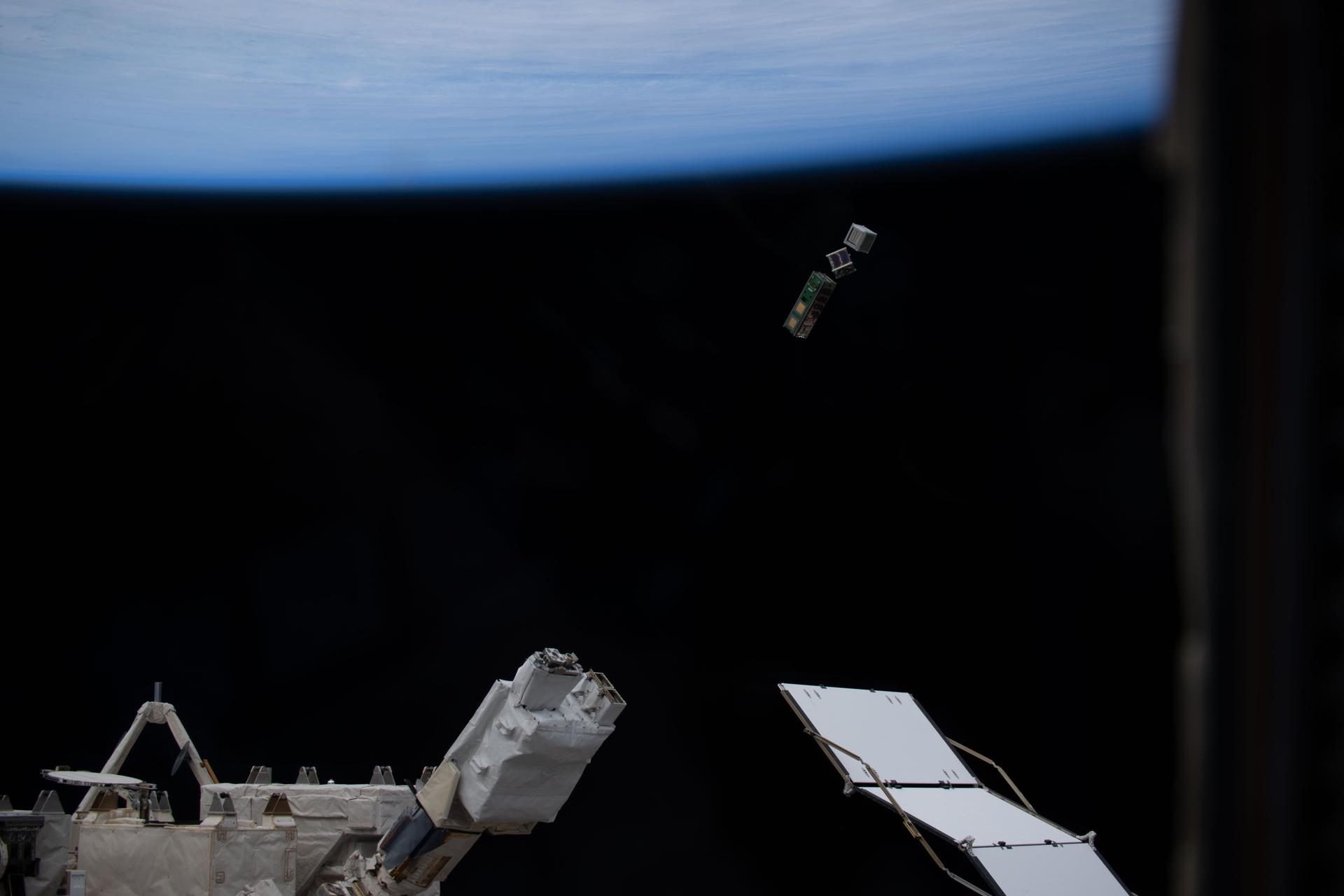
Miami-based City Labs flew its tritium-powered BOHR CubeSat on SpaceX's Transporter-17, becoming the first commercial mission to clear the FAA's NSPM-20 nuclear-launch pathway with Sandia's safety sign-off.
-
Missions
Firefly Wins $13 Million NASA Contract to Build the Heat Shield for a Helicopter Swarm Bound for Mars
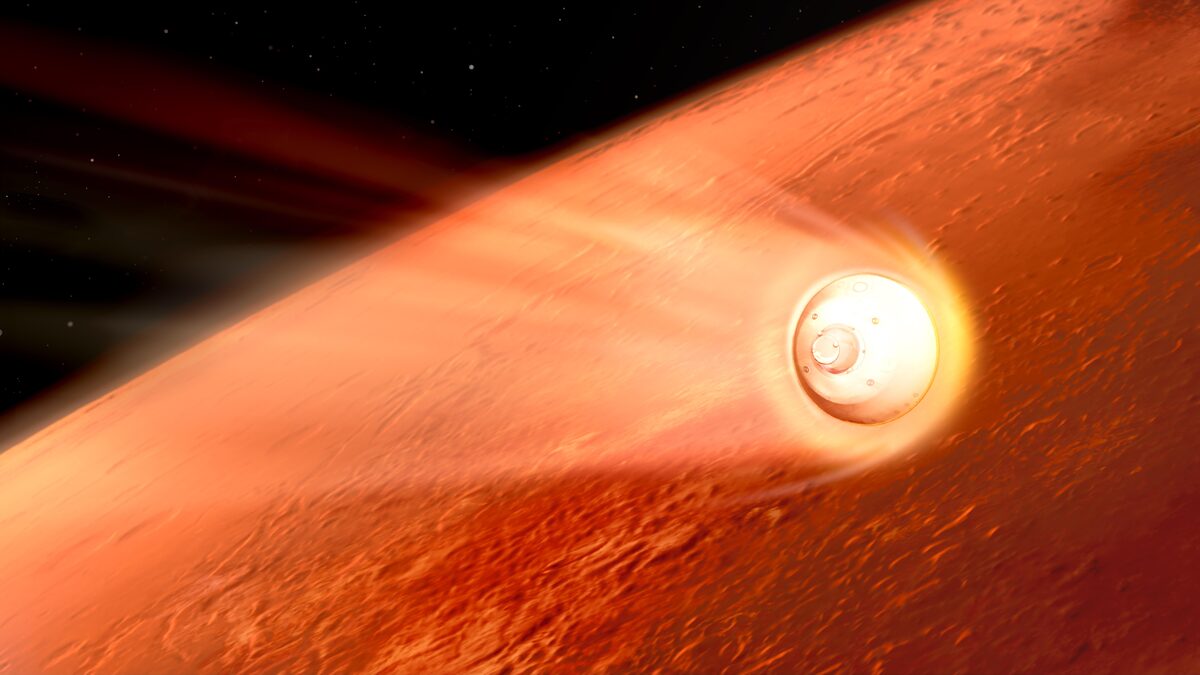
Firefly Aerospace will build the aeroshell for NASA's SkyFall mission, which plans to release three Ingenuity-derived helicopters mid-air over Mars in 2028 without ever landing a platform.
-
NASA & Agencies
Japan and Singapore Sign Their First-Ever Space Pact — and Singapore's Three-Month-Old Space Agency Gets Its Debut Deal
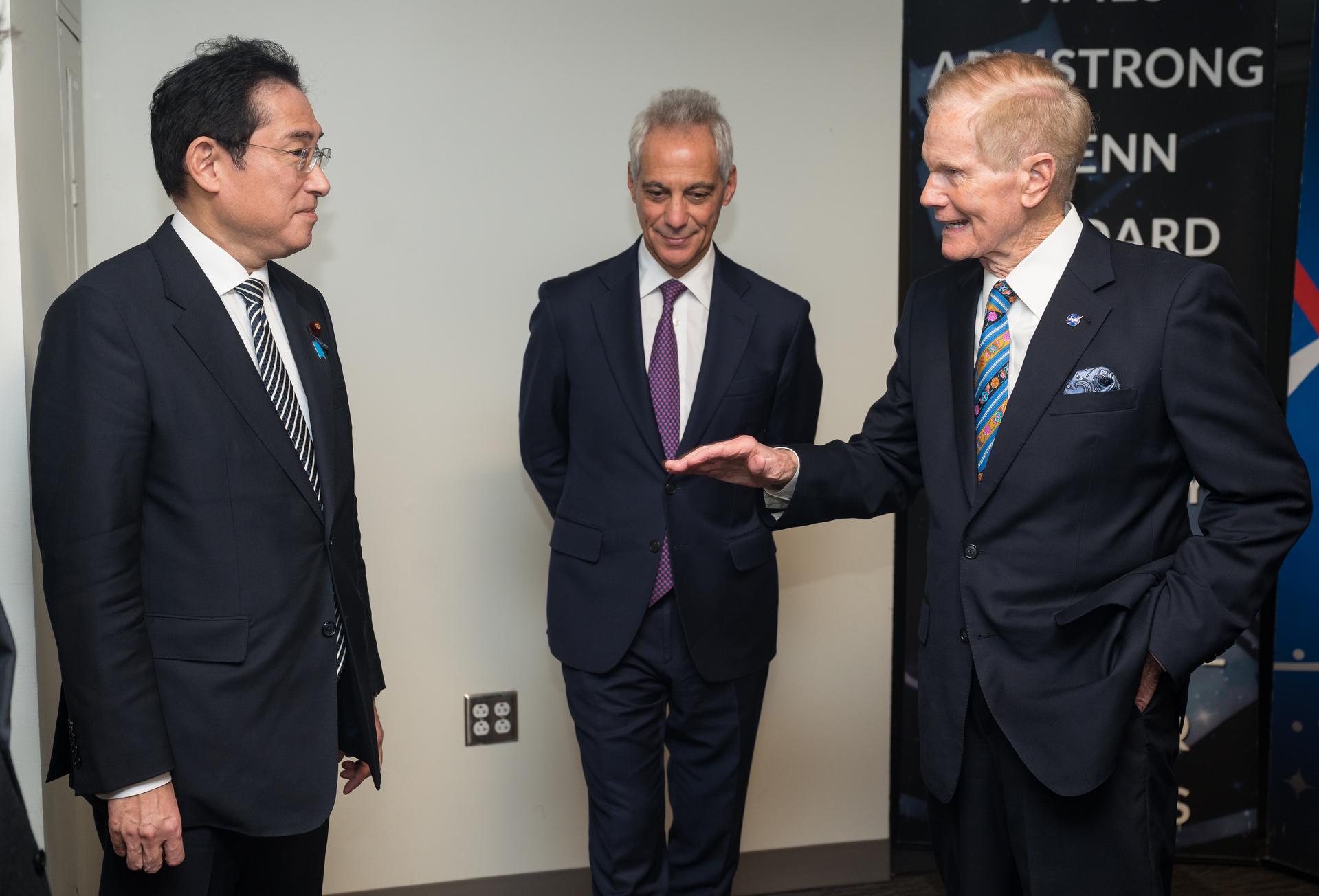
JAXA and Singapore's brand-new National Space Agency signed a memorandum in Tokyo covering quantum satellite links and industrial cooperation — NSAS's first international agreement, three months after it was founded.
-
Military Space
Does the Space Force Need Its Own Lawyers? The Senate Wants an Answer by December 2027
The Senate's draft FY2027 NDAA orders a formal study into whether the Space Force still needs to borrow Air Force lawyers, with findings due by December 1, 2027.
-
Astronomy
Euclid Space Telescope Uncovers 31 Ancient Quasars, Two From the Universe's First 5 Percent
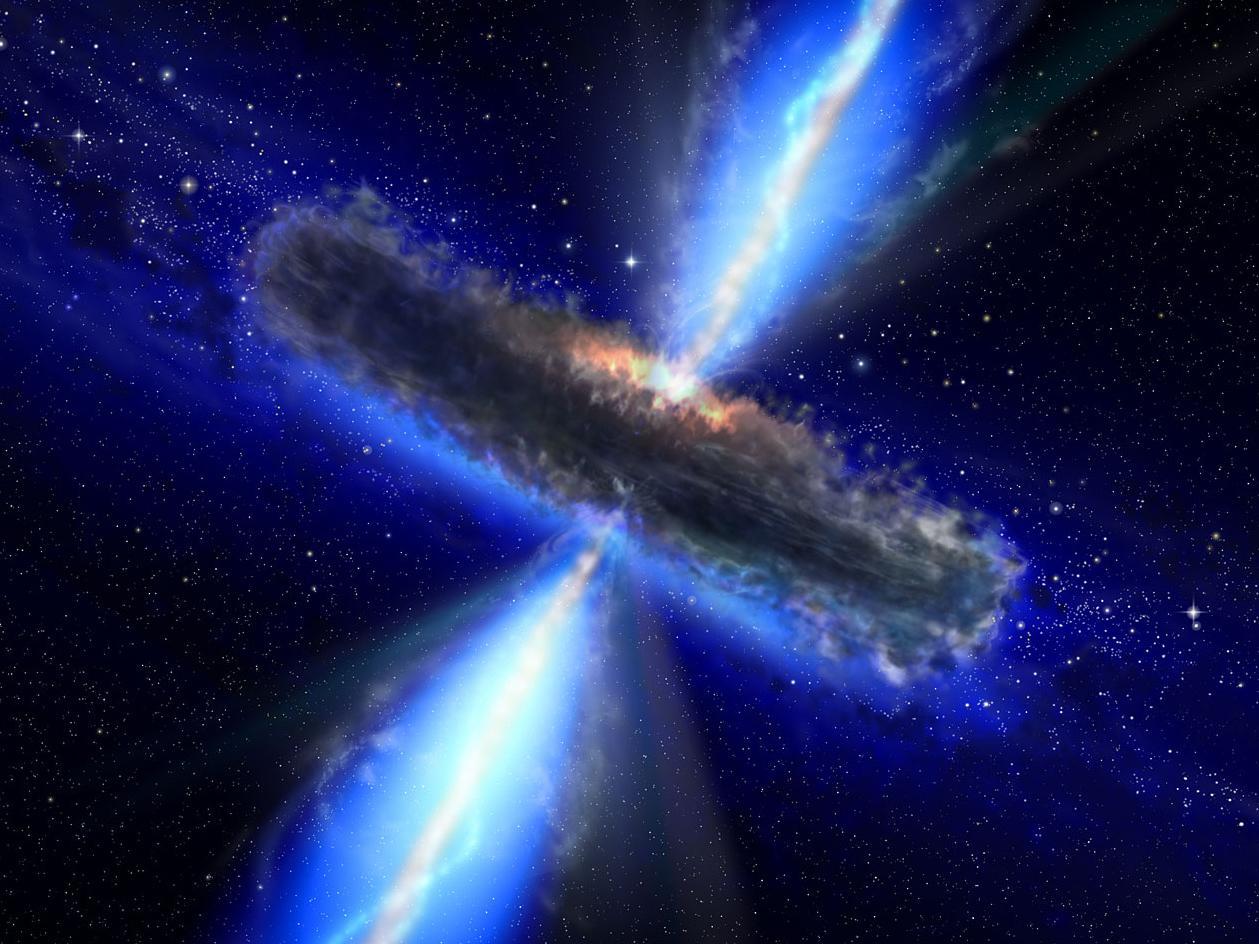
ESA's Euclid telescope has spotted 31 quasars from the early universe, including two dating to just 670 million years after the Big Bang, deepening a puzzle over how supermassive black holes grew so fast.
-
Missions
CAPSTONE, the Microwave-Sized Pathfinder, Signs Off After Four Years at the Moon
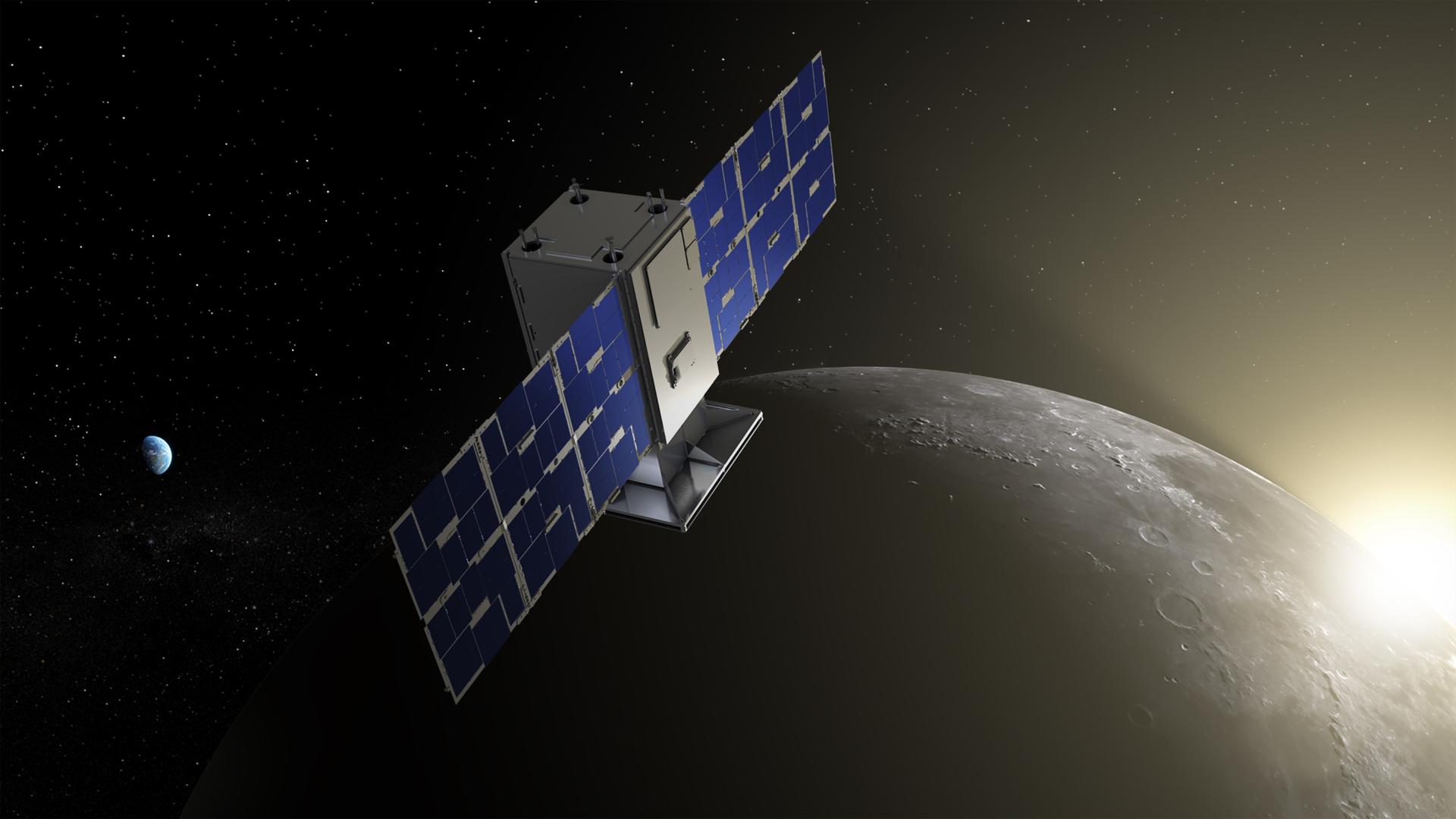
NASA's CAPSTONE, the first U.S. commercial lunar mission, has wrapped its NASA-sponsored work after nearly four years, having proven a spacecraft can navigate itself near the Moon using nothing but a camera image of the Moon and Earth.
-
Stargazing
July Skies: Earth's Aphelion, a Saturn-Moon Pairing, and Comet Tempel 2 Brightening
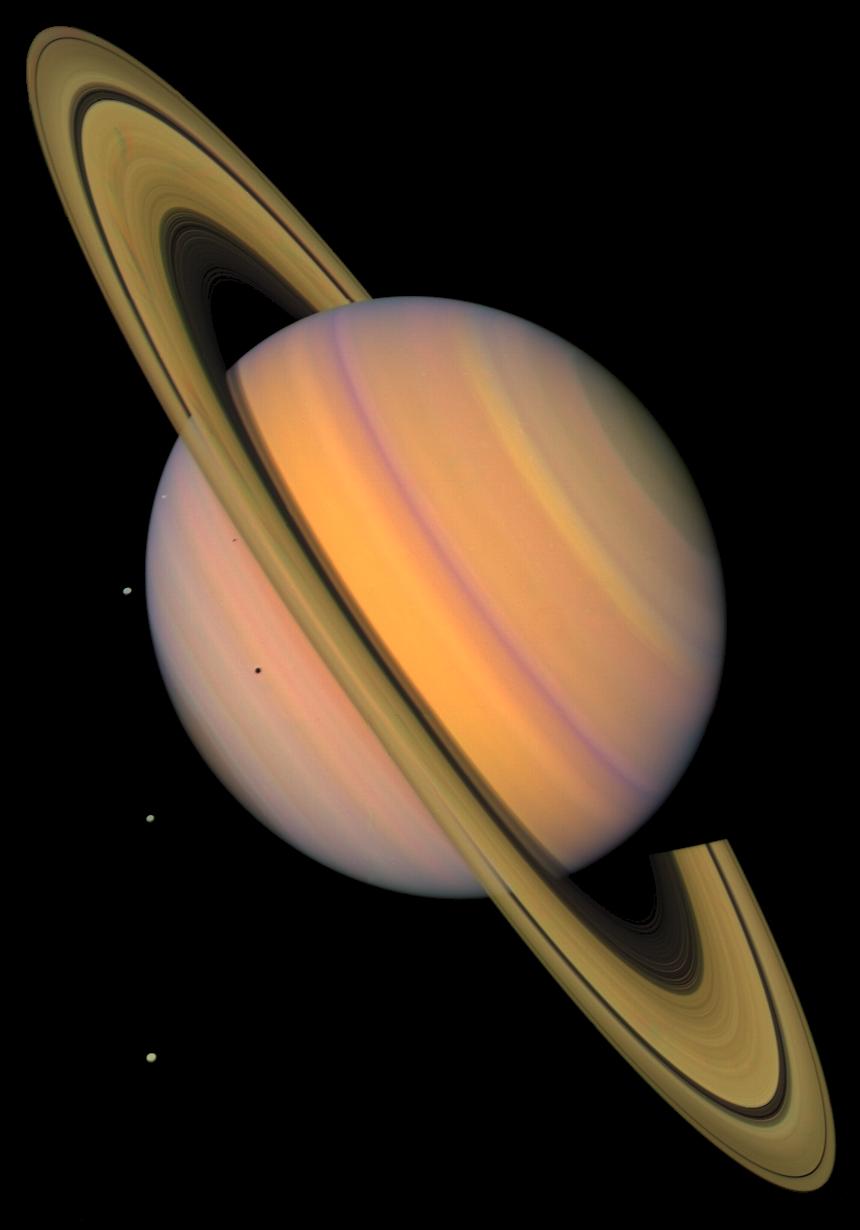
Earth swings out to its farthest point from the Sun this week even as July's night sky delivers a Moon-Saturn close pass, a four-body dawn alignment, and a comet edging toward binocular visibility.
-
NASA & Agencies
Mystery Metal Spheres Wash Up on Queensland Beach — Australian Space Agency Says They're Rocket Debris
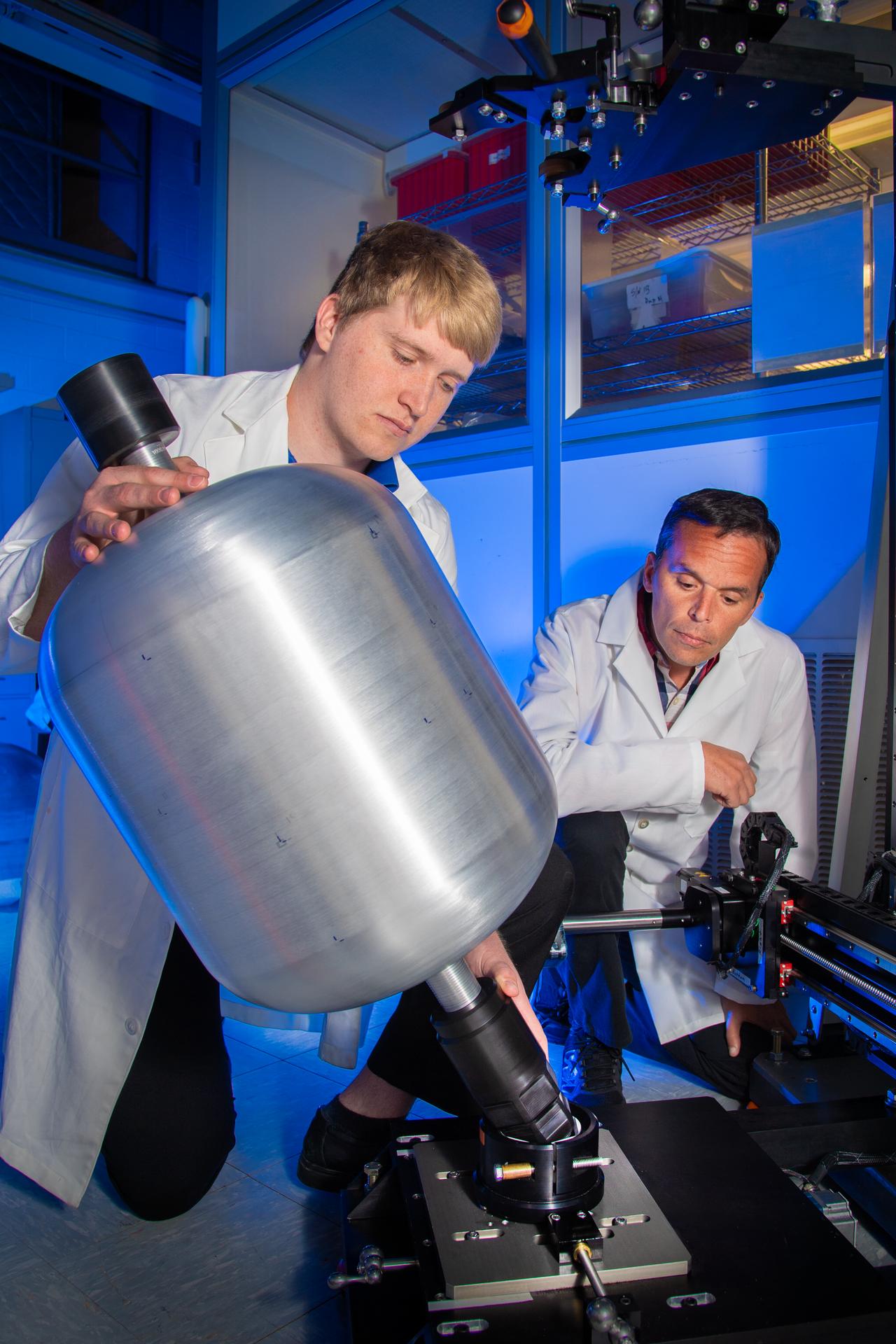
Six silver spheres that washed ashore near Townsville over the weekend are pressure vessels from a foreign rocket body, the Australian Space Agency says, warning residents not to touch any similar debris.
-
Commercial
SpaceX's Transporter-17 Sends 81 Satellites—Including Three Wildfire-Spotting FireSats—Into Orbit
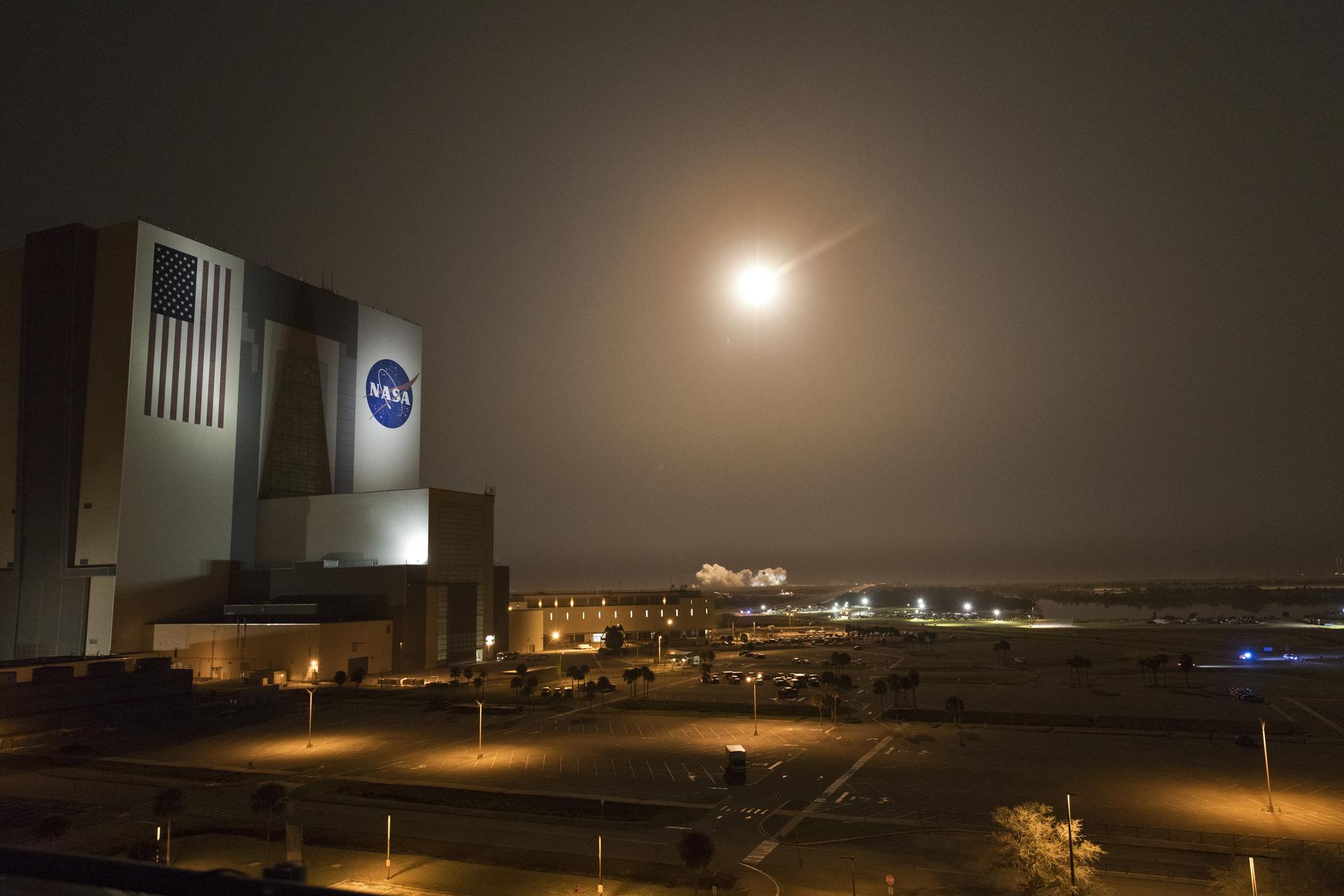
A midnight Falcon 9 launch from Vandenberg deployed 81 satellites for five nations, headlined by three FireSat wildfire detectors, a Navy tech demo, an in-space 3D printer, and the UAE's first navigation satellite.
-
Science & Discovery
JWST Spots the Most Distant Barred Spiral Galaxy Ever Seen, and It's Already Surprisingly Grown-Up
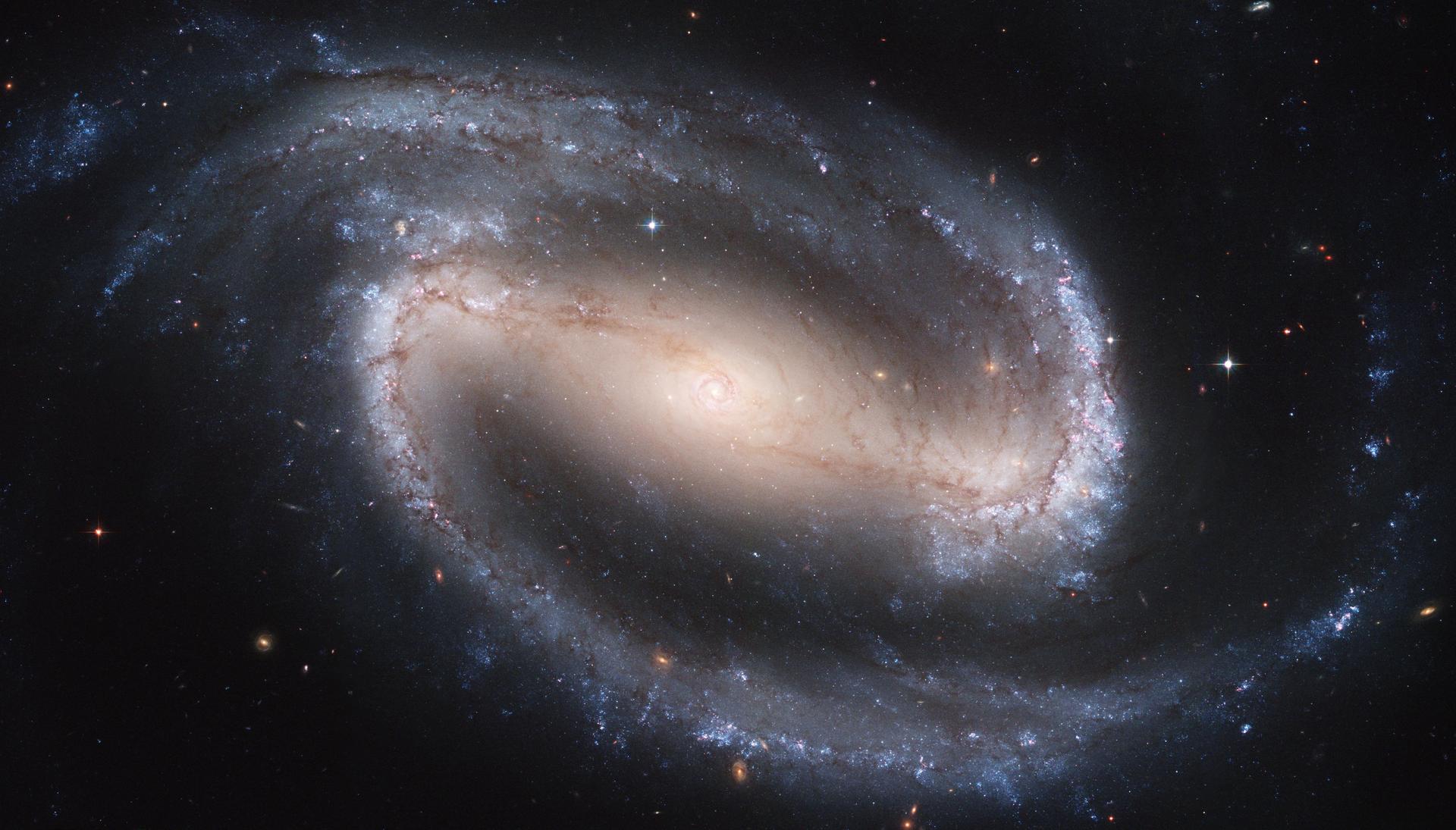
JWST has found a massive barred spiral galaxy just 1.2 billion years after the Big Bang, the earliest such structure ever confirmed, challenging assumptions about how quickly orderly disks can form.
-
Astronomy
Hubble, Chandra, and Webb Team Up for a Red-White-and-Blue Portrait of an Ancient Star Cluster
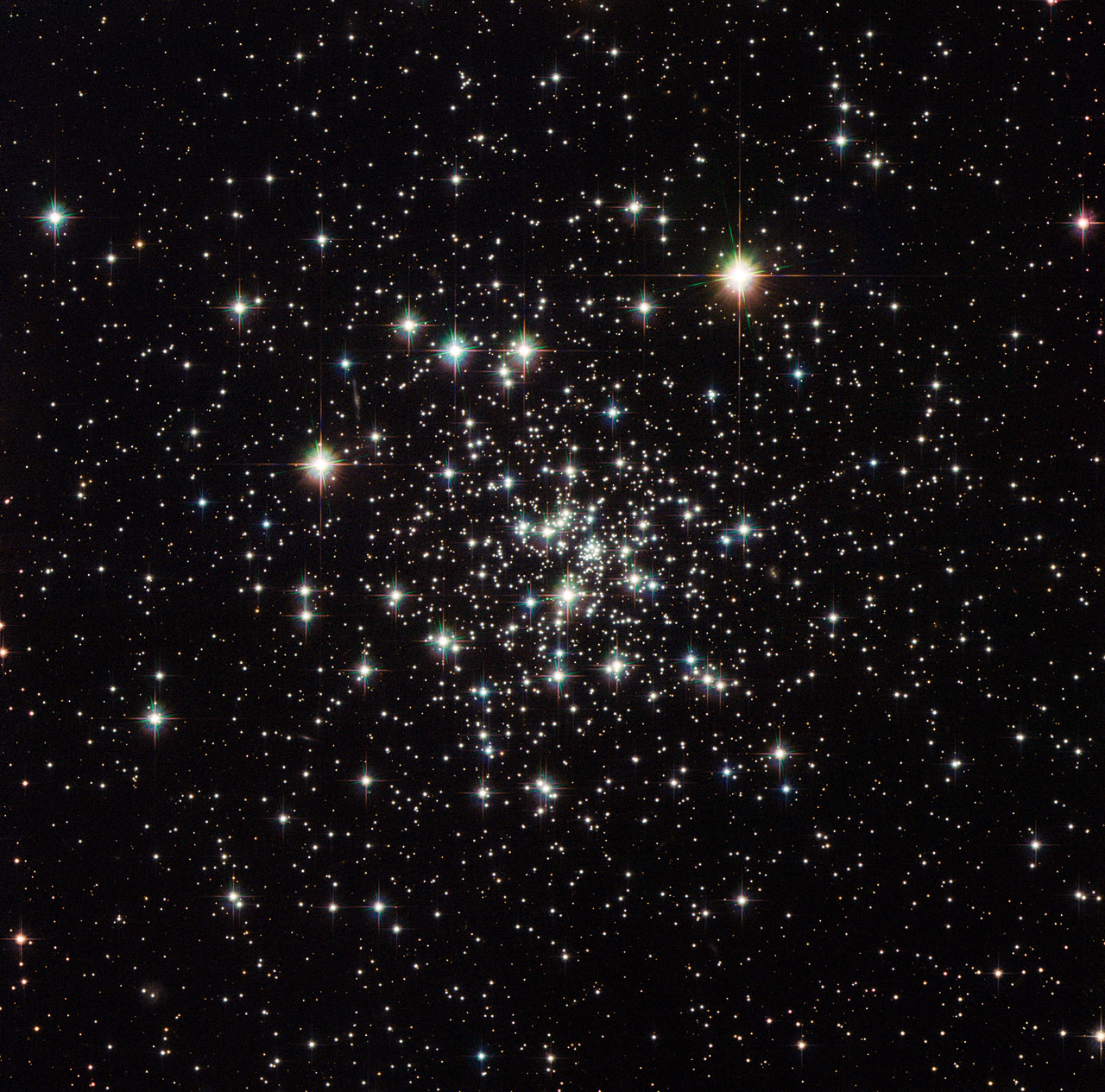
For America's 250th, NASA colored the cosmos red, white, and blue — spotlighting a 13-billion-year-old star cluster whose hues betray its violent, chemically layered past.
-
Commercial
A Rocket That's Flown Since 1990 Just Launched a Rescue Mission for a Dying NASA Telescope
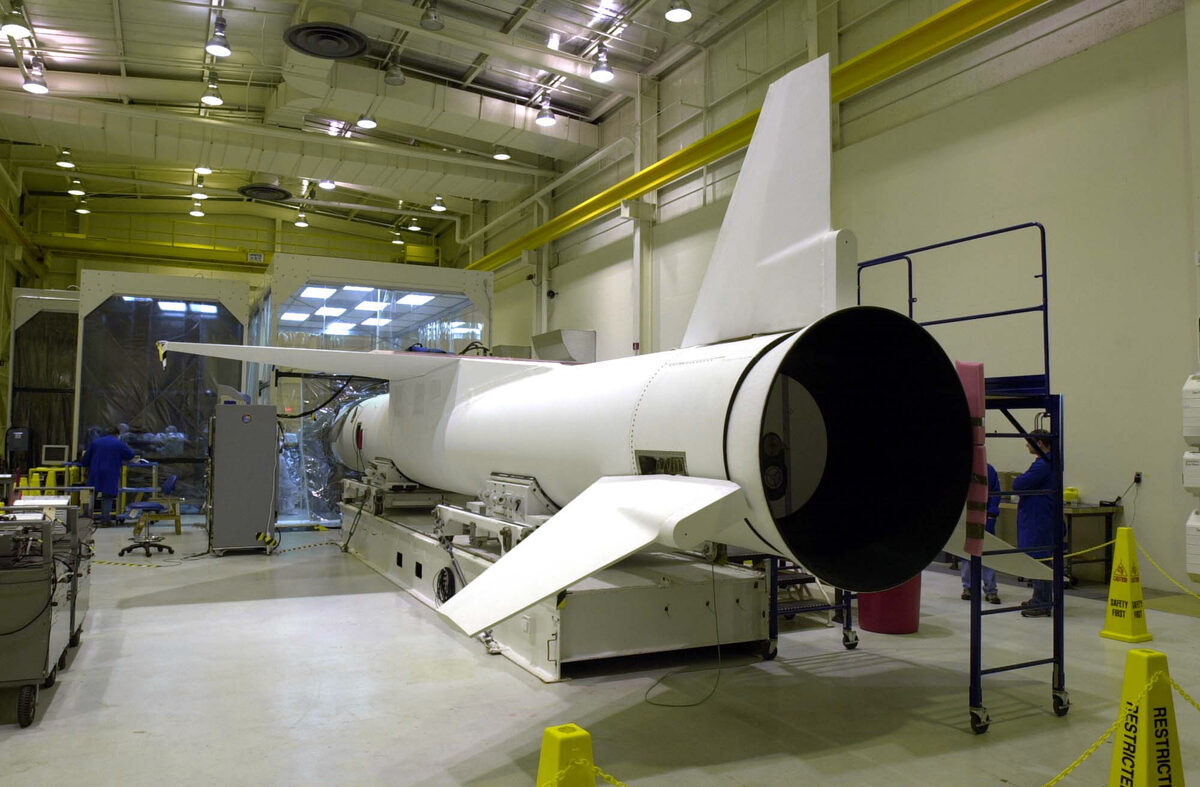
A commercial spacecraft launched on what may be the last-ever Pegasus rocket to grapple NASA's decaying Swift Observatory and shove it into a safer orbit — a servicing job built and flown in just 10 months.
Page 37 of 68
