
All articles
-
Missions
Before the Metal World: Psyche's Mars Flyby Wakes Up Its Instruments
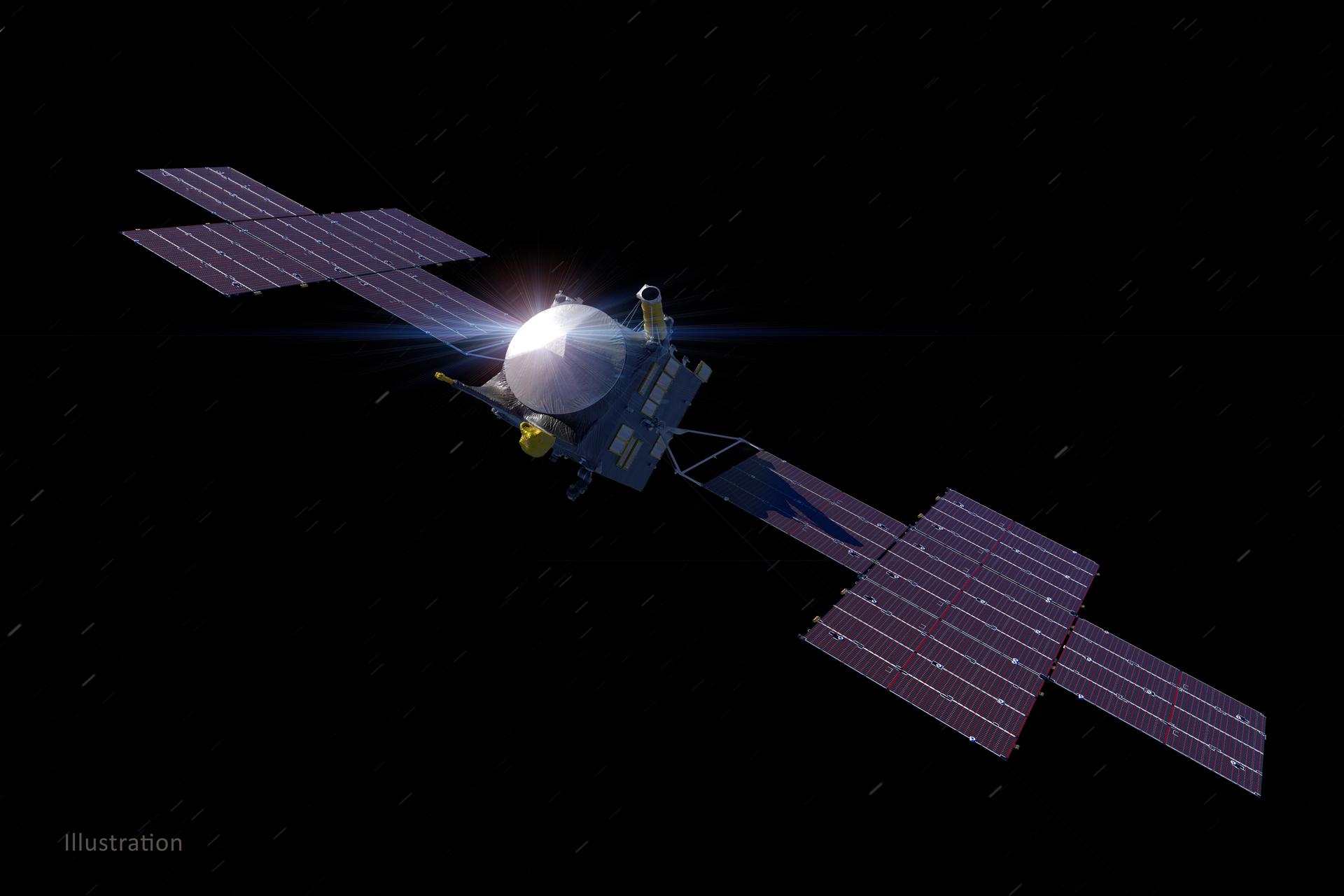
NASA released the science haul and a time-lapse from Psyche's May 15 Mars gravity assist — a free 1,000 mph boost that doubled as a full instrument checkout, including a live test of a Lawrence Livermore-built gamma-ray sensor, three years before the spacecraft reaches its metal asteroid.
-
Military Space
A Confirmation Hearing So Quiet It Was Called a Compliment: Schiess Set to Become Space Force's Third Chief
Lt. Gen. Douglas A. Schiess faced few questions and even fewer skeptics at his July 16 Senate hearing to lead the Space Force, telling lawmakers that China's rapid military-space buildup justifies a roughly $71 billion budget and a service set to more than double in size.
-
Commercial
India Joins the Private-Orbit Club: Skyroot's Vikram-1 Aces Its Debut
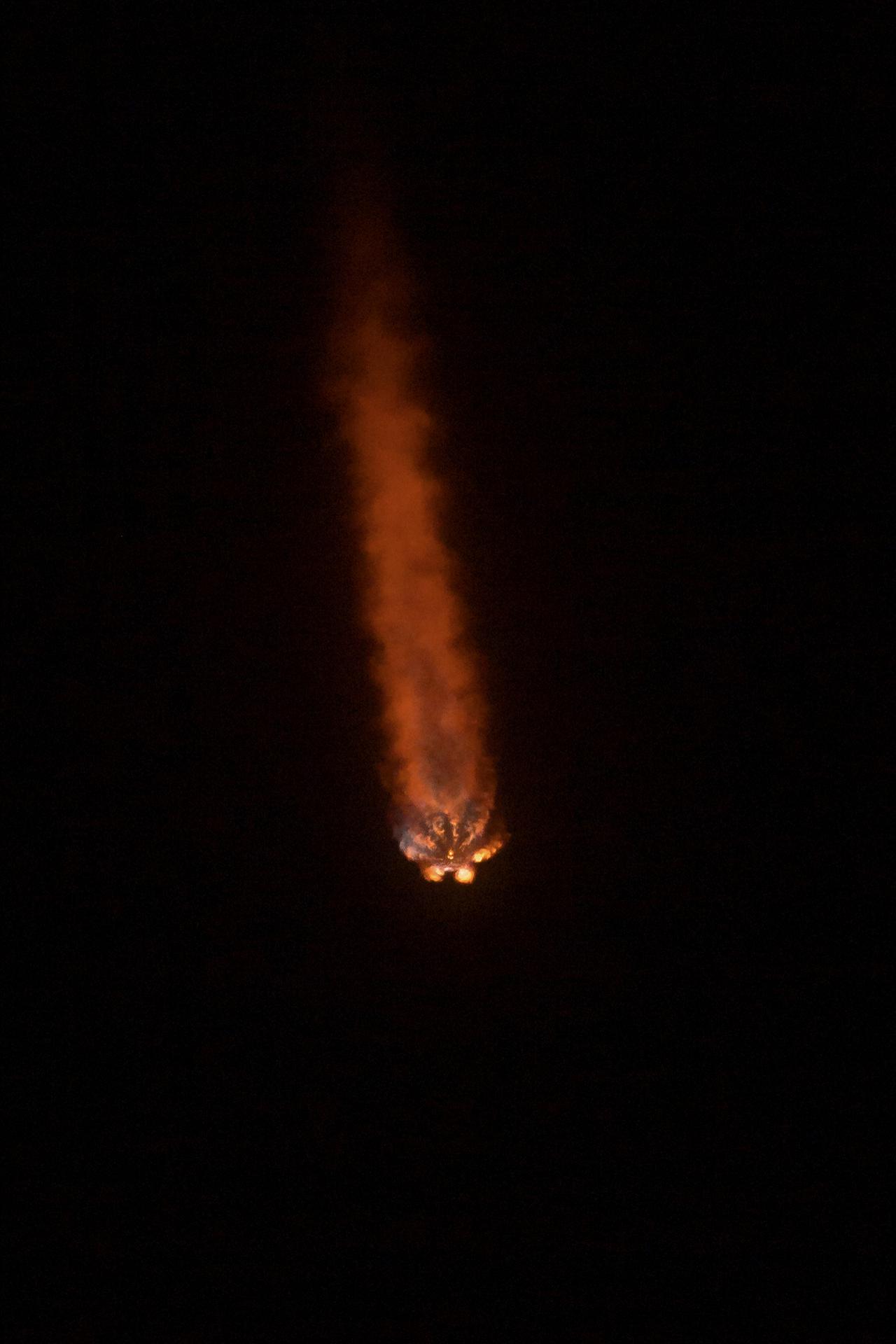
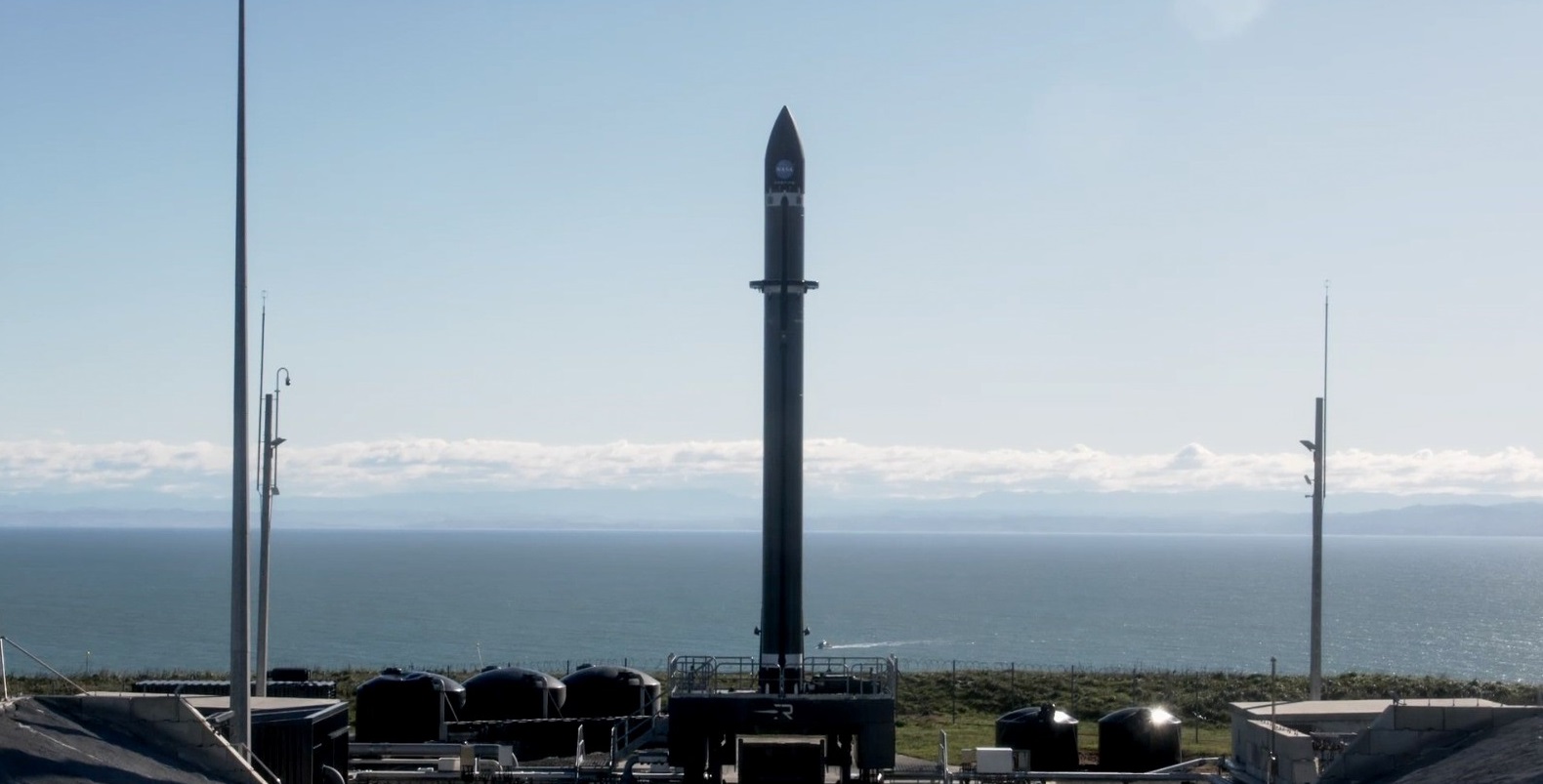
On July 18, 2026, Skyroot Aerospace's Vikram-1 reached a ~450 km orbit on its first flight from Sriharikota — the first orbital launch by a private Indian company, making India the third nation where a private firm has reached orbit.
-
Astronomy
Webb Watches Gas Fall From Cluster Scales Into a Black Hole's 800-Light-Year Feeding Disk
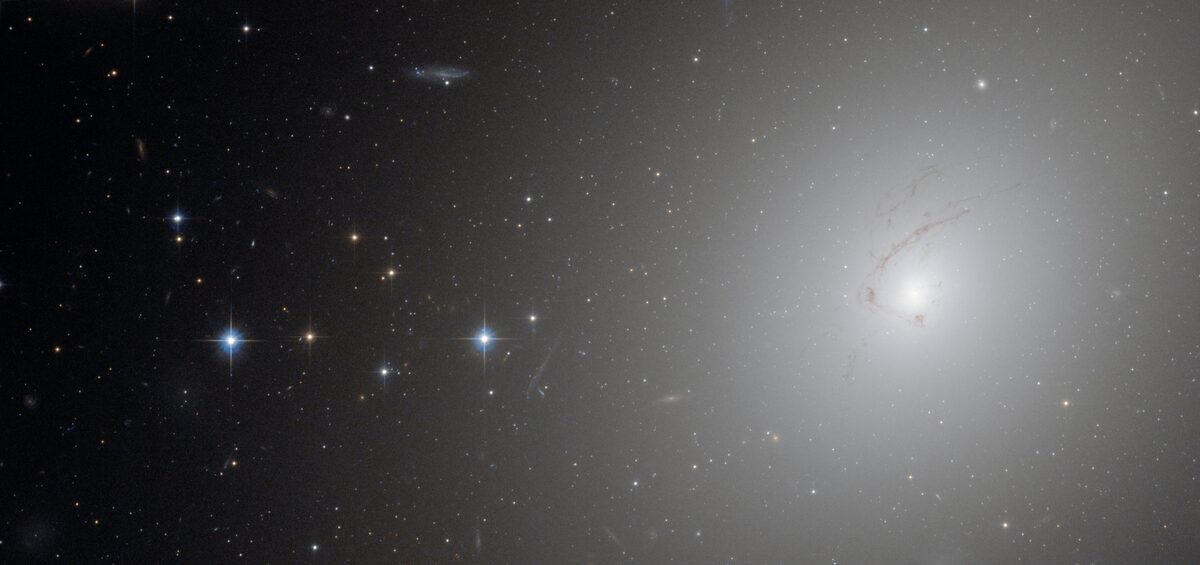
JWST resolved a rotating, multiphase disk about 800 light-years wide feeding the black hole in NGC 4696, and traced a filament funneling gas into it — the clearest look yet at the "missing link" between cluster-scale cooling and accretion.
-
Science & Discovery
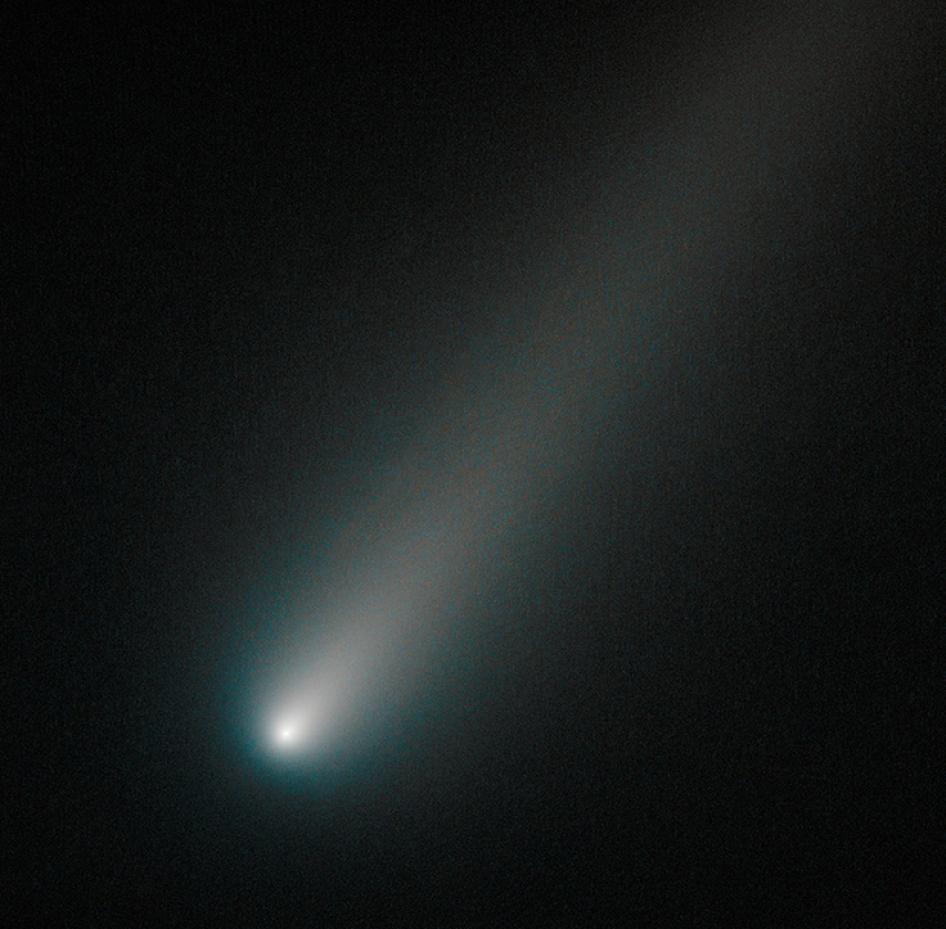
The asteroid that wasn't: 1998 SH2 outed as an active comet
A NASA/JPL-led study in Nature Astronomy has reclassified near-Earth object 1998 SH2 as an active comet — now P/1998 SH2 — after tiny outgassing-driven accelerations and a faint tail gave it away during a 2025 close pass.
-
Astronomy
Beta Pictoris d: The Faintest Exoplanet Ever Directly Imaged From Earth
Astronomers pulled a third giant planet, Beta Pictoris d, out of 11 years of VLT data and confirmed it with JWST — at ~2.4 Jupiter masses and 100x fainter than Beta Pic b, it's the faintest planet ever directly imaged from the ground.
-
Military Space
A CubeSat That Sniffs for Neutrons: The First Peer-Reviewed Way to Catch a Nuke Hiding in Orbit
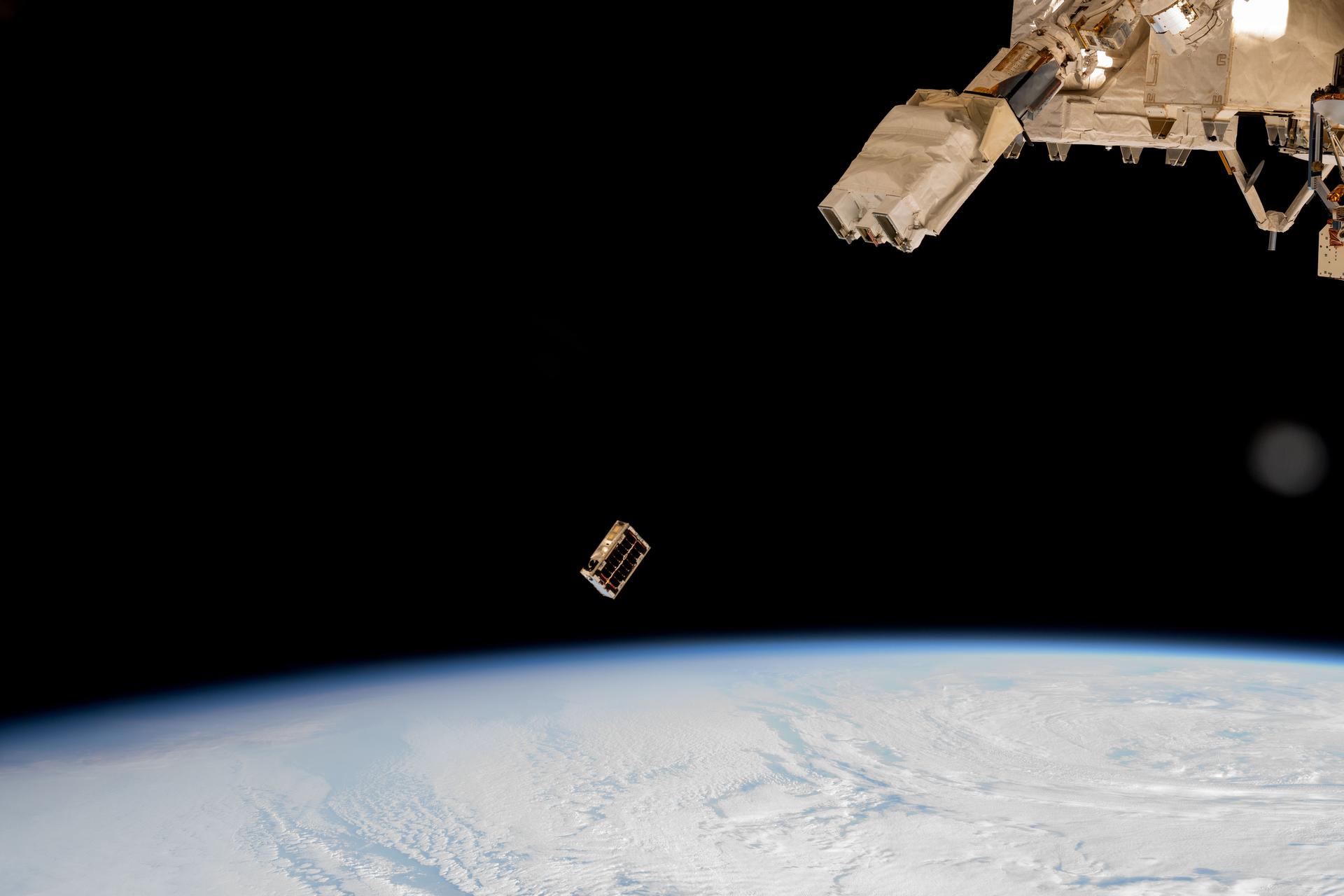
MIT physicist Areg Danagoulian's new Nature paper describes a 9U CubeSat that hunts spallation neutrons from fissile material, offering the first peer-reviewed method to detect thermonuclear warheads secretly parked in Earth orbit.
-
Missions
NASA Bolts Starlink Lasers to Orion as Artemis III Becomes a Docking Rehearsal
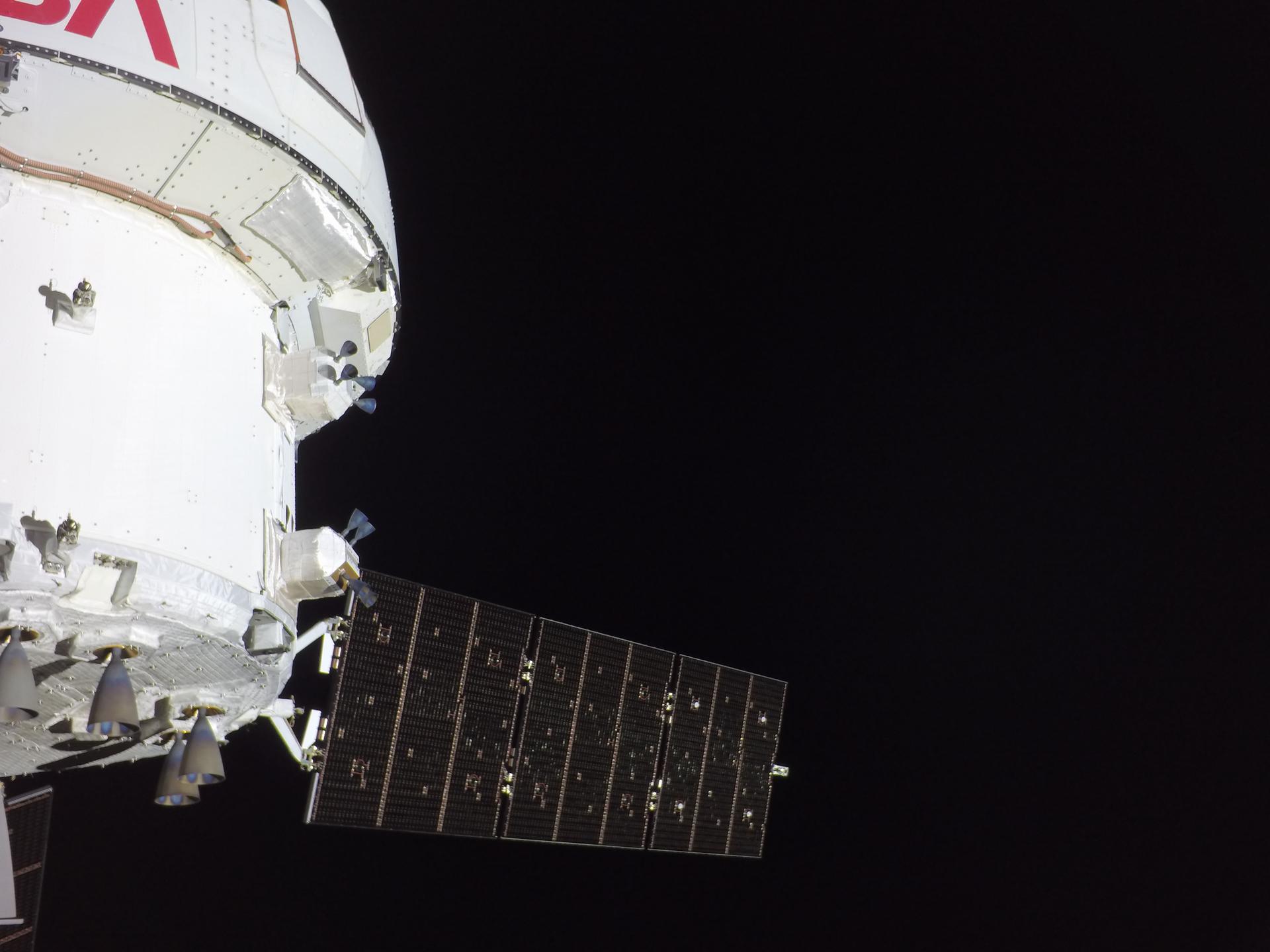
NASA has tapped SpaceX to mount two Starlink mini laser terminals on Orion for Artemis III, beaming 4K docking-test footage to Houston over infrared light as the mission is reframed into a 2027 low-Earth-orbit rehearsal of crewed lander rendezvous ahead of a 2028 Moon landing.
-
NASA & Agencies
Serbia Signs the Artemis Accords, Becoming the 69th Nation — and the Latest to Straddle Two Rival Lunar Camps
Serbia became the 69th Artemis Accords signatory on July 16, 2026, and the 10th nation to join this year — while also holding membership in China's rival lunar station program, a growing pattern of dual participation.
-
Military Space
Saltzman's Exit Warning: Orbital Mechanics Will Drag Everyone Into a Space War
In his farewell address as Chief of Space Operations, Gen. Chance Saltzman warned that orbital mechanics gives no nation an opt-out from a war in space — and that the only real deterrent is a force visibly able to win one.
-
Astronomy
Hunting for Alien Industry in the Ashes of Dead Stars
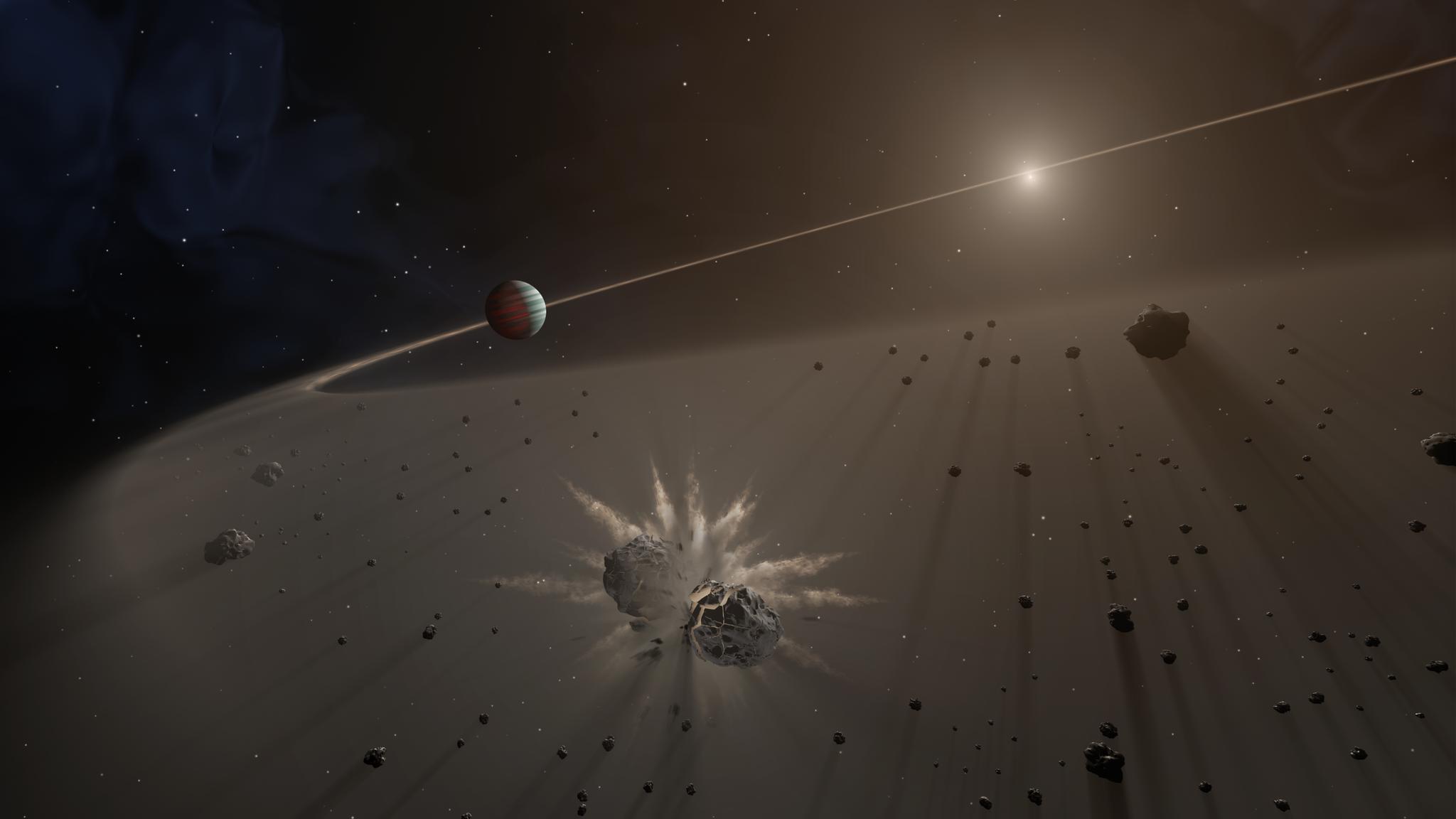
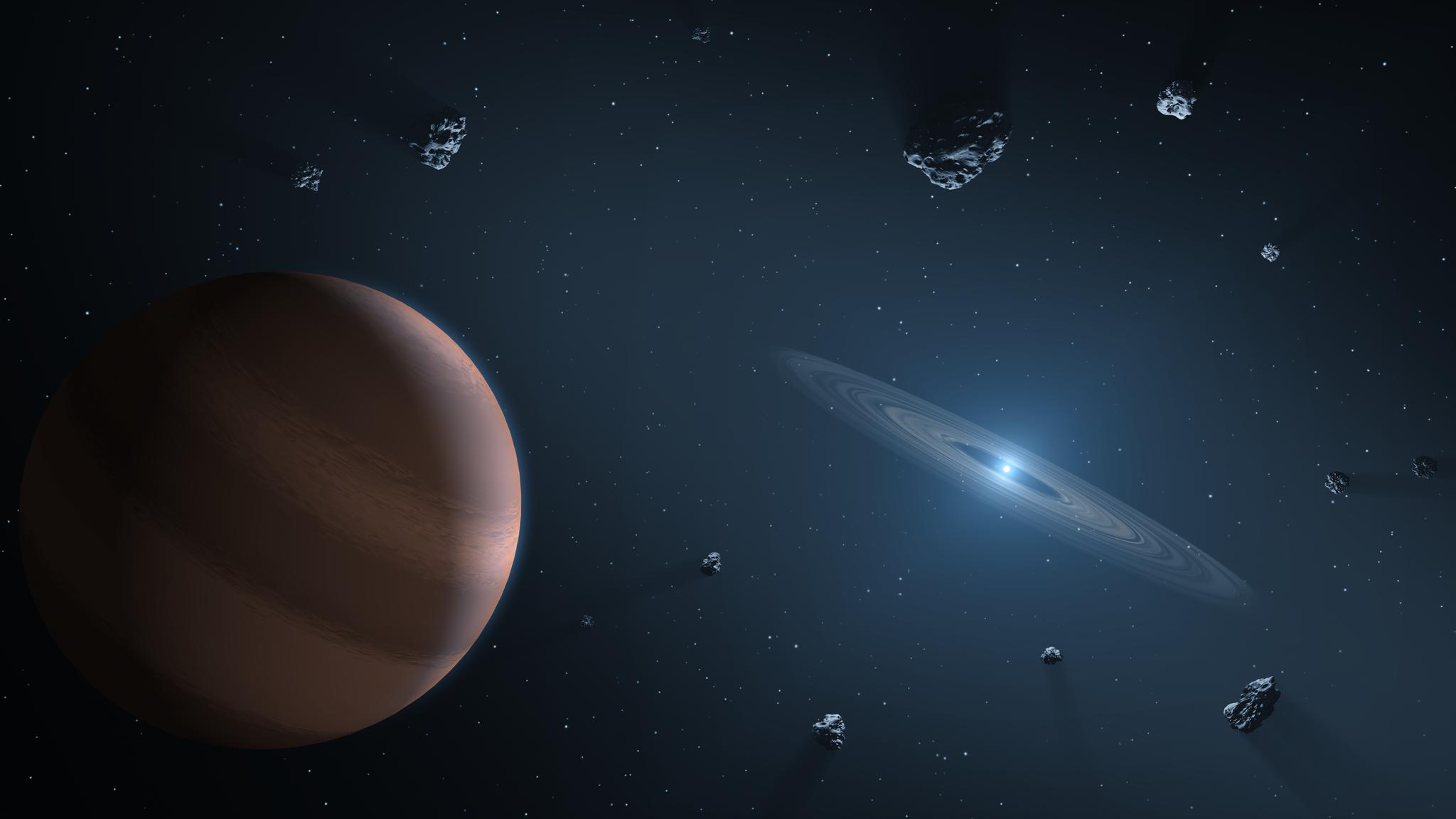
A team led by Beijing Normal University's Bo-Lun Huang tested 697 white dwarf abundance records against 3,493 meteorite analyses, asking whether the debris raining onto dead stars carries the chemical signature of refined metal. It doesn't — but the framework they built to ask is the real result.
-
Missions
Two Landers, Two Philosophies: Inside the Artemis III Rehearsal's Engineering Split
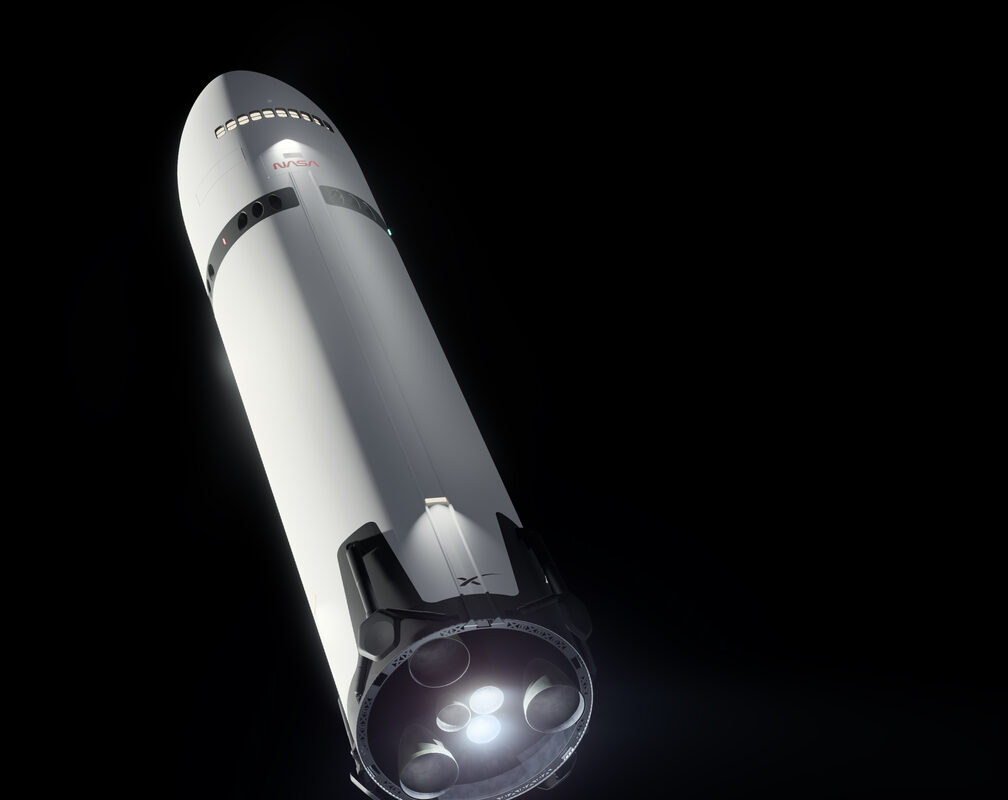
NASA's July 15 breakdown of the 2027 Artemis III demo reveals how far apart SpaceX and Blue Origin's test articles are: astronauts will open the hatch on Blue Moon Mark 2, but never set foot inside a 171-foot Starship that docks nose-first with a bolted-on docking system and no crew cabin.

Page 31 of 68
