
All articles
-
NASA & Agencies
Artemis Accords Reach 76 Signatories as Four Nations Join in Five Days
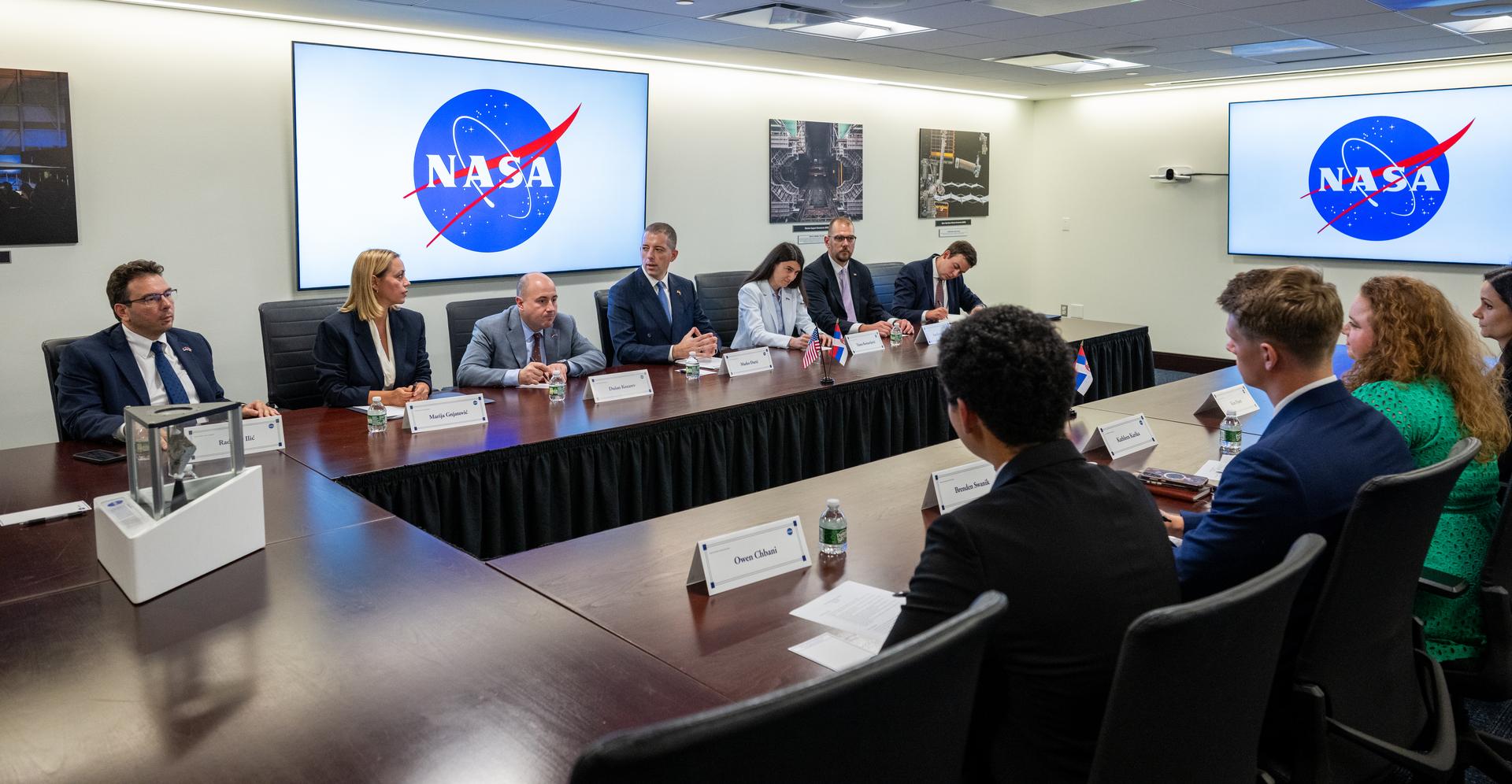
NASA says Albania, Croatia, Cote d'Ivoire and San Marino lifted Artemis Accords participation to 76 countries, with the last two signing on consecutive days, just before the Principals' Meeting in Antalya opens Oct. 5.
-
Missions
Ramses Wakes Up: ESA-JAXA Apophis Spacecraft Powers On in Milan
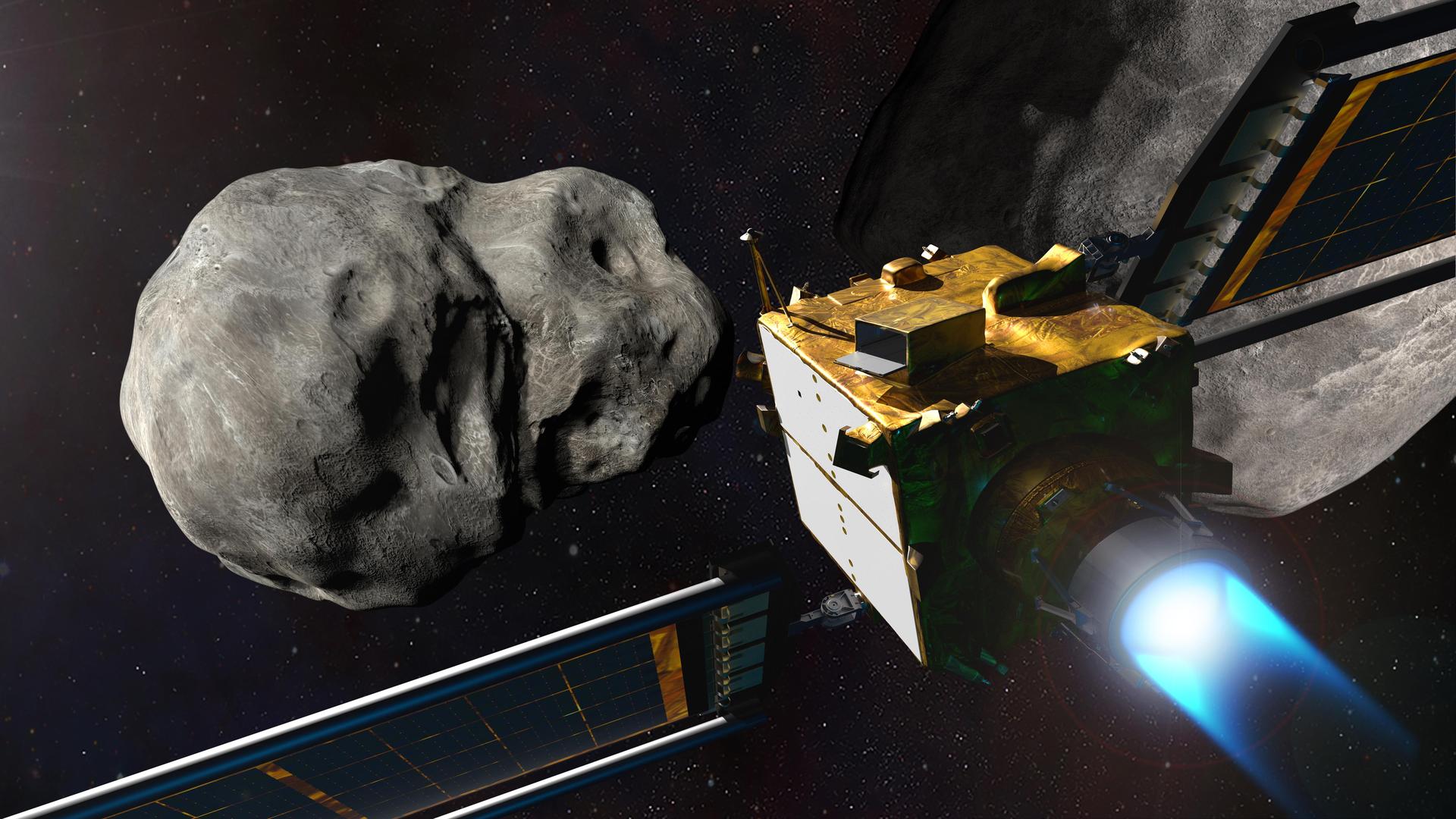
ESA's Ramses spacecraft, built with JAXA, has had its Core Module computer and subsystems switched on for the first time in Milan, a milestone in a compressed schedule to launch by spring 2028 for Apophis' April 13, 2029 flyby.
-
Commercial
Starliner Gets a Reset: An Uncrewed Flight This Winter, Astronauts by 2028, and Vulcan Certification Work
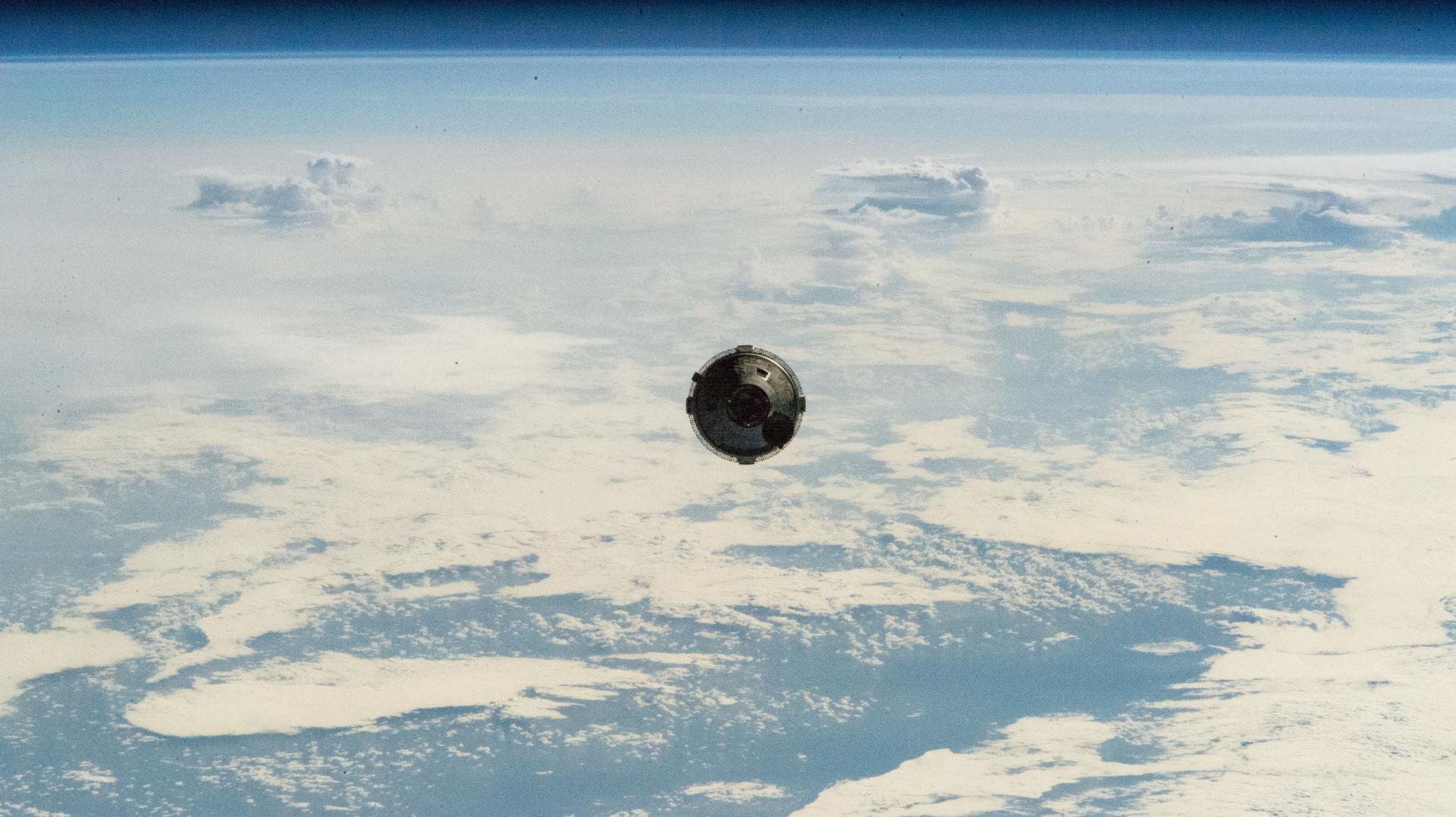
NASA and Boeing outlined a new Starliner plan: an uncrewed engineering flight as soon as December, Woody Hoburg commanding a crewed flight by 2028, Vulcan certification for later flights as Atlas V retires, and about $359 million more for upgrades and certification.
-
Stargazing
October's Spooky Sky: Catch the Demon Star Algol Blink and Hunt the Witch Head Nebula
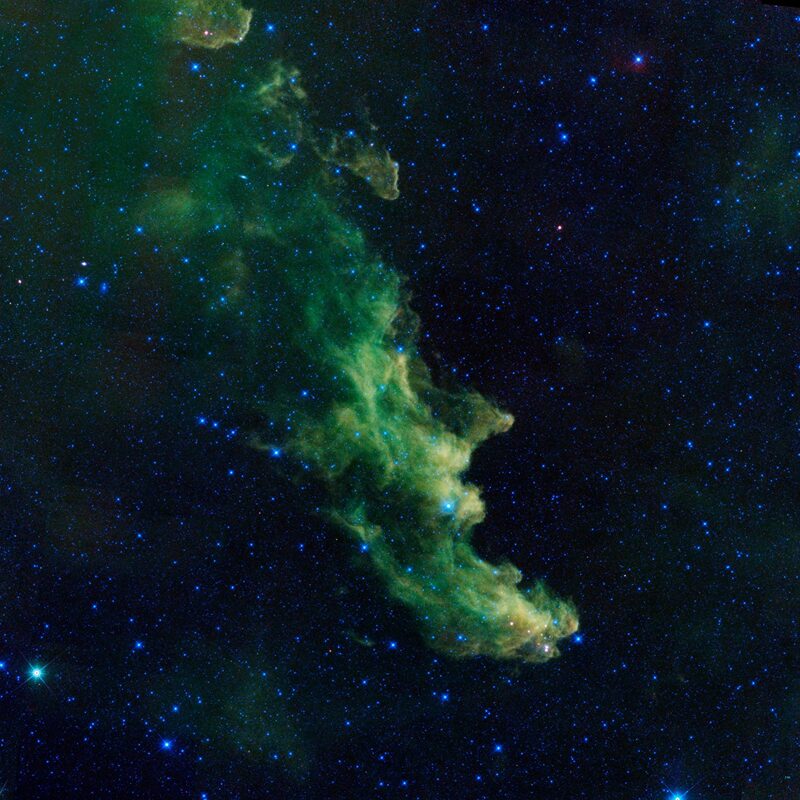
Algol, Perseus's eclipsing Demon Star, dims by more than a magnitude every few days, and the faint Witch Head Nebula near Rigel rewards patient observers with big scopes and dark skies. Here is how to see both this October.
-
Science & Discovery
Roaming Black Holes May Carry the Hidden History of Their Galaxies
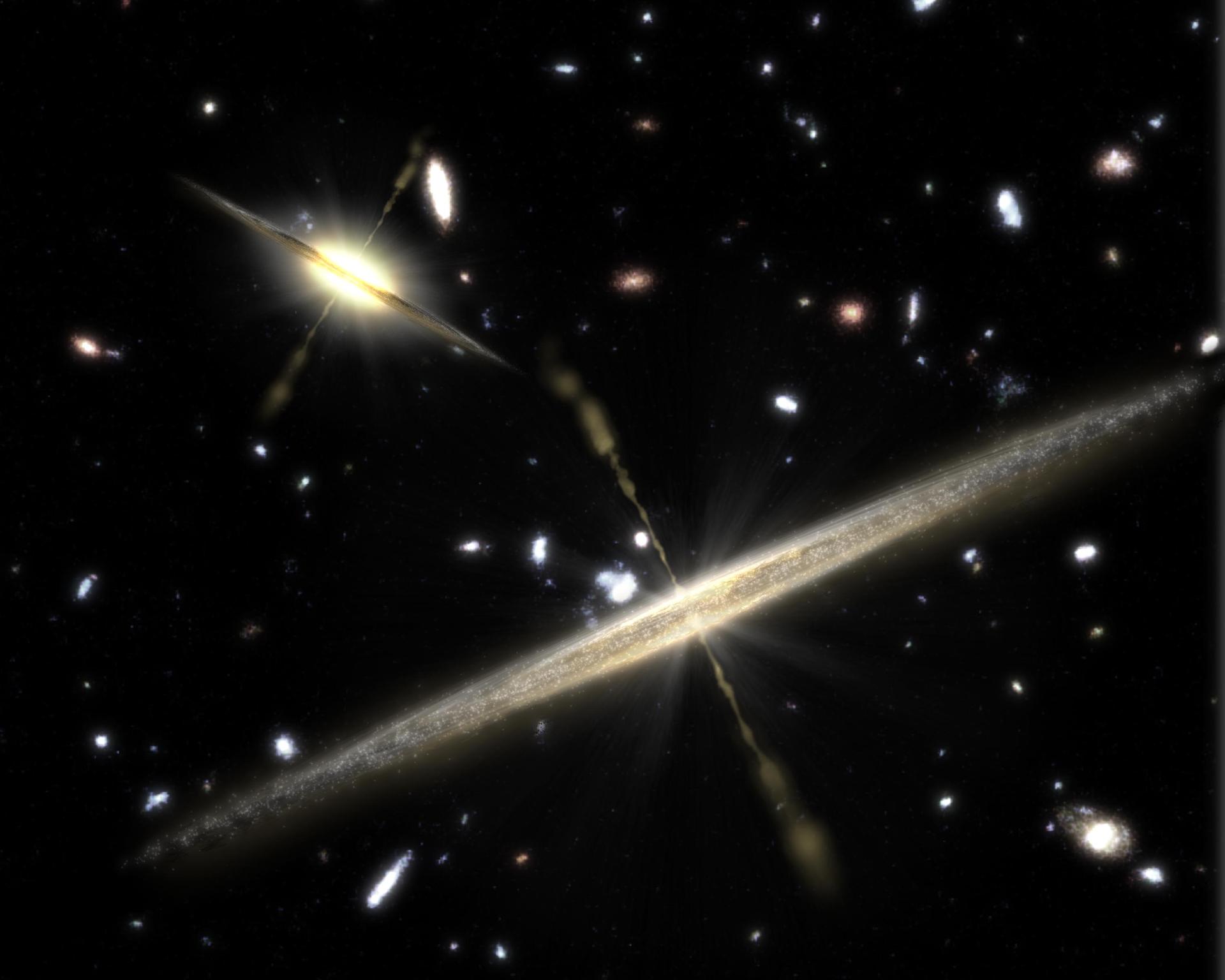
Yale simulations suggest black holes knocked loose by galaxy mergers can wander for billions of years, especially in small galaxies, and where they end up may record how their galaxies were seeded and assembled.
-
Science & Discovery
NISAR's Radar Eyes Track a Kamchatka Volcano Erupting After 475 Years
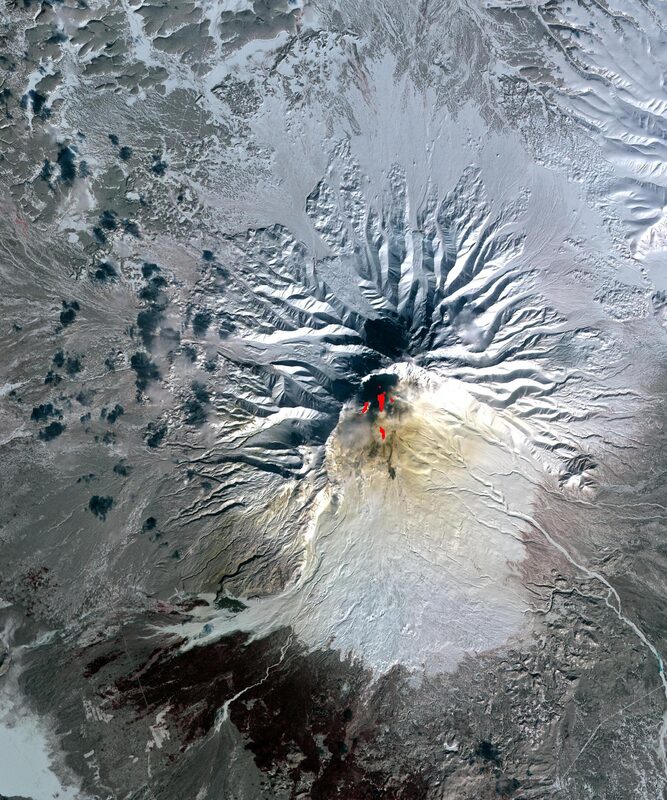
A NASA-ISRO radar satellite stitched passes from December 2025 through August 2026 into a 17-frame time-lapse of lava spilling from Kamchatka's Krasheninnikov volcano, which erupted for the first time since roughly 1550, days after a magnitude-8.8 earthquake.
-
NASA & Agencies
Roman Space Telescope's Three Ground Stations Pass Peak-Rate Data Test Ahead of 2027 Science Start
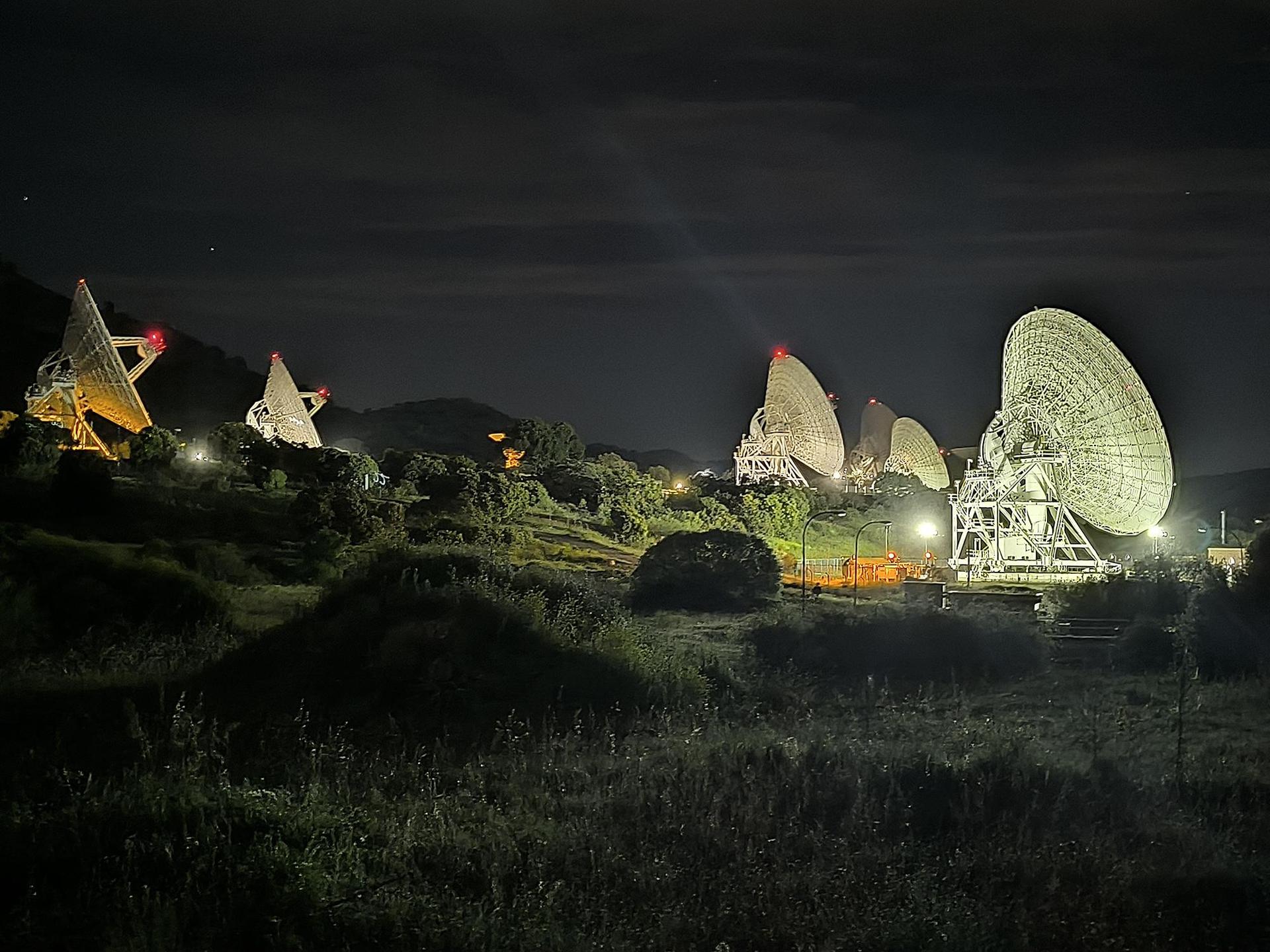
NASA confirms all three ground stations tracking the Nancy Grace Roman Space Telescope can receive its data at the full 500 Mbps rate, clearing a key hurdle before science operations begin in early 2027.
-
Astronomy
Webb Finds Ammonia — and an Unexpected Chill — in the Atmosphere of a Saturn-Mass Planet Circling a Red Dwarf
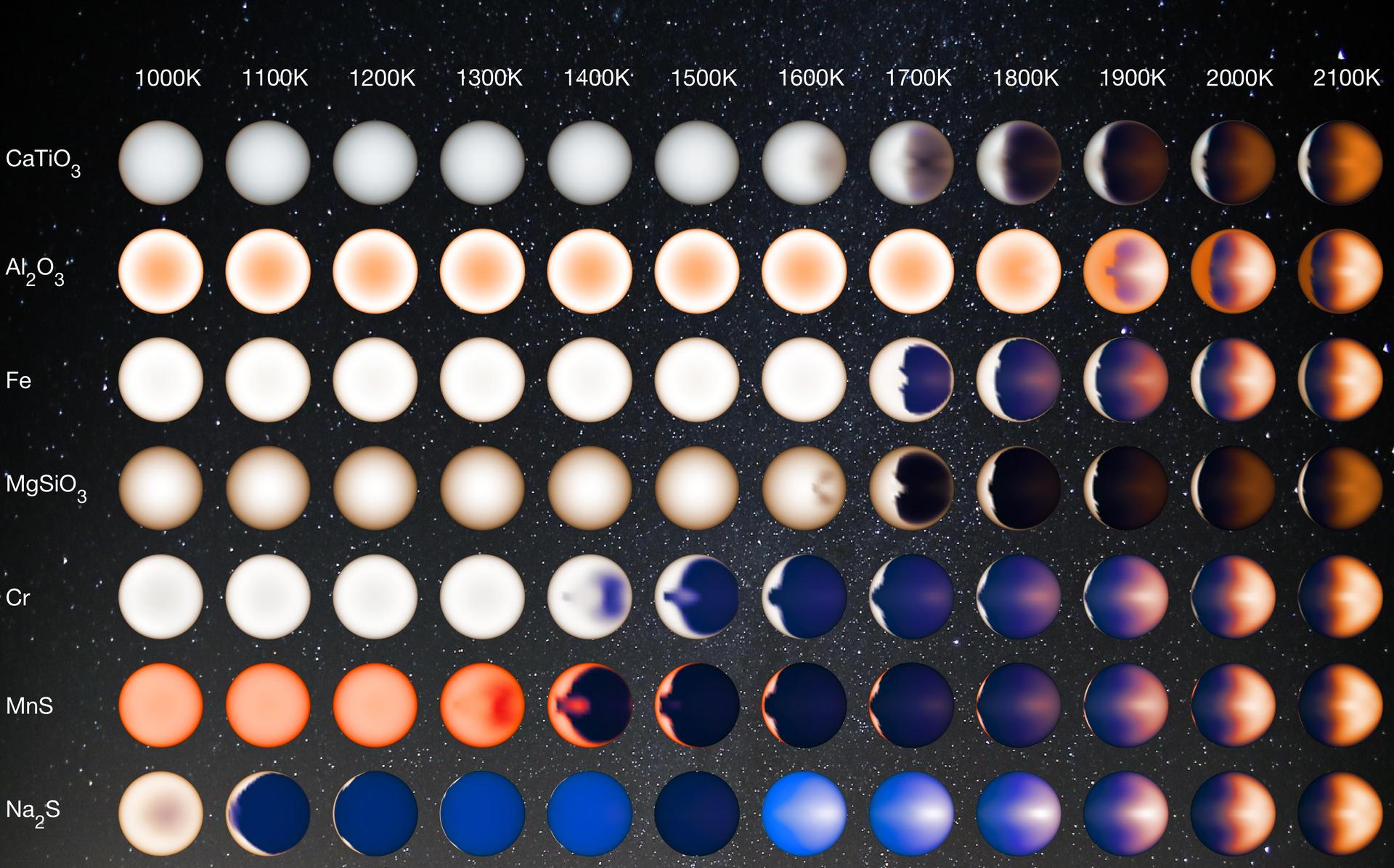
JWST spectroscopy of HATS-6 b reveals water, methane, CO2 and rare ammonia — plus early temperature estimates far colder than expected — challenging models of how giant planets form around small stars.
-
Science & Discovery
NASA Picks PRIMA, a $1.2 Billion Far-Infrared Observatory, to Lead a New Mission Class
NASA confirmed PRIMA, a cryogenically cooled 1.8-meter far-infrared telescope capped at $1.2 billion, as the first mission in its new Probe Explorers class, targeting a 2033 launch.
-
Stargazing
Equinox Coronal-Hole Stream Triggers G1 Geomagnetic Storm and Aurora Watch
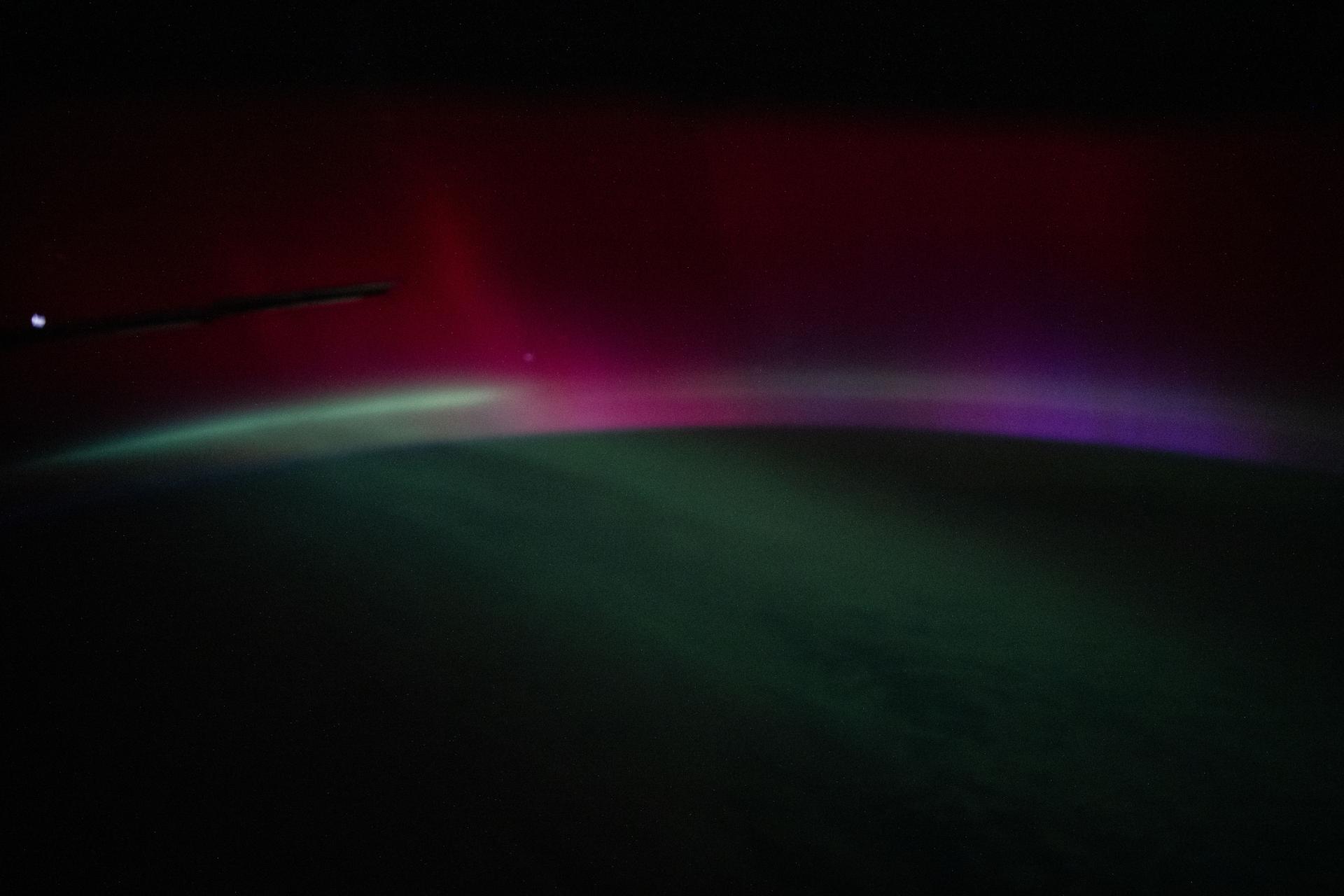
A canyon-shaped coronal hole's high-speed solar wind is hitting Earth just after the equinox, and NOAA forecasts a G1 storm with Kp near 5 that could paint auroras across Alaska, Canada, Scotland and southern New Zealand through Sept. 26.
-
NASA & Agencies
ESA and ISRO Extend Their Partnership to 2032 — and Widen It to Space Weather and Human Exploration
In Paris, ESA and ISRO quietly stretched a 24-year-old cooperation pact five more years and folded in space weather, human and robotic exploration, and orbital sustainability.
-
Astronomy
A 200-Hour Mosaic Over Morocco Reveals Five Ghost Supernovas in Auriga
A 200-hour, 10-panel mosaic shot from Morocco's Oukaimeden Observatory resolves five ancient supernova remnants tangled together in the constellation Auriga, including the famous Spaghetti Nebula.
Page 10 of 68
