
All articles
-
NASA & Agencies
ESA is building a telescope just for exoplanet atmospheres. Ariel will change what we know.
The European Space Agency's Ariel mission — the Atmospheric Remote-sensing Infrared Exoplanet Large-survey — is designed to systematically characterize the atmospheres of hundreds of exoplanets in a single mission. It's the first telescope built specifically to answer the question: what are other planets made of?
-
Missions
Europa Clipper is on its way, and its first look at an ocean world will be worth the wait
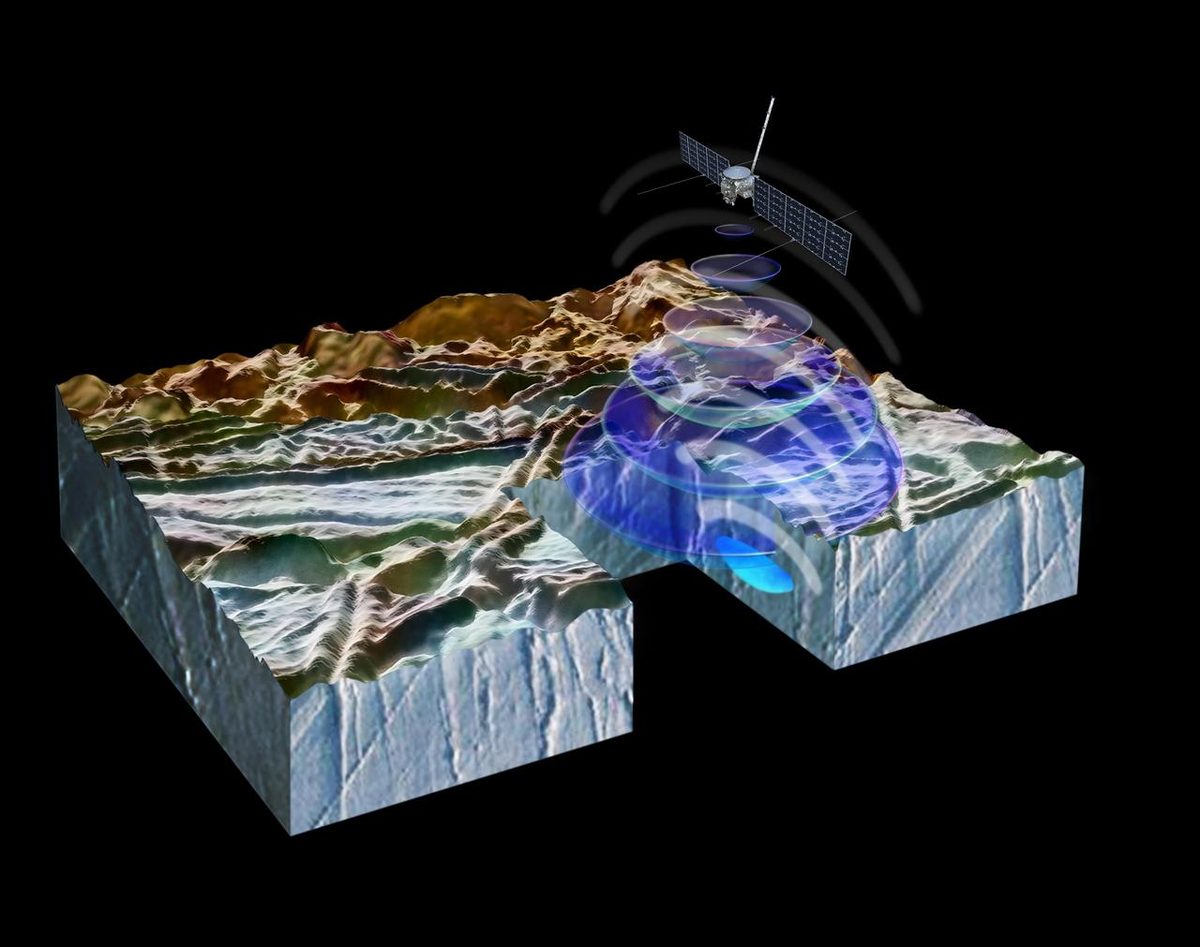
NASA's Europa Clipper is currently in cruise toward Jupiter, its nine science instruments deployed and checked out. When it arrives in 2030 and begins its 49 planned close flybys of Europa, it will deliver the most detailed look scientists have ever had at one of the solar system's most compelling targets.
-
Astronomy
Fast radio bursts are everywhere. We still don't fully understand any of them.
The CHIME telescope in Canada has catalogued thousands of fast radio bursts — millisecond flashes of radio energy from across the universe — and the patterns in that catalog are raising more questions than they answer. Some repeat. Some don't. A few seem to come from inside our own galaxy.
-
NASA & Agencies
India is about to send humans to space for the first time. Here's where Gaganyaan stands.
India's Gaganyaan program — the country's first crewed spaceflight mission — has completed its uncrewed test flights and is closing in on a crew launch. A successful mission would make India only the fourth nation to independently send humans to orbit.
-
Astronomy
The black hole at the center of the galaxy is more active than we realized
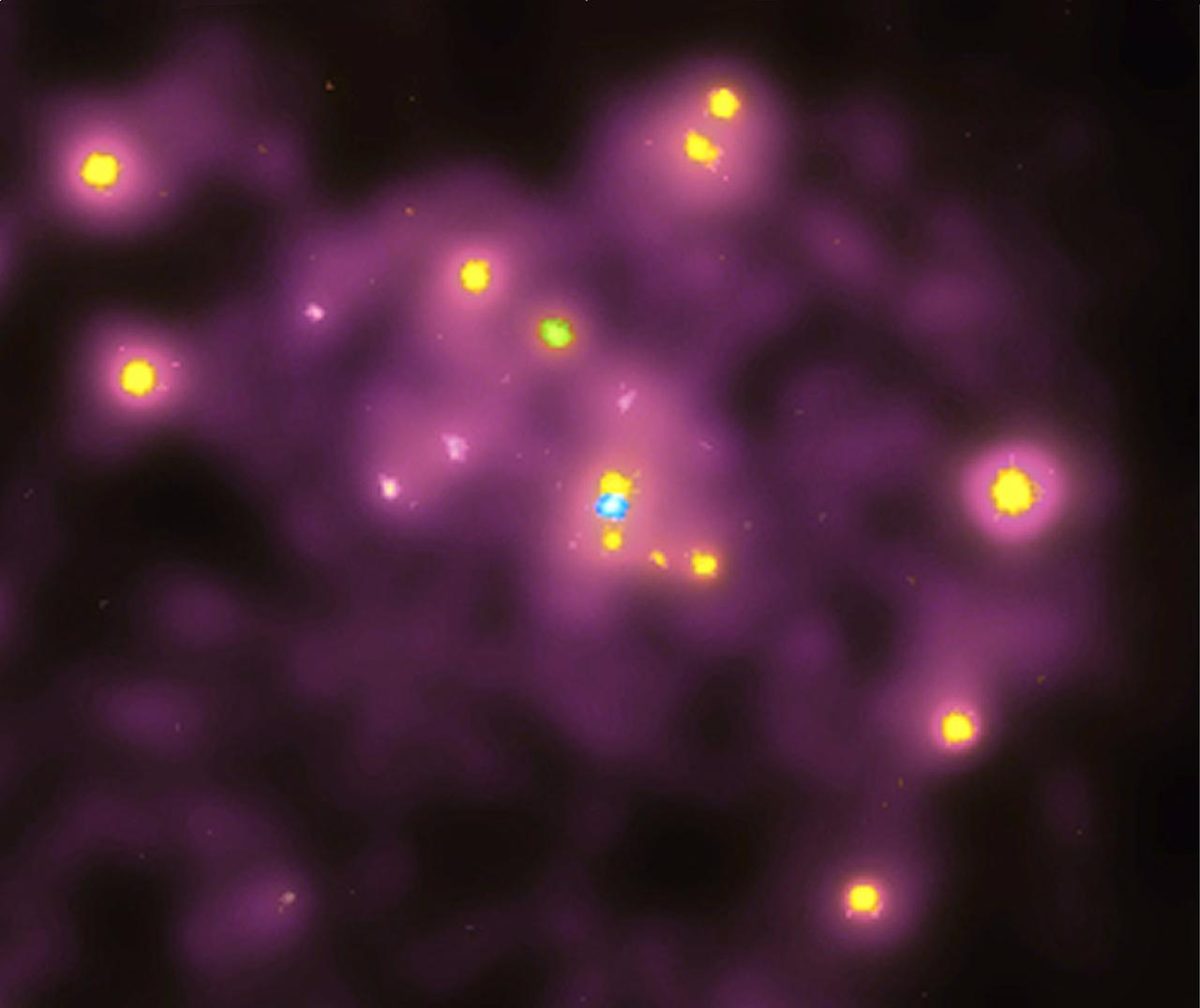
Sgr A*, the supermassive black hole at the center of the Milky Way, has been caught in an increasing number of bright flares. New monitoring campaigns combining radio, infrared, and X-ray telescopes are building a picture of a black hole that is anything but dormant.
-
Astronomy
The brightest gamma-ray burst ever seen broke our models. Now we're rebuilding them.
GRB 221009A — dubbed the BOAT, for Brightest Of All Time — was detected in October 2022 and is still being studied. The burst was so energetic it briefly overwhelmed detectors across the solar system and challenged decades of theory about how these explosions work.
-
Astronomy
Astronomers can't agree on how old the universe is. That's actually exciting.
Two different methods of measuring the expansion rate of the universe give two different answers — and the gap between them is too large to be a measurement error. Known as the Hubble tension, this disagreement might be pointing toward new physics that nobody has found yet.
-
Science & Discovery
Life on icy moons: what extremophiles on Earth are teaching us to look for
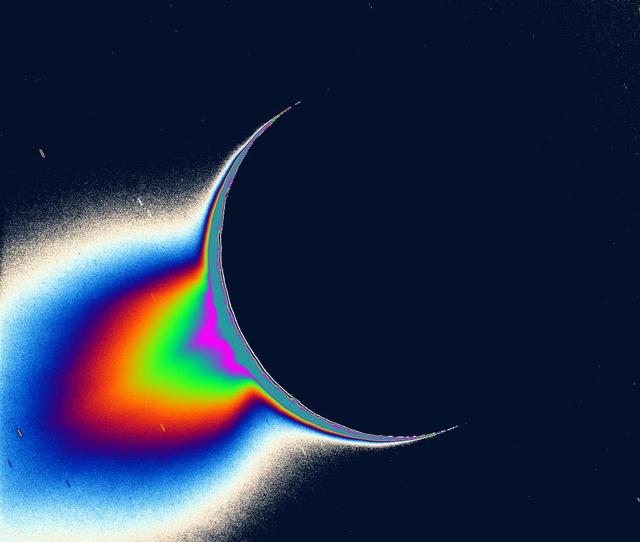
The search for life beyond Earth is increasingly focused on the subsurface oceans of moons like Europa and Enceladus. Understanding what that search requires means understanding life's extremes here first — and Earth's most extreme environments keep revealing biology that expands the definition of habitable.
-
Commercial
People keep saying we'll manufacture things in space. Here's what's actually happening.
The promise of manufacturing in microgravity has been discussed for decades — purer crystals, exotic alloys, biological structures that can't be made on Earth. In 2026, that promise is starting to become a real, if small, industry. This is what's actually coming off the production line.
-
NASA & Agencies
JAXA is going to the moons of Mars. MMX wants to answer a 150-year-old question.
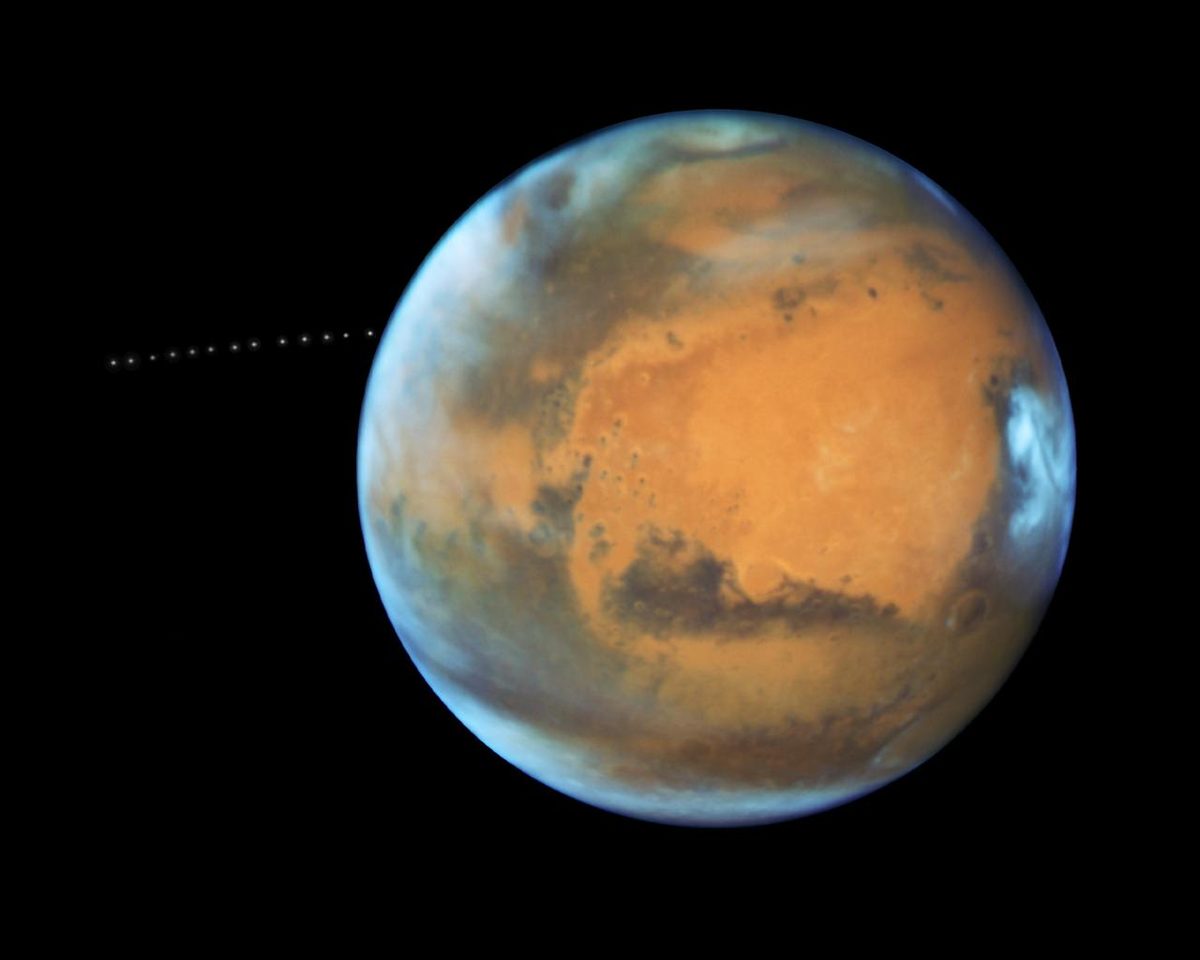
Japan's Martian Moons eXploration mission is designed to land on Phobos, collect a sample, and bring it back to Earth. The mission is also a test case for a new kind of planetary science — studying small, dark bodies that may preserve material from the early solar system.
-
Missions
ESA's JUICE mission is on its way to Jupiter. The science starts long before arrival.
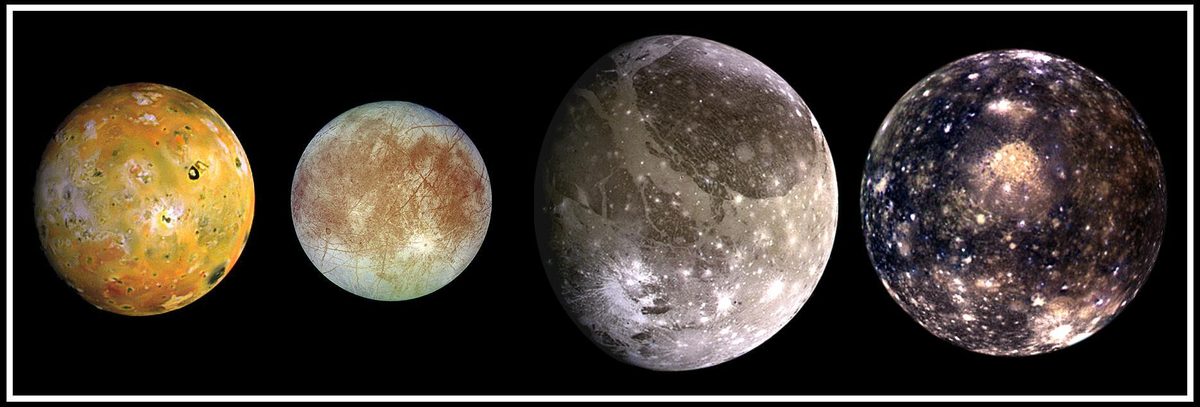
The Jupiter Icy Moons Explorer — JUICE — is now on a seven-year trajectory to the Jovian system. Its mission is ambitious: orbit Jupiter, make close flybys of Callisto and Europa, then slip into orbit around Ganymede, the first spacecraft ever to orbit a moon other than our own.
-
NASA & Agencies
Webb's second year of science: the results that changed things
The James Webb Space Telescope is now well into its second year of full science operations. The first year produced headlines; the second year is producing data that the community is actually working through — and some of it is genuinely difficult to absorb.
Page 54 of 68
