
All articles
-
Science & Discovery
Frank Drake wrote seven terms on a blackboard in 1961. Here's what we know about each of them now.
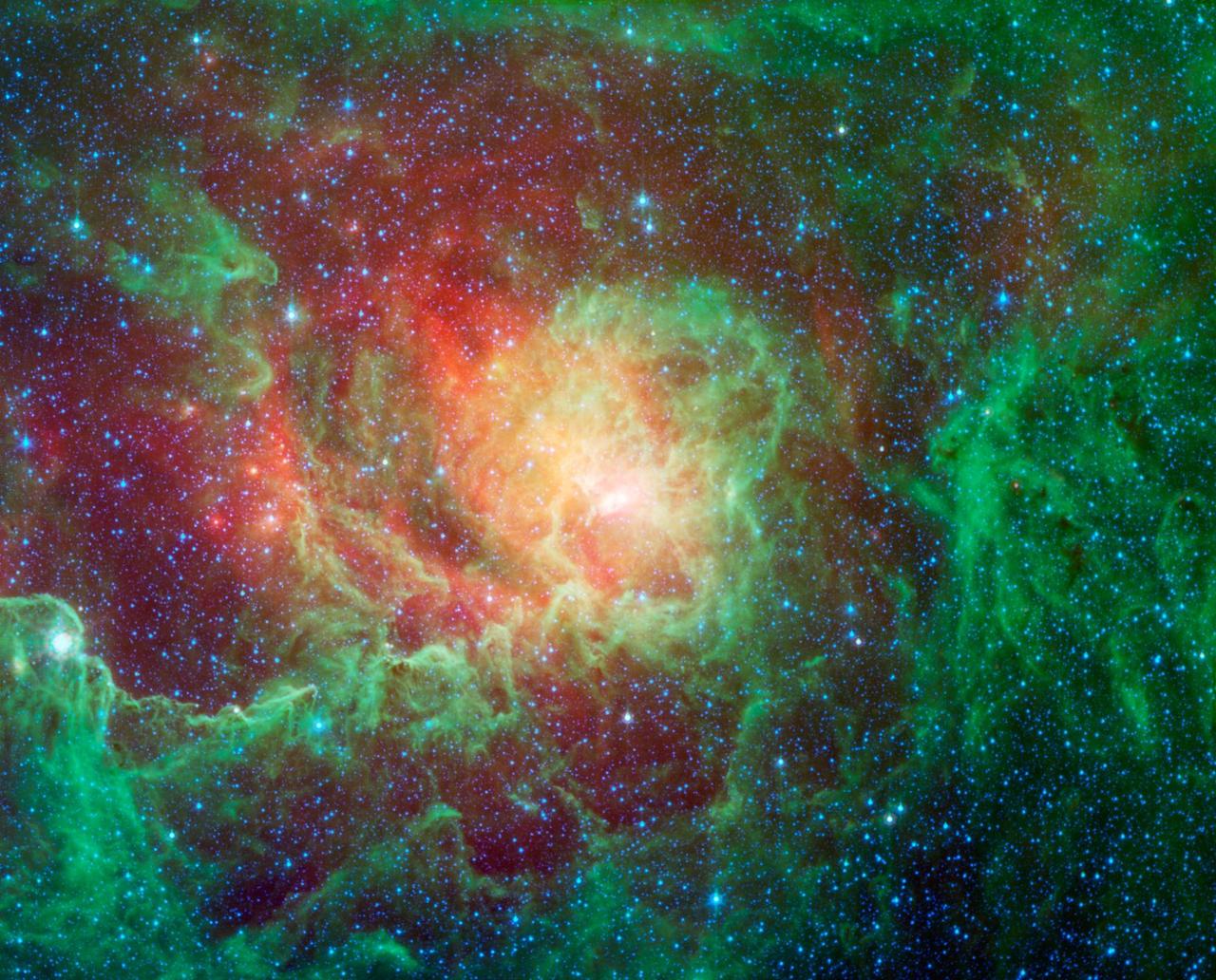
The Drake Equation estimates the number of communicating civilizations in the galaxy from seven factors. In 1961, most were guesses. In 2026, exoplanet surveys, astrobiology, and SETI experiments have turned several of them into data. The answer is still unknown — but for different reasons than before.
-
Commercial
Some things can only be made in zero gravity. A small industry is building the infrastructure to make them.
Microgravity enables manufacturing processes impossible on Earth: near-perfect optical fibers, protein crystals for drug development, organs grown without scaffolding, and alloys that separate under gravity. A nascent commercial sector is building the satellites and ISS platforms to exploit these properties.
-
Commercial
SpaceX has launched more than 6,000 satellites. Astronomers are not happy about it.
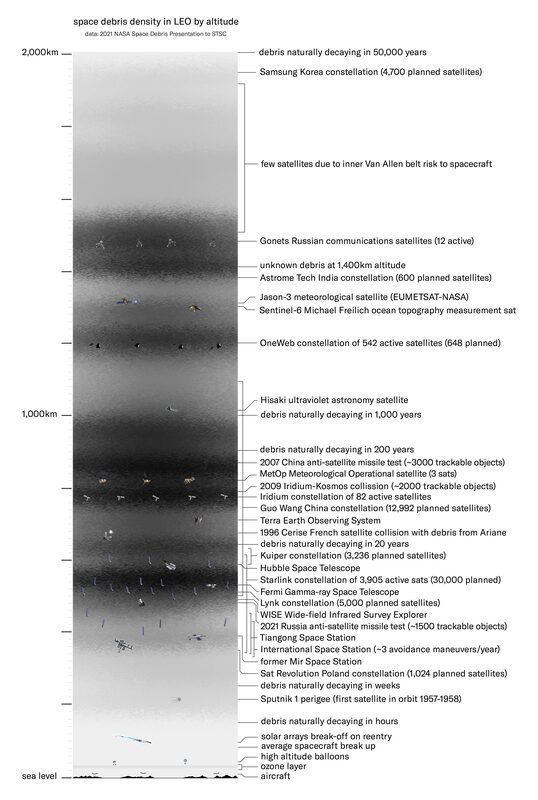
Starlink is the largest satellite constellation in history — and the most disruptive to ground-based astronomy. SpaceX has made mitigation efforts, but the fundamental tension between dense LEO constellations and telescope surveys remains unresolved as competitors plan their own systems.
-
Commercial
SpaceX cut the cost of reaching orbit by 90 percent. Here's what that has and hasn't changed.
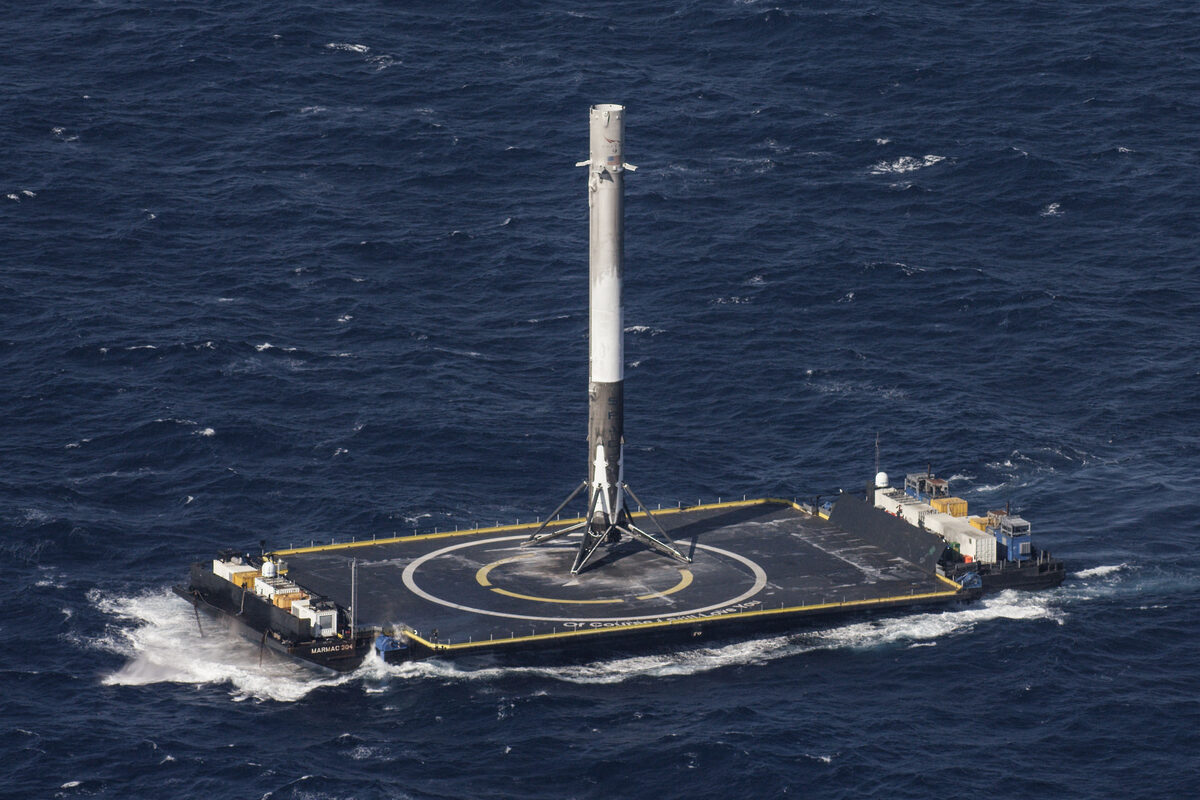
The cost of putting a kilogram in low Earth orbit dropped from roughly $50,000-$70,000 in the Space Shuttle era to under $3,000 on a Falcon 9 rideshare. This 90-percent price reduction has transformed who can access space — but it hasn't yet transformed what they do there.
-
Science & Discovery
Solar panels stop working past Jupiter. Nuclear reactors are the only practical power source for deep space.
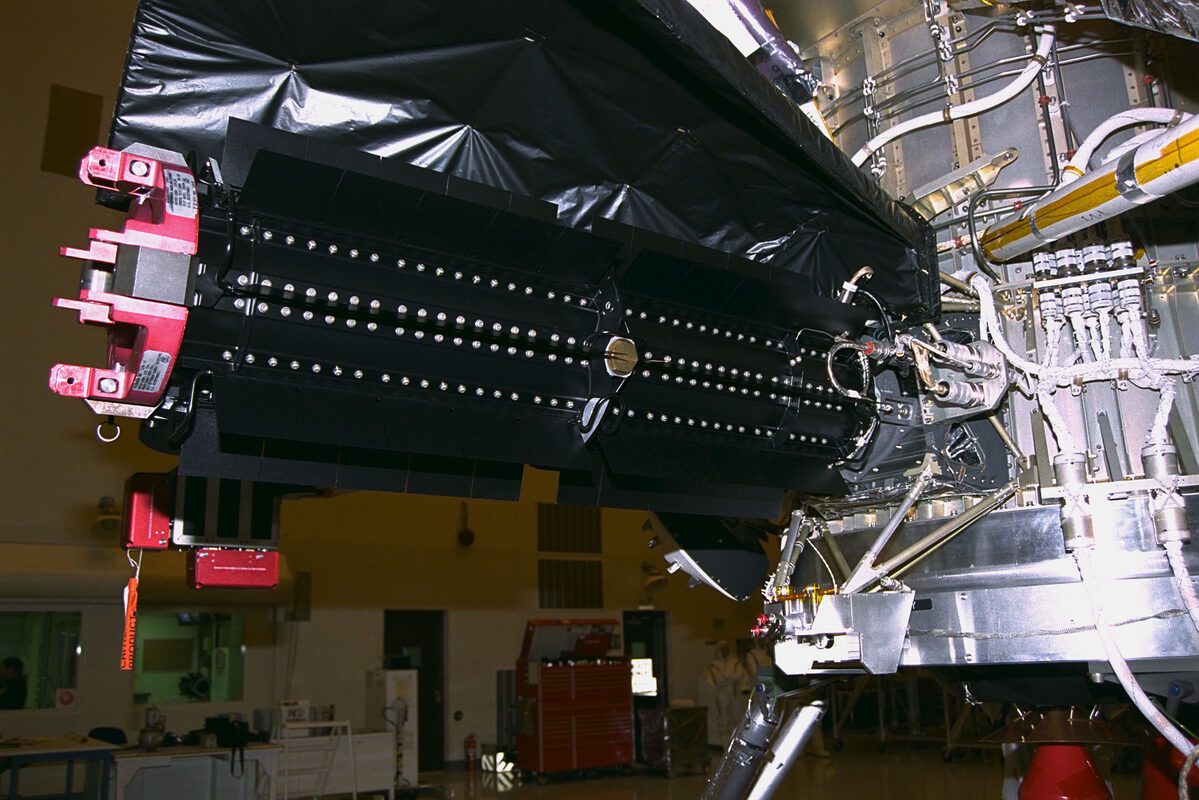
Radioisotope thermoelectric generators have powered deep-space probes since the 1960s. A new generation of compact fission reactors — Kilopower and its successors — could power permanent lunar bases, Mars surface missions, and spacecraft to the outer planets and beyond.
-
Missions
Artemis is more than a Moon landing. It's a permanent outpost architecture. Here's the full picture.
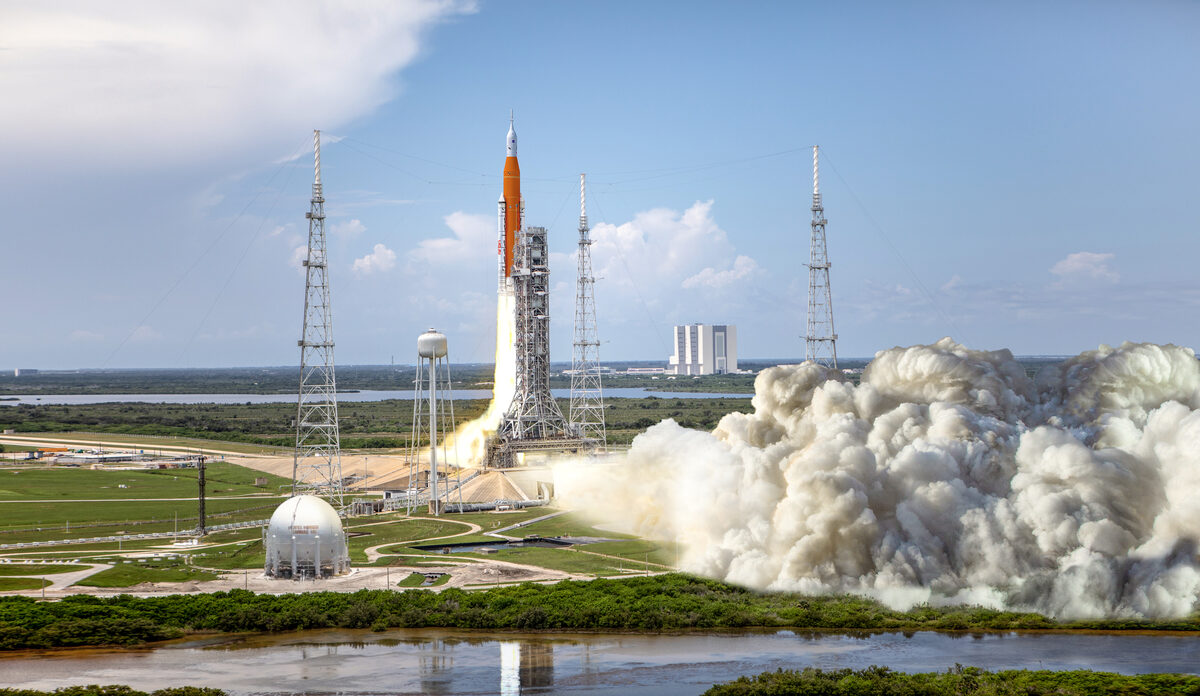
Artemis is NASA's plan for sustained human presence near the Moon: a Gateway station in lunar orbit, commercial landers for surface access, the Lunar Terrain Vehicle, and a base camp at the south pole. The architecture is ambitious, politically contingent, and unlike anything attempted in the Apollo era.
-
Stargazing
Five planets are visible without a telescope. Here's when and where to find each of them in 2026.
Mercury, Venus, Mars, Jupiter, and Saturn are all visible to the naked eye under dark skies. Their positions shift throughout the year as Earth and the planets orbit the Sun. This guide covers the best viewing windows and what to look for in 2026.
-
Science & Discovery
JWST can sniff exoplanet atmospheres. Scientists are debating what a 'biosignature' actually proves.
Biosignatures — atmospheric chemicals whose presence is difficult to explain without biology — are the primary observational strategy for detecting life on exoplanets. JWST has made the first detections of molecules in rocky exoplanet atmospheres. The challenge is interpreting them unambiguously.
-
Stargazing
Light pollution has erased the Milky Way for a third of humanity. Dark sky preserves are the counterweight.
The Bortle scale measures sky darkness from 1 (pristine dark) to 9 (inner city). A third of Earth's population lives under skies so bright they cannot see the Milky Way at all. Dark sky preserves — certified by the International Dark-Sky Association — are growing, but so is the light encroachment they resist.
-
Commercial
Planet Labs photographs every point on Earth every day. What that means for science and surveillance.
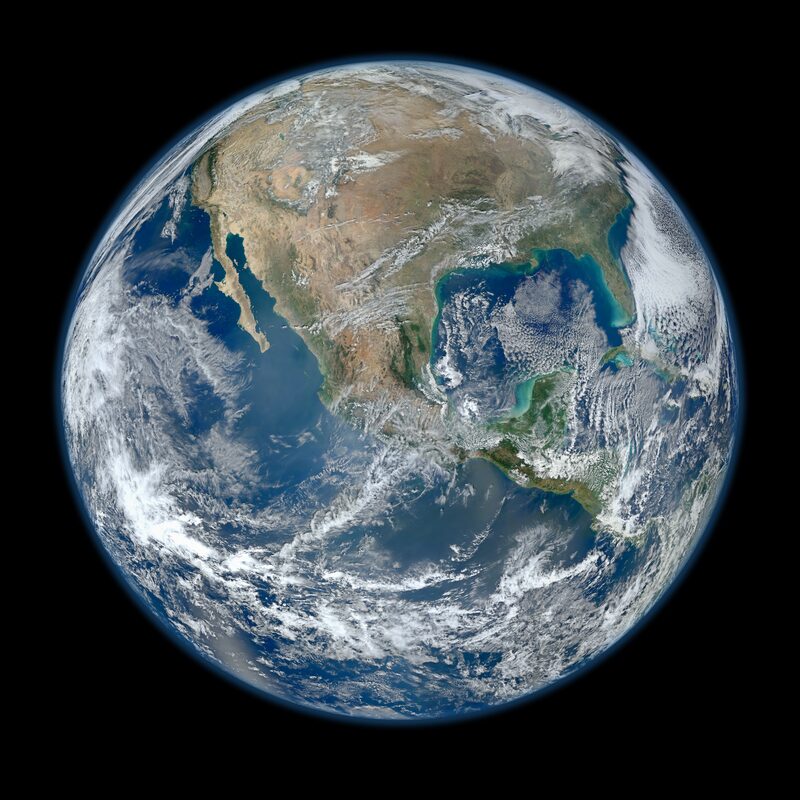
Planet Labs operates the largest commercial Earth observation constellation in history — over 200 Dove cubesats producing daily global coverage. The dense time series enables monitoring of agriculture, deforestation, urban growth, and disaster response at scales and cadences previously impossible.
-
Science & Discovery
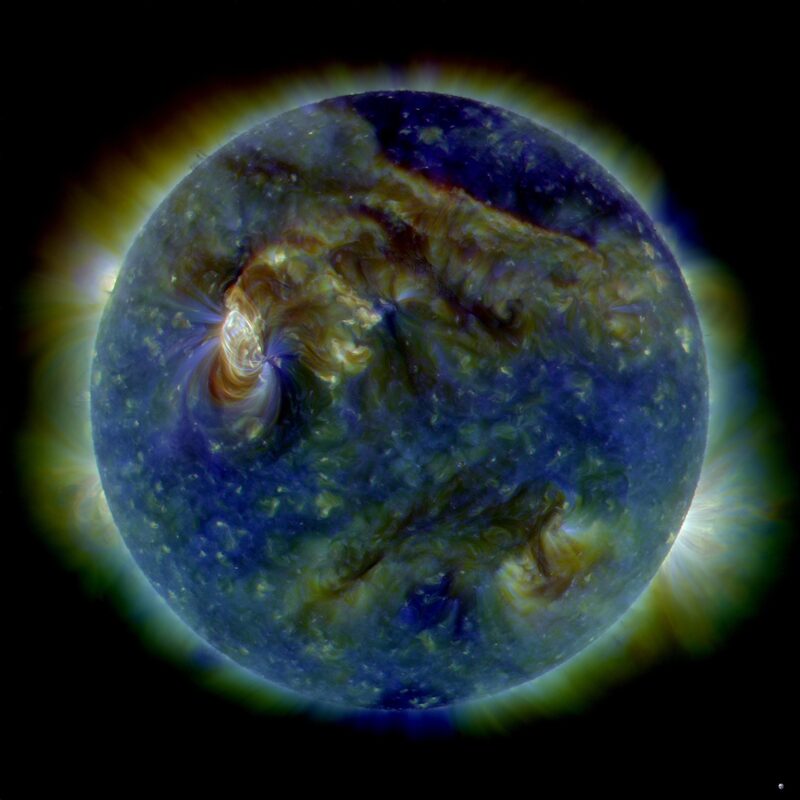
The Sun occasionally fires plasma clouds at Earth that can knock out power grids. We're not prepared.
Coronal mass ejections — billion-ton clouds of magnetized plasma from the Sun — can trigger geomagnetic storms that damage transformers, disable satellites, and disrupt GPS. The 1859 Carrington Event caused telegraph fires; a comparable storm today would have catastrophic infrastructure consequences.
-
NASA & Agencies
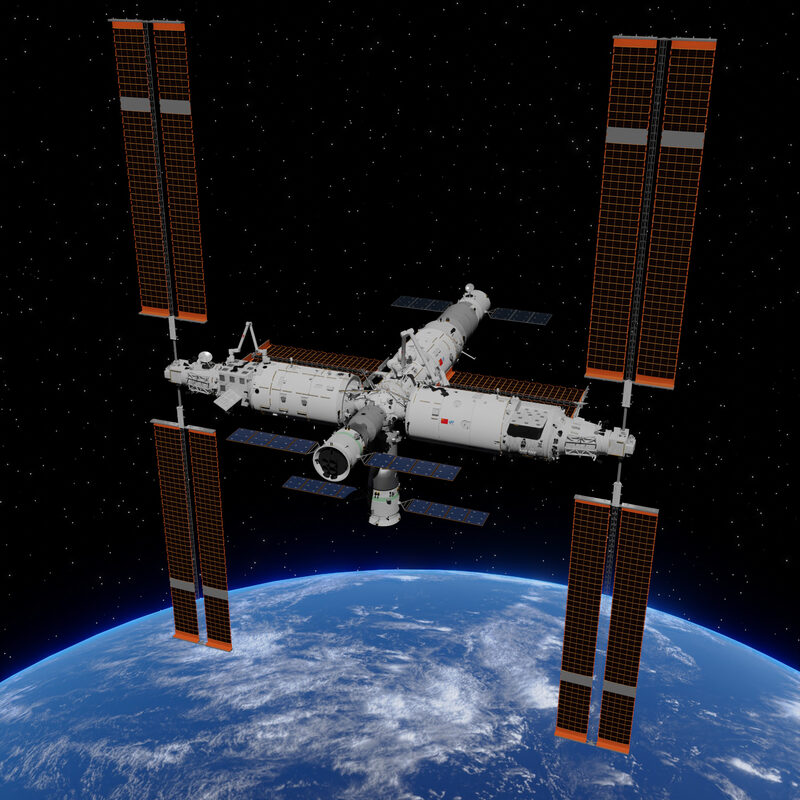
China's Tiangong station is complete and permanently crewed. Here's what it's doing.
Tiangong, China's modular space station in low Earth orbit, reached its full three-module configuration in 2022 and has maintained a continuous crew since. It conducts experiments in biology, materials science, space medicine, and Earth observation, while serving as the operational backbone of China's long-term human spaceflight program.


Page 59 of 68
