
All articles
-
Missions
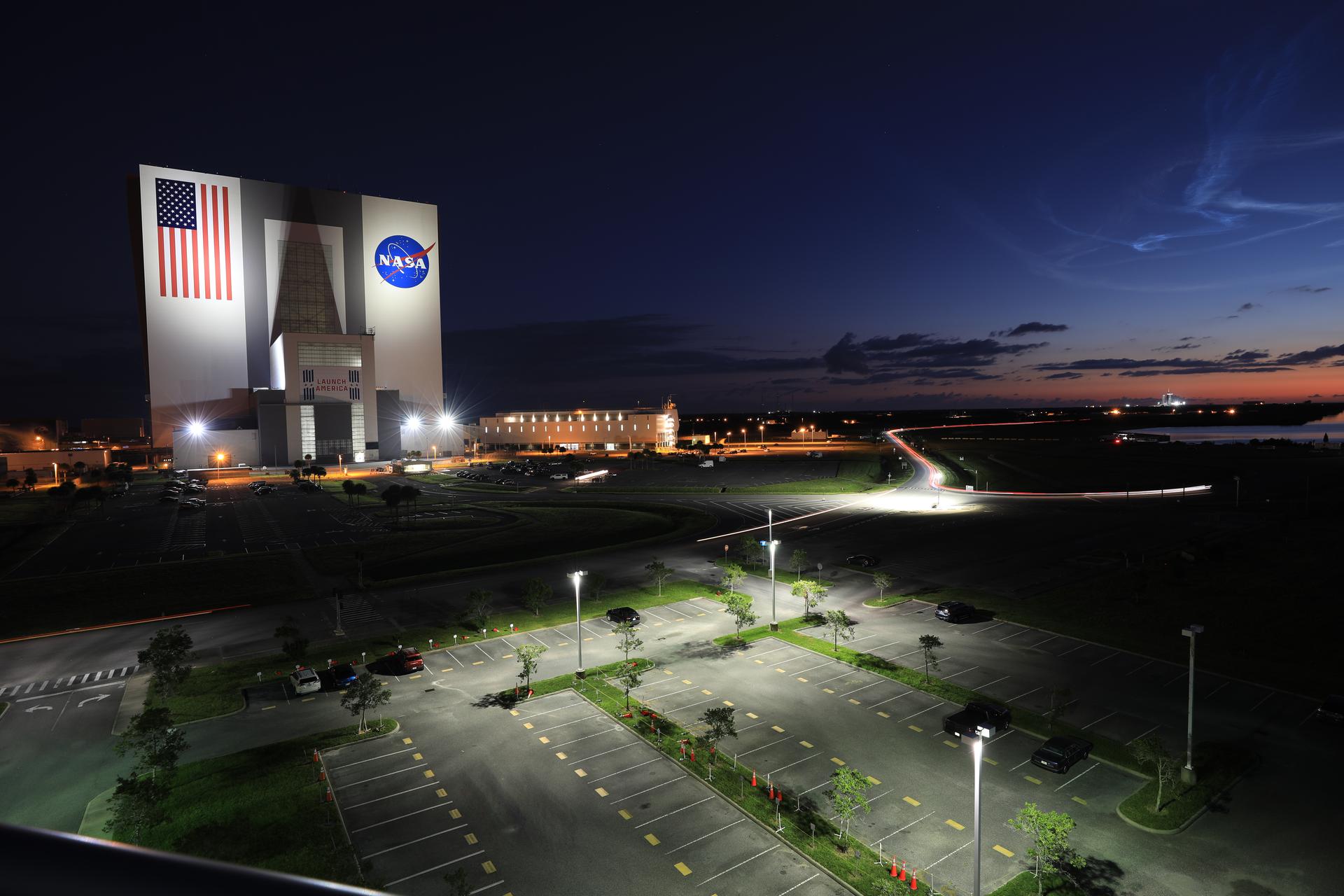
Five Years In, NASA's Lucy Is Under a Year From Its First Trojan Asteroid
Five years after launch, Lucy has already turned up two contact binaries in the main belt, one of them a moon orbiting another asteroid. Its first Jupiter Trojan, Eurybates, arrives on Aug. 12, 2027.
-
Astronomy
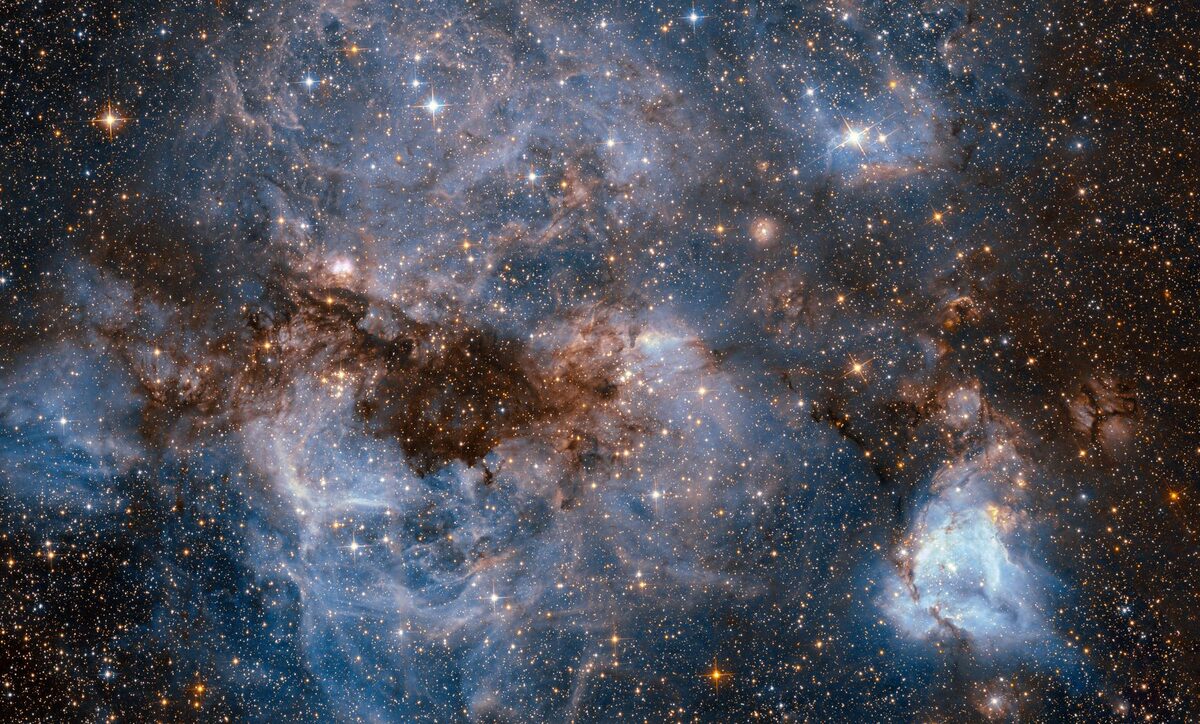
Webb Looks Inside the Cauldron of N159, a Star Factory in the Large Magellanic Cloud
Webb's new NIRCam portrait of N159, 161,000 light-years away, comes with a catalog of more than 300,000 stars, and it shows the region's western edge is still collapsing, behind the rest of the complex.
-
Stargazing
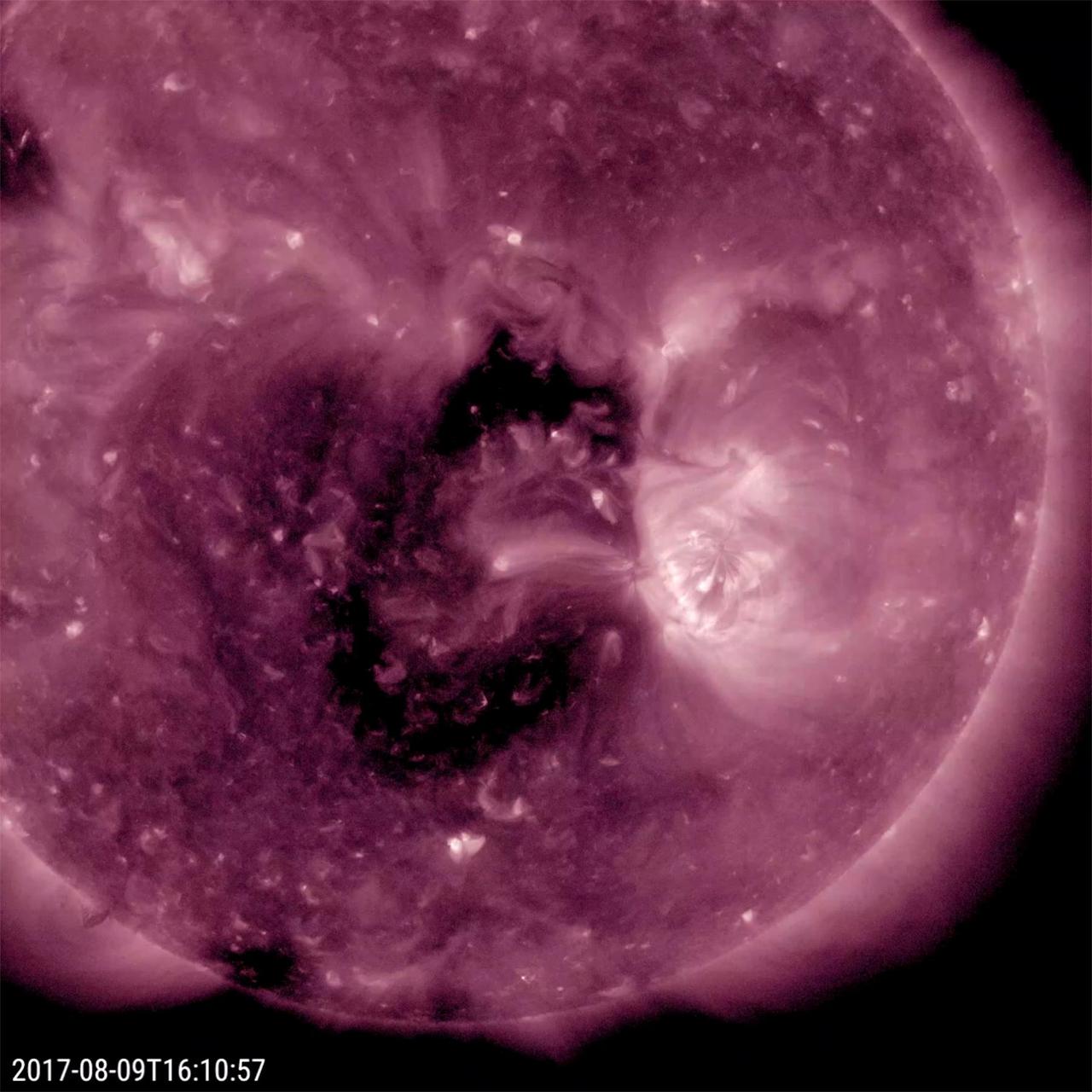
The G1 Storm Arrived a Day Late, and a Second Coronal Hole Is Next
A coronal-hole wind stream finally pushed Earth to G1 (Kp 5) at 23:59 UTC on Oct. 21, about a day behind forecast. NOAA now expects a second disturbed spell around Oct. 24, and a slow CME could deliver a weak glancing blow on Oct. 26-27.
-
Science & Discovery
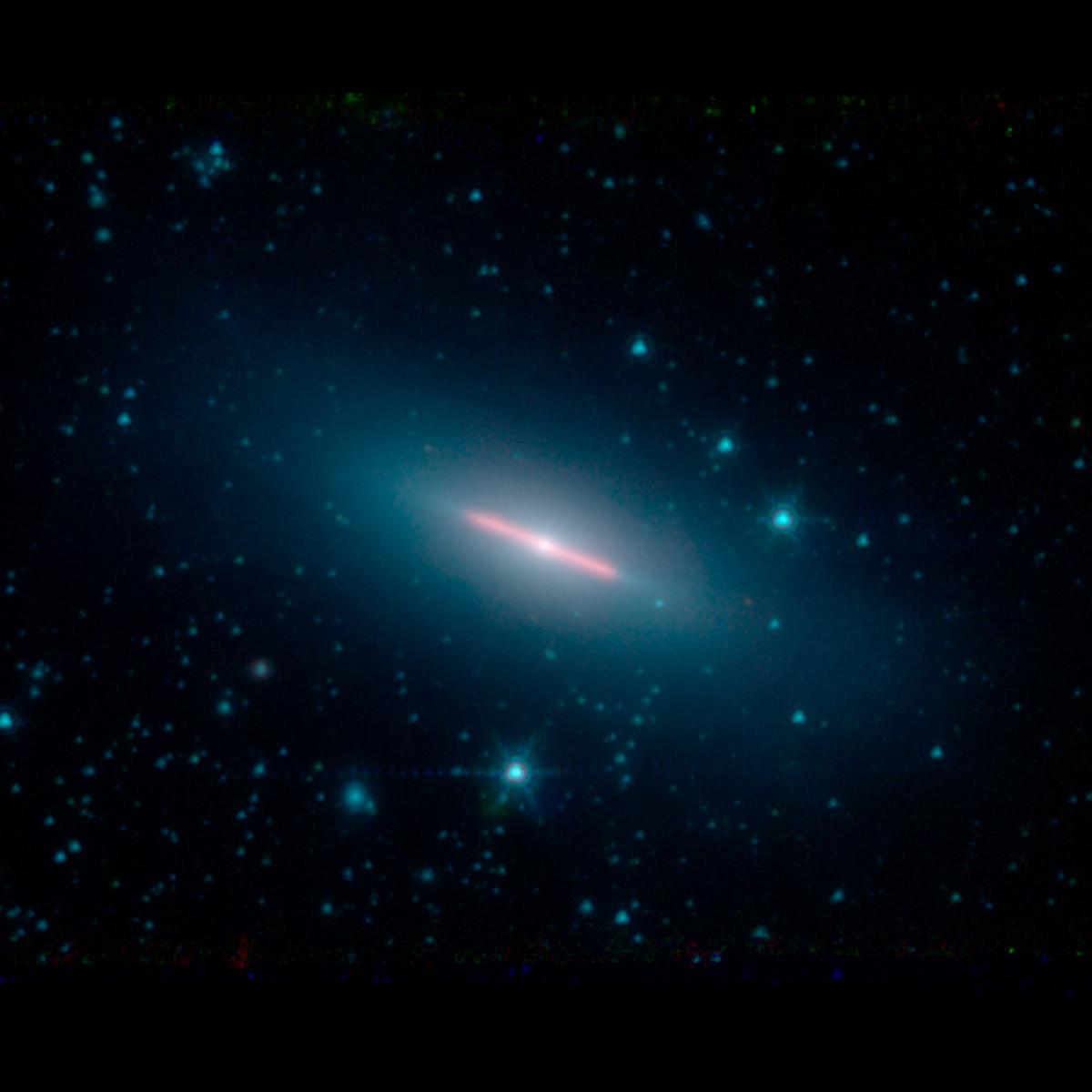
A Two-Stage Settling: Gaia Ages Show How the Milky Way's Thick and Thin Disks Formed
Precise Gaia-based stellar ages suggest the Milky Way's disk collapsed fast early on, shrinking from over 1.26 kpc to about 0.5 kpc in roughly 2 billion years, and then thinned slowly. The result favours an upside-down origin for the thick disk.
-
Commercial
SpaceX Plans the First Double Starship Catch, and a Weekly Launch Cadence by 2027
SpaceX says Starship Flight 15 will try to catch both the Super Heavy booster and the never-caught Ship upper stage, and Musk wants weekly flights in early 2027. The milestone is real; the timeline still has to be earned.
-
Missions
VIPER Is Built, Crewed Rovers Face Design Reviews: NASA's Moon Base Rover Roadmap Takes Shape
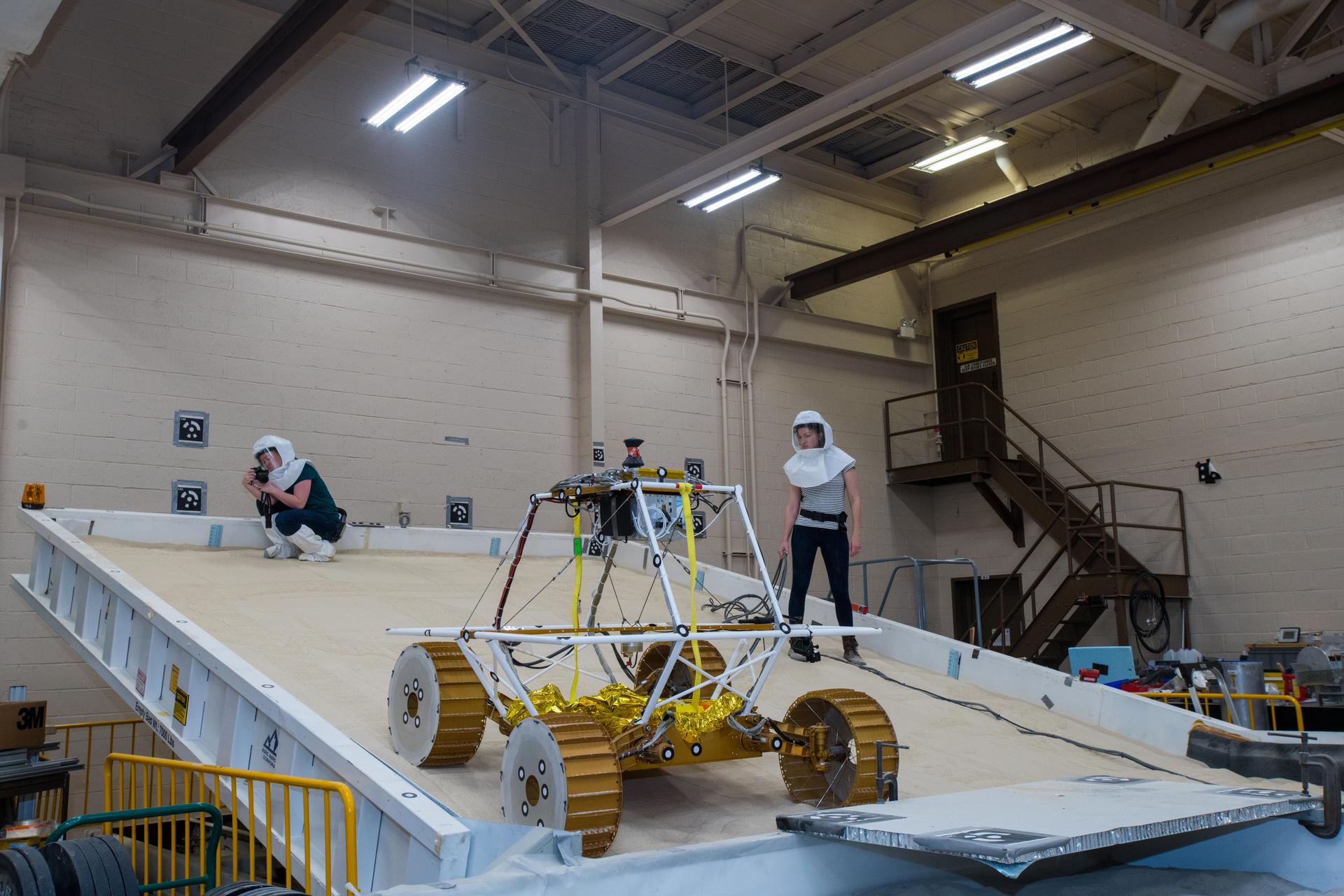
VIPER is fully built and bound for the lunar south pole in 2027, two crewed-rover designs face design reviews within months, and Astrolab's FLIP rover is about to take the first GPU to the Moon.
-
Science & Discovery
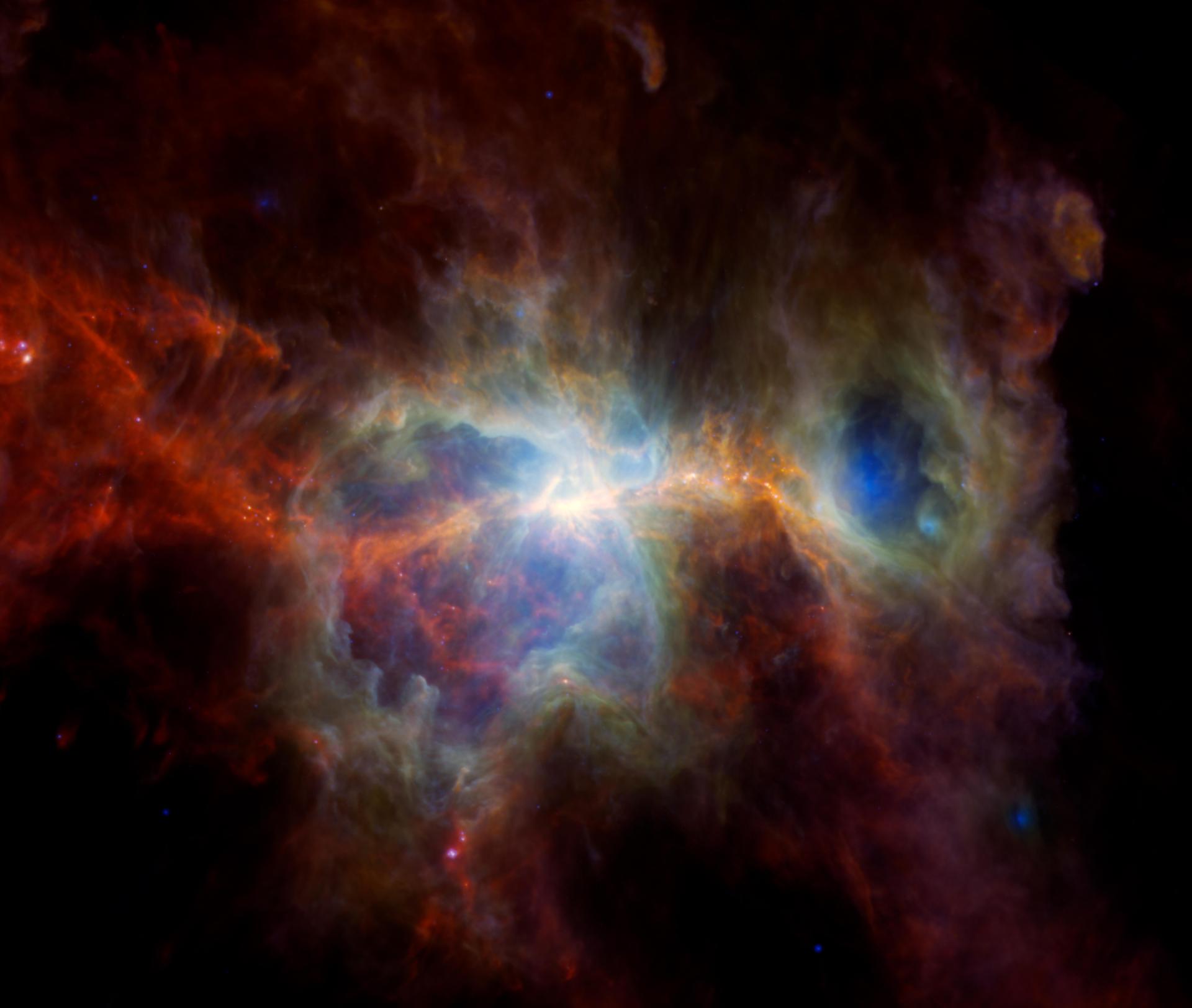
The First 3D Model of the Orion Bar Shows How Shadows Reshape Chemistry in Stellar Nurseries
A team led by Brandt Gaches built the first fully 3D, high-resolution model of an Orion Bar analogue. It shows that shadows in clumpy gas reshape the chemistry, and it reproduces the overlapping fronts and filament-like arcs that ALMA and JWST have observed.
-
Commercial
A Refundable $200,000 Bond Could Cut Orbital Debris, New Nature Communications Study Finds
Make operators post a $200,000 refundable bond before launch and give it back once the satellite deorbits: a new Nature Communications model says that cuts the derelict mass left in low Earth orbit each year by more than a third, and it still helps when only a fifth of the market takes part.
-
NASA & Agencies
Uzbekistan Signs the Artemis Accords in Samarkand, Becoming the 77th Signatory
Uzbekistan signed the Artemis Accords in Samarkand on Oct. 19 during a visit by Secretary of State Marco Rubio, becoming the 77th signatory. It arrives with a student CubeSat due by 2028 and plans to host the International Astronautical Congress that year.
-
Astronomy
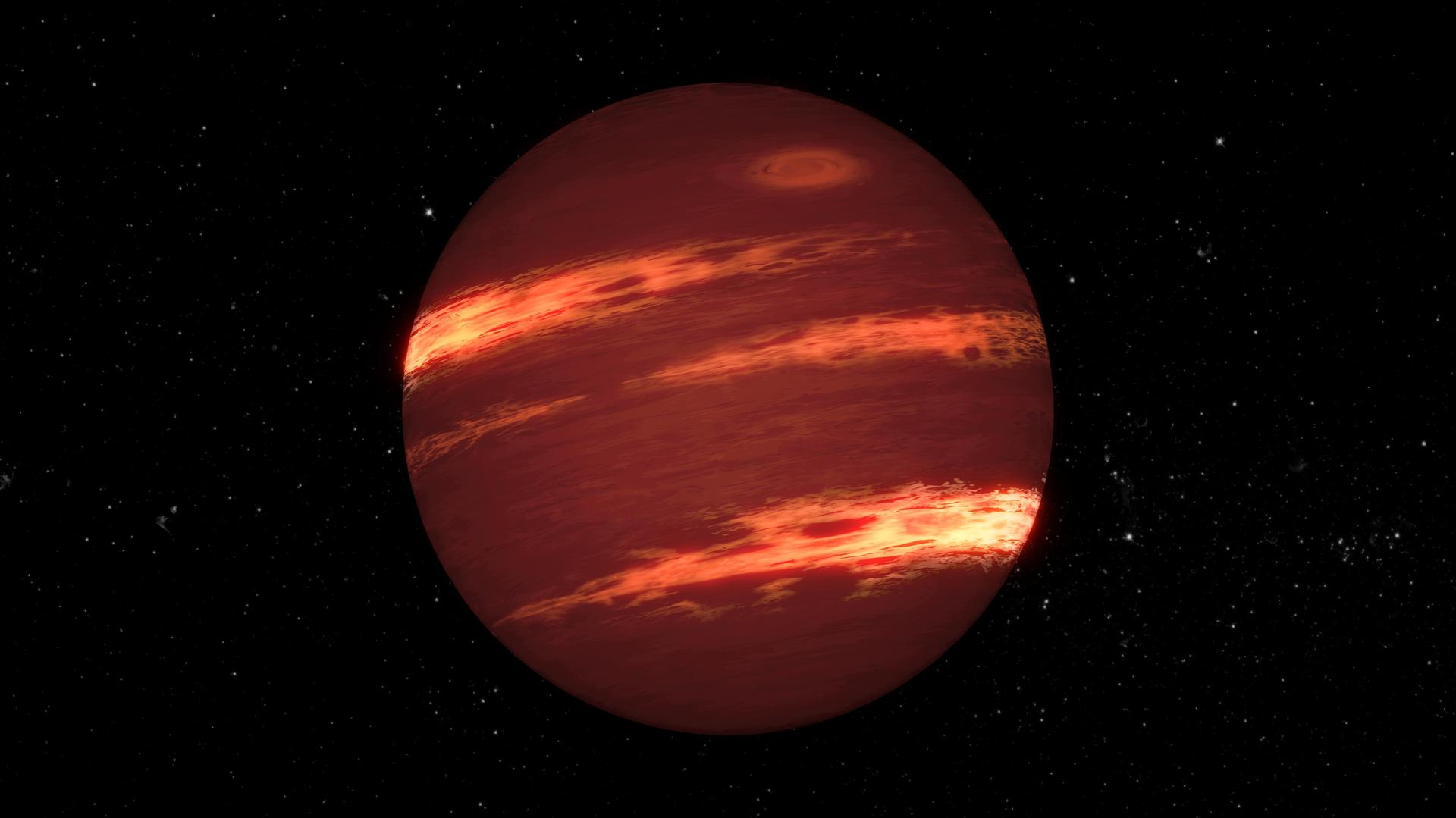
Webb Watches Water Clouds Shift on WISE 0855, the Coldest Known Brown Dwarf
An 11-hour JWST spectral time series of WISE 0855, a roughly 265 K brown dwarf 7.2 light-years away, shows patchy water clouds and carbon monoxide and phosphine levels that rise and fall together as the object rotates.
-
Astronomy
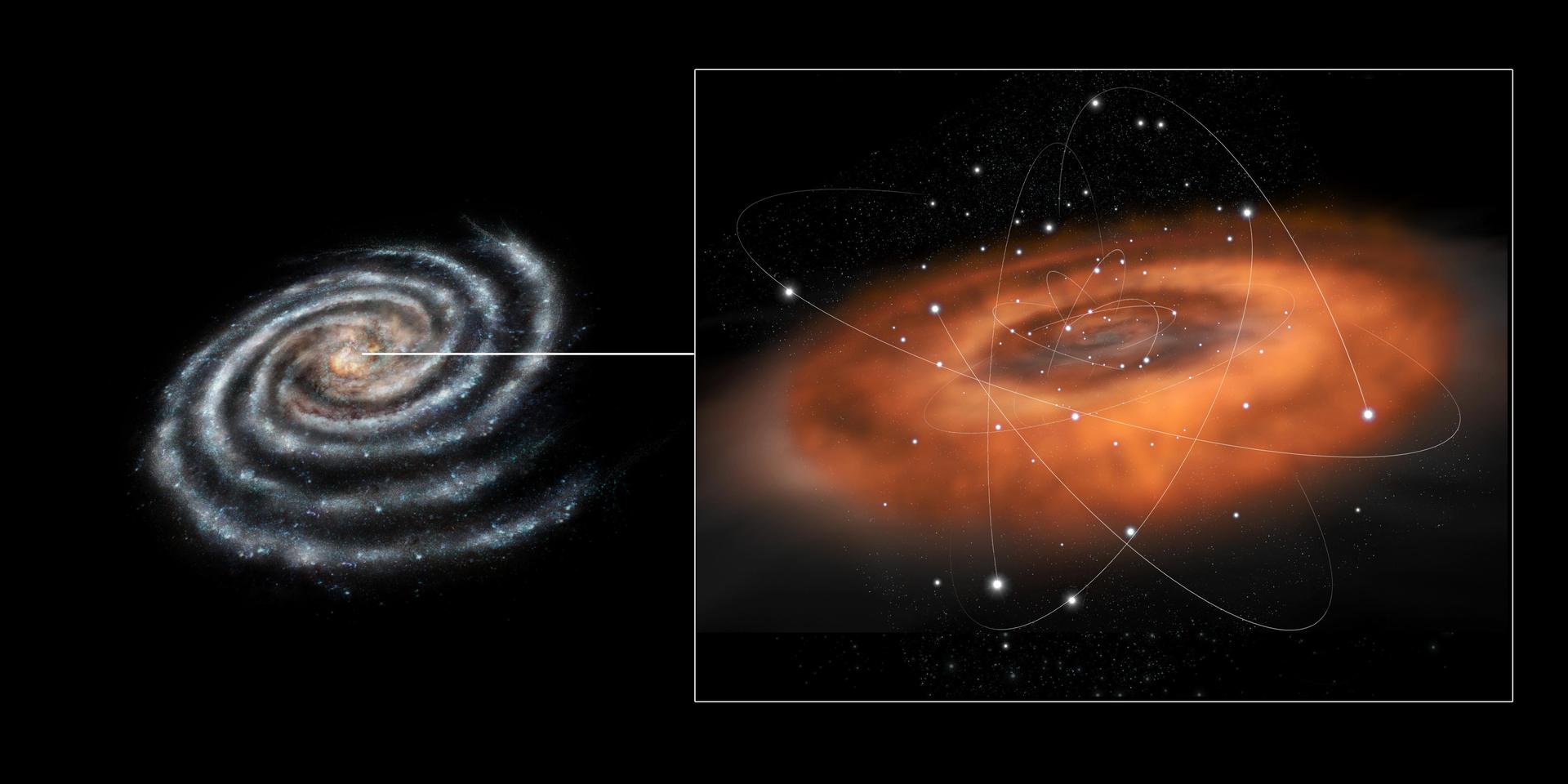
Gas Around the Milky Way's Black Hole Is Metal-Rich, and Dead Stars Likely Made It
JWST maps of the Minispiral near Sgr A* show gas carrying about 1.8 times the Sun's metal abundance, probably left by past supernovae, lit by Wolf-Rayet stars and threaded with fast, dust-shredding clumps.
-
Science & Discovery
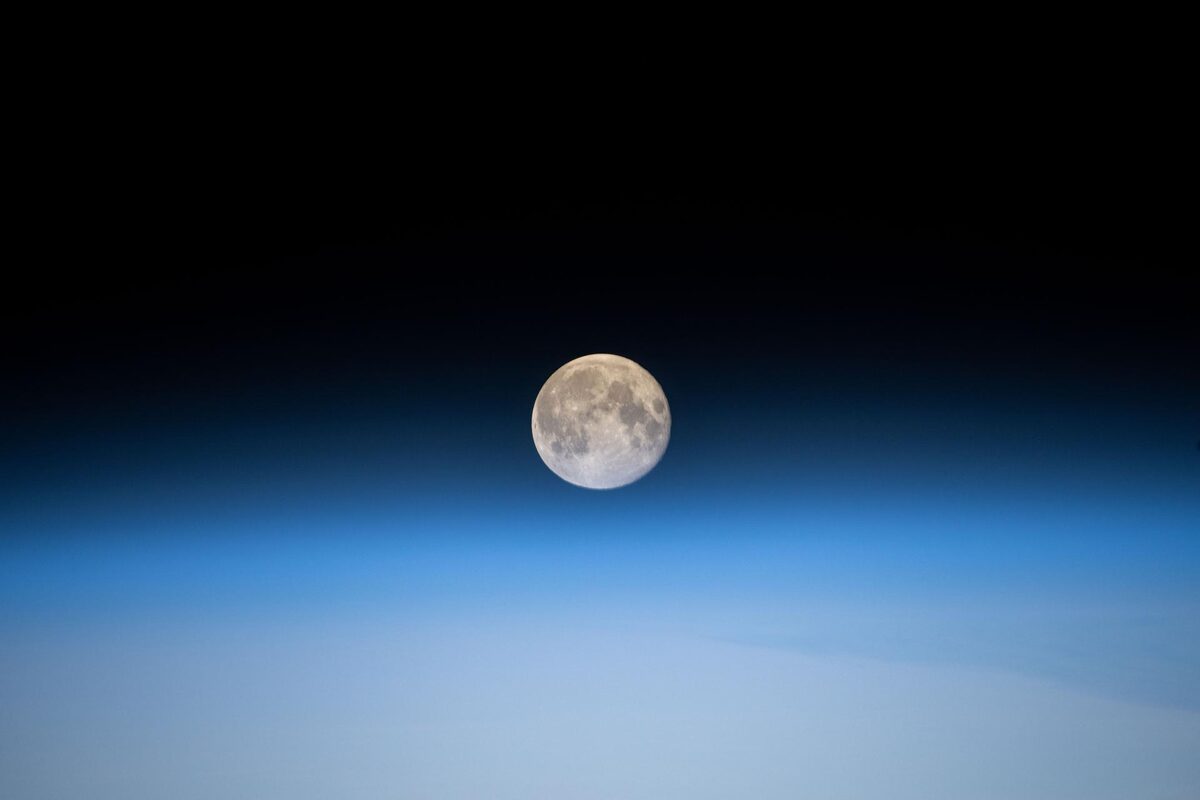
The Moon Has Shrunk About 45 Meters, and 10,000 Young Faults Still Matter for Landing Sites
A new Planetary Science Journal study maps more than 10,000 young thrust faults in LRO images and puts a number on the Moon's slow contraction: about 45 meters of radius lost over hundreds of millions of years, with consequences for moonquakes and landslides near future landing sites.

Page 1 of 68
