
All articles
-
Stargazing
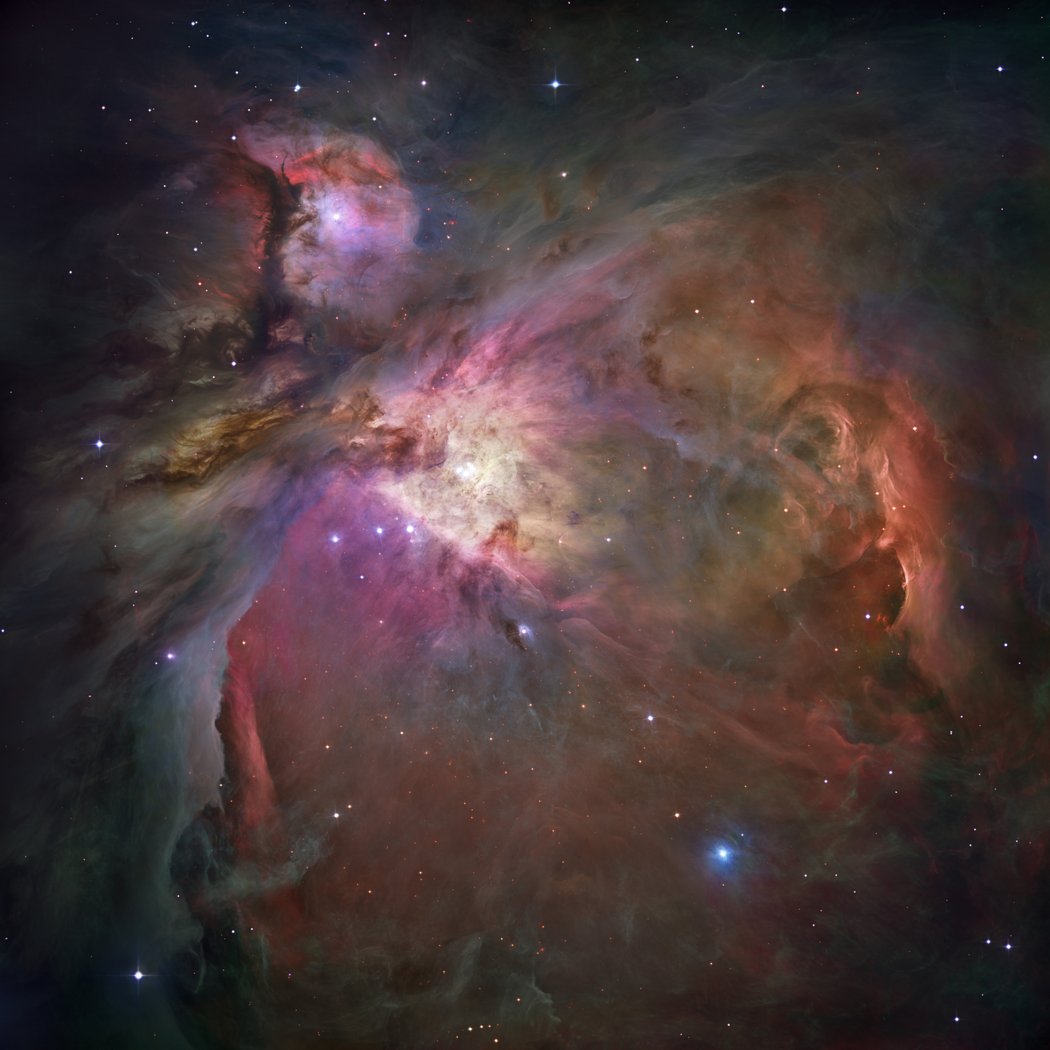
You don't need a telescope to see deep-sky wonders. A pair of binoculars opens the Messier catalog.
A standard pair of 7x50 or 10x50 binoculars under reasonably dark skies can reveal dozens of Messier objects: open clusters, globular clusters, nebulae, and galaxies. This guide explains which ones to start with, how to find them, and what you'll actually see.
-
Commercial
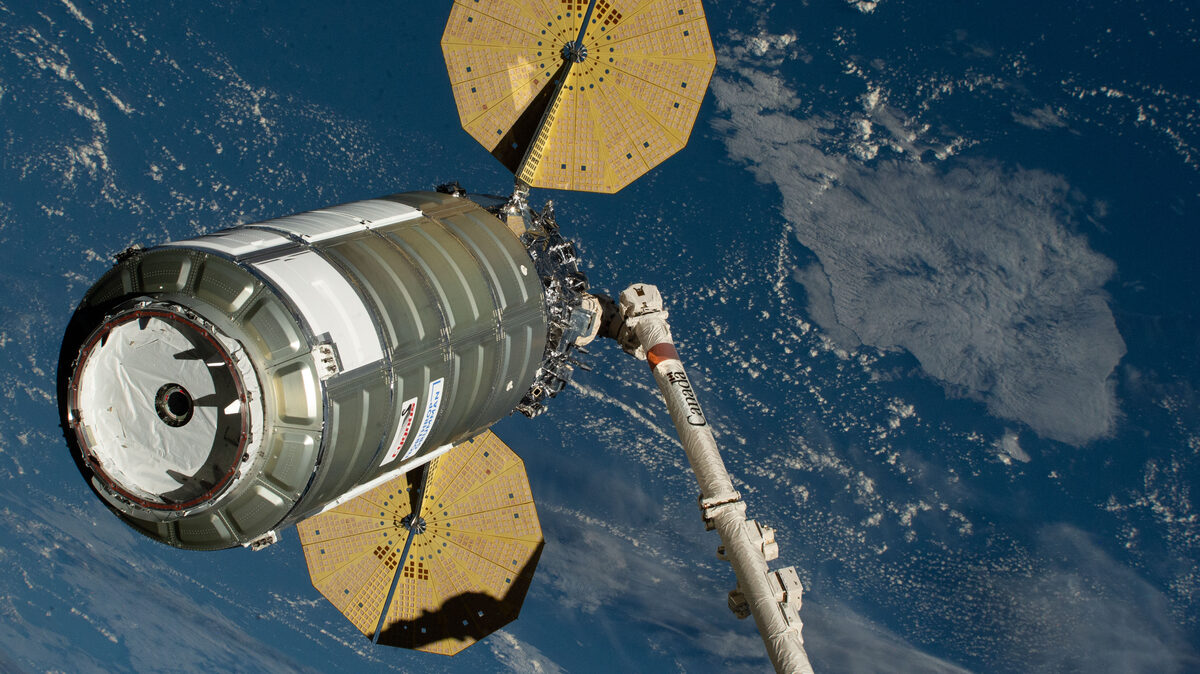
Satellites are replaced when they run out of fuel. A nascent industry wants to refuel and repair them instead.
In-space servicing — refueling, repairing, and repositioning satellites — could extend the operational life of billion-dollar space assets by decades. Northrop Grumman's Mission Extension Vehicles have already done it commercially. The next generation aims to do it at scale.
-
NASA & Agencies
ESA's next decade in space: gravitational wave detectors, exoplanet atmospheres, and Venus.
The European Space Agency's science program for the 2030s includes LISA (a space-based gravitational wave observatory), Ariel (systematic exoplanet atmosphere survey), and EnVision (a Venus orbiter). Together they address three of the biggest open questions in astrophysics.
-
Missions
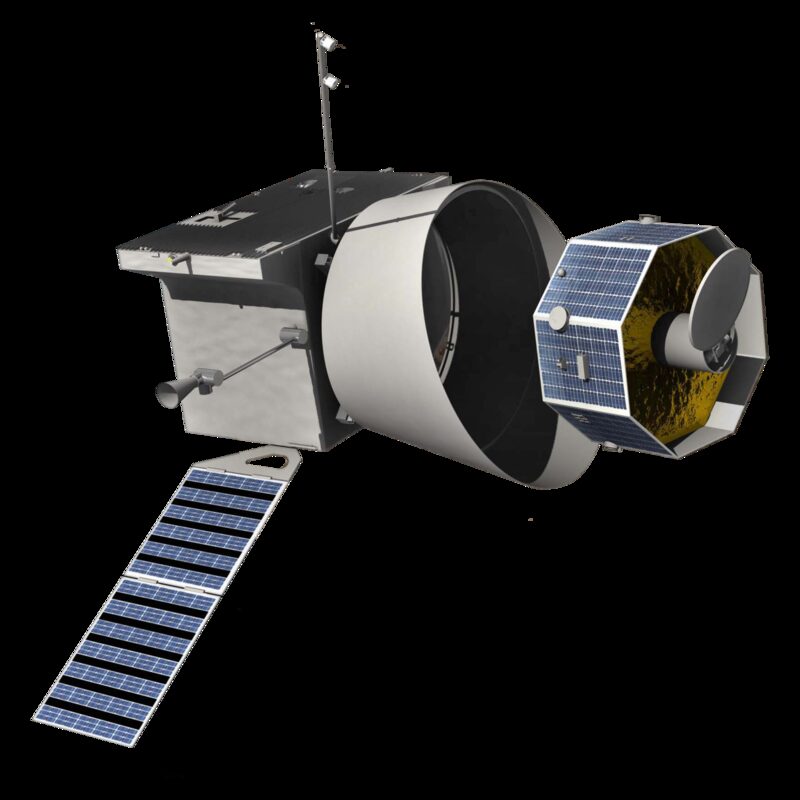
After seven years of flying past planets, BepiColombo has finally reached Mercury
ESA and JAXA's BepiColombo mission spent seven years threading gravity assists around Earth, Venus, and Mercury before finally entering Mercury orbit in late 2025. Now its two orbiters are mapping the innermost planet's magnetic field, geology, and interior with unprecedented precision.
-
Missions
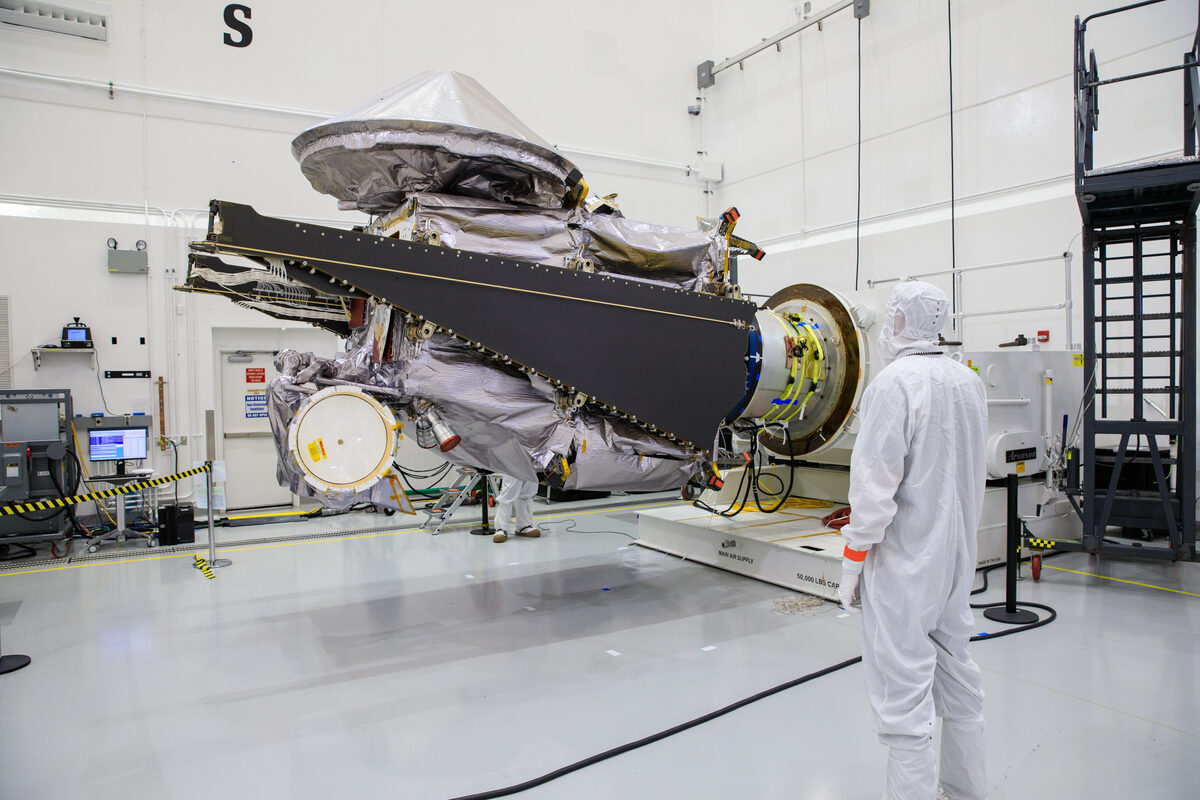
NASA's Lucy mission has already upended what we thought about small bodies — and the Trojans haven't started yet
Lucy launched in 2021 to study the Trojan asteroids — ancient leftovers from the solar system's formation that share Jupiter's orbit. Two surprise flyby targets along the way turned out to be binaries, previewing what the Trojans may hold.
-
Science & Discovery
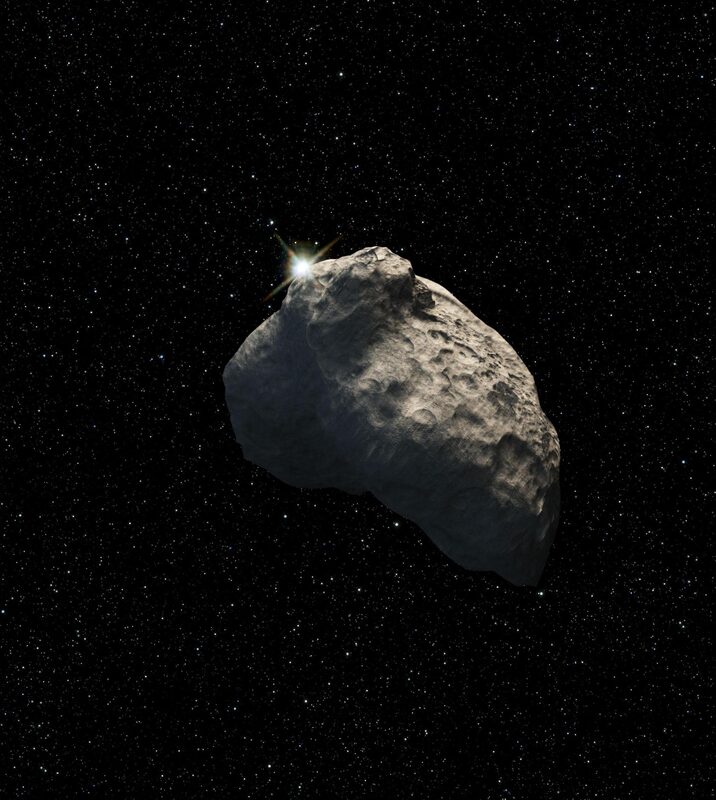
Something massive might be hiding at the edge of the solar system. Here's the evidence for and against.
A cluster of distant Kuiper Belt objects have orbits that seem to point toward an unseen planet — perhaps 5 to 10 times Earth's mass, orbiting 400 to 800 AU from the Sun. The hypothesis is compelling, the search is active, and the skeptical case is real.
-
Commercial
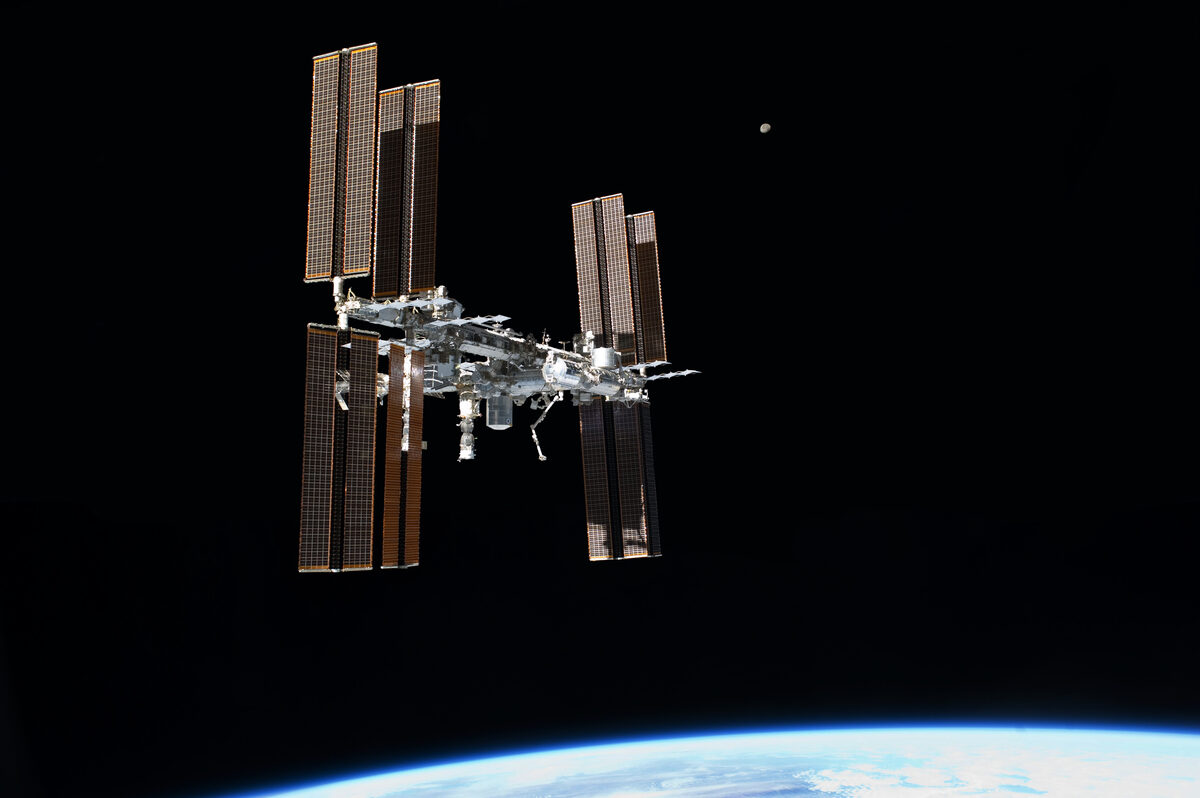
The company quietly building the ISS's replacement, one pressurized module at a time
Axiom Space has flown four private astronaut missions to the ISS, is designing the spacesuits for Artemis moon walks, and is under contract to attach its own commercial module to the station before 2030. When the ISS is decommissioned, Axiom's section will detach and operate independently.
-
Science & Discovery
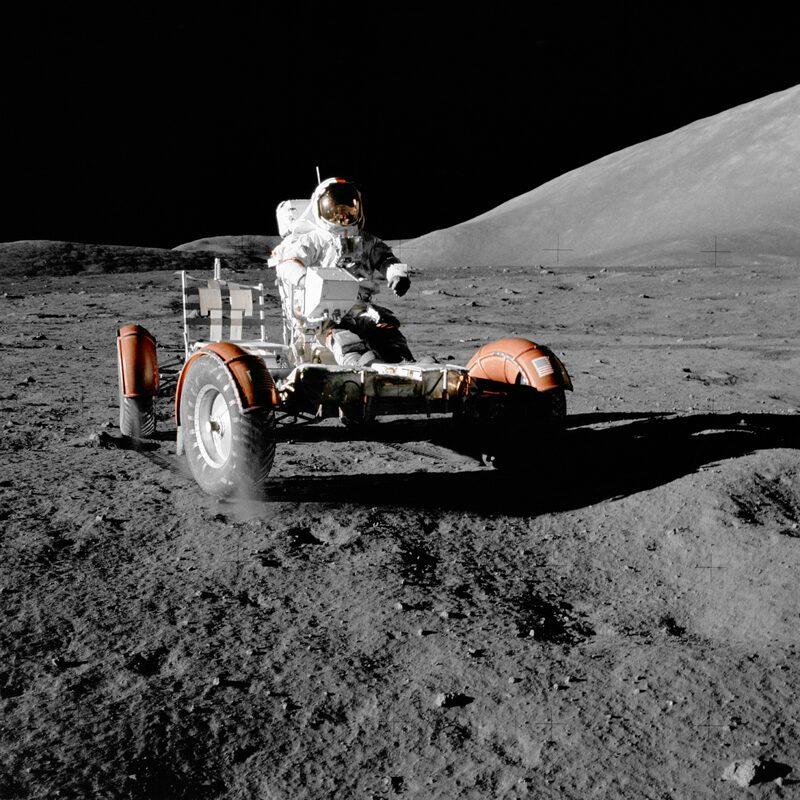
Where did the Moon come from? Apollo's rocks are still answering that question.
The giant impact hypothesis — a Mars-sized body struck the early Earth and the debris coalesced into the Moon — has dominated lunar science for 40 years. New analyses of Apollo samples and Chinese lunar returns are both confirming and complicating it.
-
NASA & Agencies
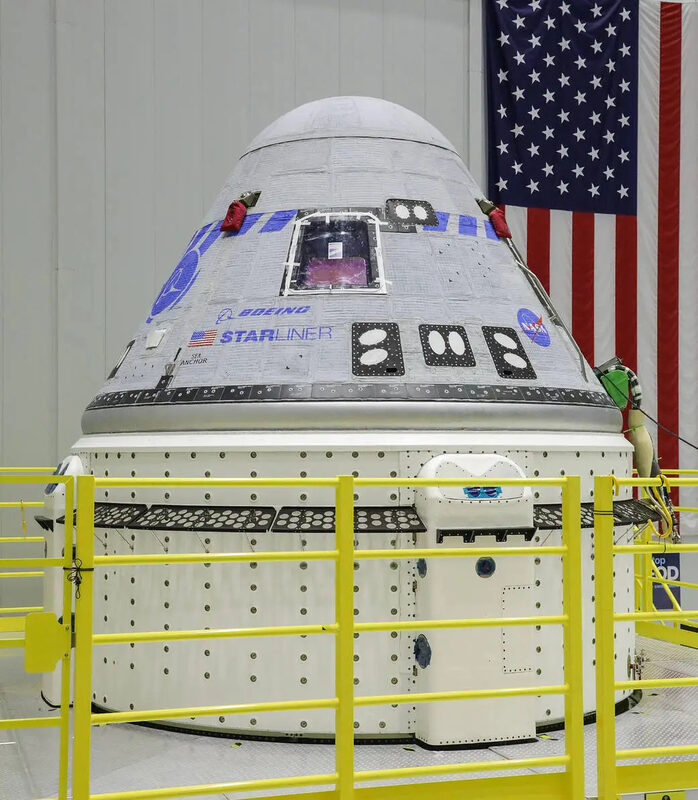
Boeing's crew capsule is still on the ground. What Starliner's failure means for human spaceflight.
Boeing's Starliner flew its first crewed mission in June 2024 — and left two astronauts stranded on the ISS for nine months after thruster failures and helium leaks forced NASA to return the capsule uncrewed. As of mid-2026, Starliner's future remains unresolved.
-
Astronomy
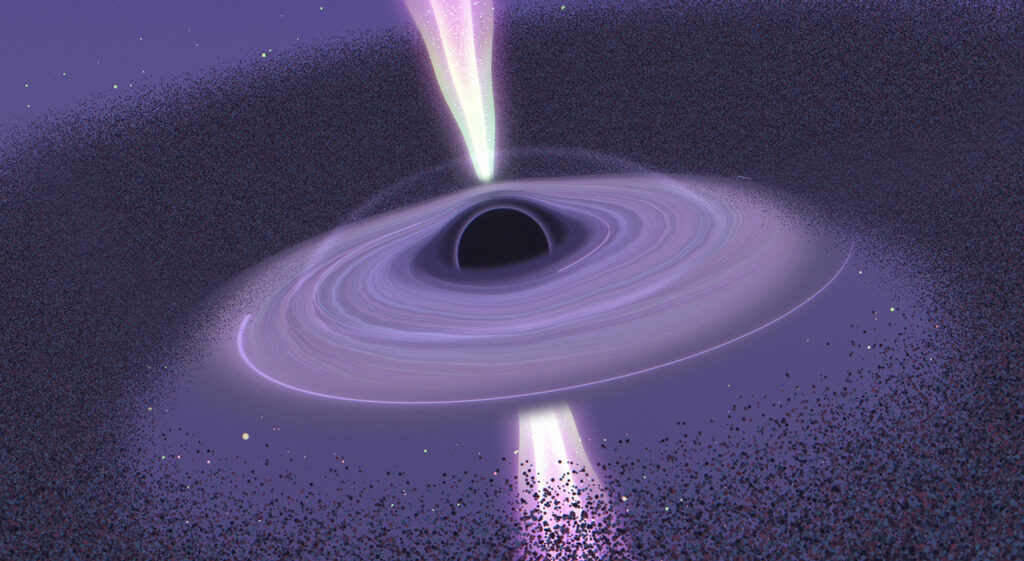
Quasars are the most luminous objects in the universe — and they tell us how galaxies are built
When Maarten Schmidt measured the redshift of 3C 273 in 1963, he realized he was looking at something 2 billion light-years away outshining entire galaxies. Sixty years later, quasars are understood as the most extreme phase of supermassive black hole growth — and keys to understanding how every large galaxy, including ours, formed.
-
Science & Discovery
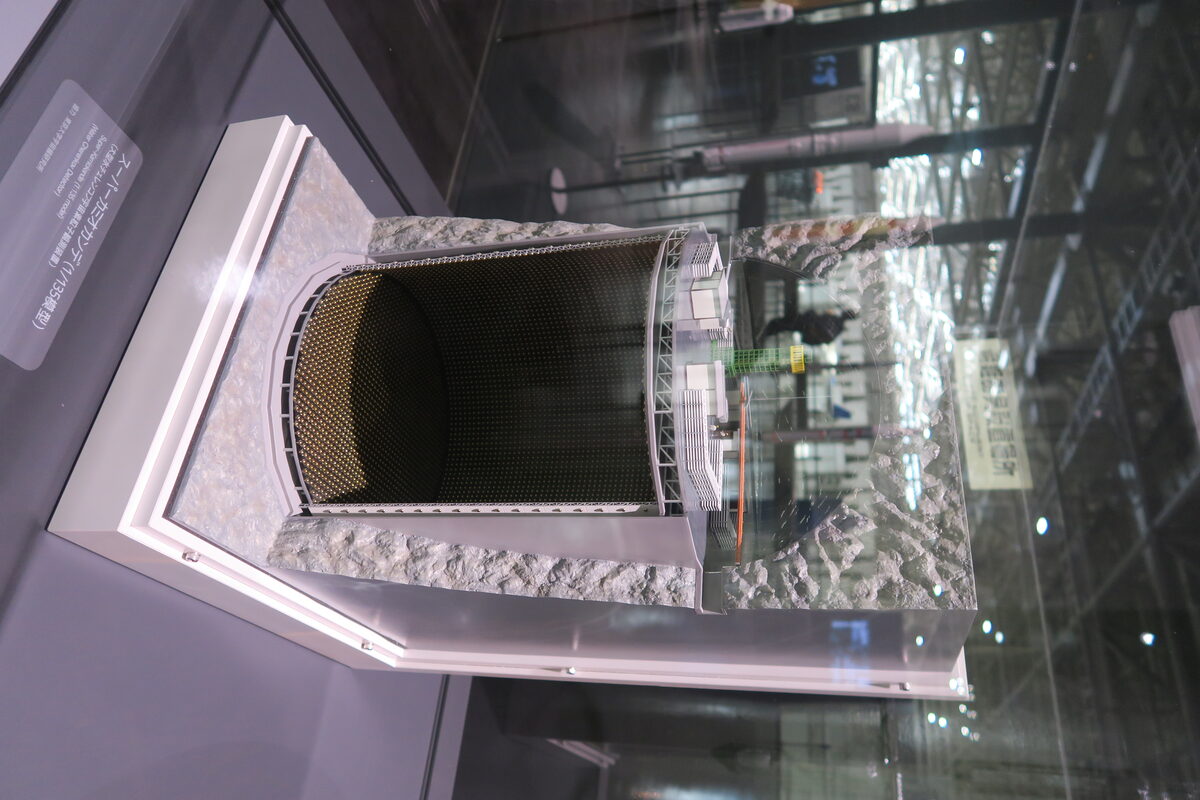
For 30 years, the Sun appeared to be broken. Then we realized the problem was the neutrino.
Ray Davis built a detector in a gold mine and counted solar neutrinos for decades — finding only a third of what theory predicted. The discrepancy that resulted forced physicists to rewrite the Standard Model and earned two Nobel Prizes.
-
Stargazing
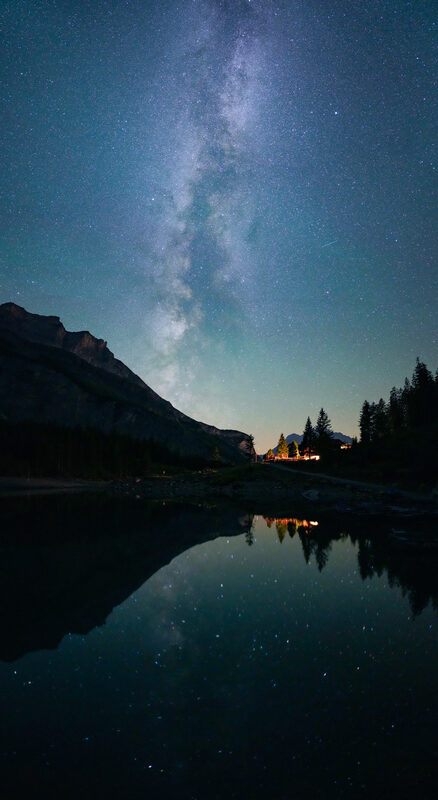
The summer Milky Way is the most spectacular thing you can see with your eyes — here's how to find it
From late June through September, the galactic center passes overhead for northern hemisphere observers, and the Milky Way glows brightest toward Scorpius and Sagittarius. This is what you're looking at, how to find it, and what to look for within it.
Page 60 of 68
