
All articles
-
Commercial
The new Moon rush: a fleet of private landers is heading for the lunar surface
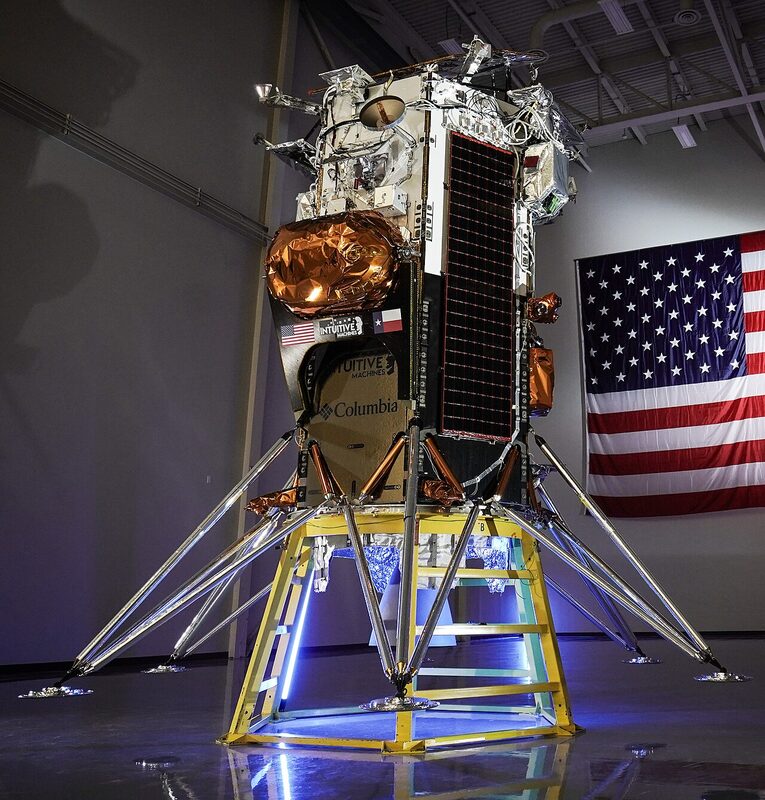
NASA stopped building its own small Moon landers and started buying rides instead. The result is a wave of commercial spacecraft from Intuitive Machines, Firefly, and others aiming for the lunar surface in 2026 — a bumpy, fast-moving experiment in outsourcing exploration.
-
Science & Discovery
The little moon that sprays its ocean into space — and why it tops the list for life
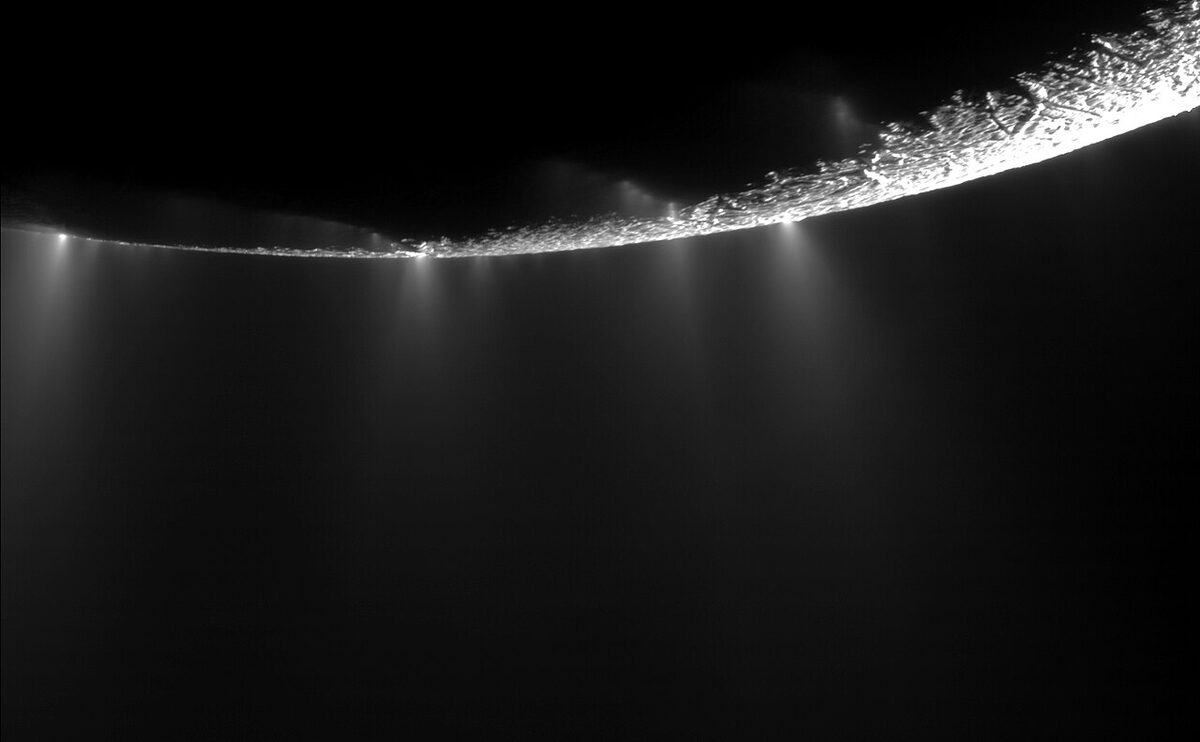
Enceladus is a frozen moon of Saturn barely 500 kilometres across, but it does something no other world is known to do: it jets plumes of its hidden ocean directly into space, where a spacecraft can taste them. What's in those plumes has made it a prime target in the search for life.
-
Astronomy
Europe's 'dark universe detective' is building a 3D map of the invisible cosmos
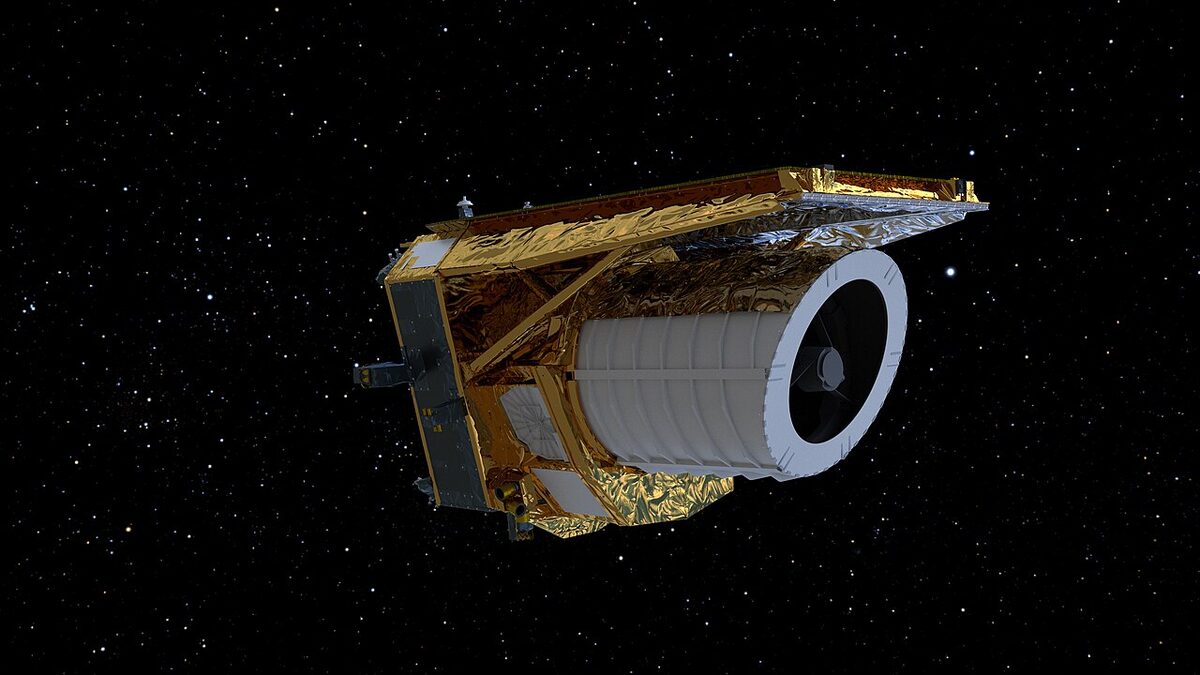
Most of the universe is made of things we cannot see — dark matter and dark energy. ESA's Euclid telescope is surveying billions of galaxies across ten billion years of history to map that invisible scaffolding, with its first major cosmology data release due this October.
-
Missions
A NASA spacecraft is gliding toward a world made largely of metal
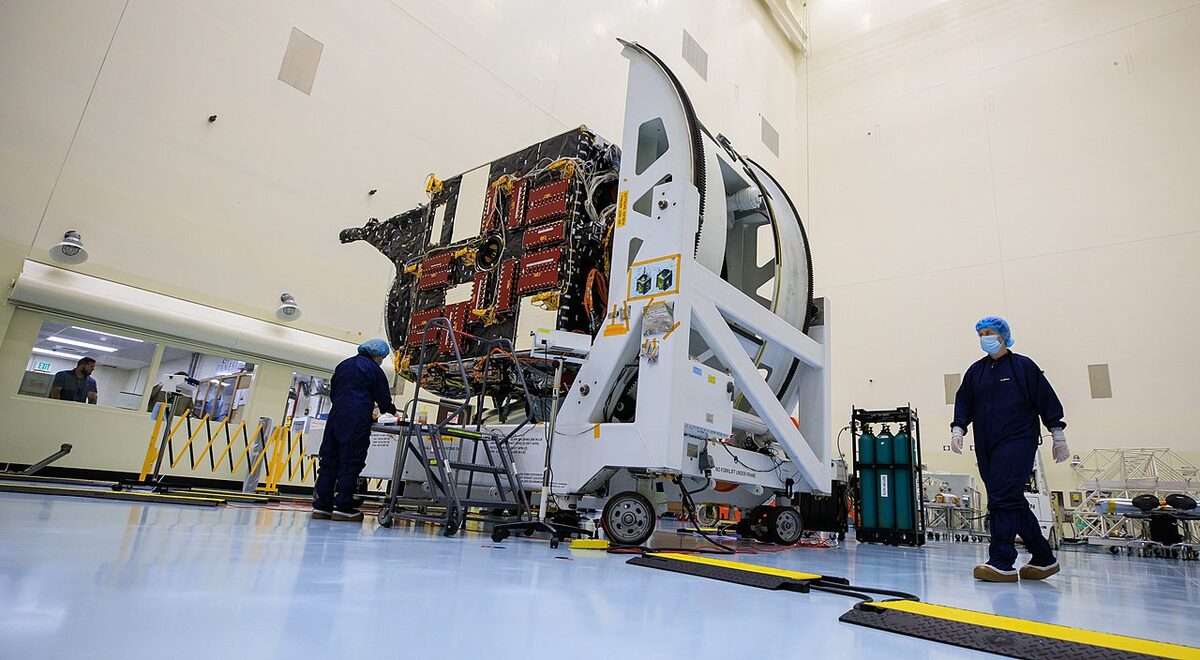
Psyche is cruising on a faint blue glow of ion thrust toward an asteroid unlike any we've visited — a body that may be the exposed metal heart of a shattered protoplanet, and a chance to see the kind of core that hides inside Earth.
-
Stargazing
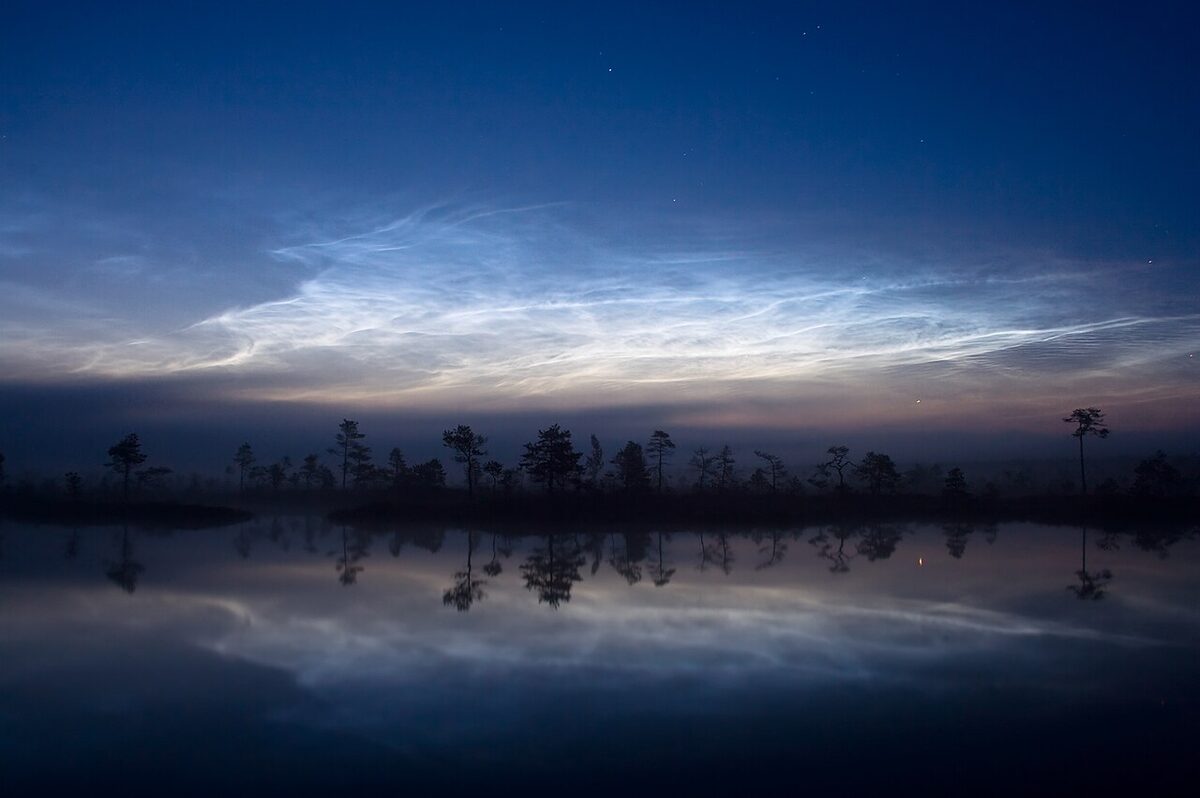
The highest clouds on Earth glow electric blue at midnight — and their season is starting
On summer nights, long after sunset, a rare kind of cloud can shine an eerie electric blue near the horizon. Noctilucent clouds form at the very edge of space, and June and July are prime time to catch them from northern latitudes.
-
NASA & Agencies
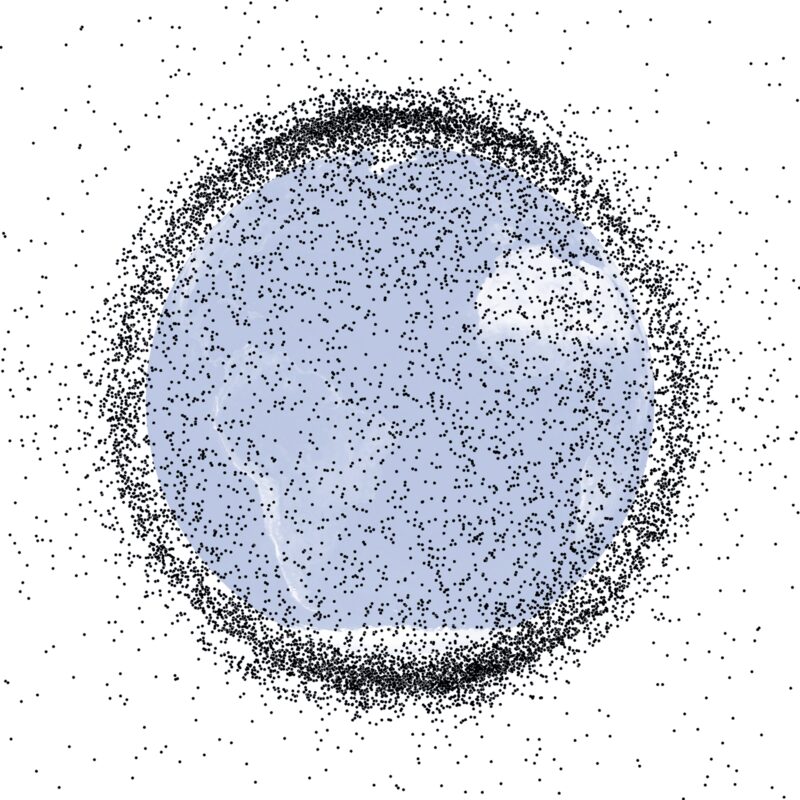
The orbital junkyard is getting dangerous — and the first cleanup missions are flying
Low Earth orbit is filling with dead satellites and shattered debris moving at bullet speeds. After years of warnings, the first missions designed to grab and de-orbit junk are now reaching space, led by Europe's ClearSpace and Japan's Astroscale.
-
Astronomy
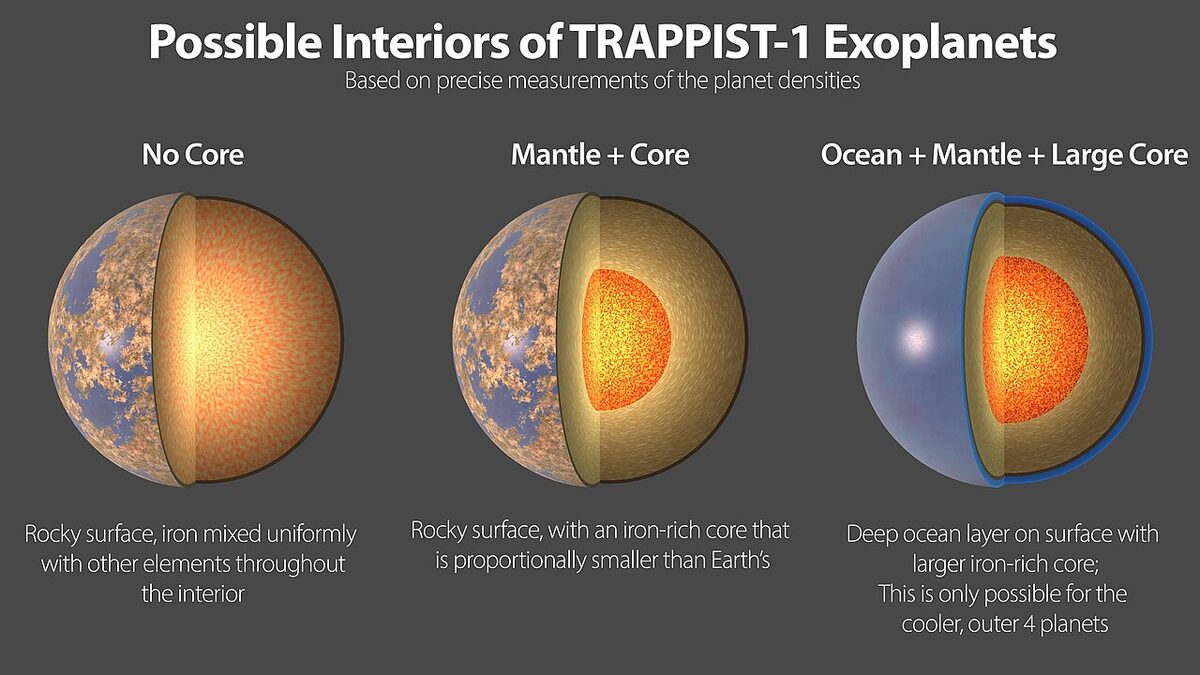
The hunt for air on a nearby Earth-size world is the hardest test JWST has taken on
TRAPPIST-1e is an Earth-size planet in its star's habitable zone, just 40 light-years away. Whether it has an atmosphere is one of the most consequential questions in astronomy — and JWST's first attempts to answer it show just how hard it is.
-
Commercial
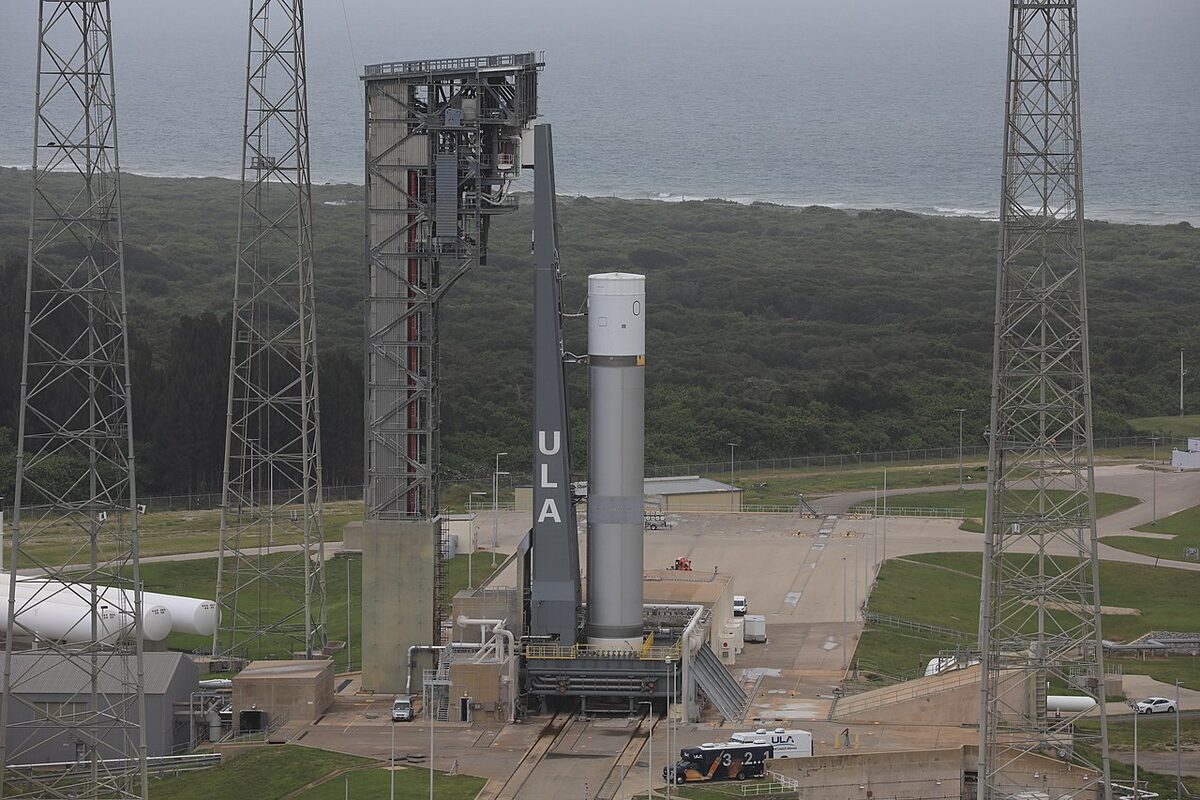
America's new national-security rocket is grounded by a recurring booster glitch
ULA's Vulcan Centaur was certified to launch the Pentagon's most sensitive satellites — and then a solid rocket booster misbehaved on two flights in a row. The Space Force has now paused Vulcan missions until the problem is understood.
-
Science & Discovery
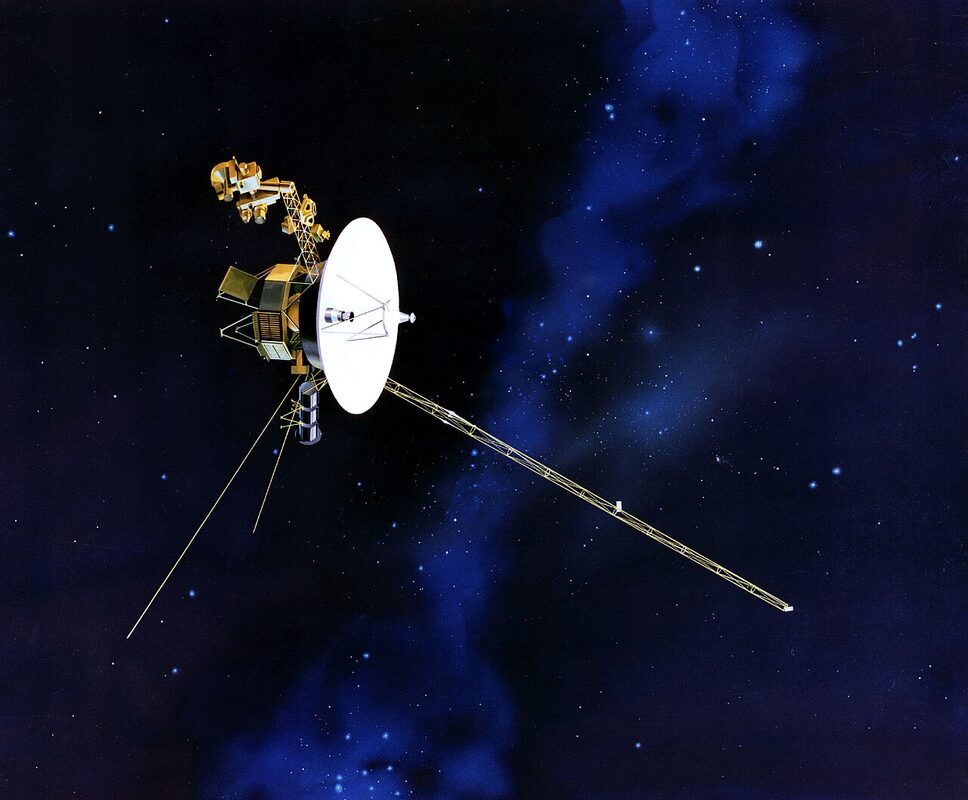
Two 1970s spacecraft are still calling home from interstellar space — but the lights are going out
Nearly half a century after launch, both Voyager probes are flying through interstellar space, the only human-made objects to leave the Sun's bubble. Their power is fading, and engineers are switching off instruments one by one to keep the faint signal alive a few years longer.
-
Missions
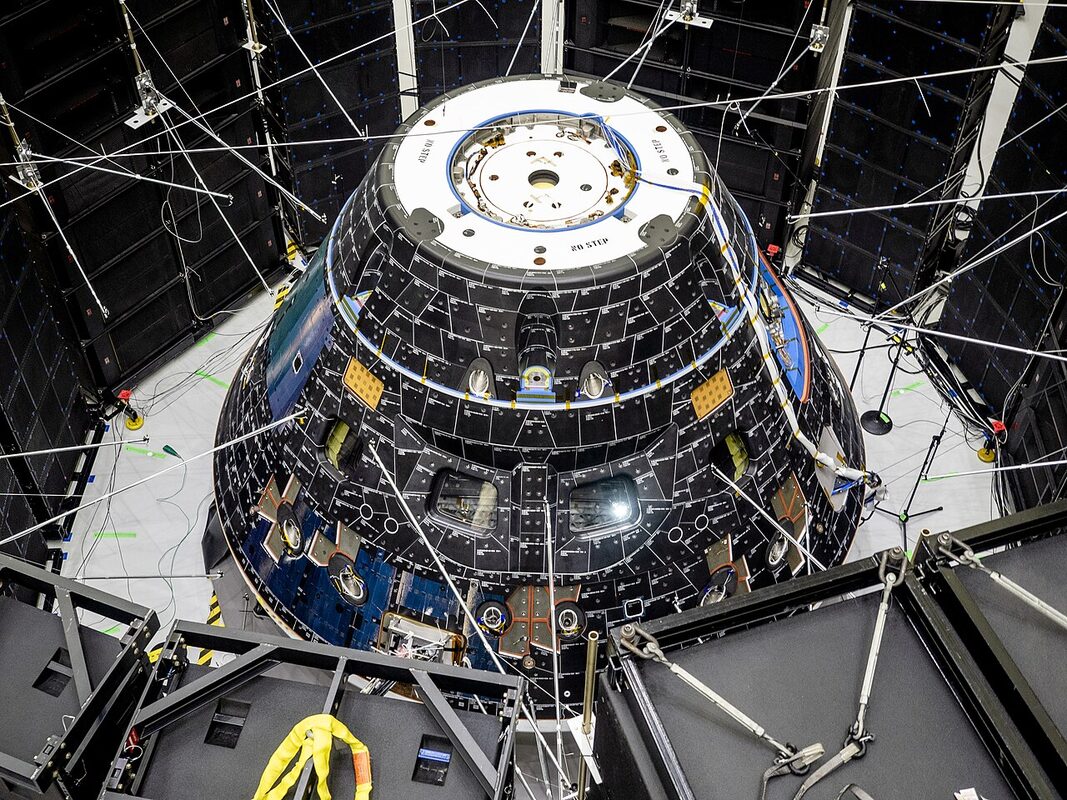
Meet the Artemis III crew: a record-holder, a European pilot, and a mission that isn't a landing
NASA has named the four astronauts assigned to Artemis III — Randy Bresnik, Luca Parmitano, Andre Douglas, and Frank Rubio. The roster is heavy on experience and, for the first time on an Artemis crew, includes a European Space Agency astronaut.
-
Missions
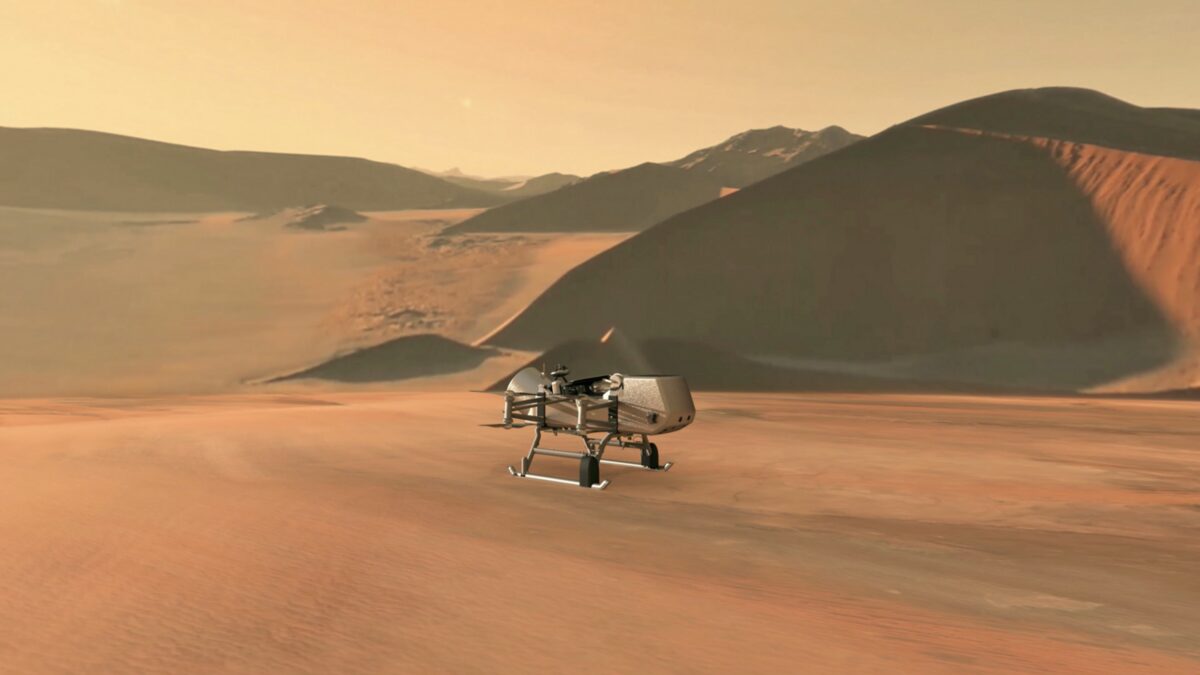
NASA is building a nuclear-powered drone to fly across the dunes of Titan
Dragonfly is unlike any spacecraft ever flown: a car-sized rotorcraft that will hop from site to site across Saturn's giant moon, a world with rivers and lakes of liquid methane and a chemistry that may echo the conditions before life began on Earth.
-
Missions
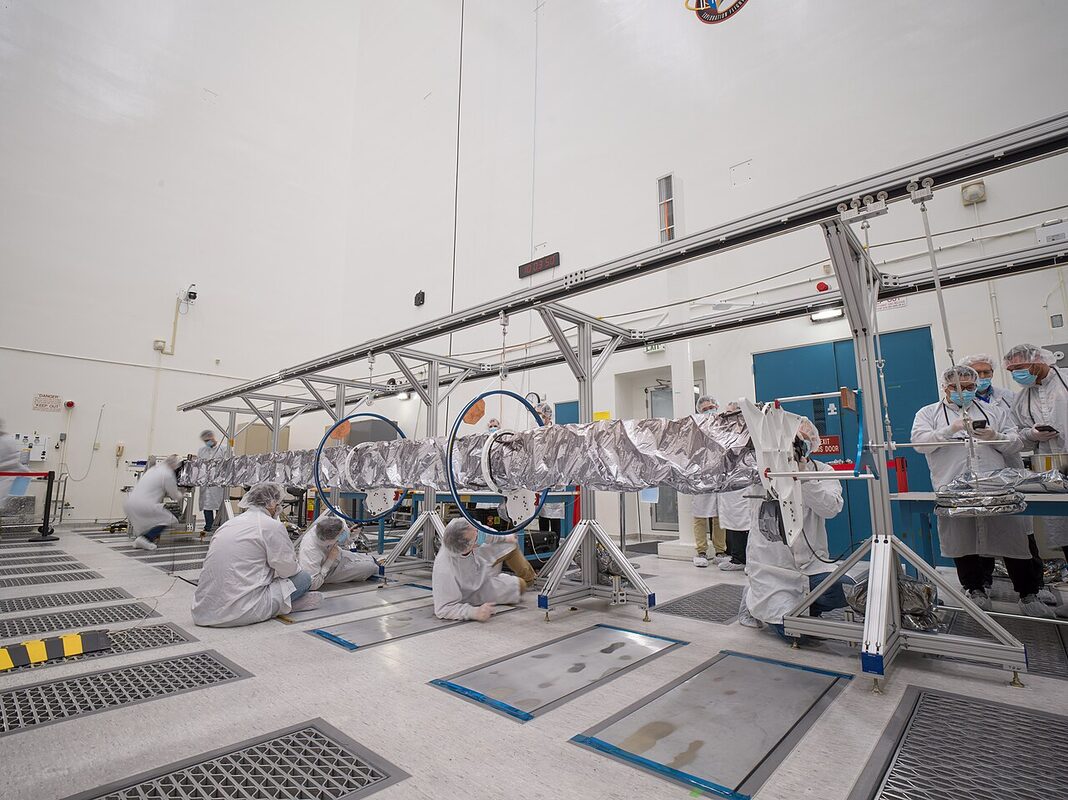
NASA's biggest planetary spacecraft is halfway to an ocean it has never seen
Europa Clipper is cruising toward Jupiter's ice-covered moon, where a saltwater ocean larger than all of Earth's may lie beneath the crust. This December it swings past Earth for a gravitational boost — one more step on a six-year road to one of the solar system's best bets for life.
Page 63 of 68
