
All articles
-
Commercial
Rocket Lab Challenges NASA's $700 Million Mars Orbiter Pick, Betting on a GAO Do-Over
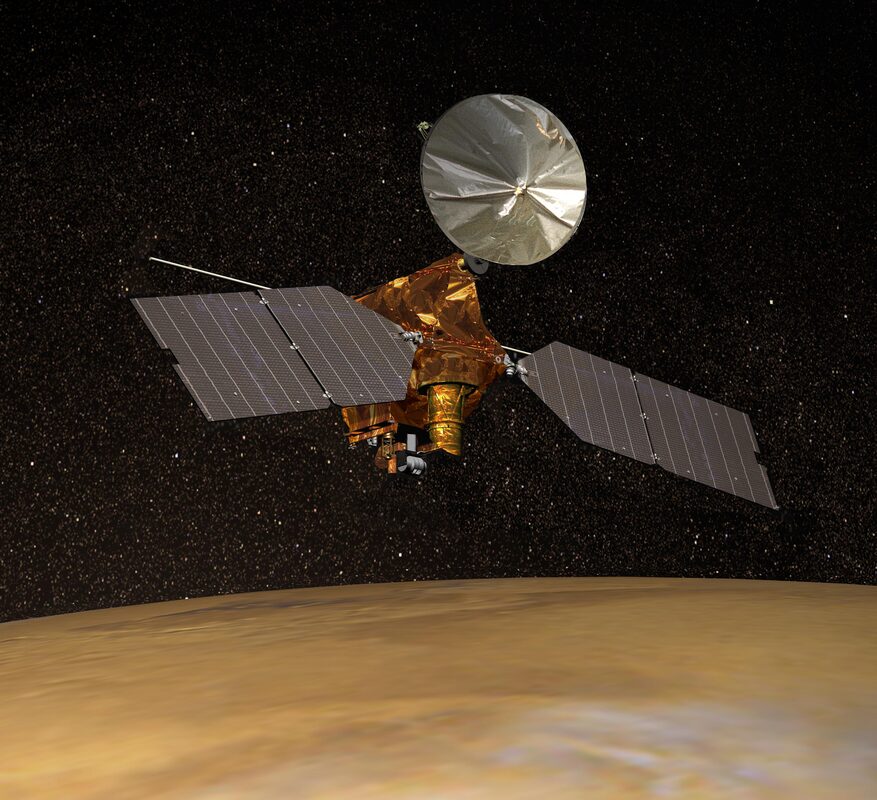
Rocket Lab filed a GAO protest on September 11 against NASA's ~$700 million award of the Mars Telecommunications Network orbiter to Blue Origin, arguing the evaluation broke with Congress's own eligibility rules.
-
Stargazing
Twin Coronal Holes Take Aim at Earth, Raising Odds of Equinox Auroras
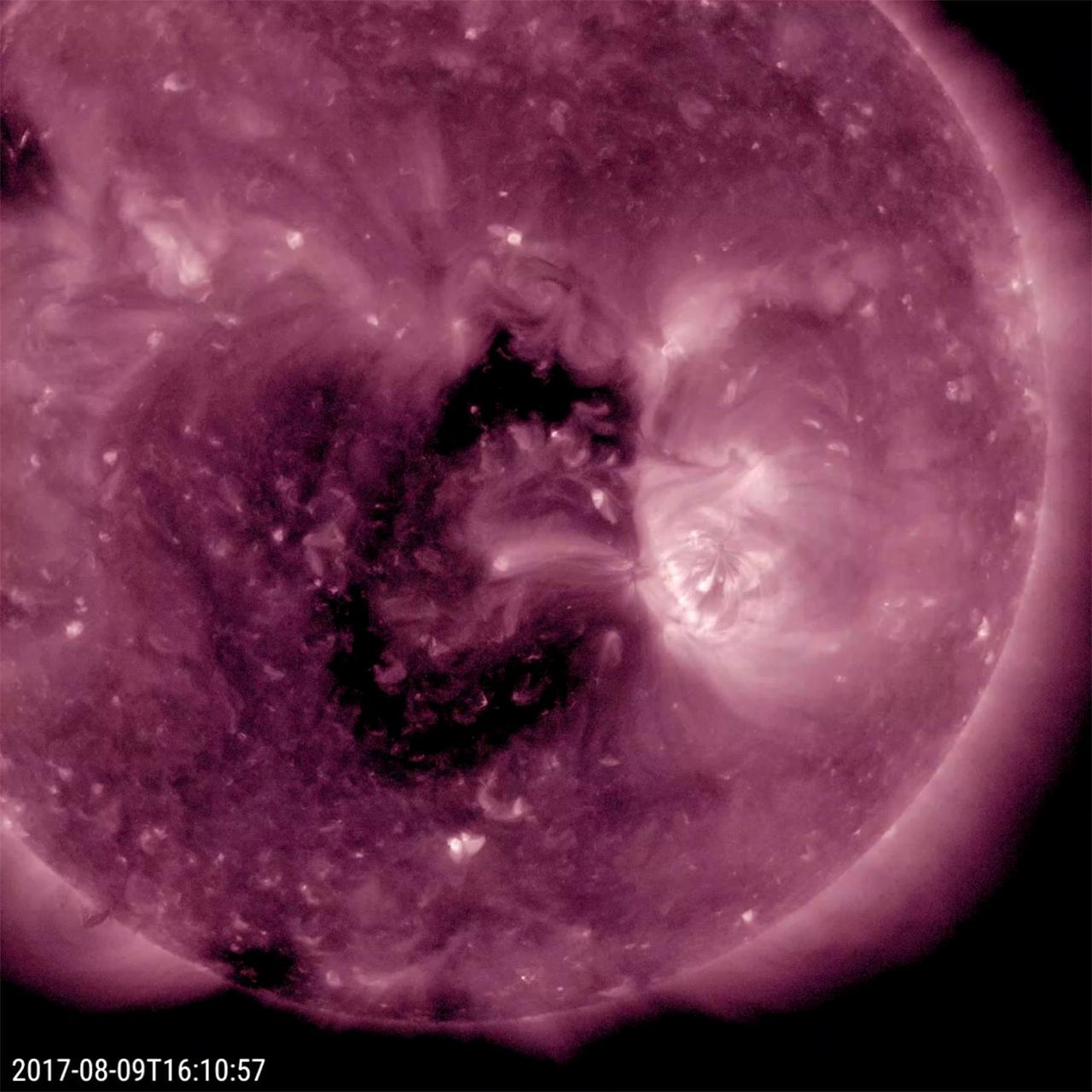
Two coronal holes, one in each solar hemisphere, are rotating into Earth-facing position, and forecasters say the resulting solar wind streams could spark G1-level auroras around the equinox.
-
Stargazing
Dark Skies and a Faint Shower: What to Watch in September's Night Sky
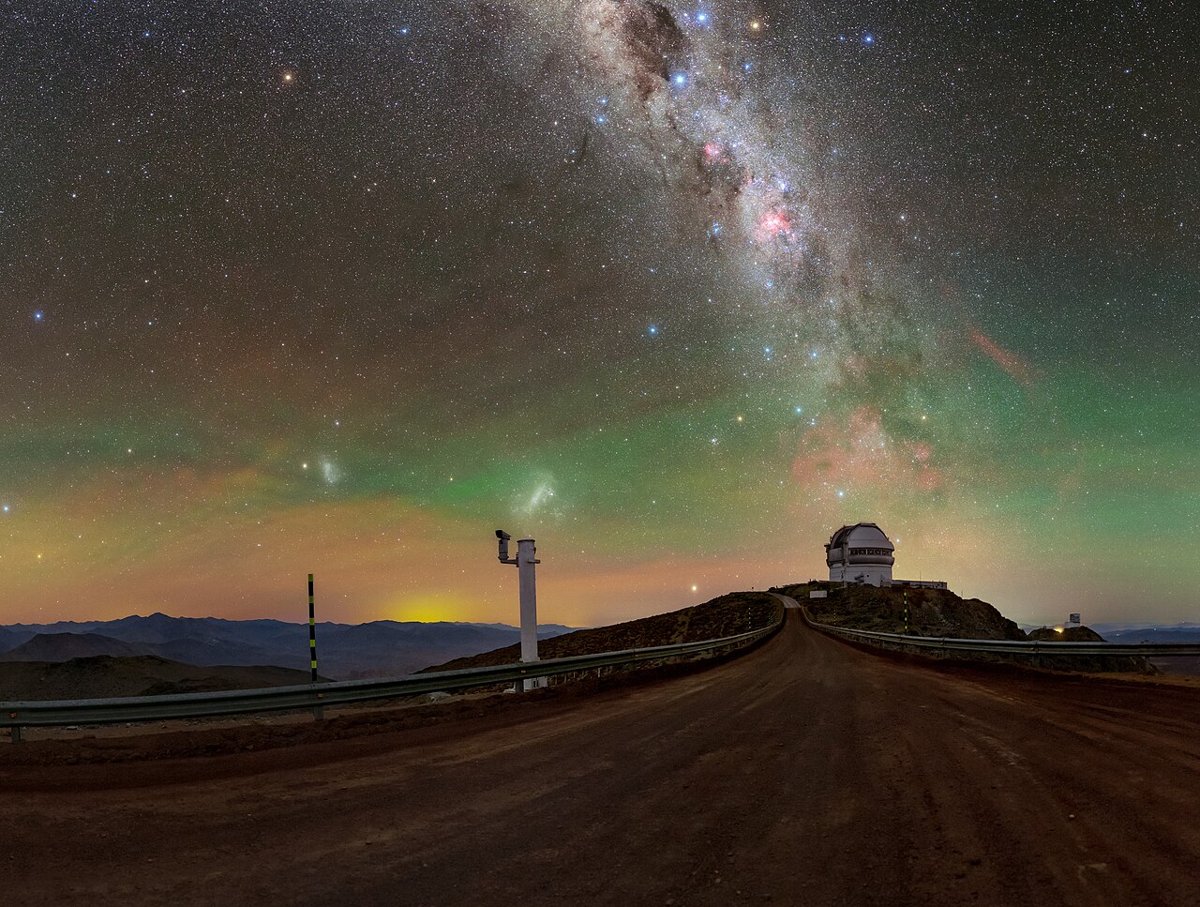
A new-moon dark sky, the faint September Lyncids meteor shower, and NASA's guide to Venus, the Teapot asterism, and a Harvest Moon beside Saturn and Neptune highlight the second half of September 2026's stargazing calendar.
-
Missions
Artemis III's Moon Rocket Gets Four Shuttle-Flown Engines Bolted to Its Base
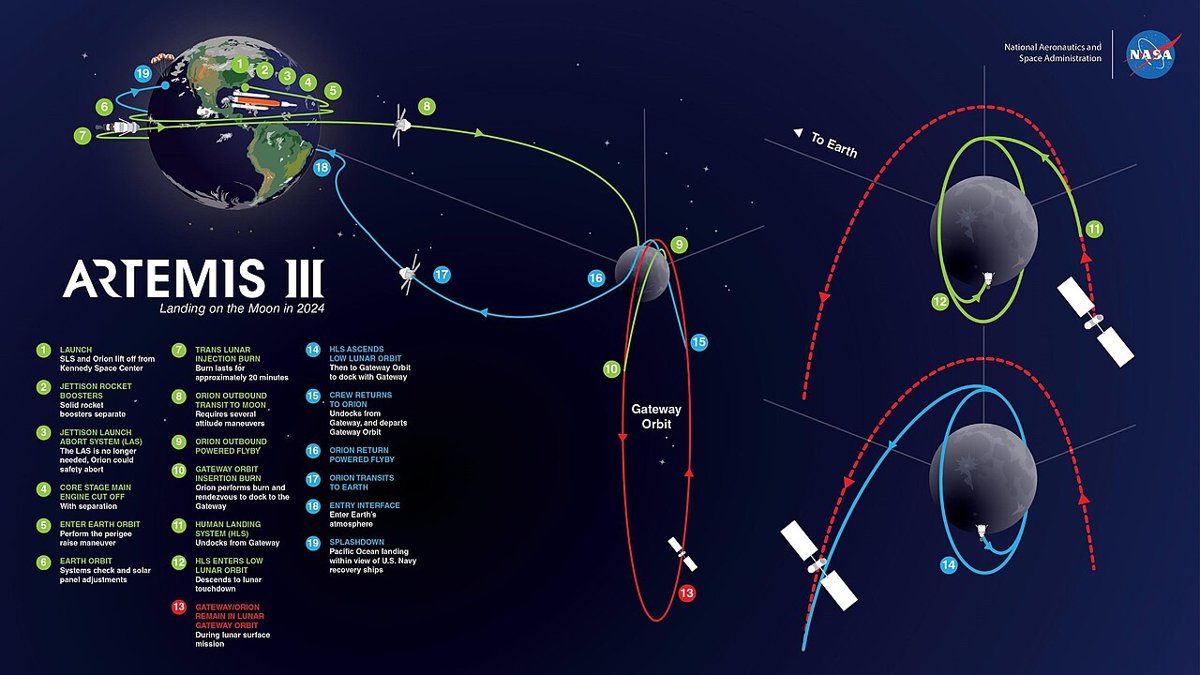
Technicians at Kennedy Space Center have finished installing all four RS-25 engines on the SLS core stage for Artemis III — hardware that flew shuttle missions carrying John Glenn and other astronauts decades ago.
-
Astronomy
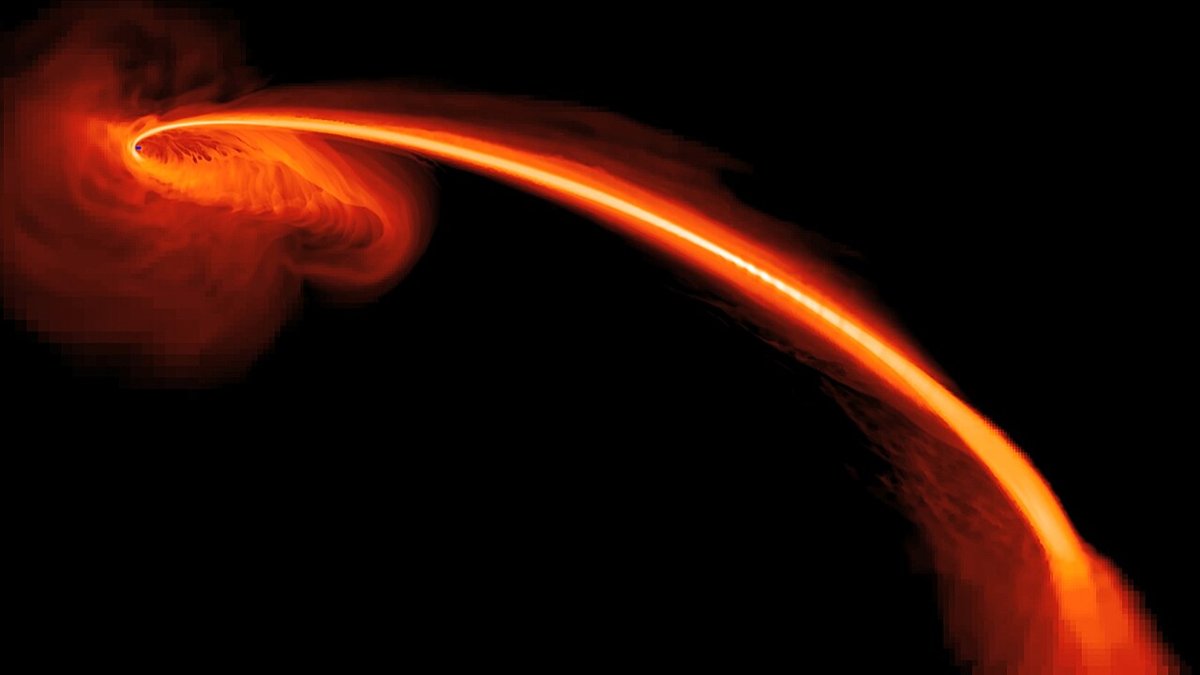
Astronomers Find a 'Black Hole Star' Shining 100 Billion Times Brighter Than Any Star Should
A JWST survey has turned up an object from the universe's first few hundred million years that looks like a solar-system-sized star but is powered by a black hole 100,000 times the Sun's mass — a possible answer to the mystery of the 'little red dots.'
-
Missions
ESA's Juice Swings Back Past Earth for a Second Gravity Boost Toward Jupiter
Juice, ESA's Jupiter Icy Moons Explorer, makes its second Earth flyby this month — one more gravity assist in a chain that will finally deliver the spacecraft to Jupiter in 2031, eight years after launch.
-
Missions
Parker Solar Probe Turns Its Camera on the Sun's Uncharted North Pole
NASA's Parker Solar Probe completed its 29th close pass of the Sun on Sept. 4, again matching its speed and distance records while training its imager on the solar north pole — and it will keep flying through at least 2029.
-
Missions
Jupiter, Saturn, and a Low-Thrust Engine: A New Path to Meet Halley's Comet Before Its 2061 Return
A new trajectory study argues a low-thrust spacecraft using double planetary flybys could rendezvous with — not just fly past — Halley's Comet before its 2061 return, but only if work starts now.
-
Astronomy
Faculae Flip Dark: New Study Shows M-Dwarf 'Bright Spots' Could Be Throwing Off Exoplanet Size Measurements
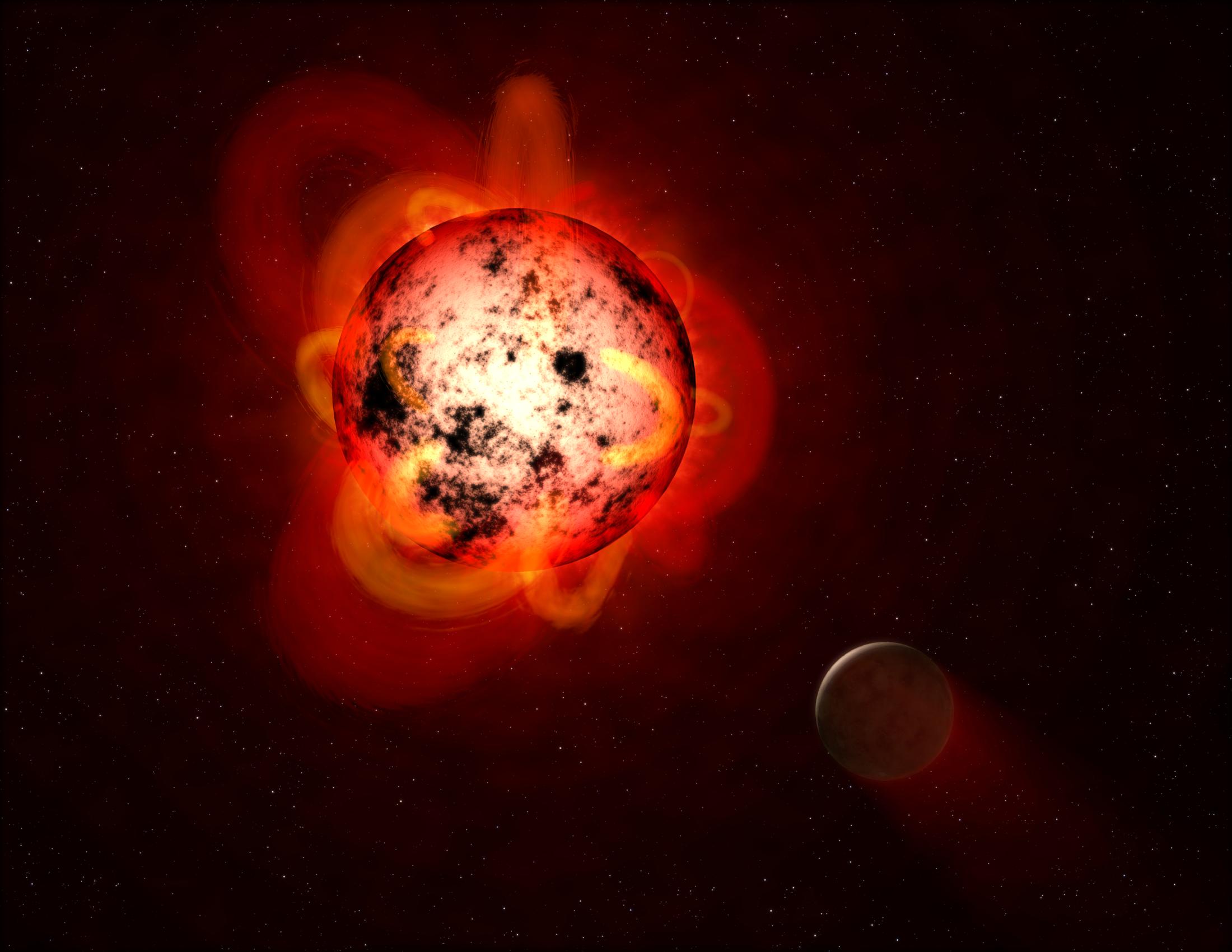
A 3D simulation study finds that the "bright spots" long assumed to dot every star's surface actually turn dark on M dwarfs, a wavelength-dependent quirk that could be quietly skewing exoplanet radius and atmosphere measurements from JWST.
-
NASA & Agencies
Two Satellites, One Ocean: Sentinel-6 Duo Times a Late-Blooming El Niño for Hurricane Forecasters
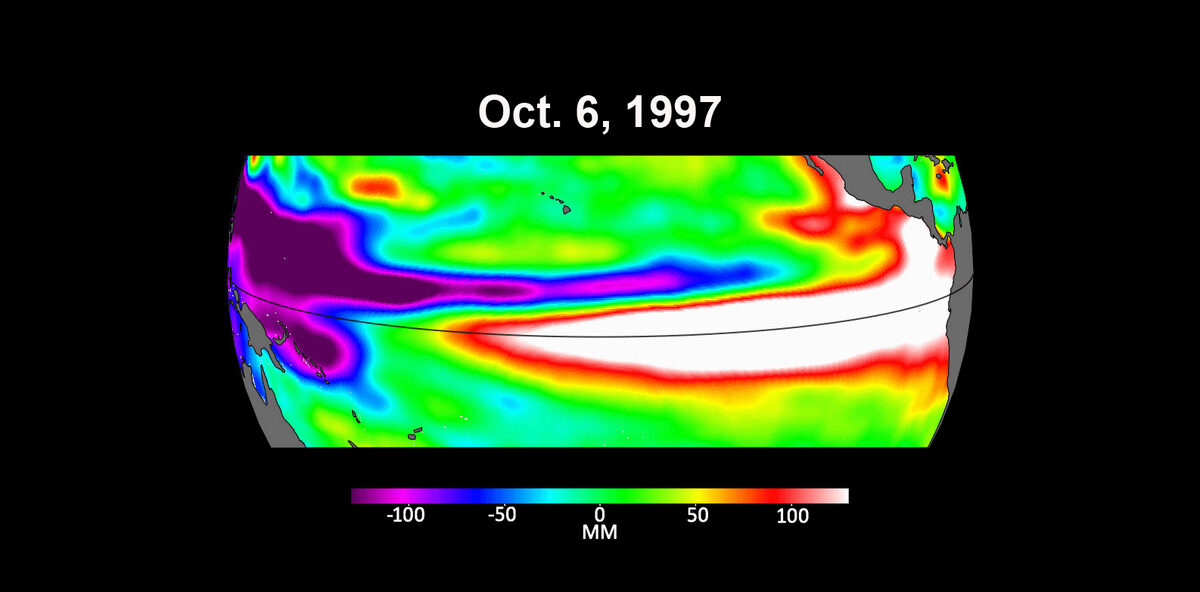
NASA says its Sentinel-6 satellite pair, flying 30 seconds apart, is cross-checking ocean-height data during a strong, late-arriving 2026 El Niño just as hurricane season peaks.
-
Science & Discovery
Chandra Catches a 'Supernova Impostor' Feeding a Hidden Black Hole or Neutron Star
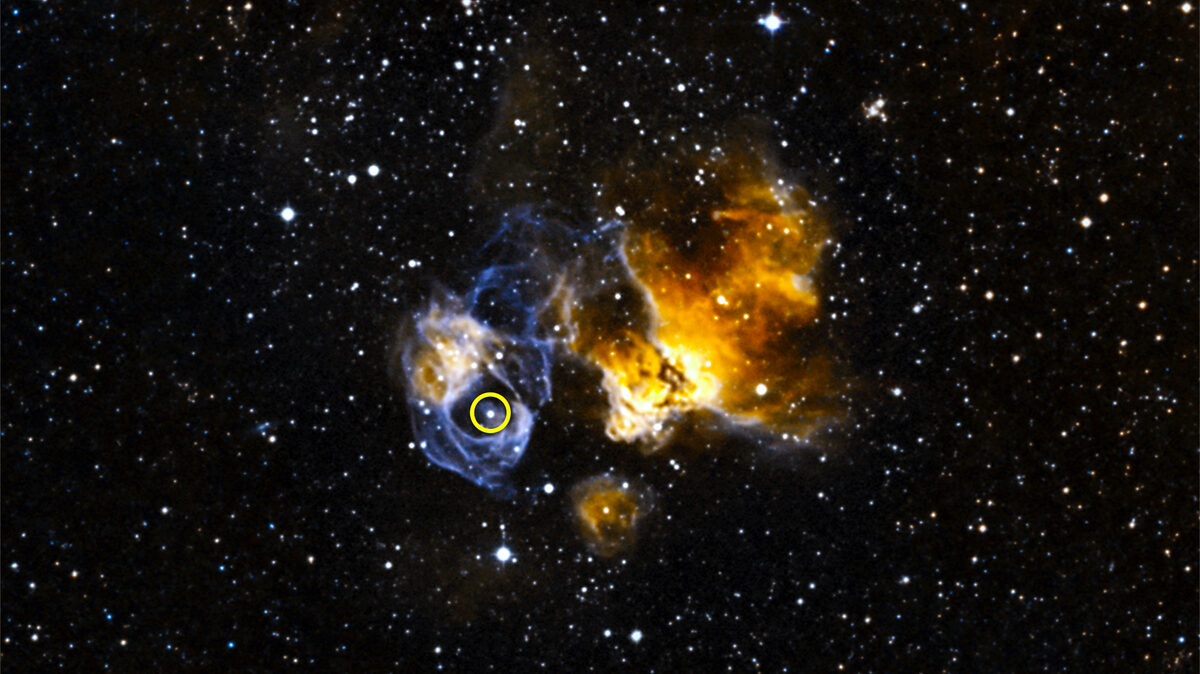
Astronomers predicted and then caught a periodic X-ray outburst from AT 2016blu, proving the famous "supernova impostor" is actually a massive star being drained by a hidden neutron star or black hole every 113 days.
-
Stargazing
Six-Hour Warning: Asteroid 2026 RW1 Becomes the 13th Impactor Ever Spotted Before It Hit
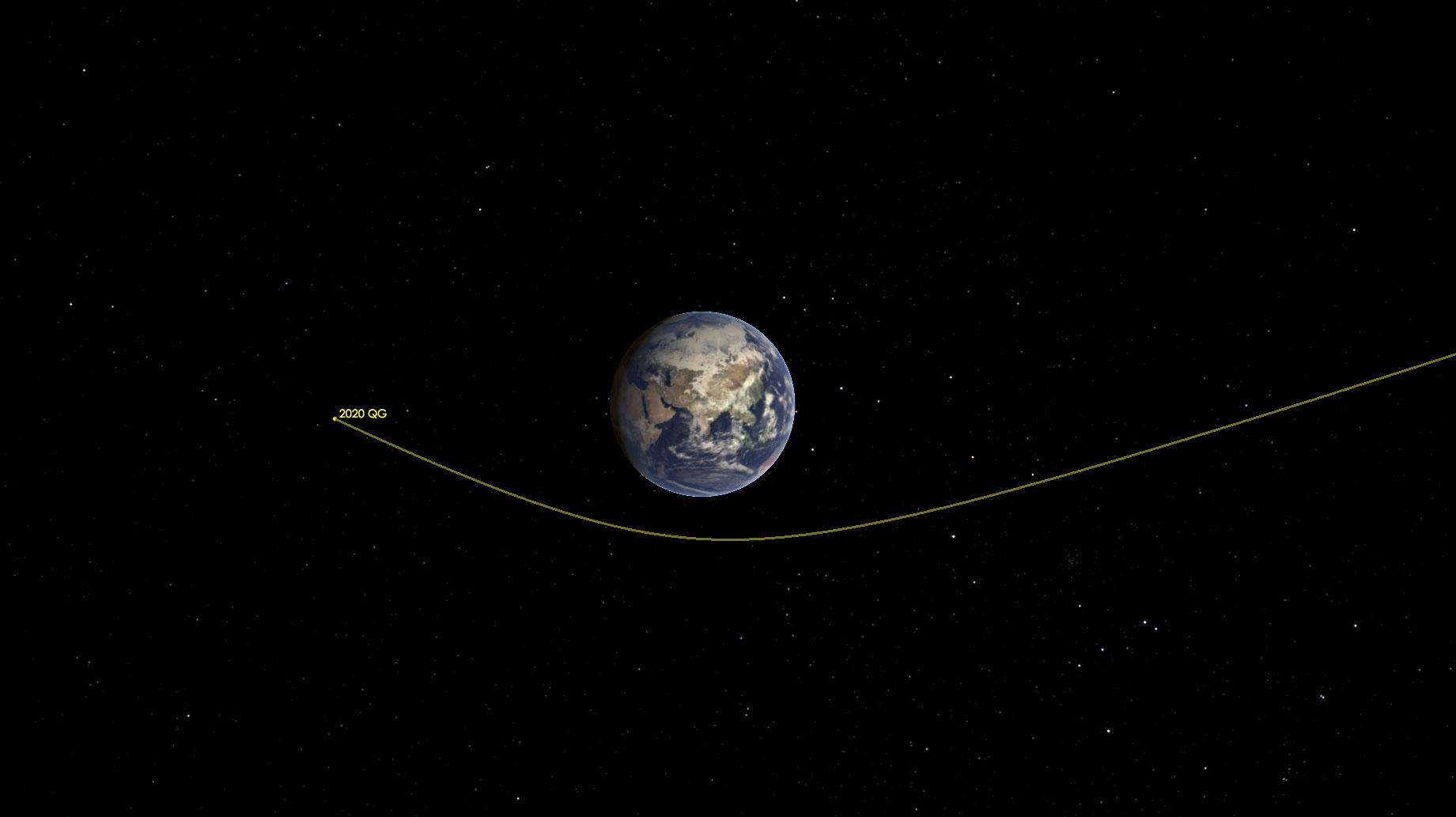
A city-bus-sized asteroid was spotted over Arizona just six hours before it burned up over the Indian Ocean—becoming only the 13th impactor ever caught in advance, and the first on an orbit inside Earth's own.
Page 14 of 68
