
All articles
-
NASA & Agencies
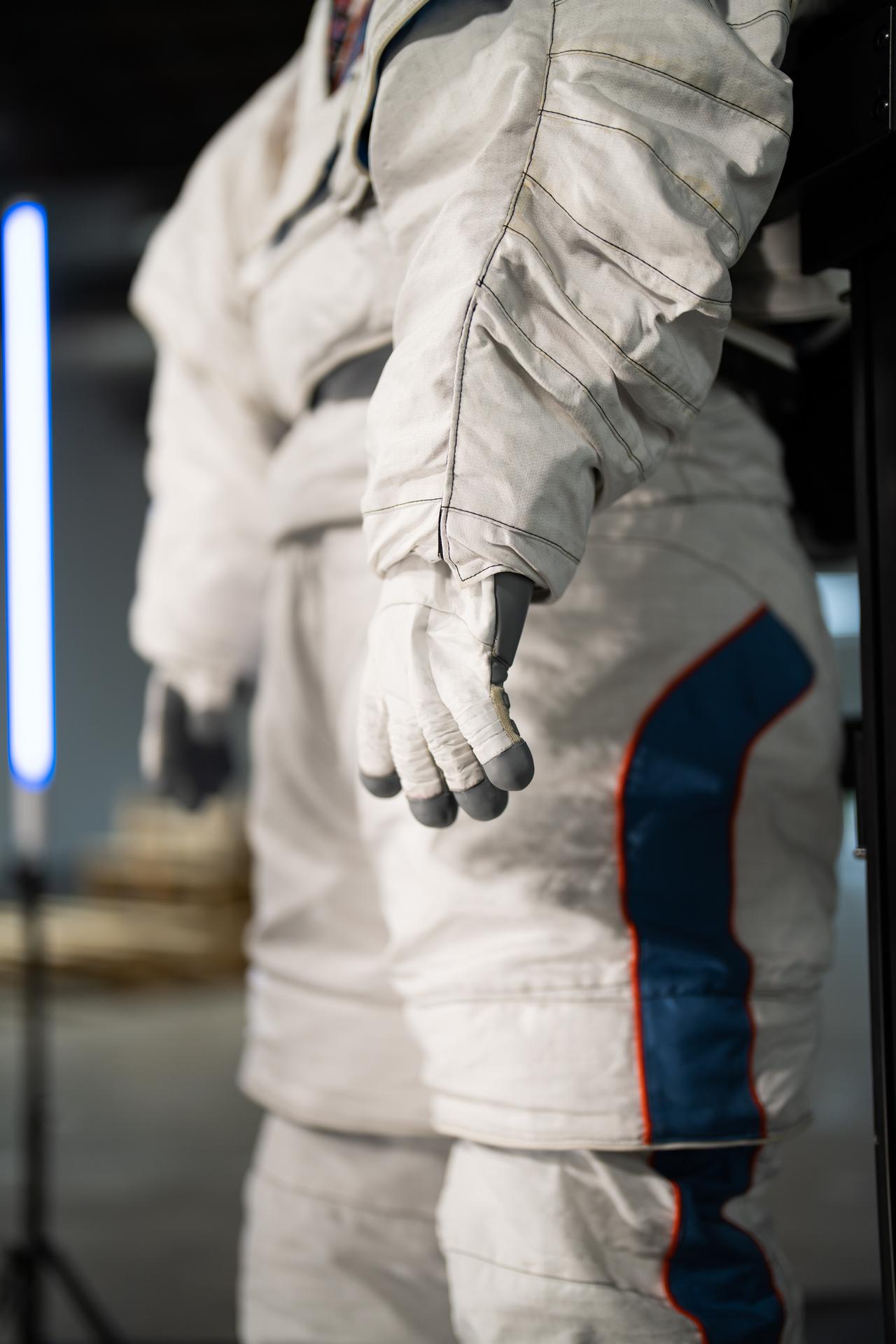
NASA Orders Axiom to Build a Lighter 'Sortie Suit' to Save the 2028 Moon Landing Timeline
NASA has directed Axiom Space to build a stripped-down 'Sortie Suit' after safety and oversight reviews warned the original lunar suit was too heavy and too complex to meet a 2028 landing.
-
Military Space
MIT Physicists Say Golden Dome's Space-Based Interceptor Math Doesn't Work
MIT nuclear security researchers say the Pentagon's 'Brilliant Swarms' interceptor satellites would need to weigh 14 times more than proposed, blowing past Golden Dome's own affordability test.
-
Astronomy
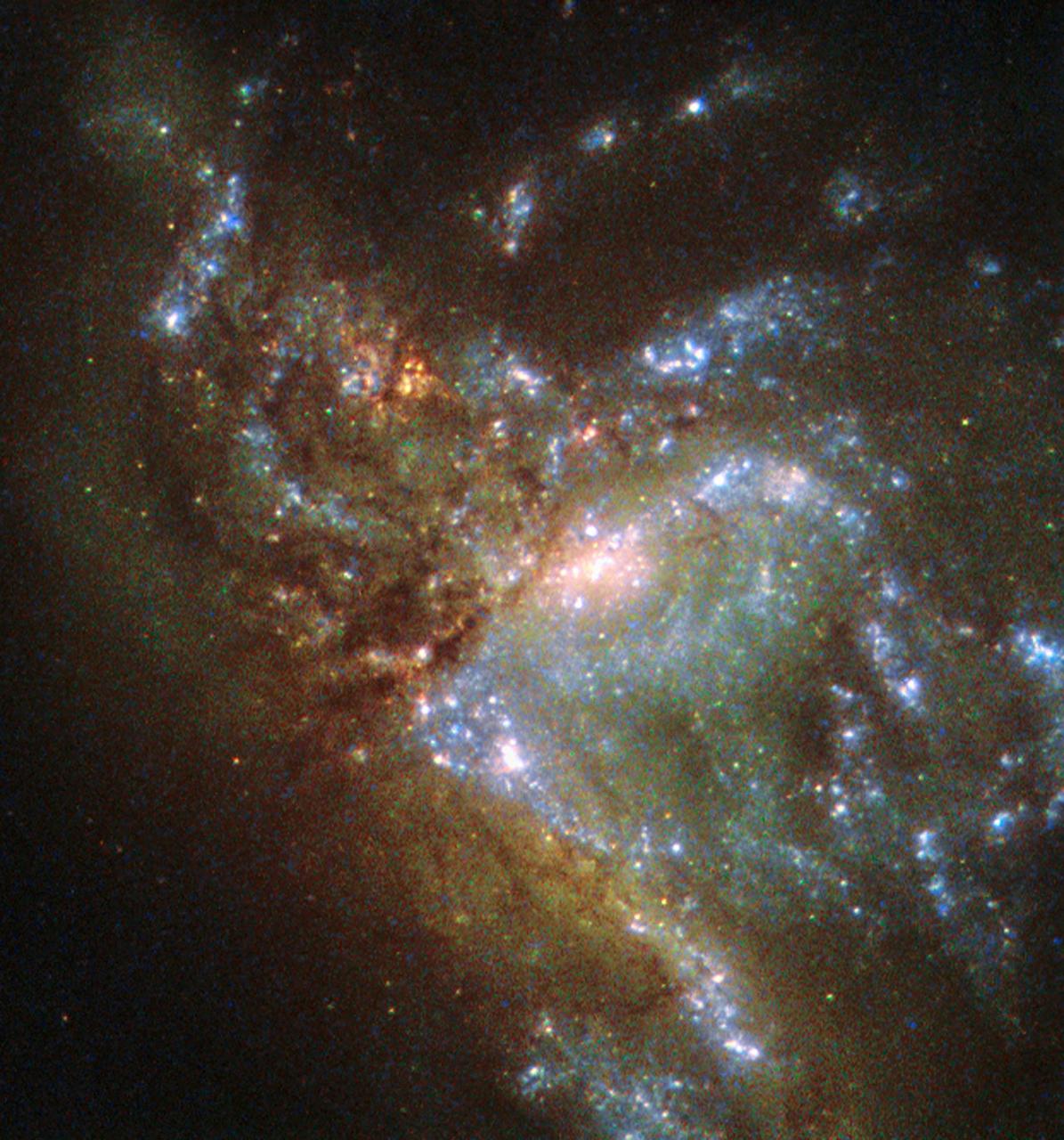
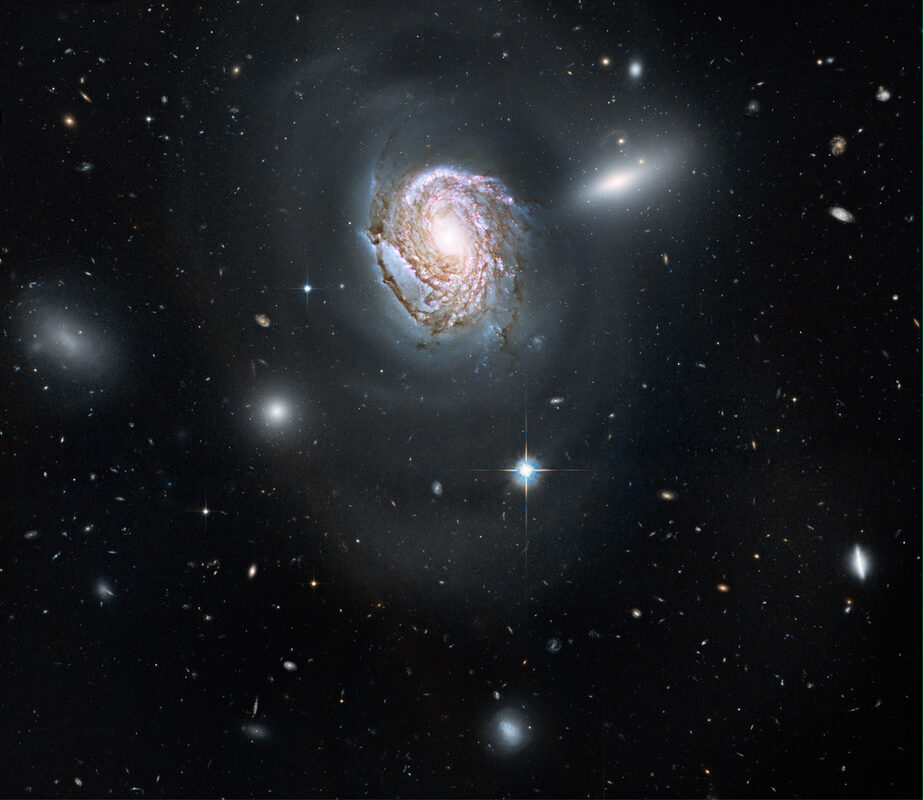
Hawai'i High Schoolers Name a 200-Million-Light-Year Galaxy Pair Caught by Gemini North
Native Hawaiian high school interns named a Gemini North image of two merging spiral galaxies 200+ million light-years away "The Twin Spirits Pulling Together Creating Life."
-
Commercial
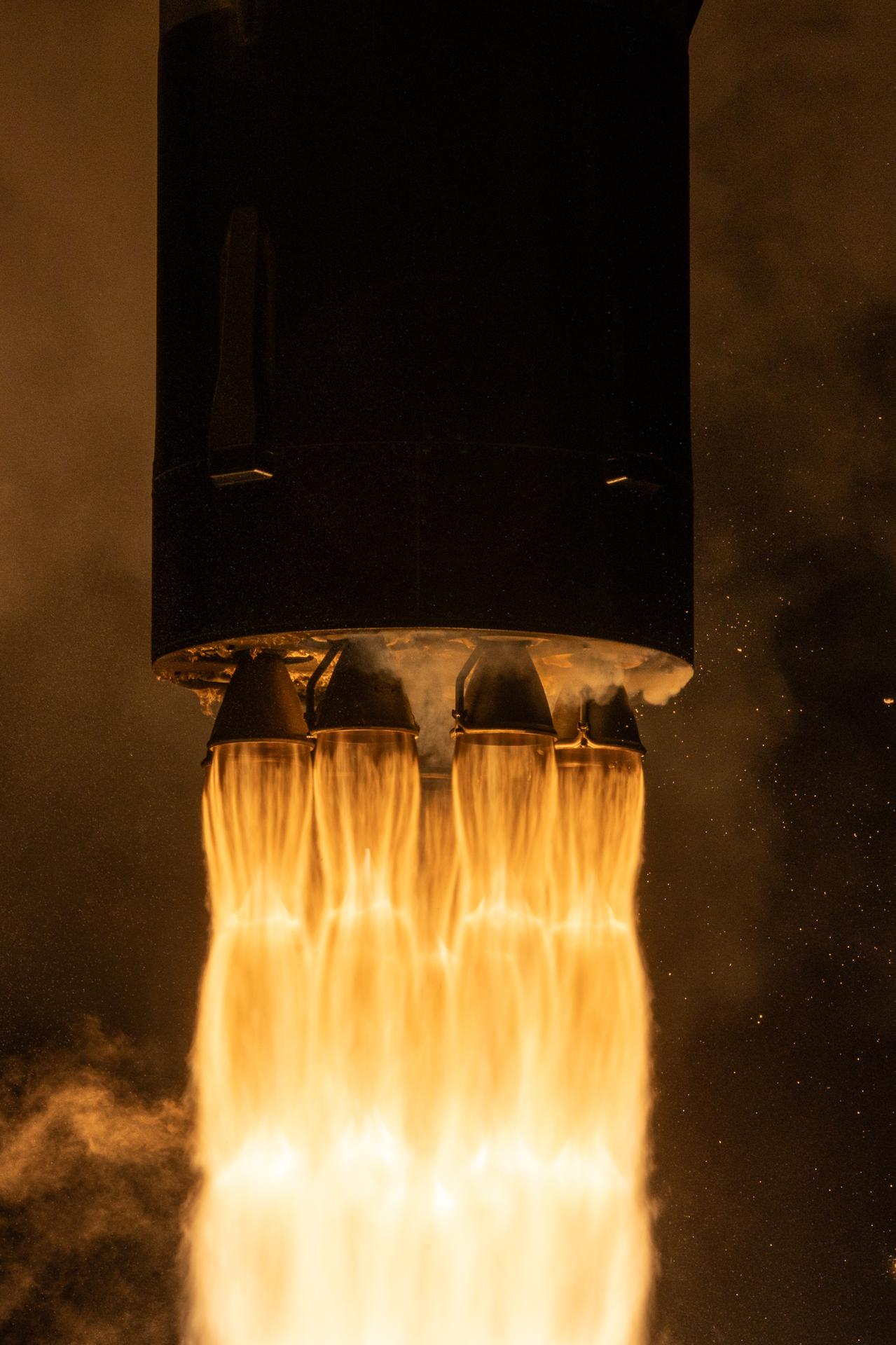
Isar Aerospace's Spectrum Rocket Finally Reaches Orbit on Second Try
German startup Isar Aerospace put its Spectrum rocket into orbit on its second attempt, 18 months after a vent-valve glitch ended flight one after 30 seconds, delivering five CubeSats for the first orbital payload from a European commercial launcher.
-
Stargazing
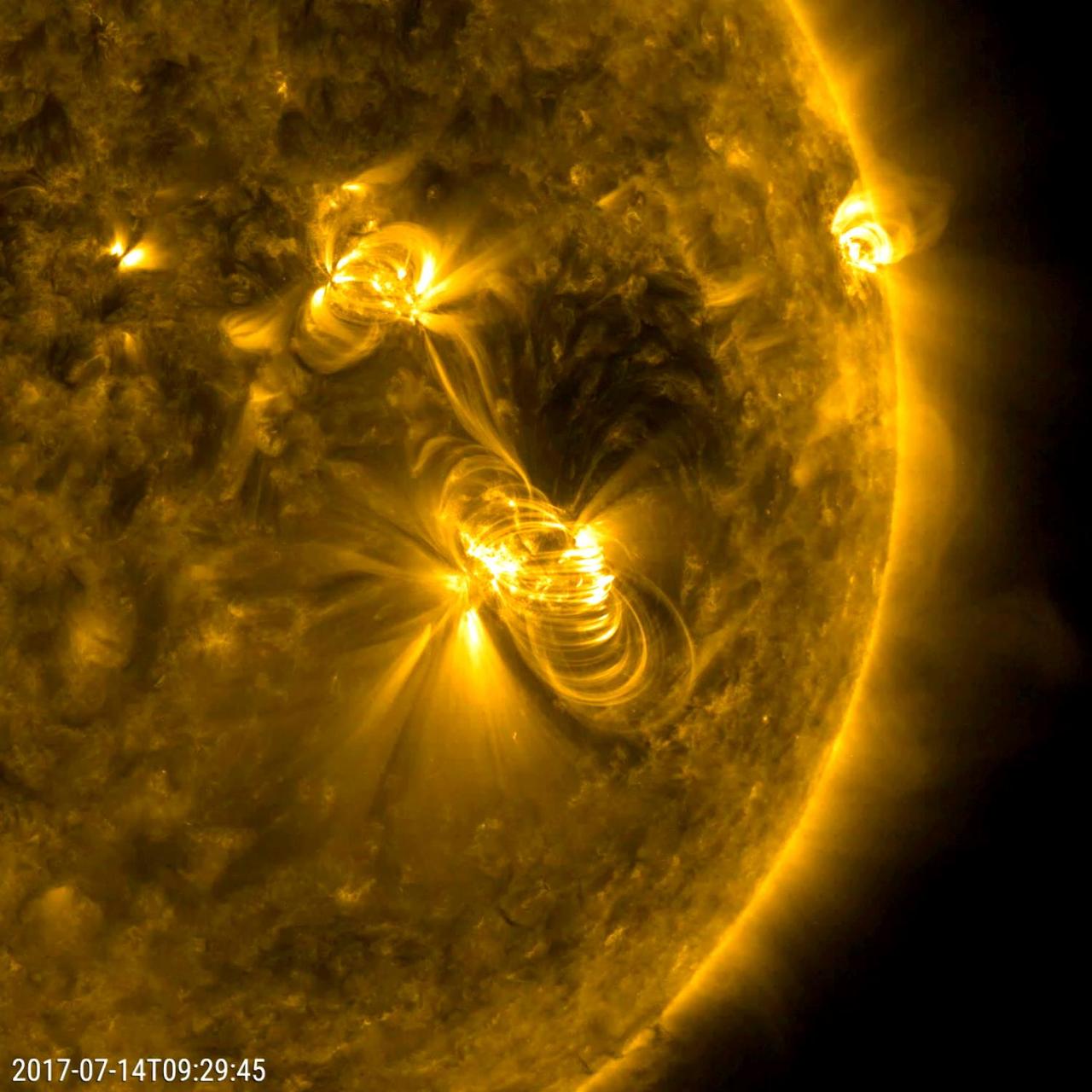
NOAA Issues G1 Storm Watch as a Queue of CMEs Bears Down on Earth
NOAA's Space Weather Prediction Center issued a G1-Minor geomagnetic storm watch for September 8-9 as multiple CMEs and a coronal-hole stream converge on Earth, with aurora possible across the northern U.S. and forecast confidence still low.
-
Stargazing
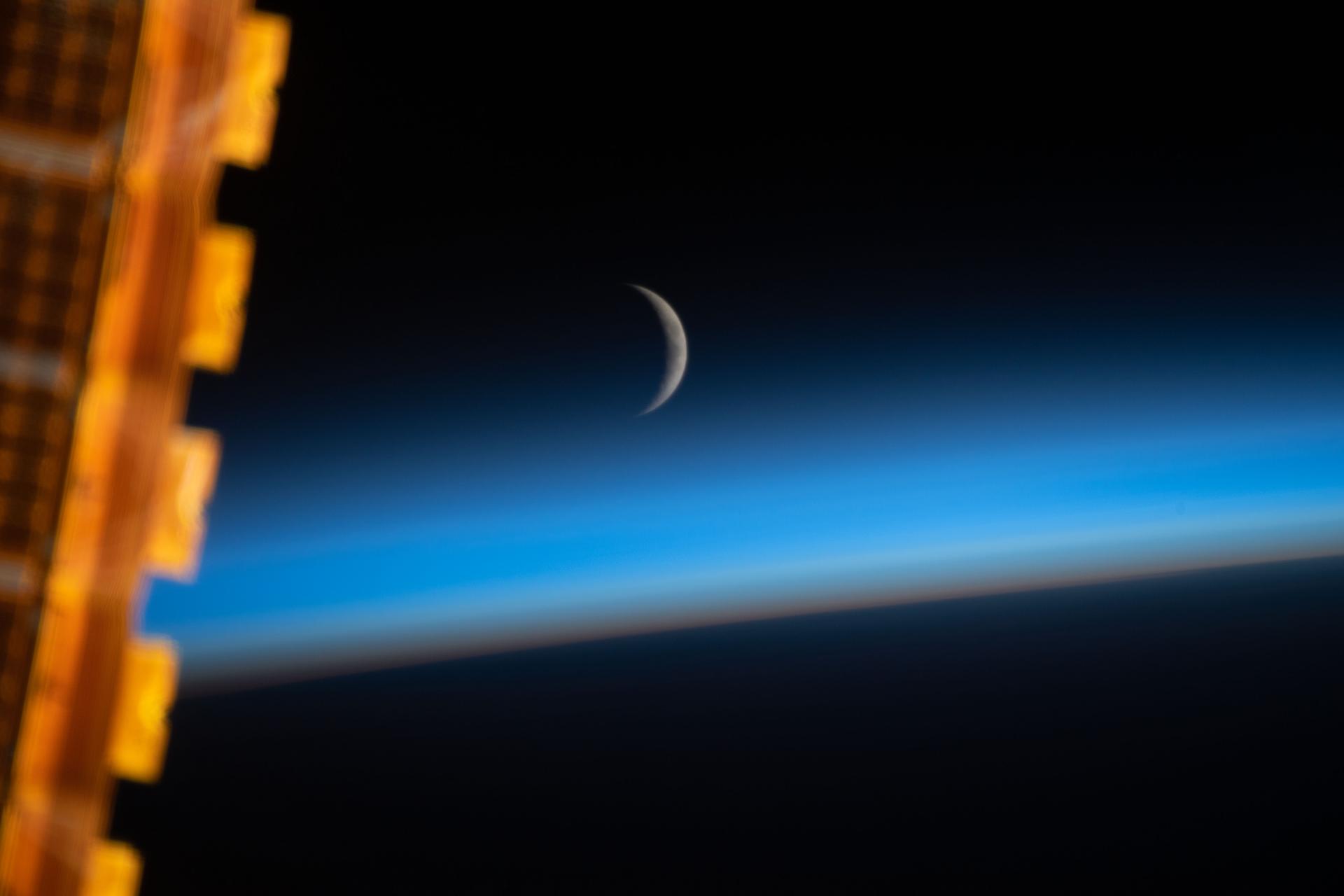
This Week's Dawn Sky: The Crescent Moon Walks From Mars to Jupiter as a CME Nudges the Aurora
Four mornings, Sept. 6-9: a thinning crescent Moon slides past Mars in Gemini, then Jupiter in Cancer, while a C9-flare CME due Sept. 8 puts a "maybe" on high-latitude aurora ahead of the Sept. 11 new Moon.
-
Commercial
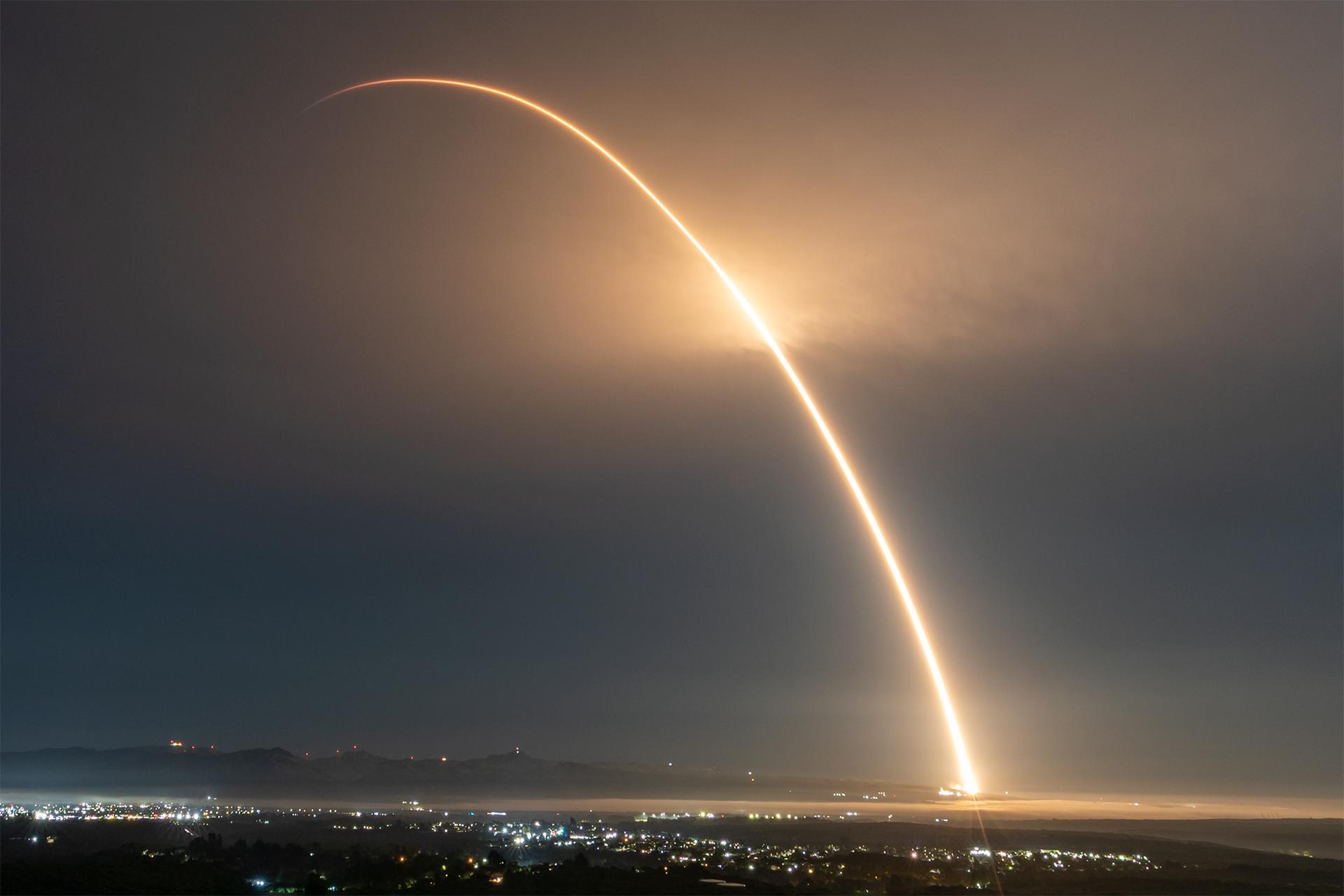
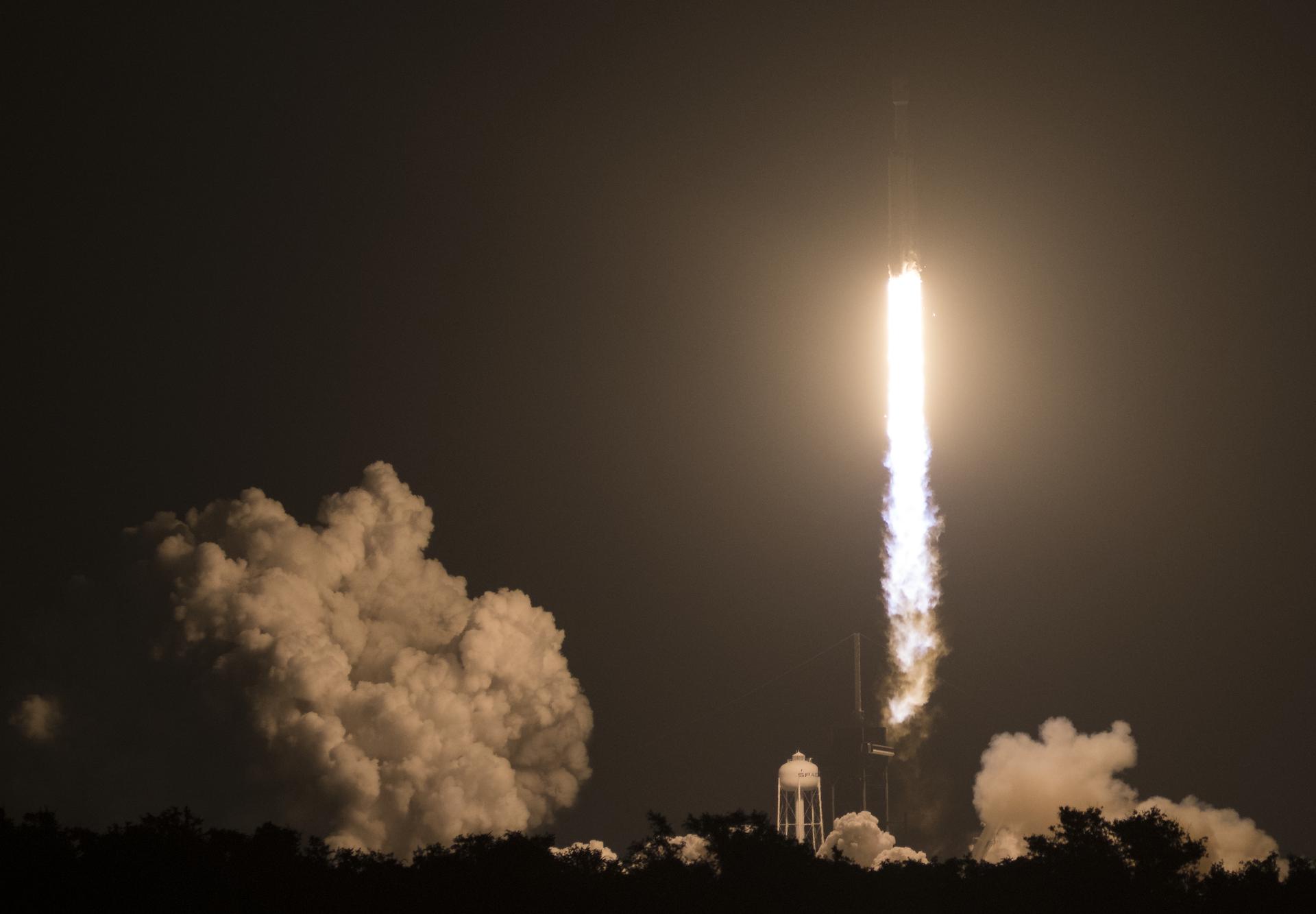
Falcon 9's Starlink Era in Florida Is Over. Vandenberg Just Became the Workhorse.
SpaceX's 80th Starlink mission of 2026 flies from California, not Florida, because Falcon 9's Cape Starlink run ended Aug. 25 after roughly 260 flights. Starship is supposed to pick up the slack before year-end, and the FAA has already cleared 44 launches a year at LC-39A.
-
Science & Discovery
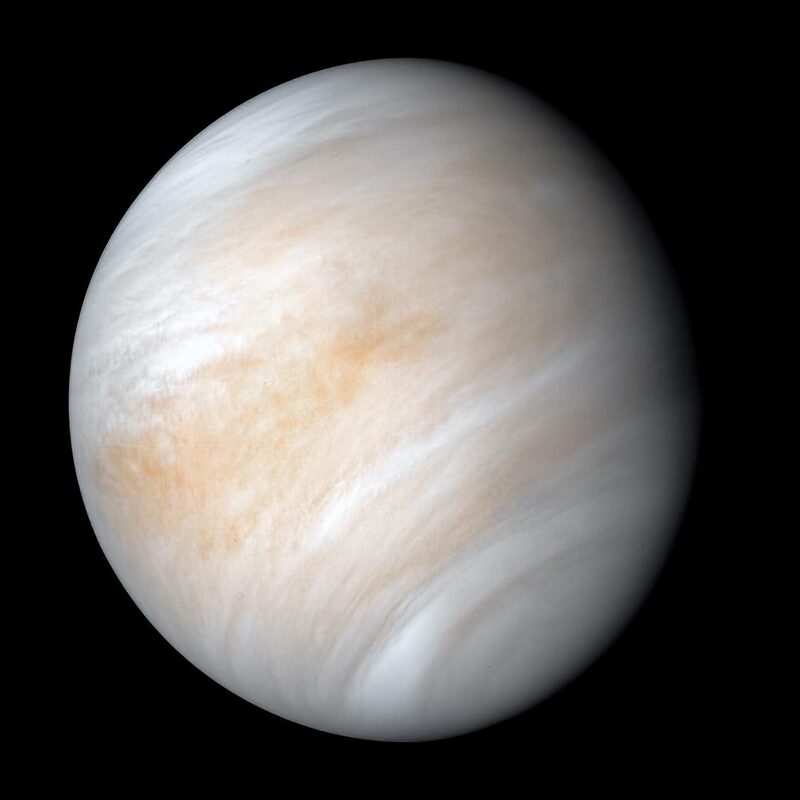
Peptides Don't Just Survive Venus's Acid Clouds. They Fold.
MIT chemists soaked three short peptides in 98% sulfuric acid, the stuff of Venus's upper clouds, and found they held together for weeks and folded into the same defined loop, with the acid itself acting as scaffold.
-
Military Space
After Burning $6.27 Billion on OCX, the Space Force Starts Over on GPS Ground Control
Five months after killing the $6.27 billion OCX program, the Space Force is starting work on a new GPS ground-control architecture while a Lockheed Martin stopgap keeps the constellation flying.
-
Astronomy
The Universe Still Has the Gas. So Why Did It Stop Making Stars?
FAST stacked 21-cm signals from 2.5 million DESI galaxies and found the universe's atomic hydrogen barely budged while star formation fell by more than half. The fuel is there; galaxies just stopped burning it.
-
Commercial
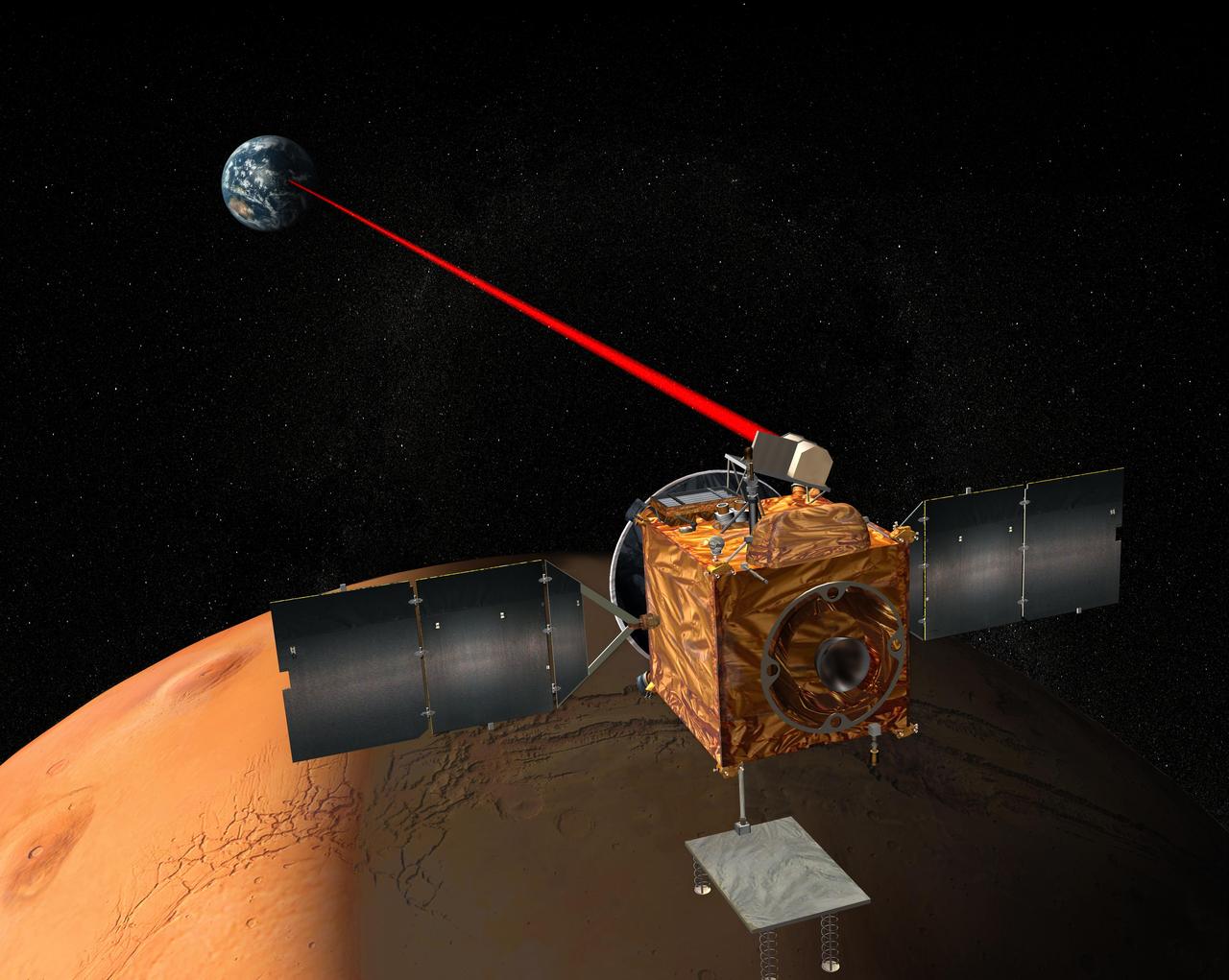
NASA Hands Blue Origin $700 Million to Build a Mars Communications Orbiter
NASA picked Blue Origin over a competing Rocket Lab bid for a ~$700 million contract to build a Blue Ring-based Mars telecom orbiter due at the Red Planet by 2030.
-
Missions
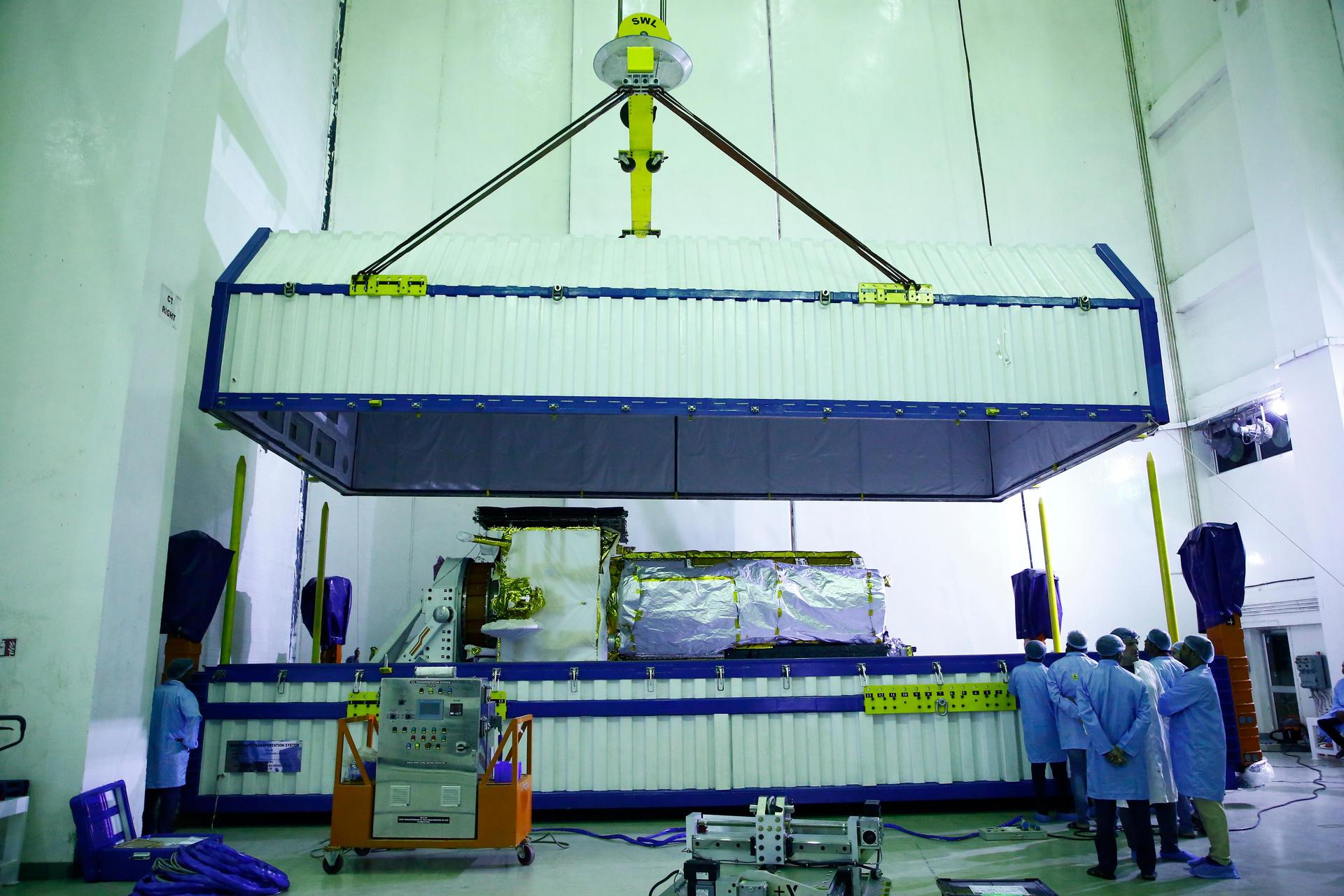
ISRO's GSLV-F17 Lofts EOS-05, Ending an Eight-Month Launch Drought
ISRO's GSLV-F17 successfully placed the EOS-05 Earth observation satellite into orbit, marking the agency's first launch since January and restarting its 2026 cadence.
Page 16 of 68
