
All articles
-
Missions
TESS Spots a Four-Star System Where One Binary Eclipses the Other
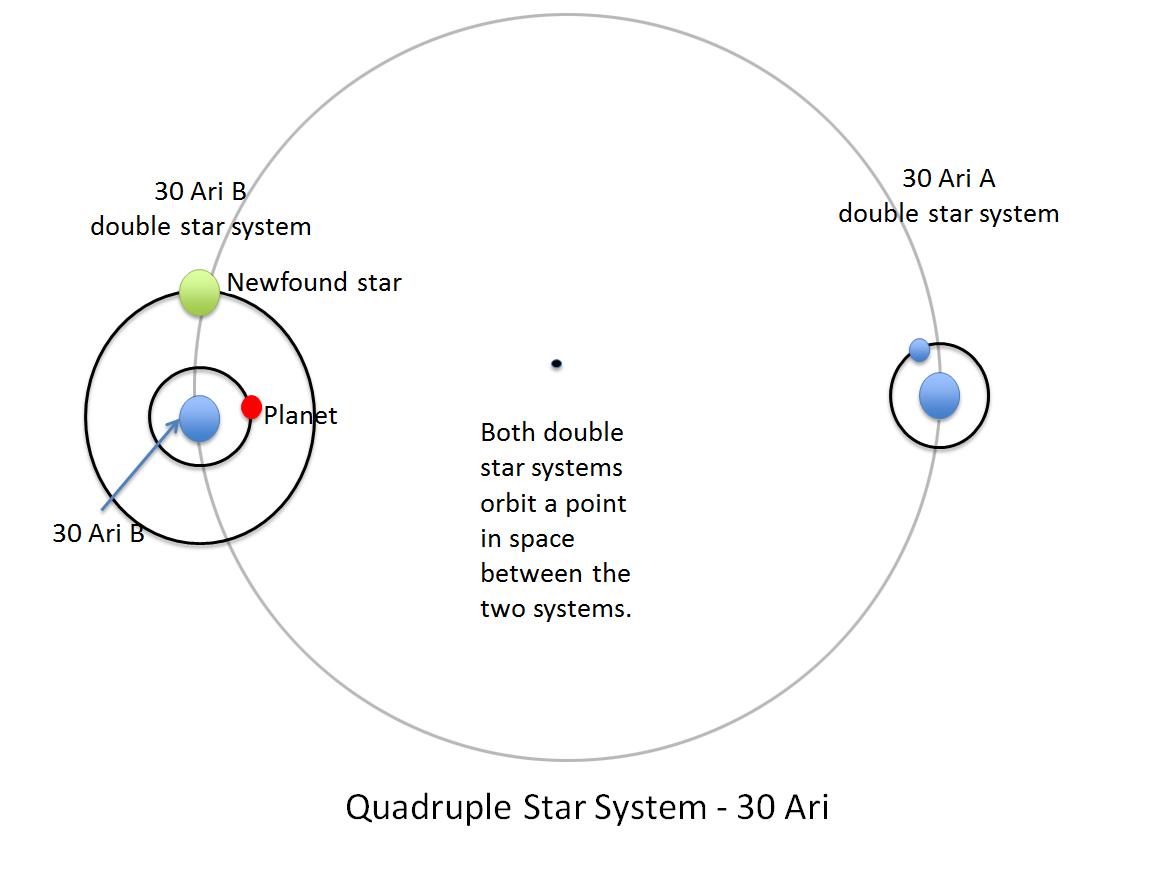
TESS data reveal TIC 433545934, a compact four-star system where one close binary pair periodically eclipses the stars of its companion pair — the first confirmed system of its kind.
-
NASA & Agencies
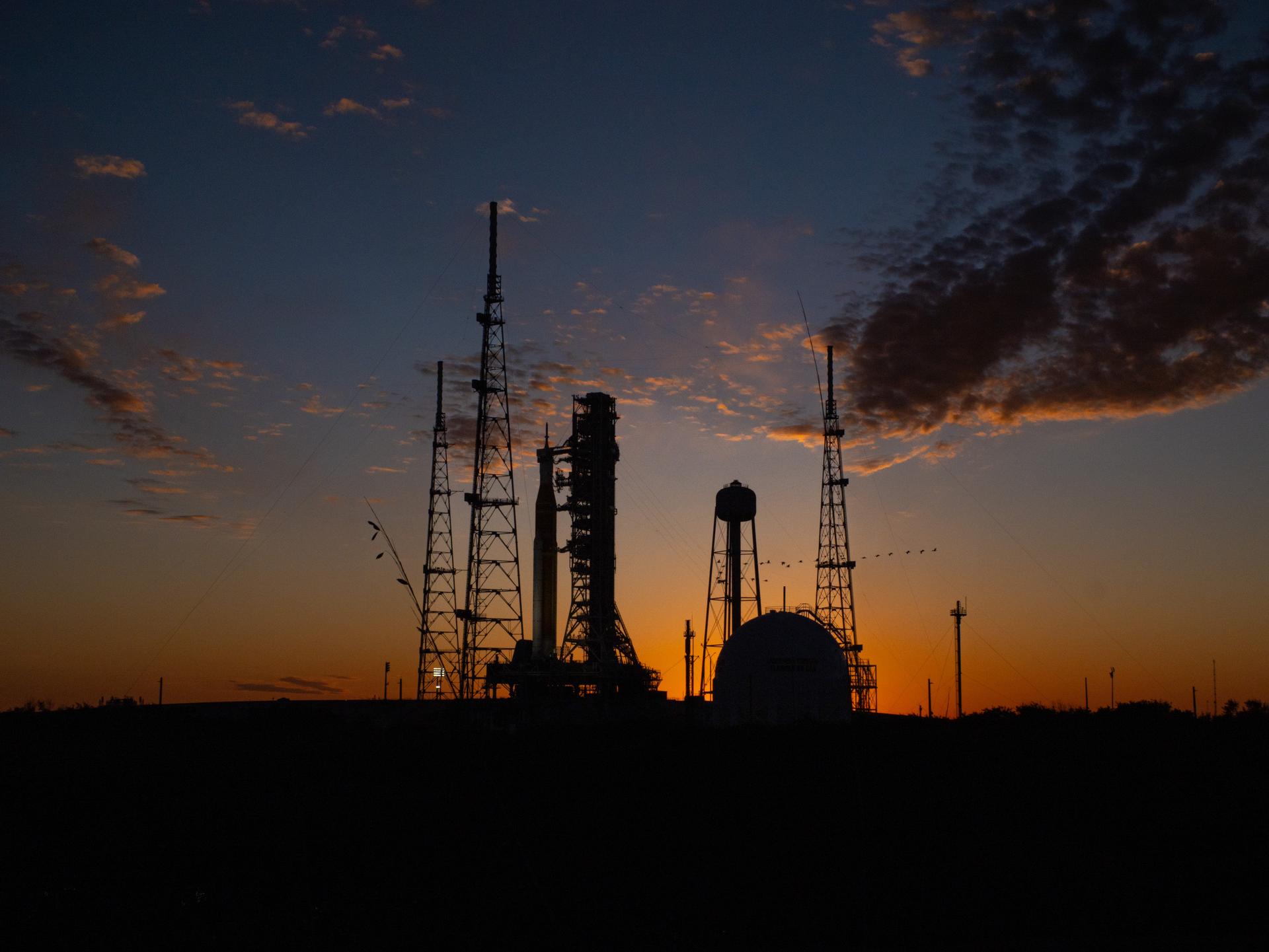
Trump to Award Artemis II Crew the Congressional Space Medal of Honor
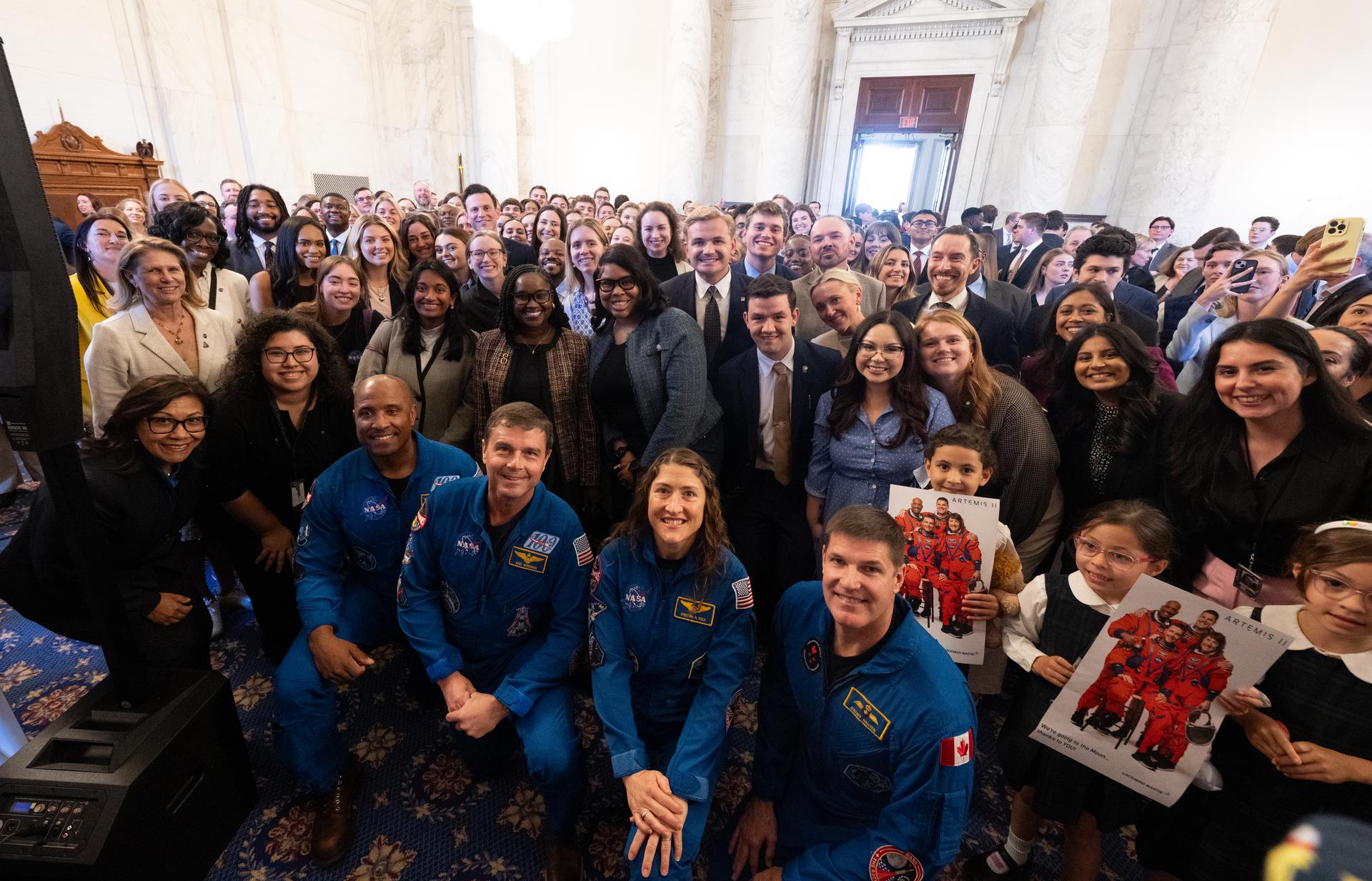
Four astronauts who flew farther from Earth than any humans since Apollo will join a list of roughly 30 recipients that includes Neil Armstrong and Alan Shepard.
-
Stargazing
Comet 220P/McNaught Erupts Again, Glowing Green Over Two Continents
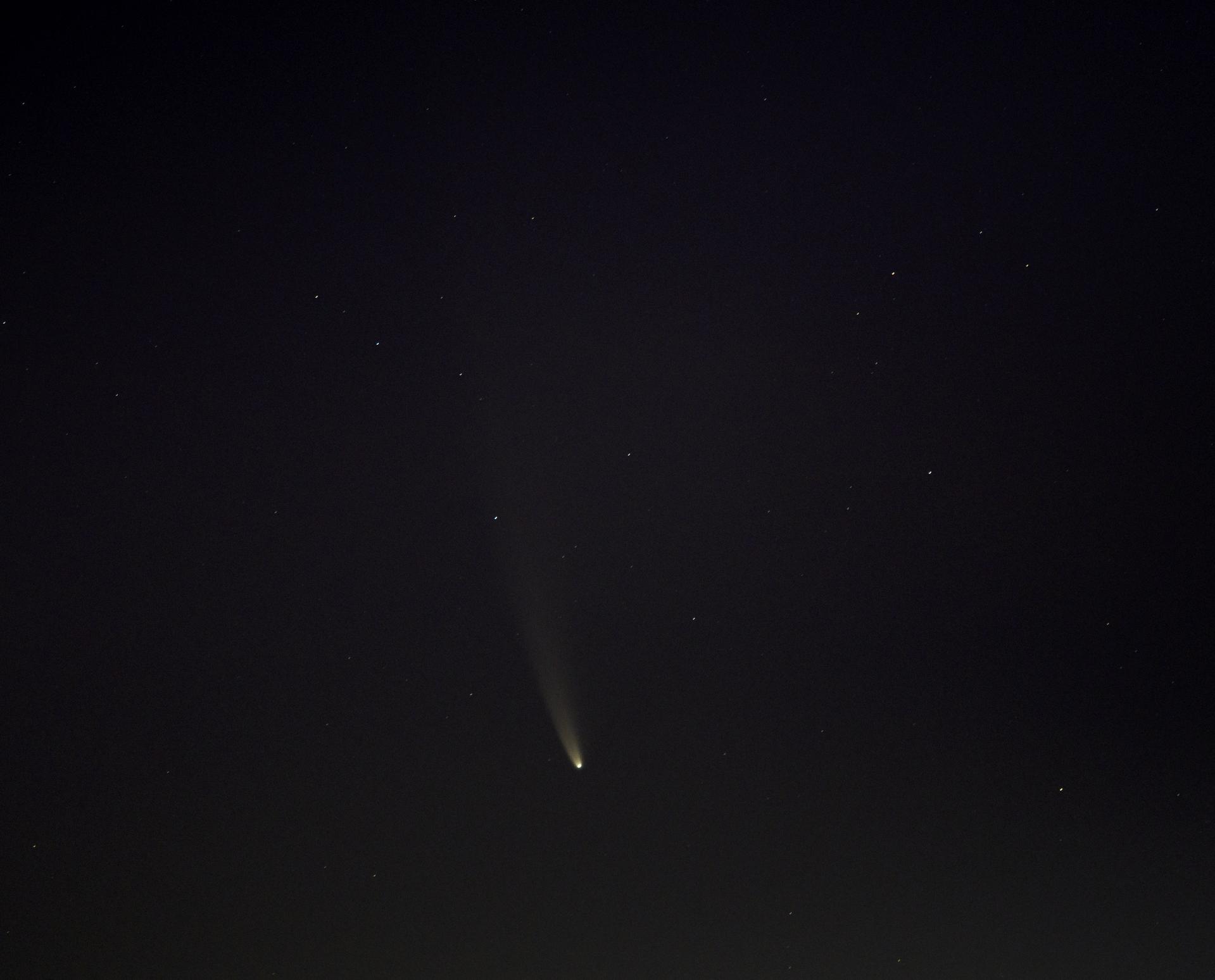
A faint periodic comet has now blown up twice in 2026, brightening thousands-fold and turning into a binocular-visible green fuzzball that astronomers still can't fully explain.
-
Missions
NASA's Fort Sumner Balloon Campaign Puts Rover Landing-Site Cameras to the Test
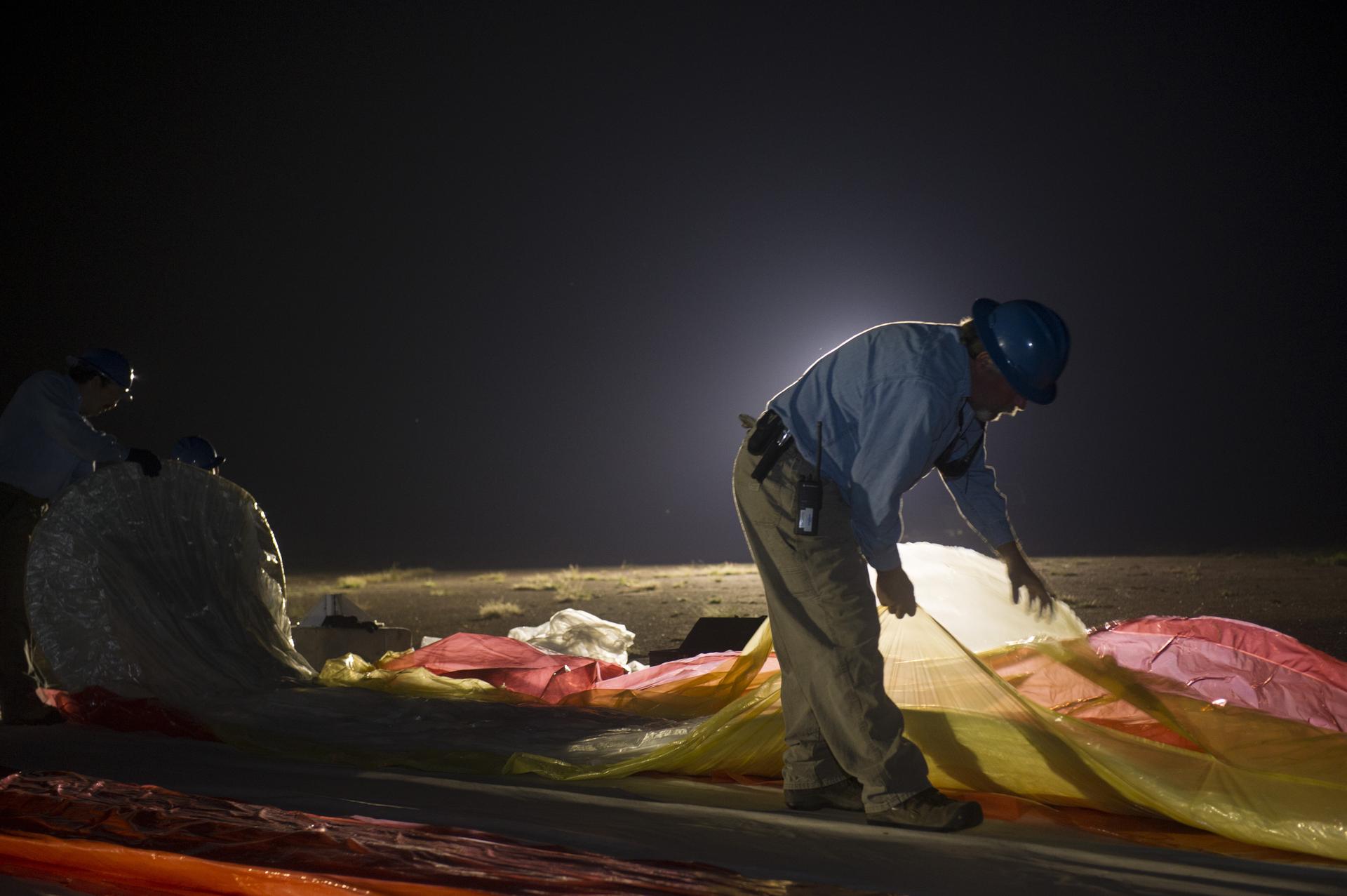
NASA's second Fort Sumner balloon flight of 2026 carried a real-time imaging camera to 126,000 feet, prototyping technology that could help future landers pick safer touchdown spots on the Moon and Mars.
-
Science & Discovery
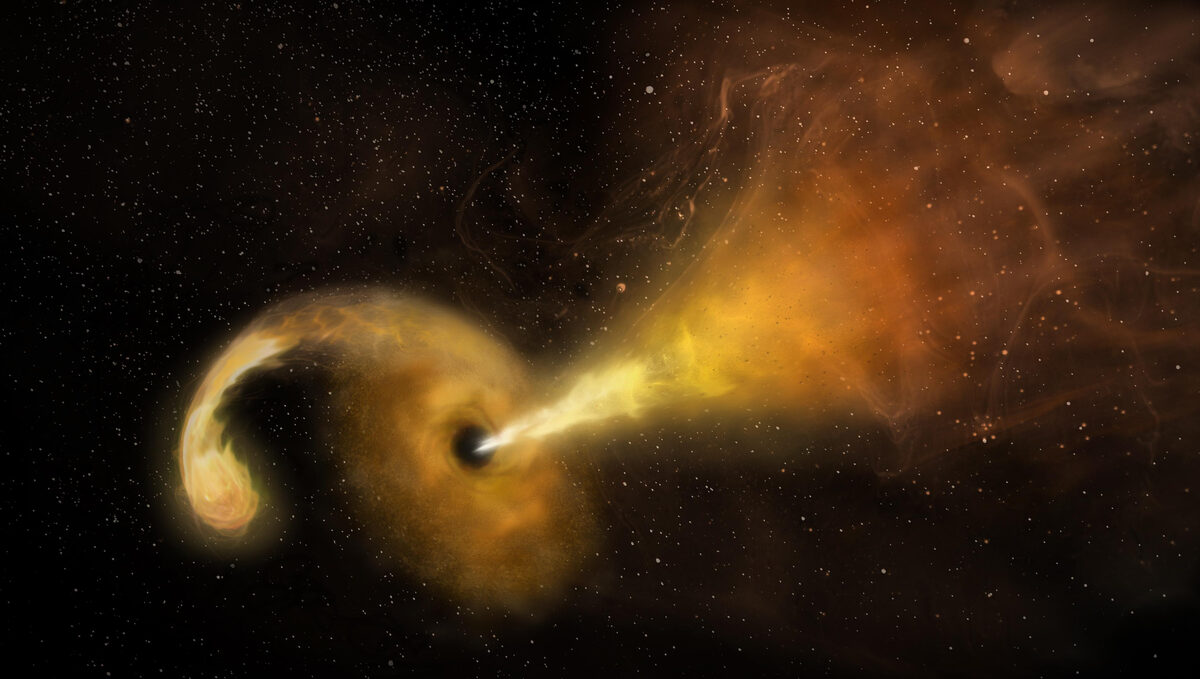
Why Black Holes Keep Shredding the Same Stars — and Why the Flares Keep Fading
A Syracuse-led study explains why some stars survive repeated brushes with a supermassive black hole while their flares dim each time: they were already spinning fast before capture.
-
Military Space
Space Force Honor Guard Debuts Its First Original Ceremonial Uniform
Seven years after standing up, the Space Force Honor Guard has traded its borrowed Air Force dress for a uniform of its own, unveiled publicly at the Freedom 250 Grand Prix in Washington, D.C.
-
Missions
China Scrubs Chang'e-7 Launch Hours Before Liftoff, Citing Storm and Sun Angles
China postponed the Chang'e-7 lunar south pole mission just hours before its Long March 5 was due to fly, blaming Tropical Storm Narra and a narrow sun-angle window over Shackleton Crater — with the next opportunity at least a month, possibly a year, away.
-
Science & Discovery
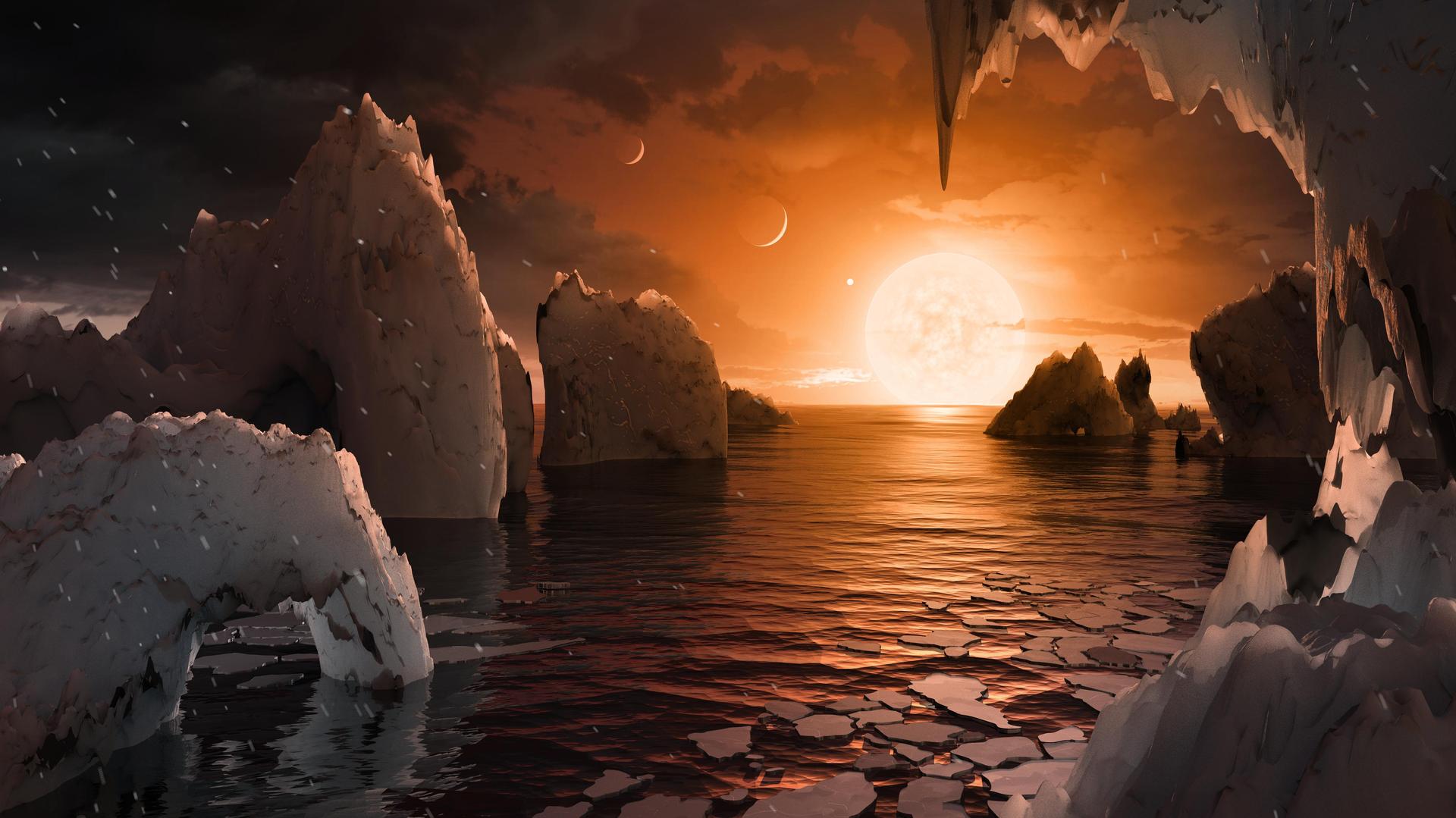
JWST Rules Out a Thick Atmosphere on Habitable-Zone World TRAPPIST-1 f
Five clean JWST transits of TRAPPIST-1 f show no starspot contamination and rule out a thick hydrogen/helium atmosphere, sharpening the hunt for air on the seven-planet system's outer habitable-zone world.
-
Stargazing
This Week's Sky: Venus Closes In on Spica as Jupiter Climbs the Dawn
From August 22-26, 2026, watch the waxing gibbous Moon slide past the Teapot and into Capricornus while Venus edges toward Spica and Jupiter, Mars, and Saturn stack up in the morning sky.
-
Astronomy
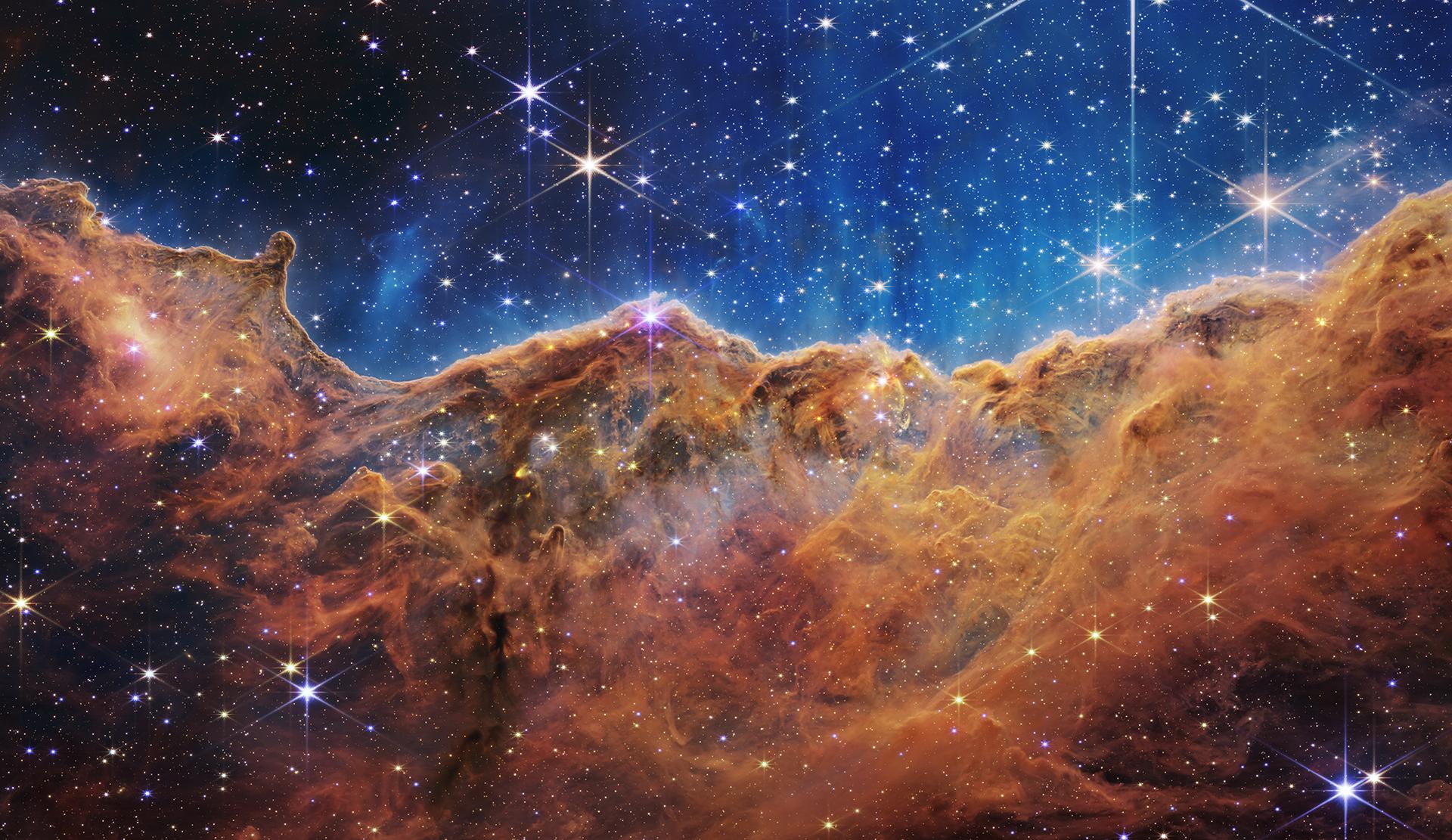
Webb's Infrared Eye Opens a 'Treasure Chest' of 70 Hidden Newborn Stars in Carina
NASA's newest Webb image pierces the dust of a Carina Nebula cometary globule called the "Treasure Chest," revealing roughly 70 young stars, including a rare 19-solar-mass O-type star, many still wrapped in planet-forming discs.
-
Stargazing
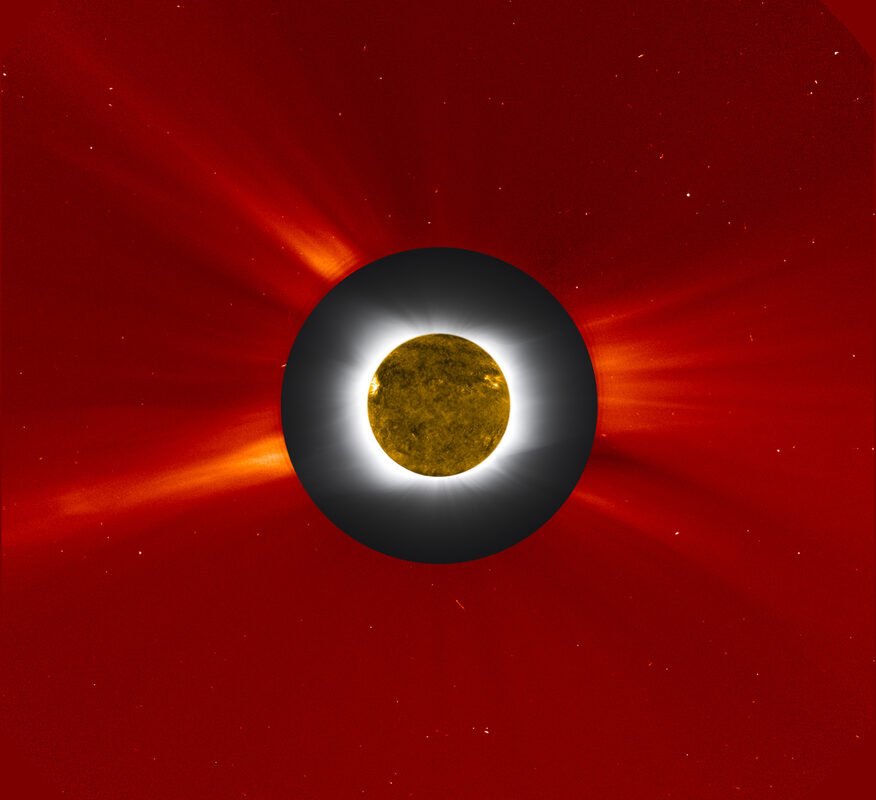
APOD Solves the Case of the 'Mystery Meteor' Crossing the Eclipsed Sun
A bright streak filmed crossing the partially eclipsed Sun from Spain on August 12 looked like a made-for-astronomy Perseid meteor — until NASA's APOD team checked the numbers and found an airplane contrail instead.
-
NASA & Agencies
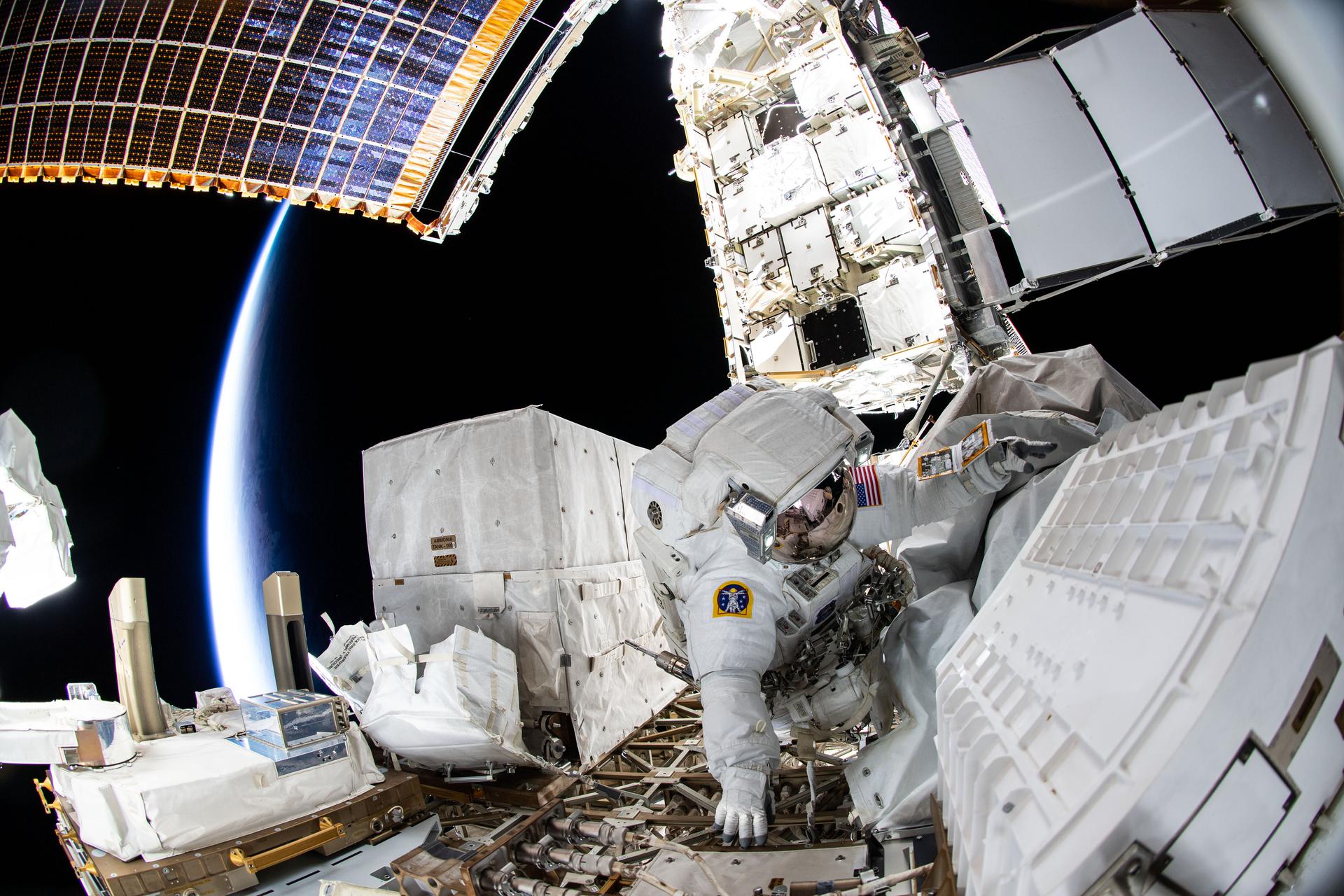
Astronauts Pull a Dead Antenna Off the ISS — But the Spare Will Have to Wait
NASA's Anil Menon and ESA's Sophie Adenot, the first French woman to spacewalk, spent over six hours removing a failed ISS antenna on August 18 but ran out of time to bolt in its replacement.

Page 20 of 68
