
All articles
-
Science & Discovery
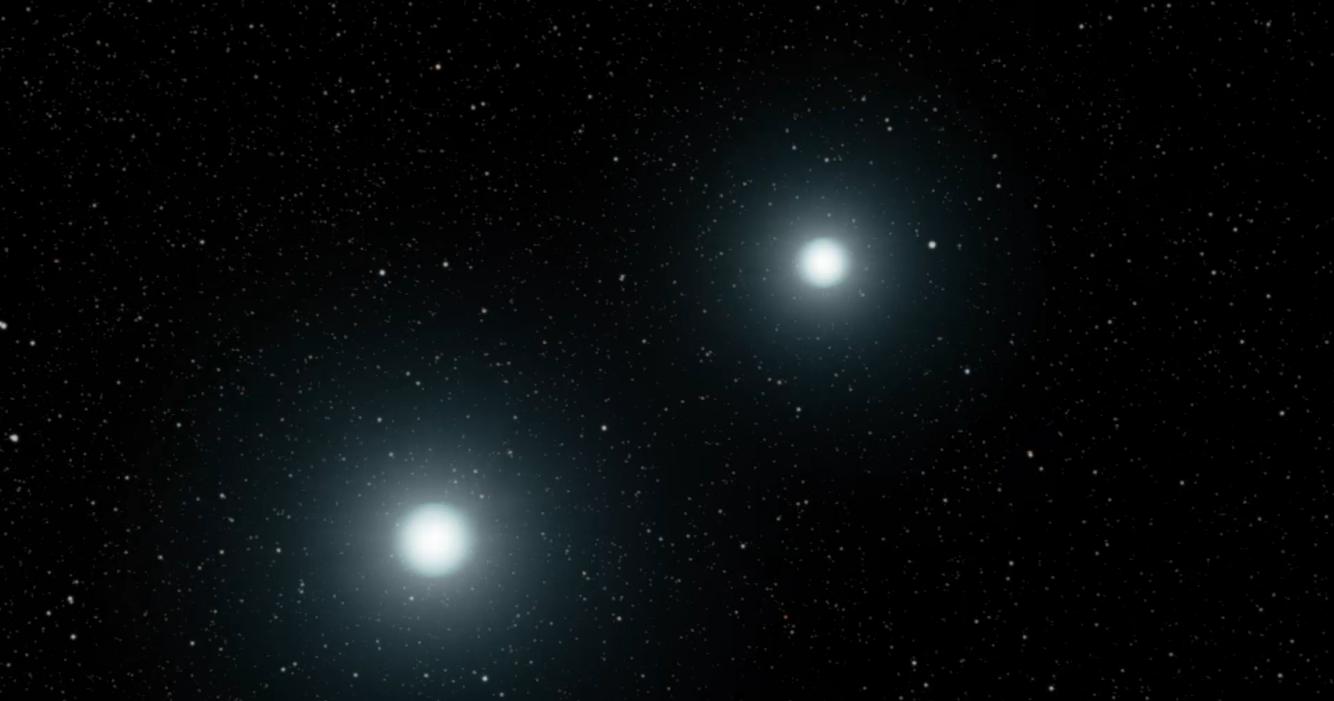
This 374-Second Binary Is Losing Energy Faster Than Any White Dwarf Pair We Know
A newly timed ultracompact white dwarf binary toward the Large Magellanic Cloud is spiraling inward faster than any comparable system on record, making it a leading calibration target for the future LISA gravitational-wave observatory.
-
Military Space
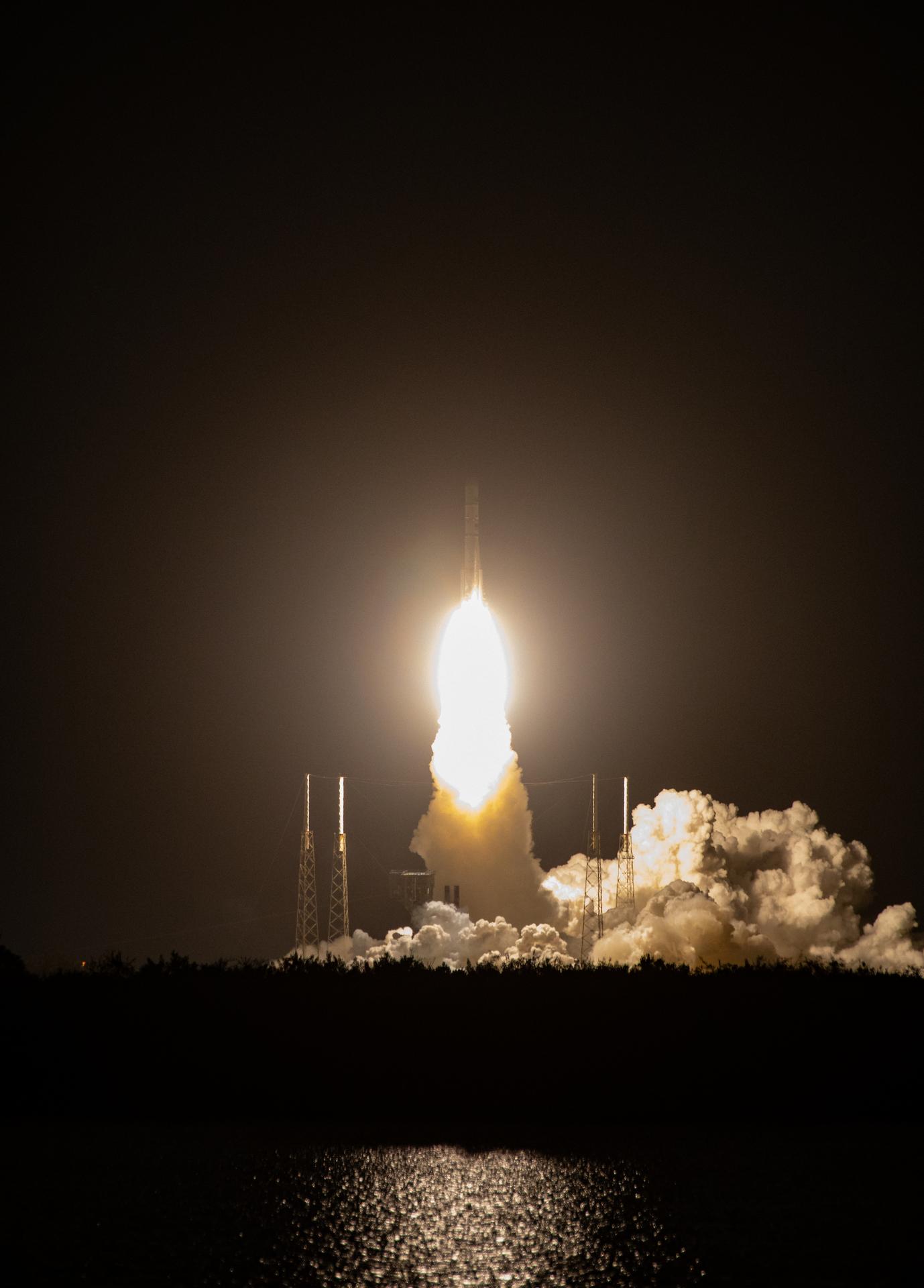
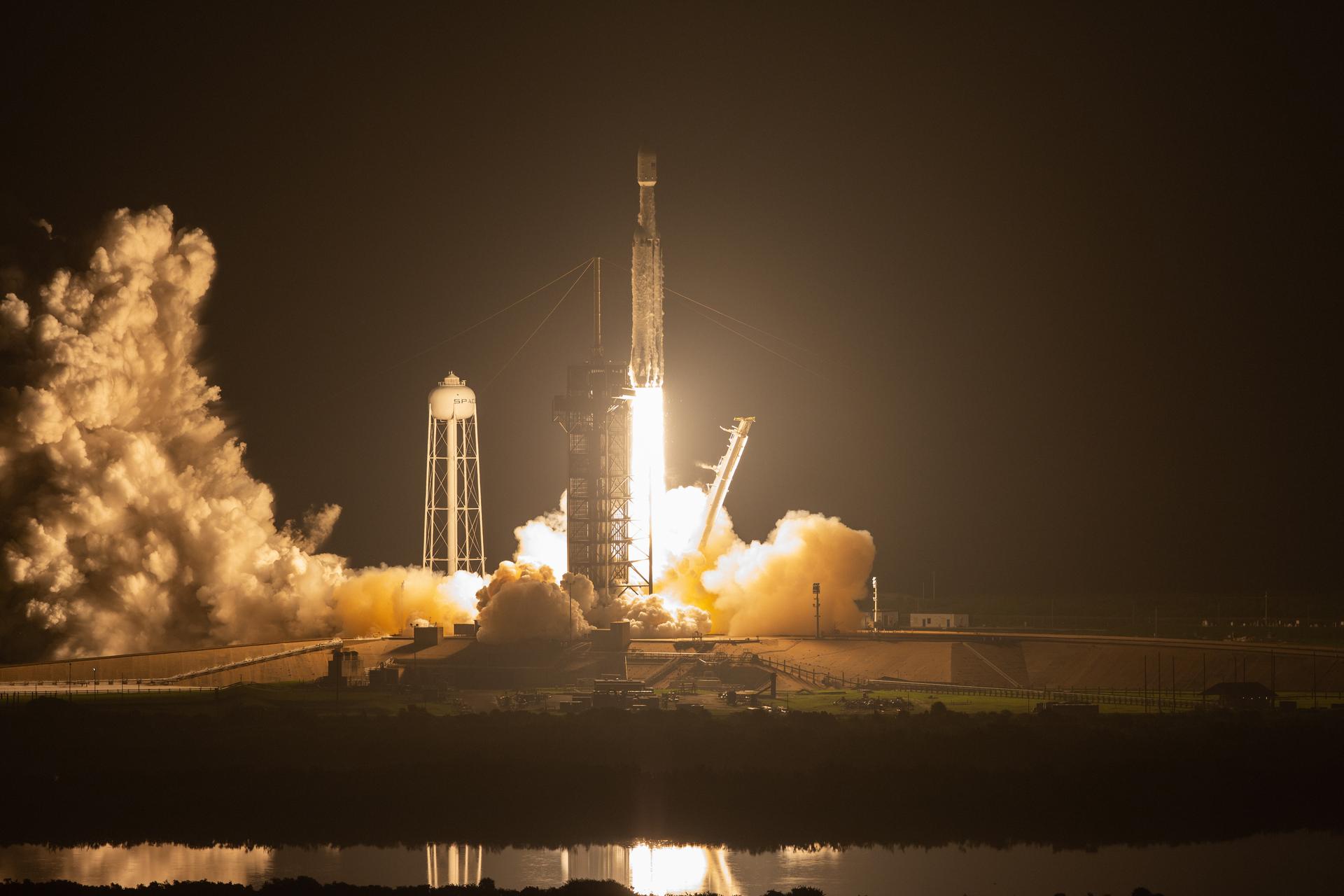
Vulcan Launches First National Security Mission, Carrying Navigation Satellite Meant to Backstop GPS
ULA's Vulcan rocket flew its debut national-security mission on August 12, 2026, delivering the Air Force's experimental NTS-3 satellite toward geosynchronous orbit to test jam-resistant GPS backup technology.
-
NASA & Agencies
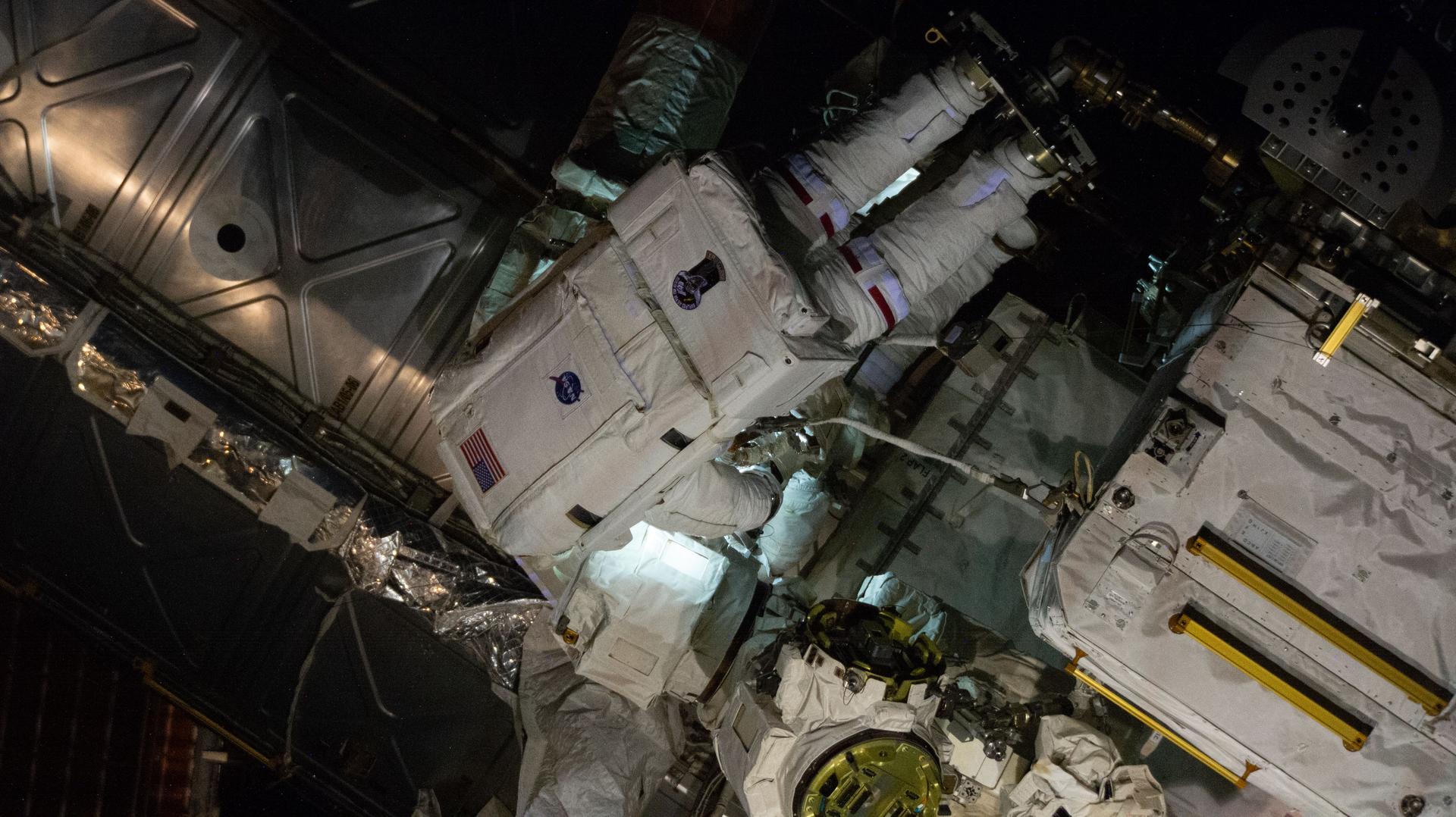
Station Crew Preps for Three-Agency Spacewalk to Swap Out a Balky Antenna
NASA says Expedition 75's Anil Menon and ESA's Sophie Adenot will step outside the ISS on August 18 for a 6.5-hour spacewalk to replace a space-to-ground antenna on the Z1 truss.
-
Science & Discovery
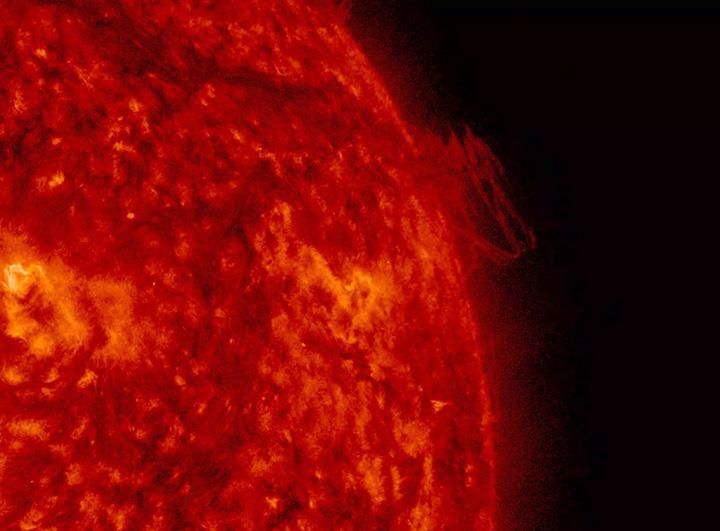
Astronomers Spot Tiny Plasma Whirlpools on the Sun — Right at the Edge of What We Can See
A Nature study using the Inouye Solar Telescope has resolved 20-km plasma vortices on the Sun's surface for the first time, structures researchers compare to spotting a coin from 180 km away.
-
Stargazing
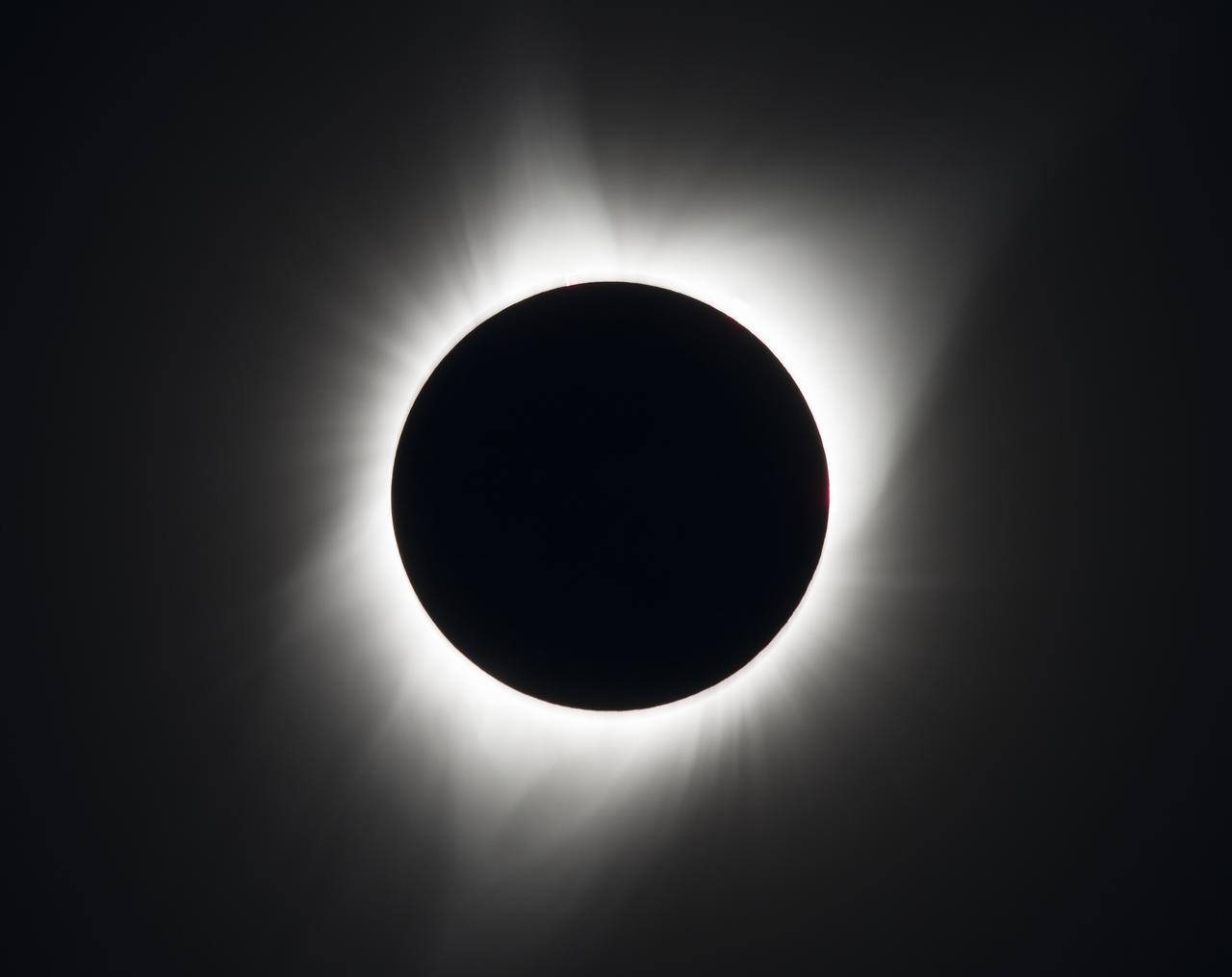
Total Solar Eclipse and Peak Perseids Collide Over Europe on August 12
A total solar eclipse crosses Greenland, Iceland, and Spain on August 12, 2026, then the New Moon lets that same night's Perseid peak deliver up to 100 meteors an hour with zero lunar glare.
-
Astronomy
Webb Telescope Reveals the Lion Nebula's Infrared Mane in Stunning New Detail
NASA's James Webb Space Telescope has imaged the "Lion Nebula" in infrared, exposing dust clumps and ionized gas invisible to Hubble and revealing the white dwarf that will finish dismantling the structure in about 10,000 years.
-
Missions
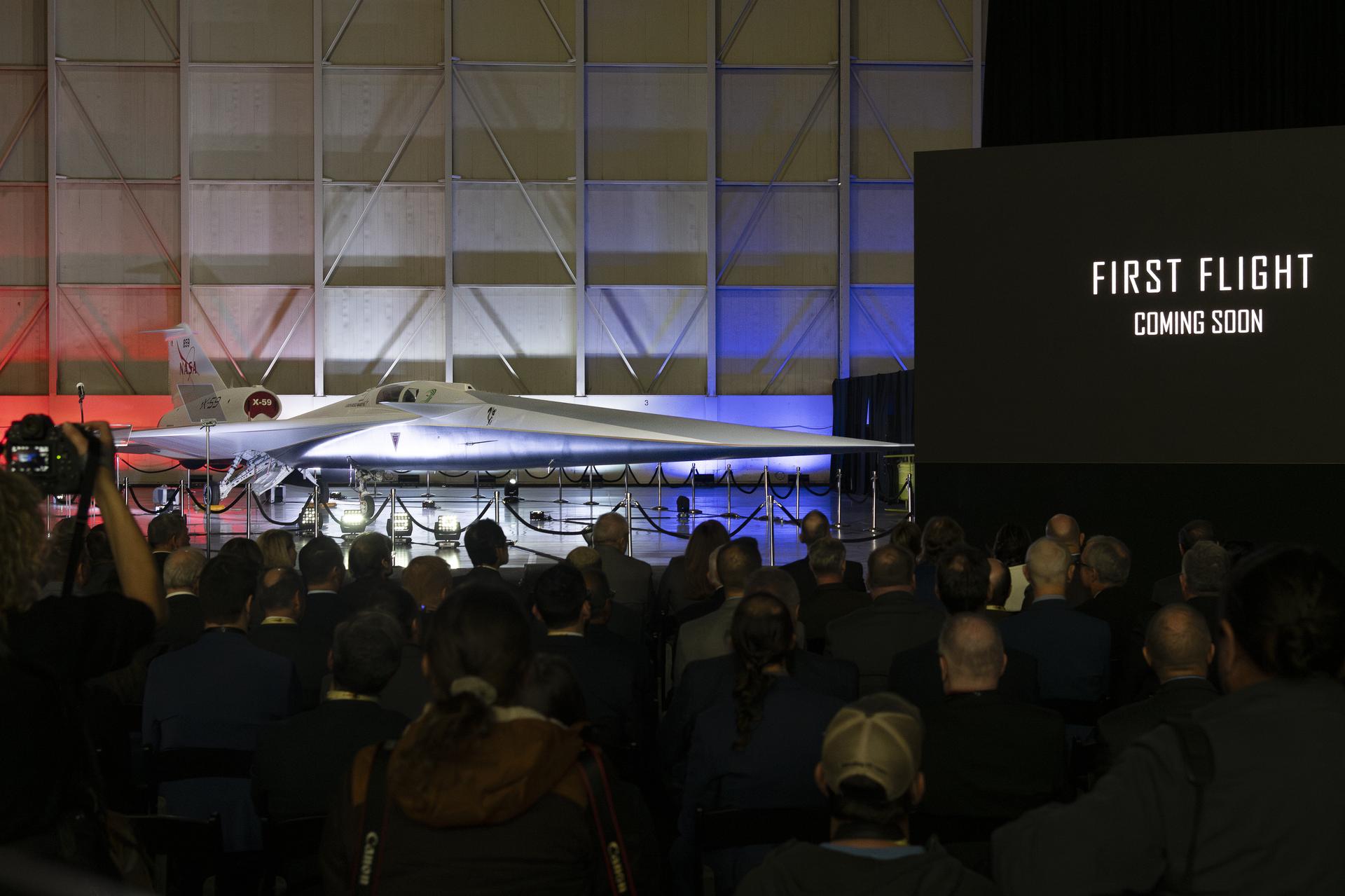
NASA Breaks Down the Physics of X-59's Quiet Sonic 'Thump' Ahead of Community Flights
NASA's August 10 Quesst blog explainer details how the X-59 turns a sonic boom into a delayed, car-door-like thump — data the agency will hand to regulators writing new supersonic-over-land noise rules.
-
Stargazing
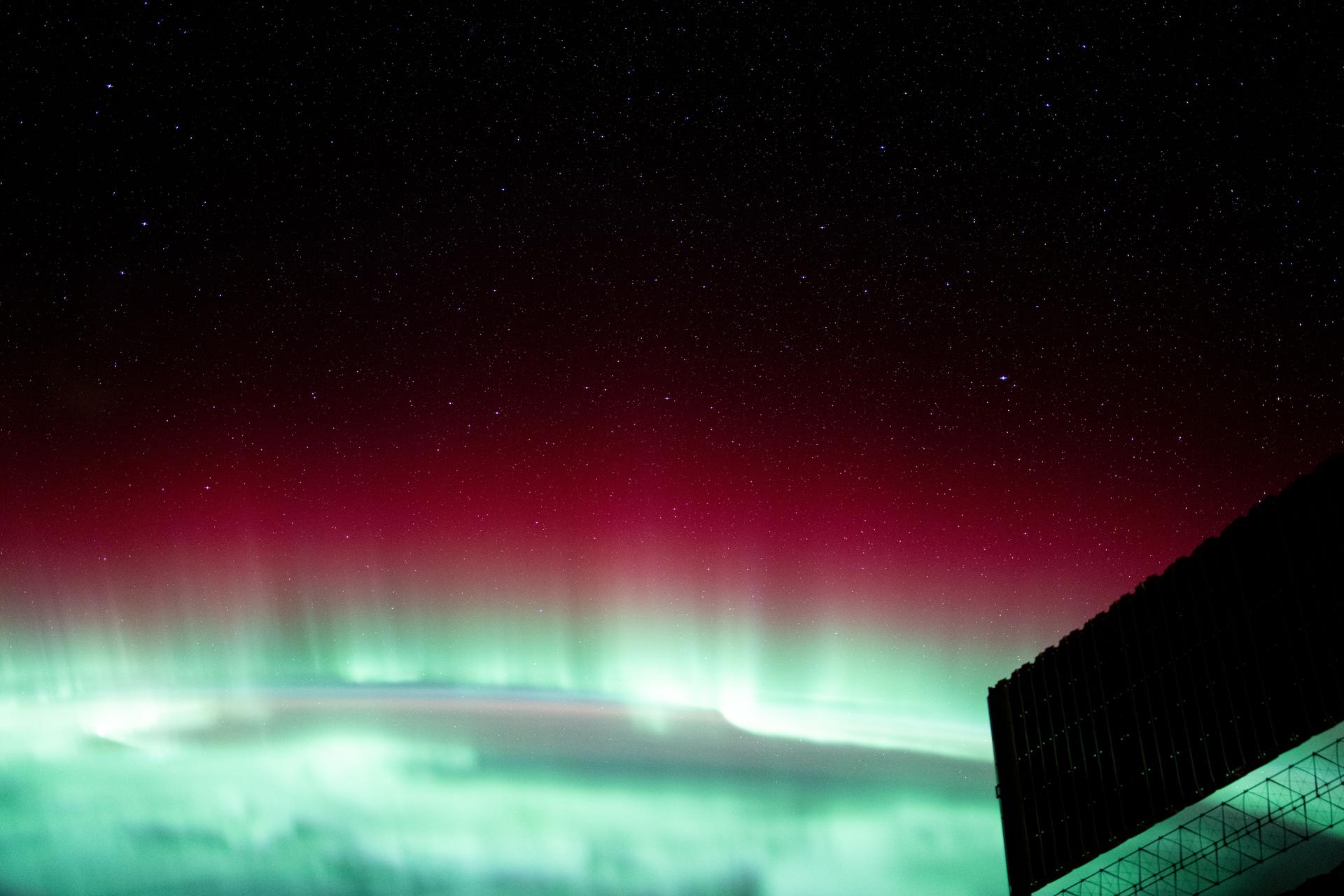
A G2 Storm Just Hit — and NOAA Says Another CME Arrives on Eclipse Day
After a Kp 6 storm lit up Scotland-latitude skies on August 8, NOAA's new forecast calls G1 storming likely on August 12 — the same day as the Greenland-Iceland-Spain total eclipse and the Perseids' ramp-up — raising the improbable prospect of auroras during totality.
-
Military Space
Golden Dome Gets Real Deadlines: Interceptor Ground Tests by Year-End, Orbital Flight Demos in 2027
The Pentagon has put firm dates on Golden Dome's hardest problem: space-based interceptor ground tests by end of 2026, two orbital flight tests in 2027, and an intercept demo in 2029 — with up to $3.2 billion spread across 12 companies and Gen. Michael Guetlein holding the program to a falsifiable clock.
-
Commercial
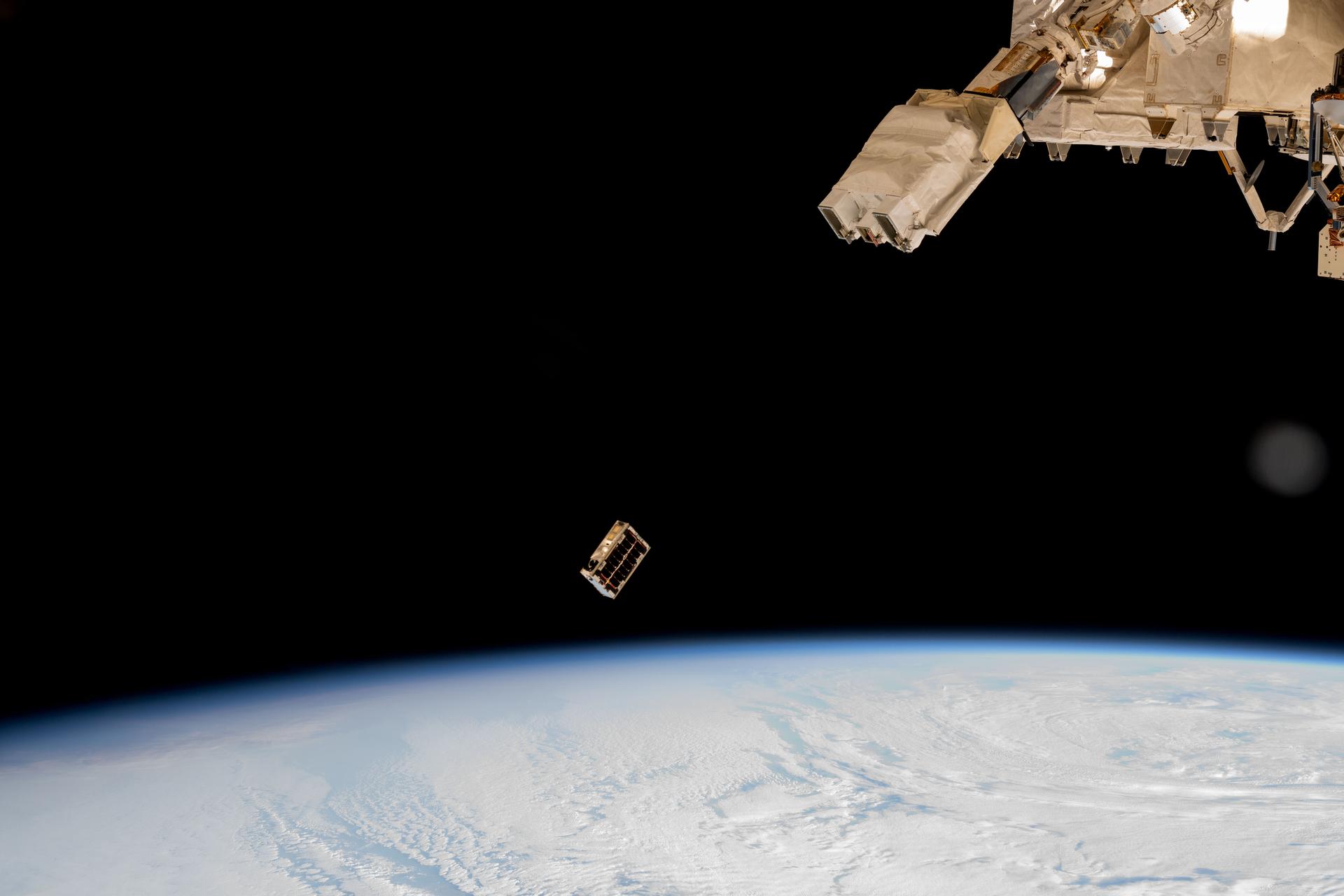
The First Air-Breathing Satellite Gets a Bus: Kreios Space Taps NanoAvionics to Fly an Engine That Eats the Atmosphere
Spanish startup Kreios Space will fly the first orbital demo of air-breathing electric propulsion on a Kongsberg NanoAvionics MP42 bus in 2028 — a ~200 kg satellite that scoops atmospheric oxygen and nitrogen for propellant, aiming to make 150-300 km orbits sustainable without carrying fuel.
-
Missions
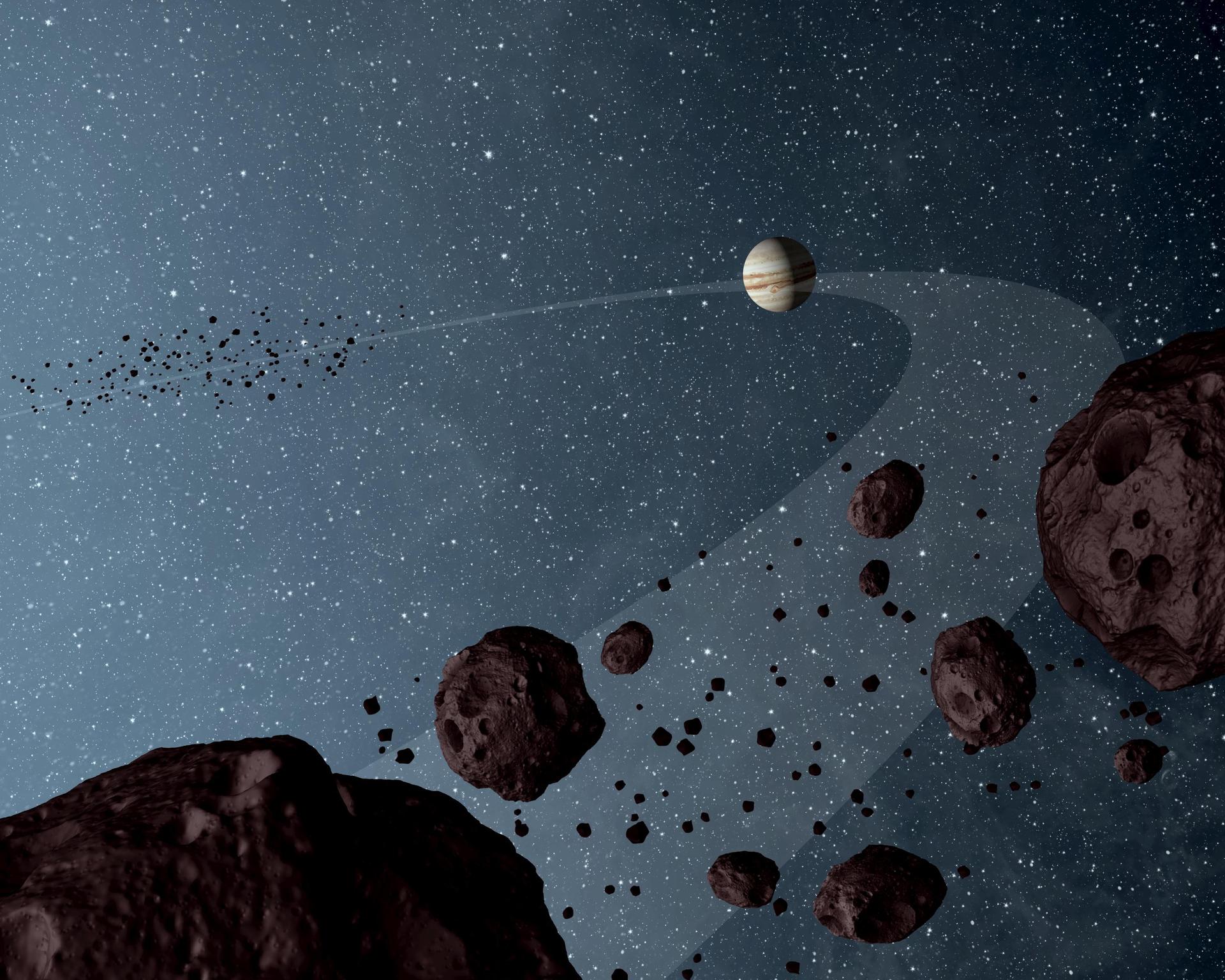
Lucy Turns Its Sharpest Camera on Four Trojan Targets in a Dress Rehearsal for the 2027 Flybys
NASA's Lucy spent spring 2026 photographing Eurybates, Polymele, Leucus and Orus from hundreds of millions of miles away — calibration shots under flyby-like lighting that Earth's telescopes can't reproduce, ahead of close passes at 300-600 miles starting August 2027.
-
NASA & Agencies
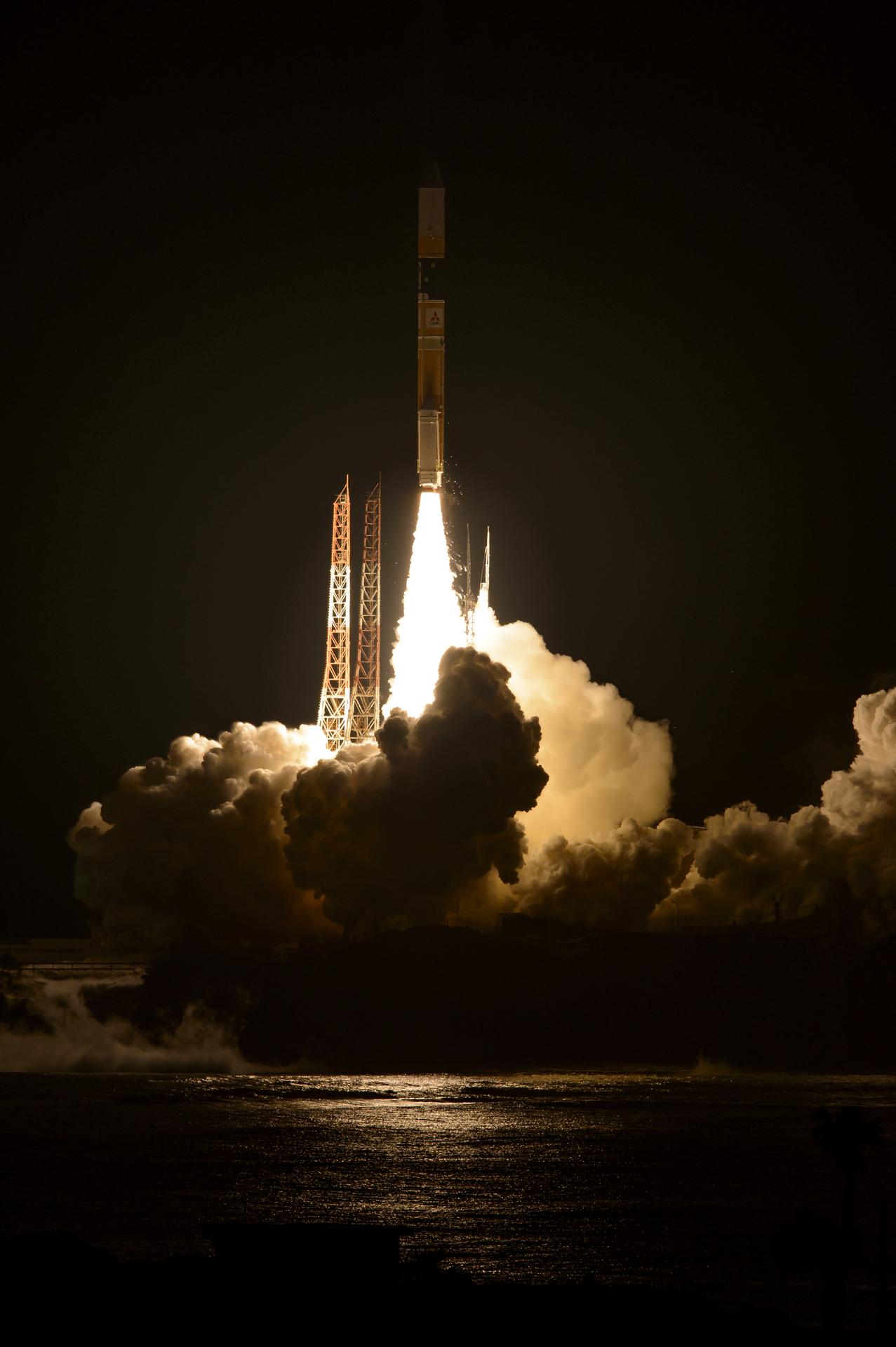
Typhoon-Delayed Michibiki-7 Set to Complete Japan's GPS Backup Constellation — and It's Carrying a U.S. Space-Surveillance Payload
After Typhoon Dolphin scrubbed one date and weather killed another, JAXA's H3 Flight 9 is now set to loft QZS-7 from Tanegashima on August 11 — completing Japan's seven-satellite GPS-augmentation system while hosting a second MIT Lincoln Laboratory surveillance payload for the U.S. Space Force.

Page 23 of 68
