
All articles
-
Science & Discovery
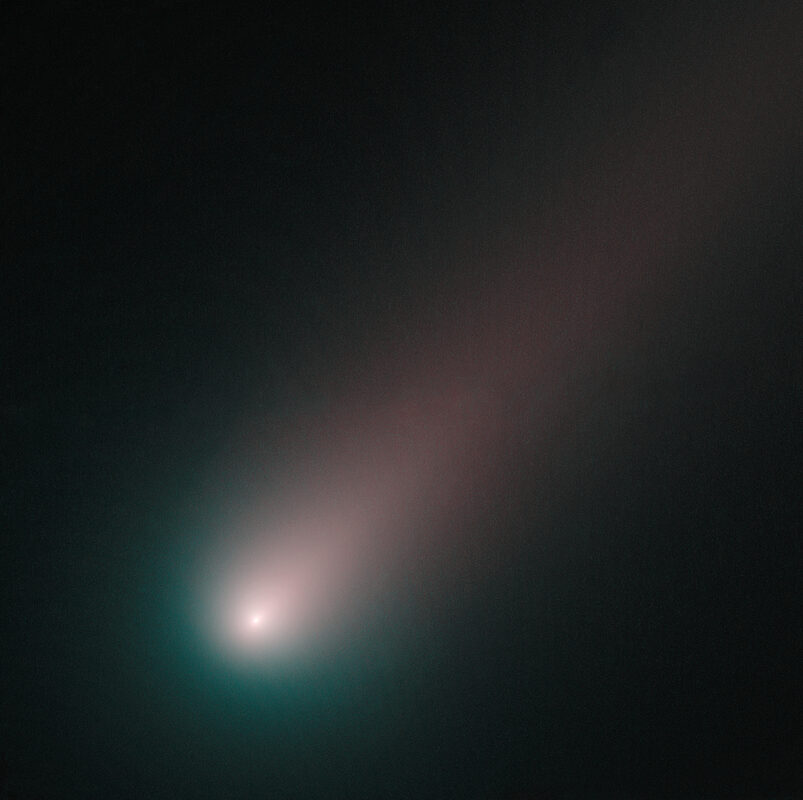
Interstellar Comet 3I/ATLAS Is Drenched in Unusually Heavy Water — and That's a Clue to Its Age
A RIKEN-led study finds 3I/ATLAS's water is up to 30 times richer in deuterium than typical solar-system comets, pointing to an origin around an older, metal-poor star.
-
Commercial
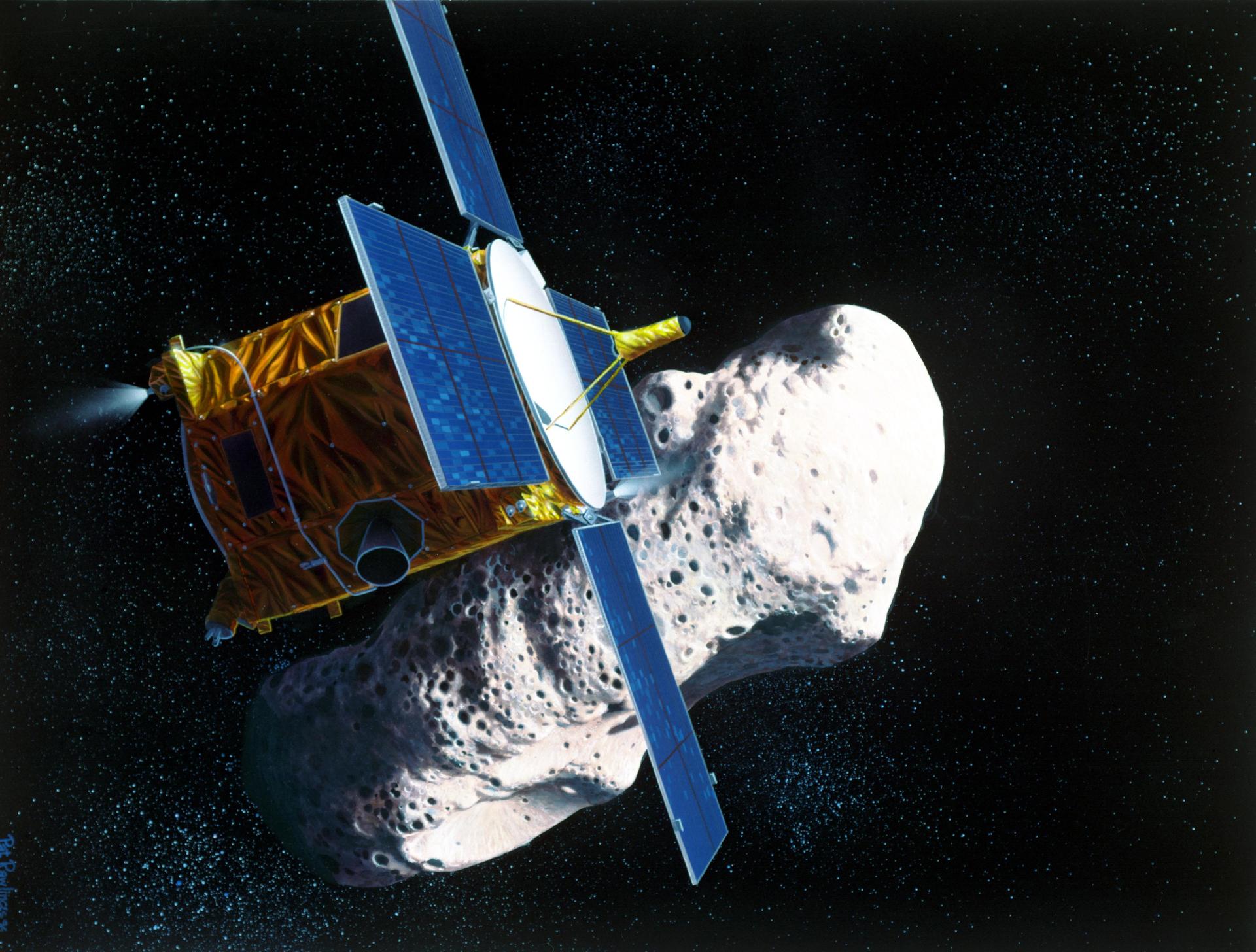
An Asteroid-Mining Startup Bets Everything on a Spacecraft That Takes No Orders
AstroForge says its Autonomy-1 mission, launching on Stoke Space's debut Nova Pathfinder rocket in early 2027, will fly its entire mission without a single command from Earth.
-
Science & Discovery
Astronomers Catch the First Radio Waves Ever Traced to an Exoplanet
MeerKAT detected polarized radio bursts from Beta Pictoris b itself, yielding the first direct magnetic-field measurement of a world outside our solar system — and a hint of an alien aurora.
-
Stargazing
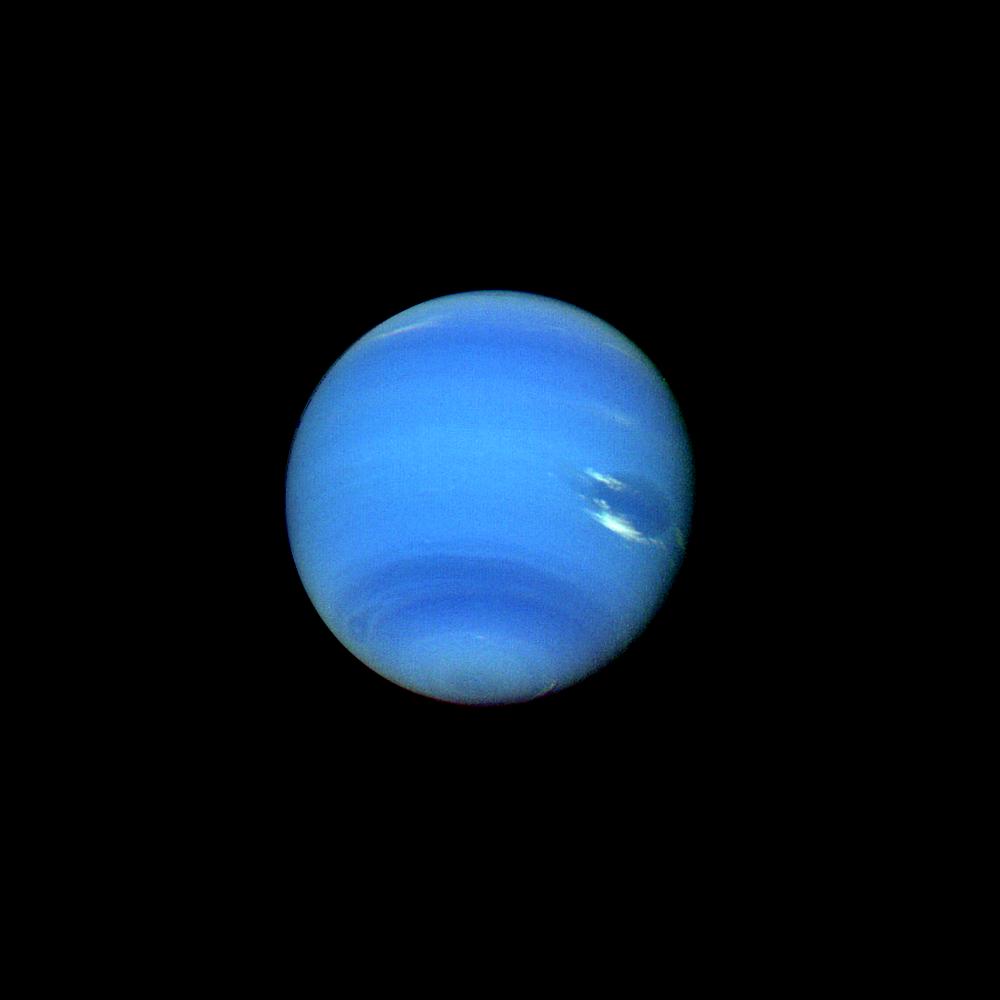
Neptune Reaches Opposition 180 Years After the Discovery That Found It With Math
Neptune reaches opposition on Sept. 26, 2026, almost exactly 180 years after astronomers pointed a telescope at the exact spot mathematics had predicted and found it waiting.
-
Military Space
Britain Launches Its First Squadron Built to Fight in Space
The RAF stood up No. III Space Effects Squadron on Sept. 23, 2026 — the UK's first unit built to disrupt, degrade and deny threats to British satellites, backed by £880 million in new funding.
-
Astronomy
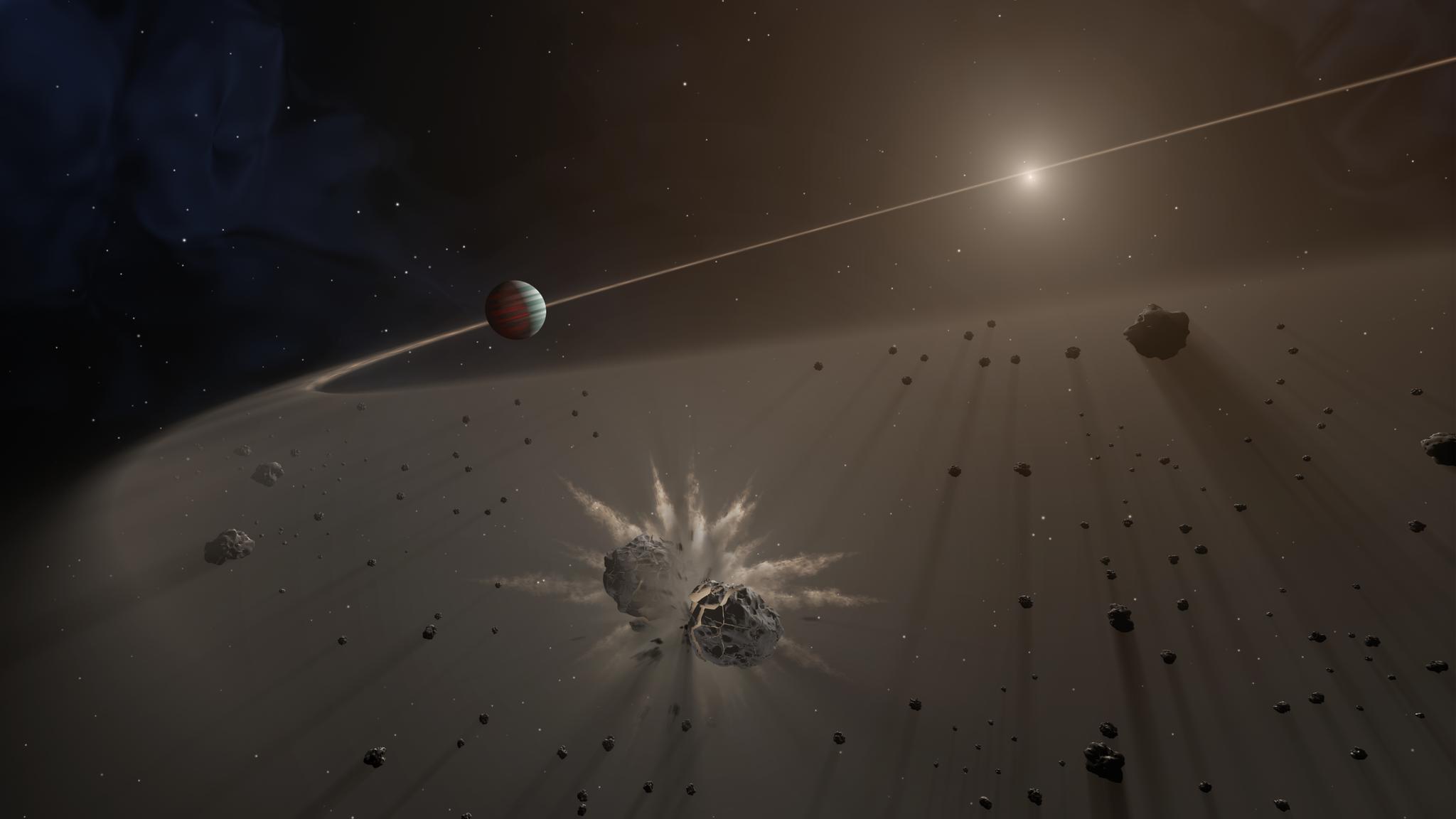
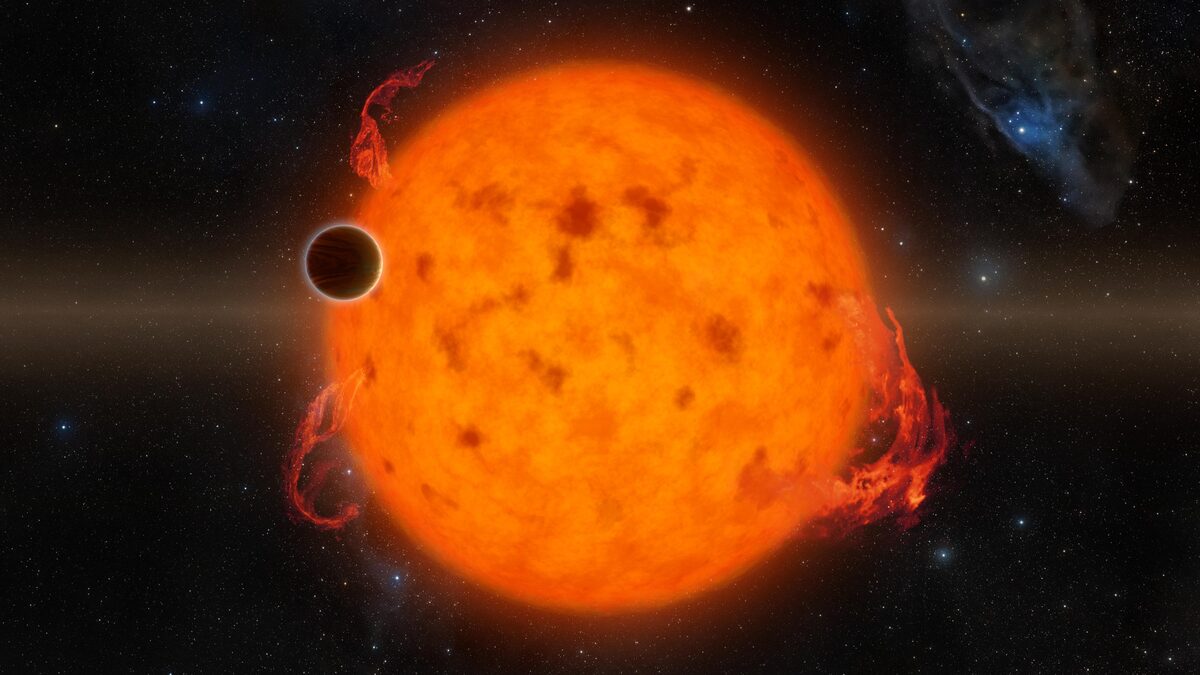
A Rebellious Exoplanet Orbits Backward, and Astronomers Don't Know Why
GJ 3090 b, a sub-Neptune 73 light-years away, orbits its star retrograde and severely misaligned — with no companion object to blame, forcing astronomers to consider that the star itself grew a backward disc.
-
Missions
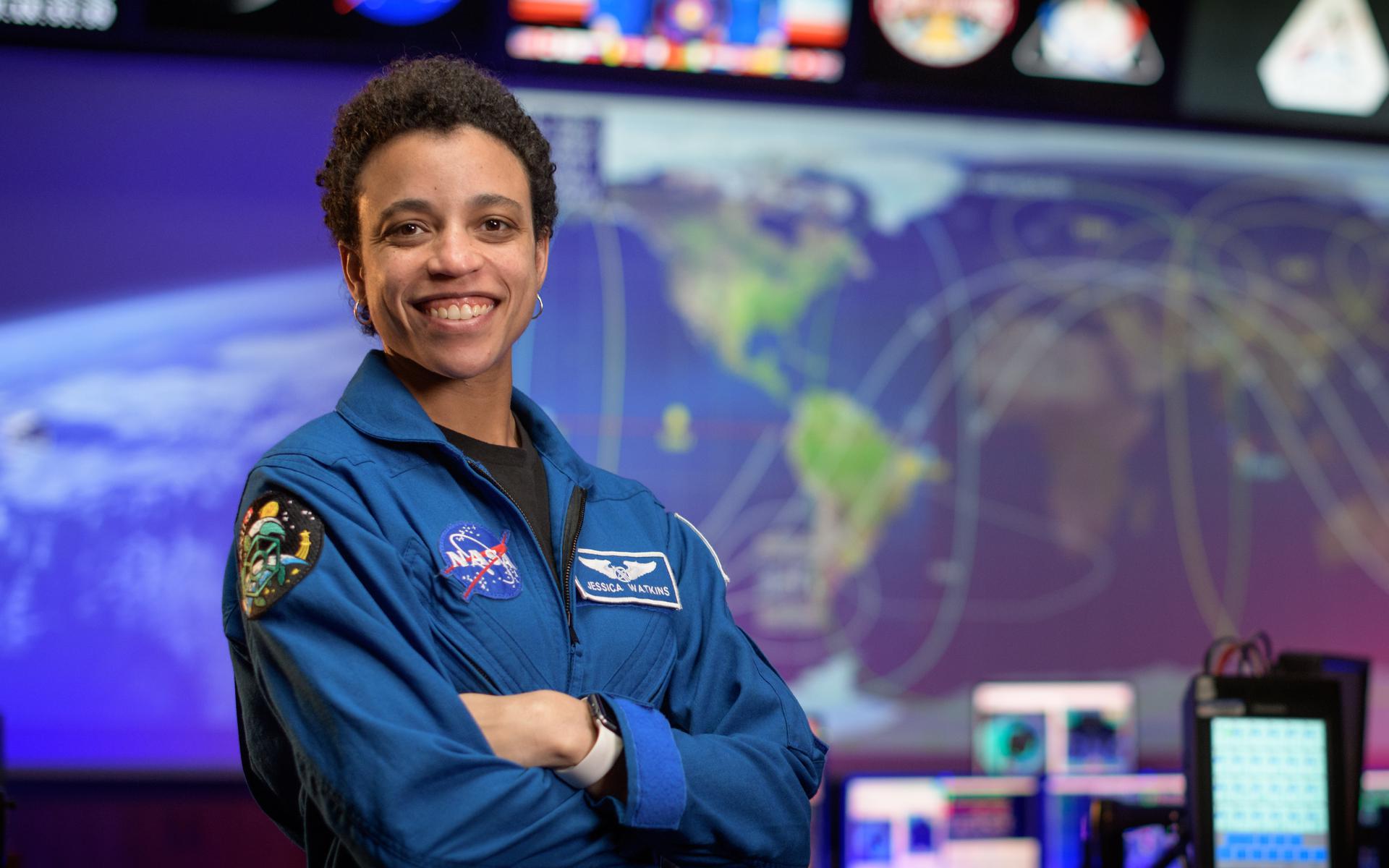
Crew-13's Jessica Watkins, Luke Delaney and Crewmates Enter Quarantine Ahead of Oct. 1 ISS Launch
NASA and SpaceX have locked in Oct. 1 at 11:10 a.m. EDT for Crew-13's Falcon 9/Dragon launch to the ISS, after an oxidizer-valve leak pushed the flight past its original Sept. 12 target.
-
Astronomy
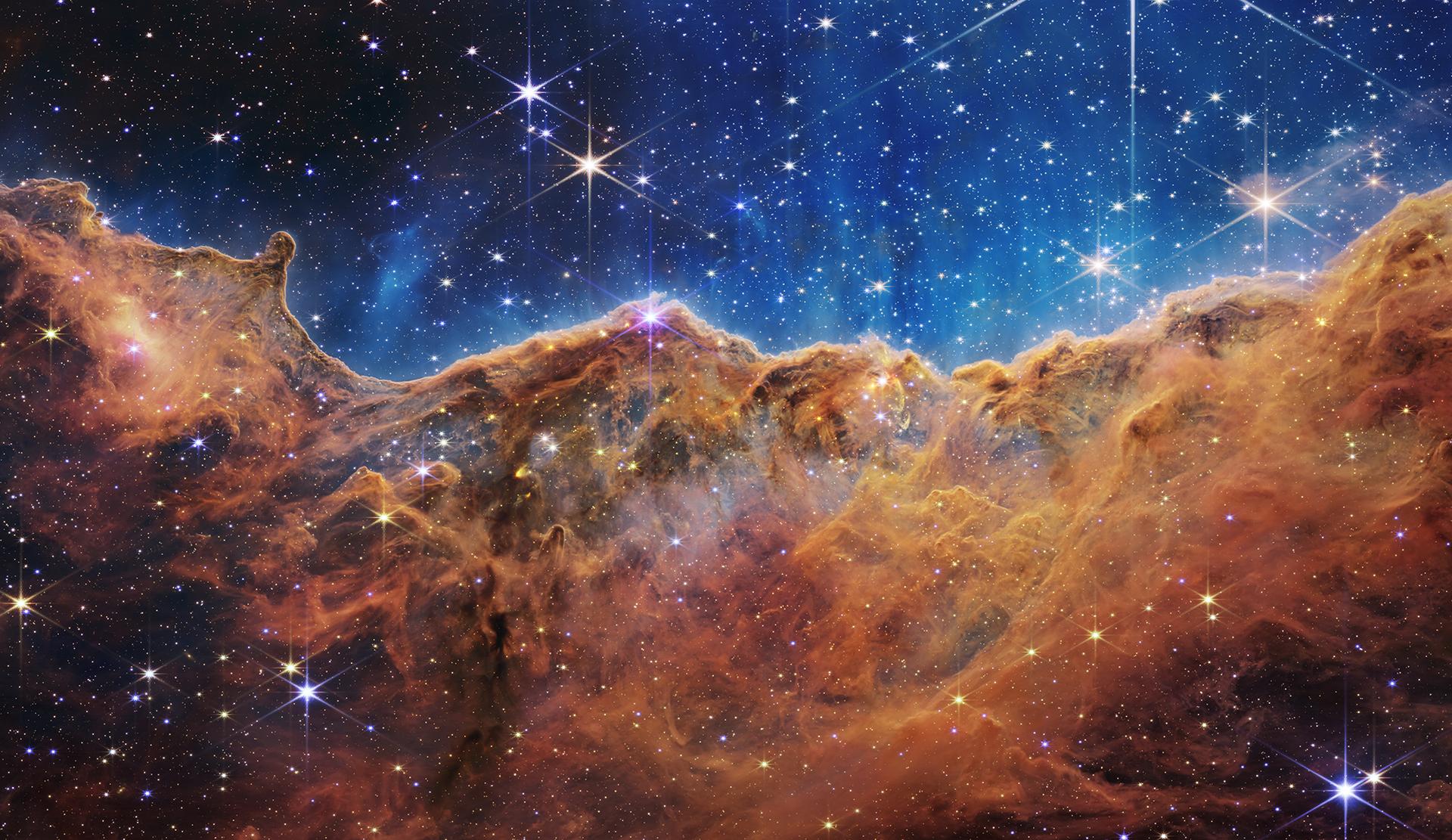
JWST Finds the Same Star-Formation "Recipe" in a 13-Billion-Year-Old Galactic Fossil
JWST resolved over 10,000 faint stars in the ancient dwarf galaxy Boötes I and found its initial mass function matches the Milky Way's, hinting that the rules of star formation may not change even in near-primordial conditions.
-
Stargazing
NOAA Issues G1 Storm Watch as Solar Wind Meets the September Equinox
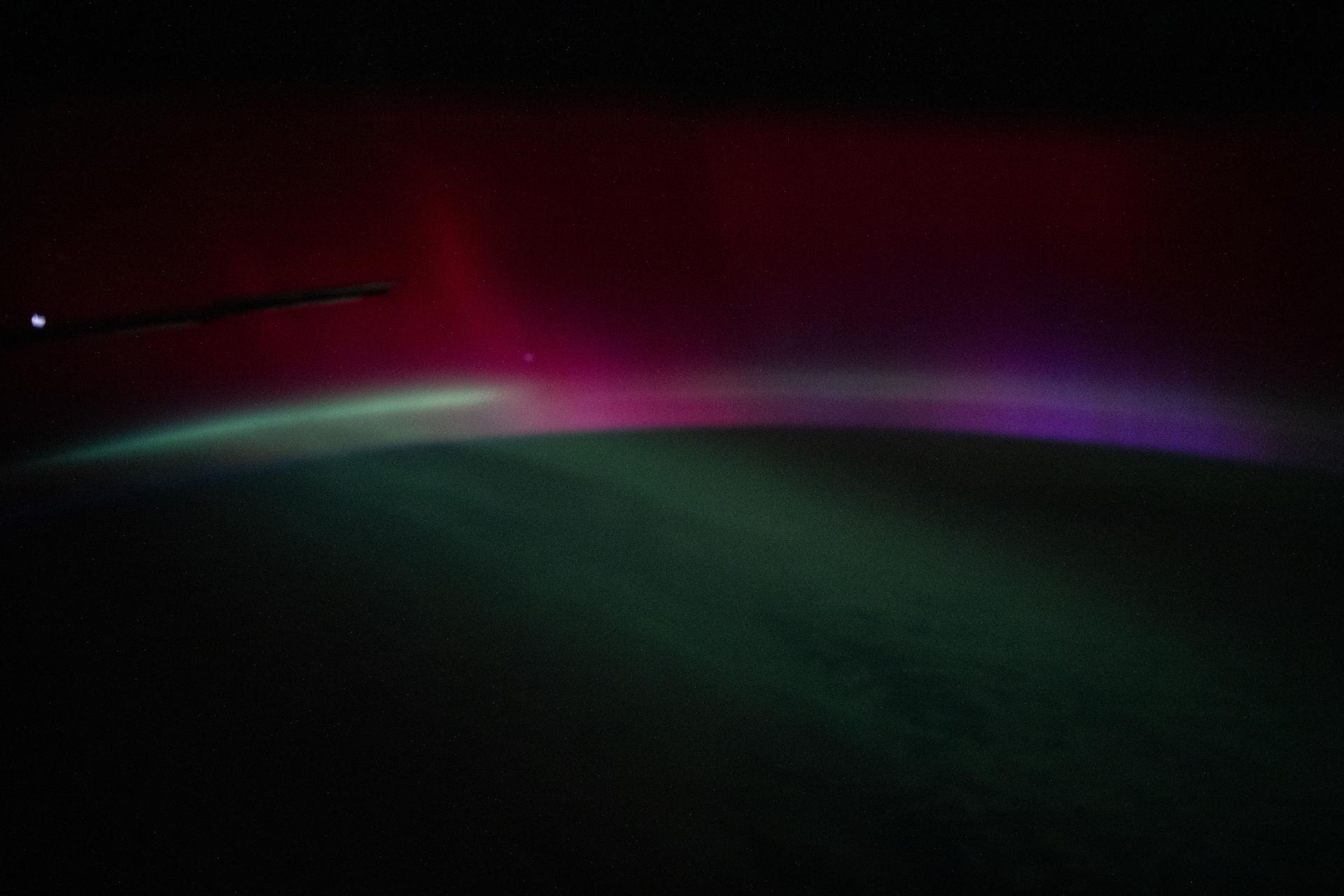
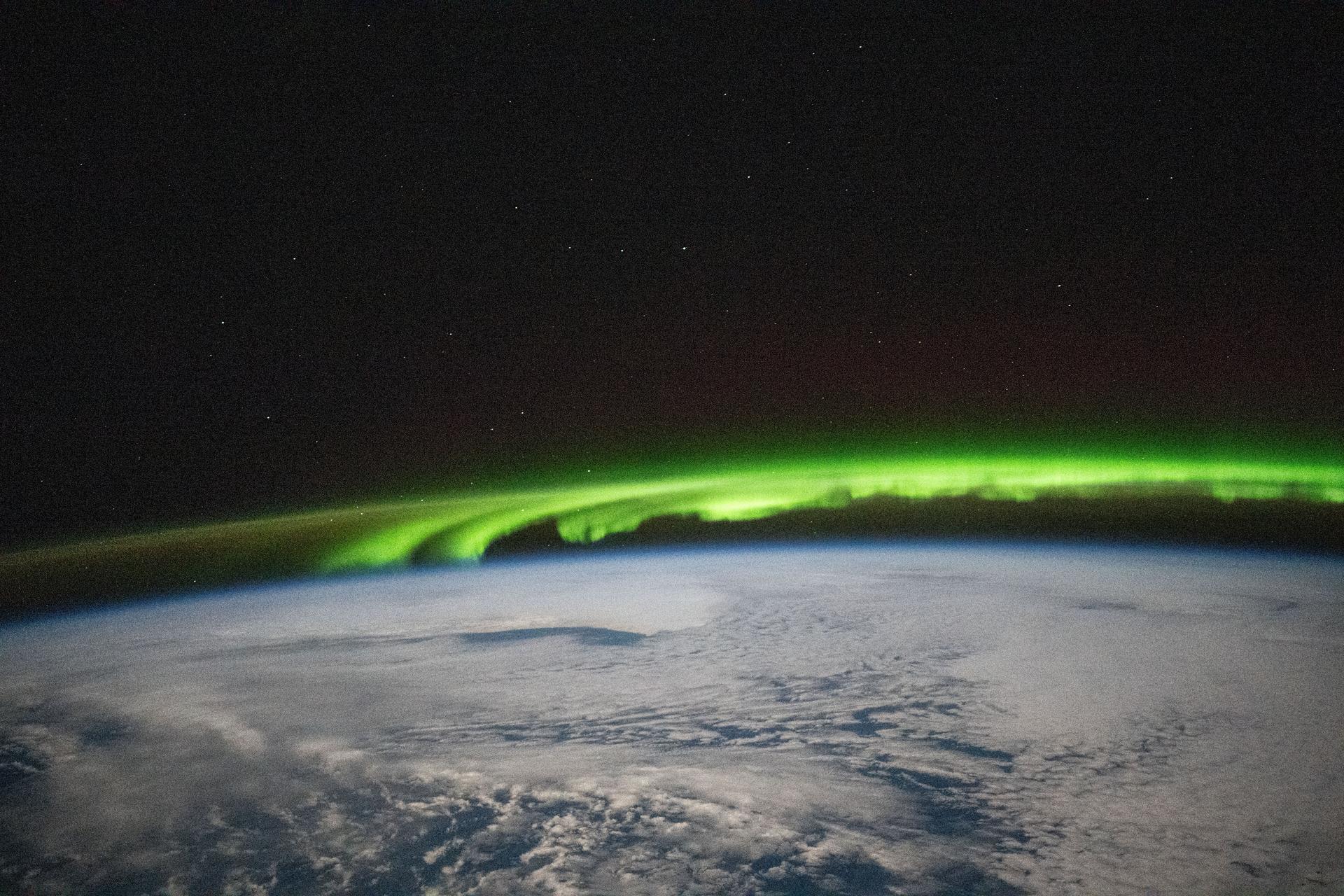
NOAA forecasts a G1 geomagnetic storm for Sept. 24 as a coronal-hole solar wind stream arrives right after the equinox, a seasonal alignment that historically boosts aurora odds.
-
NASA & Agencies
Albania Becomes 73rd Nation to Sign the Artemis Accords
Albania signed the Artemis Accords at NASA Headquarters on September 21, 2026, becoming the 73rd nation to join the U.S.-led framework for peaceful, transparent space exploration.
-
Stargazing
Equinox Sets Up Aurora Window as Forecasters Flag a G1 Storm for Sept. 24
The September equinox and an incoming coronal-hole solar wind stream are stacking the odds toward a minor G1 geomagnetic storm and aurora sightings on Sept. 23–24, 2026.
-
Science & Discovery
Perseverance Finds Three-Stage Water History in Jezero Crater's 'Margin Unit'
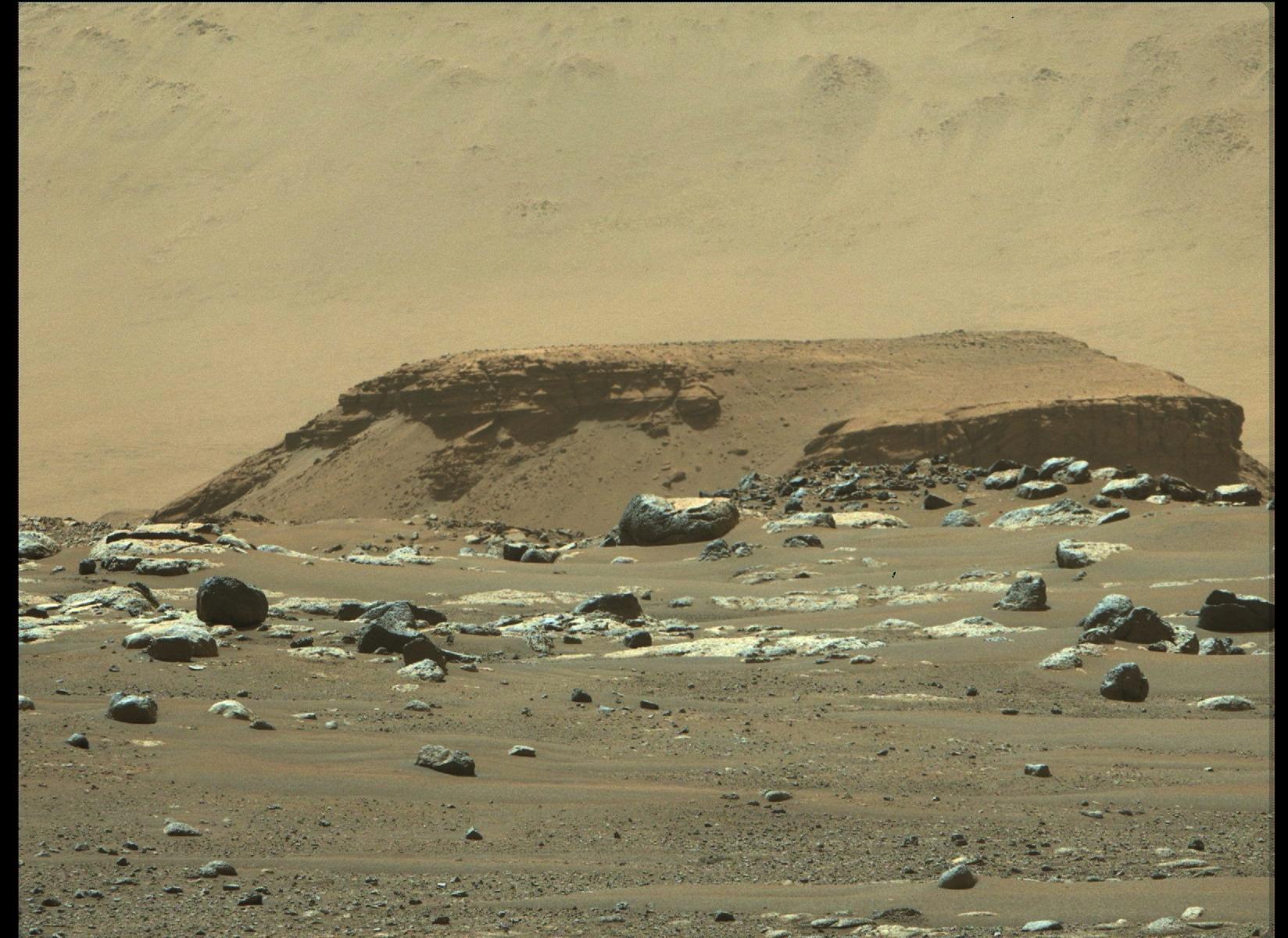
A peer-reviewed study using Perseverance's SuperCam data reconstructs three distinct water-alteration episodes in Jezero Crater's carbonate-rich Margin unit, reinforcing the site's astrobiological promise.

Page 11 of 68
