
All articles
-
Science & Discovery
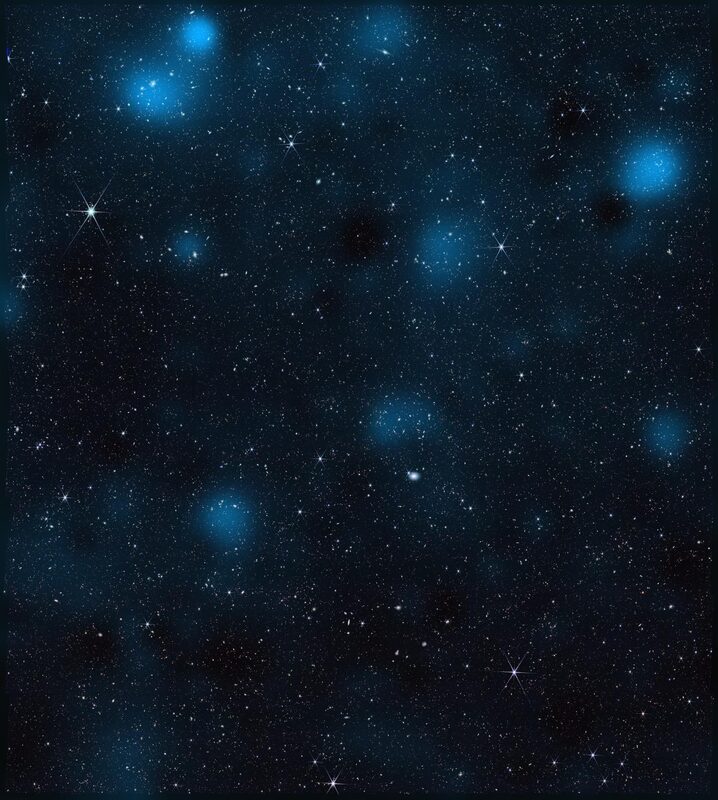
A Cosmic Breadcrumb Trail: First Stellar Stream Found Outside the Milky Way Offers New Way to Weigh Dark Matter
Astronomers combing archival Hubble images spotted the first confirmed globular-cluster stellar stream beyond our galaxy, in a faint dwarf 115 million light-years away — and the technique could finally let us map dark matter in galaxies other than our own.
-
Military Space
Guetlein Opens Golden Dome's Doors to Startups With a New 'Ecosystem Hub' — As Funding Runs Toward a Cliff
At the Huntsville missile-defense symposium, Golden Dome's director unveiled a website for startups to pitch concepts directly — even as he and Space Command's outgoing chief warned the $185 billion program could stall for lack of funding by October.
-
Missions
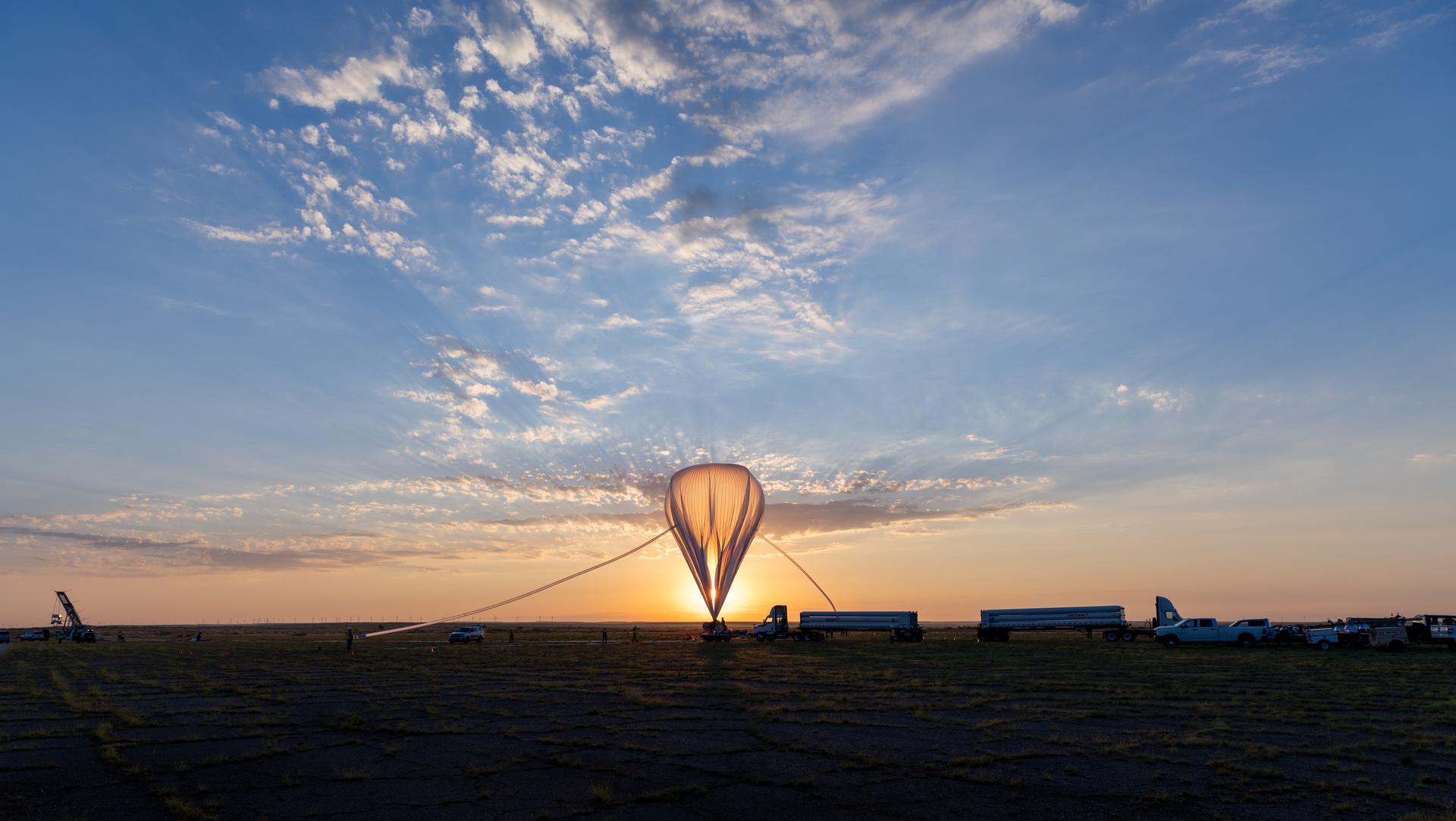
Six Balloons, Twenty Student Teams: NASA's 2026 Fort Sumner Campaign Marks HASP's 20th Flight
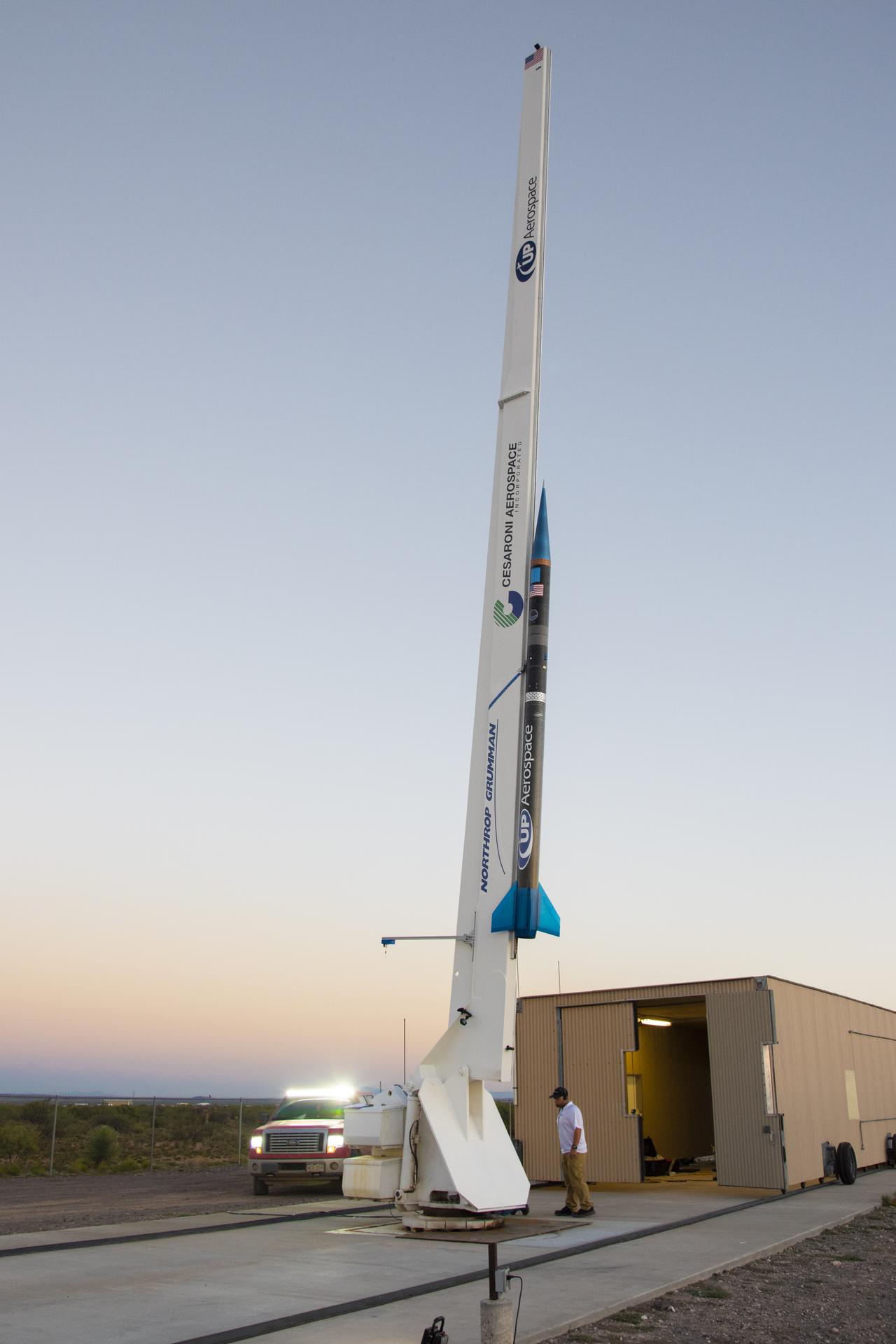
NASA's Balloon Program Office opens its 2026 Fort Sumner campaign with six flights, headlined by the 20th launch of the student-built High-Altitude Student Platform after a record-setting integration round.
-
Astronomy
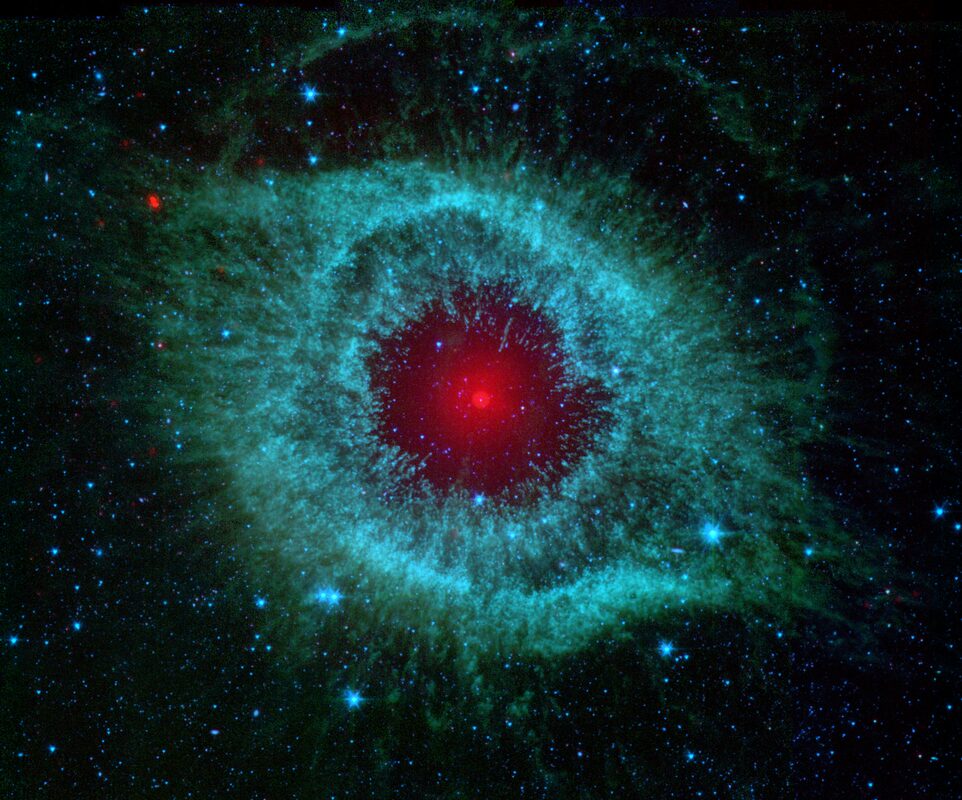
Twenty-Two Bow Shocks: Astronomers Catch the Helix Nebula Recycling a Dying Star's Debris in Real Time
A partially built telescope in Chile has resolved 22 distinct bow shocks in the Helix Nebula's outskirts, giving astronomers a rare direct measurement of how a dying star's ejecta gets shredded and mixed back into the galaxy over roughly 10,000 years.
-
Stargazing
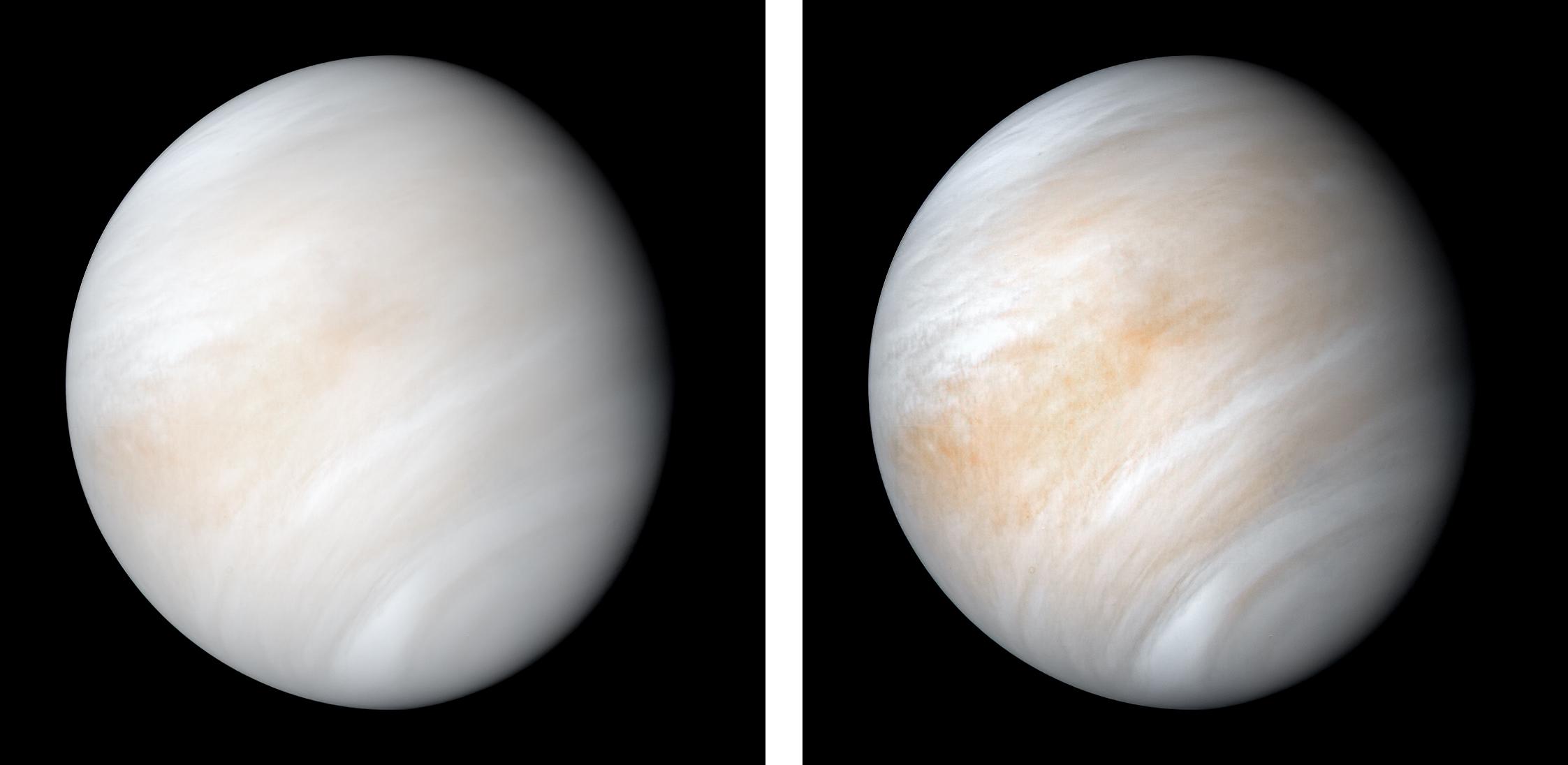
Venus Hits Its Widest Evening Separation From the Sun This Weekend — Here's How to Spot It
Venus reaches greatest eastern elongation on August 15, sitting 46 degrees from the Sun at magnitude -4.4 for its best evening show of 2026, with a crescent Moon and Spica as guideposts.
-
Science & Discovery
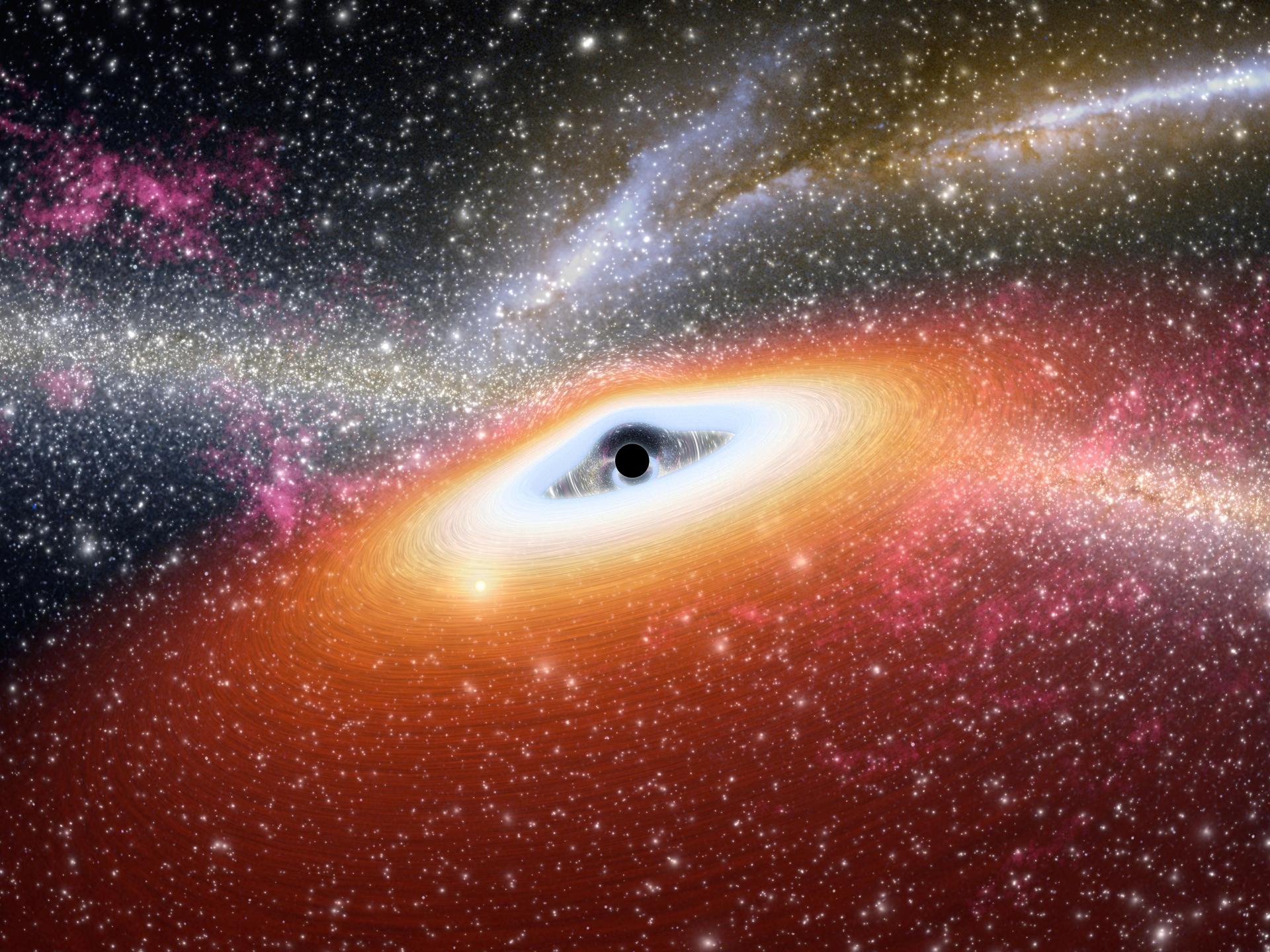
Black Holes Older Than the Big Bang Could Explain Dark Matter, New Study Suggests
A University of Portsmouth cosmologist argues that black holes from a universe that existed before our own could have survived a cosmic "bounce" and still be hiding in plain sight as dark matter.
-
Military Space
All 12 Golden Dome Interceptor Contractors Clear First Design Milestone — But a Funding Cliff Looms
SpaceX, Northrop Grumman, and ten other contenders have passed Gate 1 of the Pentagon's space-based interceptor competition, but officials warn the $185 billion Golden Dome missile shield could stall as soon as October without new funding.
-
NASA & Agencies
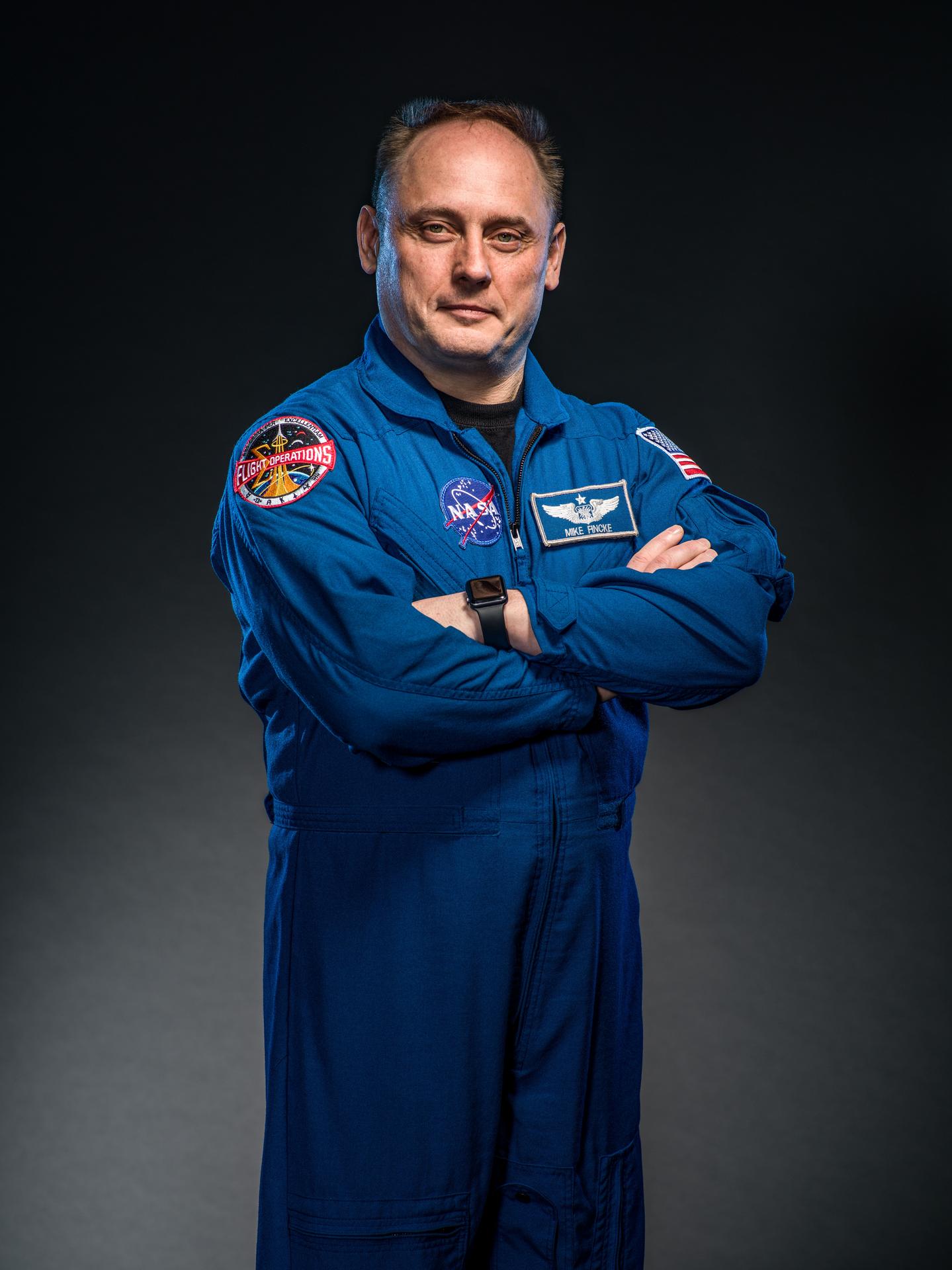
Veteran Astronaut Mike Fincke Retires From NASA After 30 Years and a January Health Scare in Orbit
NASA confirmed Aug. 12 that four-flight veteran Mike Fincke is retiring after 30 years with the agency, seven months after losing his voice for 20 minutes aboard the ISS forced an early end to his Crew-11 mission.
-
Commercial
Virgin Galactic Pushes First Commercial Delta Spaceflight to February 2027
Virgin Galactic told investors its new Delta-class spaceship won't fly paying customers until February 2027, blaming a pile-up of tiny tolerance and installation snags rather than one big failure.
-
Commercial
Firefly Pushes Redesigned Alpha Rocket to Q4 After a Booster Exploded in Testing
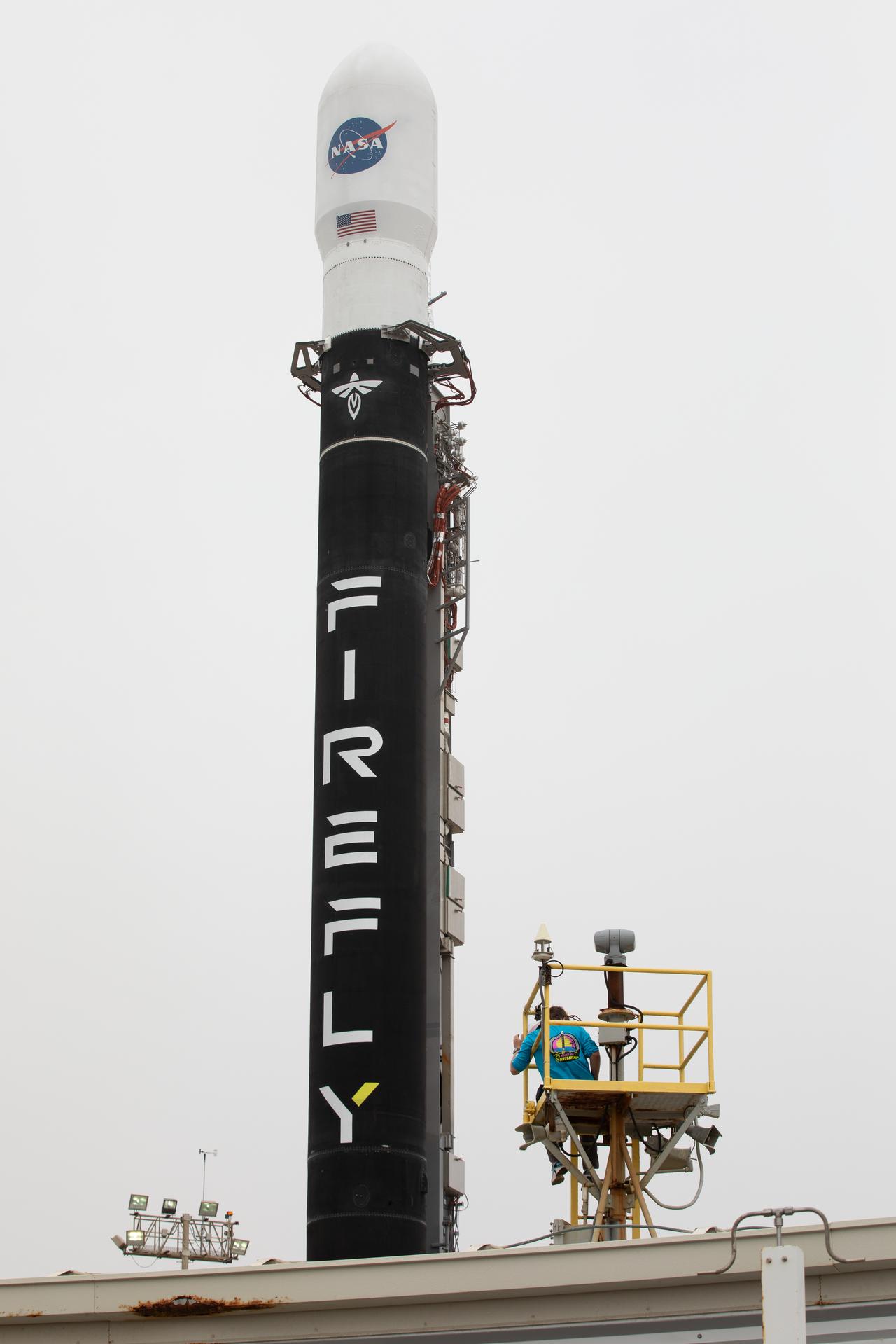
Firefly Aerospace's Q2 10-Q and August 11 investor call confirm the Alpha Block 2 debut has slipped to Q4 2026, after an in-flight booster rupture and a September 2025 test-stand explosion forced a heavier redesign.
-
Missions
NASA Finishes Its Suitcase-Sized Moonquake Detector for Artemis III's Landing Site
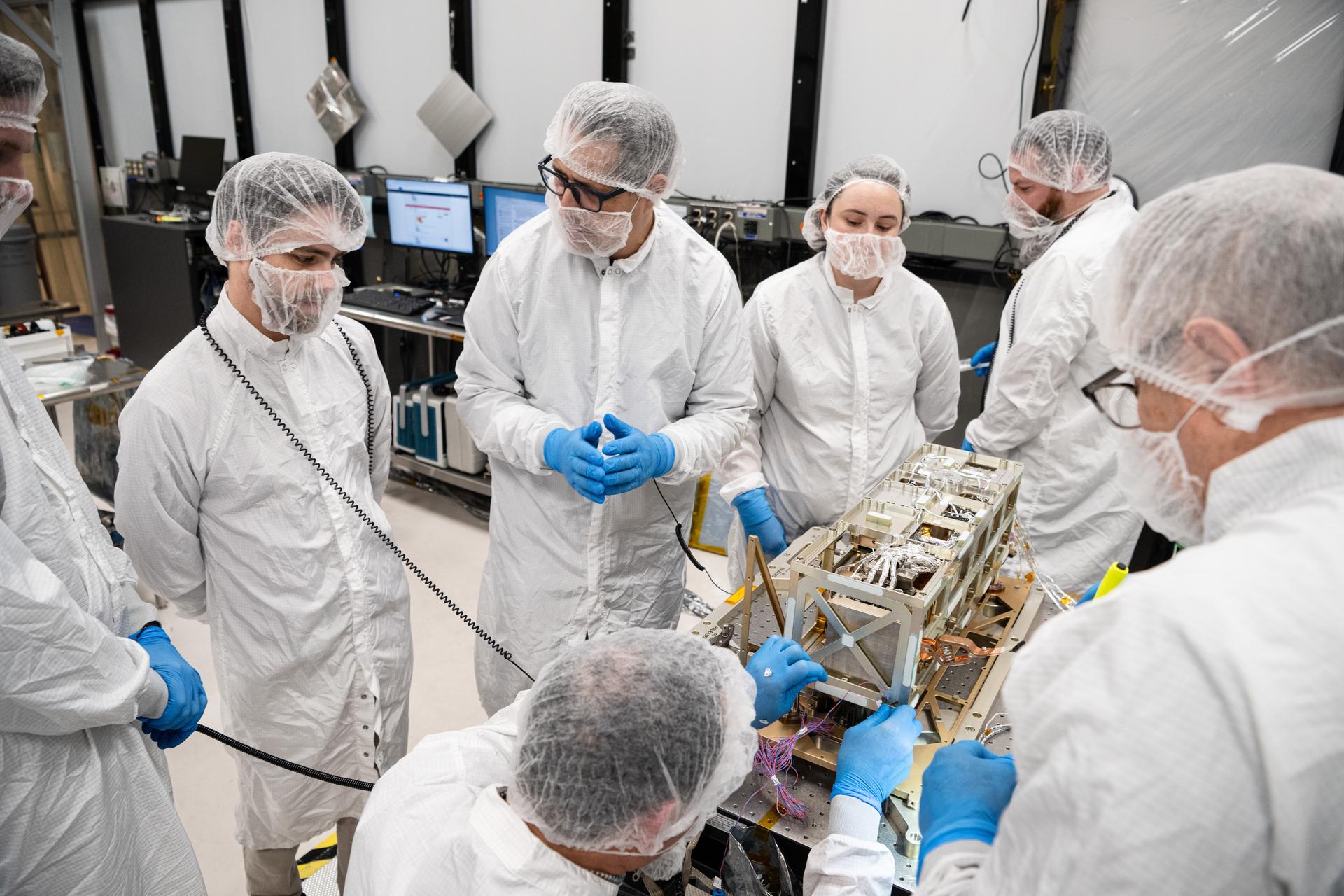
NASA says the Lunar Environment Monitoring Station, an 11-pound seismic station astronauts will hand-carry to the Moon's South Pole, has cleared hardware testing — reviving lunar seismology for the first time since Apollo shut its instruments off in 1977.
-
Astronomy
Three Space Telescopes Turn the Tarantula Nebula Into a Layered 'Craft' — and Solve an X-ray Mystery
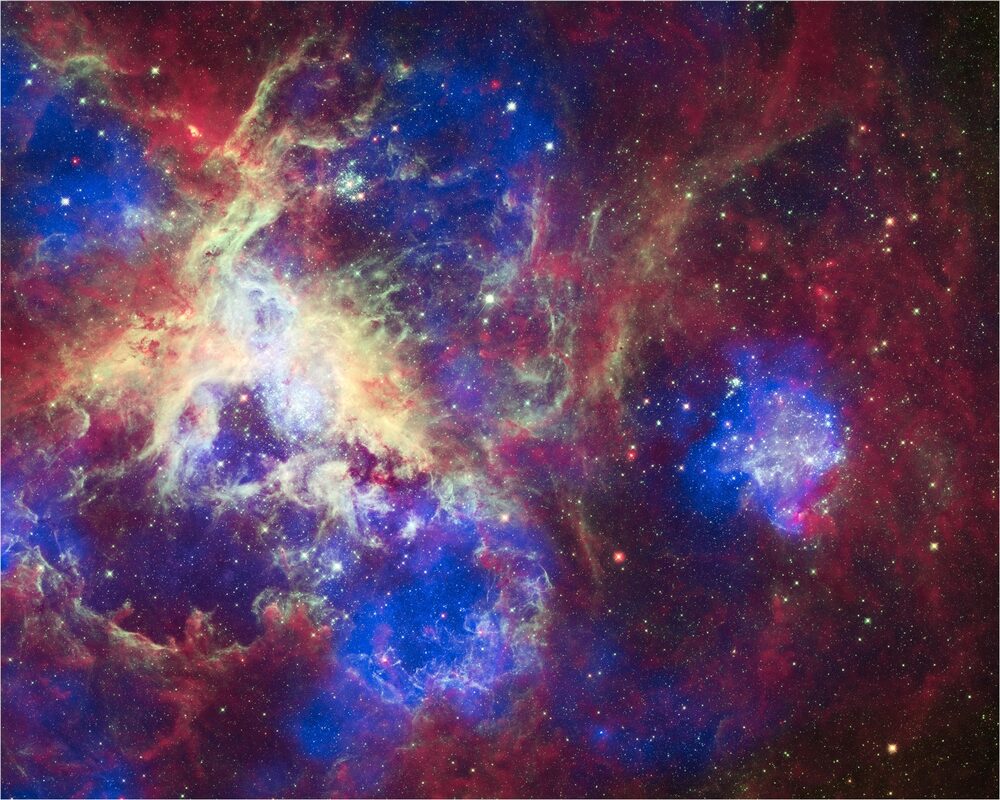
NASA's new Chandra-Webb-Hubble composite of the Tarantula Nebula looks like stacked cellophane, and the science behind it explains why the region glows with far less X-ray light than star-formation models predicted.
Page 22 of 68
