
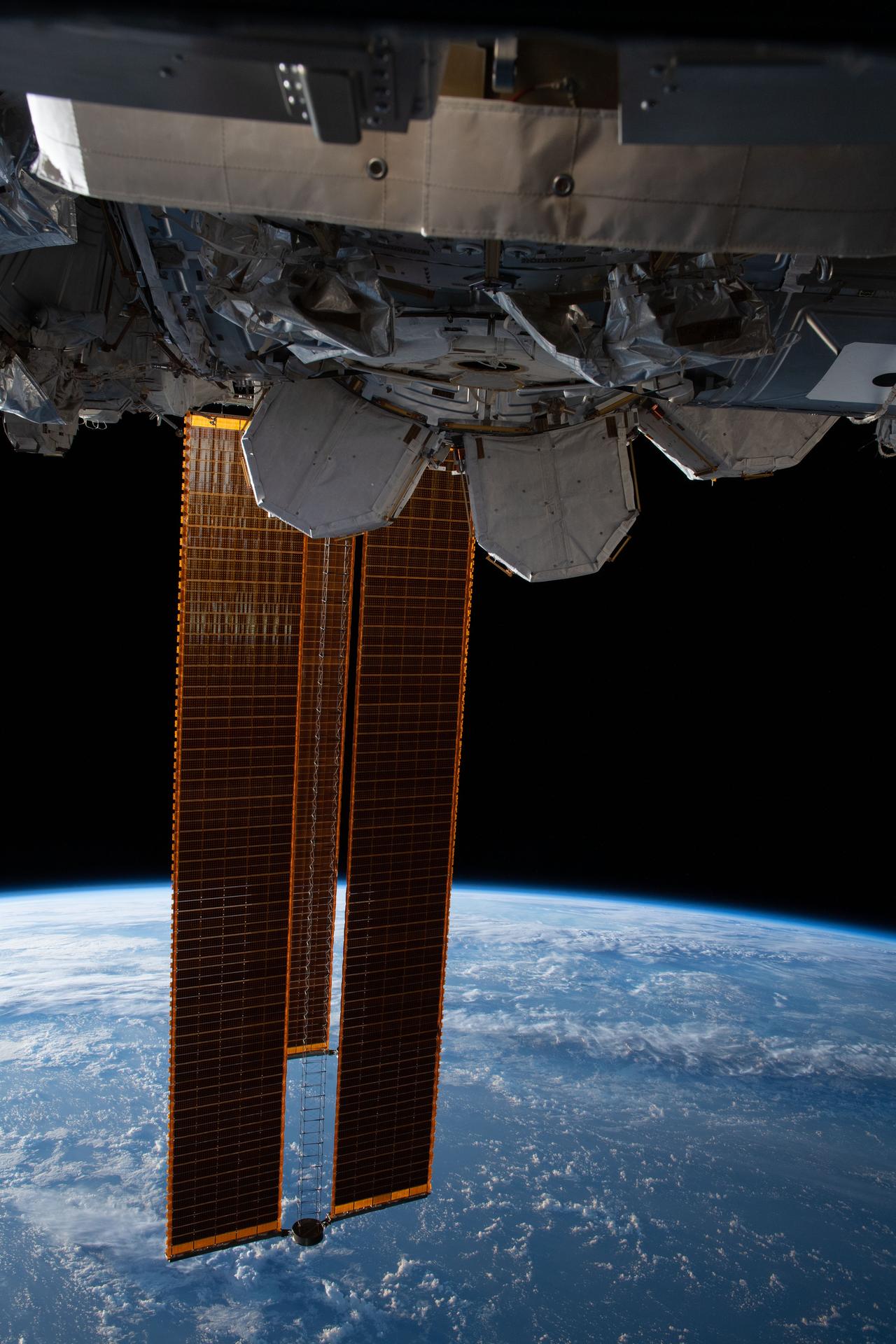
The paperwork phase of NASA's plan to replace the International Space Station with commercially owned outposts is almost over. On Oct. 9, 2026, the agency released its final Request for Proposals for next-generation commercial destinations in low Earth orbit, according to NASA Release 26-086. Companies have until Tuesday, Dec. 8 to submit bids. NASA expects to announce awards in spring 2027.
The solicitation follows months of back-and-forth between the agency and industry: two Requests for Information in March, then a draft RFP in July. The final document now sets the terms companies have to bid against.
What NASA Is Actually Buying
The contract structure says a lot about how NASA wants to share risk. According to the agency's release, awards will be firm-fixed-price, multiple-award, indefinite-delivery/indefinite-quantity (IDIQ) contracts.
Each of those terms matters:
- Firm-fixed-price means NASA pays an agreed amount for agreed work. If development costs more than planned, the contractor pays the difference, not the government. That puts much of the financial risk on the companies.
- Multiple-award means NASA does not intend to pick a single winner at the start.
- IDIQ contracts set up a framework under which the agency can later issue specific task orders.
NASA describes a two-step process. First, it will select two or more contractors for early development work. Later, it will hold a competitive task order for final design, test and certification. In practice, several companies will mature their designs in parallel before one more competition decides who carries a station through to certification.
How We Got Here
The road to this RFP has not been straight. On July 7, 2026, NASA published a draft RFP for phase two of the Commercial LEO Destinations program and asked industry for feedback, ExecutiveGov reported. Comments were due July 27, and the agency held an industry briefing on July 9 at Johnson Space Center. The program is meant to ensure continued U.S. access to low Earth orbit after the ISS is retired.
Before that, NASA had looked at a different design. As Payload reported in its coverage of the July draft, the agency earlier floated the idea of a core module attached to the ISS in place of free-flying commercial stations. Industry pushed back. The draft that followed returned to independent stations and set out the approach the final RFP keeps: at least two early-development awards, followed by a later competition for final design.
Payload also reported that NASA Administrator Jared Isaacman said industry believes it can meet the timelines and that a viable commercial marketplace exists where NASA is one customer among many. That claim is central to the program, because the plan assumes NASA will be one customer among several rather than the only reason a station exists.
"The Economics Ultimately Have to Work"
Isaacman's comments in the final RFP announcement focused on money. "The opportunity is significant, but the economics ultimately have to work," he said, according to NASA's release. He added that NASA wants to see "credible plans, strong technical execution, and companies prepared to invest in destinations that can serve NASA while developing additional customers and markets of their own."
That line reads as a warning to bidders. A fixed-price contract will not cover a station whose business case depends on NASA funding every cost overrun. Companies need a credible plan for paying customers beyond the agency, and they have to be confident enough in their own cost estimates to take on the overrun risk themselves.
The two-step structure gives NASA a way to test those claims before it commits. Funding two or more companies through early development lets the agency compare real engineering progress, not just proposals, before it picks who goes on to final design and certification.
The Timeline at a Glance
- March 2026: NASA issues two Requests for Information.
- July 7, 2026: Draft RFP for phase two of Commercial LEO Destinations released.
- July 9, 2026: Industry briefing at Johnson Space Center.
- July 27, 2026: Industry comments on the draft due.
- Oct. 9, 2026: Final RFP released (NASA Release 26-086).
- Dec. 8, 2026: Proposals due.
- Spring 2027: Awards expected.
Why It Matters
NASA's stated aim, in Isaacman's words in the release, is a "sustained American presence in low Earth orbit long after the International Space Station retires." This program is how the agency plans to get there. The release says the agency will still need a place to conduct research, develop technologies, train crews and prepare for missions to the Moon and Mars.
The final RFP also settles a policy question. After considering a module attached to the ISS, NASA has chosen a competitive, fixed-price model in which more than one company develops a station at first. That spreads the risk across several bidders, but it requires those companies to believe a commercial market will exist to support them. Isaacman says industry believes it will. The proposals due Dec. 8, and the selections NASA expects next spring, will show how many companies are willing to commit their own money to that belief.
