
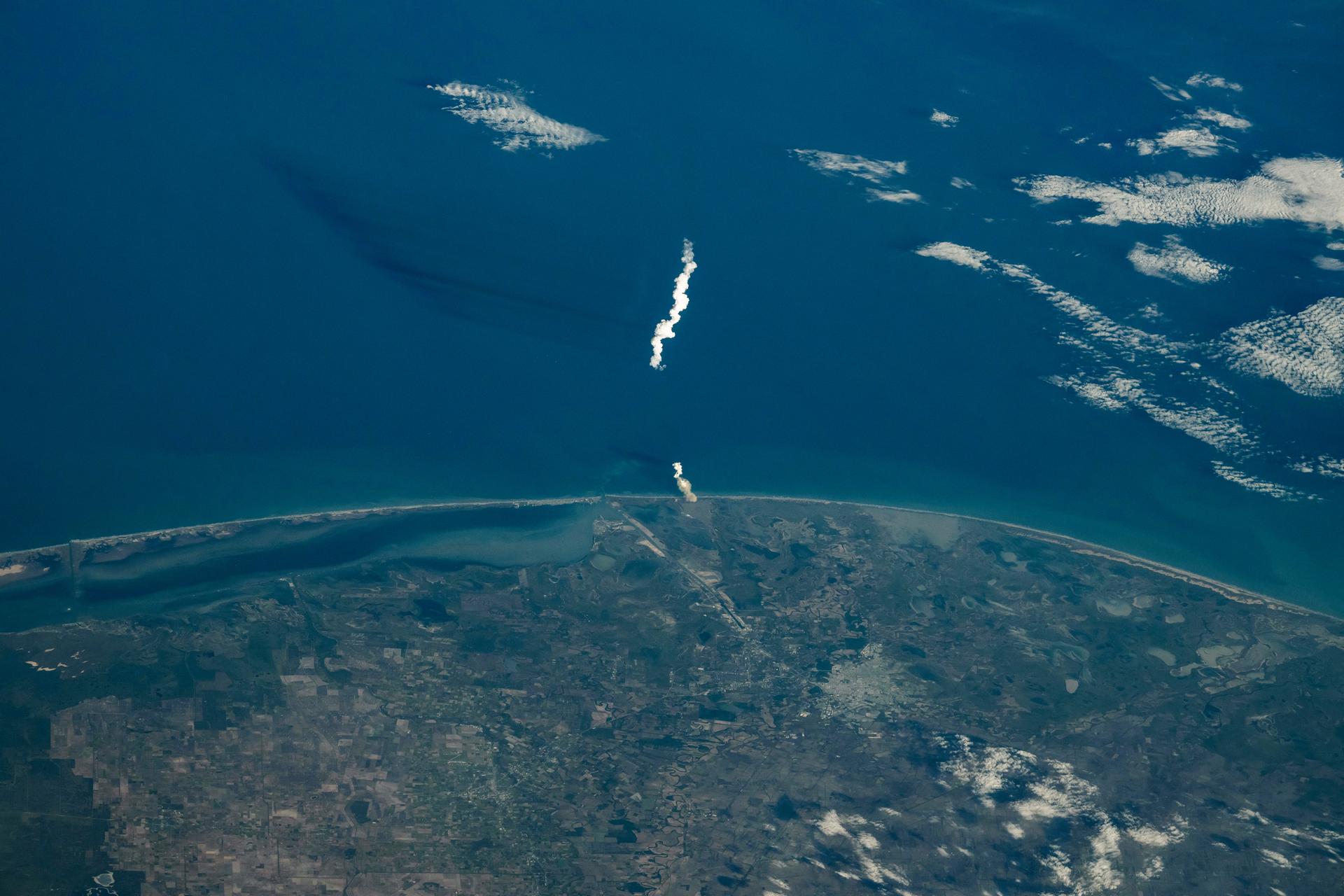
The Federal Aviation Administration currently lets SpaceX launch Starship-Super Heavy from its Boca Chica site in South Texas up to 25 times a year. SpaceX now wants to raise that limit to 456.
On Oct. 14, 2026, the FAA was scheduled to publish a Notice of Intent in the Federal Register (docket FAA-2026-12808). The notice says the agency will prepare a Programmatic Environmental Impact Statement, or PEIS, for SpaceX's proposal to sharply increase Starship operations at Starbase in Cameron County, Texas. The proposal would also expand the areas where Starship can land or where hardware can be expended. Publishing the notice starts the scoping period, when the public can tell the agency what the review should cover. Comments are due by Nov. 30.
The jump from 25 to 456 is large. It reflects where SpaceX thinks Starship is going, and how the company expects regulators to handle the increase: in stages.
Two phases, two very different tempos
According to the FAA's Starship environmental review page, the proposal comes in two parts.
- Phase 1: up to 100 launches and 200 landings a year (100 Starship upper stages, 100 Super Heavy boosters). Operations could take place on any day and at any time.
- Phase 2: up to 456 launches and 912 landings a year (456 of each stage). Launches would happen only Monday through Friday.
The baseline is much lower. The Federal Register notice says SpaceX is currently authorized for up to 25 launches and 50 total landings a year at Boca Chica, split evenly between Starship and Super Heavy. Phase 1 alone would quadruple the launch cap.
The weekday-only rule in Phase 2 is notable. A cap of 456 launches spread over a five-day week works out to well over one launch per weekday on average. That is a rough calculation from the proposed cap, not a schedule SpaceX has published. The Federal Register notice describes Phase 2 as a mature program that "would be implemented within several years," and Insurance Journal, reporting on the notice, quoted the same phrase. Neither gives a firmer date.
The landing numbers follow from SpaceX's plan to reuse both stages. As Space.com explained, 456 launches would mean 912 landings if both the booster and the ship are caught by the launch tower's arms. Insurance Journal added that, per the FAA, 912 landings is the maximum regardless of where the Starship launched from. In other words, the landing cap would also cover vehicles that lifted off from somewhere other than Starbase.
Where Starship stands now
The FAA ties the higher rates to the vehicle's progress. "As the vehicle continues to mature and reliability improves, launch and landing rates are expected to increase," the agency said, according to Insurance Journal.
Starship's record is still short. Space.com reports that it has flown 14 times, all of them test flights from Starbase. The most recent flight, on Sept. 28, was the first to reach orbit, and it deployed 26 Starlink V3 satellites. Fourteen flights in total is far from hundreds per year, and Insurance Journal noted that Starship has flown five times per year at most out of Starbase.
Texas is also only one part of SpaceX's plans. Space.com reports that the company is building three Starship pads in Florida and wants to break ground next year on a $100 billion, 12-pad complex in Louisiana. Elon Musk has said he wants more than 10,000 Starship launches a year by 2030. Even the Phase 2 cap at Boca Chica would be a small fraction of that.
What the FAA will actually study
According to the Federal Register notice, the review will cover changes to SpaceX's license under 14 CFR Part 400 and the temporary airspace closures associated with the proposed launches and landings. The notice describes the PEIS as covering the full proposed capacity of up to 456 launches and 912 landings, and says any currently unforeseen future increase in cadence would require additional NEPA review.
The notice lists the environmental topics the PEIS will evaluate, including aviation emissions and air quality, fish, wildlife and plants, coastal resources, noise, water resources, and historic and cultural resources. Insurance Journal, which highlighted air quality, wildlife and coastal resources, also noted that higher launch rates raise the risk of disruption to air travel as airlines adjust flight paths around launches or falling debris.
Scoping is only the first step. The FAA says it will later publish a Draft PEIS for public review. That draft will contain the agency's actual analysis and is when the public can respond to its findings.
How to weigh in
The FAA has scheduled five scoping meetings, four in person and one online:
- Nov. 17: two meetings at Texas Southmost College in Brownsville, from 1 to 3 p.m. and 5:30 to 7:30 p.m. Central time
- Nov. 18: a virtual meeting from 5:30 to 7:30 p.m. Central time
- Nov. 19: two meetings at the Port Isabel Event & Cultural Center, at the same two times
Space.com reports that registration is required for all of the meetings, including the virtual one. Written comments on the scope of the review must be submitted by Nov. 30, 2026, through regulations.gov under docket FAA-2026-12808.
Why It Matters
Launch-rate caps are one of the few direct limits regulators can put on a rocket program, and this one would grow more than eighteenfold. If the FAA eventually approves both phases, Boca Chica would go from a test site with a few dozen launches and landings a year to a facility where operations would be almost routine, with consequences for the coastline, the wildlife, the nearby communities and the airspace.
The process also shows how the FAA is approaching a fully reusable rocket. The agency is evaluating a phased program with a stated ceiling, and ties higher rates to maturity and reliability. In the agency's own words, rates are "expected to increase" as reliability improves. That framing leaves an open question for the scoping period: what level of reliability should be required before each higher cap takes effect?
For now, Starship has reached orbit once. The comment period gives the public a chance to shape the environmental review before launch rates in South Texas rise far beyond today's numbers.
Sources
- FAA: SpaceX Starship Environmental Reviews
- Federal Register (public inspection): Notice of Intent to Prepare a PEIS, SpaceX Starship-Super Heavy at Boca Chica, FAA-2026-12808
- Space.com: SpaceX wants to launch Starship more than 450 times per year from South Texas
- Insurance Journal: SpaceX Plan to Launch 456 Starships a Year in Texas Under Review
