
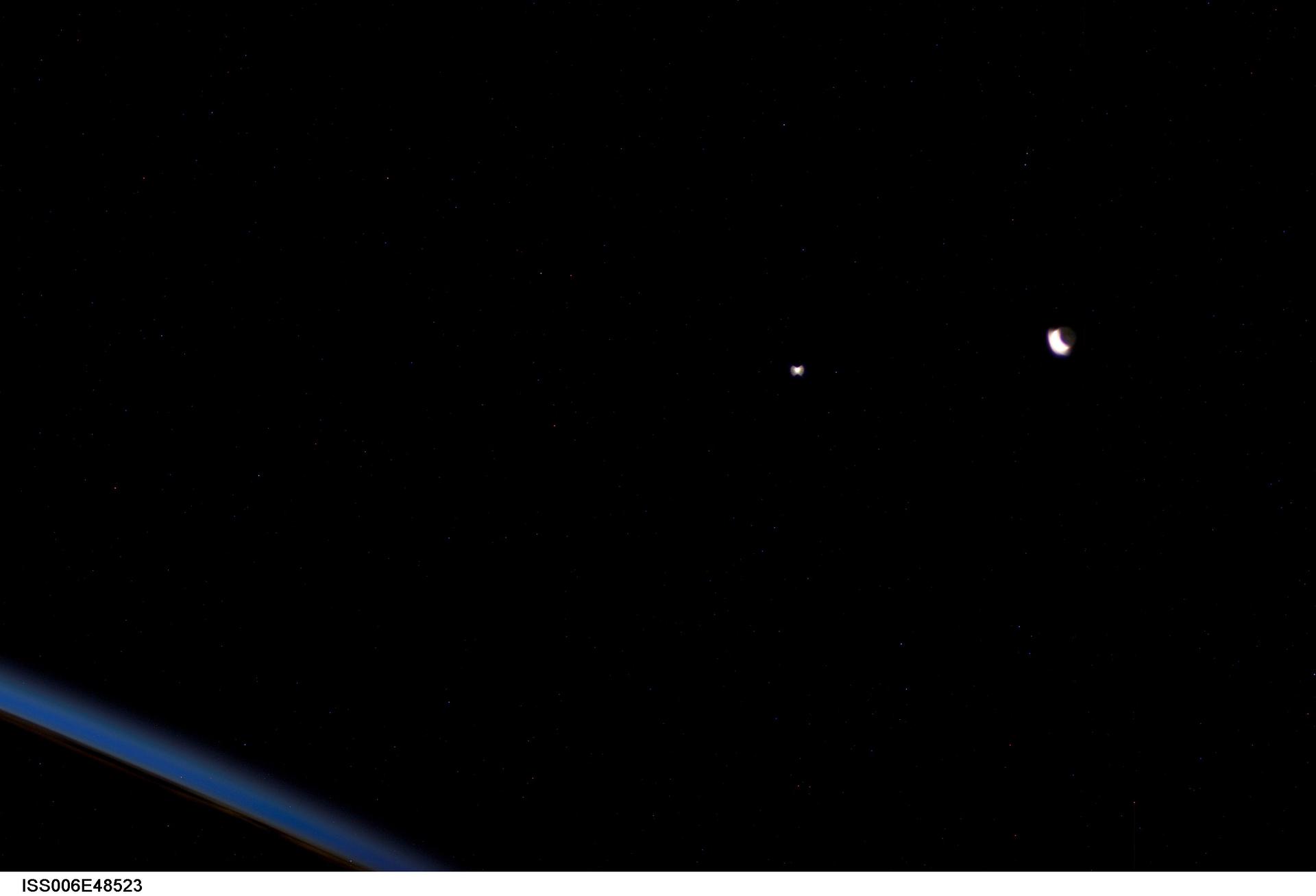
Step outside after dinner this week and the evening sky offers a slow-motion approach: Venus, still the brightest thing up there besides the Moon, is inching toward the bright star Spica, with the gap between them closing steadily as August winds down. Step back outside before sunrise, and a different story is unfolding — Jupiter is working its way higher off the eastern horizon morning by morning, with Mars and Saturn holding down their own patches of the pre-dawn sky. It's a week that rewards checking both ends of the day.
An Evening Star Still Riding High
Venus reached greatest eastern elongation — the point in its orbit where it appears farthest from the Sun in our sky — on August 14-16, 2026, according to NASA JPL's "What's Up" skywatching series. More than a week past that peak, the planet remains a brilliant, unmistakable point low in the west after sunset, outshining every star around it. That won't change much this week; Venus stays the dominant object in the evening sky through the rest of August.
What is changing is its position relative to Spica, the brightest star in Virgo. Earthsky's night-sky guide notes that Venus remains low in the west after sunset while Spica continues closing the gap toward it through the month, with the star noticeably closer to the planet by month's end. This week's viewing is essentially a preview: each evening, the gap between planet and star narrows a little further, making late August a good stretch to start tracking the pair's slow approach.
The Moon Wanders Into Capricornus
The Moon is the fastest-moving marker in the sky, and this week it's cutting through the fainter constellations of late summer. A waxing gibbous Moon drifts into the dim constellation Capricornus by the evenings of August 25 and 26, per Earthsky's guide. Because the Moon is waxing gibbous — more than half-lit and growing toward full — it rises in mid-to-late afternoon and stays visible well into the evening, making it easy to use as a guidepost for finding the fainter stars nearby, provided its glow doesn't wash them out entirely.
A Trio Owns the Dawn
Where Venus rules the evening, three planets share the morning. Jupiter is the headliner in motion: Earthsky reports it climbing higher each morning during the second half of August, and Star Walk's nightly sky report confirms that as of August 24, Jupiter is visible but still low above the horizon at dawn — a planet on the rise, literally, night after night. Give it a few more weeks and it'll be commanding a much larger share of the pre-dawn sky.
Mars, meanwhile, rises in morning twilight beside Gemini's twin stars, Castor and Pollux, according to Earthsky — a tidy bit of celestial bookkeeping that makes the red planet easy to place even for casual observers who know the Gemini pattern. Saturn rounds out the trio, shining in the southern sky during the pre-dawn hours, per Earthsky's late-August notes and Star Walk's confirmation that Saturn, along with Mars and Jupiter, is visible in the morning sky on August 24.
Why It Matters
None of this week's events are rare in the sense of a total eclipse or a once-a-decade comet — planetary conjunctions and Moon passes happen regularly, and that's exactly the point. The night sky runs on schedules precise enough that skywatching guides can track Venus's steady approach toward Spica evening by evening, or chart Jupiter's climb a little higher each dawn, weeks in advance. For anyone learning to read the sky, weeks like this are practice runs: watching Venus and Spica visibly close distance each evening, or Jupiter creep a little higher each dawn, builds an intuitive sense of orbital motion that a single dramatic event can't teach. It's also a reminder that four of the five naked-eye planets — Venus, Jupiter, Mars, and Saturn — are simultaneously observable this week, split neatly between evening and morning shifts, which is itself a modestly unusual alignment worth stepping outside for.
