
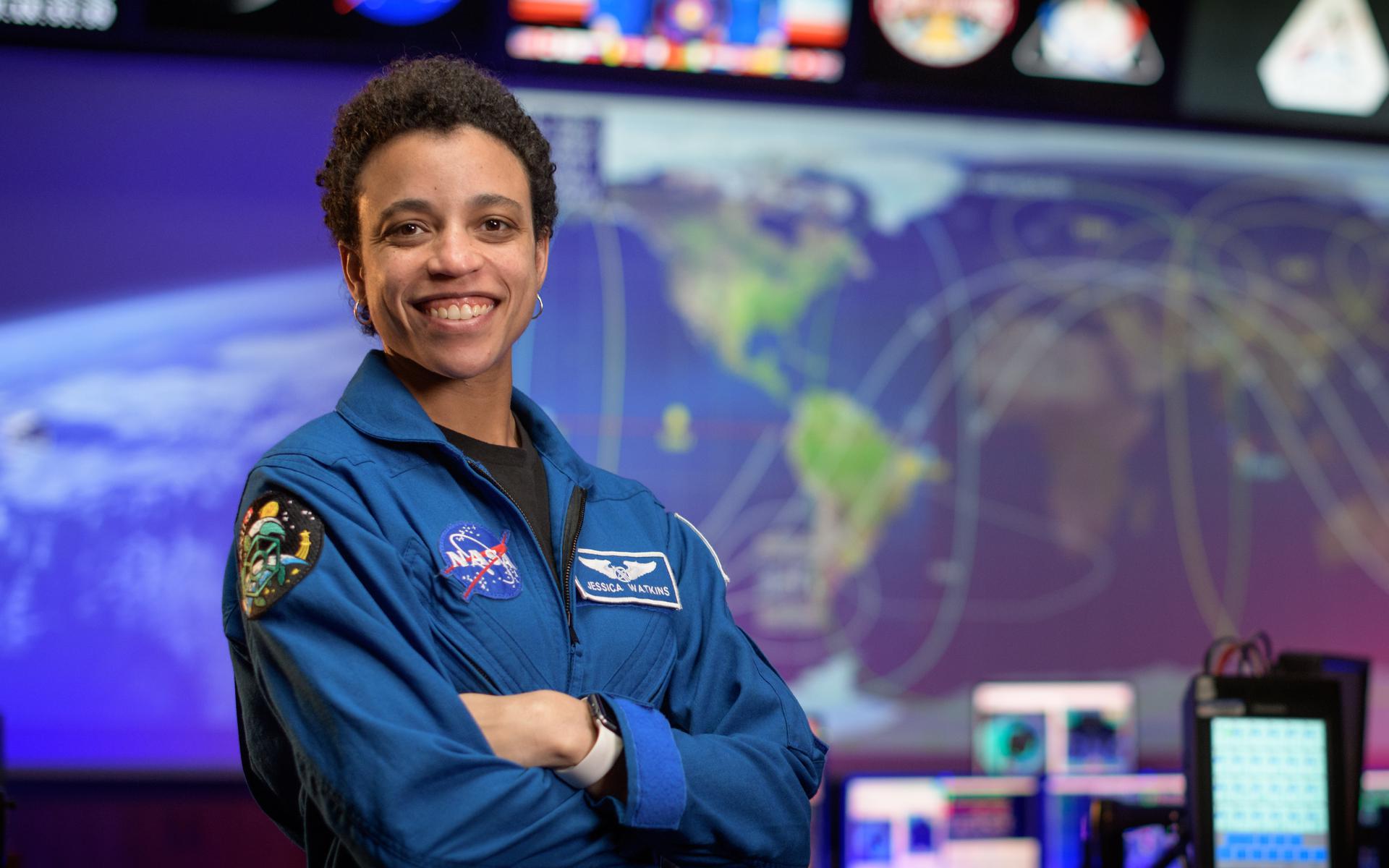
Four astronauts are already living by launch-day rules, even though launch day is still more than a week away. NASA and SpaceX confirmed on Sept. 22 that Crew-13 is targeting 11:10 a.m. EDT on Oct. 1 for liftoff from Space Launch Complex 40 at Cape Canaveral Space Force Station, sending a Falcon 9 and Dragon spacecraft toward the International Space Station with a four-person crew that has spent recent days sequestered from the outside world.
The crew — NASA's Jessica Watkins as commander, NASA's Luke Delaney as pilot, CSA's Joshua Kutryk and Roscosmos's Sergey Teteryatnikov, both serving as mission specialists — is currently in pre-flight quarantine at Johnson Space Center in Houston. That's standard procedure for any ISS-bound crew: limited contact with outsiders, health screening, and a controlled environment designed to keep a stray cold or flu from becoming a scrubbed mission. The four are scheduled to fly to Kennedy Space Center on Sept. 26, five days ahead of launch, to begin final preparations at the pad.
Why the Date Moved
Crew-13 wasn't originally supposed to launch in October. The mission had been targeting Sept. 12, but engineers found an oxidizer-valve leak in Dragon's propulsion system during pre-launch processing. Rather than fly with the defect, teams pulled the valve, replaced it, and pushed the date back roughly three weeks. It's the kind of delay that reads as a footnote in a press release but represents real work: propulsion hardware on a crew-rated spacecraft gets zero benefit of the doubt, and a leaking valve in the system that provides in-space maneuvering and abort capability is disqualifying until it's fixed and requalified.
Tesla North, an EV and spaceflight outlet that has tracked the mission's slip, reported the new Oct. 1 target citing a Sept. 22 announcement from SpaceX's official account on X, corroborating NASA's own blog post the same day. Spaceflight news site Starlust had covered the schedule change a week earlier, confirming the crew roster and reporting NASA's statement that the oxidizer-valve leak had pushed the launch to an early-October target.
What Happens on Launch Day
Assuming the Oct. 1 date holds, Dragon is expected to reach the space station in less than nine hours — NASA puts docking at Harmony module's forward port at roughly 8 p.m. EDT, the same day as launch. That's a same-day rendezvous profile, which has become SpaceX's standard approach for crew flights to the ISS rather than the multi-day chase older spacecraft required. Once aboard, Watkins, Delaney, Kutryk and Teteryatnikov will join Expedition 75, folding into the station's ongoing research and maintenance schedule alongside the crew already in orbit.
The mission designation itself is a marker of how routine — and how quietly remarkable — crew rotation to the ISS has become. Crew-13 is simply the next in a now well-worn sequence of NASA-SpaceX commercial crew rotations that began in 2020, each one swapping out astronauts to keep the station continuously staffed. A multinational crew flying a leak-fixed Dragon on a fast rendezvous barely makes headlines anymore, which is itself the achievement: this used to be extraordinary, and now it's Tuesday.
Why It Matters
Crew rotation flights like this one are the load-bearing infrastructure of the ISS program. Every crew that launches keeps the station staffed for its research schedule, its maintenance backlog, and the handful of hours a day astronauts spend on science that can't be done anywhere else — fluid physics in microgravity, materials processing, biomedical studies on how the human body degrades and adapts off Earth. Miss a rotation, or delay one too long, and the station's operational tempo suffers.
The valve leak that pushed Crew-13 from Sept. 12 to Oct. 1 is also a useful data point on how NASA and SpaceX actually behave when hardware shows a defect close to launch: they stop, they fix it, and they accept the schedule hit. For a vehicle that's now flown crew repeatedly, that discipline matters more than the raw flight count — it's the difference between a mature program and a lucky one. And with a Canadian and a Russian mission specialist flying alongside two NASA astronauts, Crew-13 is another reminder that the ISS, for all the geopolitical friction elsewhere, still runs as an international partnership where crews train, quarantine, and fly together.
