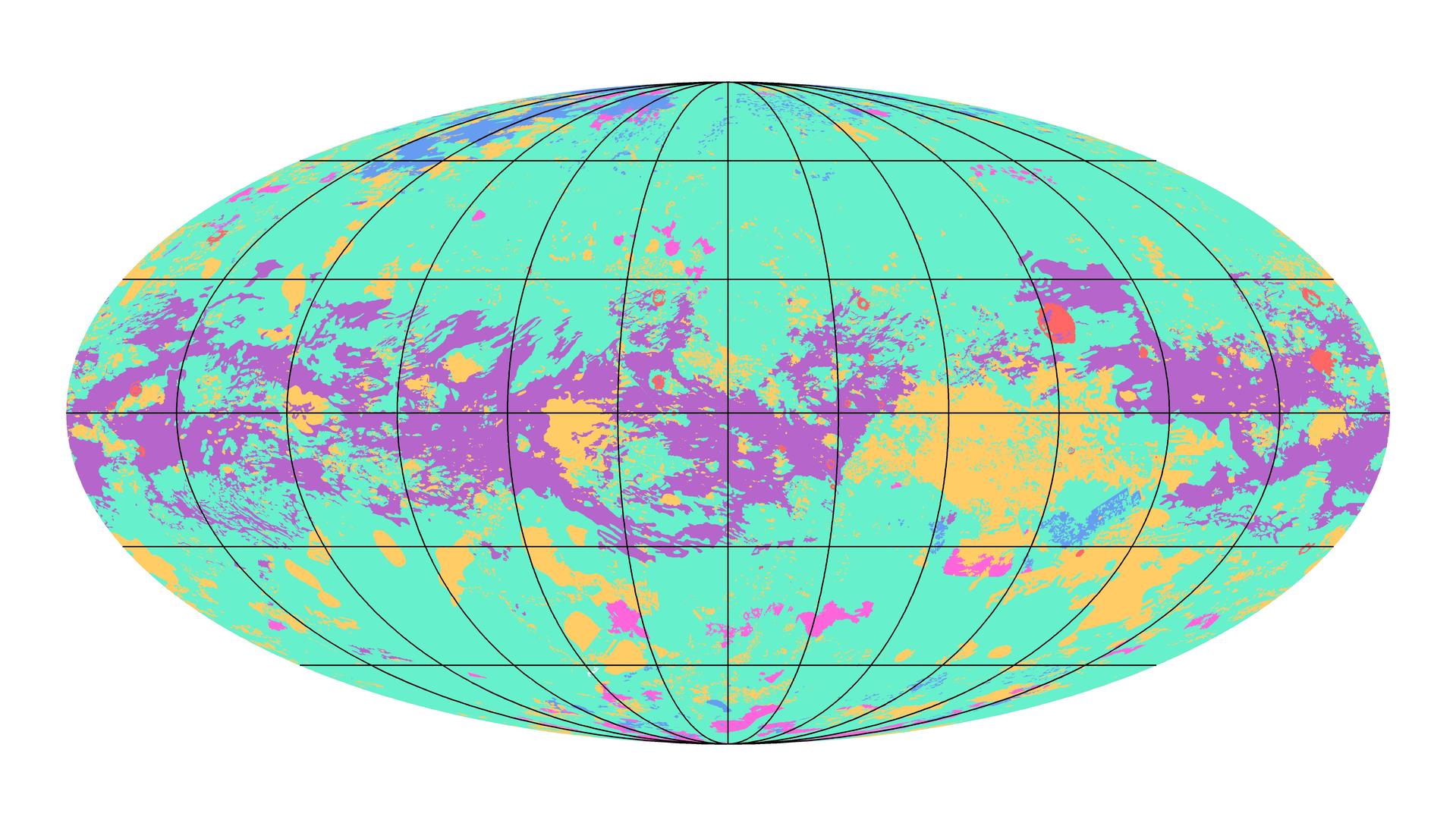
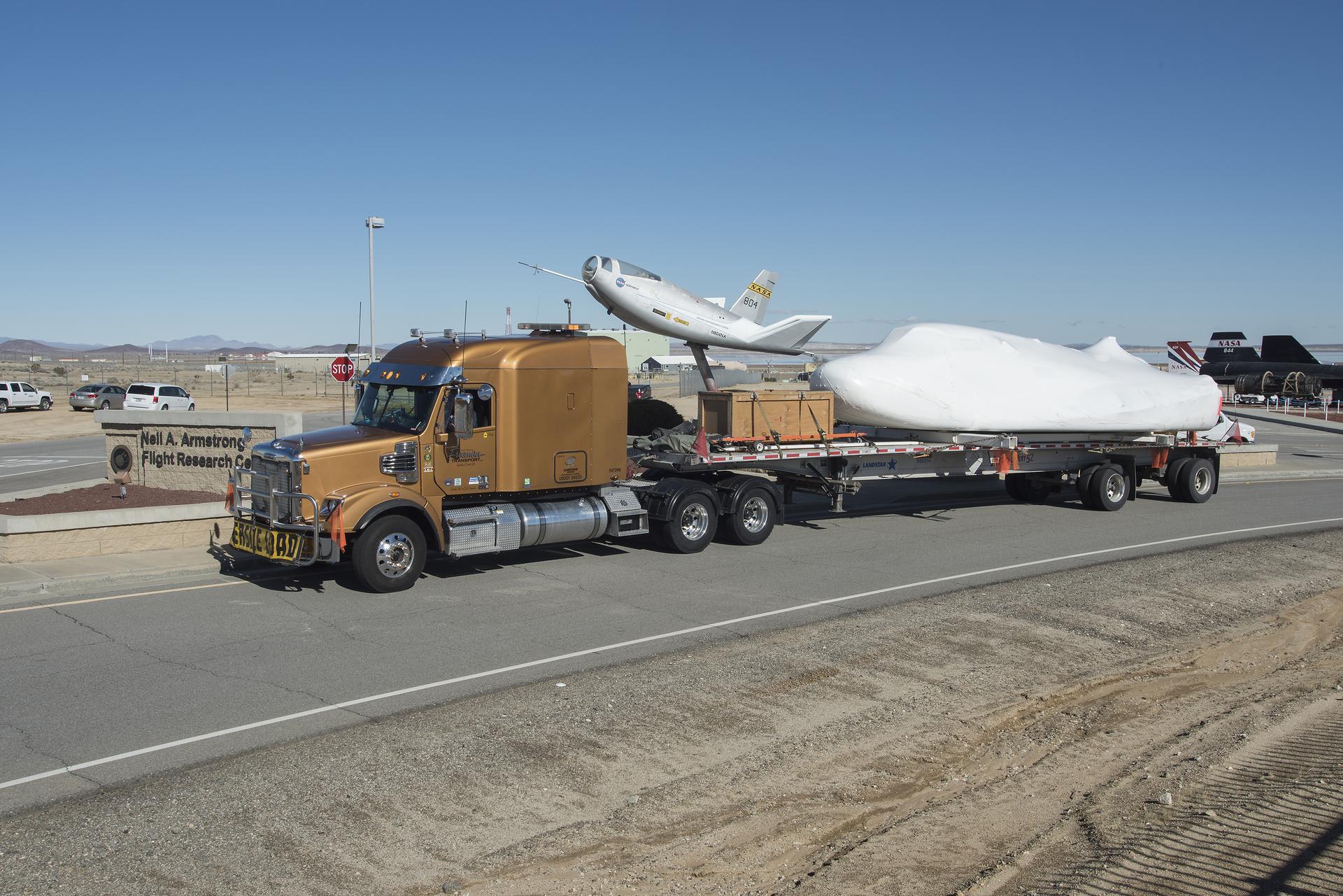
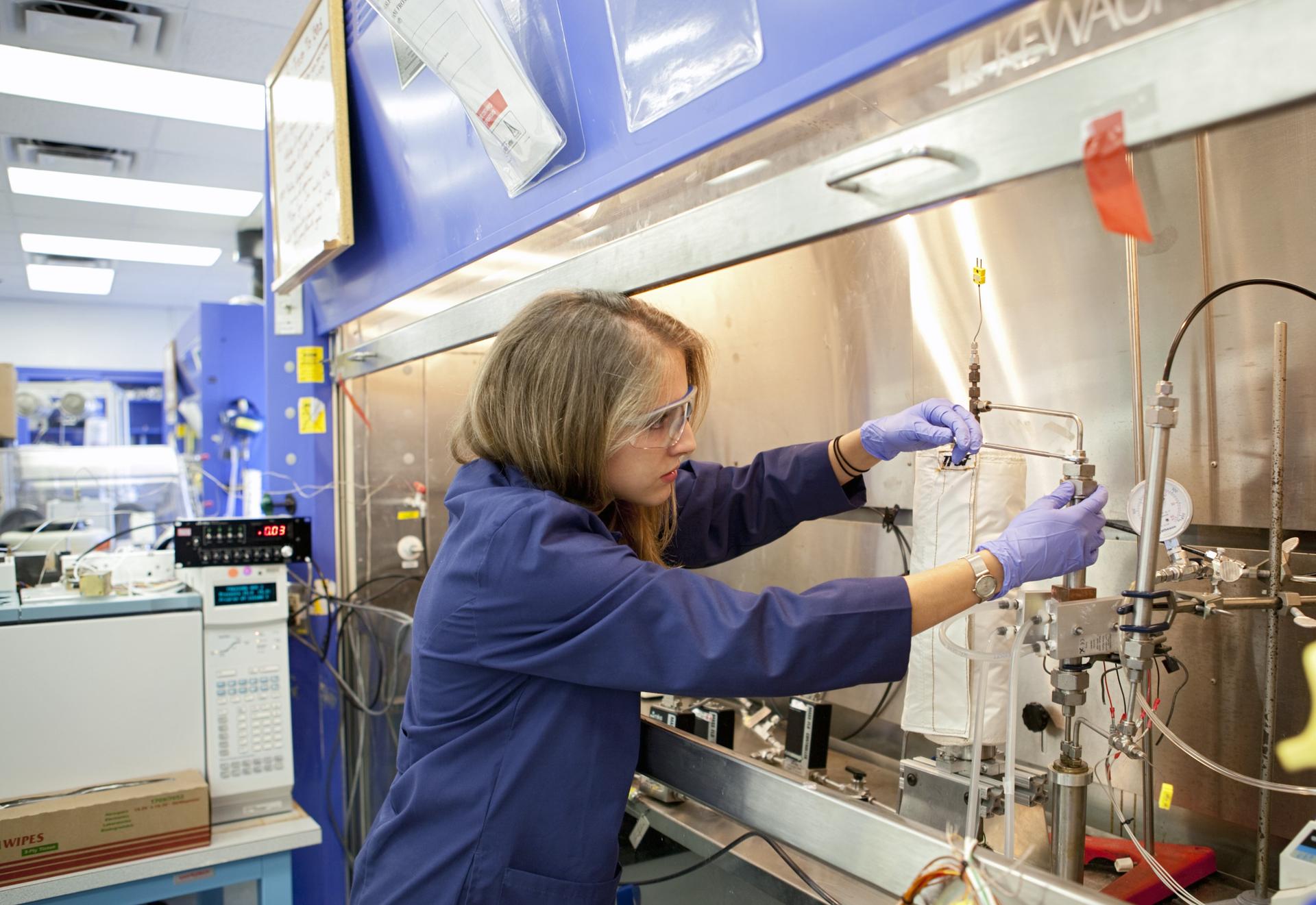
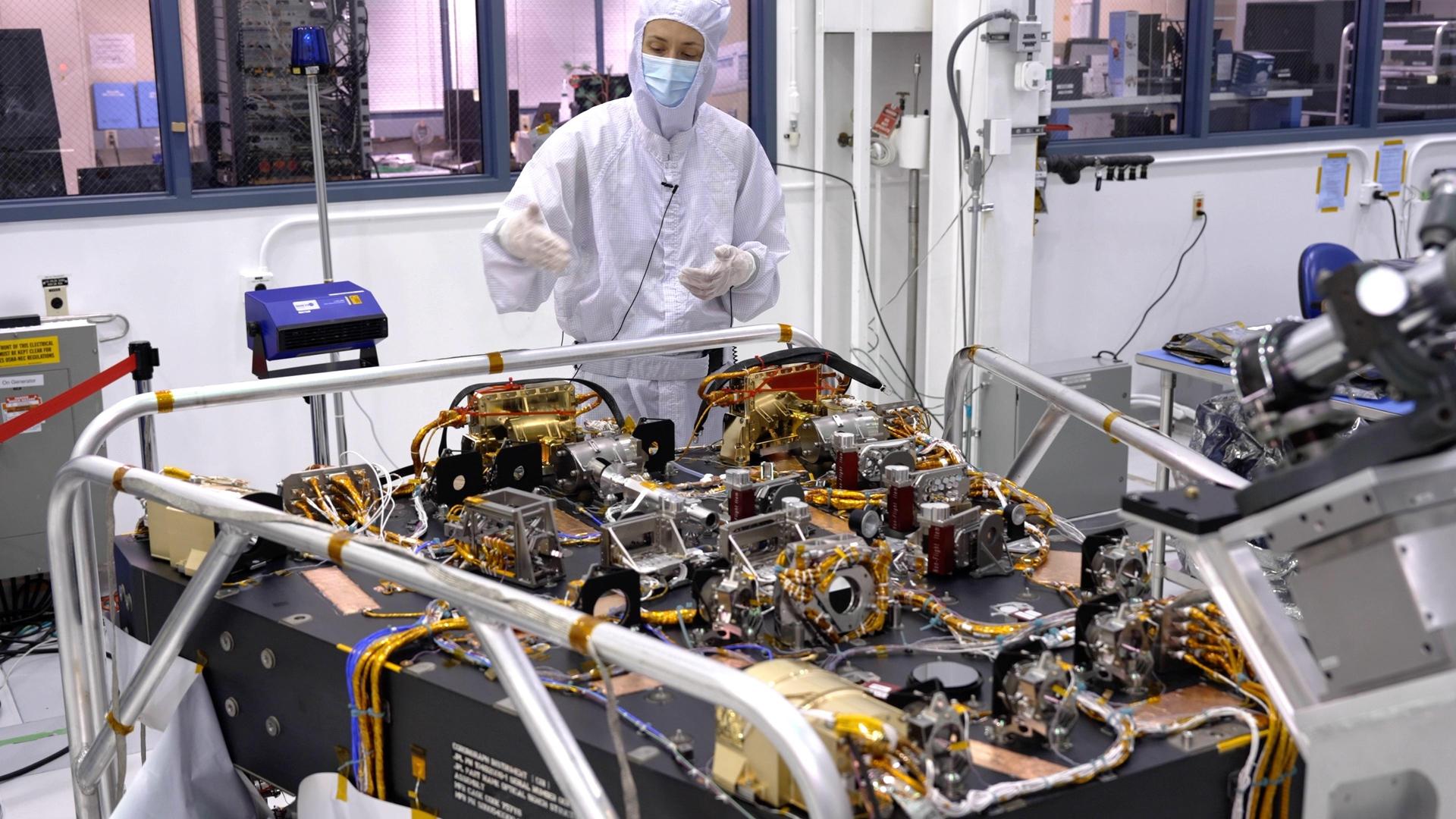
NASA's nuclear rotorcraft just got 17,315 feet of wiring installed at Johns Hopkins APL, and its 500-mile dune-field landing zone on Titan now has an official name: Ahmakiq Undae.
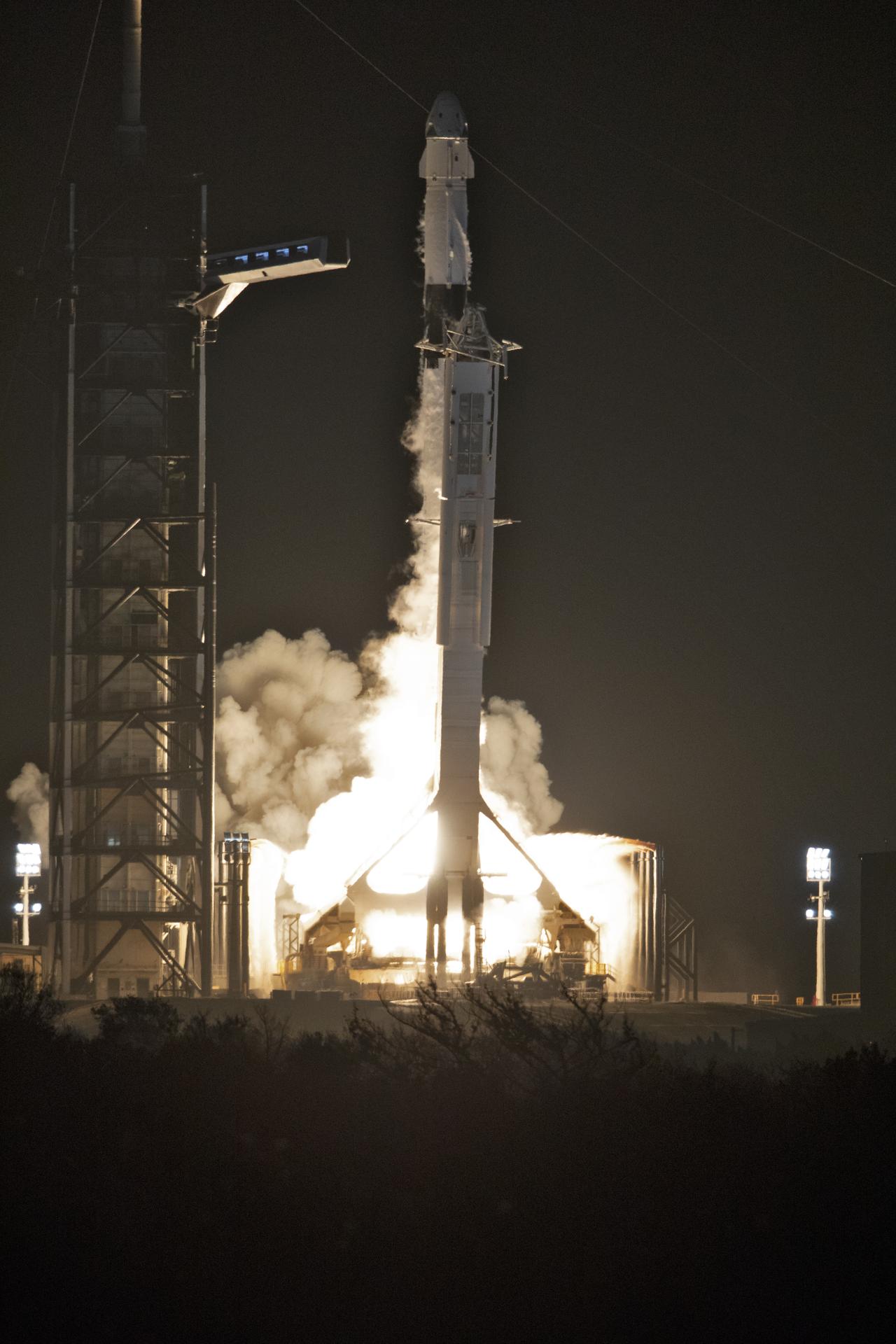
A propulsion-system oxidizer leak found during routine prelaunch processing has pushed Crew-13's ISS launch off its Sept. 12 target, with no new date set as NASA and SpaceX run tests and review data.
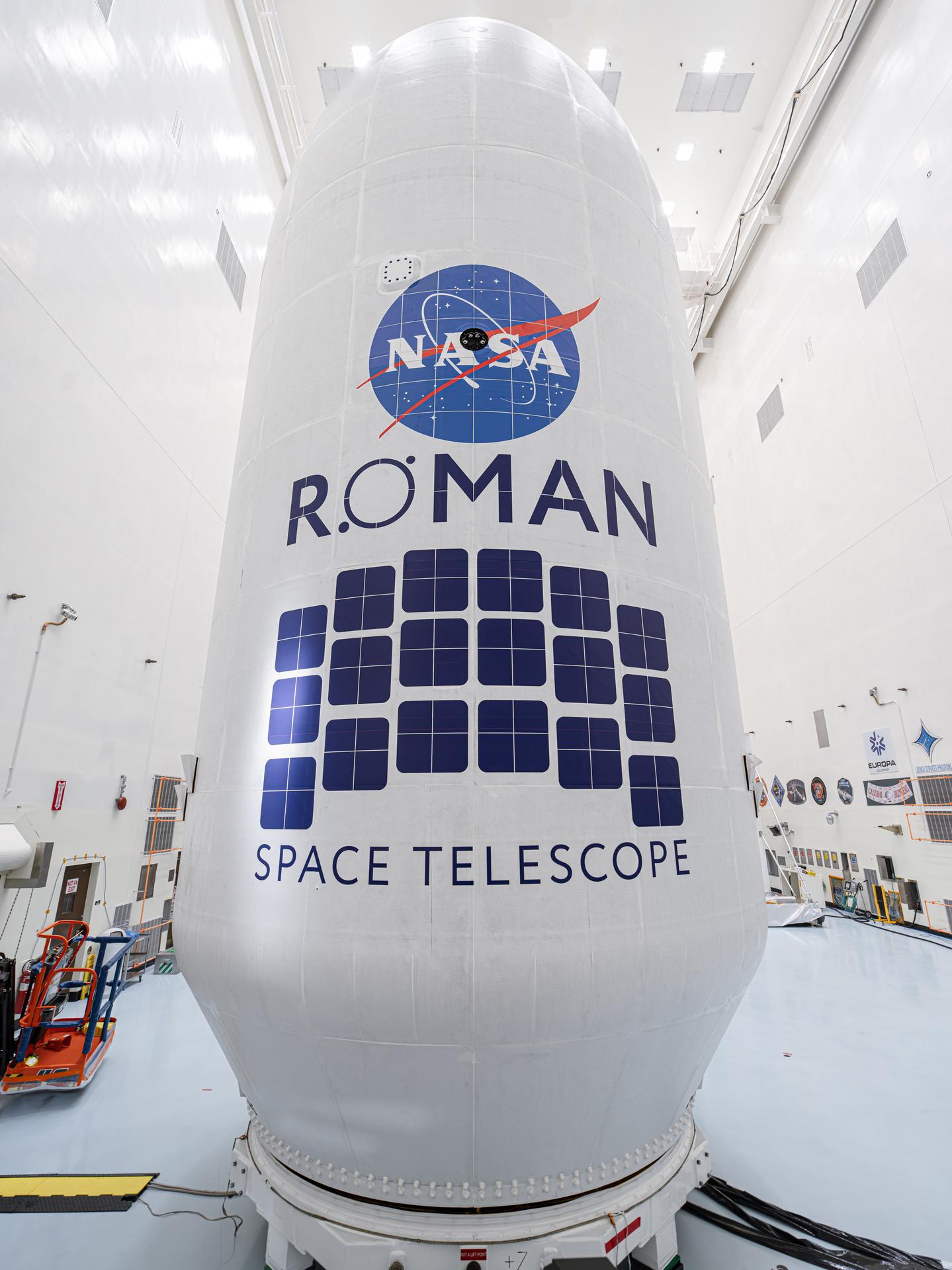
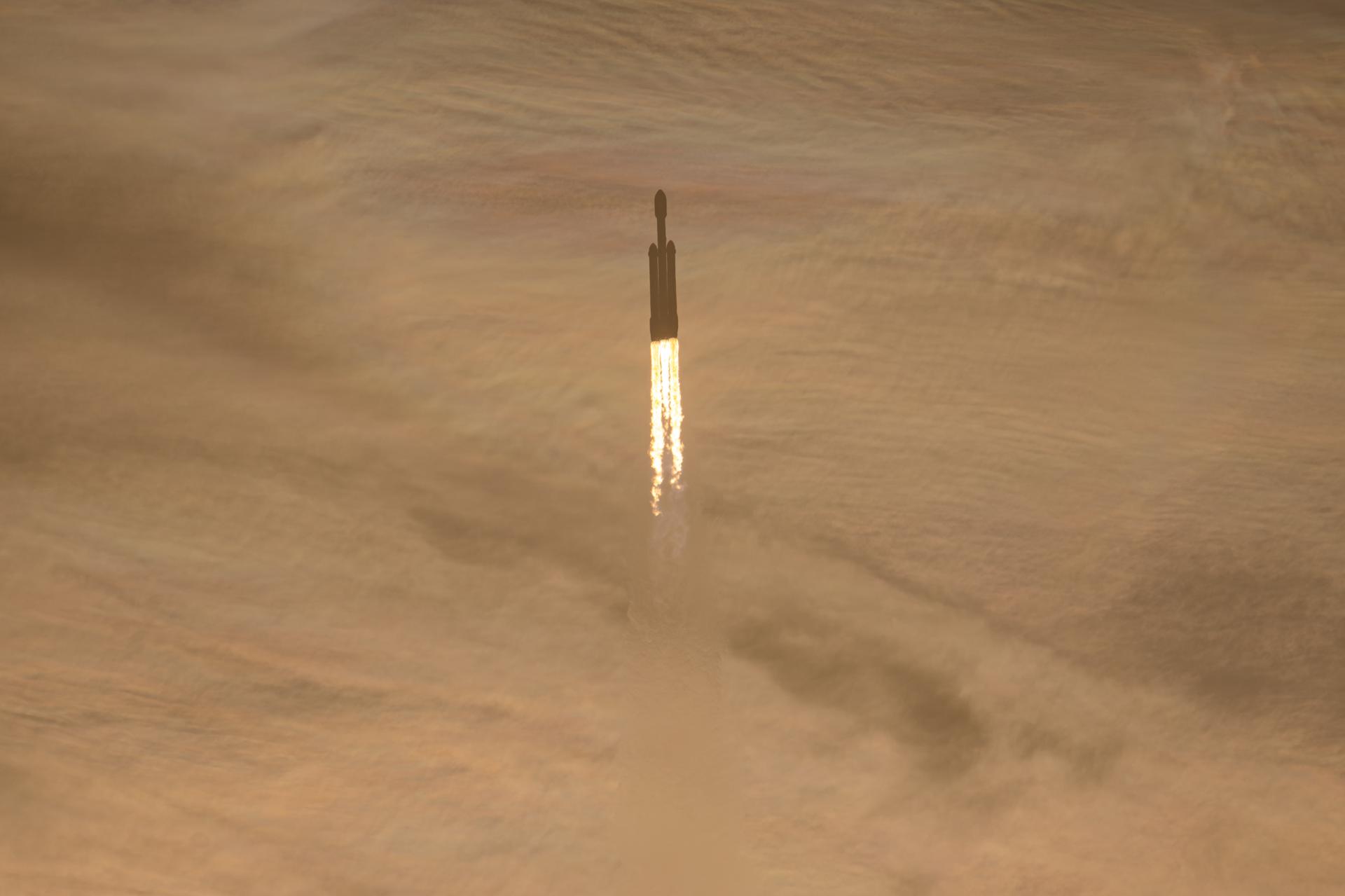
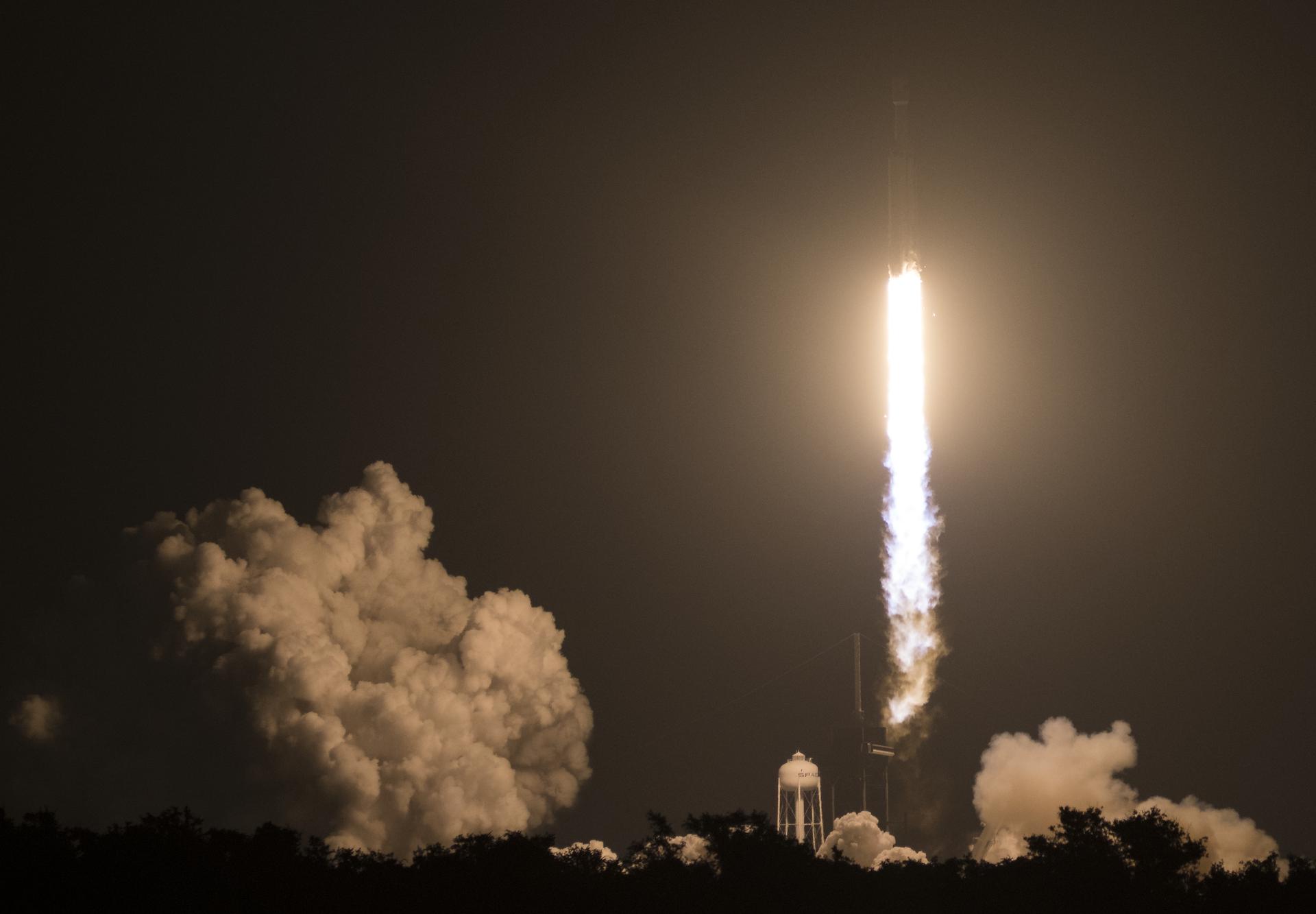
NASA's Nancy Grace Roman Space Telescope launched on a Falcon Heavy Aug. 30, 2026, beginning a three-month cruise to L2 where its 300-megapixel camera will survey the sky 1,000x faster than Hubble in search of dark matter, dark energy, and exoplanets.
A telescope built in secret to spy on adversaries, abandoned as a half-billion-dollar Cold War-style failure, launched August 30 to hunt dark energy — carrying the name of a woman denied a seat in the field it was denied a role in.
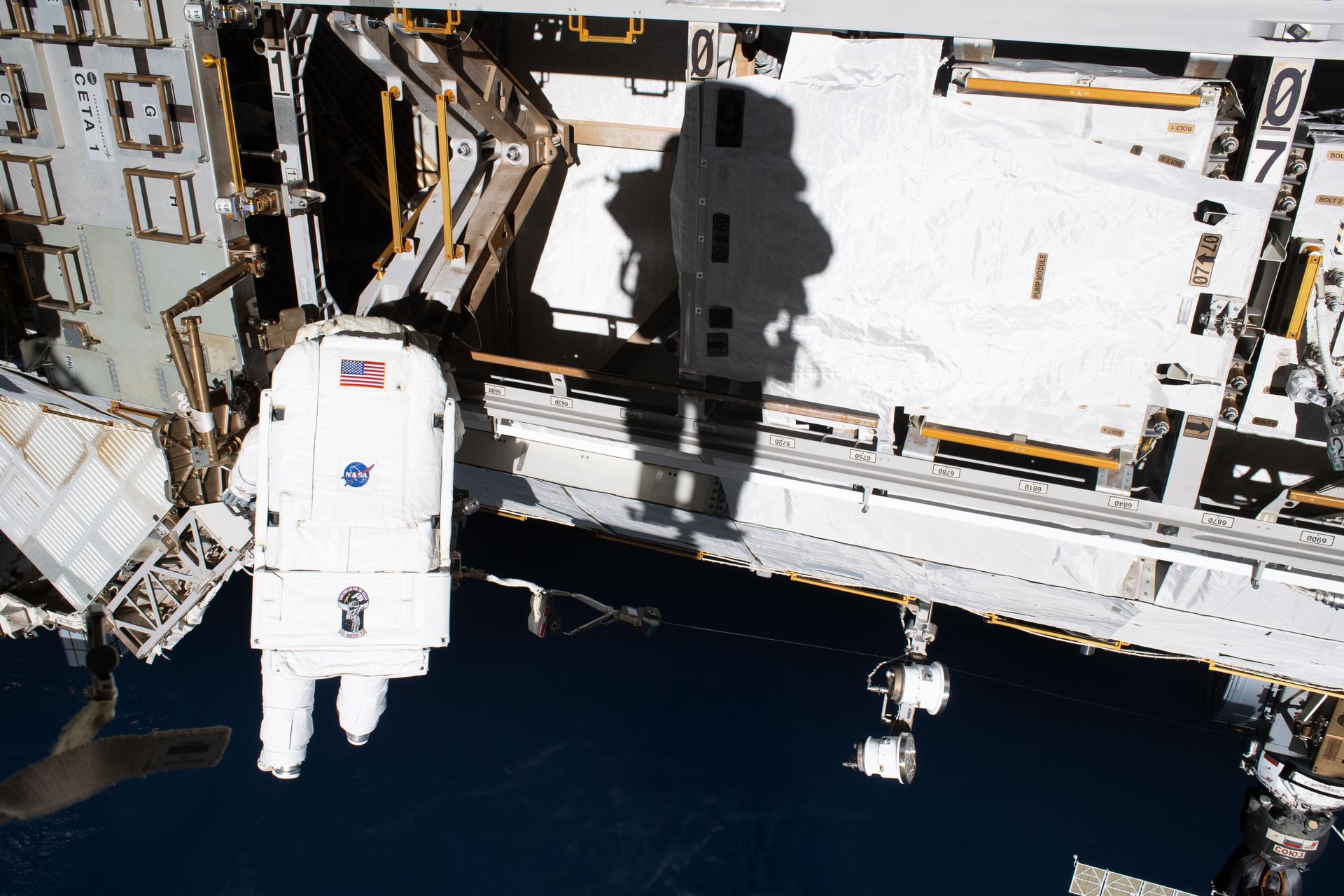
NASA and ESA astronauts finished a two-part antenna repair spacewalk while Cygnus XL fired its engine for 21 minutes to reboost the ISS ahead of a Progress 96 docking and a third EVA in September.
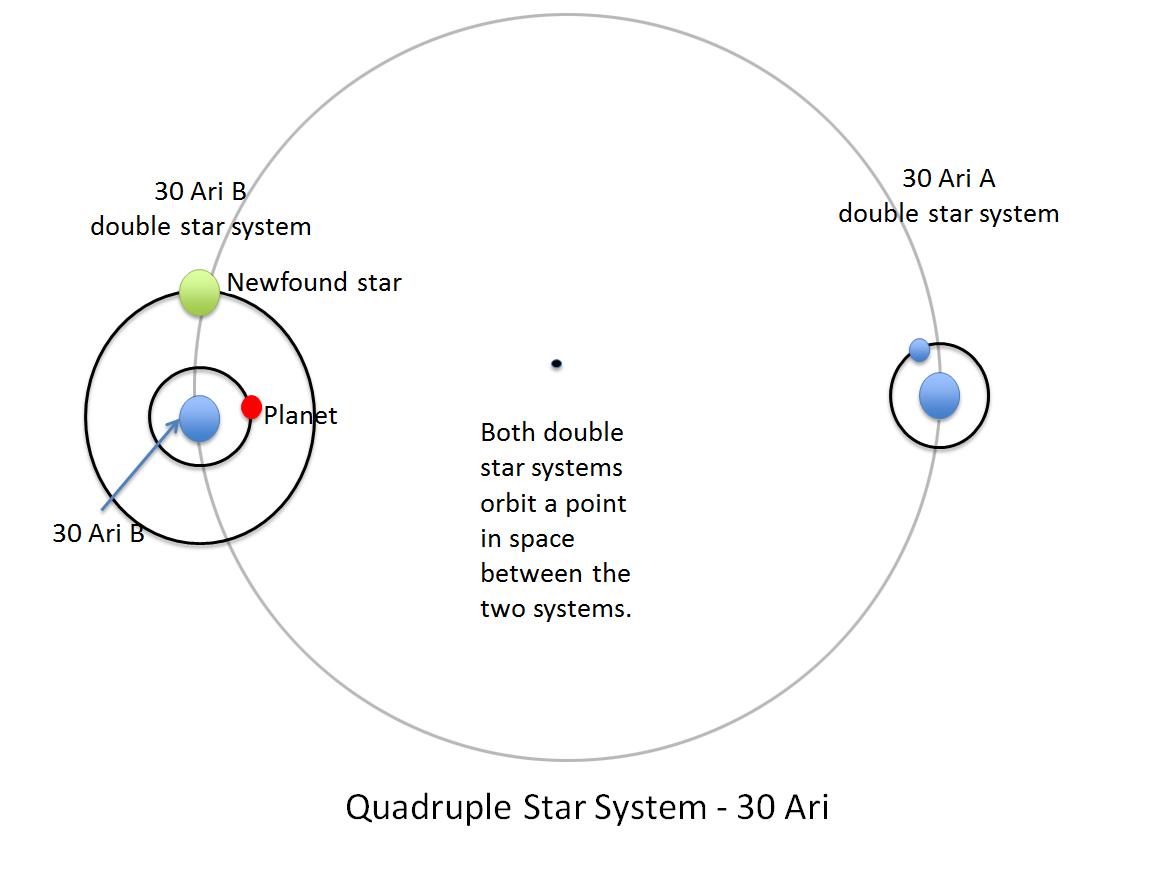
TESS data reveal TIC 433545934, a compact four-star system where one close binary pair periodically eclipses the stars of its companion pair — the first confirmed system of its kind.
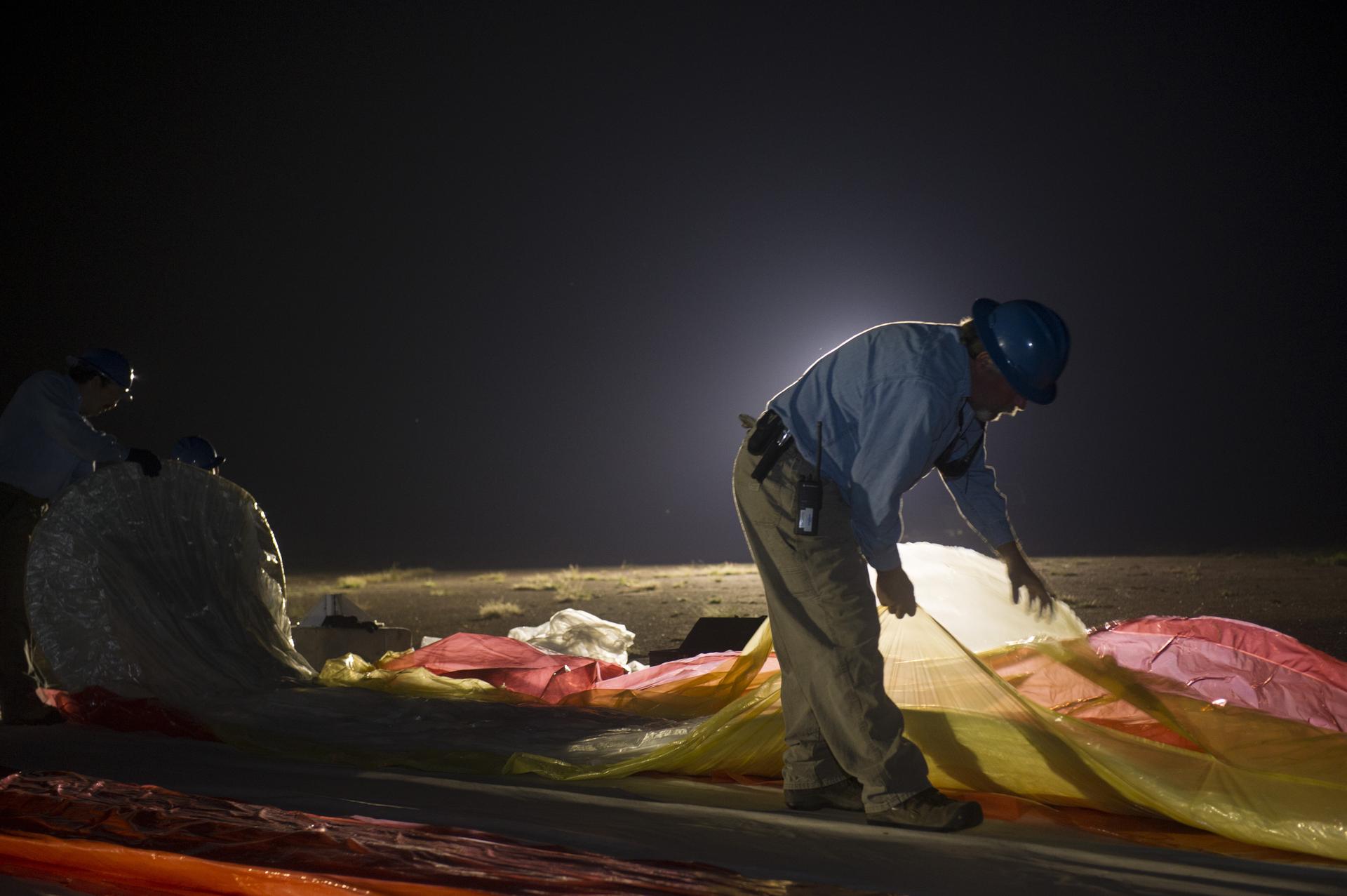
NASA's second Fort Sumner balloon flight of 2026 carried a real-time imaging camera to 126,000 feet, prototyping technology that could help future landers pick safer touchdown spots on the Moon and Mars.
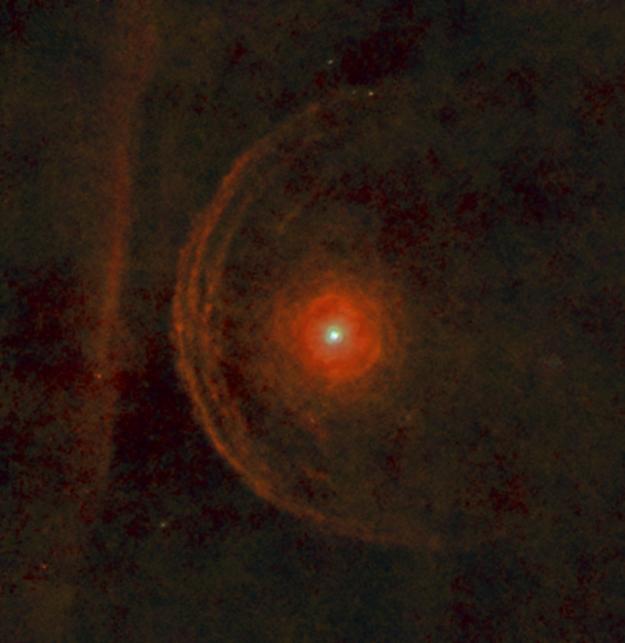
New ALMA radio imaging shows two 2,000°C-hotter patches on Betelgeuse's surface that have barely budged in seven years, defying standard convection models and raising questions about the star's newly imaged companion.
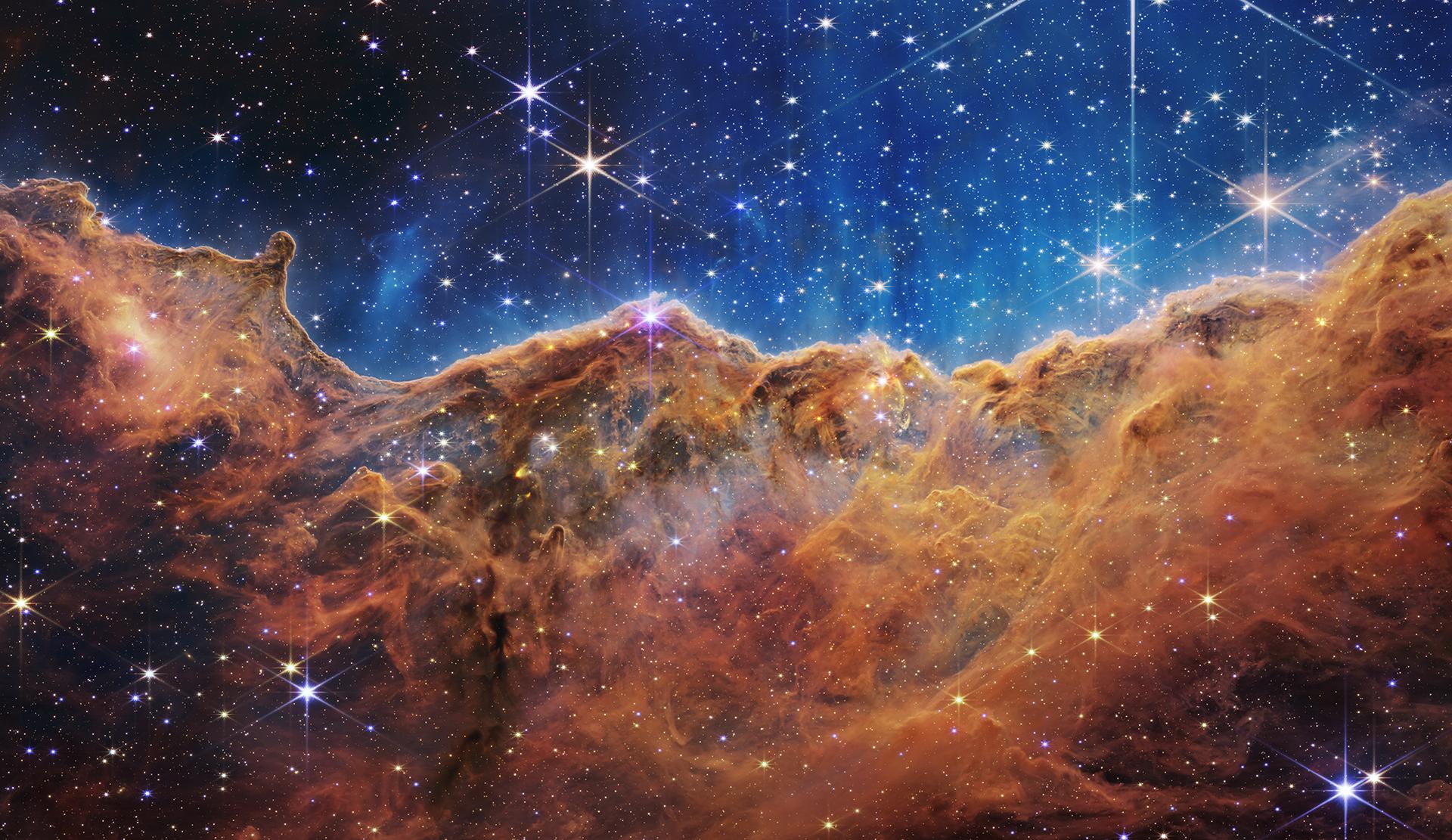
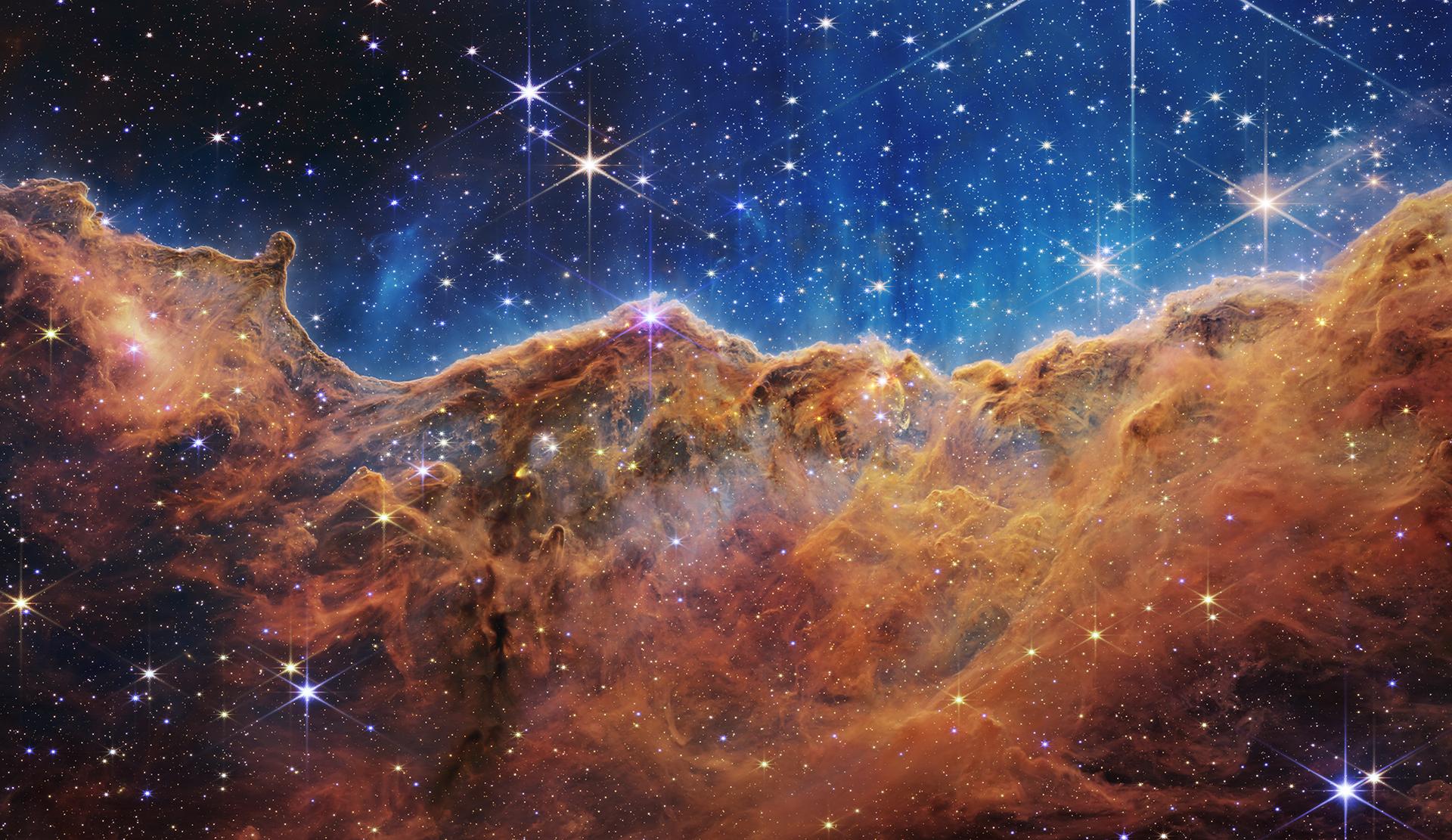
NASA's newest Webb image pierces the dust of a Carina Nebula cometary globule called the "Treasure Chest," revealing roughly 70 young stars, including a rare 19-solar-mass O-type star, many still wrapped in planet-forming discs.
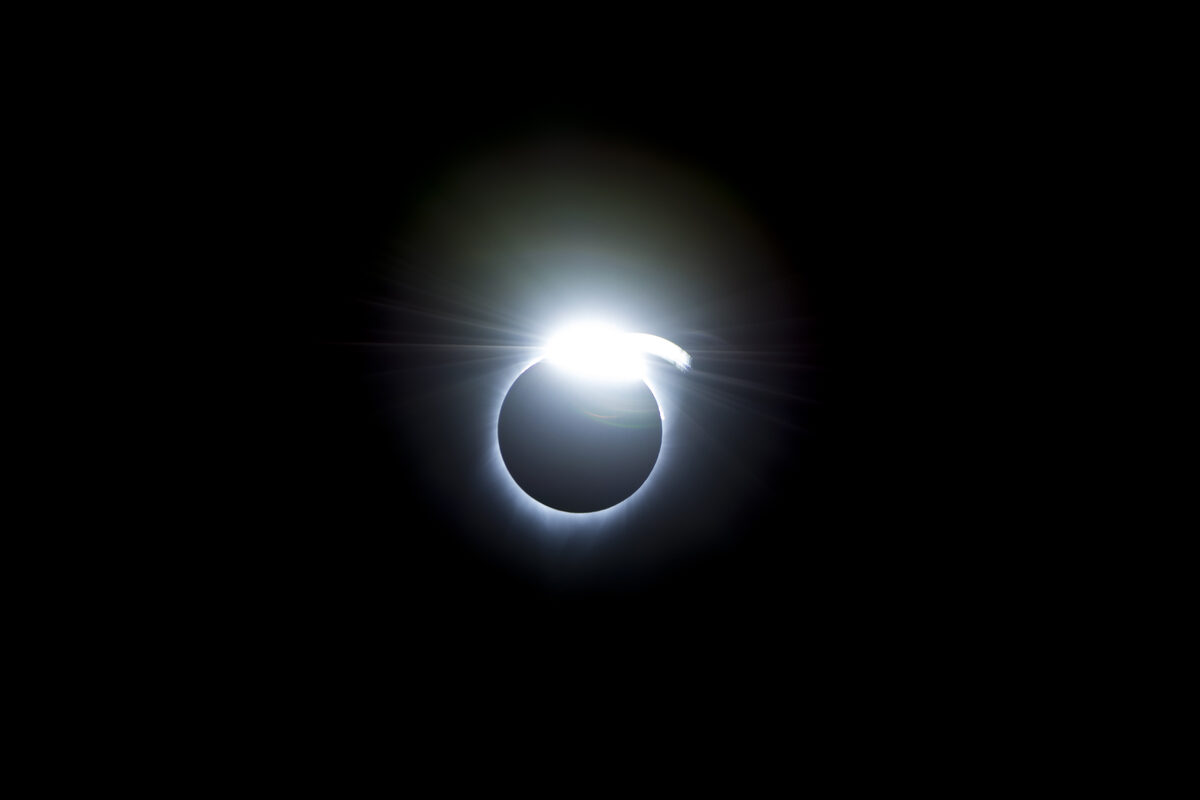
NASA's Astronomy Picture of the Day reveals why the August 12 total solar eclipse's corona over Benavente, Spain glowed gold instead of white — a rare mix of low-sun geometry and wildfire smoke.
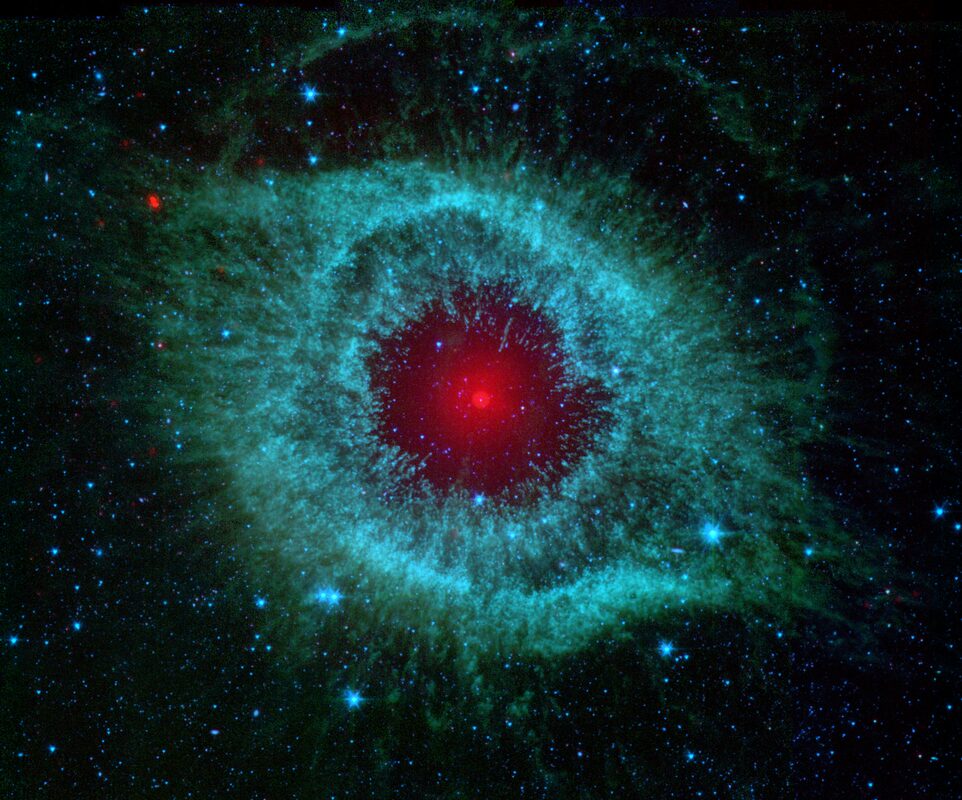
A partially built telescope in Chile has resolved 22 distinct bow shocks in the Helix Nebula's outskirts, giving astronomers a rare direct measurement of how a dying star's ejecta gets shredded and mixed back into the galaxy over roughly 10,000 years.
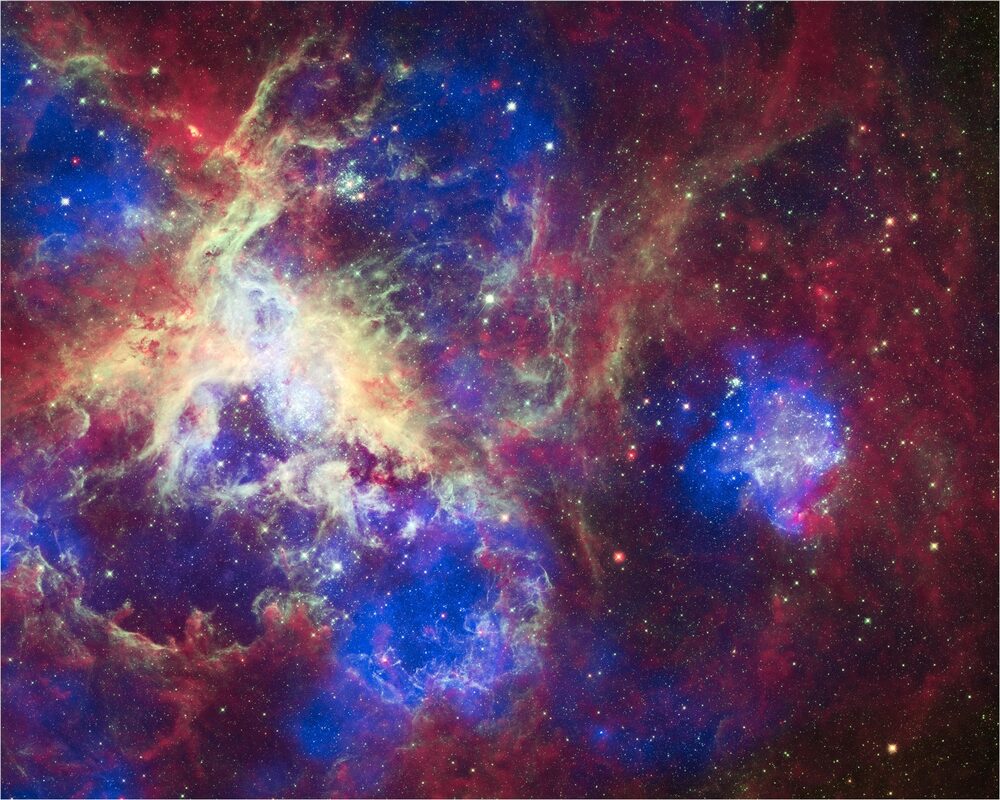
NASA's new Chandra-Webb-Hubble composite of the Tarantula Nebula looks like stacked cellophane, and the science behind it explains why the region glows with far less X-ray light than star-formation models predicted.
NASA's James Webb Space Telescope has imaged the "Lion Nebula" in infrared, exposing dust clumps and ionized gas invisible to Hubble and revealing the white dwarf that will finish dismantling the structure in about 10,000 years.
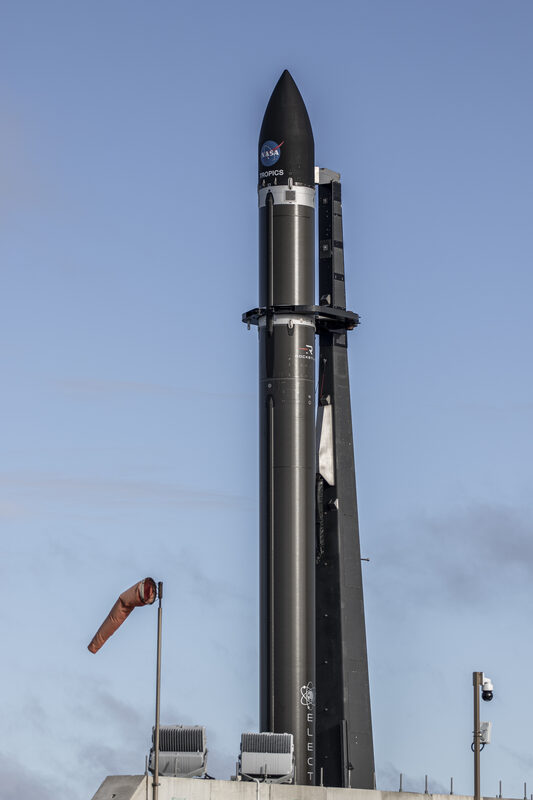
Rocket Lab launched its 94th Electron before dawn on September 3, deploying a Synspective radar satellite in a mission that also doubled as a routine demonstration of the FAA's new unified Part 450 launch licensing rules.
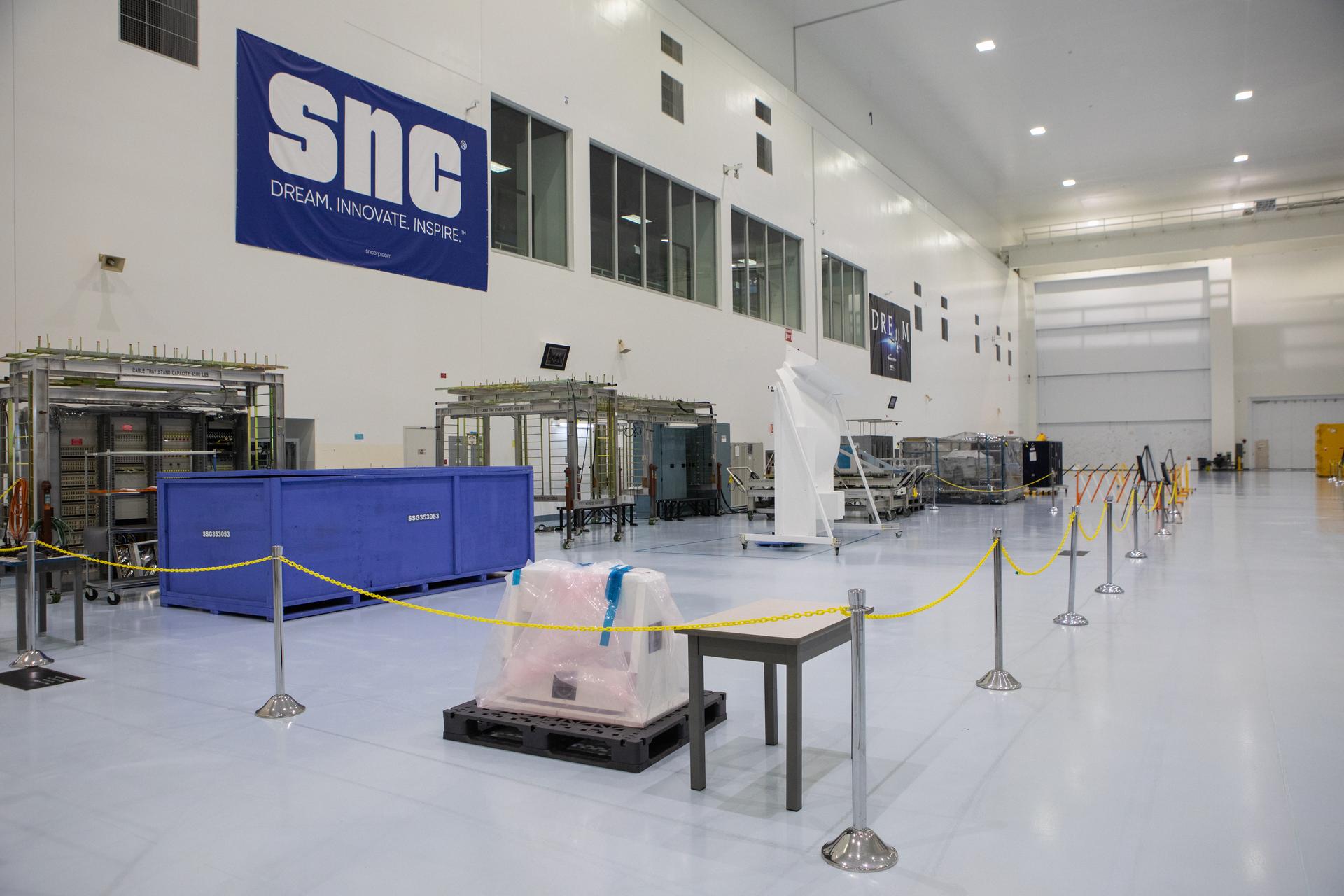
Sierra Space says its long-delayed Dream Chaser spaceplane will carry national security, civil and NASA cargo payloads together on one debut flight from Kennedy Space Center to Vandenberg.
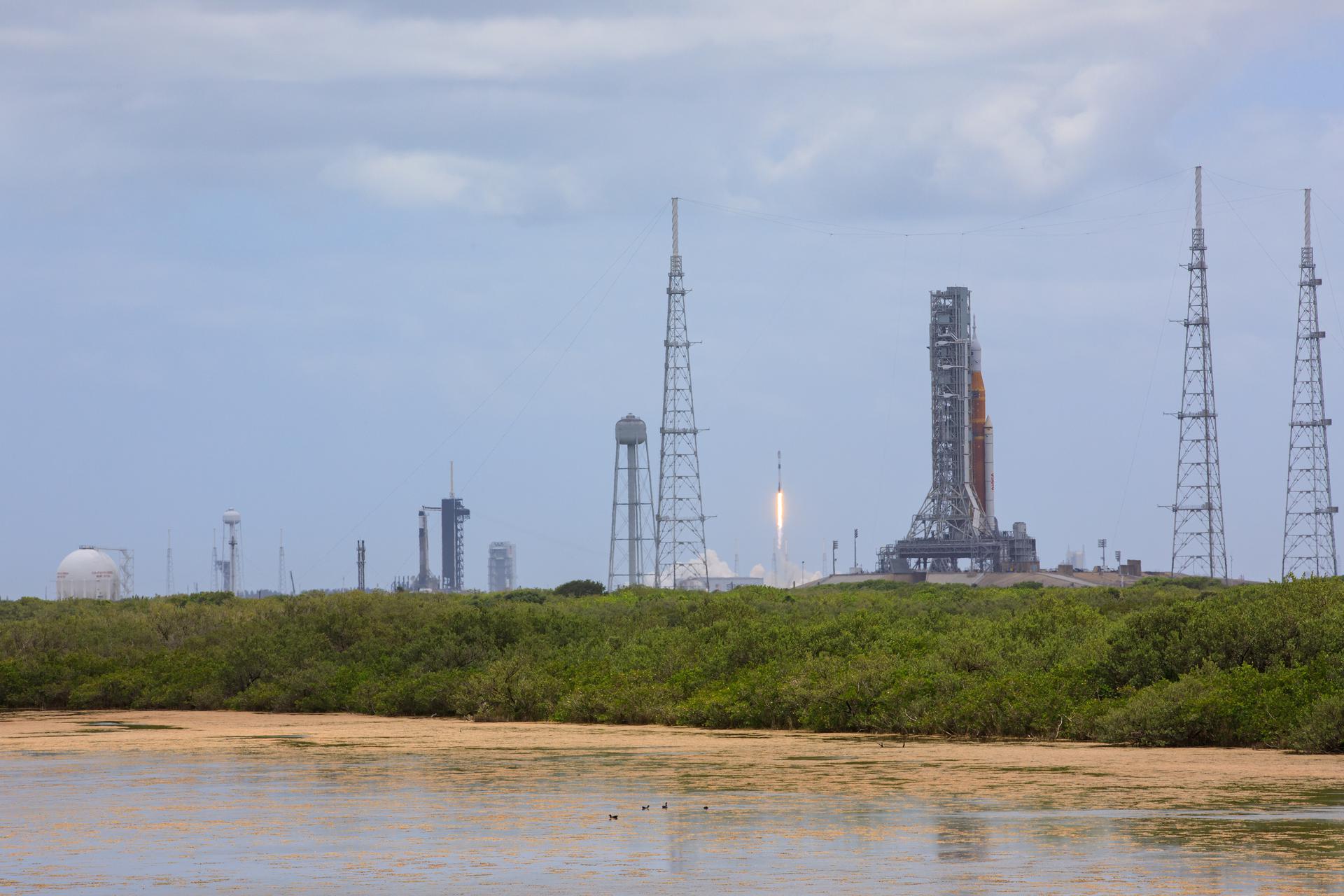
A Falcon 9 booster flew for a record 35th time out of Vandenberg early Sept. 2, deploying 27 more Starlink satellites and sticking its droneship landing in the Pacific.
Germany's OHB landed a nearly €1 billion SES contract to build all 18 IRIS² medium-Earth-orbit satellites, the first hardware award since the EU's sovereign connectivity program signed its implementation agreement in early August.
SpaceX and Louisiana officials announced a $100 billion Gulf Coast spaceport with ten launch pads and, per Elon Musk, more than 30 Starship flights a day once built out.
NASA on-ramped four companies — All Points Logistics, Blue Origin, Firefly Aerospace, and L3Harris — to a $100 million payload processing contract that expands where commercial providers can prep spacecraft for launch.
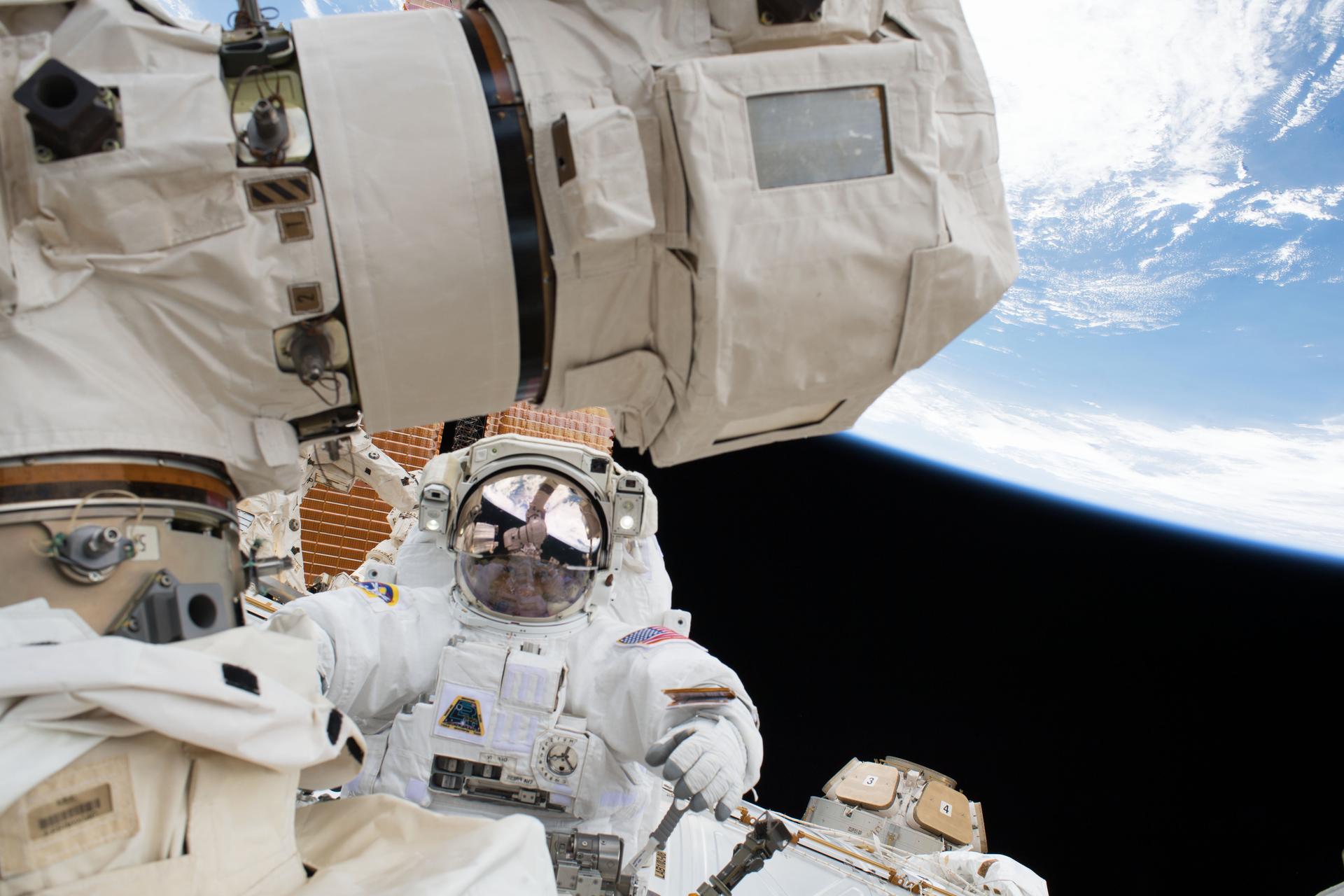
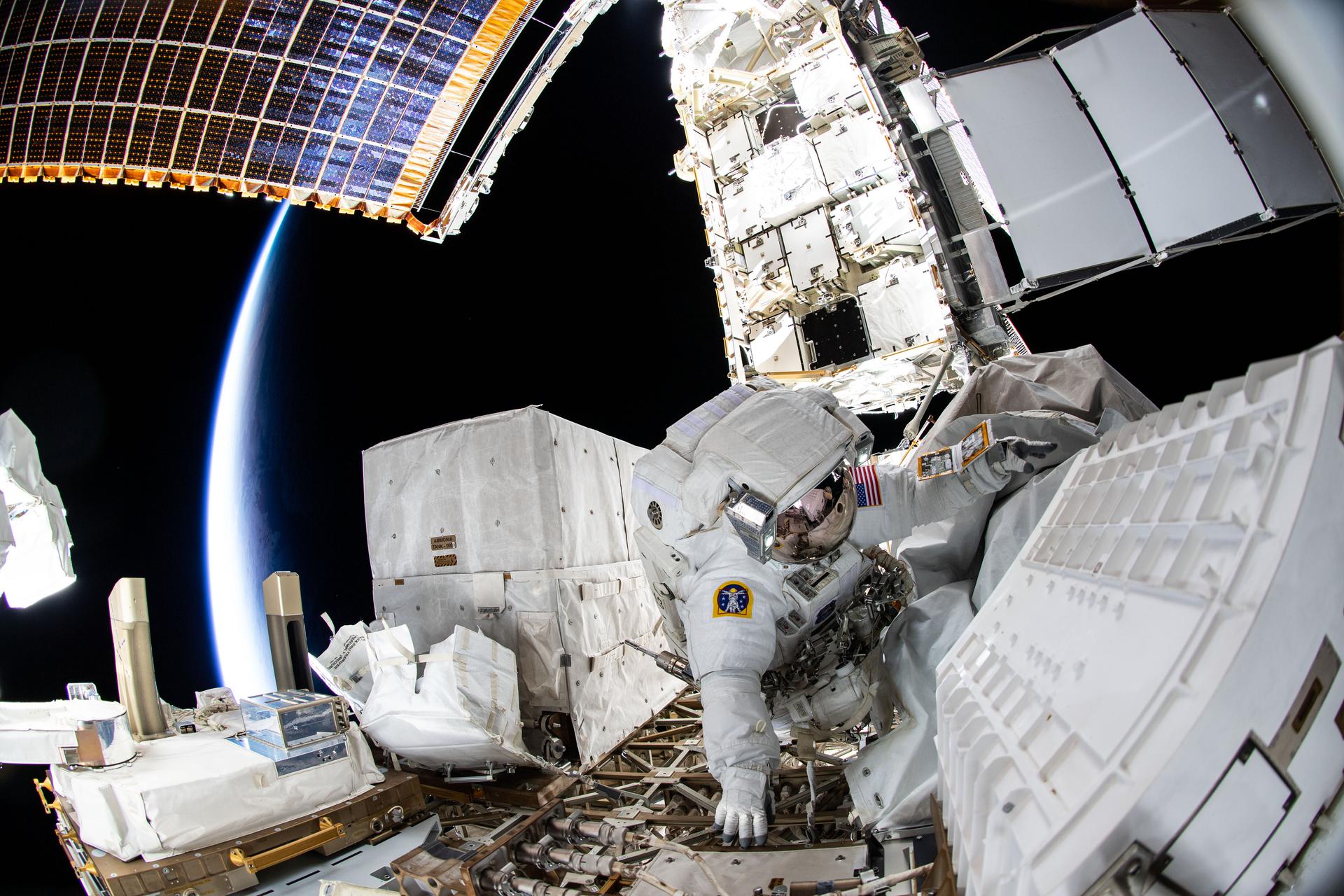
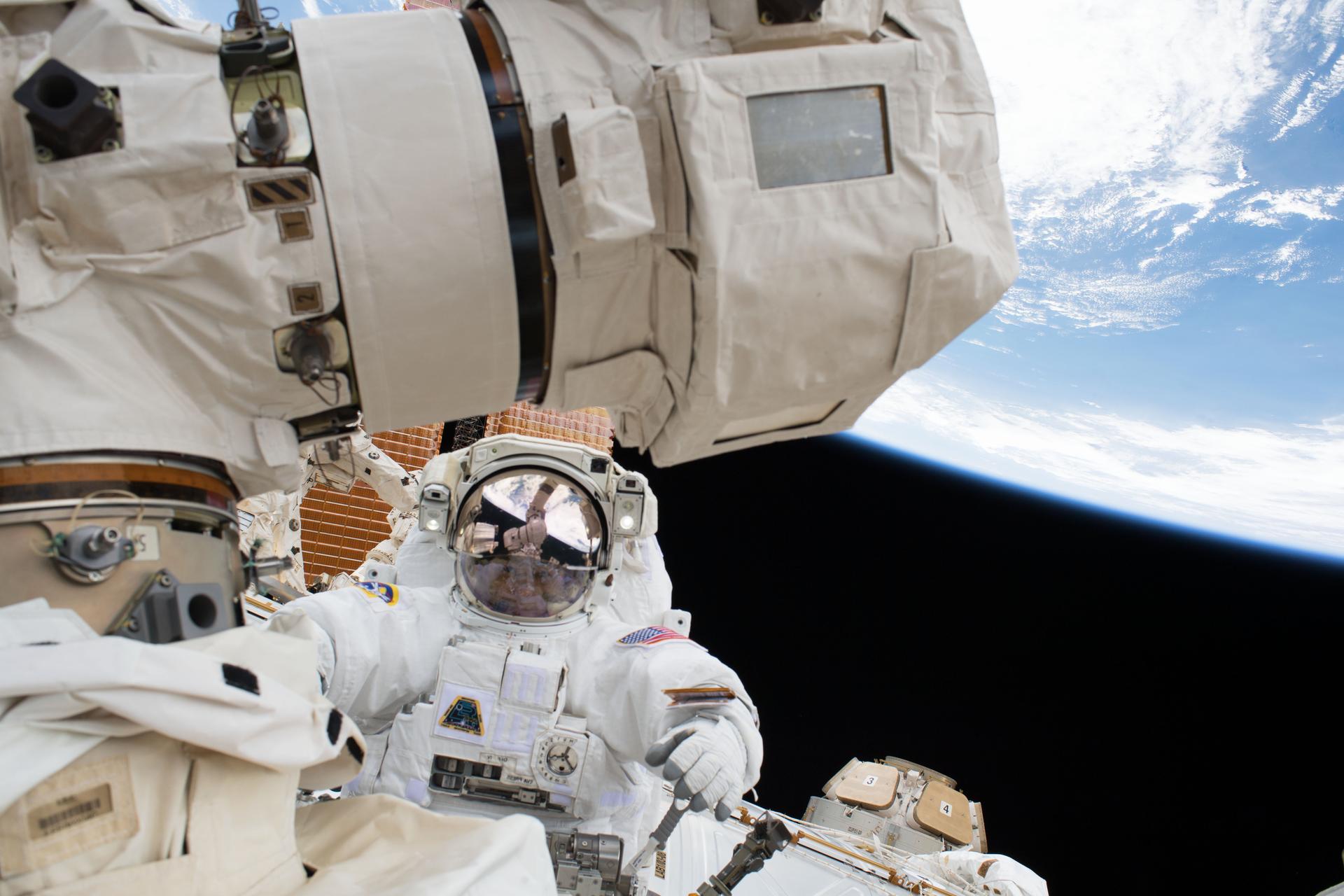
NASA's Jessica Meir and ESA's Sophie Adenot spent 6.5 hours outside the ISS on Sept. 1, 2026, swapping hardware on Harmony and the truss in the sixth all-female spacewalk ever flown.
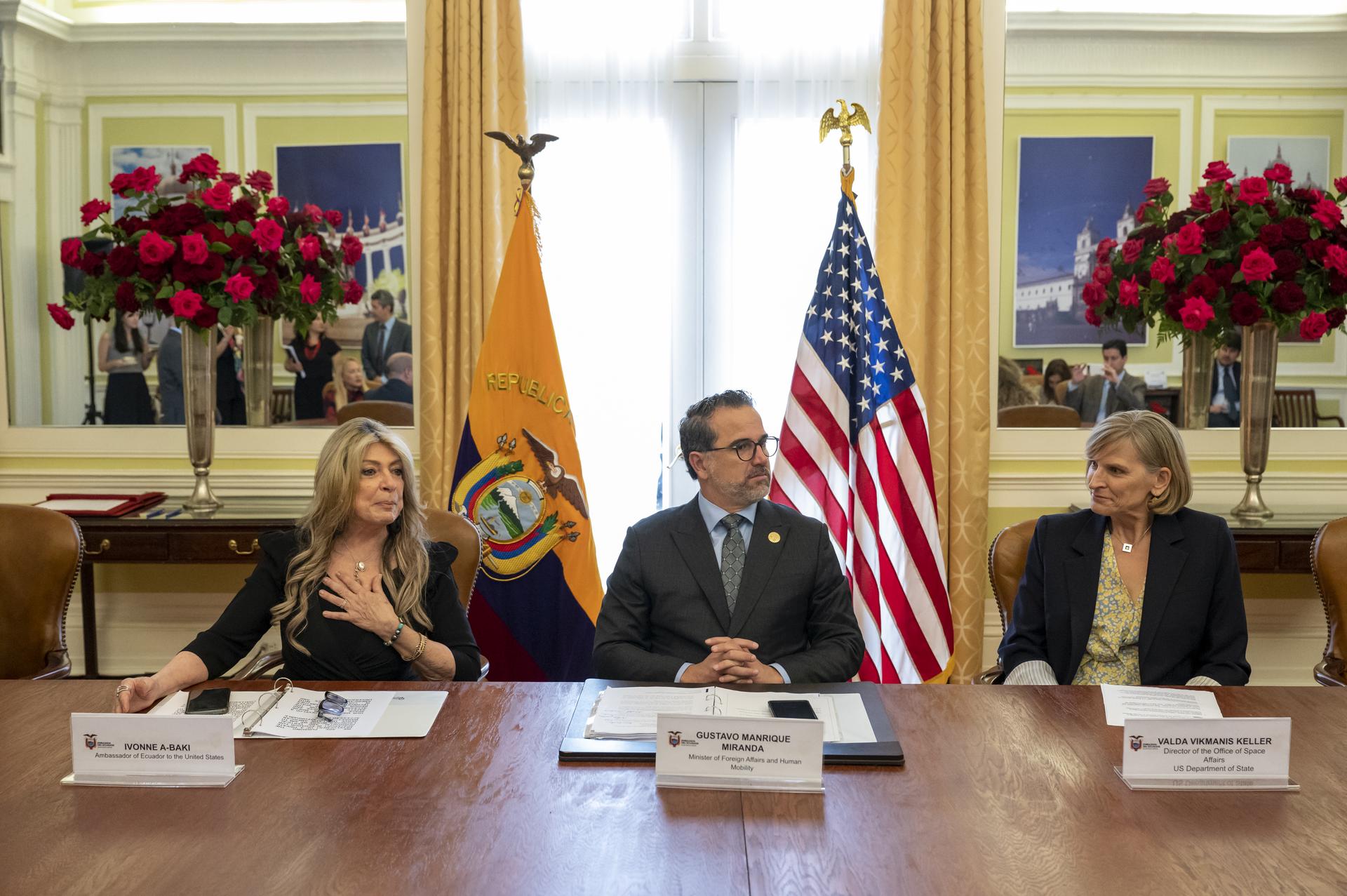
Turkey signed the Artemis Accords at NASA Headquarters on August 31, 2026, becoming the 71st nation to join the U.S.-led framework for norms in civil space exploration.
At a Tuscaloosa finale on Aug. 28, 2026, NASA and the University of Alabama handed out $1.325 million to teams that turned foam, plastic, and textile waste into materials astronauts could actually use on the Moon.
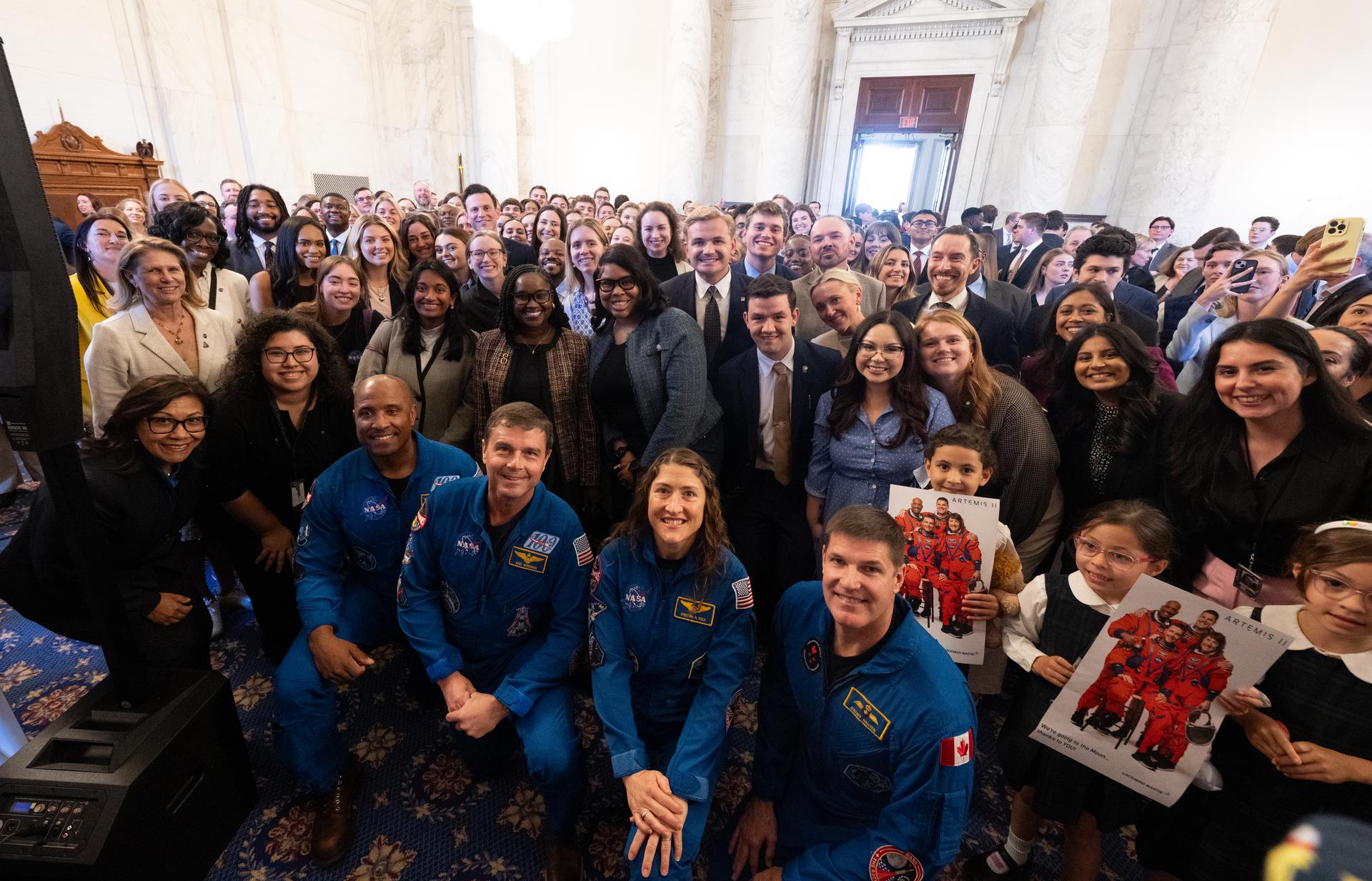
Four astronauts who flew farther from Earth than any humans since Apollo will join a list of roughly 30 recipients that includes Neil Armstrong and Alan Shepard.
NASA's Anil Menon and ESA's Sophie Adenot, the first French woman to spacewalk, spent over six hours removing a failed ISS antenna on August 18 but ran out of time to bolt in its replacement.
NASA's Anil Menon and ESA's Sophie Adenot are set for Aug. 18's U.S. Spacewalk 97 to swap a Z1 truss antenna that carries the station's high-speed link to Mission Control — Adenot's first EVA and a first for a French woman.
Days after launching on a Falcon Heavy, NASA's Roman Space Telescope switched on its Coronagraph Instrument on September 1, kicking off months of calibration before it attempts to directly image planets around nearby stars.
Nearly a mile beneath South Dakota, the LZ detector caught one particle recoil it can't explain — a 2.6-sigma whisper of dark matter that's exciting physicists without convincing them.
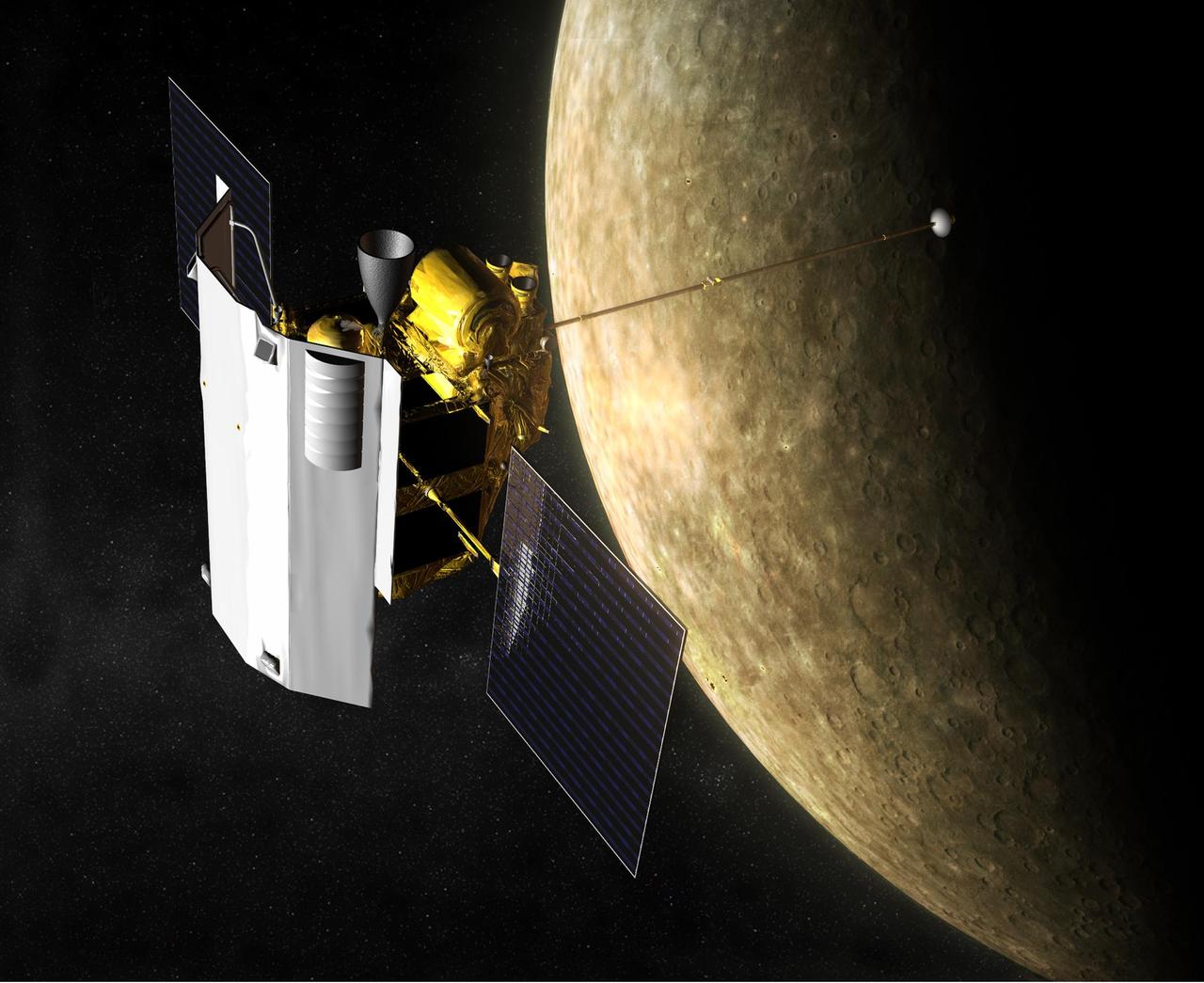
On Sept. 3, ESA's Mercury Transfer Module separates from BepiColombo's two science orbiters, opening a sequence ESA calls among the most demanding it has ever run before November's orbit insertion.
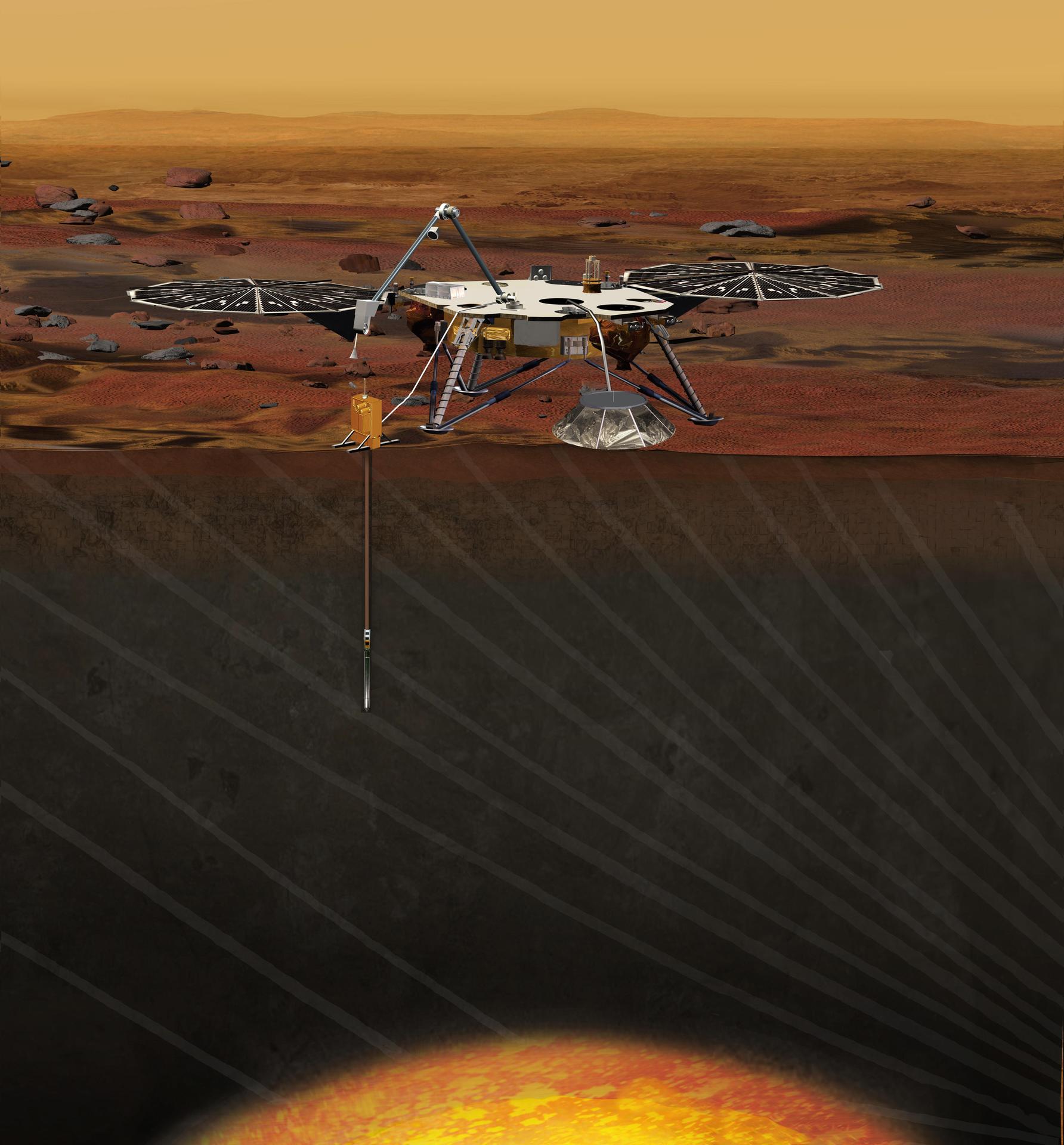
A gravity-based "tidal tomography" study in Nature finds the interior under Mars's south finds runs 200–400°C hotter than the north and may be partly molten, reshaping ideas about the planet's lopsided magnetism and ancient water.
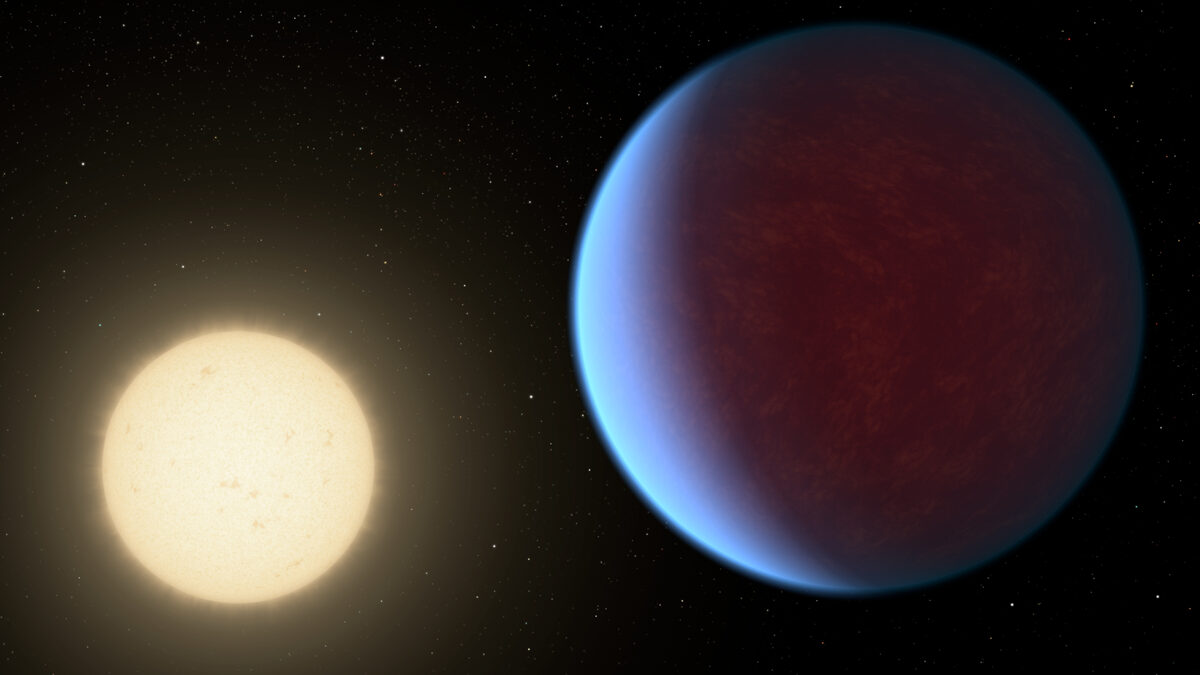
A Stanford model shows sloshing molten rock on scorched, close-in super-Earths can outgas fast enough to replenish atmospheres that stellar radiation is simultaneously stripping away.
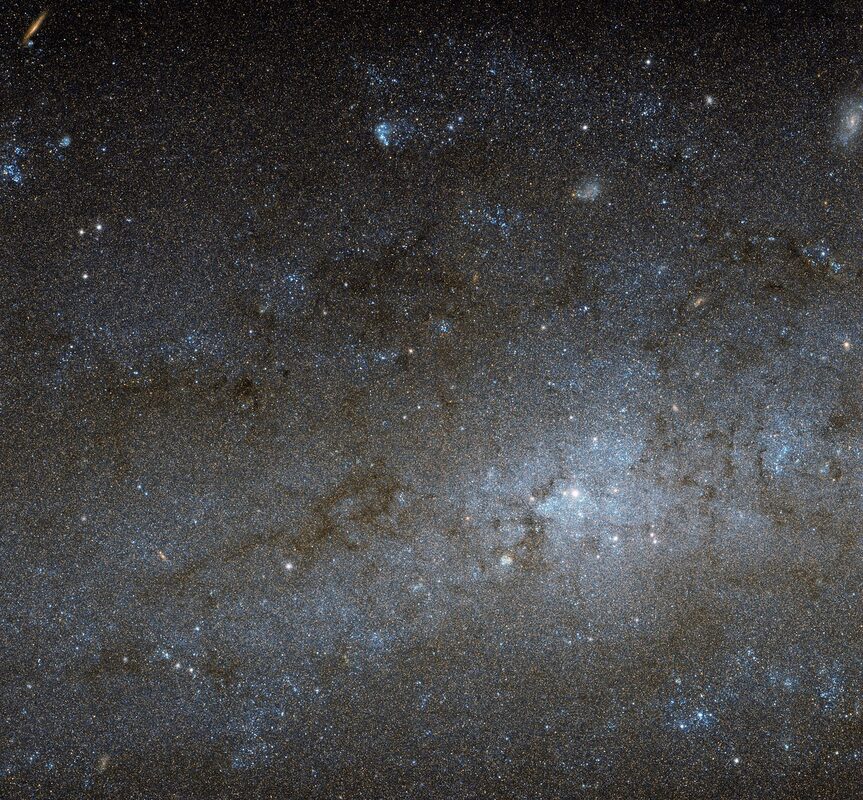
A new hydrodynamical simulation called SMUGGLE-Ring finds that a Milky Way-mass galaxy's nuclear star cluster and surrounding nuclear stellar disk are built by the same bar-driven gas inflow, not by separate, unrelated processes.
NASA's September 2026 sky guide runs from a modest meteor shower and a string of Moon conjunctions to Venus's peak brilliance, the fall equinox, and a Harvest Moon sharing the evening with Saturn and Neptune.
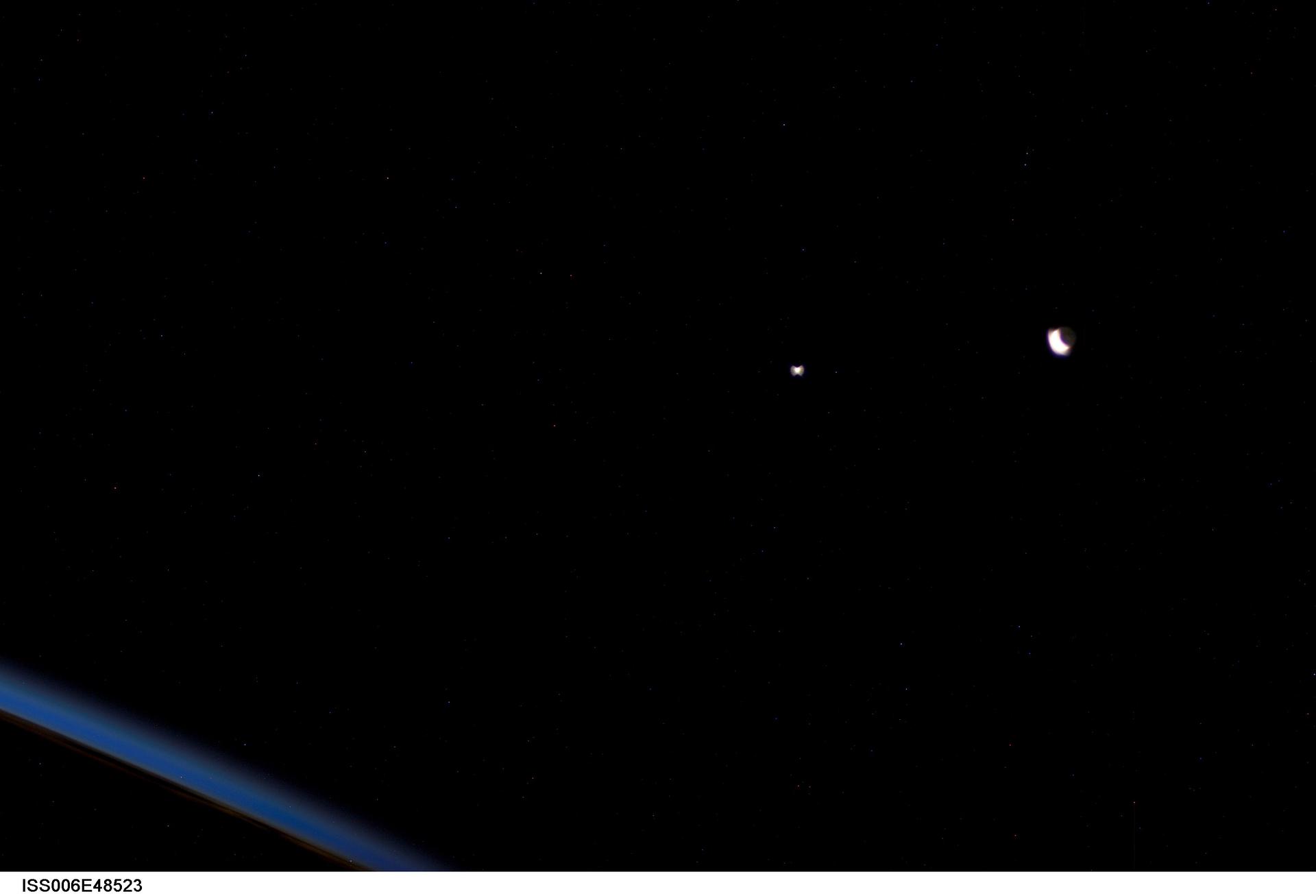
A waning gibbous Moon slides past the Pleiades this week, sets up a close pass with Jupiter on Sept. 6, then briefly occults the giant planet on Sept. 8 for skywatchers in Canada, the contiguous U.S., Greenland and Russia.
September 2026 stacks a Moon-Jupiter pairing, Venus's brightest night of the year, a dark New Moon, the precise equinox moment, and a Harvest Moon passing Saturn into one easy month of naked-eye skywatching.
A newly confirmed classical nova in Sagitta, V488 Sge, has brightened to magnitude 7.42 and is one of at least four novae visible simultaneously this unusually active season.
A sprawling, magnetically tangled sunspot let loose an M7 flare and a run of CMEs, prompting a G2 storm watch whose aurora timing may or may not line up with this week's partial lunar eclipse.
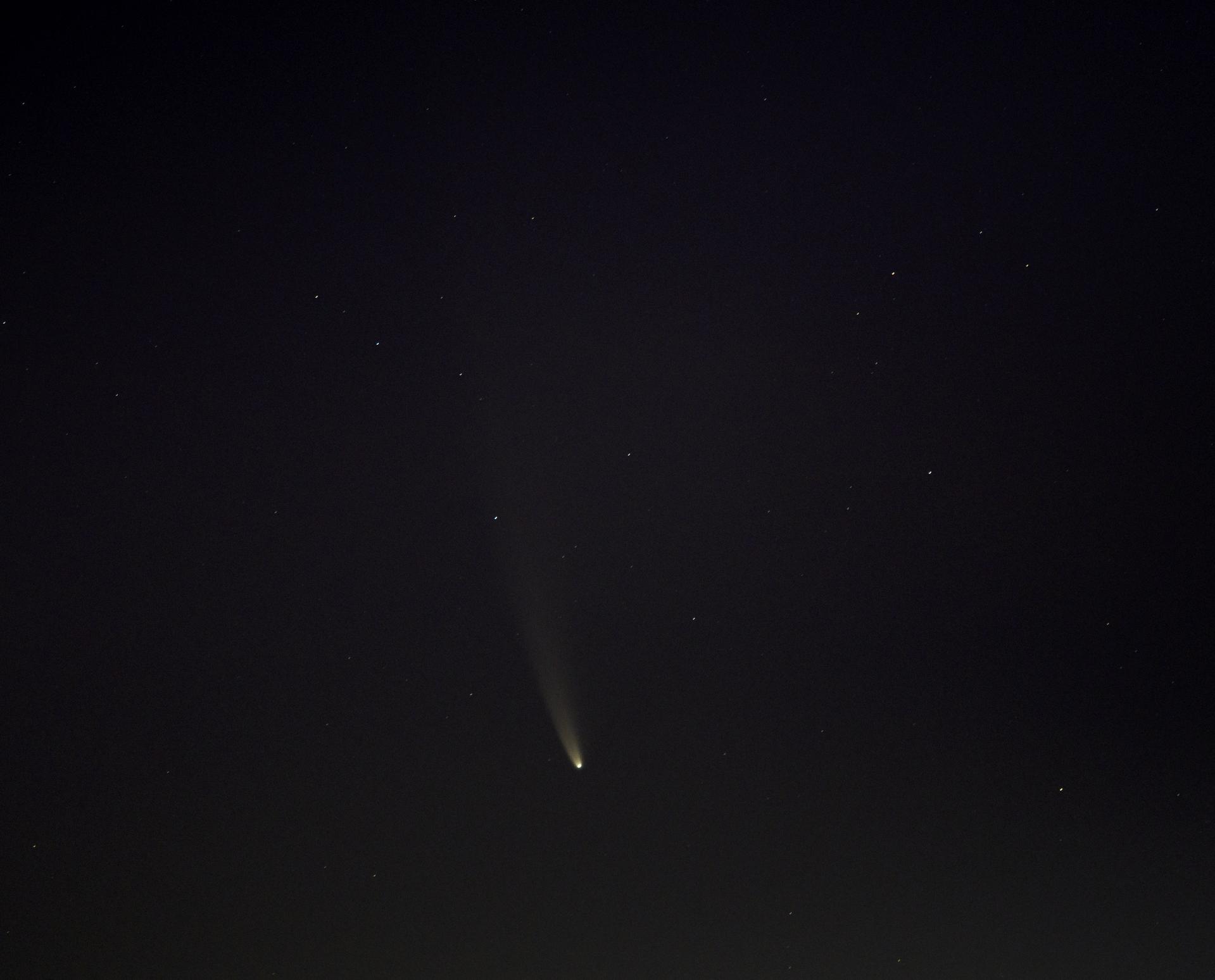
A faint periodic comet has now blown up twice in 2026, brightening thousands-fold and turning into a binocular-visible green fuzzball that astronomers still can't fully explain.
·By Cosmic Herald Staff
Stargazer's ShopTelescopes & astronomy gear — As an Amazon Associate, Cosmic Herald earns from qualifying purchases.
Never miss a launch.
Free. We email you when we publish — missions, discoveries, and skywatching highlights.