
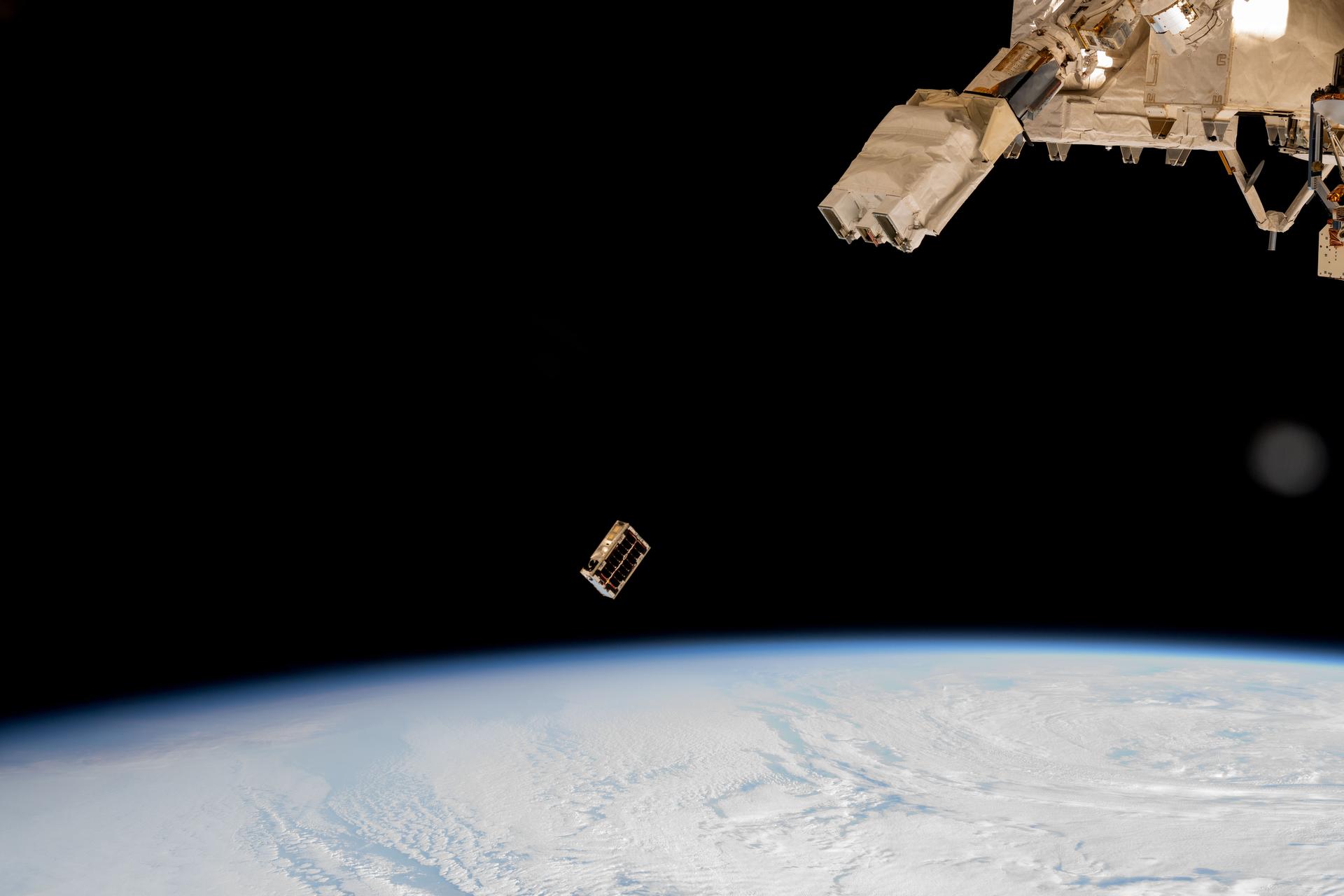
The Space Development Agency's plan to blanket low Earth orbit with a military data network has been more promise than proof for the better part of a year. On July 16, 2026, it moved back into the proof column. A SpaceX Falcon 9 lifted off from Space Launch Complex 4E at Vandenberg Space Force Base carrying 21 data-transport satellites built by York Space Systems — the third launch of the agency's Tranche 1 constellation, and the first in roughly nine months.
What matters almost as much as the launch is what happened afterward. Within a few hours of separation, York confirmed it had made contact with all 21 satellites and that every one was healthy. That is an early milestone in a checkout process that will stretch across months, but for a program coming off a rough patch, a clean 21-for-21 initial checkout is exactly the kind of news the agency wanted.
What SDA is building, and where this fits
The satellites are part of the Transport Layer of the Proliferated Warfighter Space Architecture, or PWSA — SDA's attempt to build a resilient mesh network in low Earth orbit rather than relying on a small number of large, expensive, and therefore tempting-to-target satellites in higher orbits. The idea is a web of small spacecraft that relay data between one another and down to forces on the ground, moving targeting and command information with minimal delay.
Tranche 1 is the first operational tranche of that architecture. The full constellation is slated to reach 154 operational space vehicles: 126 in the Transport Layer, 28 in the Tracking Layer, and four missile-defense demonstration satellites. The mission's 21 York-built transport craft push the running total of Tranche 1 space vehicles on orbit to 63 — still well short of the finish line, but a visible jump from where the count sat a year ago. SDA says initial warfighting capability is expected in 2027.
Why the nine-month gap
The pause between launches was not incidental. SDA's first two Tranche 1 launches last fall ran into what the agency and observers have described as technical and operational challenges, and the campaign went quiet while those issues were worked. DefenseScoop characterized the resulting hiatus as a roughly nine-month stand-down before the third mission resumed the launch cadence.
That context is why the health checks on this batch carry weight. A launch that puts 21 satellites into the correct orbit is necessary but not sufficient; the constellation only does anything useful if the spacecraft actually power up, orient themselves, establish links, and pass their commissioning checks. York's report that it reached all 21 within hours is the first data point suggesting the manufacturing and operations problems that dogged the earlier flights did not repeat here — though the monthslong checkout still has to bear that out.
What the officials said
SDA Director GP Sandhoo tied the deployment to the program's core pitch, saying the launch "continues to expand warfighting capability to deliver persistent tactical satellite communication for the warning and tracking of advanced missile threats." That framing gets at the strategic argument for a proliferated mesh: a network spread across dozens of nodes is far harder to blind than a handful of big satellites, and closing the sensor-to-shooter loop faster is the entire point of moving that data through space rather than terrestrial pipes. Col. Ryan Hiserote, commander of Space Systems Command's SYD 80, was also named in connection with the mission.
The near-term picture
Strip away the framing and the state of play is straightforward. Three of the planned Tranche 1 launches are now complete. Sixty-three space vehicles are on orbit against a target of 154. The most recent batch of 21 all made contact and reported healthy on day one, and now enters a checkout campaign that will run for months before the satellites are considered operational. The launch cadence, dormant since last fall, is moving again. And the agency is still holding to a 2027 date for initial warfighting capability.
None of that guarantees the timeline holds — proliferated constellations live and die on repeatable manufacturing and repeatable launches, and SDA has already shown it can stumble on both. But after a year in which the story was mostly about delay, the July 16 mission gives the agency something concrete: a successful launch, a full slate of healthy satellites, and a bigger number in orbit than the day before.
Why It Matters
The Transport Layer is the connective tissue of a much larger U.S. military space strategy that bets on proliferation over exquisite single satellites. If SDA can prove it can build these spacecraft in batches, launch them on a predictable cadence, and bring them through checkout reliably, the mesh becomes real infrastructure — a resilient, hard-to-kill relay network moving targeting and command data around the globe in near-real time. The third launch, and the all-21-healthy checkout that followed it, is the clearest sign in nearly a year that the program has regained momentum after the technical problems that stalled its first two flights. The next several launches, and whether these 63 satellites actually finish commissioning on schedule, will show whether that momentum is the start of an operational constellation or another false dawn ahead of the 2027 target.
Sources
- Space Development Agency Successfully Completes Third Launch of Tranche 1 Satellites — SDA
- York Confirms Health of 21 New SDA Satellites — Air & Space Forces Magazine
- SpaceX launches 21 communications satellites for the Space Development Agency — Spaceflight Now
- SDA resumes satellite launch campaign following months-long pause, tech issues — DefenseScoop
