NASA
Every Cosmic Herald story on NASA — missions, launches, discoveries, and the business of space, newest first.
-
NASA & Agencies
ESA and Vast Agree to Fly Greece's First Astronaut to the ISS
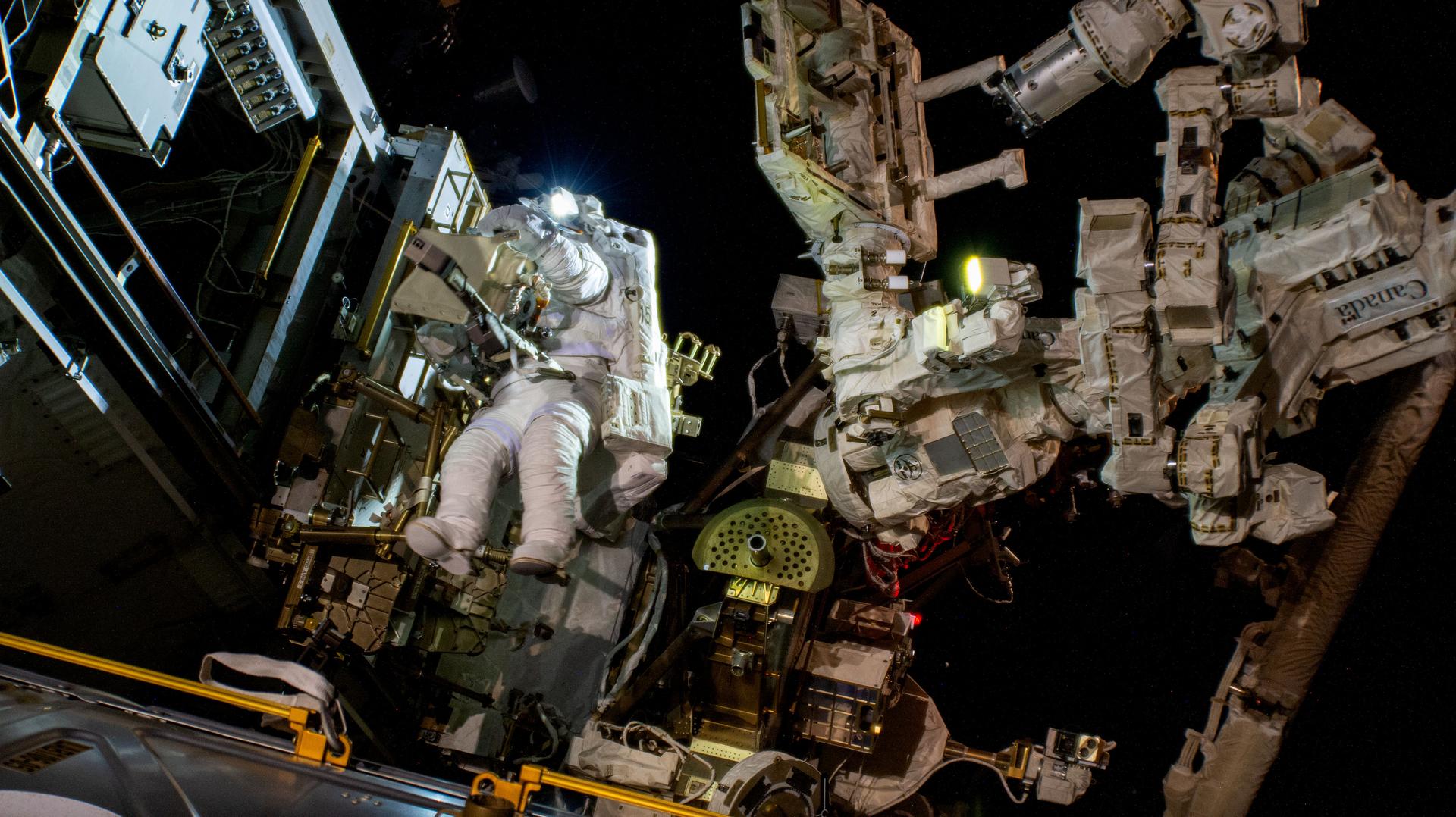
ESA and commercial station firm Vast signed an agreement in Paris to fly Greek flight surgeon Adrianos Golemis to the ISS in 2027, pending medical certification, aboard a mission commanded by Thomas Pesquet.
-
Commercial
NASA Adds the Unflown Terran R to Its Launch Services Bench
NASA has added Relativity Space's not-yet-flown Terran R rocket to its NLS II launch contract, giving the company a shot at government payloads before it has even reached orbit.
-
Missions
BepiColombo Sheds Its Ferry and Begins the Final Descent to Mercury
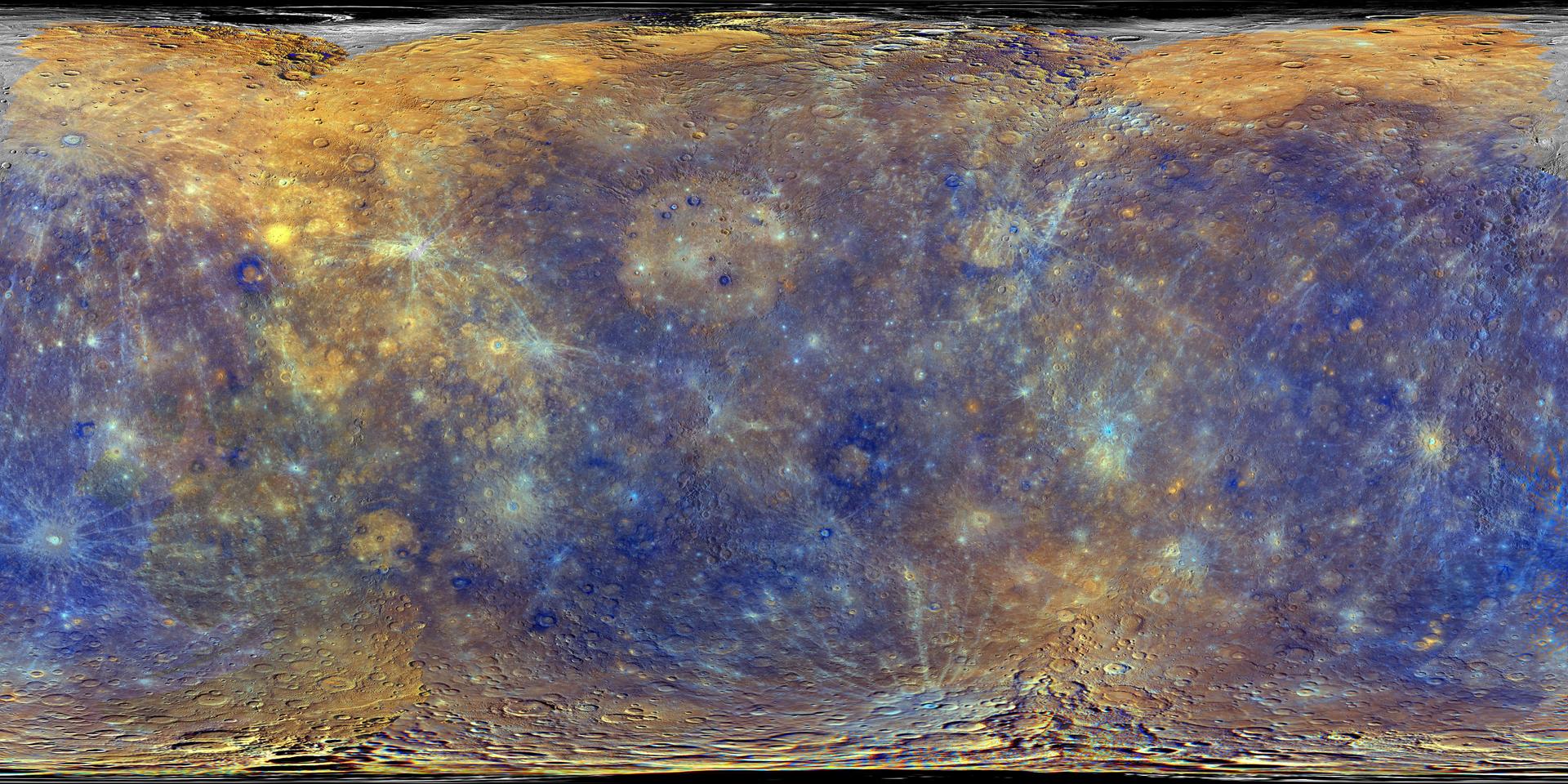
After an eight-year, 9.9-billion-kilometer journey and nine planetary flybys, BepiColombo jettisoned its transfer module on Sept. 3, 2026, starting the final approach to a Nov. 21 Mercury orbit insertion.
-
Stargazing
This Week's Sky: Moon Meets Jupiter, Venus Nears Its Peak
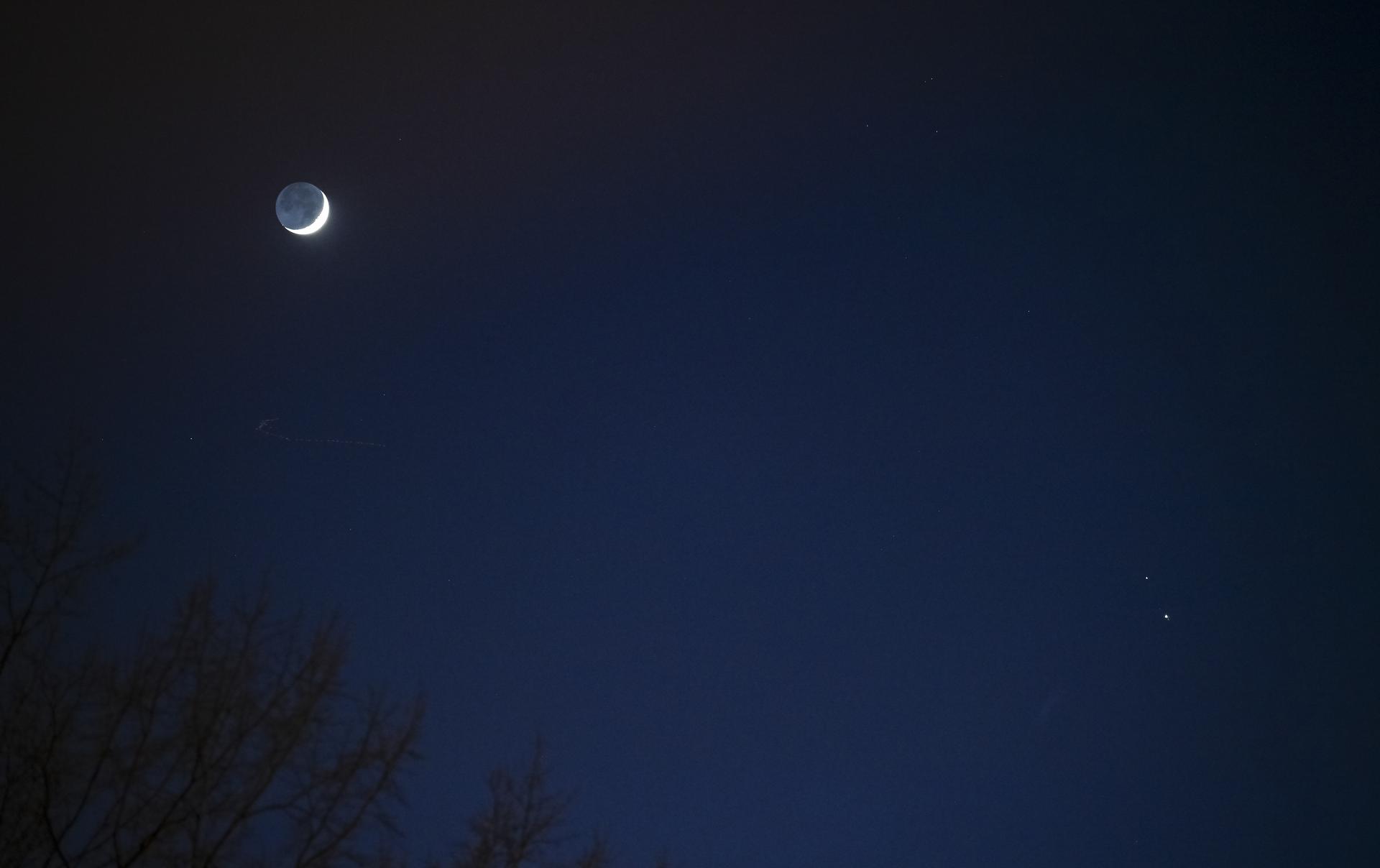
The Moon paired with Jupiter before dawn on Sept. 8, and NASA's September guide lines up the Sagittarius Teapot, peak Venus brightness on Sept. 18, and a Saturn-Neptune Harvest Moon on Sept. 26.
-
Missions
Russia Preps Progress 96 Cargo Run to the ISS as Outgoing Freighter Departs
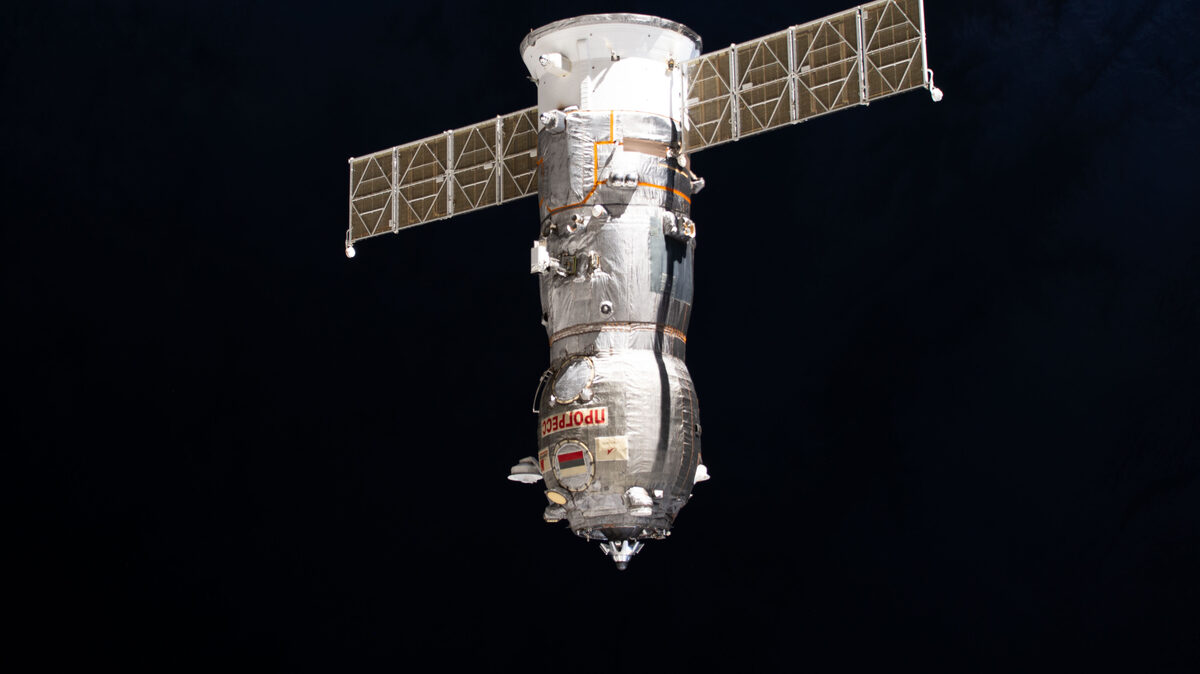
NASA and Roscosmos are set to launch the unpiloted Progress 96 freighter to the ISS on Sept 9, days after its predecessor undocked to clear the port for the routine three-ton delivery.
-
Commercial
SpaceX Notches 80th Starlink Launch of 2026 With a 19-Flight Veteran Booster
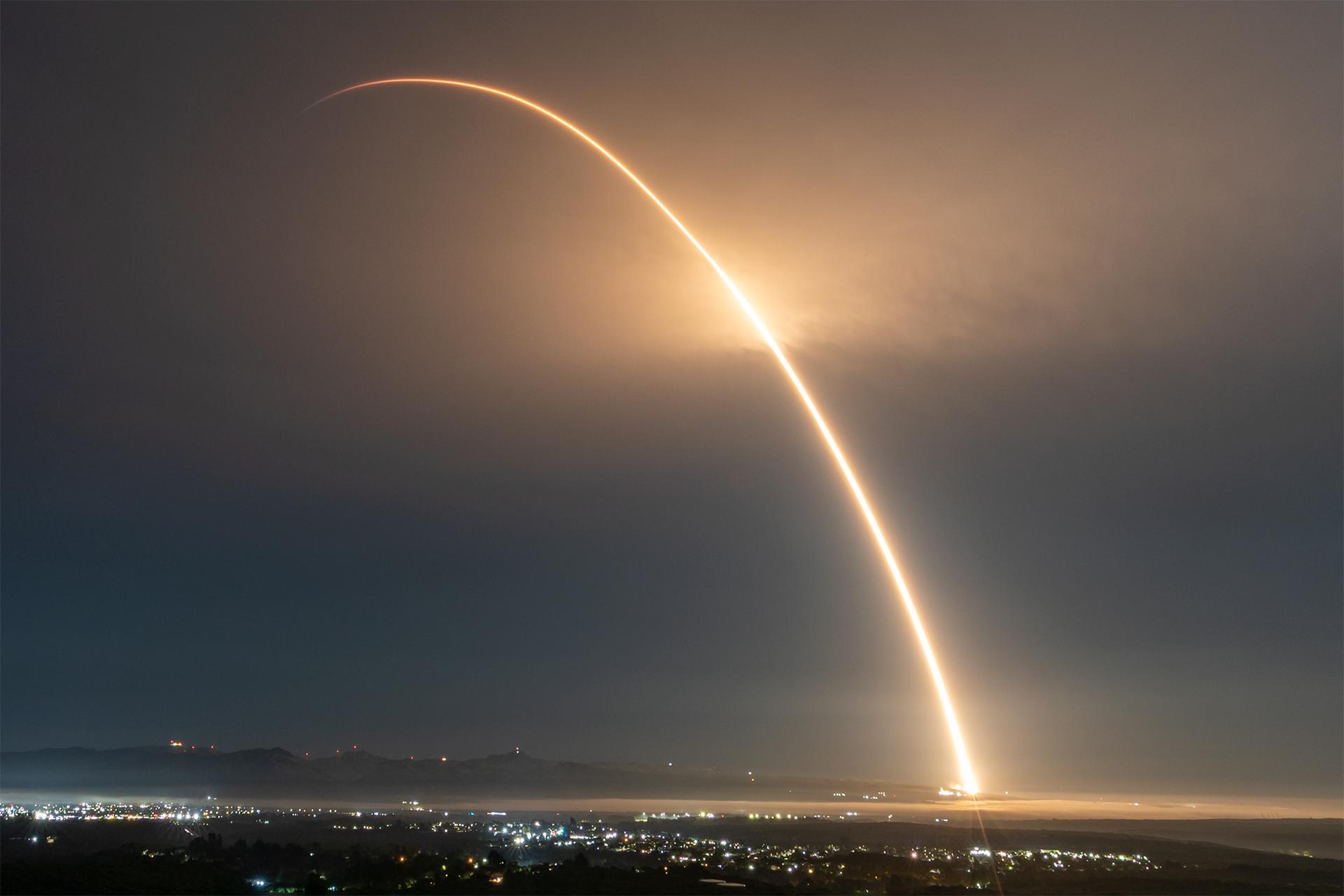
A Falcon 9 booster that once carried NASA's SPHEREx telescope flew a record 19th mission on Sept. 6, lofting 27 more Starlink satellites and marking SpaceX's 80th Starlink launch of 2026.
-
NASA & Agencies
NASA Orders Axiom to Build a Lighter 'Sortie Suit' to Save the 2028 Moon Landing Timeline
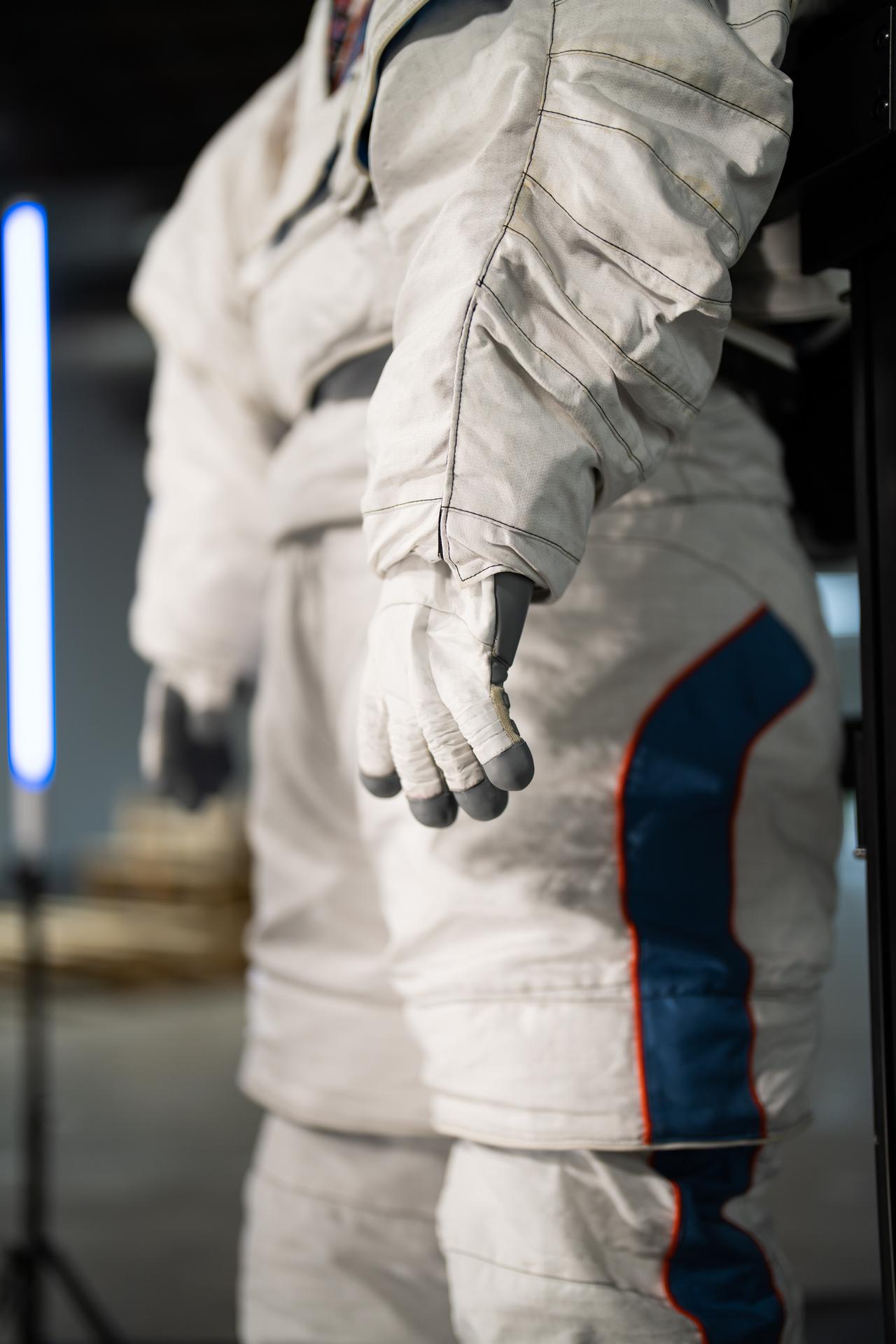
NASA has directed Axiom Space to build a stripped-down 'Sortie Suit' after safety and oversight reviews warned the original lunar suit was too heavy and too complex to meet a 2028 landing.
-
Commercial
Falcon 9's Starlink Era in Florida Is Over. Vandenberg Just Became the Workhorse.
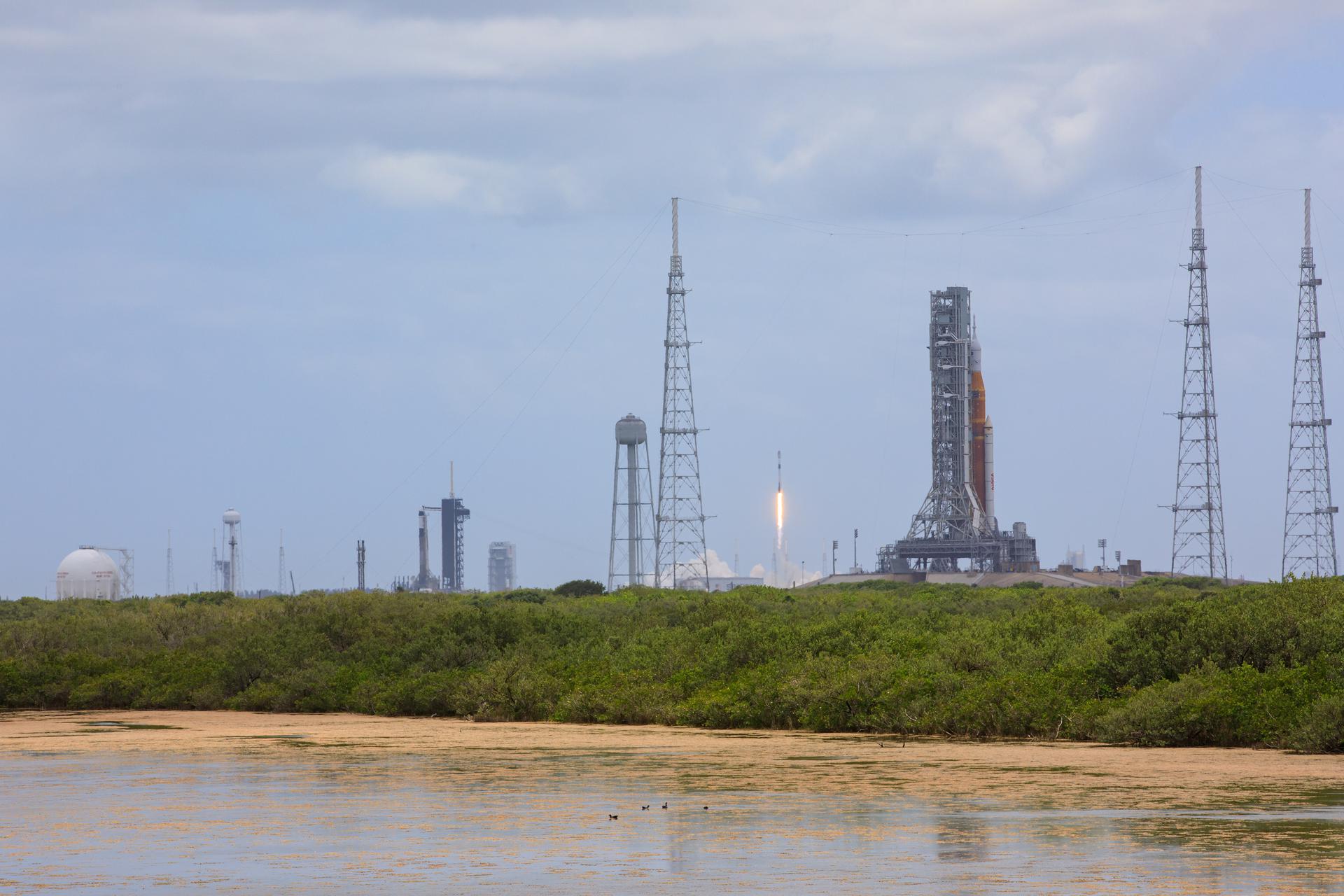
SpaceX's 80th Starlink mission of 2026 flies from California, not Florida, because Falcon 9's Cape Starlink run ended Aug. 25 after roughly 260 flights. Starship is supposed to pick up the slack before year-end, and the FAA has already cleared 44 launches a year at LC-39A.
-
Commercial
NASA Hands Blue Origin $700 Million to Build a Mars Communications Orbiter
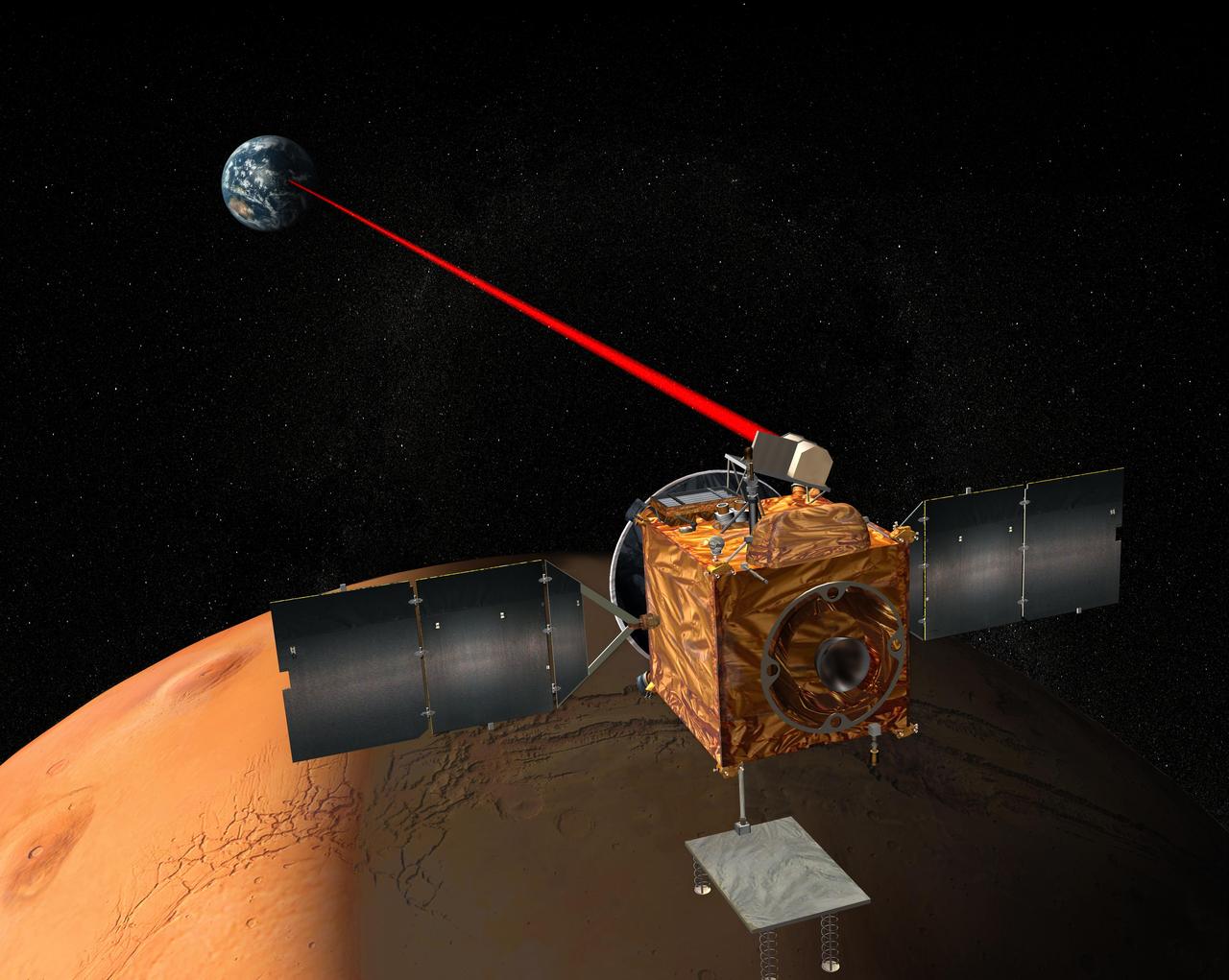
NASA picked Blue Origin over a competing Rocket Lab bid for a ~$700 million contract to build a Blue Ring-based Mars telecom orbiter due at the Red Planet by 2030.
-
Stargazing
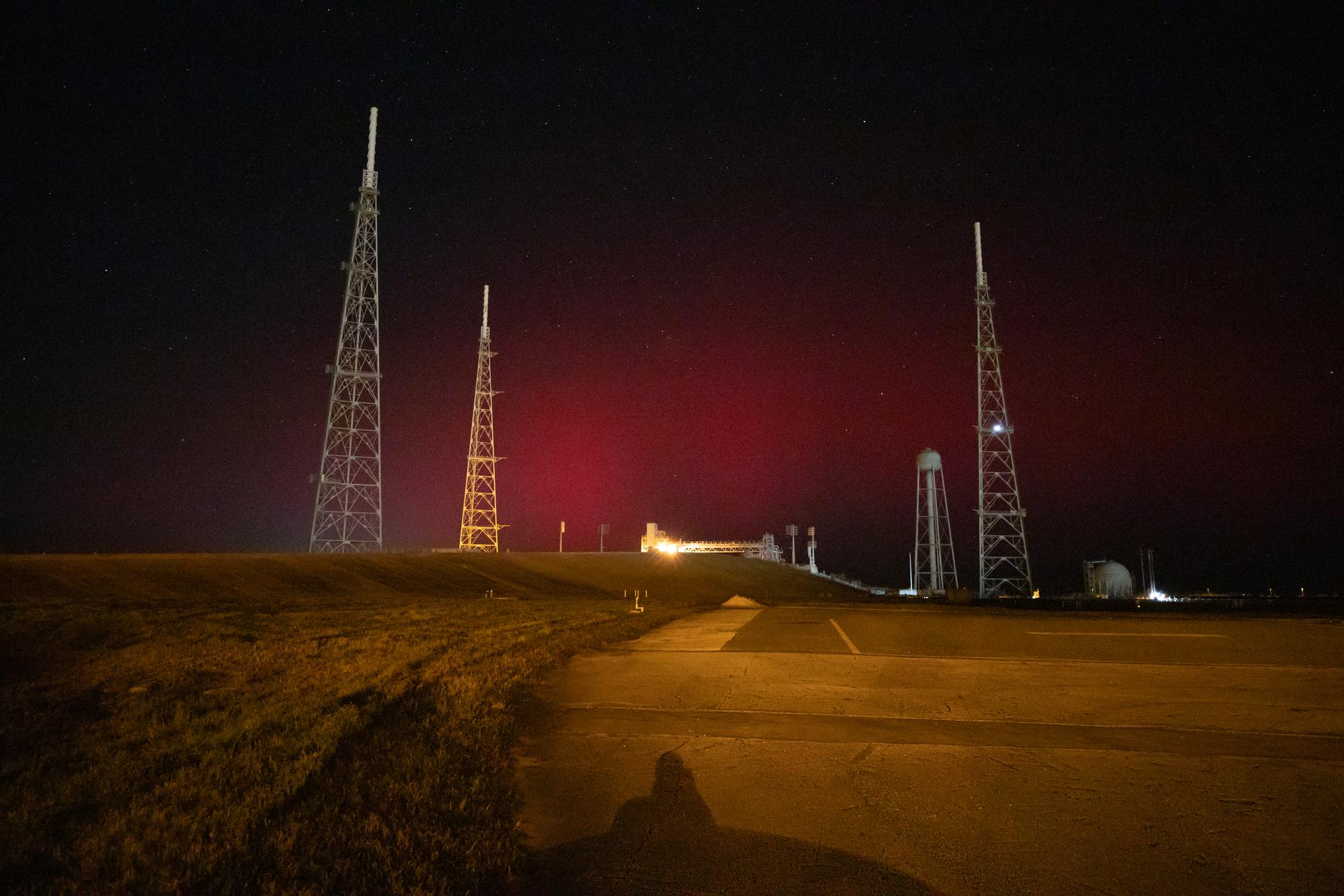
A Minor Radiation Storm and an Inbound CME Set Up a Weekend Aurora Watch
NOAA logged repeated S1-minor proton storm alerts on September 5 as a coronal mass ejection from sunspot AR4524 heads for Earth, with arrival expected September 8 and a shot at G1-level auroras.
-
Astronomy
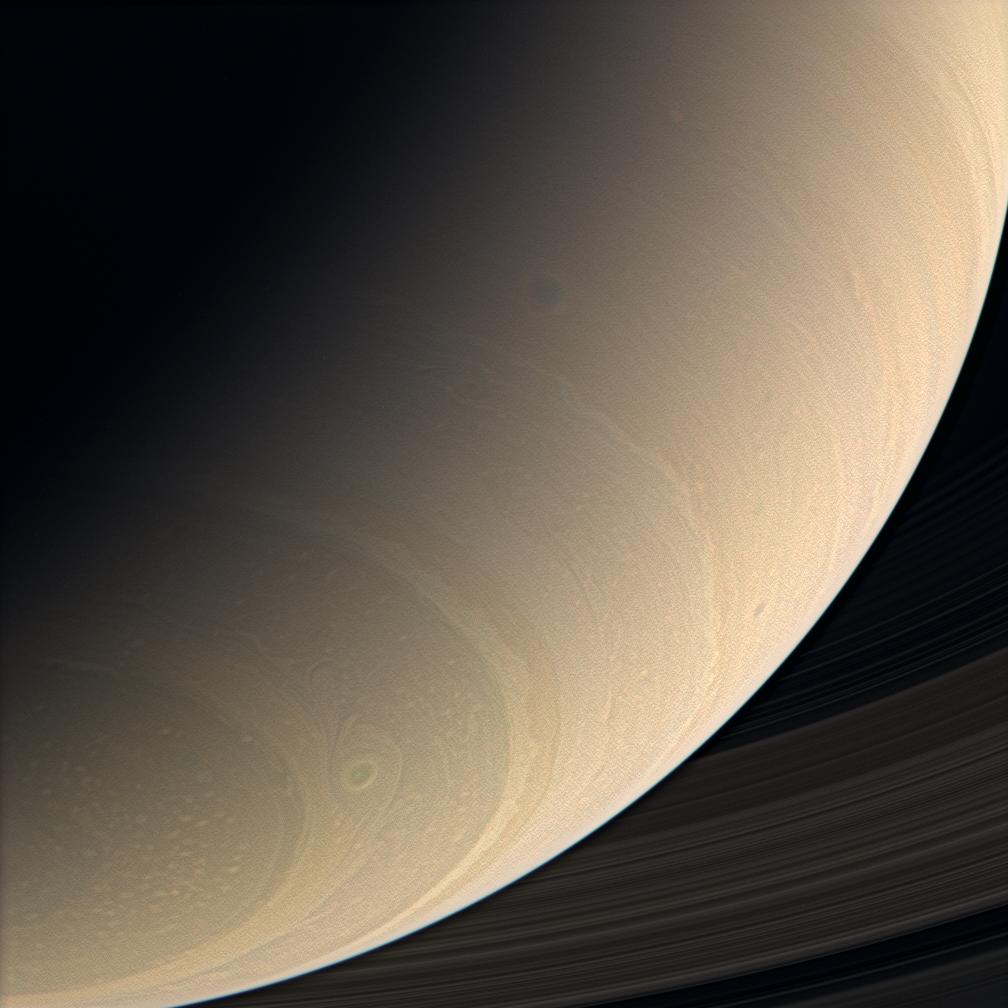
Hubble Finds a New Decagon Guarding Saturn's South Pole
Hubble archival data reveal a strengthening 10-sided vortex ringing Saturn's south pole — a feature Cassini never saw in 13 years at the planet, and a strange new sibling to its famous northern hexagon.
-
Astronomy
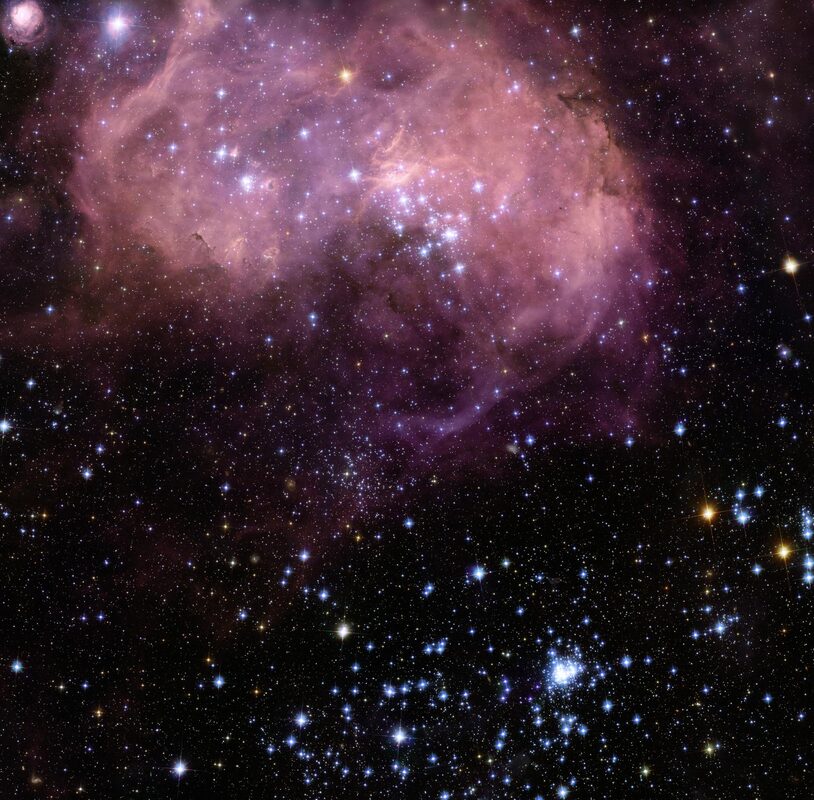
Hubble Spots a 210-Light-Year Superbubble Carved Into a Star Nursery in the Large Magellanic Cloud
A new Hubble image reveals a 210-by-140-light-year cavity blown into the N44 nebula by massive stars, with nearly 30,000 still-forming stars catalogued in the surrounding shell.