NASA
Every Cosmic Herald story on NASA — missions, launches, discoveries, and the business of space, newest first.
-
NASA & Agencies
NASA Just Handed 14 Companies a $476 Million Contract to Watch the Earth
NASA expanded its Commercial Satellite Data Acquisition program with 8 new vendors and 6 returning ones, pushing the contract ceiling to $476M through 2028.
-
NASA & Agencies
NASA Greenlights Twin-Satellite Mission to Crack the Code of Space Weather's Atmospheric Grip
NASA's DAPHNE mission will send two identical satellites to study how Earth's lower atmosphere shapes conditions in space — and why that matters for GPS, satellites, and astronauts.
-
Missions
NASA's ERNEST Rover Just Tore Through 16 Miles of California Desert — and It's Headed for the Moon
JPL's four-wheeled ERNEST prototype covered 16 miles in 37 hours during a March desert trial, moving an order of magnitude faster than any rover NASA has put on another world.
-
Missions
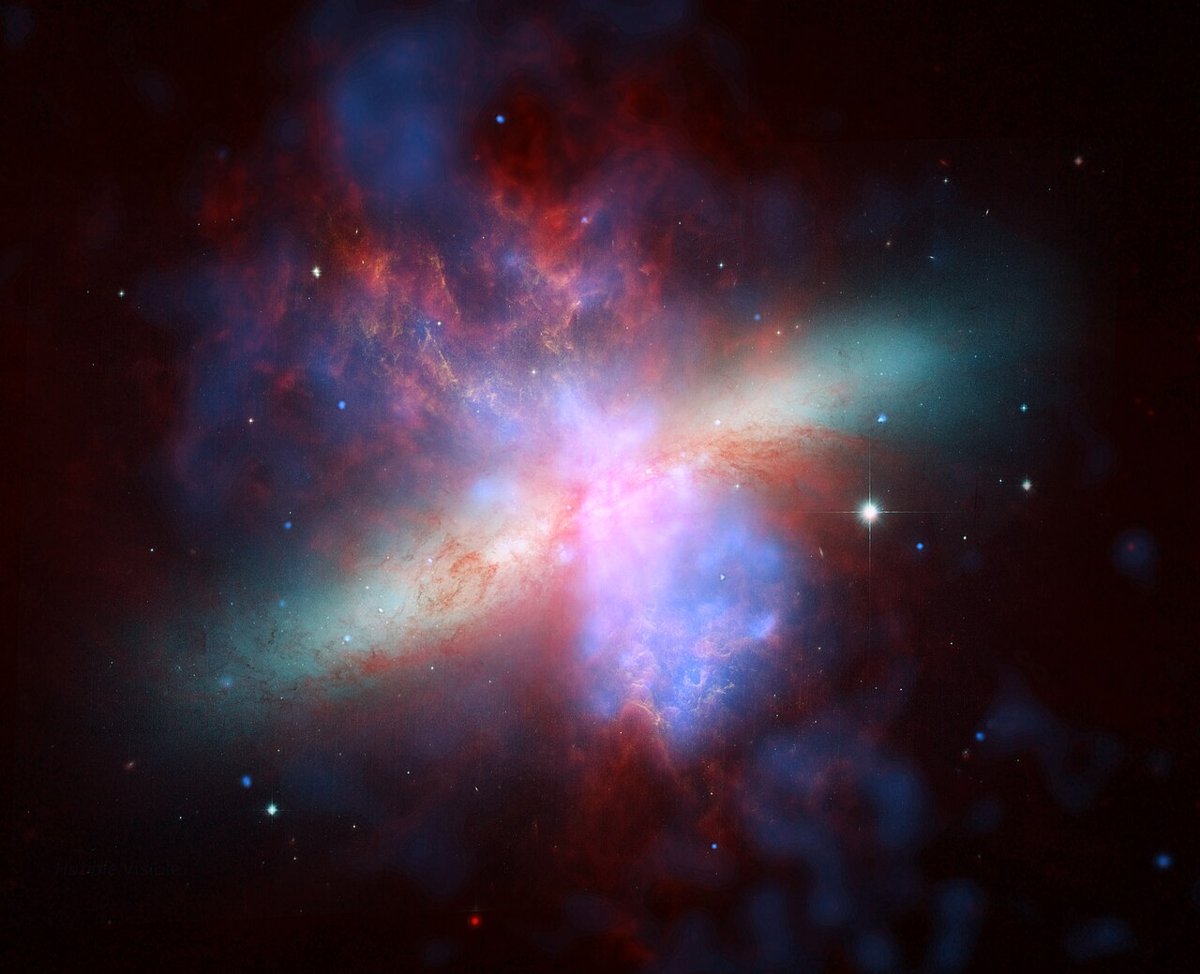
Hubble, Chandra, Spitzer, Compton: The Strategy Behind NASA's Great Observatories
Four telescopes, four wavelength bands, one coherent strategy. How NASA designed a multi-wavelength fleet — Hubble for visible and ultraviolet, Compton for gamma rays, Chandra for X-rays, Spitzer for infrared — that transformed astrophysics by revealing what no single observatory could see alone.
-
Science & Discovery
From Cold Gas to Nuclear Fire: NASA Maps Every Step of How Stars Ignite
A new NASA visualization traces star formation from the first gravitational stirrings in a molecular cloud all the way to main-sequence ignition — a single diagram synthesizing decades of multi-mission observations.
-
Military Space
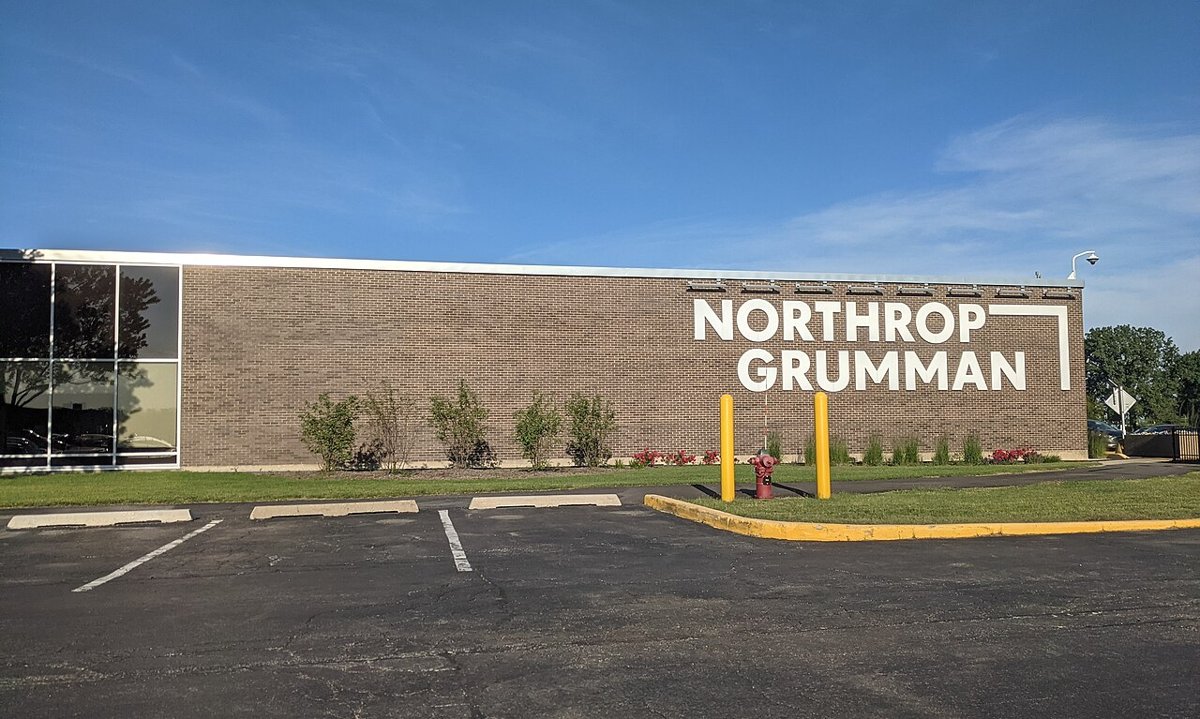
Northrop Grumman Says It Can Scale Solid Rocket Production — But Washington Has to Commit First
The solid rocket motor maker argues the industrial base is ready to ramp up, but short-term government contracts make it nearly impossible to justify the capital investment needed to do so.
-
NASA & Agencies
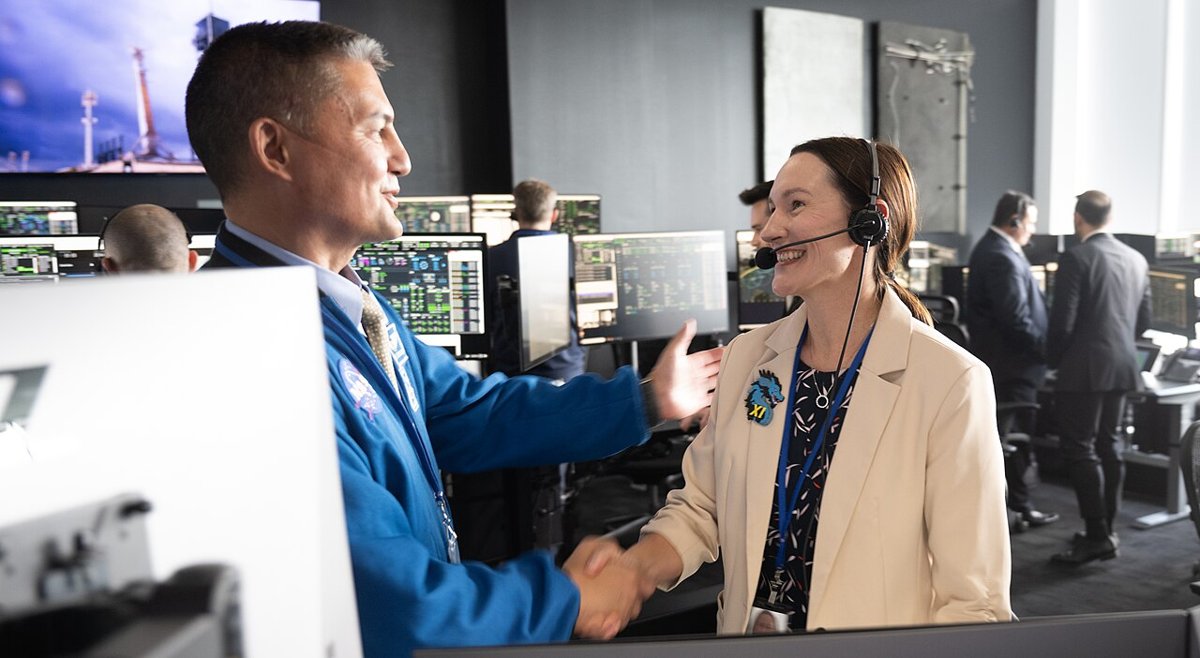
From Suriname to NASA Kennedy: Rohit Goeptar's Unlikely Path to the Launch Pad
A childhood in poverty, six years in the Marines, homelessness in Florida — and now Rohit Goeptar analyzes electromagnetic compatibility for NASA rockets at Kennedy Space Center.
-
Military Space
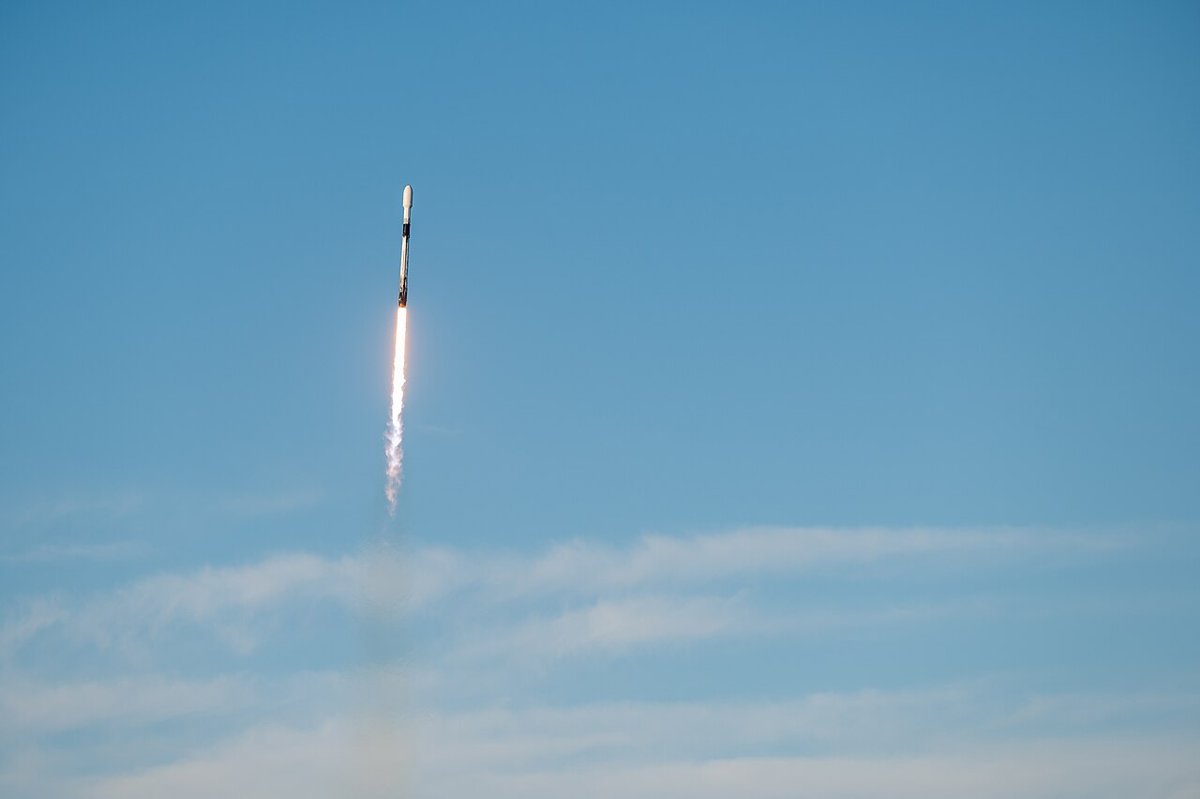
SpaceX Sends Classified NRO Payload to Orbit, Cementing Its Role as America's Go-To Military Launch Provider
A Falcon 9 launched intelligence-gathering satellites for the National Reconnaissance Office on June 18, underscoring how deeply the U.S. intelligence community now depends on commercial rockets.
-
Stargazing
Your First Telescope: What to Buy, What to Skip, and What to Look at First
Aperture matters more than magnification, Dobsonians beat department-store refractors, and the Moon is the best first target. A no-nonsense buying guide for your first serious look at the night sky.
-
NASA & Agencies
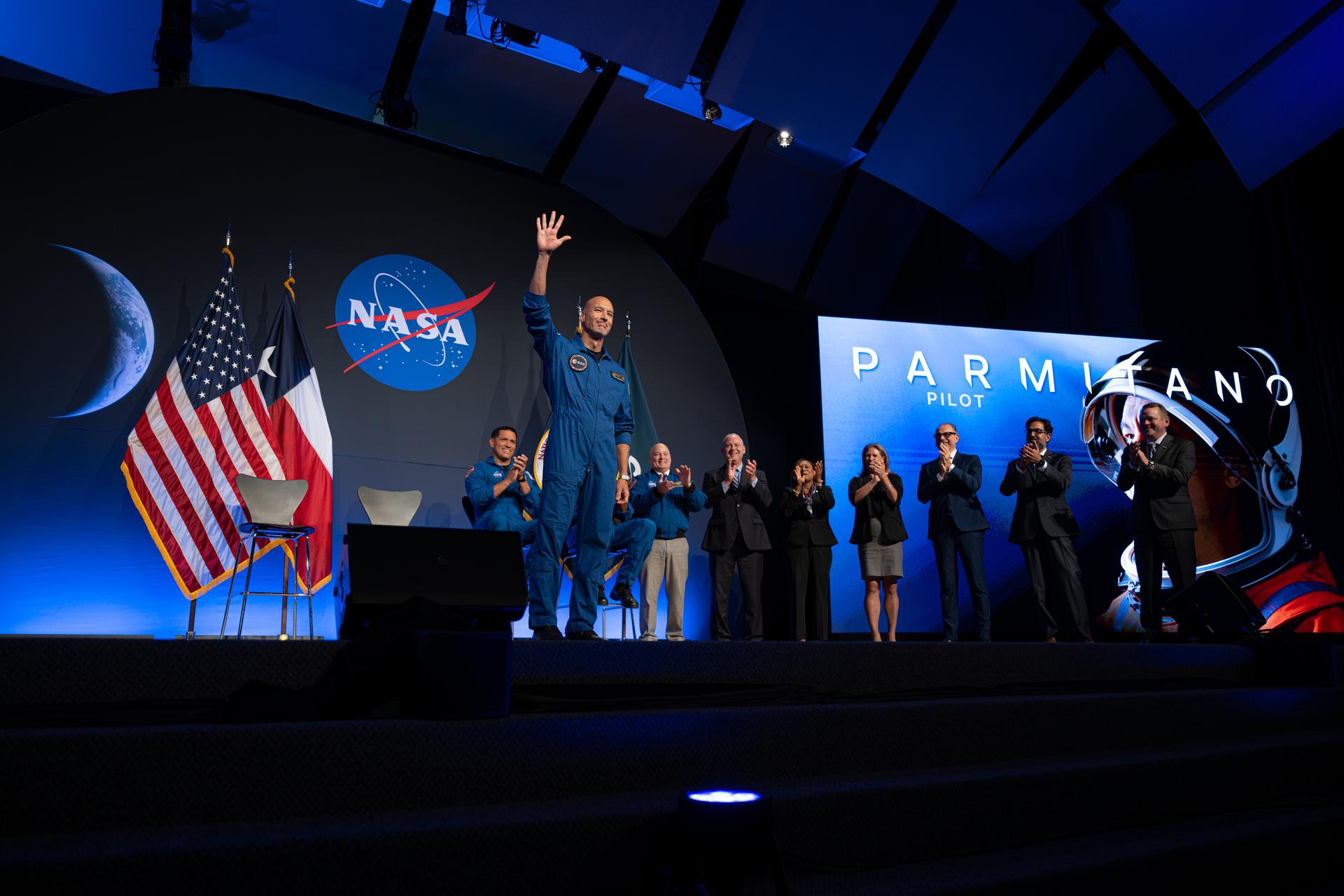
A European at the Controls: ESA's Parmitano Named Artemis III Pilot as NASA and ESA Sign New Climate and Lunar Deals
NASA named ESA's Luca Parmitano pilot of Artemis III, ESA committed a third European Service Module, and the two agencies signed Earth-science and Lunar Pathfinder agreements around ESA's 347th Council in Noordwijk.
-
Stargazing
Solstice Week 2026: A Daytime Venus Occultation, the Longest Day, and a Strawberry Moon
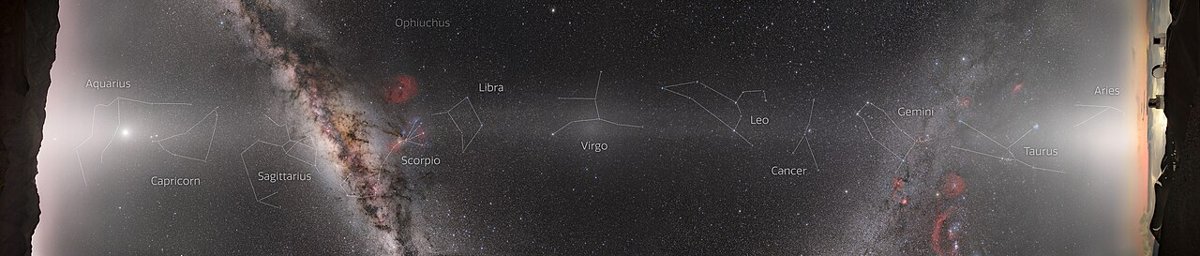
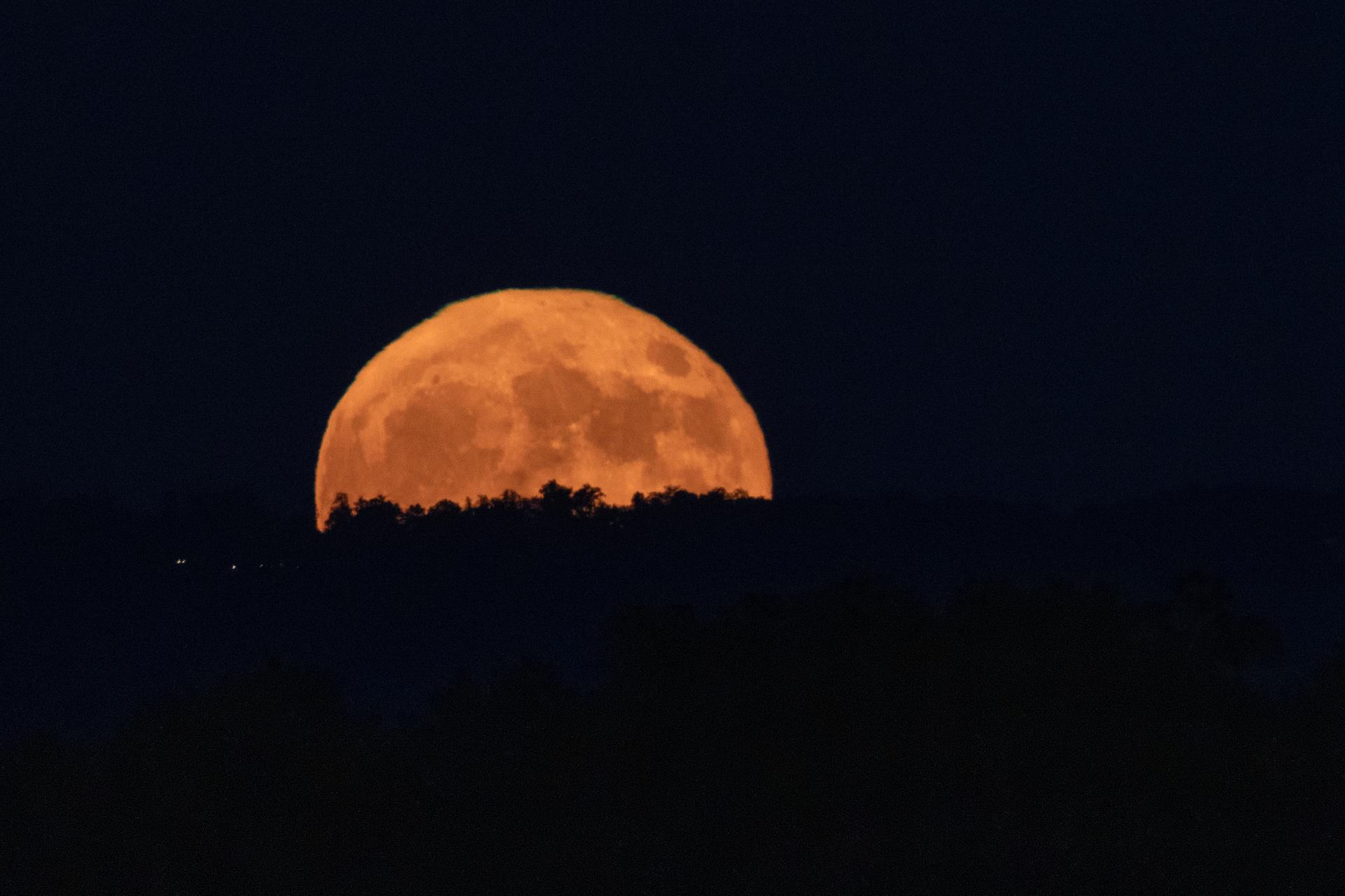
Late June 2026 packs three marquee events into one stretch of sky: the summer solstice, a rare daytime occultation of Venus by the Moon on June 17, and the June 29 Strawberry Moon — plus a western planet lineup and the rising Milky Way.
-
Missions
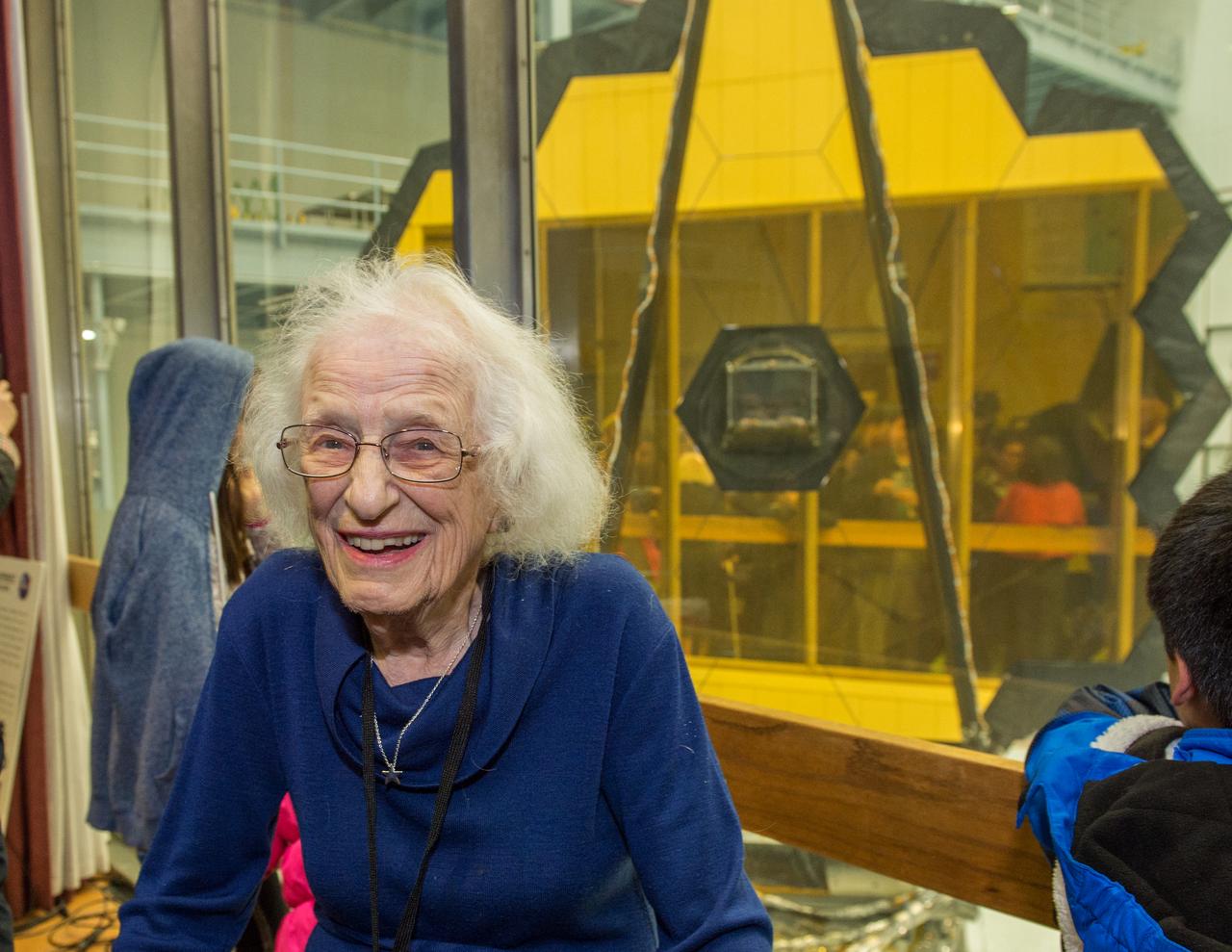
Roman Is Launching Eight Months Early. Here's What 100,000 Planets and a Census of Rogue Worlds Actually Looks Like.
NASA's Nancy Grace Roman Space Telescope has been moved to an August 30, 2026 launch — eight months ahead of its previous schedule. Its Galactic Bulge Time-Domain Survey will hunt for 100,000 exoplanets by transit and thousands more via microlensing, including the first statistical census of free-floating rogue planets.