NASA
Every Cosmic Herald story on NASA — missions, launches, discoveries, and the business of space, newest first.
-
Missions
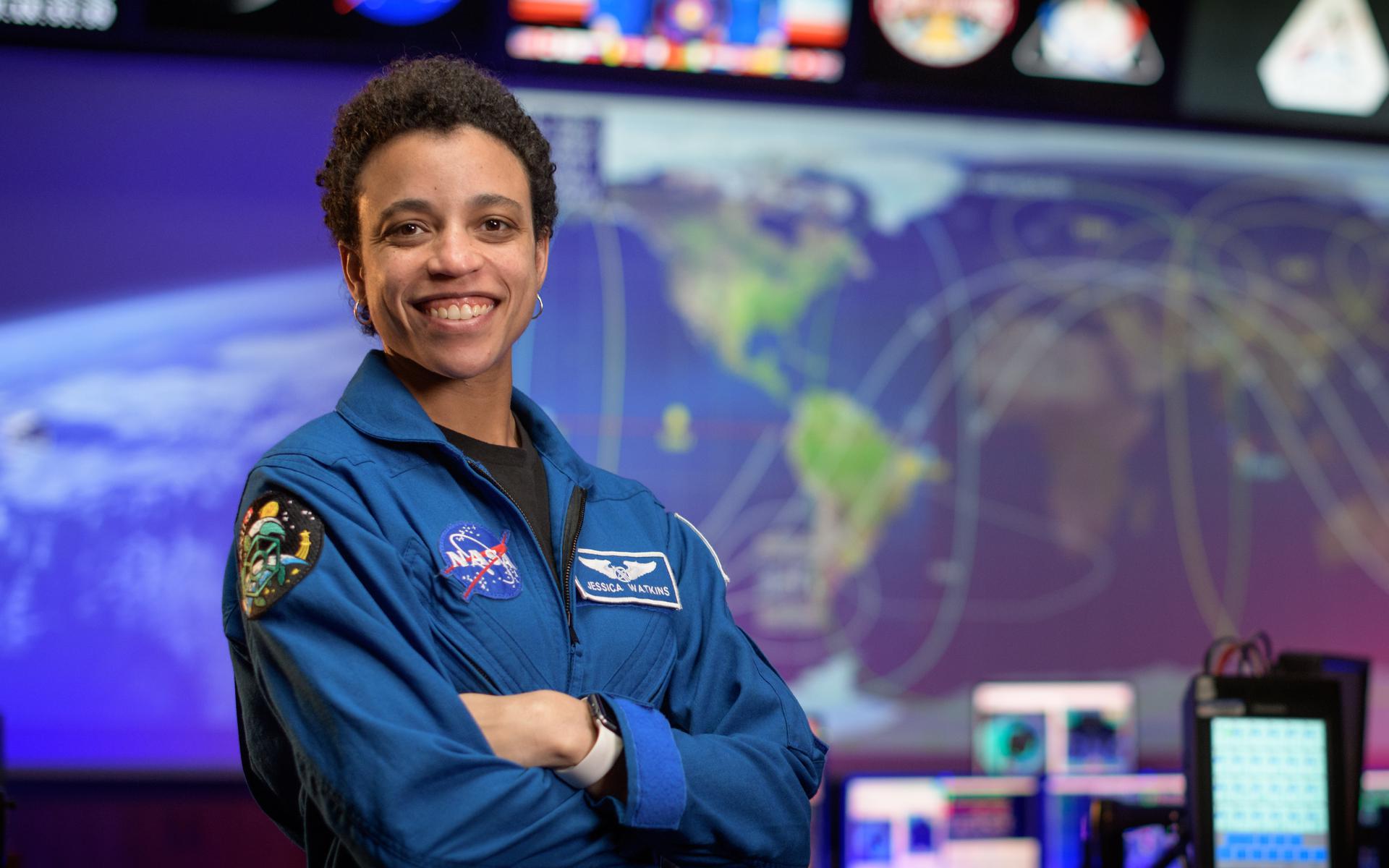
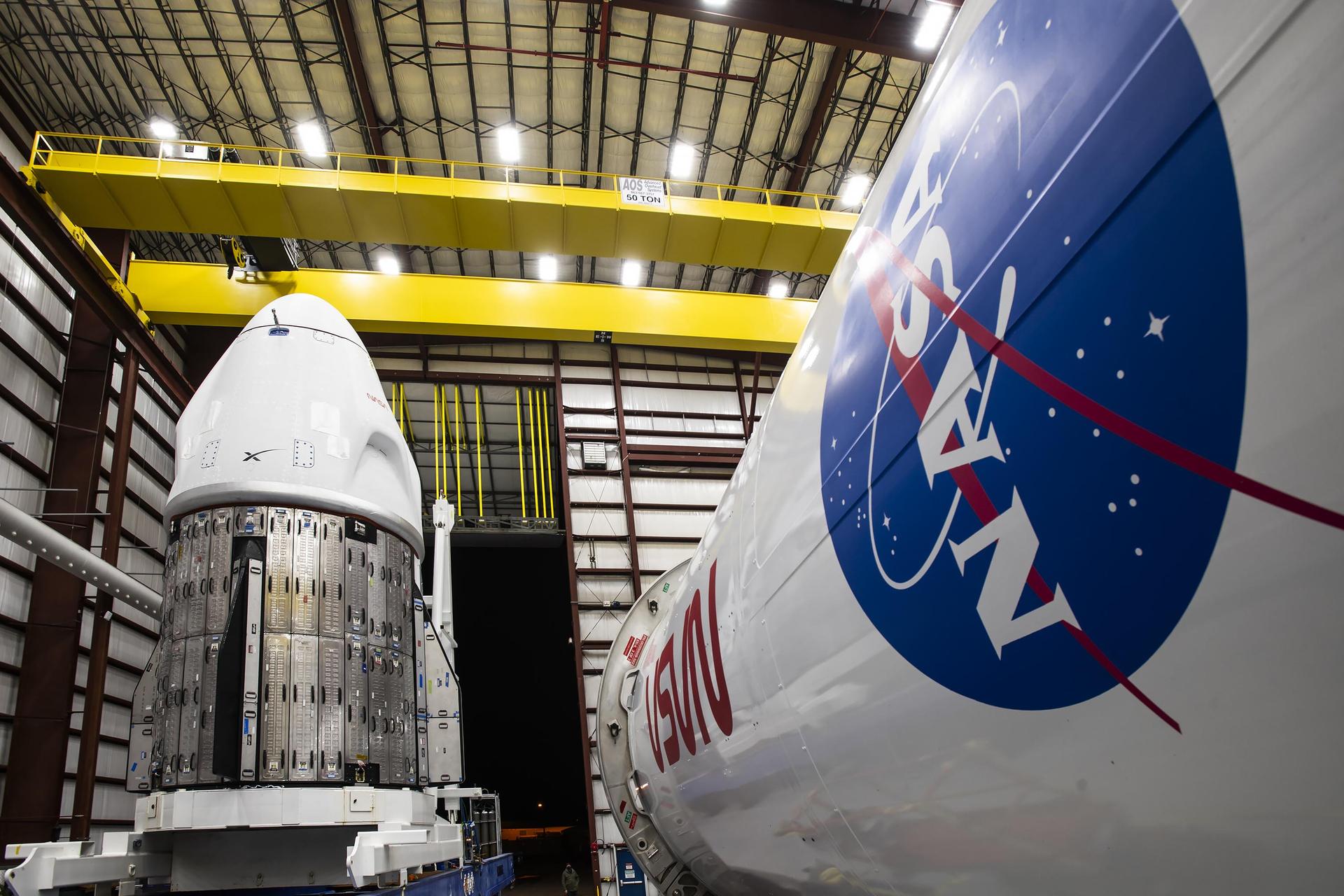
Crew-13's Jessica Watkins, Luke Delaney and Crewmates Enter Quarantine Ahead of Oct. 1 ISS Launch
NASA and SpaceX have locked in Oct. 1 at 11:10 a.m. EDT for Crew-13's Falcon 9/Dragon launch to the ISS, after an oxidizer-valve leak pushed the flight past its original Sept. 12 target.
-
NASA & Agencies
Albania Becomes 73rd Nation to Sign the Artemis Accords
Albania signed the Artemis Accords at NASA Headquarters on September 21, 2026, becoming the 73rd nation to join the U.S.-led framework for peaceful, transparent space exploration.
-
Stargazing
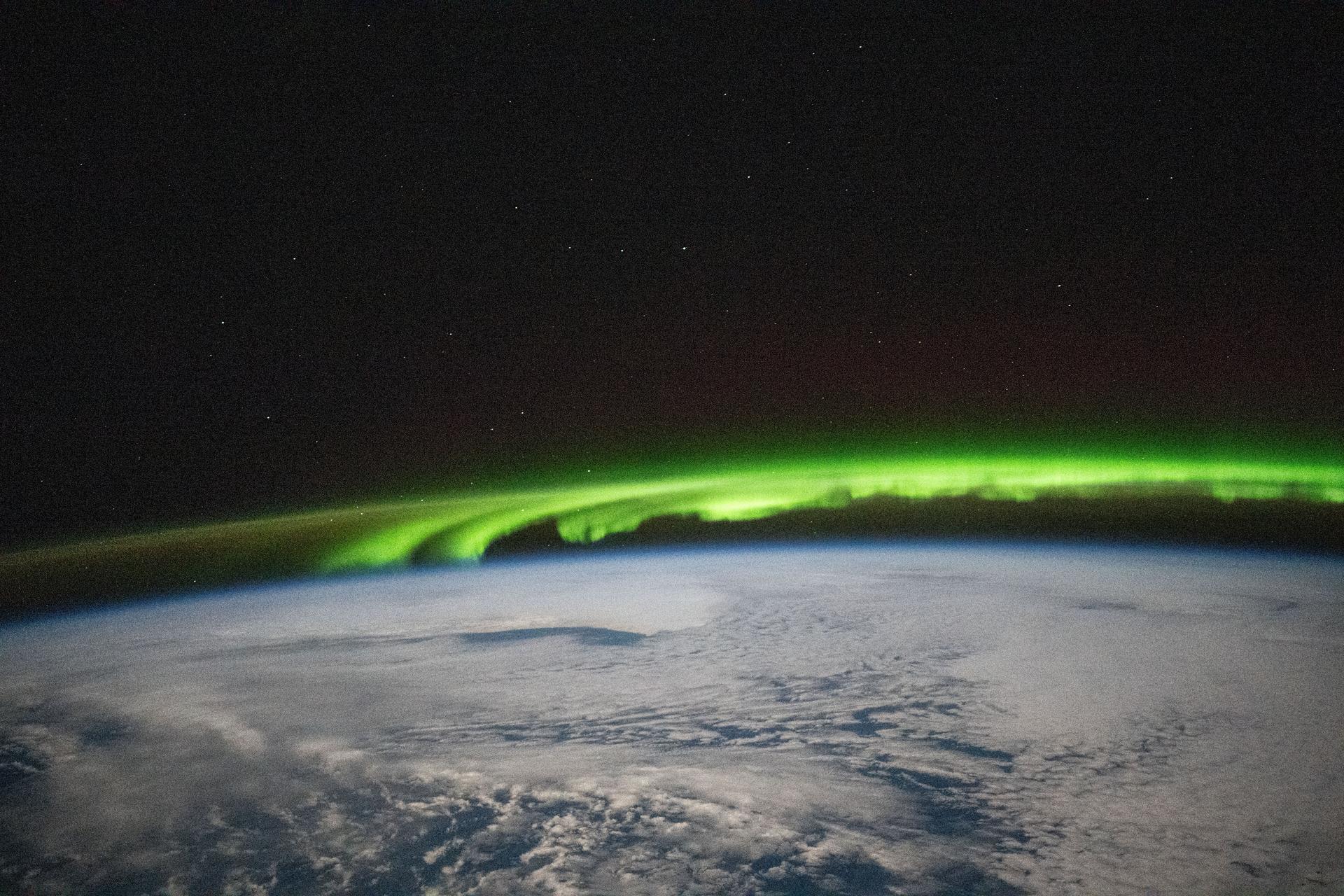
Equinox Sets Up Aurora Window as Forecasters Flag a G1 Storm for Sept. 24
The September equinox and an incoming coronal-hole solar wind stream are stacking the odds toward a minor G1 geomagnetic storm and aurora sightings on Sept. 23–24, 2026.
-
Science & Discovery
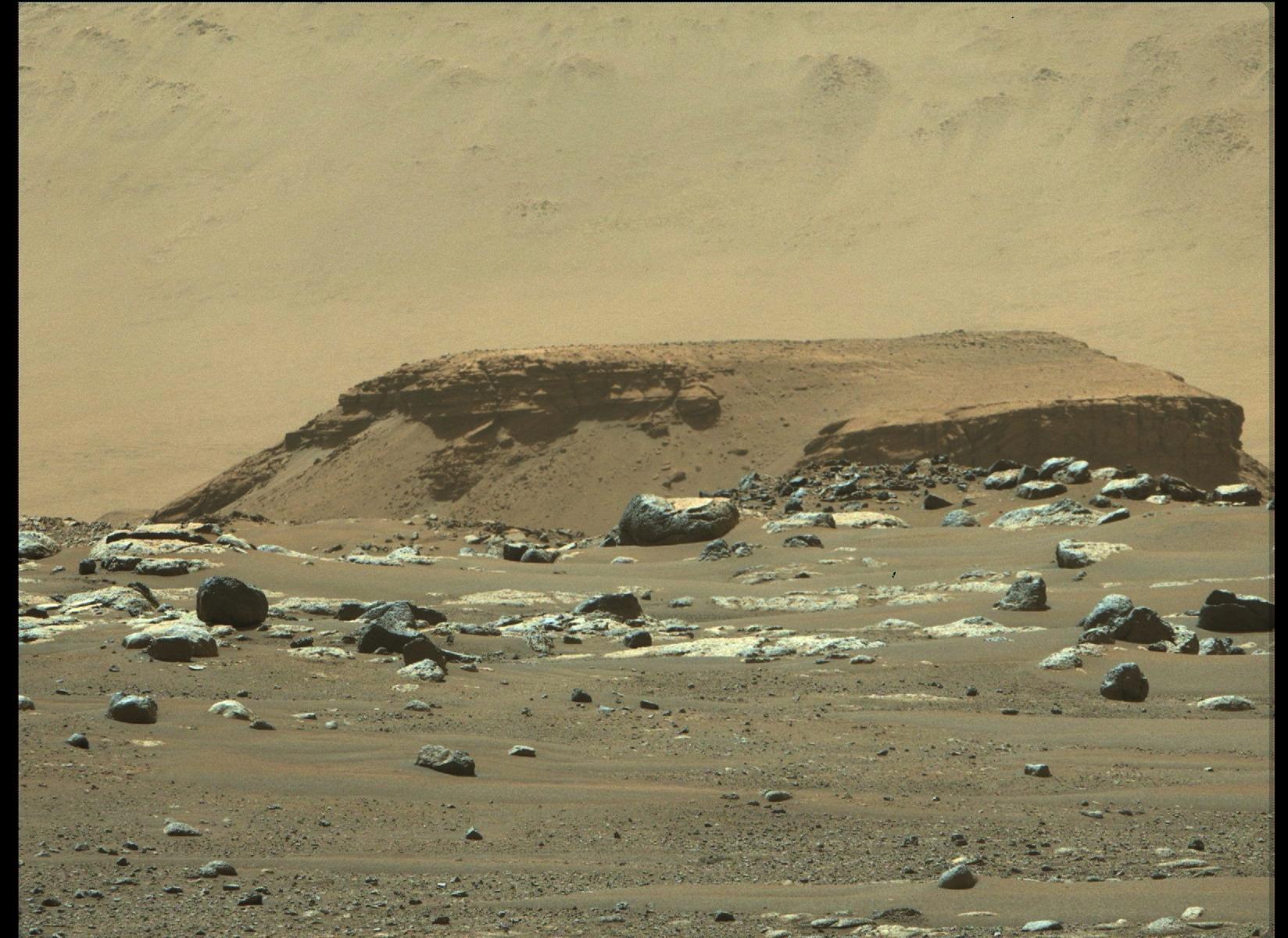
Perseverance Finds Three-Stage Water History in Jezero Crater's 'Margin Unit'
A peer-reviewed study using Perseverance's SuperCam data reconstructs three distinct water-alteration episodes in Jezero Crater's carbonate-rich Margin unit, reinforcing the site's astrobiological promise.
-
Astronomy
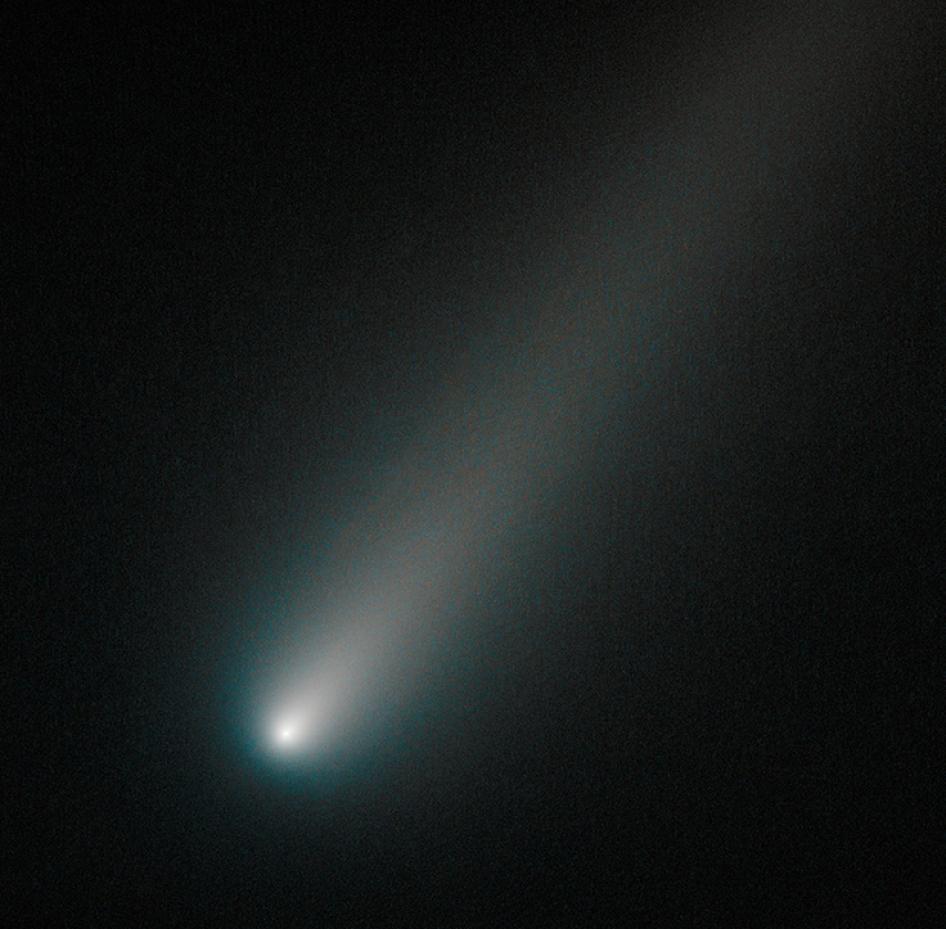
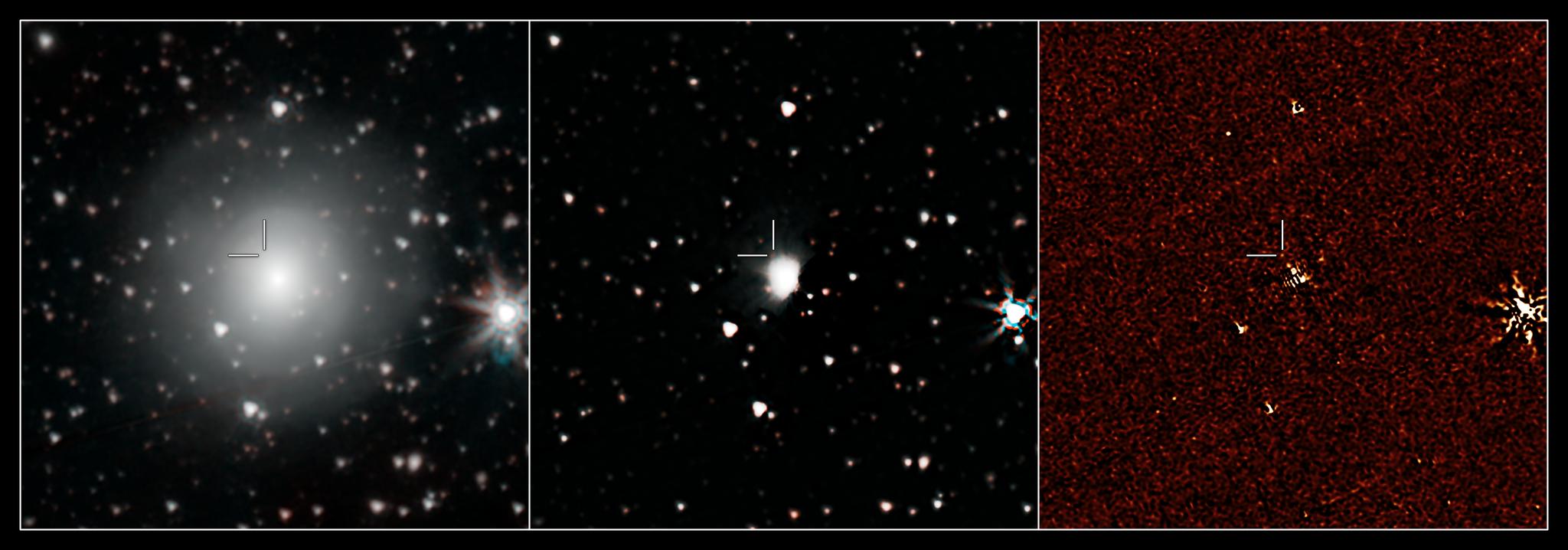
A Global Telescope Relay Just Nailed Down the True Color of Interstellar Comet 3I/ATLAS
Pooling data from professional observatories and citizen-run eVscopes worldwide, a new study finds interstellar comet 3I/ATLAS wore a stubbornly red dust coma through its entire solar system passage, regardless of how bright it got.
-
Missions
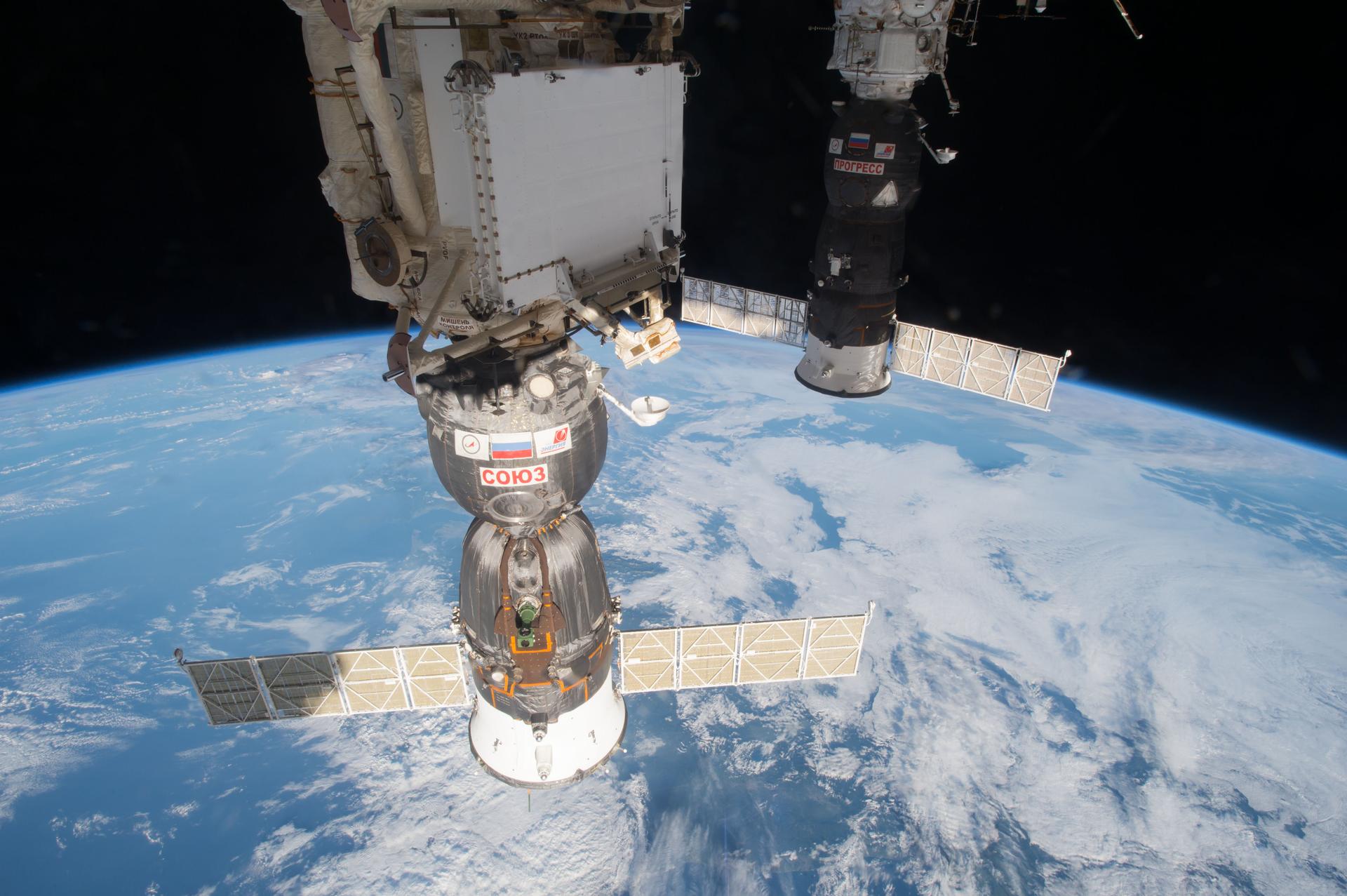
Progress 96 Docks at ISS After a Week-Long Delay Nobody Fully Explained
Russia's Progress 96 cargo ship reached the ISS on September 19 after an undisclosed Soyuz third-stage fault forced a hangar rollback and a rare three-day rendezvous.
-
NASA & Agencies
NASA Buys Three More SpaceX Crew Flights, Pushing Dragon's ISS Contract to $5.92 Billion
NASA added Crew-15, Crew-16 and Crew-17 to SpaceX's commercial crew contract for $946 million, bringing Dragon to 17 missions and a $5.92 billion total, with work running through 2030.
-
Stargazing
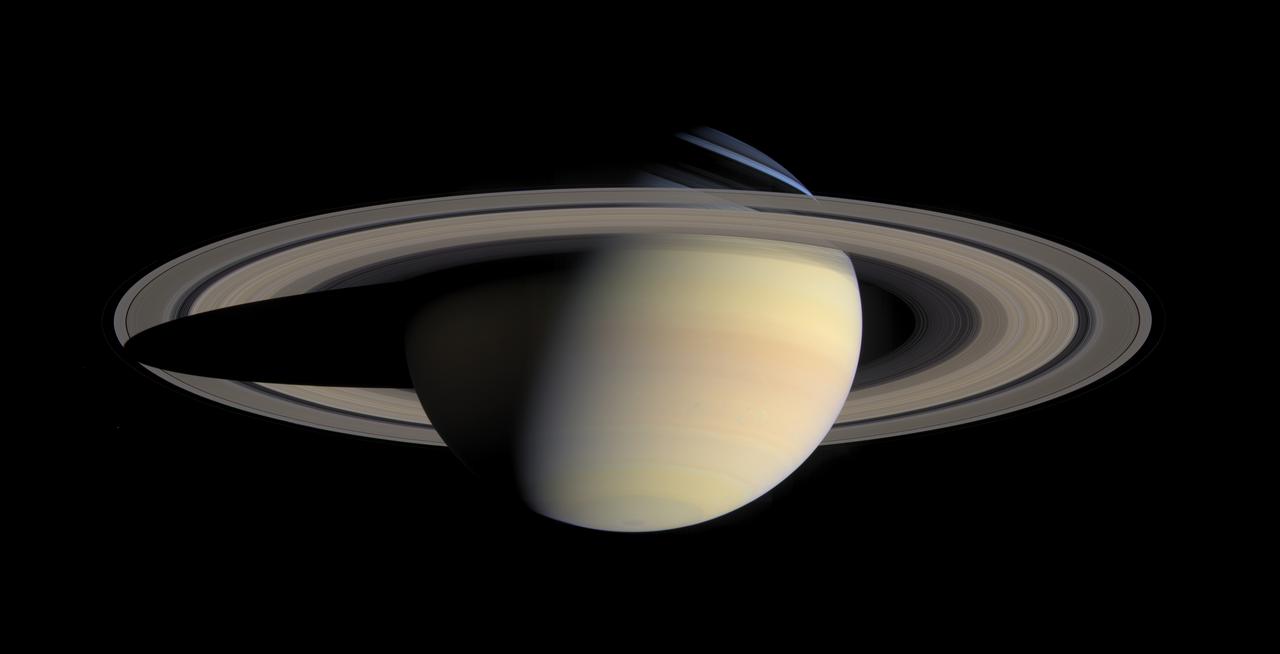
Two Outer Planets, Two Oppositions: Neptune Peaks Sept. 25-26, Saturn Follows Oct. 4
Neptune reaches opposition on Sept. 26 at magnitude +7.8 and needs optics, while naked-eye Saturn peaks on Oct. 4, with the Harvest Moon forming a wide triangle with both planets.
-
Missions
StarBurst Gets a Ride: NASA Books a Falcon 9 Rideshare for Its Neutron-Star-Merger Detector
NASA has booked SpaceX to fly StarBurst, a roughly 300 kg gamma-ray satellite built to catch the first flash of merging neutron stars, on a Falcon 9 Bandwagon rideshare no earlier than 2028.
-
Astronomy
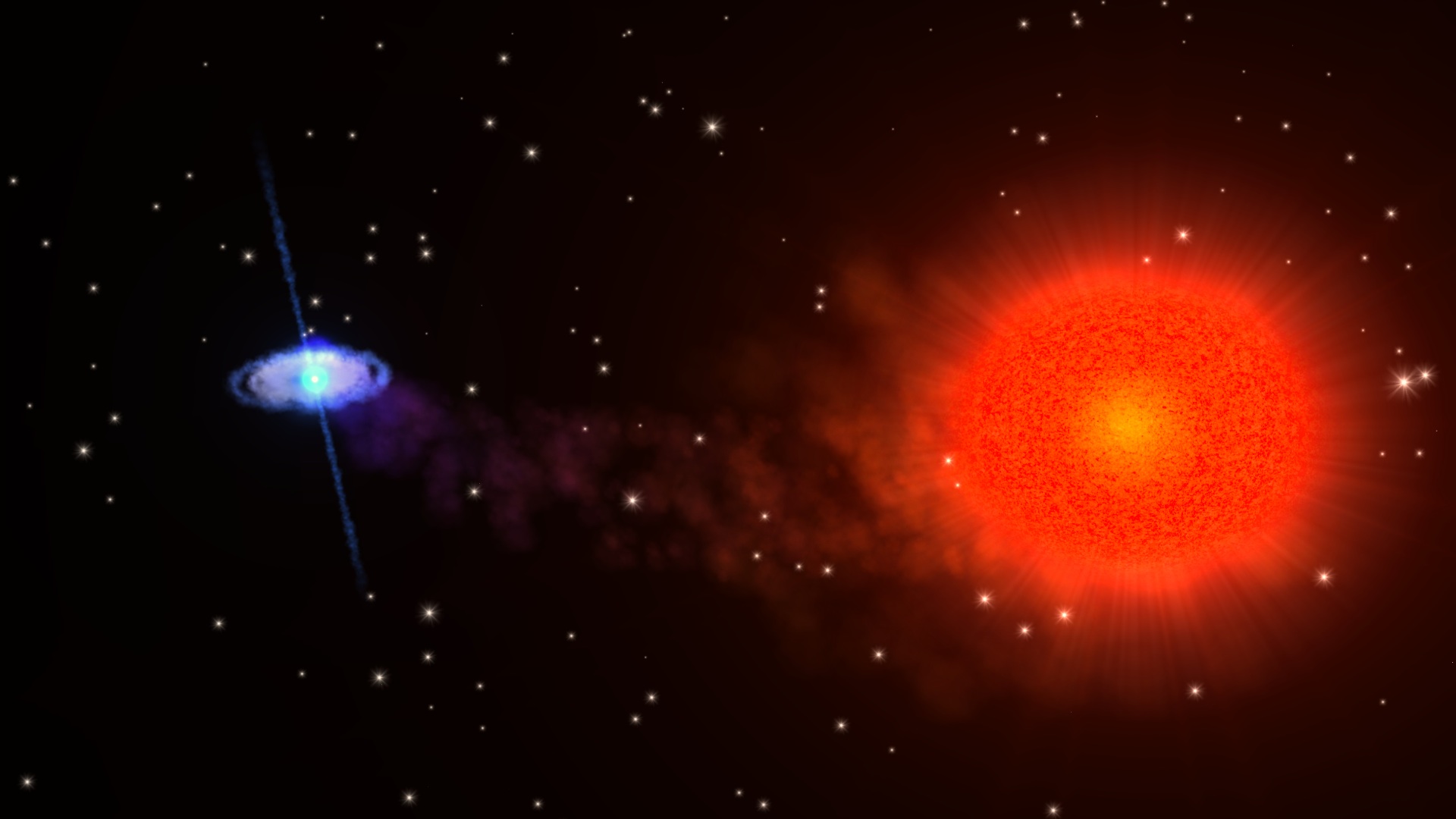
XRISM Catches a Hypergiant's Wind Falling Onto a Pulsar, Line by Line
XRISM's Resolve instrument watched iron lines flip from absorption to emission during a flare from GX 301-2, giving the first direct spectroscopic evidence of stellar-wind plasma falling onto a neutron star.
-
Missions
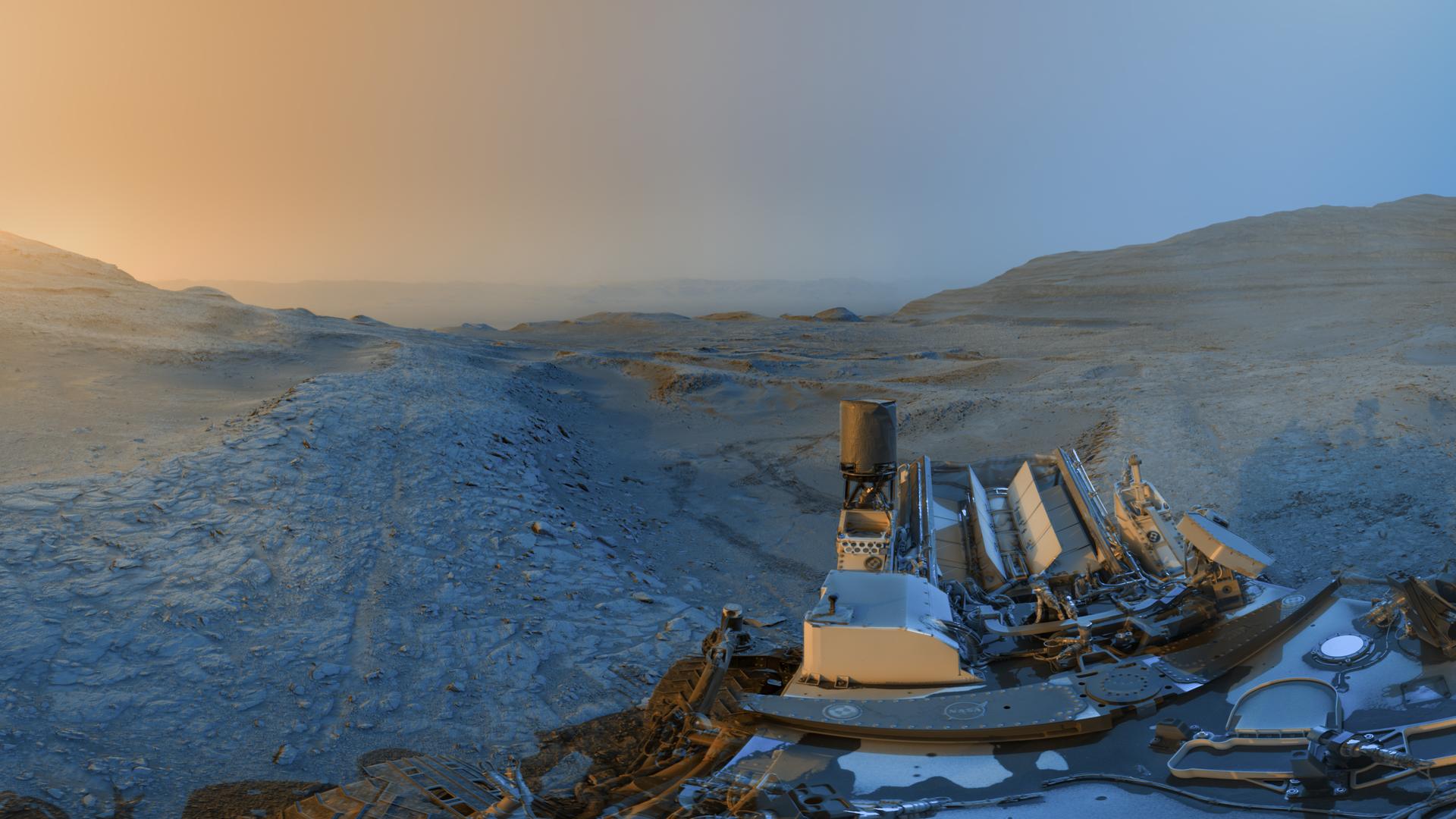
Curiosity Marks 5,000 Sols on Mars With a Two-Tone Postcard
NASA's Curiosity rover hit its 5,000th Martian day on Aug. 30, 2026, and the team marked it with a blue-and-yellow composite panorama shot from a Mount Sharp ridge nicknamed 'Chocolatal.'
-
Stargazing
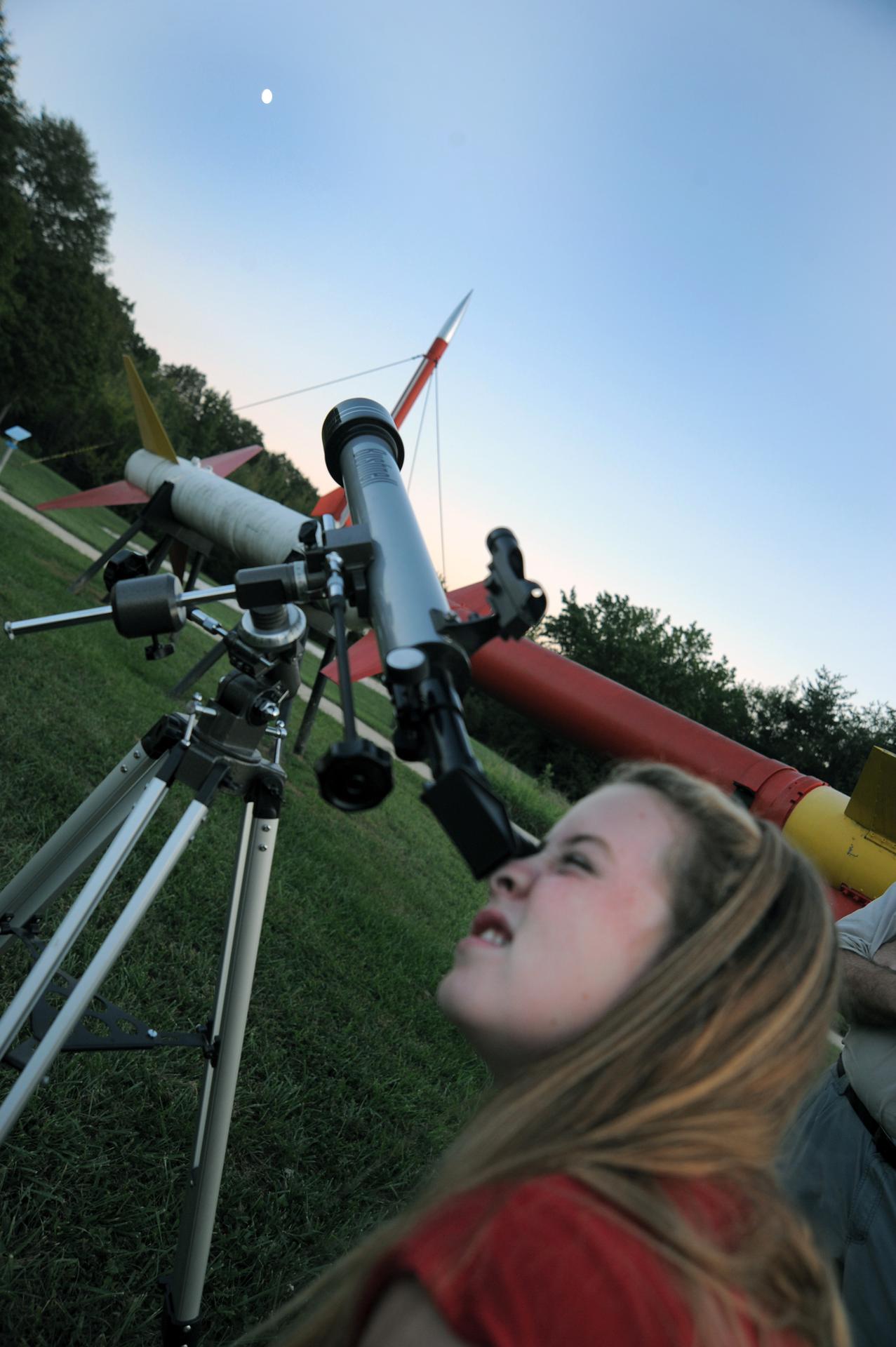
International Observe the Moon Night Returns September 19, with Artemis II on the Agenda
NASA's global Moon-watching night lands Sept. 19, 2026 under a waxing gibbous Moon perfect for crater-spotting, anchored by a Huntsville flagship event tied to the Artemis II crew and echoed by local telescope nights from the US to Spain.