NASA
Every Cosmic Herald story on NASA — missions, launches, discoveries, and the business of space, newest first.
-
Astronomy
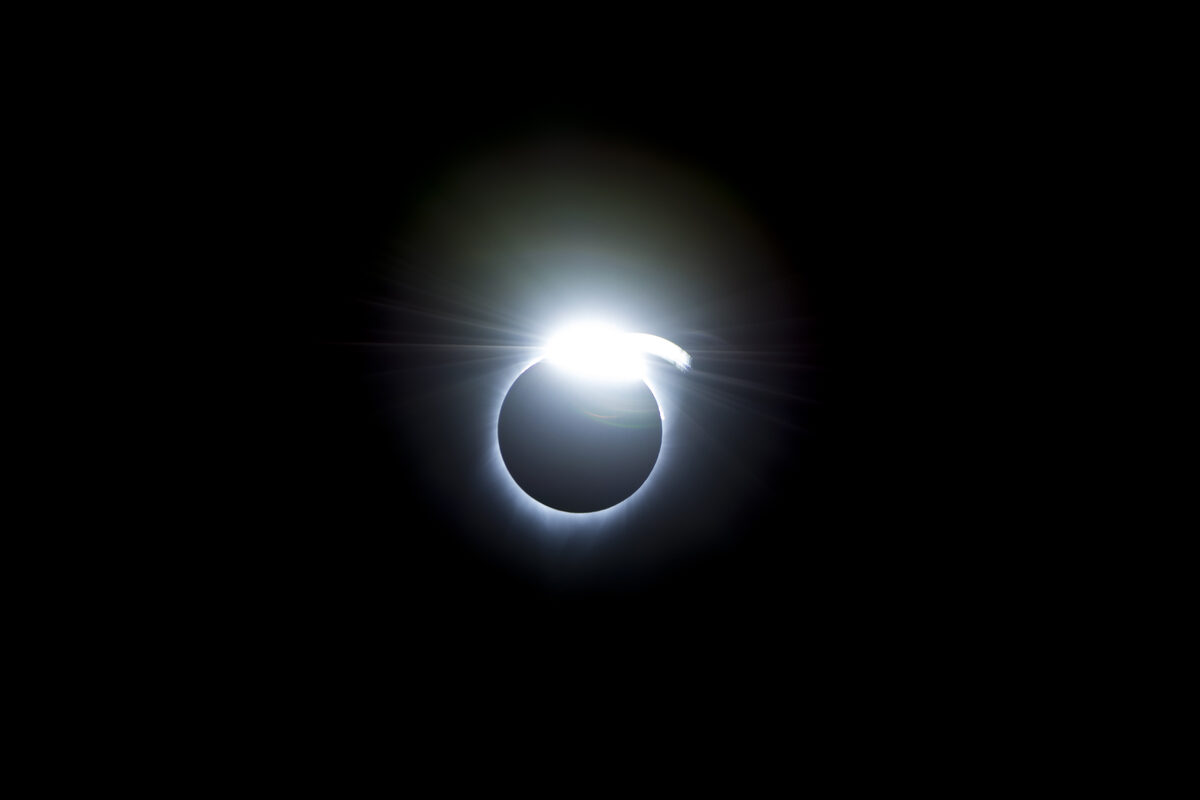
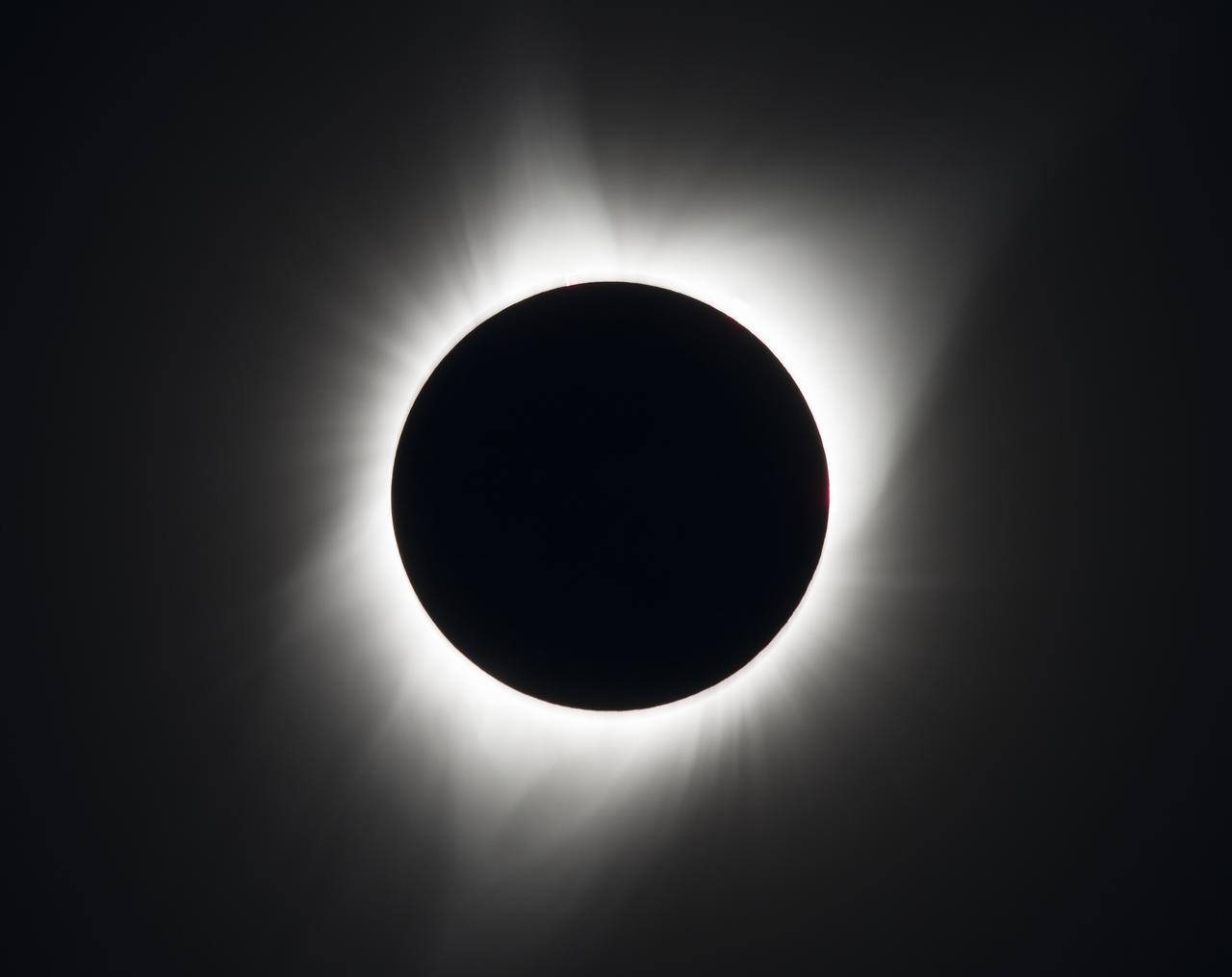
A Golden Corona: NASA's APOD Captures an Unusually Amber Total Solar Eclipse Over Spain
NASA's Astronomy Picture of the Day reveals why the August 12 total solar eclipse's corona over Benavente, Spain glowed gold instead of white — a rare mix of low-sun geometry and wildfire smoke.
-
Commercial
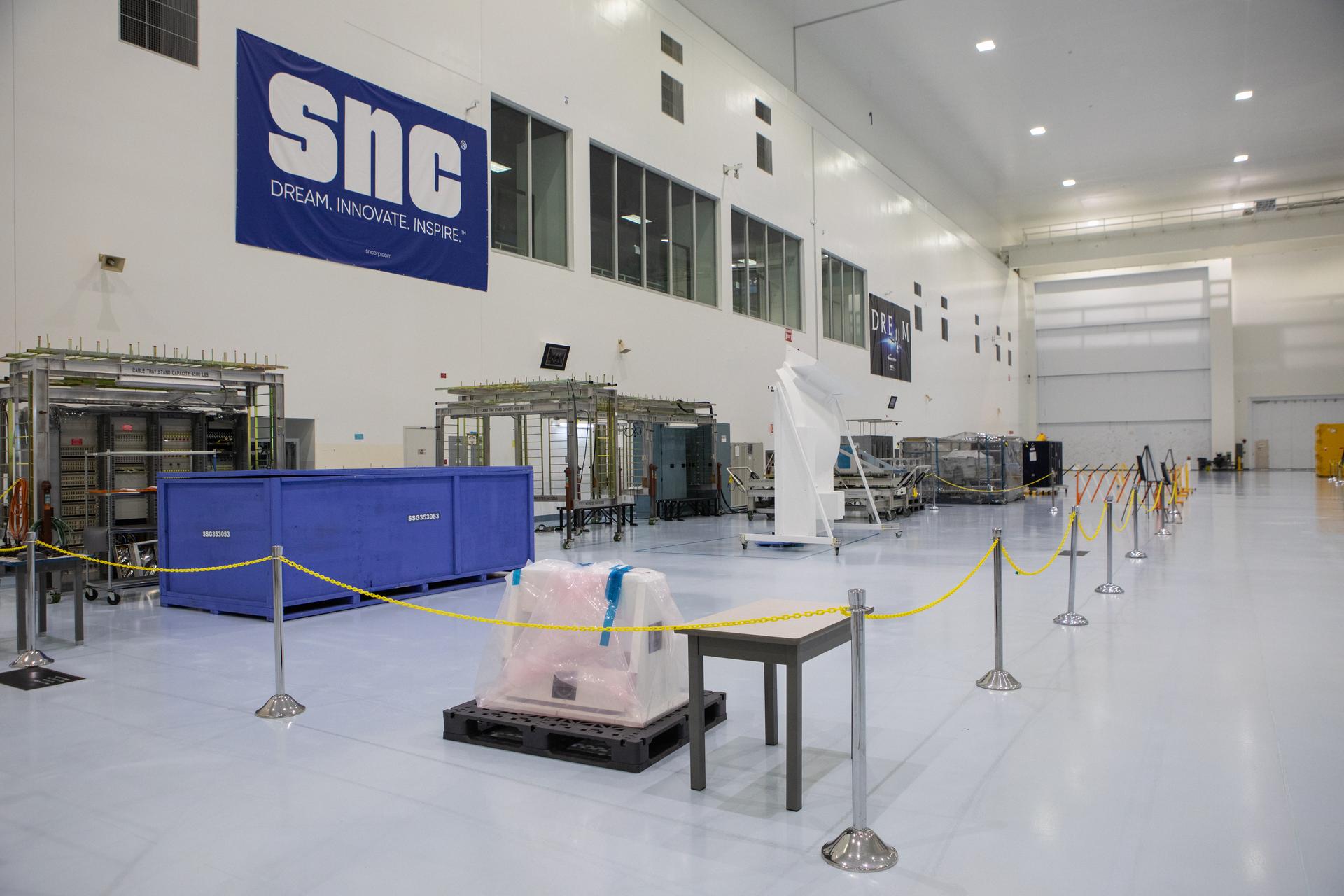
NASA Adds Blue Origin, Firefly, and L3Harris to $100M Spacecraft Processing Contract
NASA on-ramped four companies — All Points Logistics, Blue Origin, Firefly Aerospace, and L3Harris — to a $100 million payload processing contract that expands where commercial providers can prep spacecraft for launch.
-
Missions
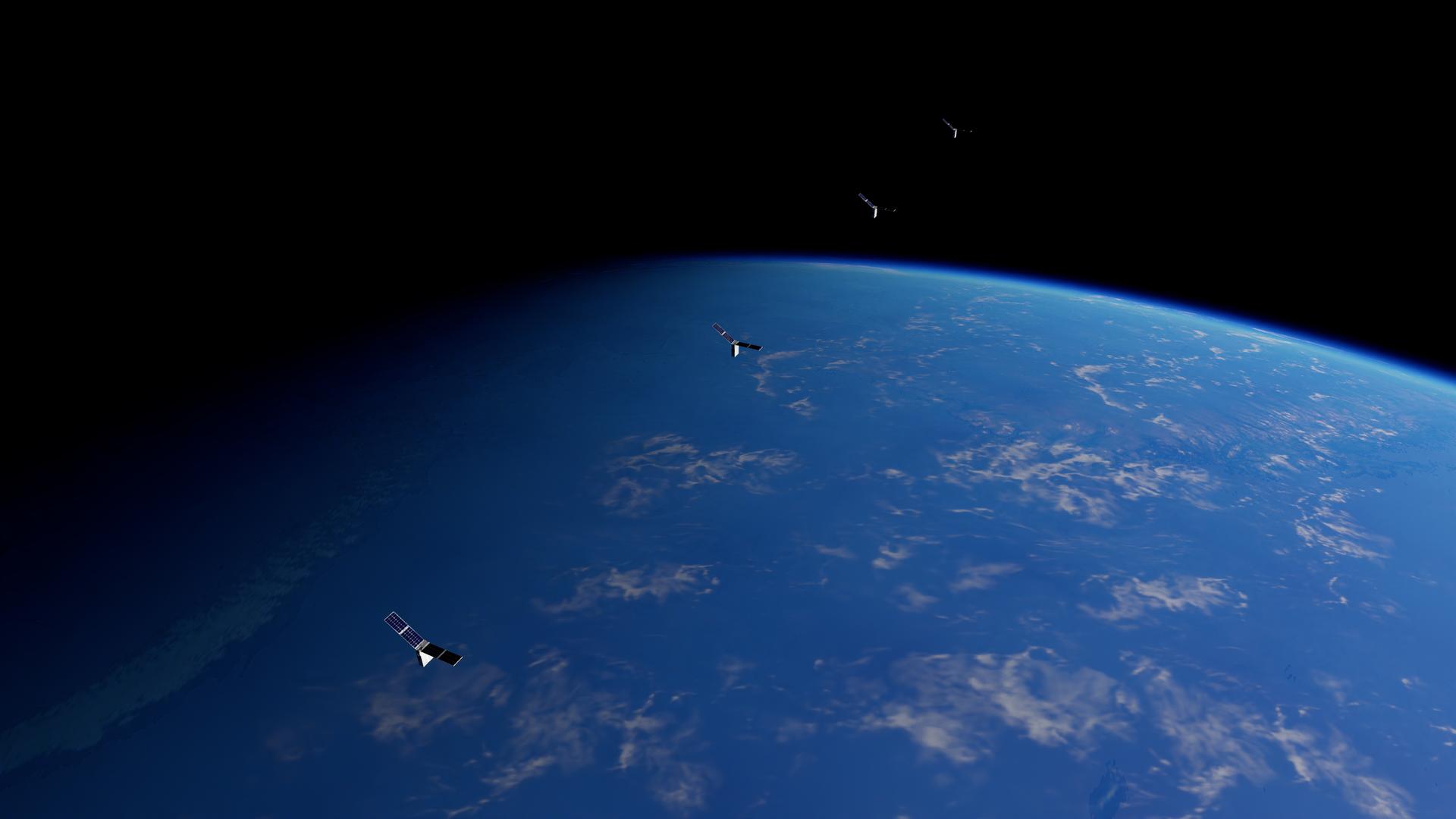
NASA's Starling Swarm Just Learned to Navigate Without GPS
NASA and Stanford spinoff EraDrive flight-tested FALCON on the Starling CubeSats, letting small satellites fix their position by matching nearby objects to a catalog instead of relying on GPS.
-
Stargazing
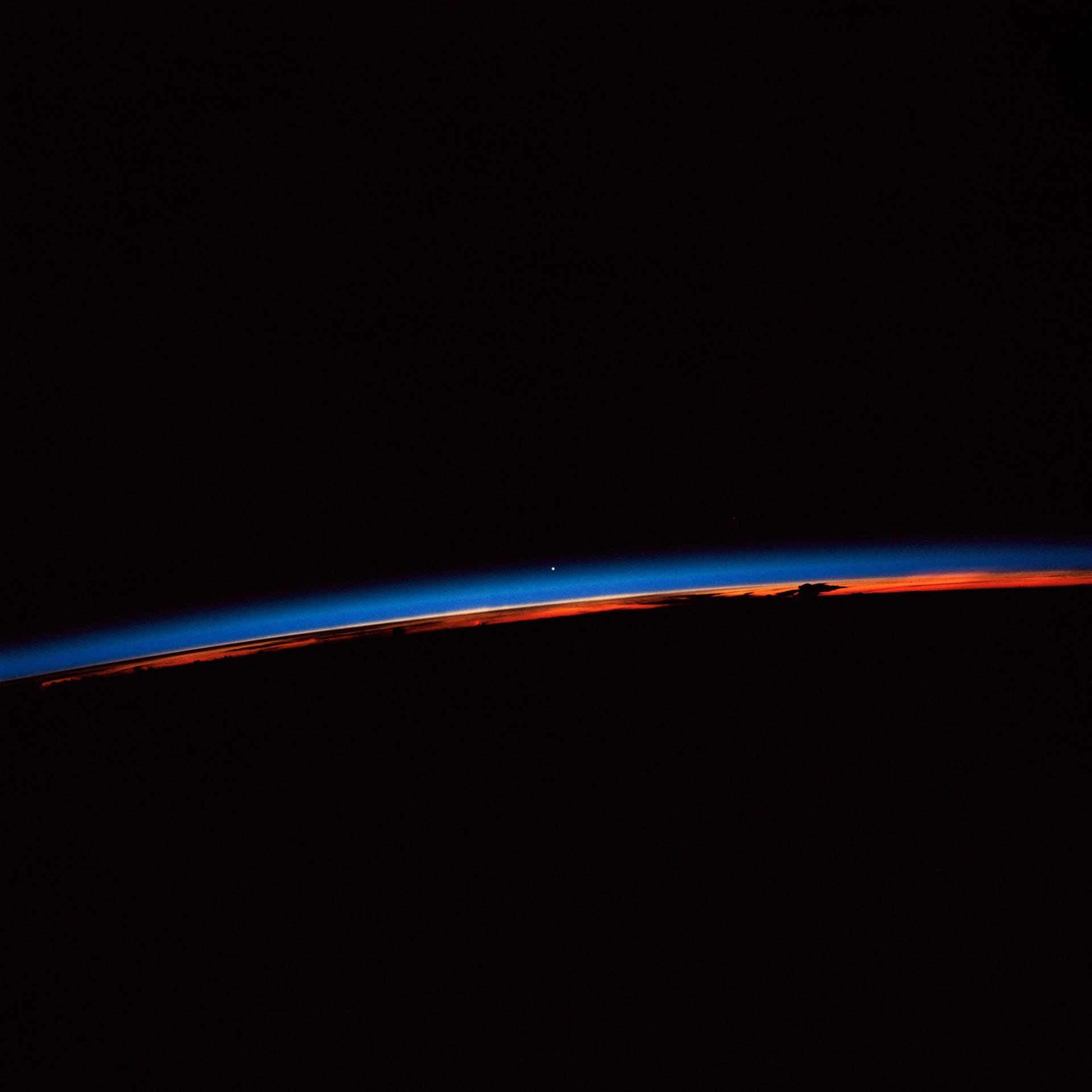
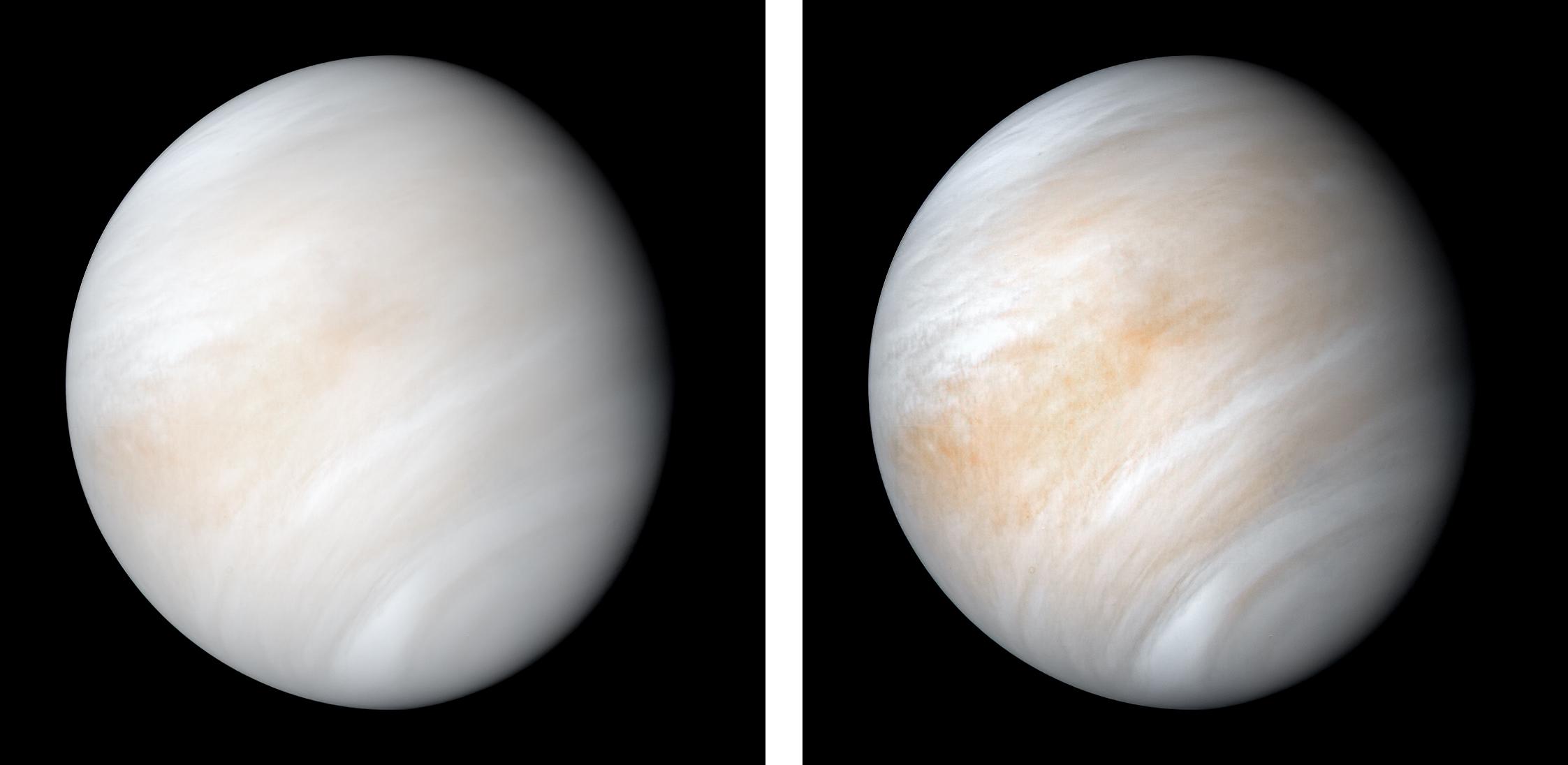
Venus Reaches Greatest Eastern Elongation, Dazzling the August Evening Sky
Venus hit its widest separation from the Sun on August 14-15, 2026, blazing at magnitude -4.3/-4.4 low in the west near the crescent Moon and Spica, with a half-lit telescopic disk visible into late September.
-
NASA & Agencies
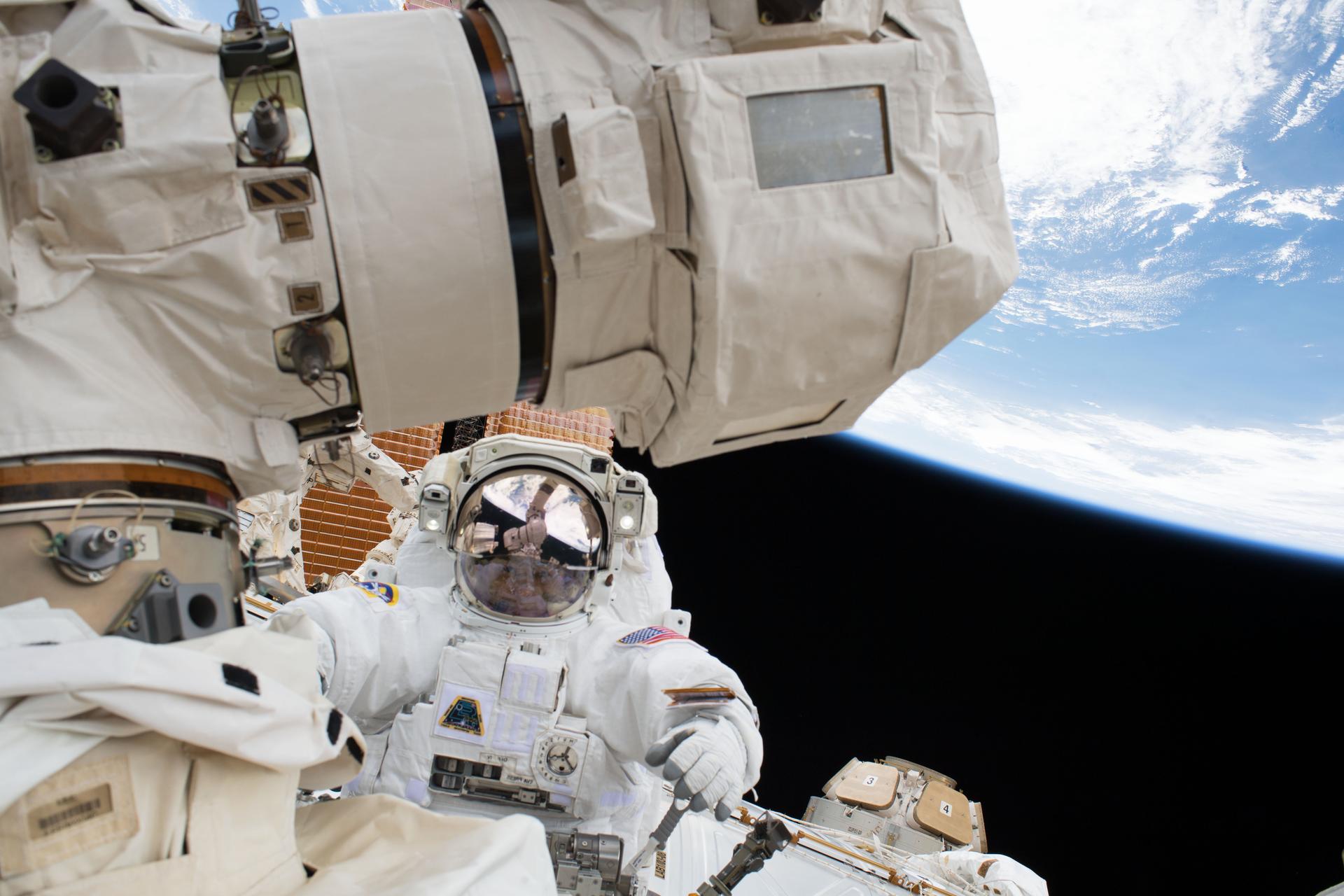
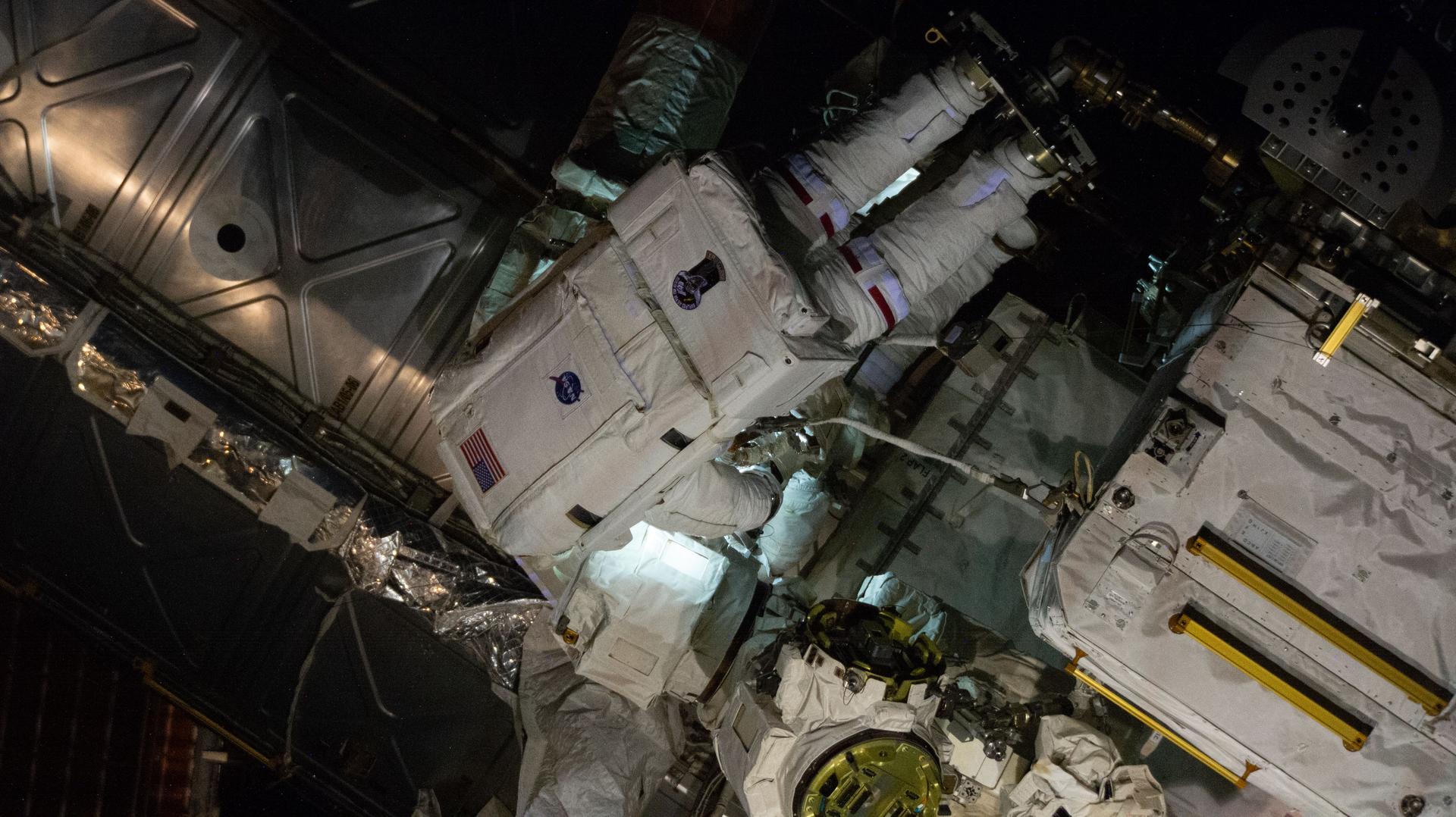
ISS Crew Preps for Aug. 18 Spacewalk to Replace Station's High-Speed Antenna
NASA's Anil Menon and ESA's Sophie Adenot are set for Aug. 18's U.S. Spacewalk 97 to swap a Z1 truss antenna that carries the station's high-speed link to Mission Control — Adenot's first EVA and a first for a French woman.
-
Missions
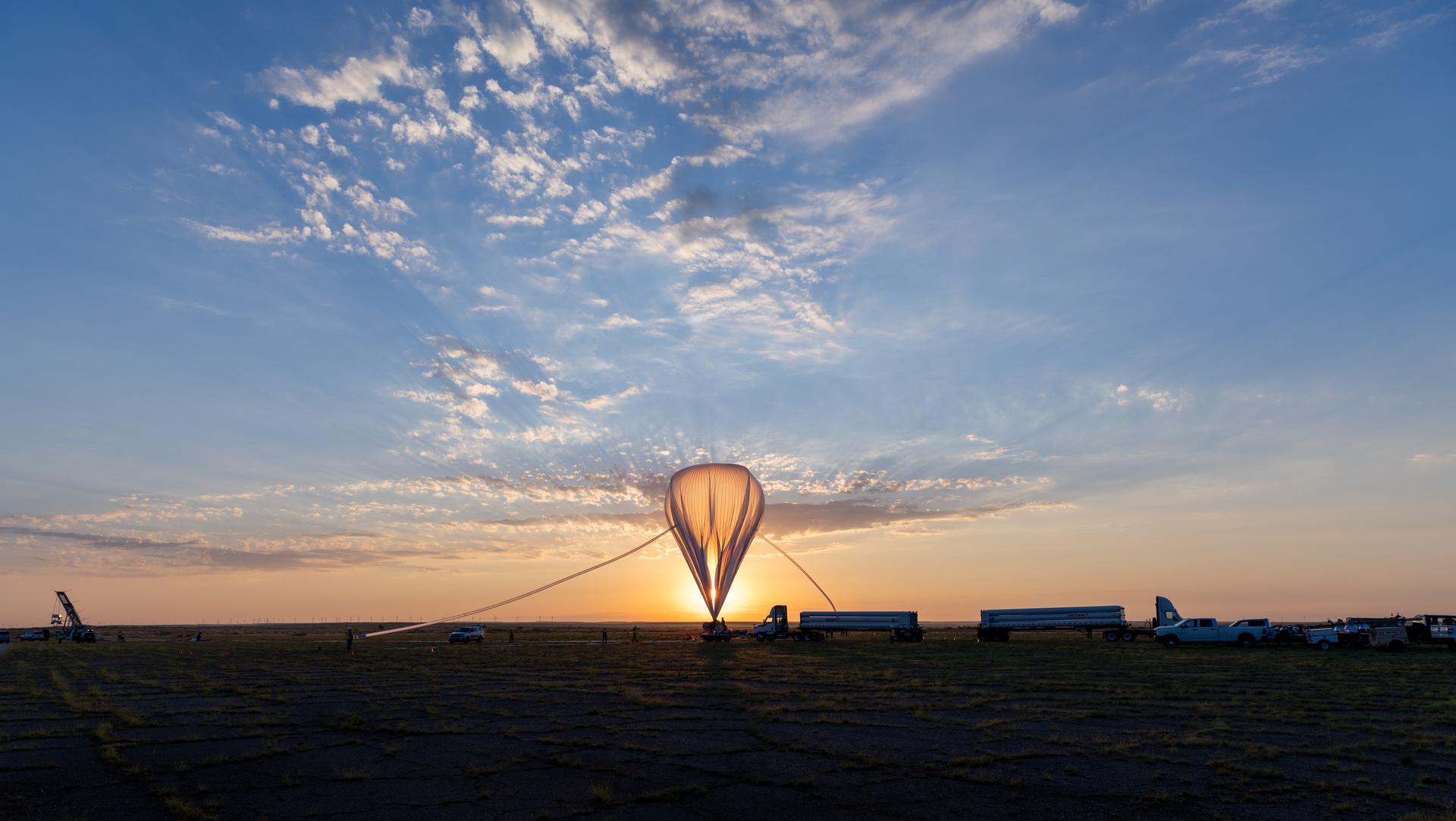
Six Balloons, Twenty Student Teams: NASA's 2026 Fort Sumner Campaign Marks HASP's 20th Flight
NASA's Balloon Program Office opens its 2026 Fort Sumner campaign with six flights, headlined by the 20th launch of the student-built High-Altitude Student Platform after a record-setting integration round.
-
Stargazing
Venus Hits Its Widest Evening Separation From the Sun This Weekend — Here's How to Spot It
Venus reaches greatest eastern elongation on August 15, sitting 46 degrees from the Sun at magnitude -4.4 for its best evening show of 2026, with a crescent Moon and Spica as guideposts.
-
NASA & Agencies
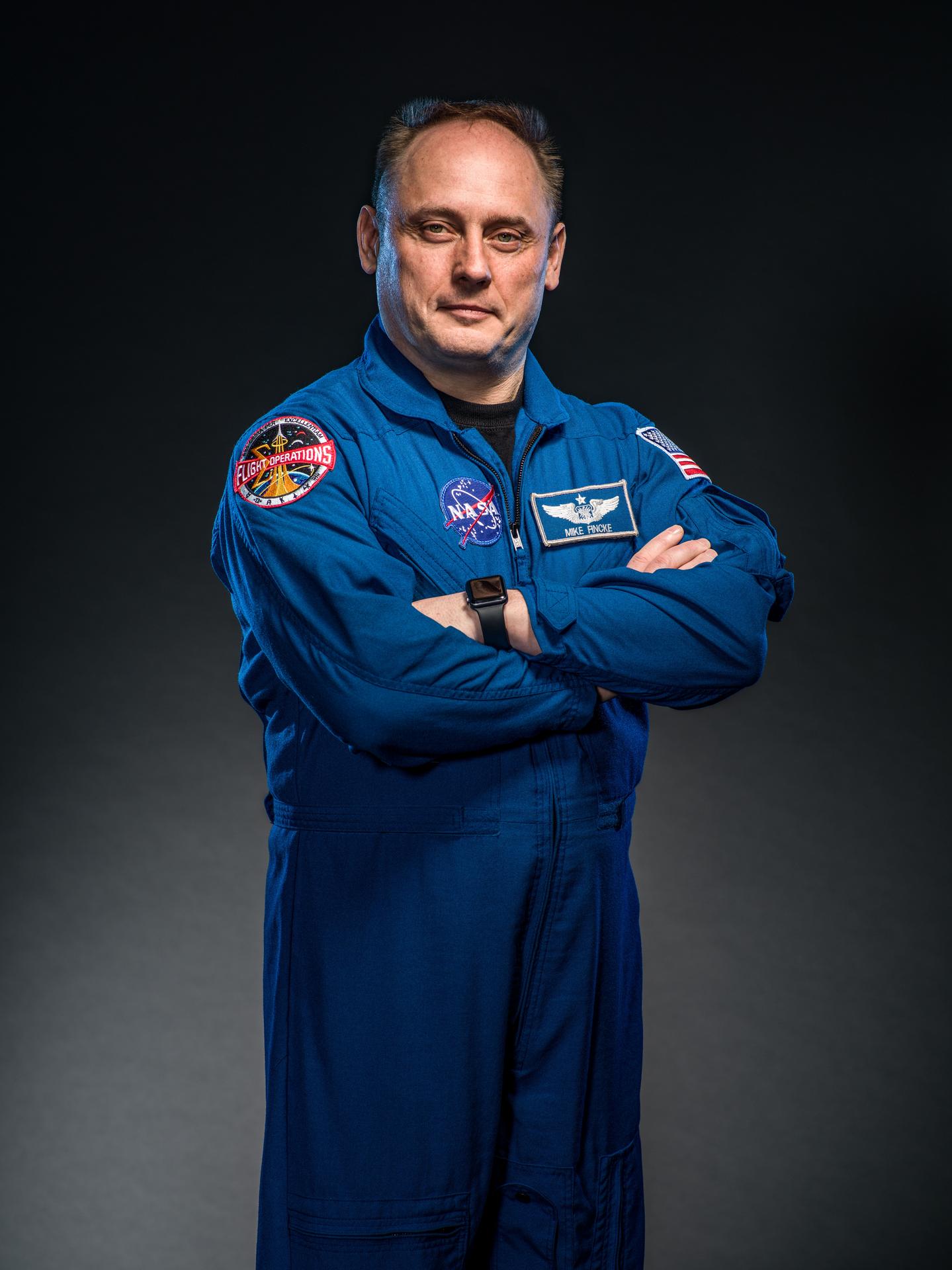
Veteran Astronaut Mike Fincke Retires From NASA After 30 Years and a January Health Scare in Orbit
NASA confirmed Aug. 12 that four-flight veteran Mike Fincke is retiring after 30 years with the agency, seven months after losing his voice for 20 minutes aboard the ISS forced an early end to his Crew-11 mission.
-
Missions
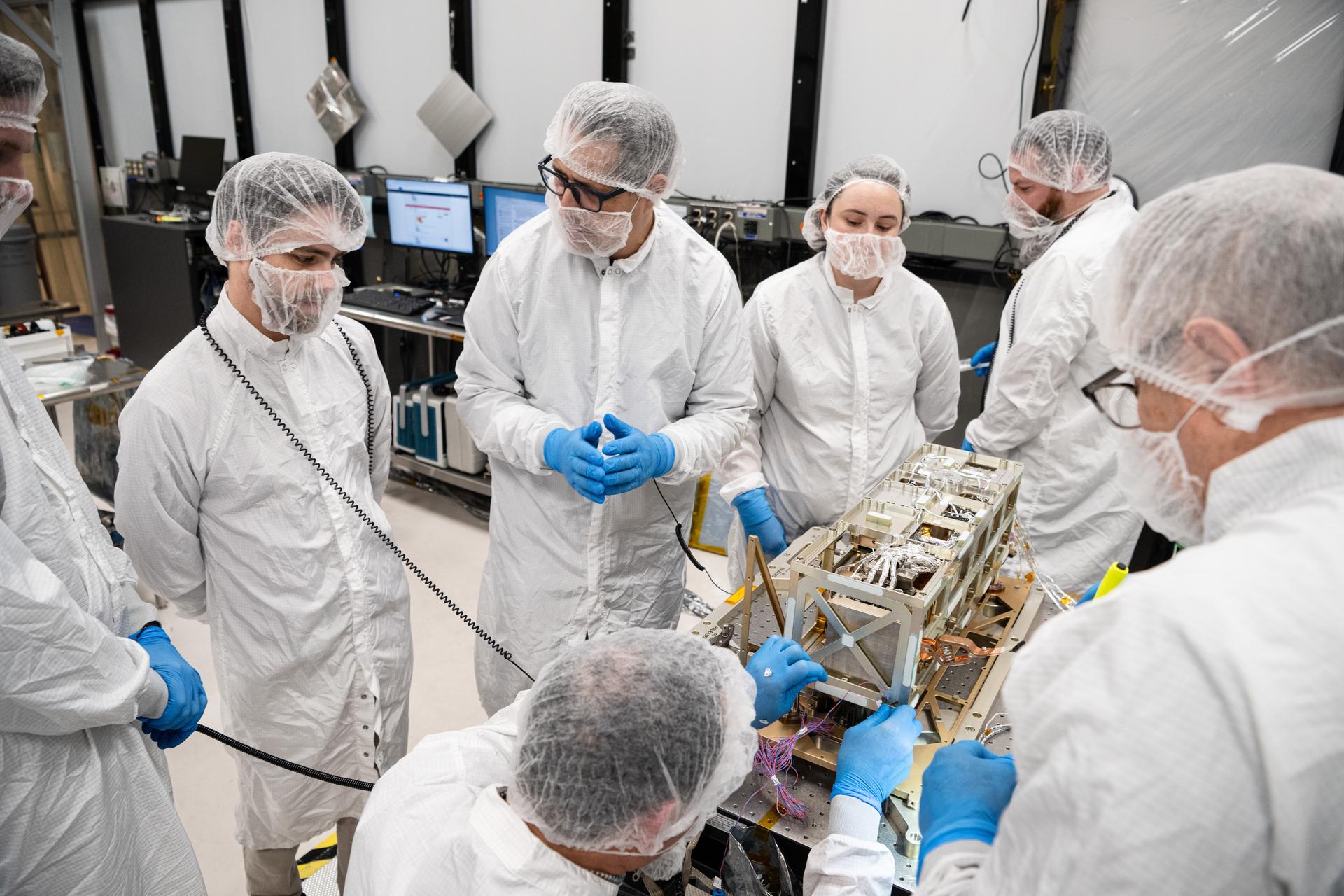
NASA Finishes Its Suitcase-Sized Moonquake Detector for Artemis III's Landing Site
NASA says the Lunar Environment Monitoring Station, an 11-pound seismic station astronauts will hand-carry to the Moon's South Pole, has cleared hardware testing — reviving lunar seismology for the first time since Apollo shut its instruments off in 1977.
-
Astronomy
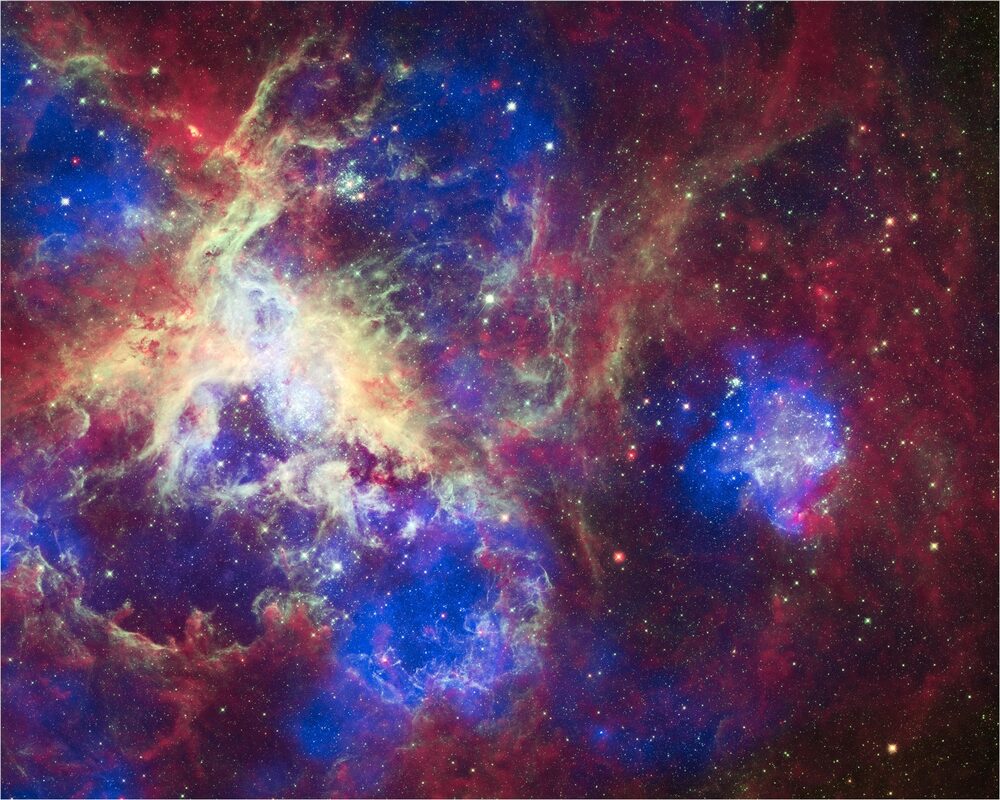
Three Space Telescopes Turn the Tarantula Nebula Into a Layered 'Craft' — and Solve an X-ray Mystery
NASA's new Chandra-Webb-Hubble composite of the Tarantula Nebula looks like stacked cellophane, and the science behind it explains why the region glows with far less X-ray light than star-formation models predicted.
-
NASA & Agencies
Station Crew Preps for Three-Agency Spacewalk to Swap Out a Balky Antenna
NASA says Expedition 75's Anil Menon and ESA's Sophie Adenot will step outside the ISS on August 18 for a 6.5-hour spacewalk to replace a space-to-ground antenna on the Z1 truss.
-
Stargazing
Total Solar Eclipse and Peak Perseids Collide Over Europe on August 12
A total solar eclipse crosses Greenland, Iceland, and Spain on August 12, 2026, then the New Moon lets that same night's Perseid peak deliver up to 100 meteors an hour with zero lunar glare.