NASA
Every Cosmic Herald story on NASA — missions, launches, discoveries, and the business of space, newest first.
-
Stargazing
Saturn at Opposition, Then the Moon Swallows Jupiter: A Double Header for Early October
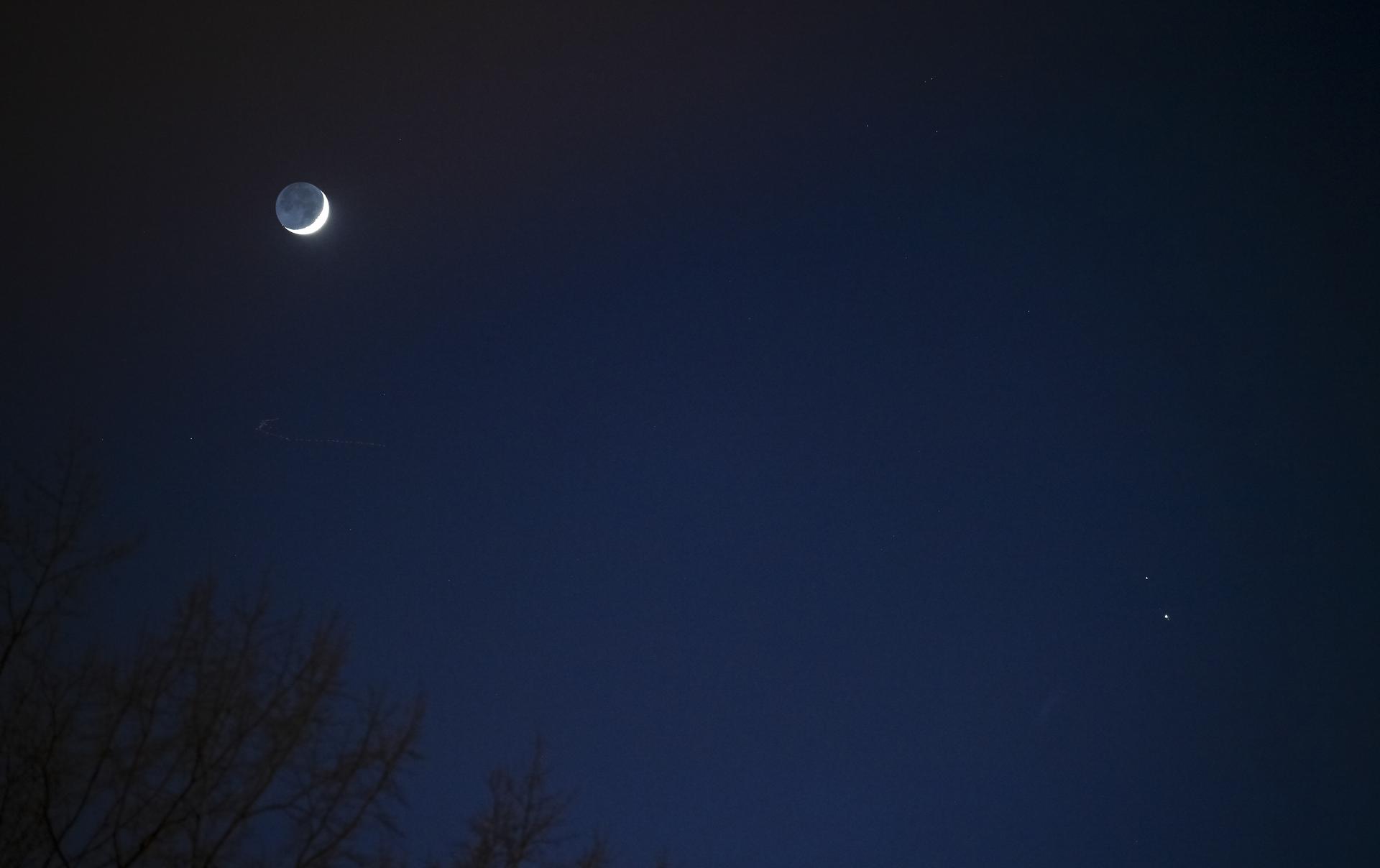
Saturn reaches opposition on Oct. 4 at magnitude 0.3, and two mornings later a waning crescent Moon passes in front of Jupiter across eastern North America, the best-placed Jupiter occultation of 2026.
-
Commercial
Starship Reaches Orbit at Last, Drops 26 Starlink V3 Satellites, and Comes Home Early
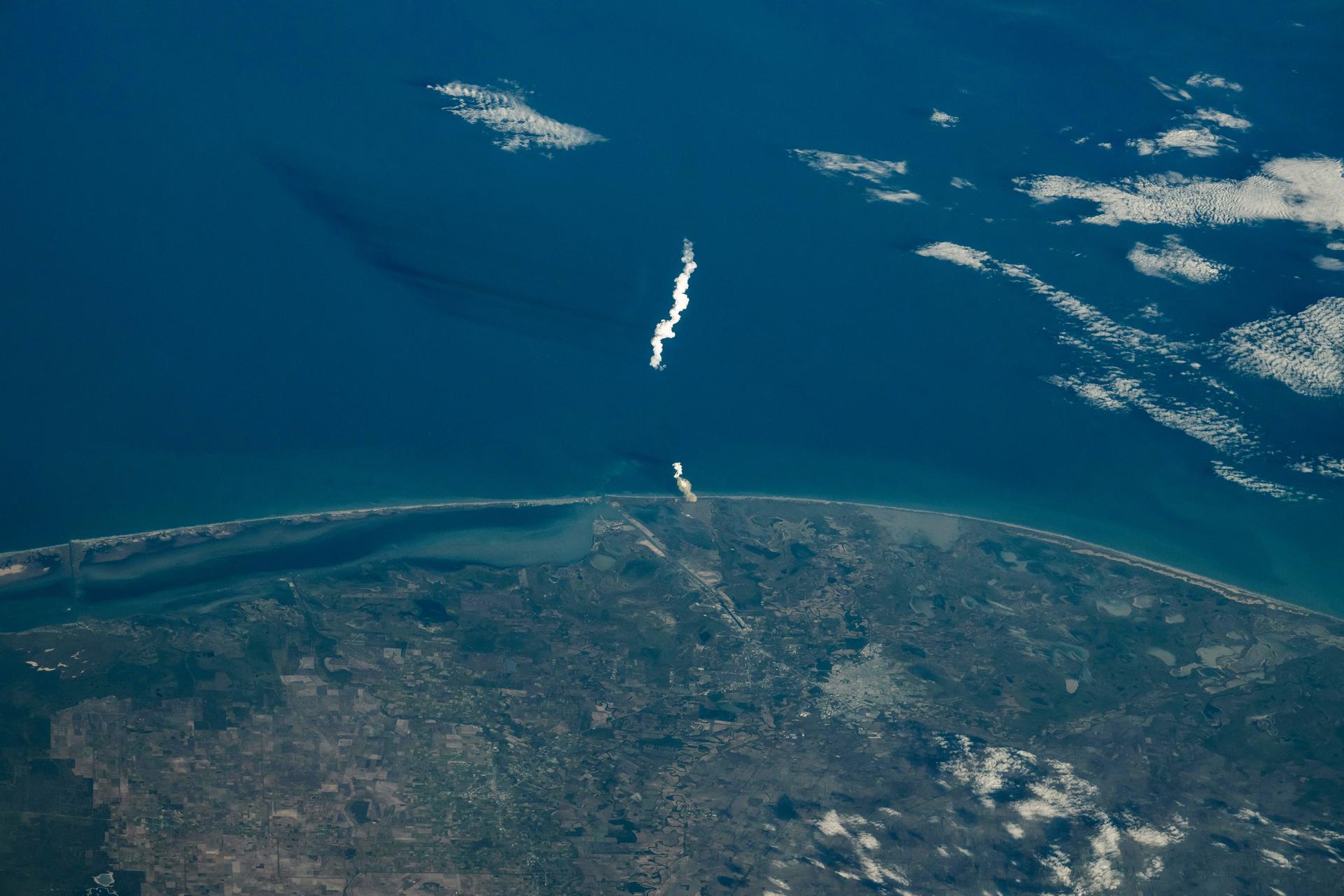
On its 14th flight, Starship finally reached orbit despite early engine shutdowns on both stages, deployed 26 Starlink V3 satellites, and splashed down north of Hawaii about three hours after liftoff.
-
NASA & Agencies
Artemis Accords Reach 76 Signatories as Four Nations Join in Five Days
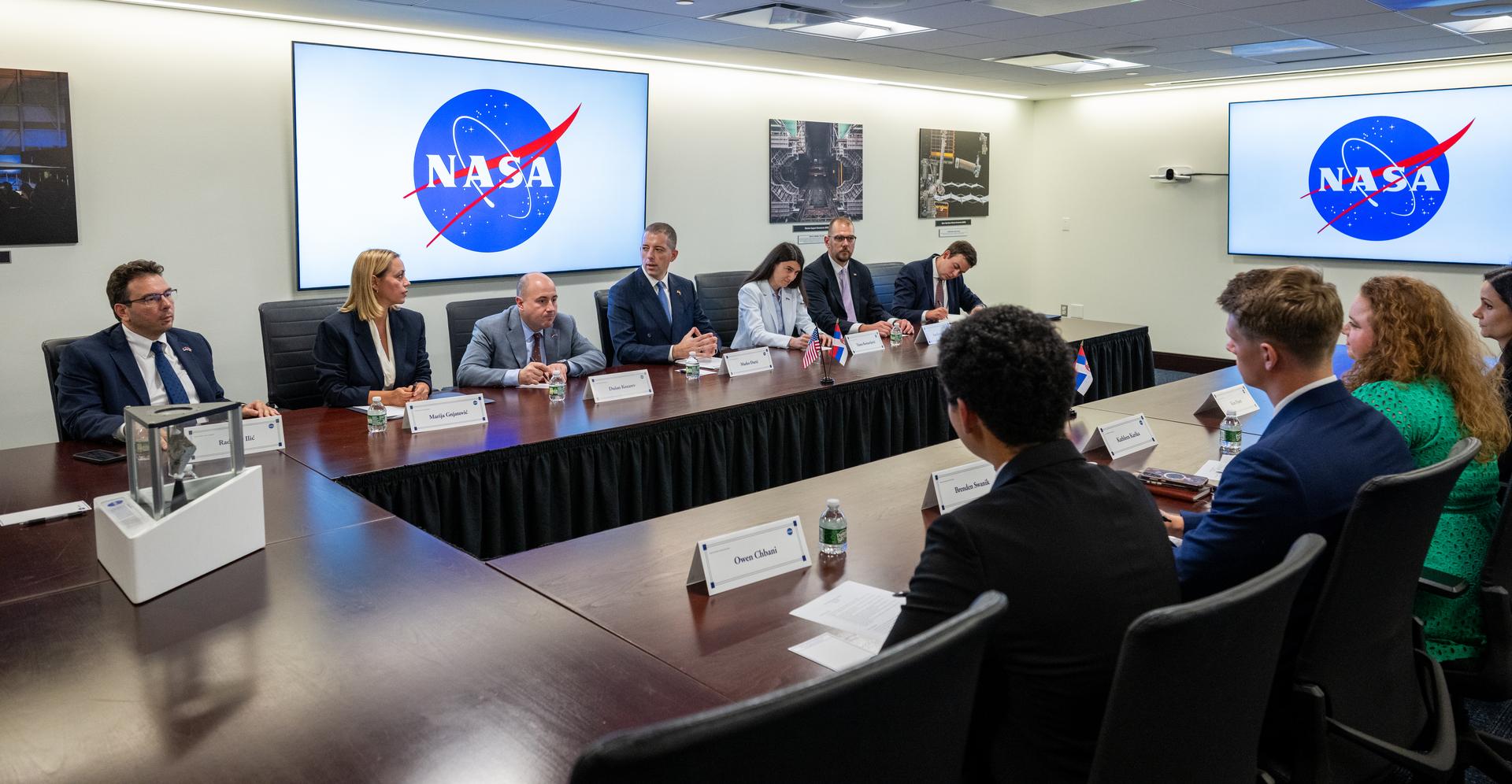
NASA says Albania, Croatia, Cote d'Ivoire and San Marino lifted Artemis Accords participation to 76 countries, with the last two signing on consecutive days, just before the Principals' Meeting in Antalya opens Oct. 5.
-
Commercial
Starliner Gets a Reset: An Uncrewed Flight This Winter, Astronauts by 2028, and Vulcan Certification Work
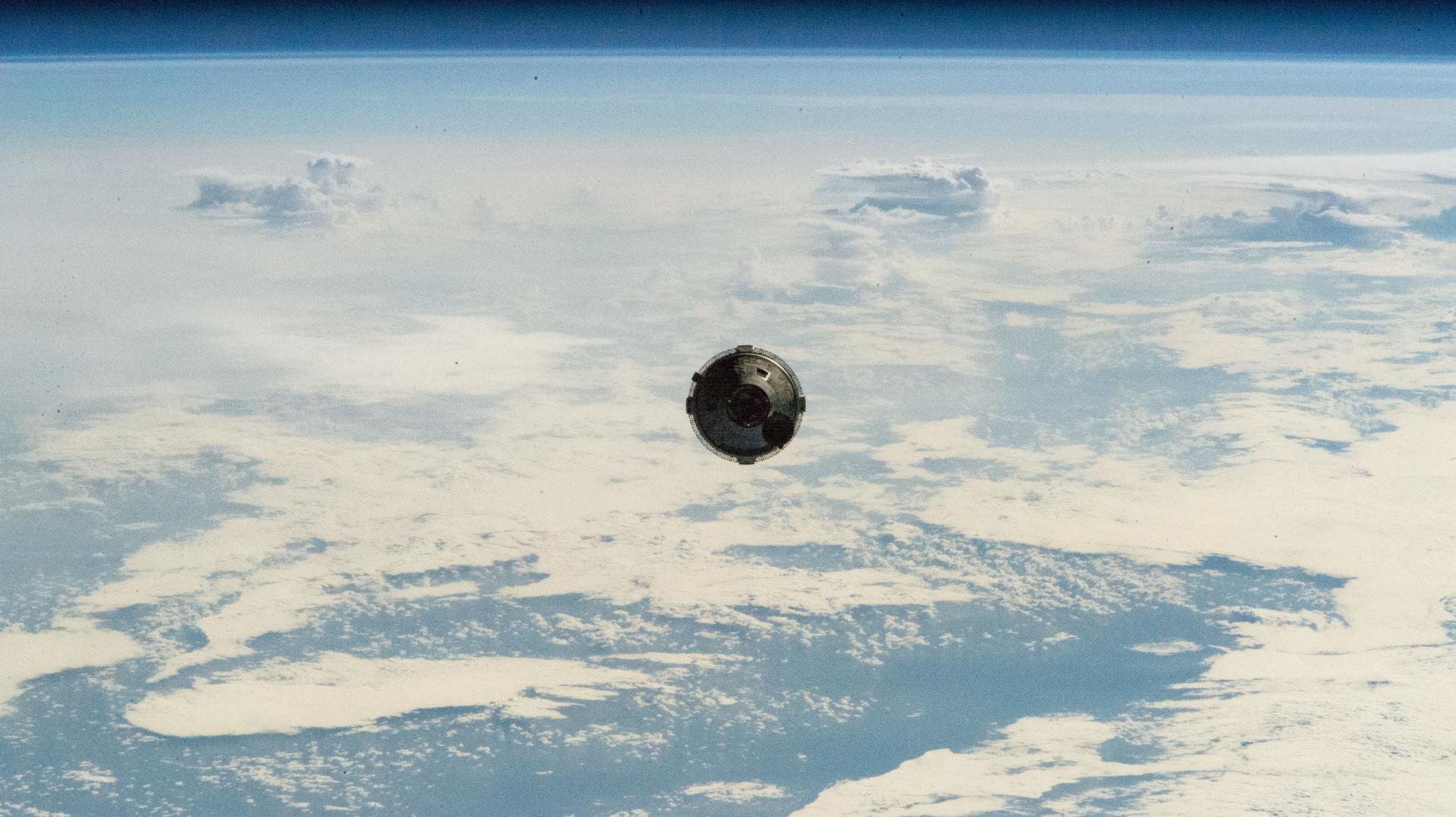
NASA and Boeing outlined a new Starliner plan: an uncrewed engineering flight as soon as December, Woody Hoburg commanding a crewed flight by 2028, Vulcan certification for later flights as Atlas V retires, and about $359 million more for upgrades and certification.
-
Stargazing
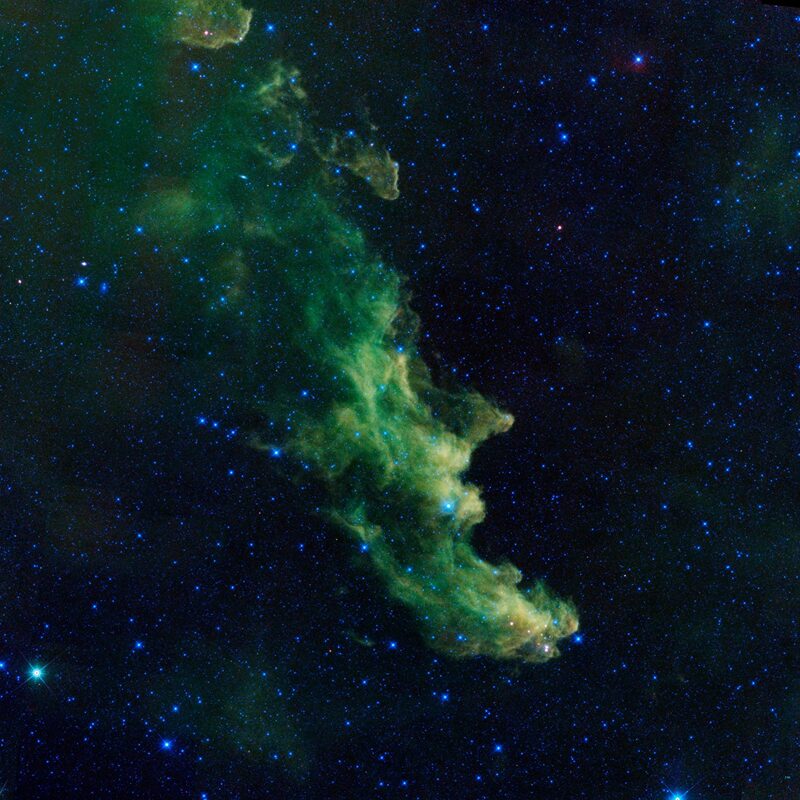
October's Spooky Sky: Catch the Demon Star Algol Blink and Hunt the Witch Head Nebula
Algol, Perseus's eclipsing Demon Star, dims by more than a magnitude every few days, and the faint Witch Head Nebula near Rigel rewards patient observers with big scopes and dark skies. Here is how to see both this October.
-
Science & Discovery
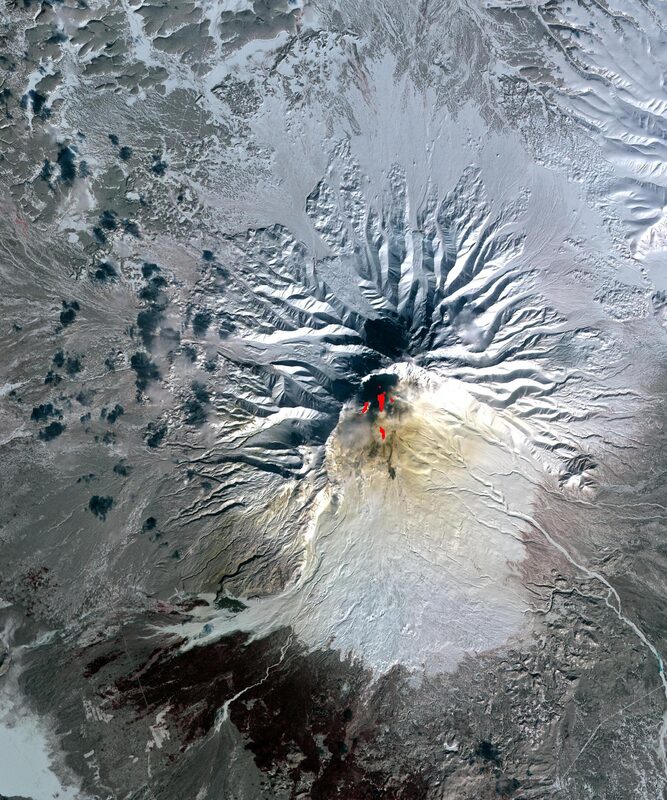
NISAR's Radar Eyes Track a Kamchatka Volcano Erupting After 475 Years
A NASA-ISRO radar satellite stitched passes from December 2025 through August 2026 into a 17-frame time-lapse of lava spilling from Kamchatka's Krasheninnikov volcano, which erupted for the first time since roughly 1550, days after a magnitude-8.8 earthquake.
-
NASA & Agencies
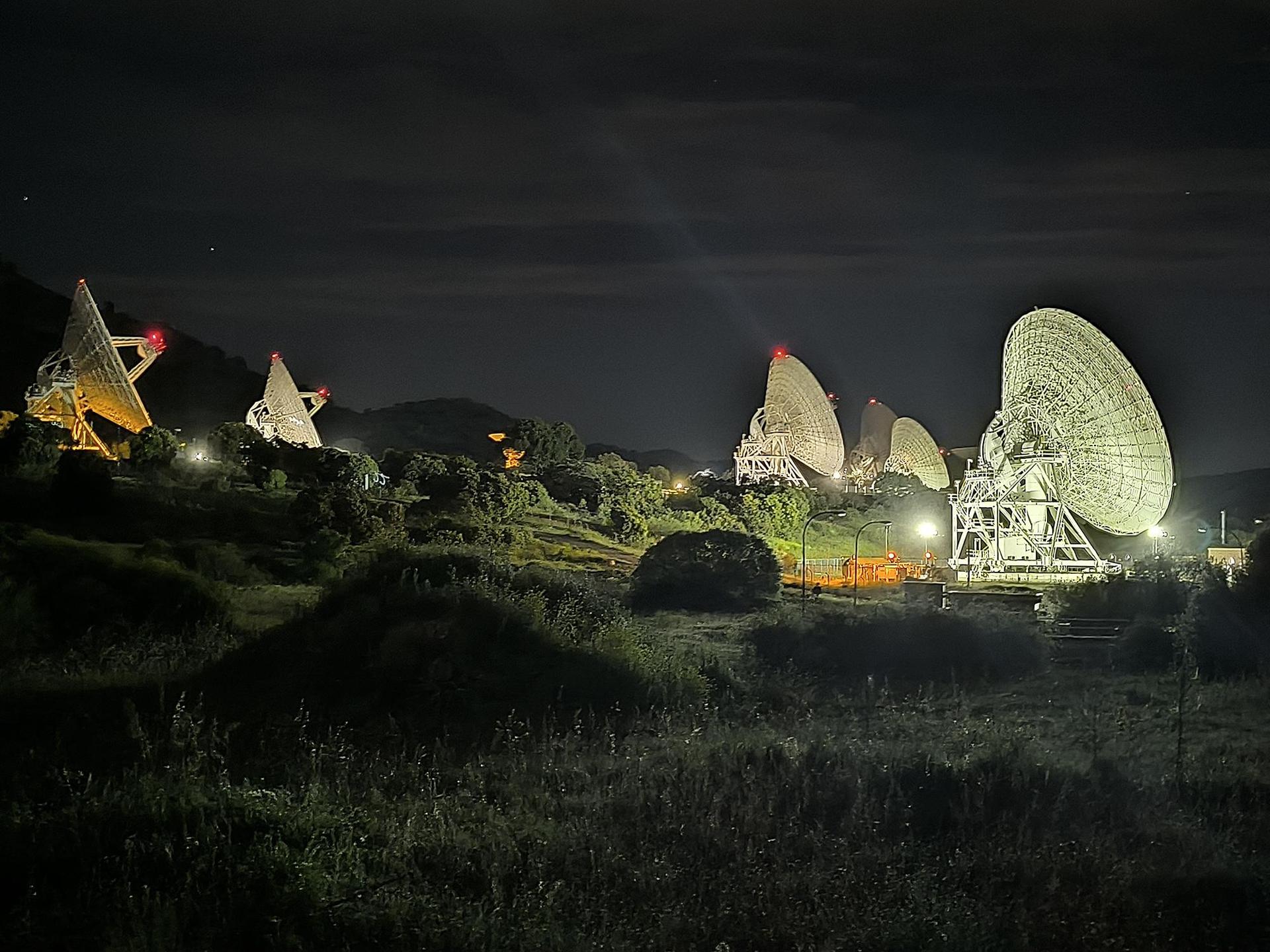
Roman Space Telescope's Three Ground Stations Pass Peak-Rate Data Test Ahead of 2027 Science Start
NASA confirms all three ground stations tracking the Nancy Grace Roman Space Telescope can receive its data at the full 500 Mbps rate, clearing a key hurdle before science operations begin in early 2027.
-
Science & Discovery
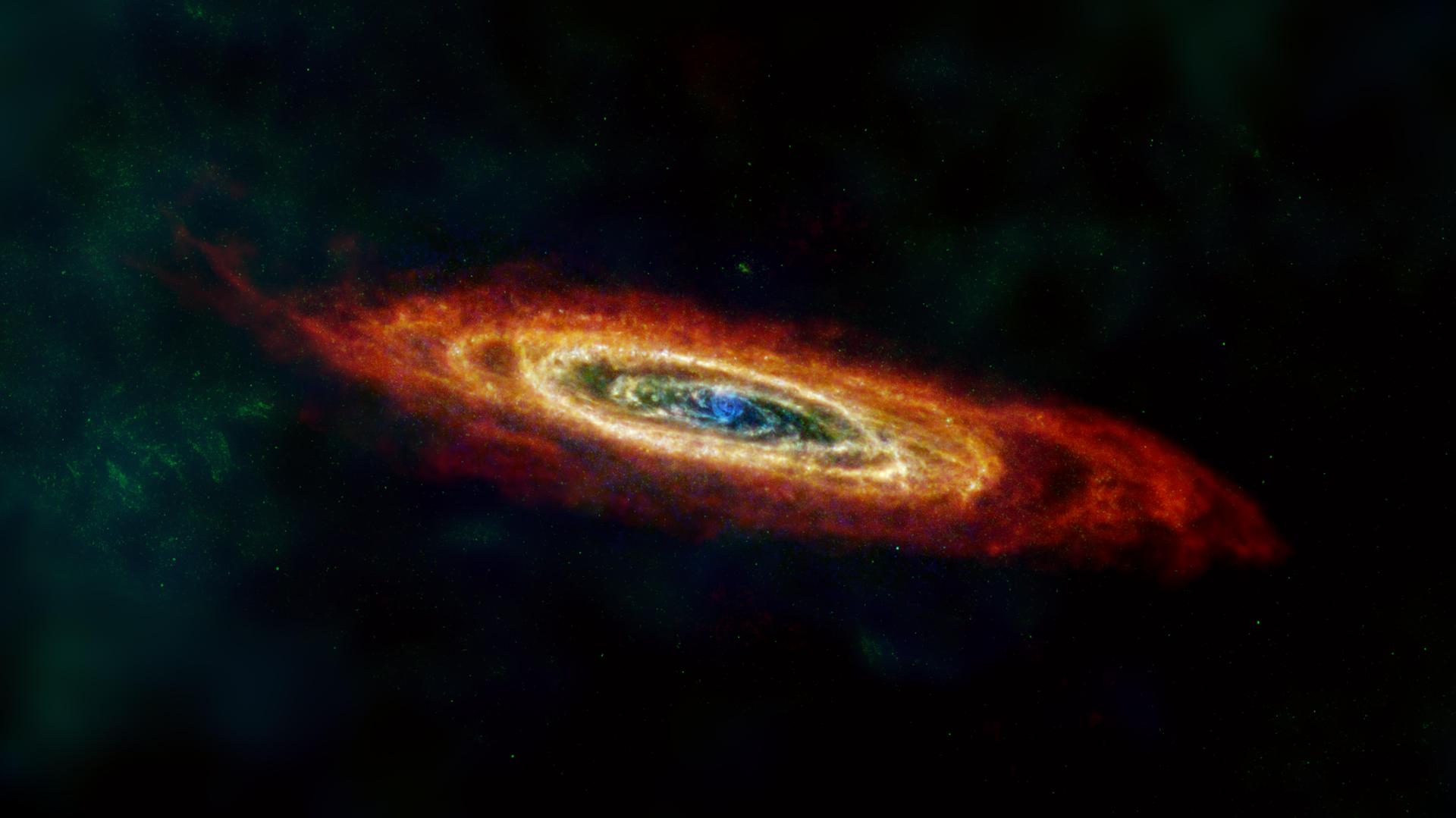
NASA Picks PRIMA, a $1.2 Billion Far-Infrared Observatory, to Lead a New Mission Class
NASA confirmed PRIMA, a cryogenically cooled 1.8-meter far-infrared telescope capped at $1.2 billion, as the first mission in its new Probe Explorers class, targeting a 2033 launch.
-
Astronomy
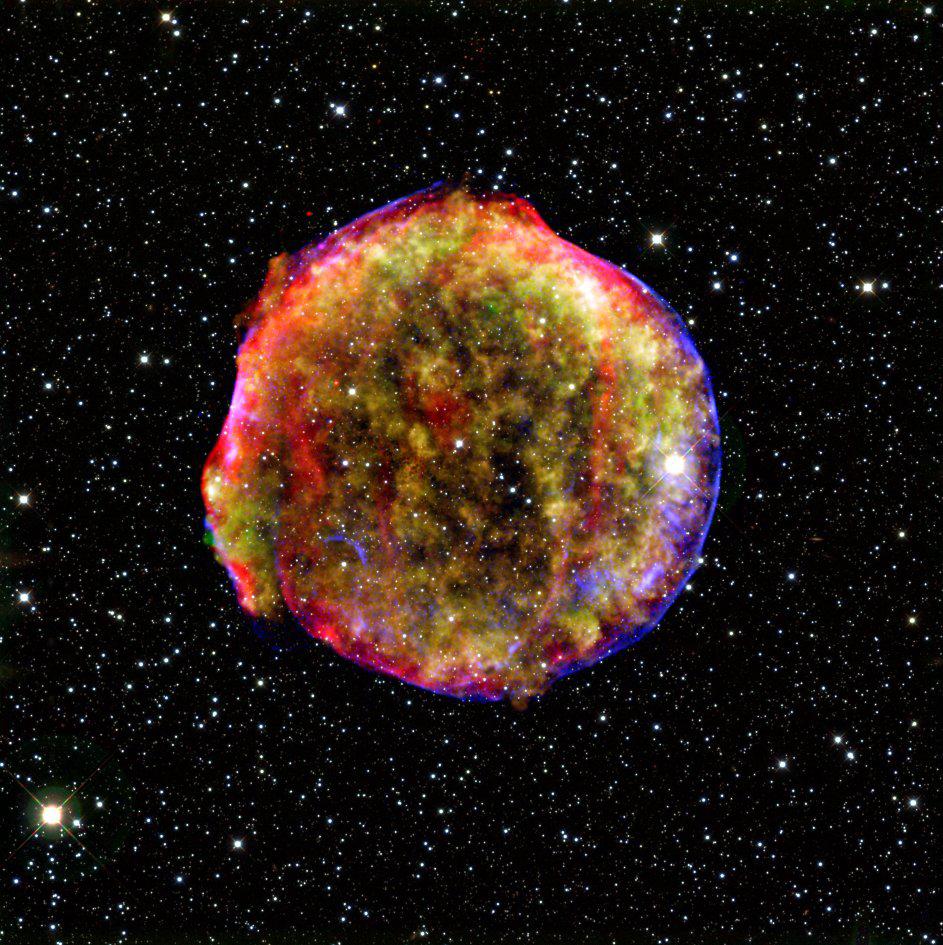
A 200-Hour Mosaic Over Morocco Reveals Five Ghost Supernovas in Auriga
A 200-hour, 10-panel mosaic shot from Morocco's Oukaimeden Observatory resolves five ancient supernova remnants tangled together in the constellation Auriga, including the famous Spaghetti Nebula.
-
Commercial
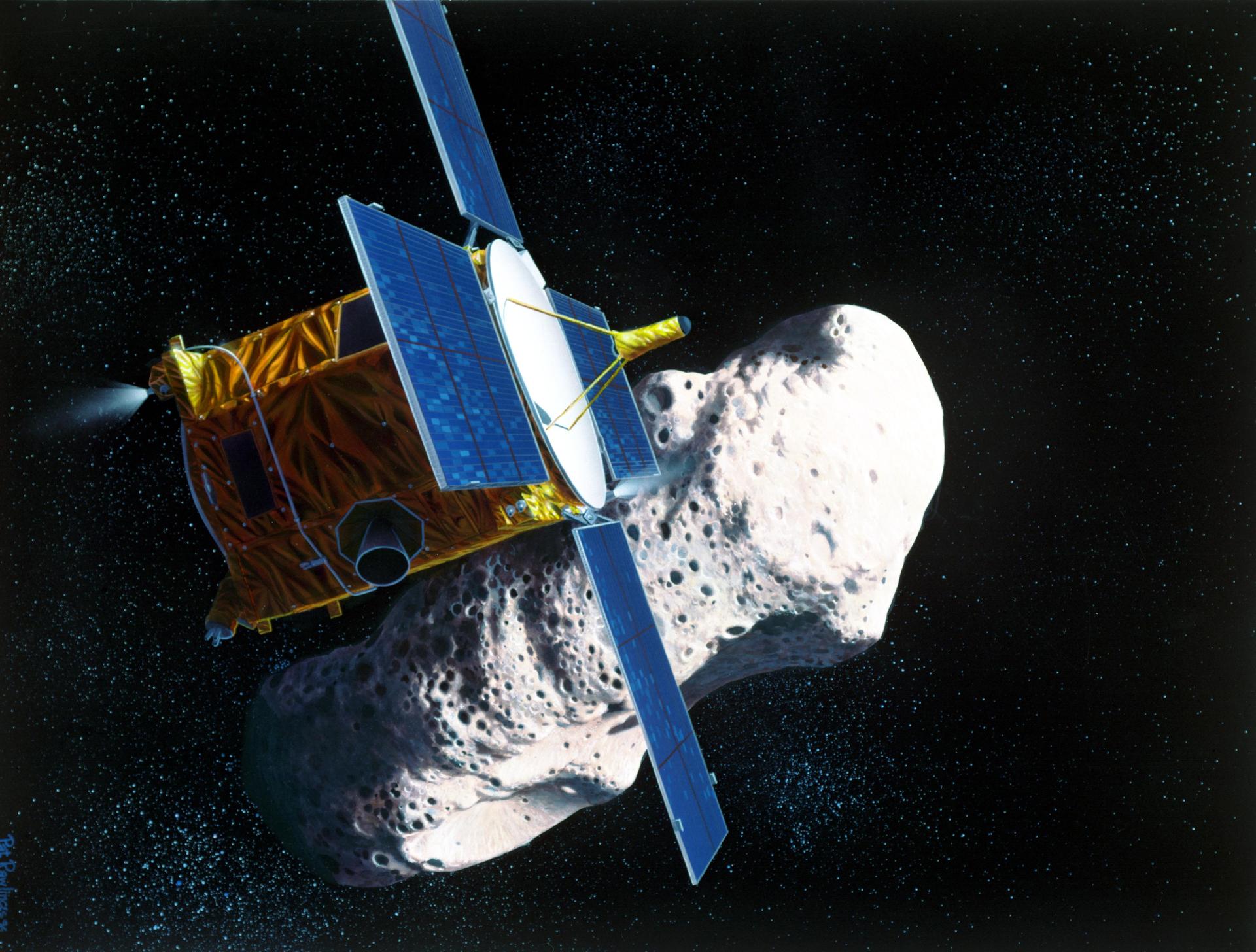
An Asteroid-Mining Startup Bets Everything on a Spacecraft That Takes No Orders
AstroForge says its Autonomy-1 mission, launching on Stoke Space's debut Nova Pathfinder rocket in early 2027, will fly its entire mission without a single command from Earth.
-
Stargazing
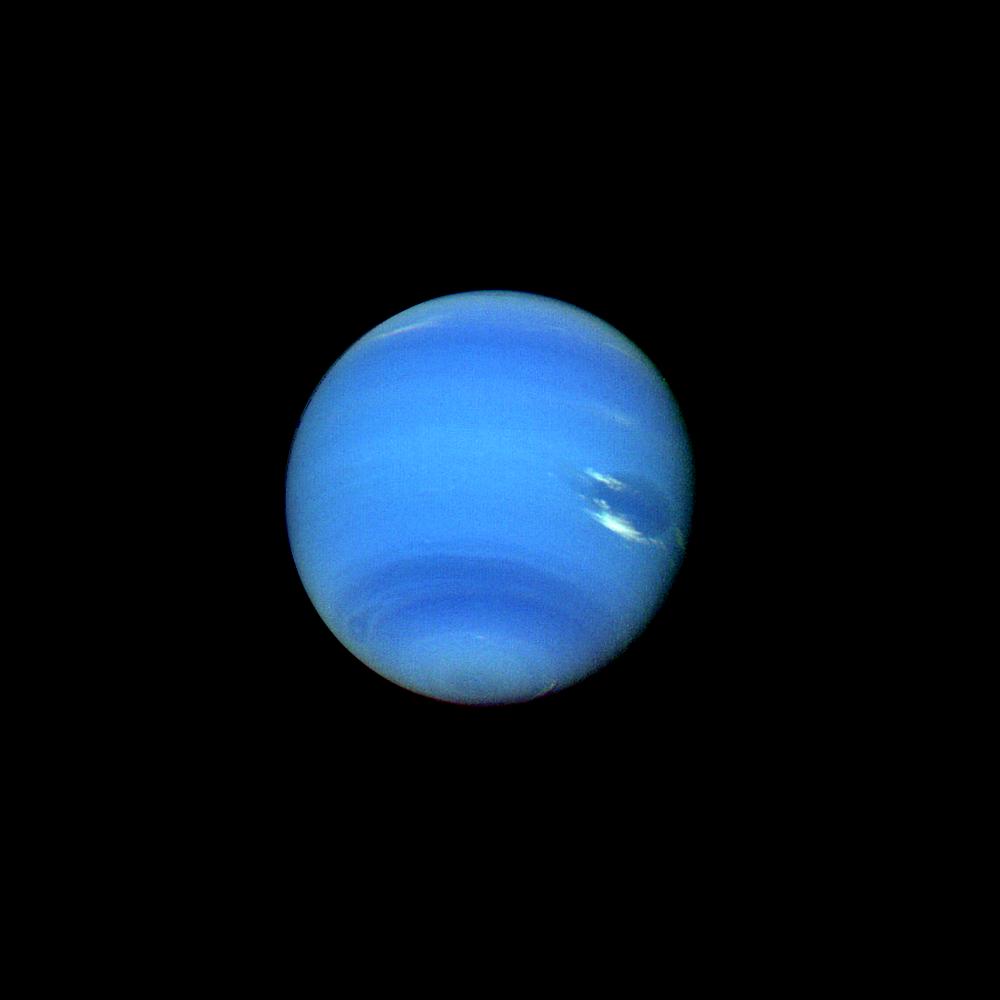
Neptune Reaches Opposition 180 Years After the Discovery That Found It With Math
Neptune reaches opposition on Sept. 26, 2026, almost exactly 180 years after astronomers pointed a telescope at the exact spot mathematics had predicted and found it waiting.
-
Astronomy
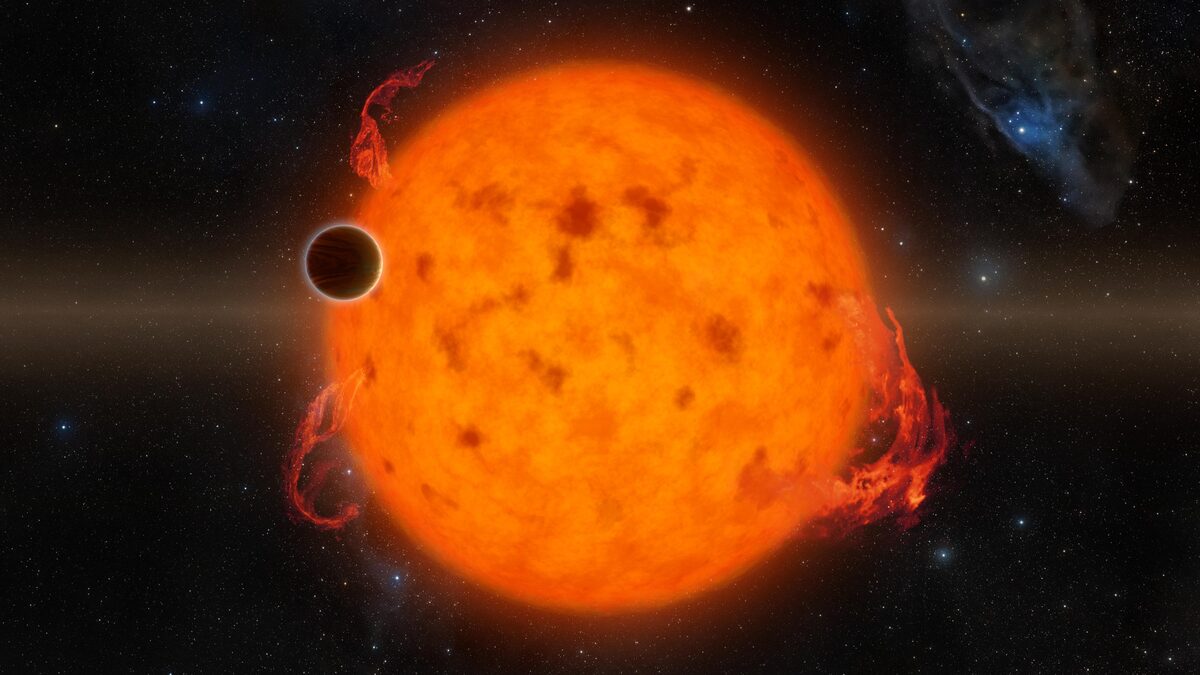
A Rebellious Exoplanet Orbits Backward, and Astronomers Don't Know Why
GJ 3090 b, a sub-Neptune 73 light-years away, orbits its star retrograde and severely misaligned — with no companion object to blame, forcing astronomers to consider that the star itself grew a backward disc.