NASA
Every Cosmic Herald story on NASA — missions, launches, discoveries, and the business of space, newest first.
-
Astronomy
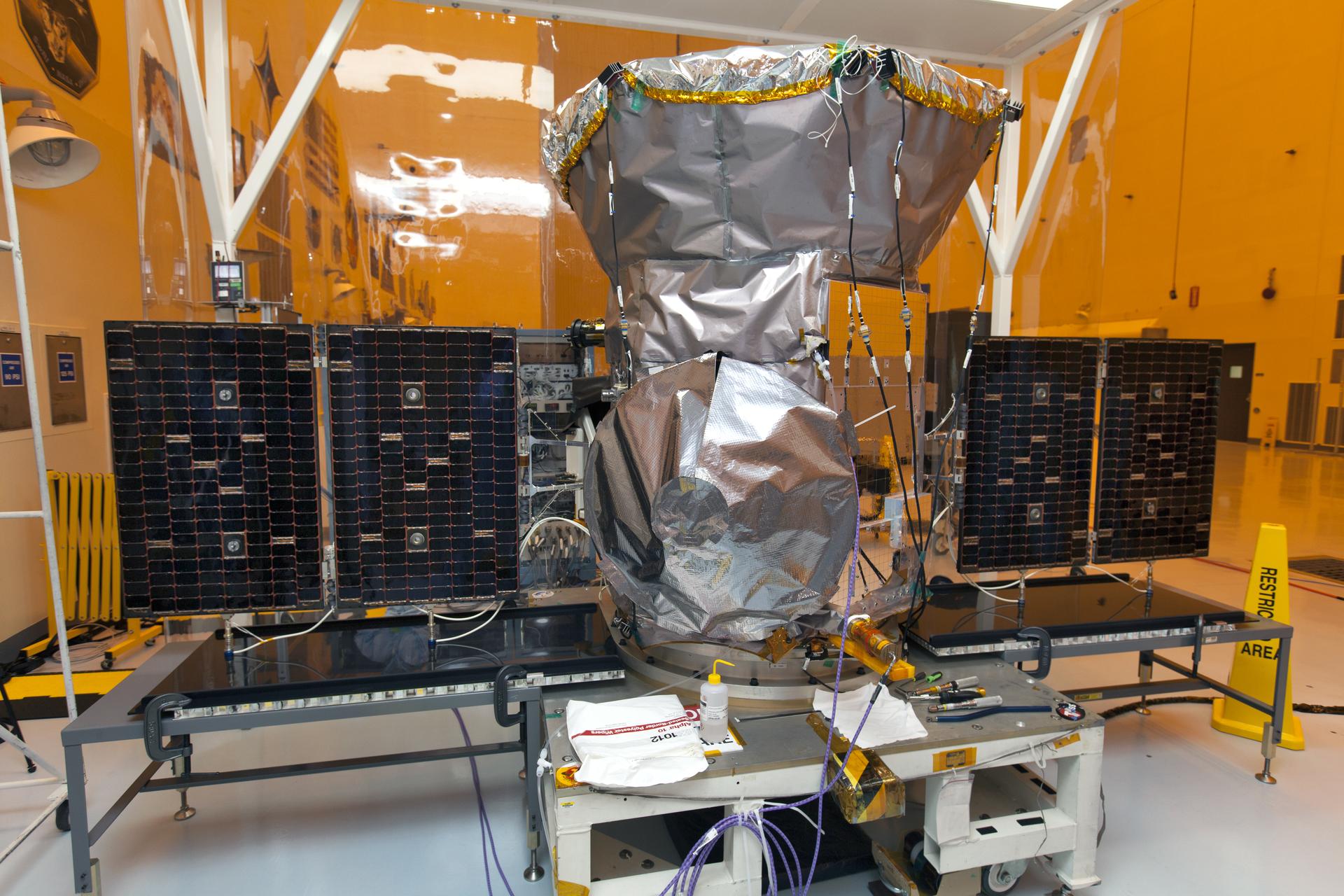
TESS Just Mapped Rotation Periods for a Million Nearby Stars
A new TESS-based catalog measures rotation periods for over a million stars within 1,600 light-years, quadrupling the known sample and sharpening the map of young stellar associations.
-
Science & Discovery
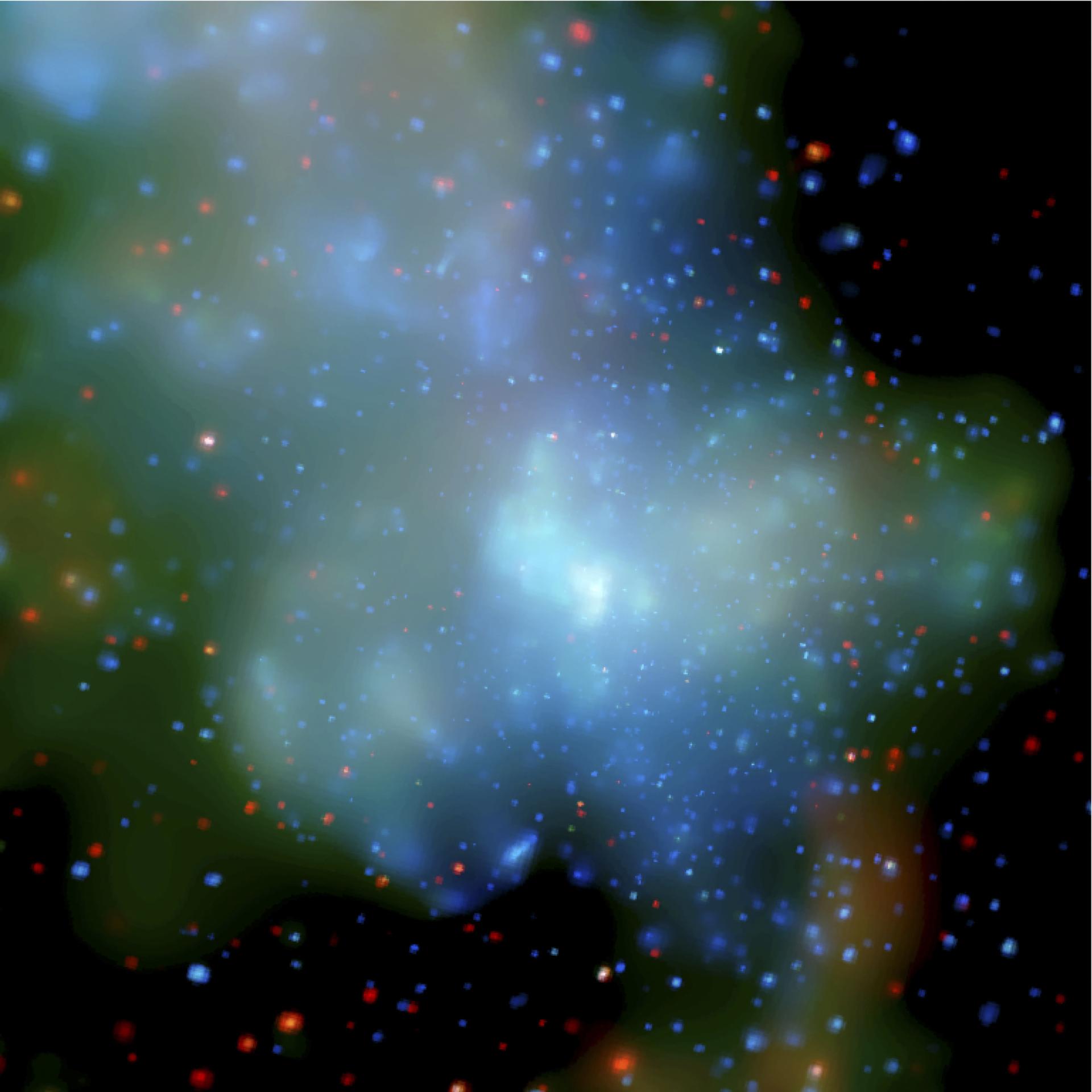
X-Ray Light Echoes From Old Gamma-Ray Bursts Show the Milky Way's Arms Are Bigger Than We Thought
By timing X-ray rings that three historic gamma-ray bursts scattered off interstellar dust, astronomers measured purely geometric distances showing the Milky Way's outer spiral arms sit about 10% farther out than previously believed.
-
Astronomy
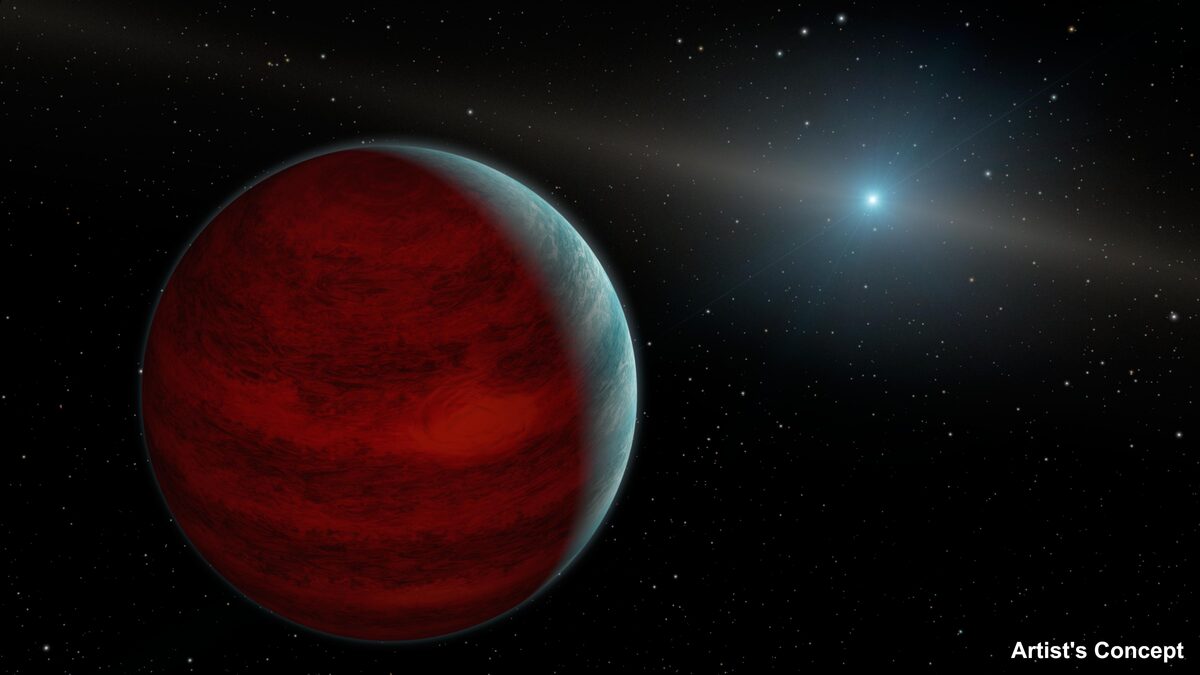
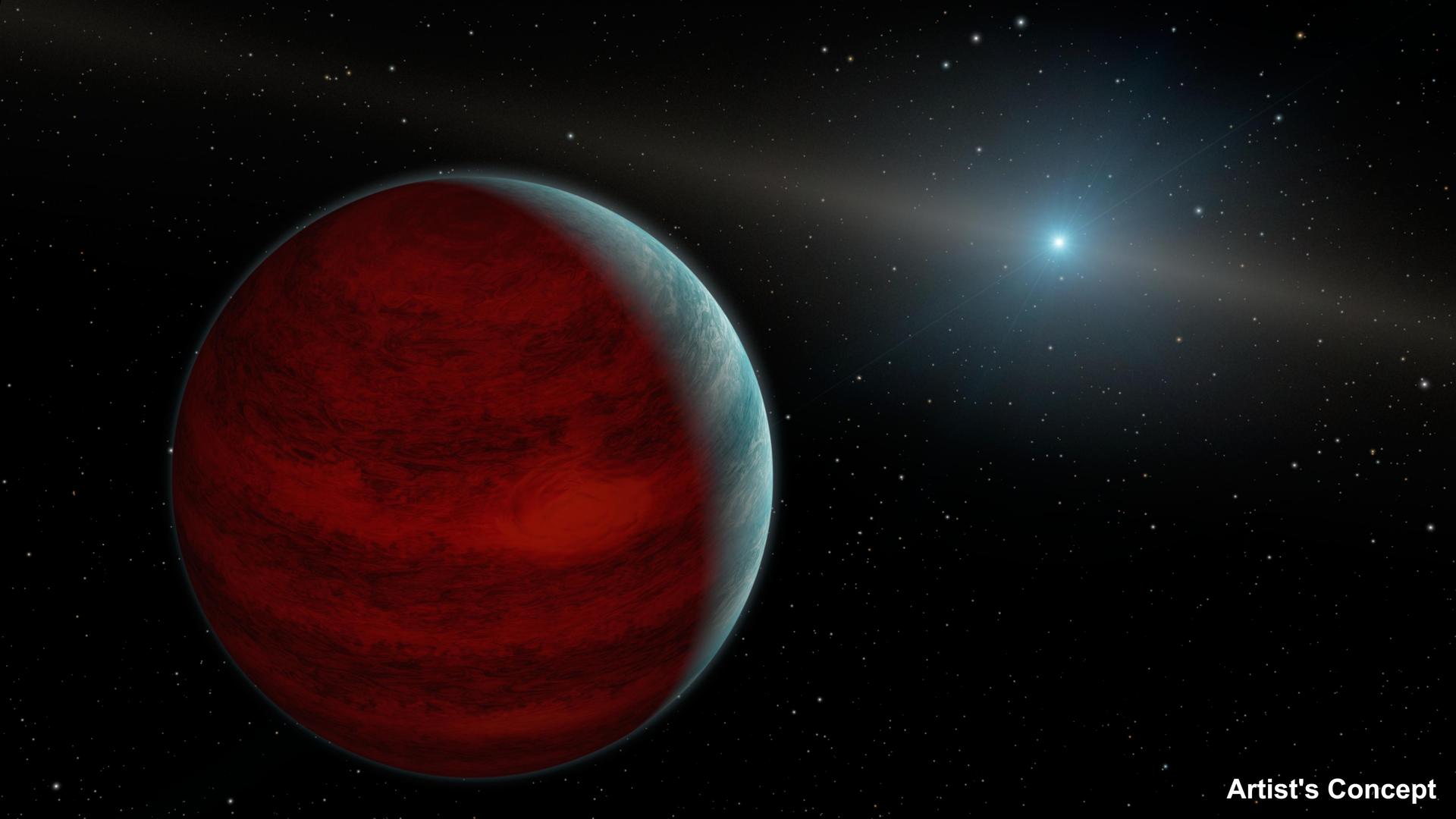
JWST Spots Methane on a Planet Orbiting a Dead Star — And It's a Preview of Our Own Solar System's Future
JWST has detected methane, haze, and heat in the atmosphere of a Jupiter-sized planet orbiting a white dwarf — the first atmosphere ever confirmed around a planet circling a dead star.
-
Missions
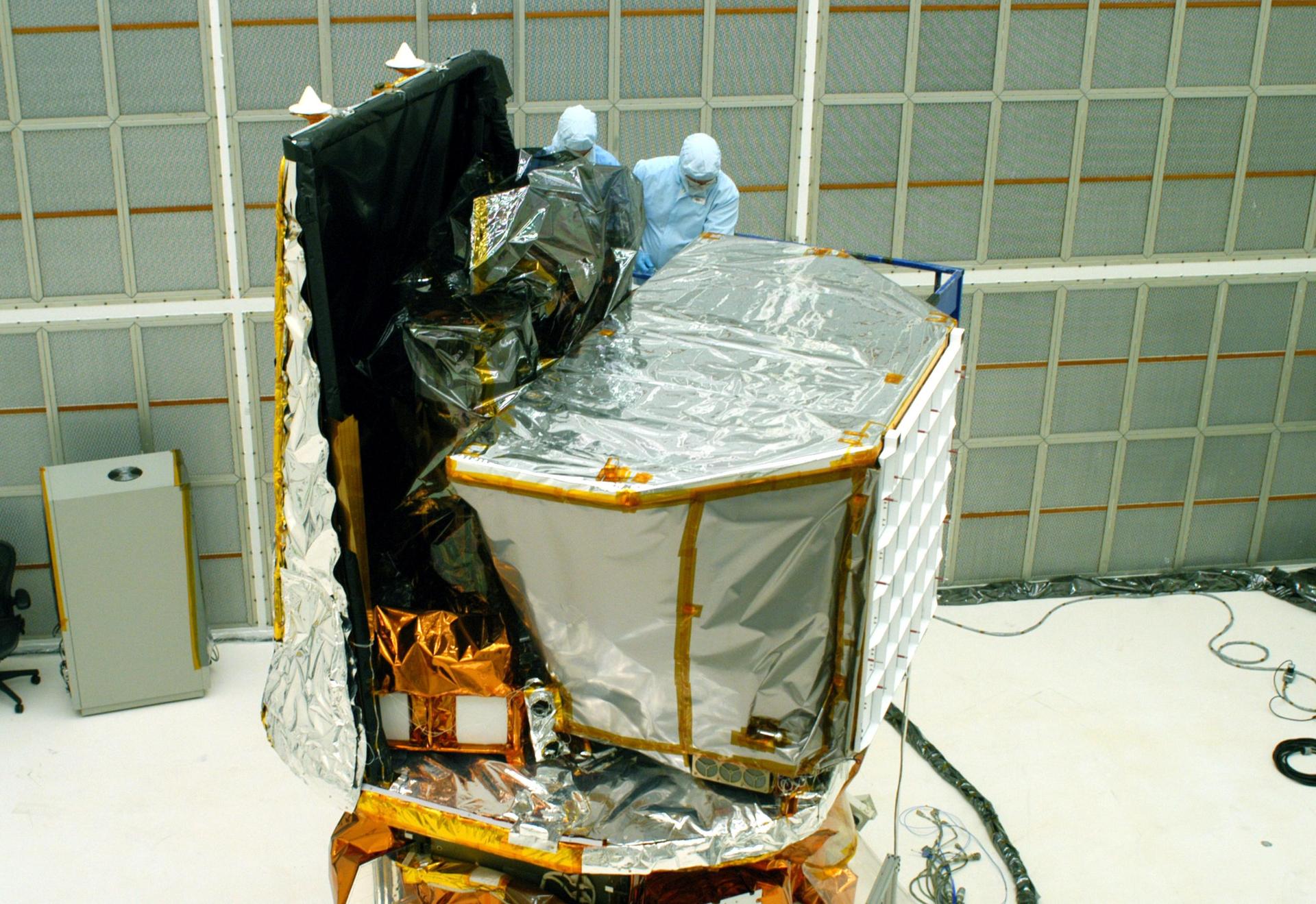
Robotic Servicer LINK Launches to Rescue NASA's Swift Observatory From Reentry
After three days of delays, a Pegasus XL rocket dropped from a jet over the Pacific deployed Katalyst Space's LINK spacecraft on a mission to grapple and reboost NASA's decaying Swift Observatory — and to close out the Pegasus program for good.
-
Astronomy
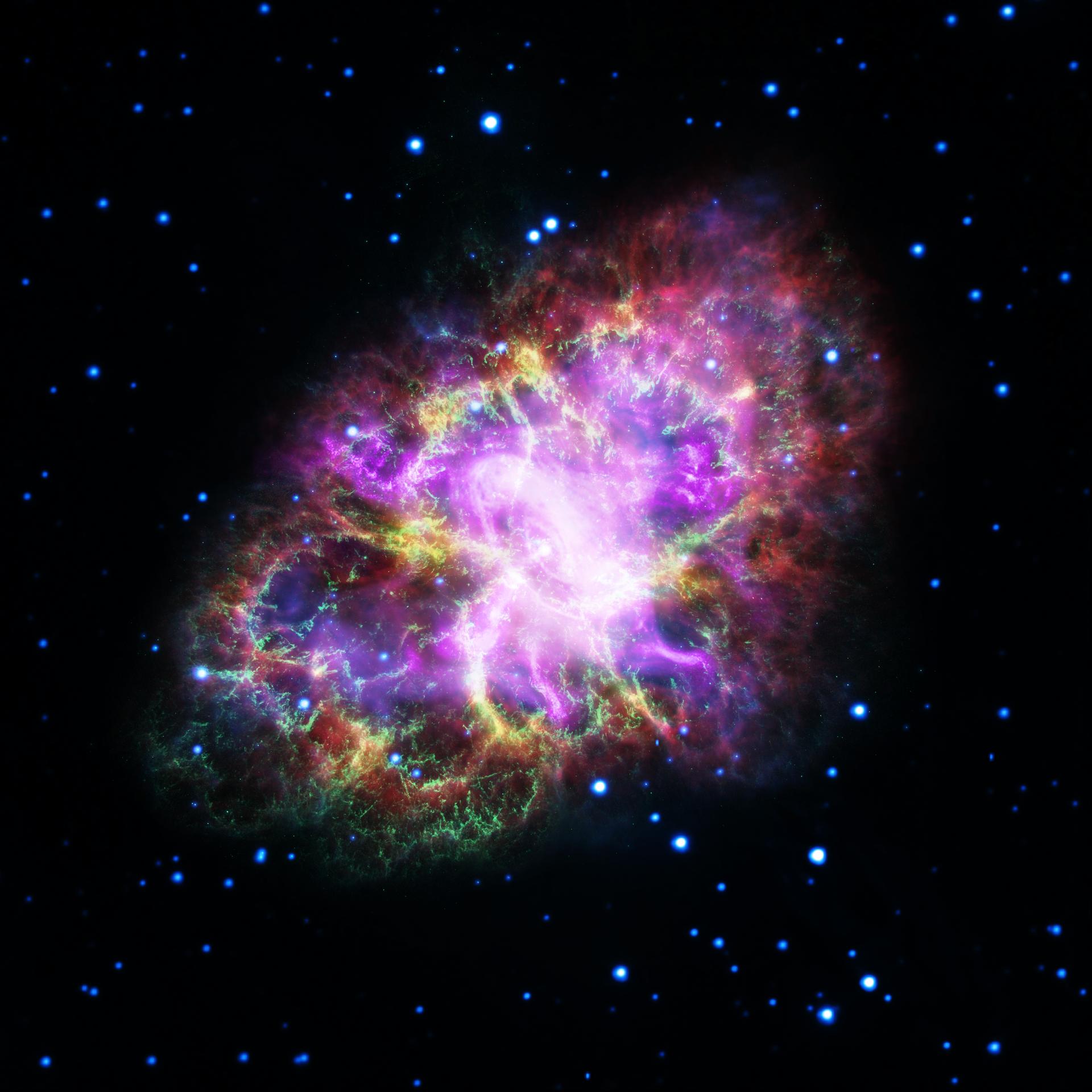
Chandra, Hubble and Webb Team Up for a 'Red, White and Blue' Universe on America's 250th
To mark America's 250th, NASA fused X-ray, infrared and optical data from Chandra, Webb and Hubble into four patriotic-toned composites — plus sound versions of the cosmos — released June 30 through July 4.
-
Science & Discovery
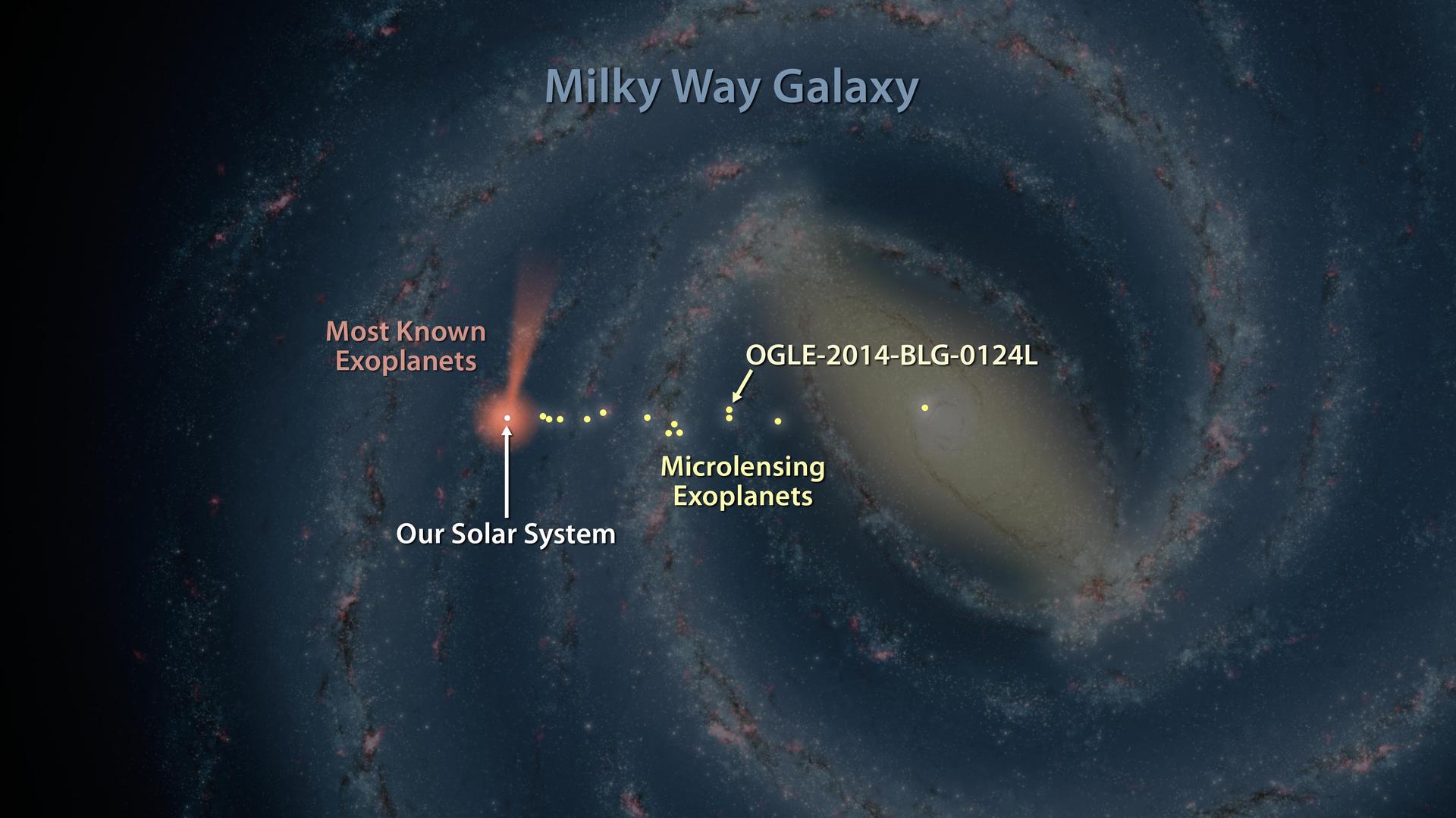
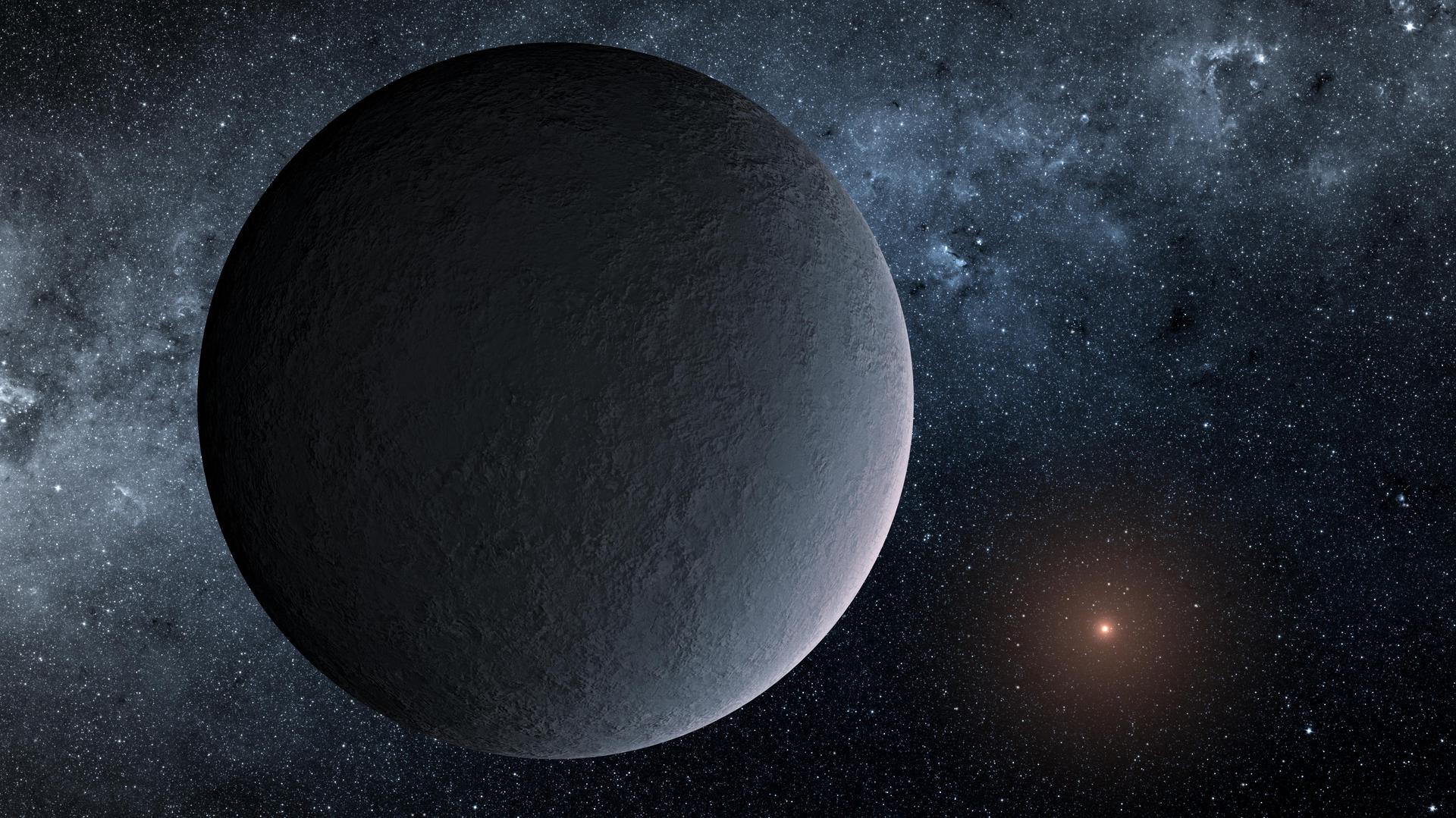
NASA's TESS Spots a Super-Jupiter 40,000 Light-Years Away Using a Trick From Einstein
Astronomers used gravitational microlensing to pull a super-Jupiter called Gaia23bra b out of TESS's archived data — a planet-hunting trick that reaches 260 times farther than the satellite's usual transit method.
-
Commercial
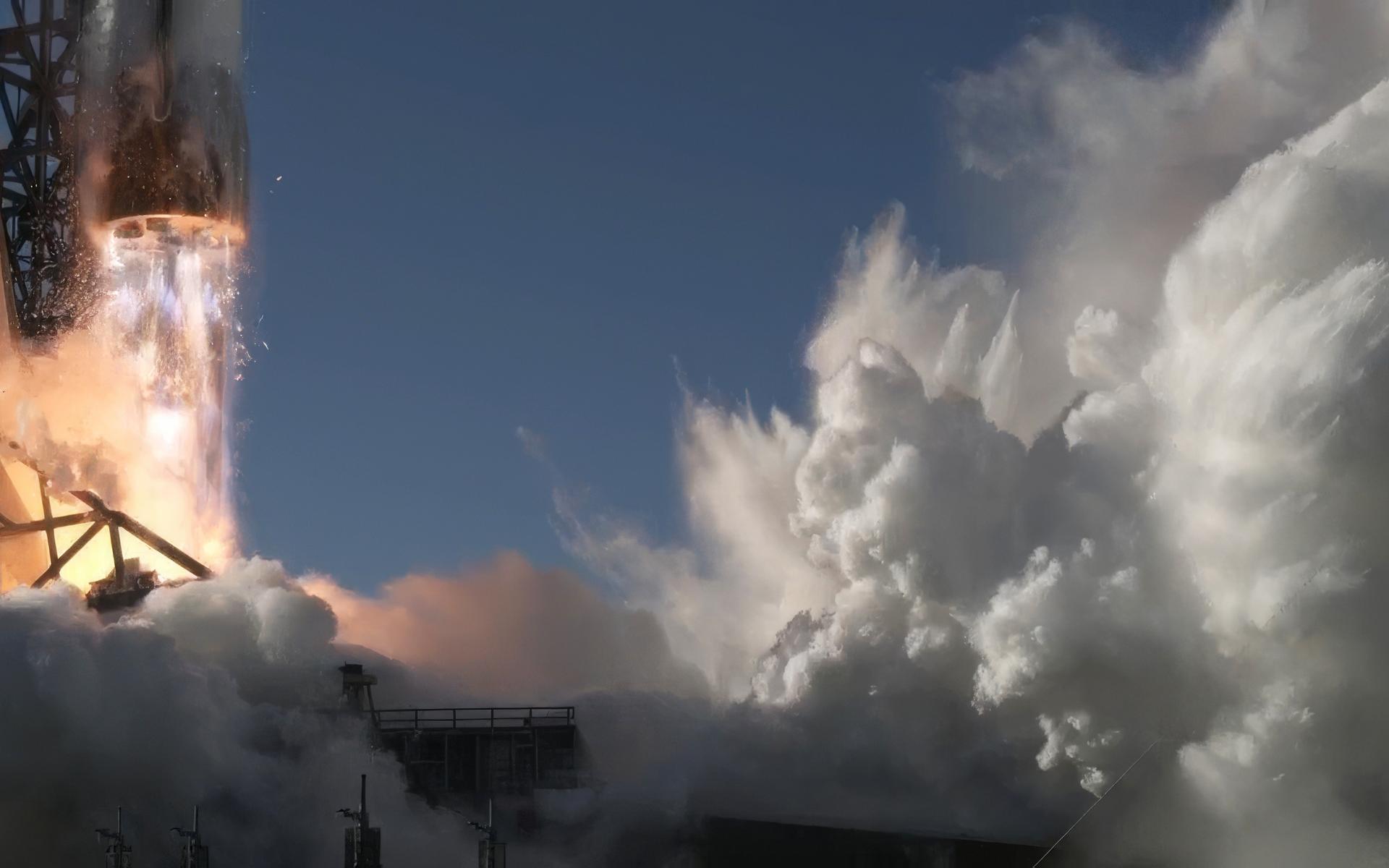
Blue Origin Charts a New Path Back to Flight for New Glenn After Pad Explosion
After late-May explosion destroyed a New Glenn being readied to fly NASA's Blue Moon 'Endurance' lander, Blue Origin says it won't rebuild the ruined pad as-is — instead adopting a hybrid horizontal-vertical integration concept at LC-36A and aiming to fly again in 2026.
-
NASA & Agencies
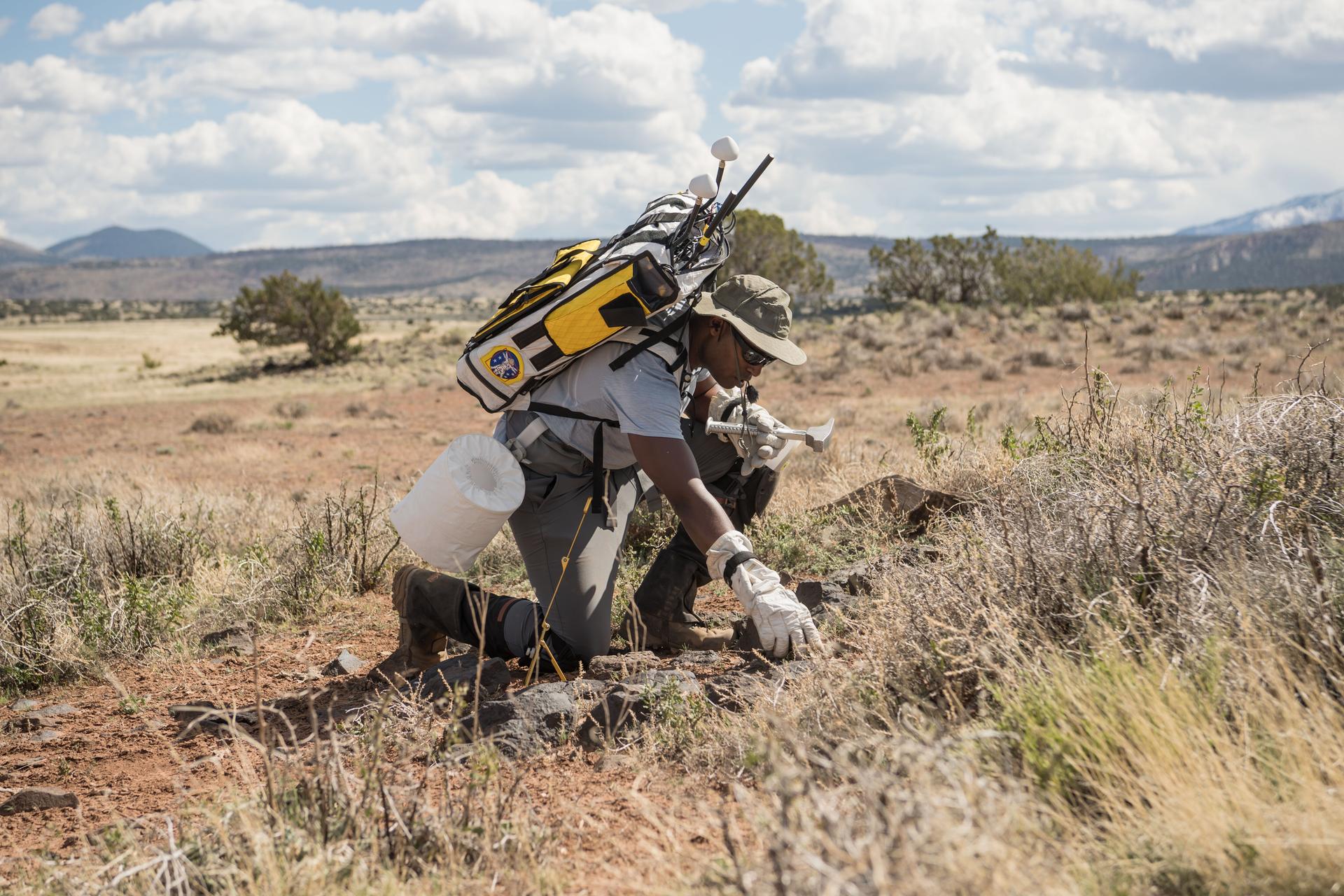
NASA Wants Volunteers to Spend a Year Pretending to Fly to the Moon and Mars
NASA has opened a volunteer call for a roughly yearlong ground analog at Johnson Space Center that, for the first time, fuses its HERA "spacecraft" and CHAPEA "base" into one integrated Moon-and-Mars mission starting no earlier than August 2027.
-
Missions
Weather and a Balky Pegasus Keep Katalyst's Swift Rescue Grounded
Katalyst Space's LINK servicing spacecraft, tasked with grappling and reboosting NASA's aging Swift observatory, has been scrubbed three days running — twice for weather and, per follow-up reporting, once when its Pegasus XL failed to deploy.
-
Stargazing
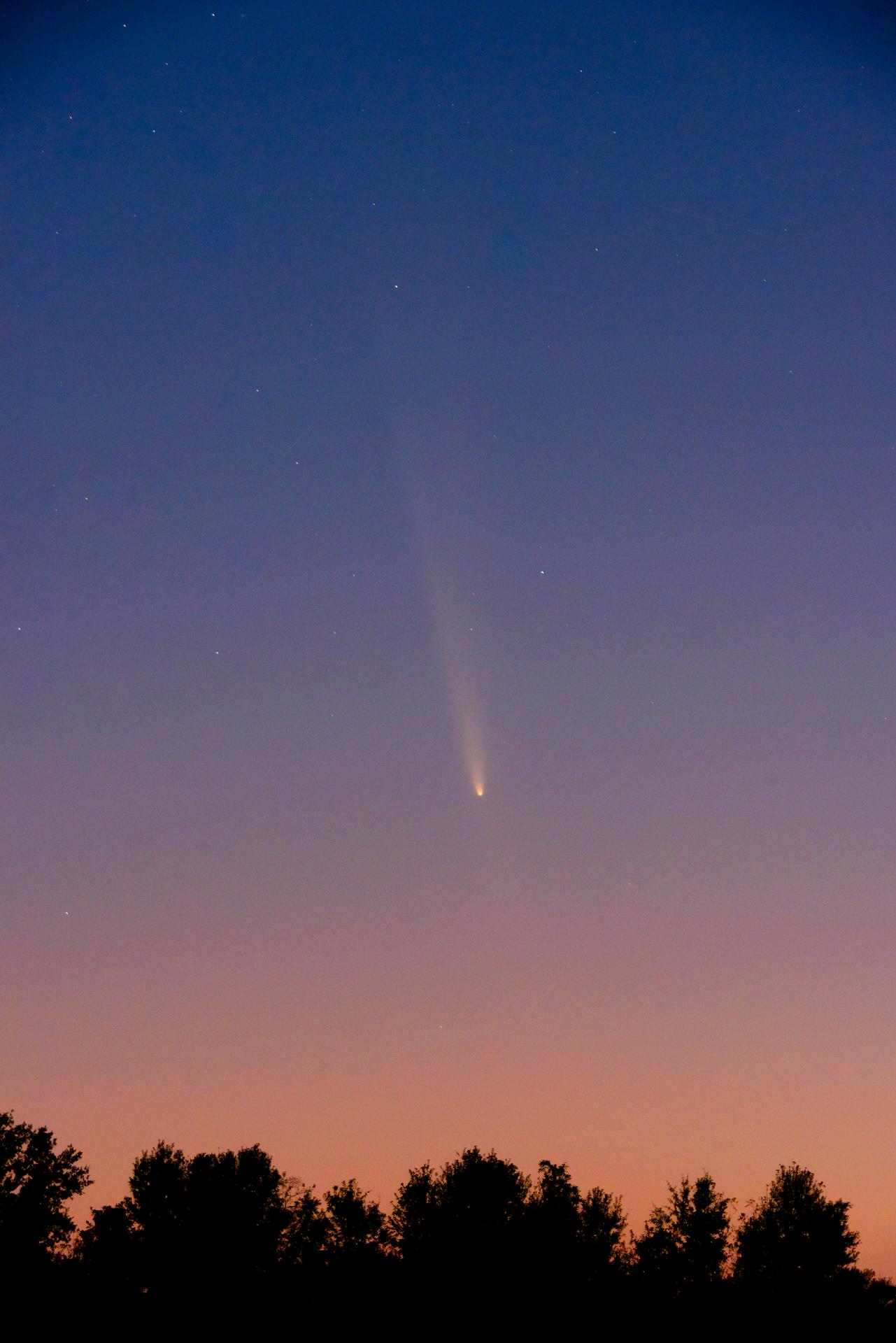
Comet 10P/Tempel 2 Brightens to Its Best Since 1967 — What Else to Watch in the July 2026 Sky
A short-period comet is having its best apparition in nearly 60 years, and NASA's July guide pairs it with thin-tilt Saturn rings, a pre-dawn Moon-Mars-Saturn lineup, and prime Milky Way viewing around the July 14 new moon.
-
Missions
A Planet TESS Was Never Built to See: First Microlensing World Pulled From the Archive
NASA's TESS, designed to catch transit dips, has for the first time bagged a planet through gravitational microlensing — a distant super-Jupiter, Gaia23bra b, teased out of archived data after ESA's Gaia flagged the event in 2023.
-
Science & Discovery
Webb Reads the Atmosphere of a Giant Planet That Outlived Its Star
Webb has detected the first atmosphere ever seen on a planet transiting a white dwarf: WD 1856 b, a 4-to-11-Jupiter-mass giant that survived its star's death and now circles the stellar corpse every 34 hours, carrying clouds and probable methane.