NASA
Every Cosmic Herald story on NASA — missions, launches, discoveries, and the business of space, newest first.
-
Stargazing
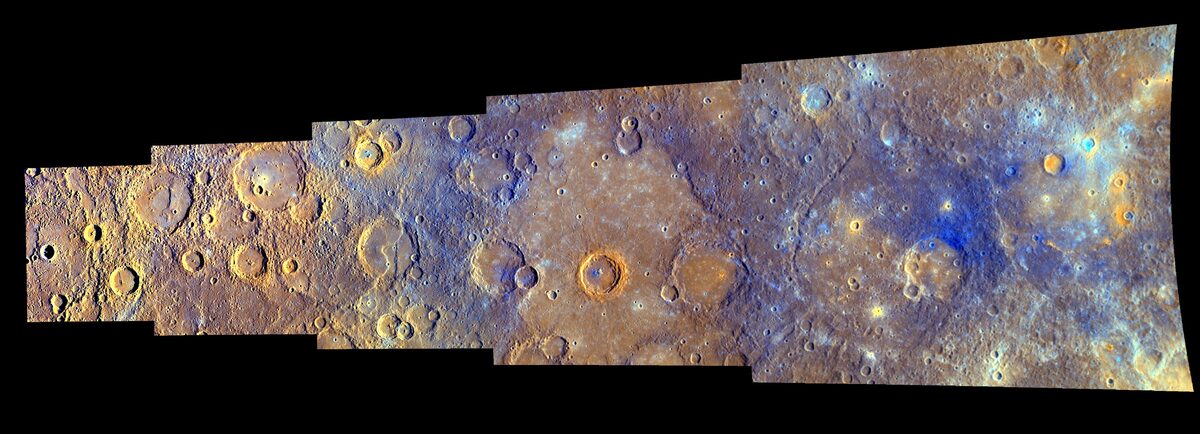
Mercury Reaches Greatest Eastern Elongation on October 12, and the Southern Hemisphere Gets the Best View of the Year
Mercury swings 25 degrees from the Sun on October 12, giving Southern Hemisphere skywatchers their best evening look at the planet in 2026. Most northern observers will find it hugging the horizon.
-
Commercial
NASA Issues Final Call for Commercial Space Station Proposals; Bids Due Dec. 8
NASA has released its final request for proposals for commercial space stations in low Earth orbit. Bids are due Dec. 8 and awards are expected in spring 2027, so industry now has two months to show that a privately run station can pay for itself.
-
Missions
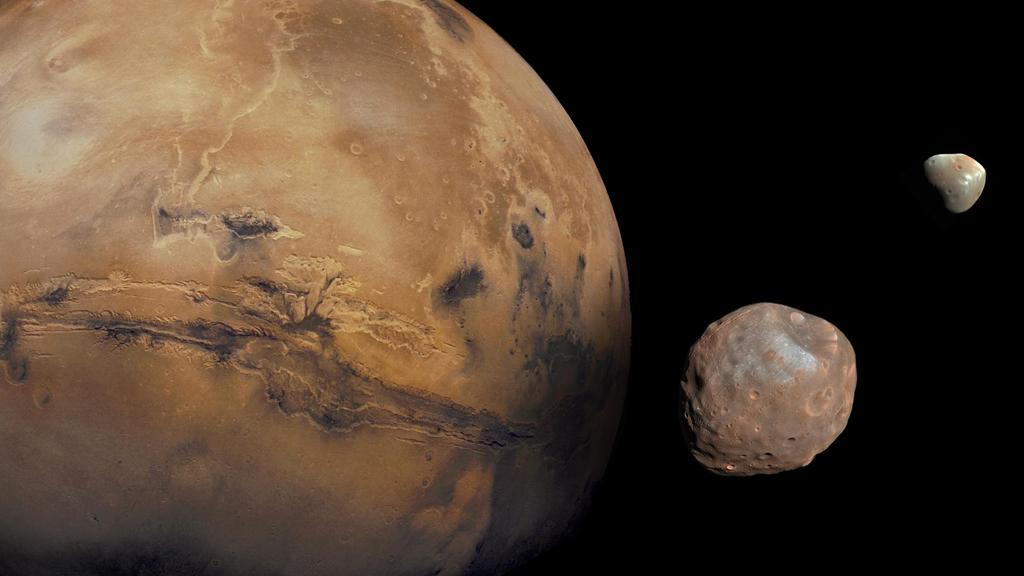
Japan's MMX Mars Moons Sample-Return Probe Nears Its Oct. 19 Launch
JAXA's Martian Moons eXploration spacecraft is set to launch on an H3 rocket from Tanegashima on Oct. 19. It aims to bring about 10 grams of Phobos back to Earth in 2031, carrying NASA hardware and a French-German rover along the way.
-
NASA & Agencies
NASA and DOE Sign Pact Covering Space Nuclear Power From Fuel to Flight
NASA and the Energy Department signed an MOU covering space fission power and propulsion from fuel production to launch and operations. It backs SR-1 Freedom, a Mars mission set for 2028, and a lunar surface reactor that is meant to be ready for launch by 2030.
-
Stargazing
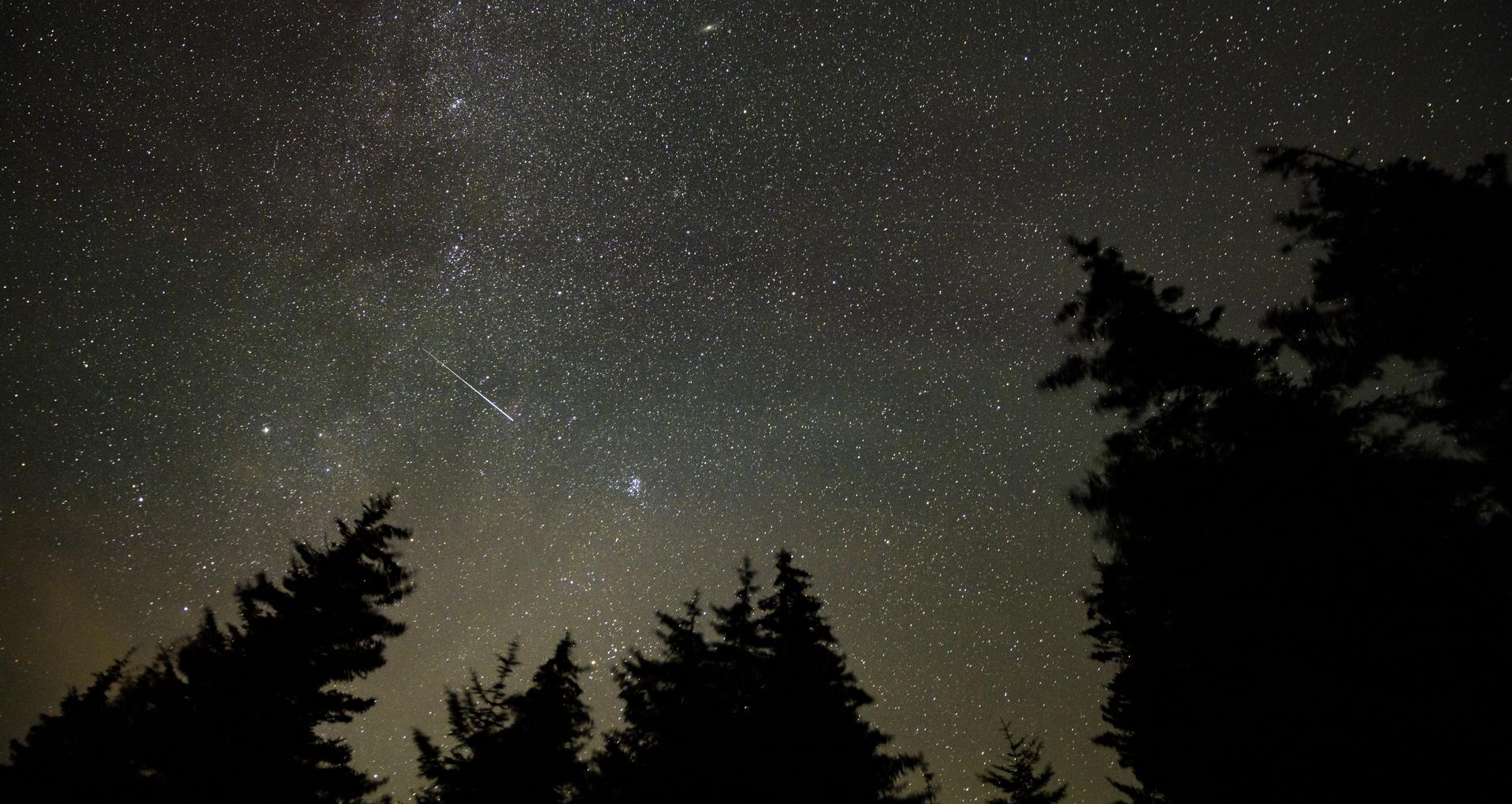
Orionid Meteor Shower 2026: Halley's Debris Peaks Oct. 21-22, but the Moon Gets a Vote
The Orionids, debris from Halley's Comet, peak the night of Oct. 21-22, but a bright waxing gibbous Moon will drown out the faint ones. Your best shot is the dark window after moonset and before dawn, when 10 to 20 meteors per hour are possible.
-
Science & Discovery
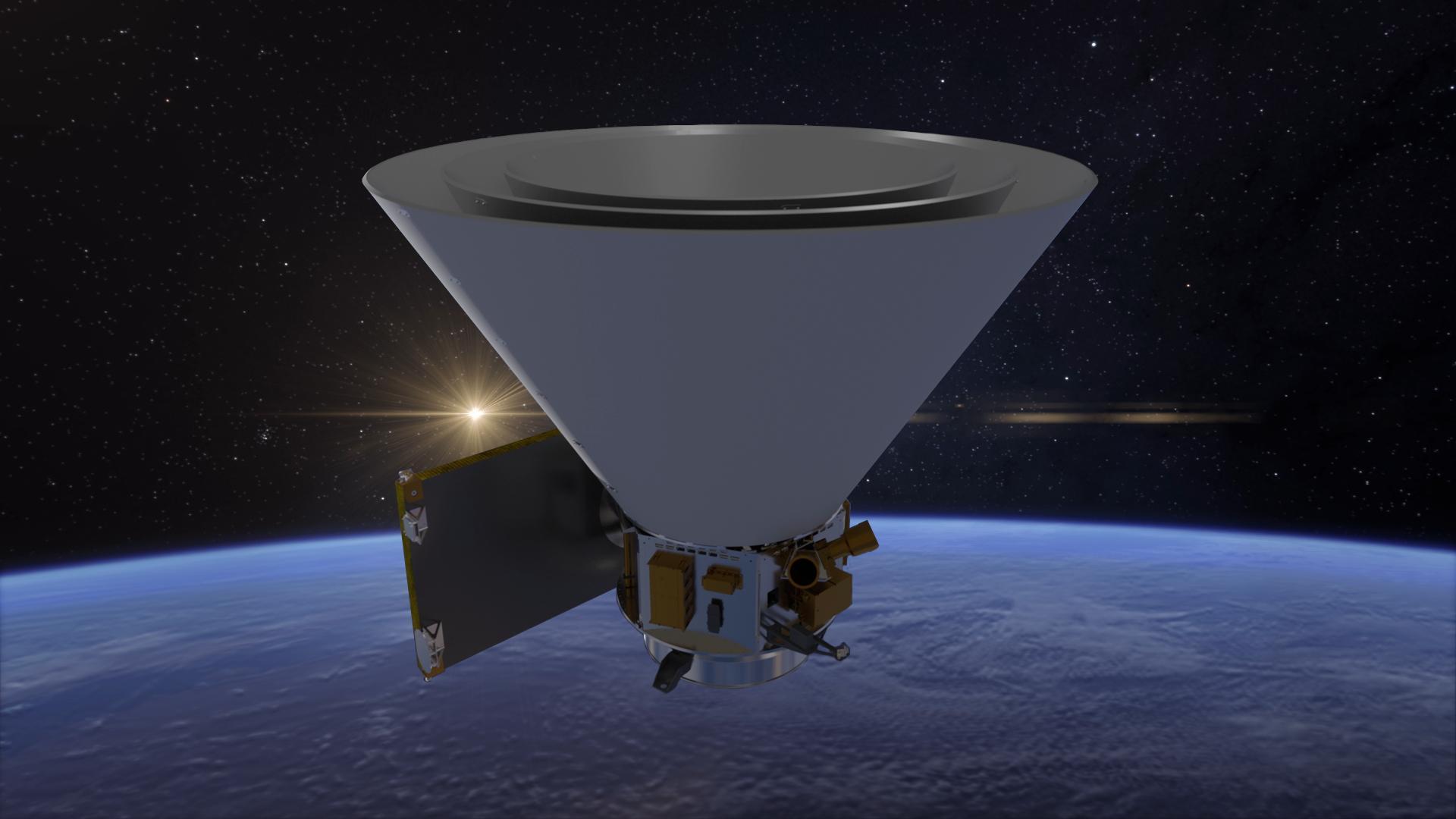
SPHEREx Points Its All-Sky Eye at 37 Brown Dwarfs, and the Atmosphere Models Come Up Short
NASA's SPHEREx measured 37 nearby brown dwarfs in 102 colors, finding water, CO2, CO and methane, and showing that leading atmosphere models still miss key features. Thousands more objects are already in the queue.
-
Astronomy
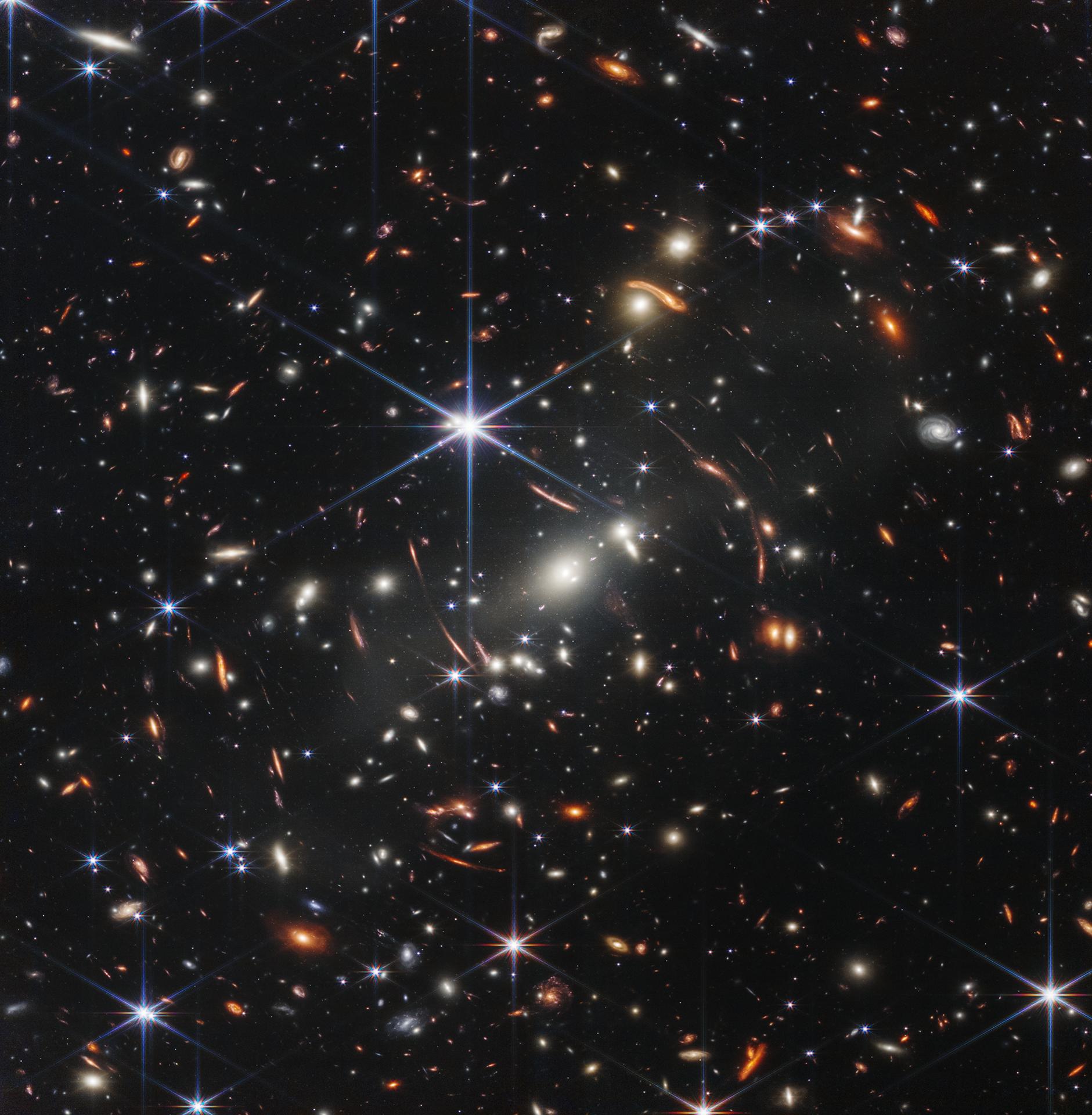
Webb Finds the Host of the Most Distant Fast Radio Burst Ever Seen
Webb traced FRB 20240304B to a small, star-forming dwarf galaxy at redshift 2.148, about 3 billion years after the Big Bang. The galaxy is far too young for a neutron-star merger, which points to a young magnetar as the source.
-
Military Space
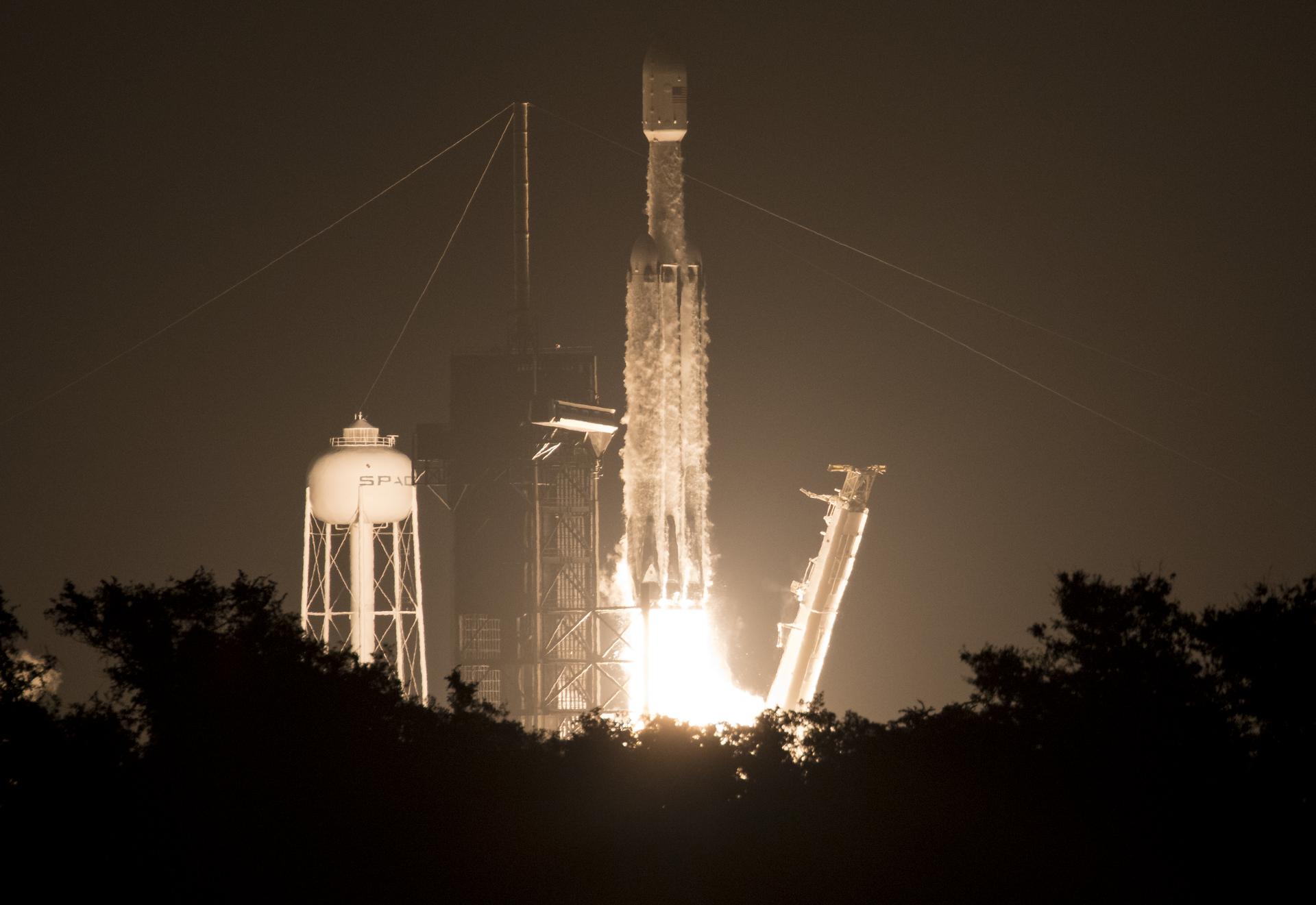
Falcon Heavy Flies Its First NRO Mission, Reusing Roman's Side Boosters a Month Later
The NRO's first Falcon Heavy launch, NROL-97, lifted off Oct. 1 on side boosters that had flown NASA's Roman telescope a month earlier and a fairing from NROL-95, and it closed out SpaceX's first day with four booster landings.
-
NASA & Agencies
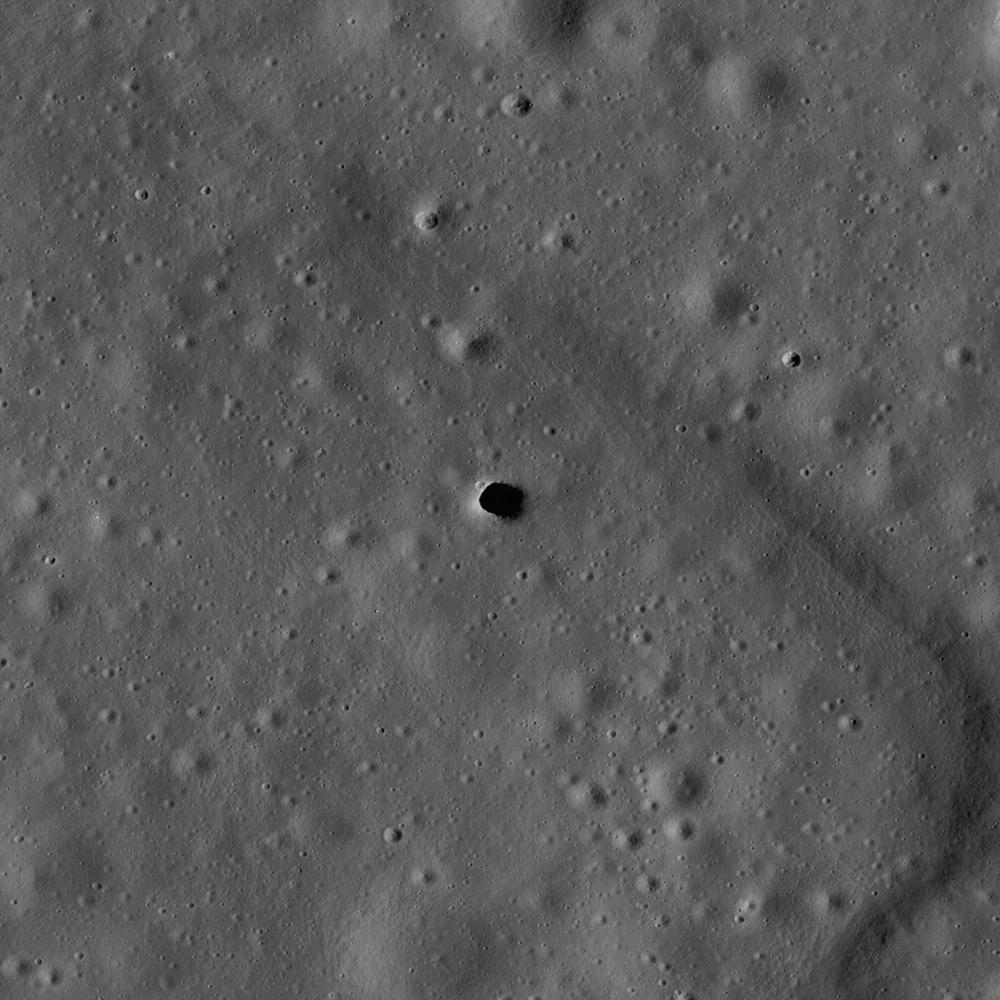
NASA Picks GIMLI to Probe the Marius Hills Pit for a Moon Base Lava Tube
NASA's new GIMLI payload will carry radar, seismometers, a gravimeter and cameras to the Marius Hills Pit to find out whether the hole opens into a lava tube big enough to shelter future Moon Base crews.
-
Missions
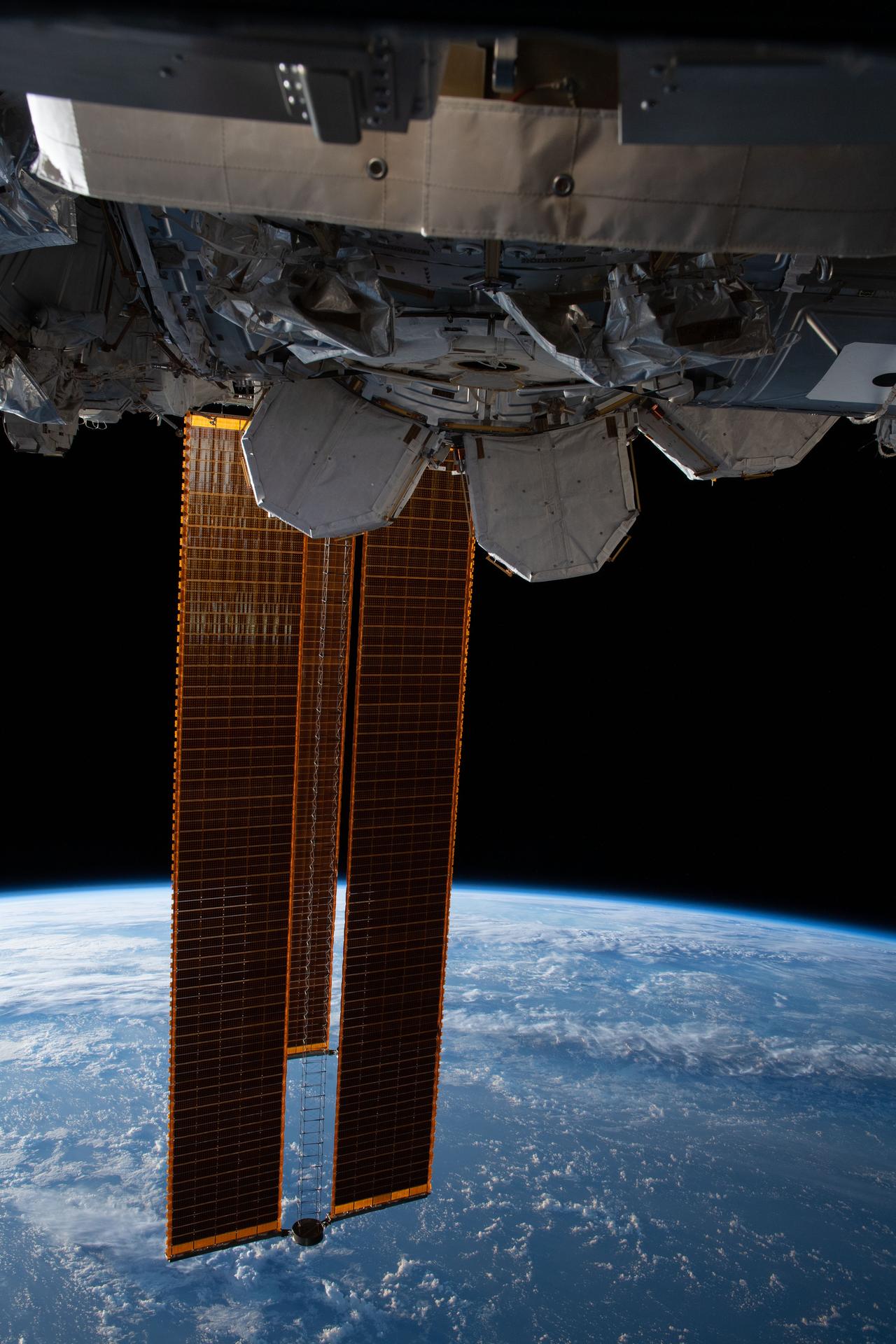
Dragon's 35th Cargo Run Brings the Last ISS Roll-Out Solar Arrays, Targeting an Oct. 13 Launch
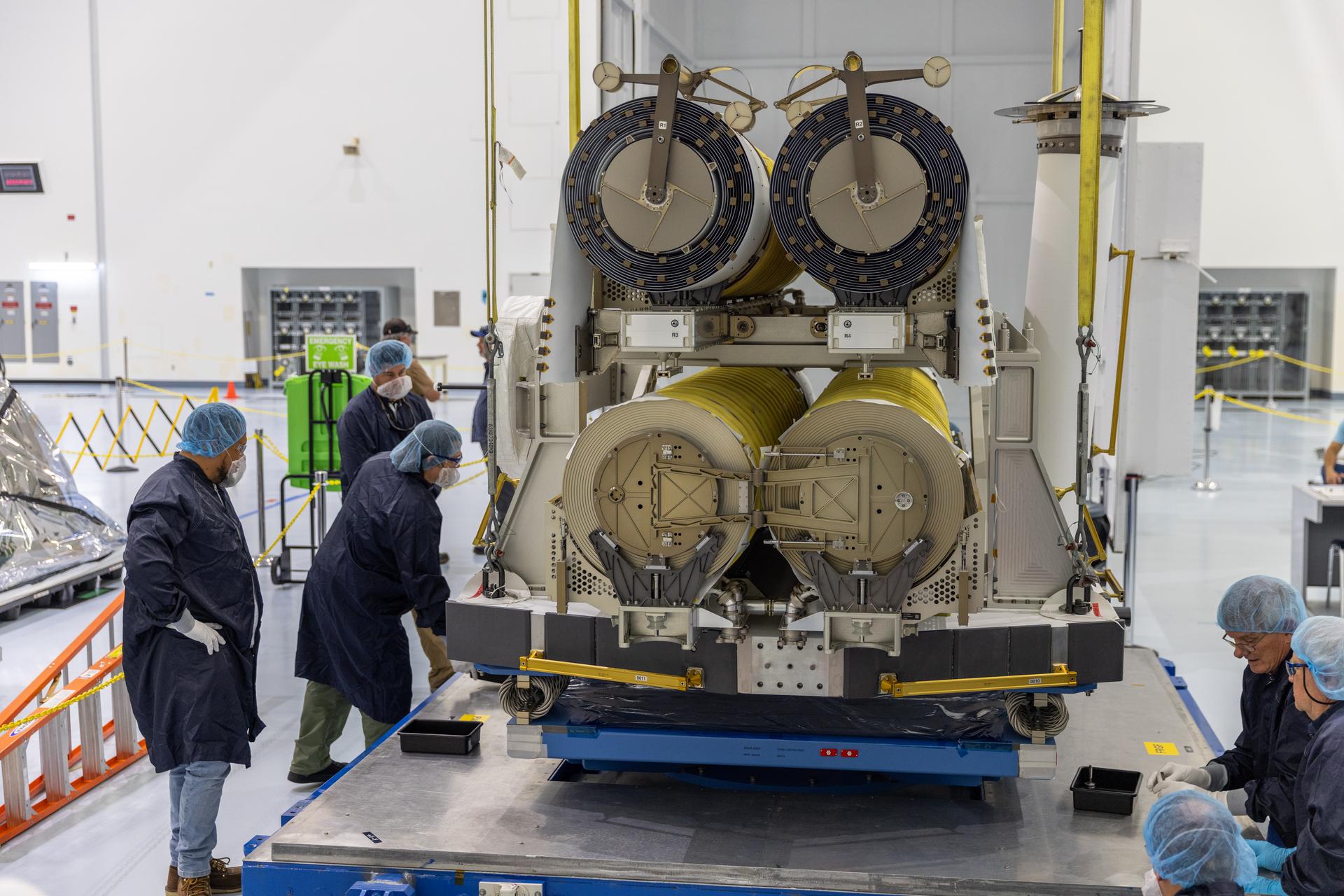
NASA and SpaceX are targeting 6:33 a.m. EDT Oct. 13 for CRS-35, a Cargo Dragon carrying more than 6,300 pounds to the ISS, including the last pair of roll-out solar arrays meant to keep the station powered through its controlled deorbit.
-
Commercial
NASA Hands Modulate Space $38 Million to Build 5G for the Moon
NASA has given Modulate Space a roughly $38 million fixed-price contract to build a 5G network with Wi-Fi 6, first as a lab "Network-in-a-Box" and then as a flight demonstration on the lunar surface in late 2028.
-
Astronomy
Webb Peers Into NGC 7129, a Dusty Stellar Nursery Full of Jets and Hidden Protostars
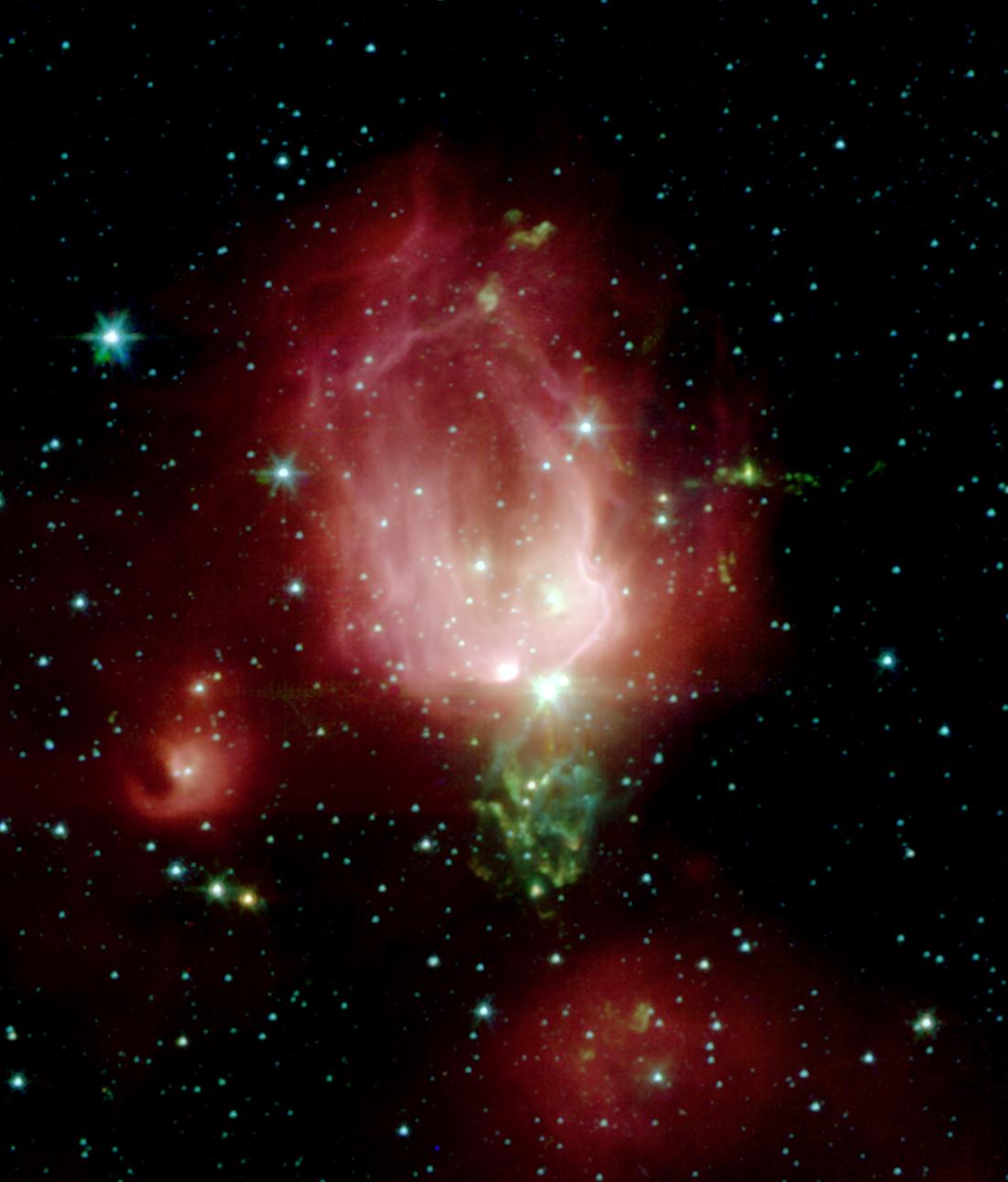
A new Webb image of NGC 7129, about 3,300 light-years away, cuts through the dust to show protostars, shocked gas, bow shocks and a 3.5-light-year cavity carved by the young 5-8 solar-mass star LkH-alpha 234.