NASA
Every Cosmic Herald story on NASA — missions, launches, discoveries, and the business of space, newest first.
-
Missions
Three Months After Circling the Moon, the Artemis II Crew Comes Home to Kennedy
Reid Wiseman, Victor Glover, Christina Koch, and Jeremy Hansen returned to Kennedy Space Center on July 8 for the first time since their record-breaking lunar flyby, and used the visit to start handing off lessons to the Artemis III crew.
-
Science & Discovery
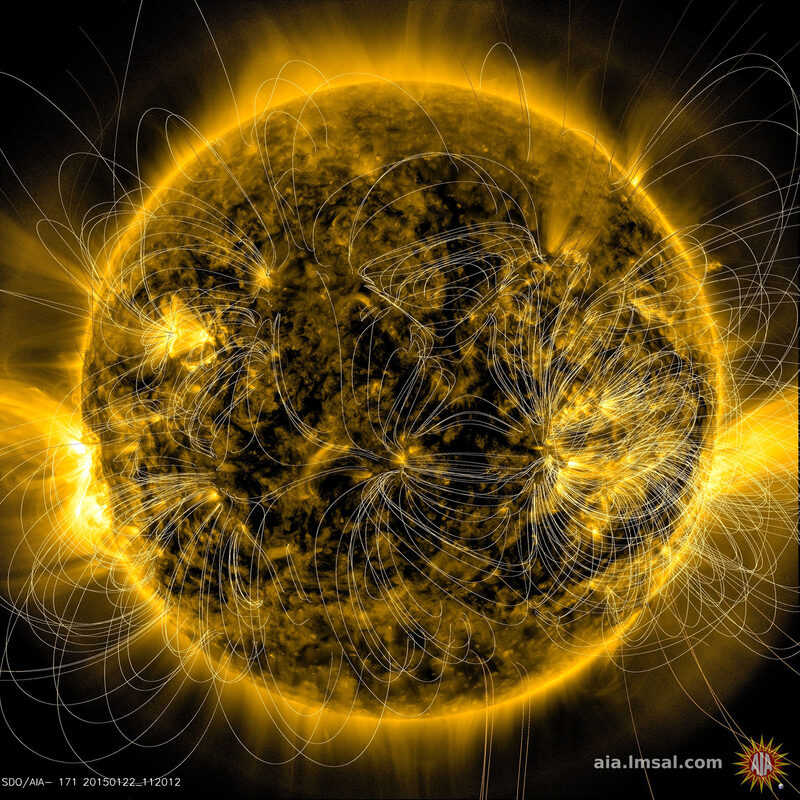
Inside the Sun's 'Impossible' Thin Layer: NASA's COFFIES Center Cracks the Tachocline Mystery
A NASA-funded supercomputer study finds the Sun's razor-thin tachocline stays thin because it and the solar magnetic field are locked in a mutual feedback loop, resolving a decades-old puzzle tied to space weather forecasting.
-
Astronomy
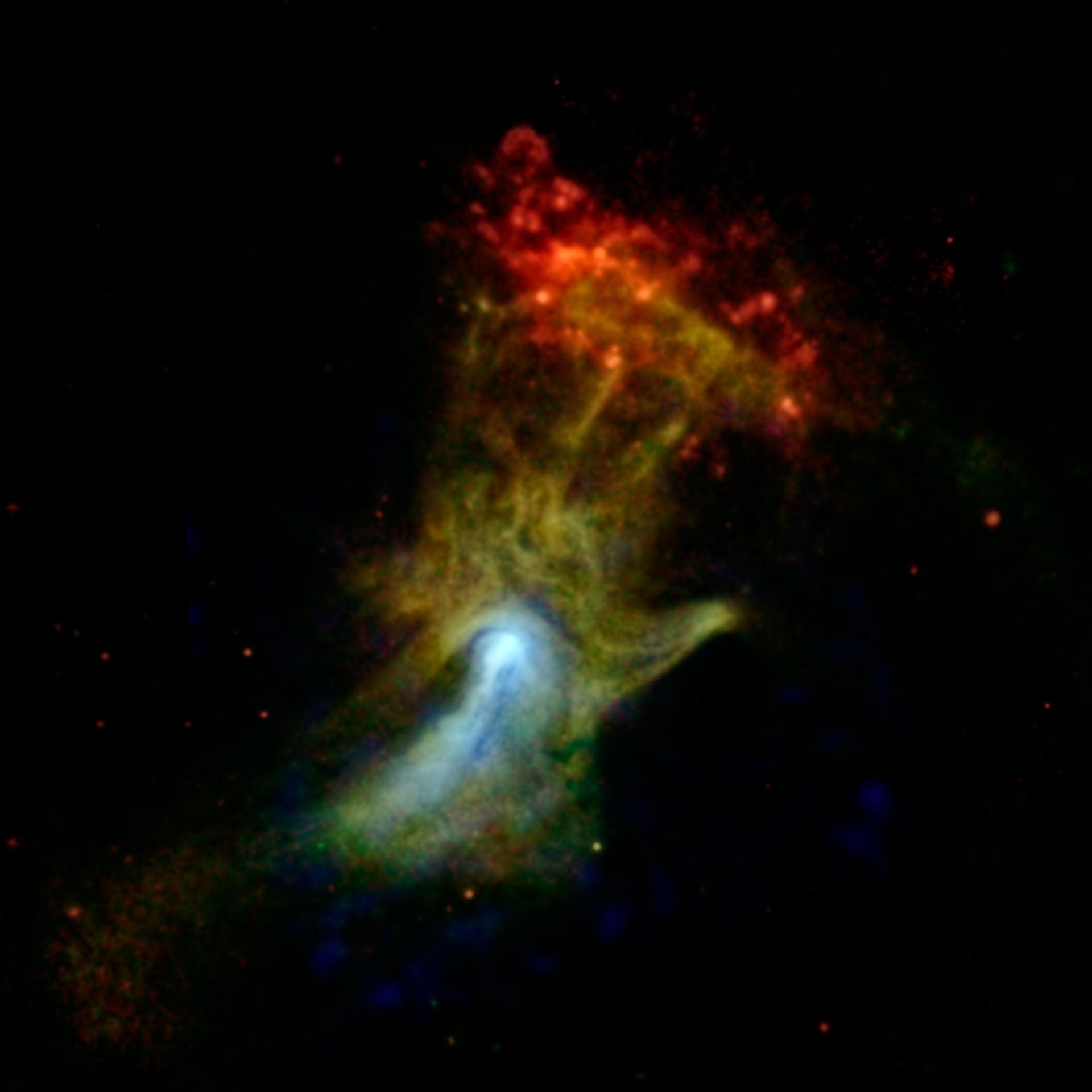
A Whisper of Radio Waves Pins Down the Distance to a Mysterious Gamma-Ray Halo
China's FAST telescope caught a microjansky-faint radio pulse from a gamma-ray pulsar, finally giving astronomers a distance estimate that helps explain the puzzling TeV source it may be powering.
-
Commercial
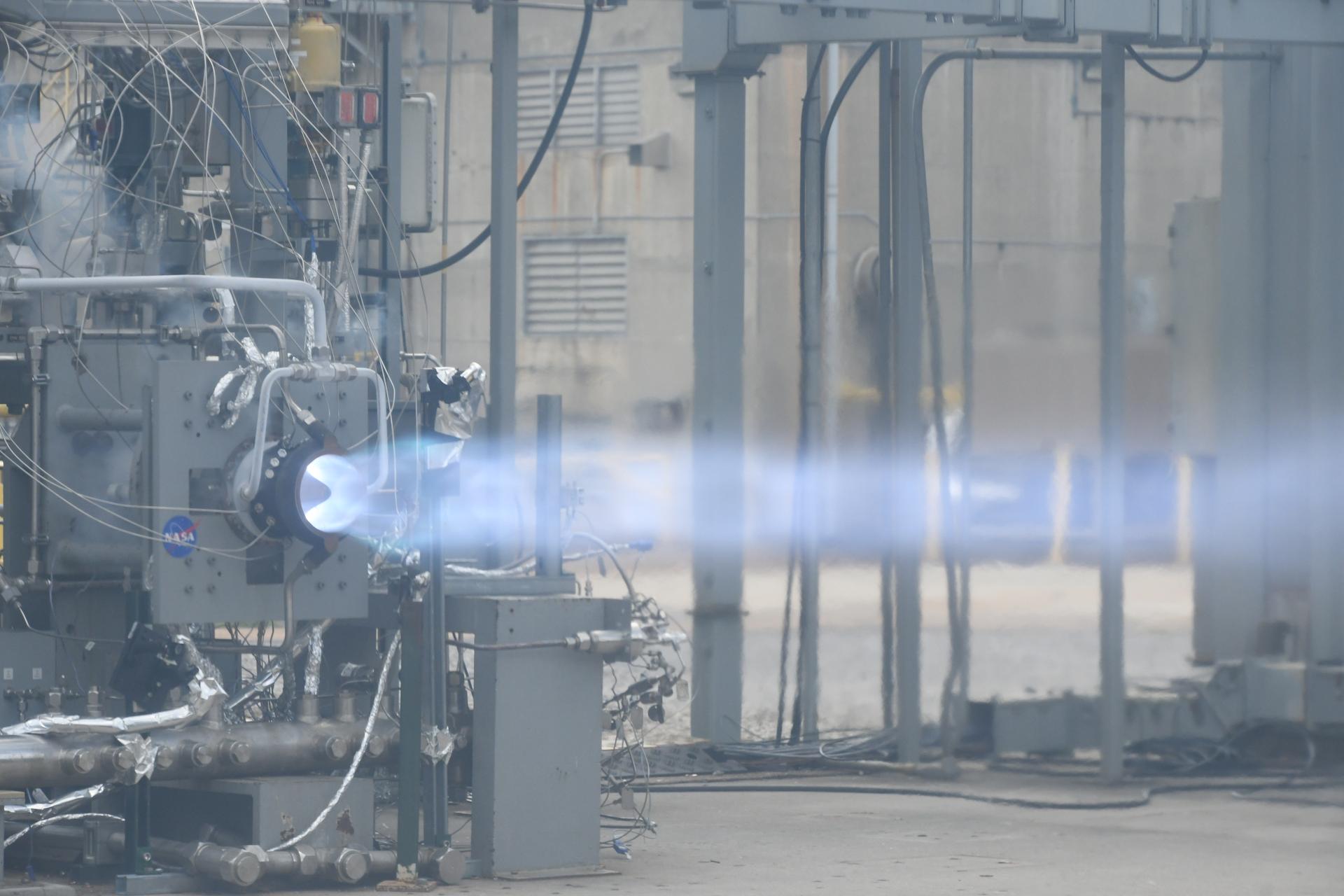
A Rocket Engine With No Moving Turbopumps Just Landed $91 Million
Houston's Venus Aerospace raised a $91 million Series B on July 8, 2026, to scale its rotating detonation rocket engine from prototype toward production, with NASA Marshall already testing the same architecture.
-
NASA & Agencies
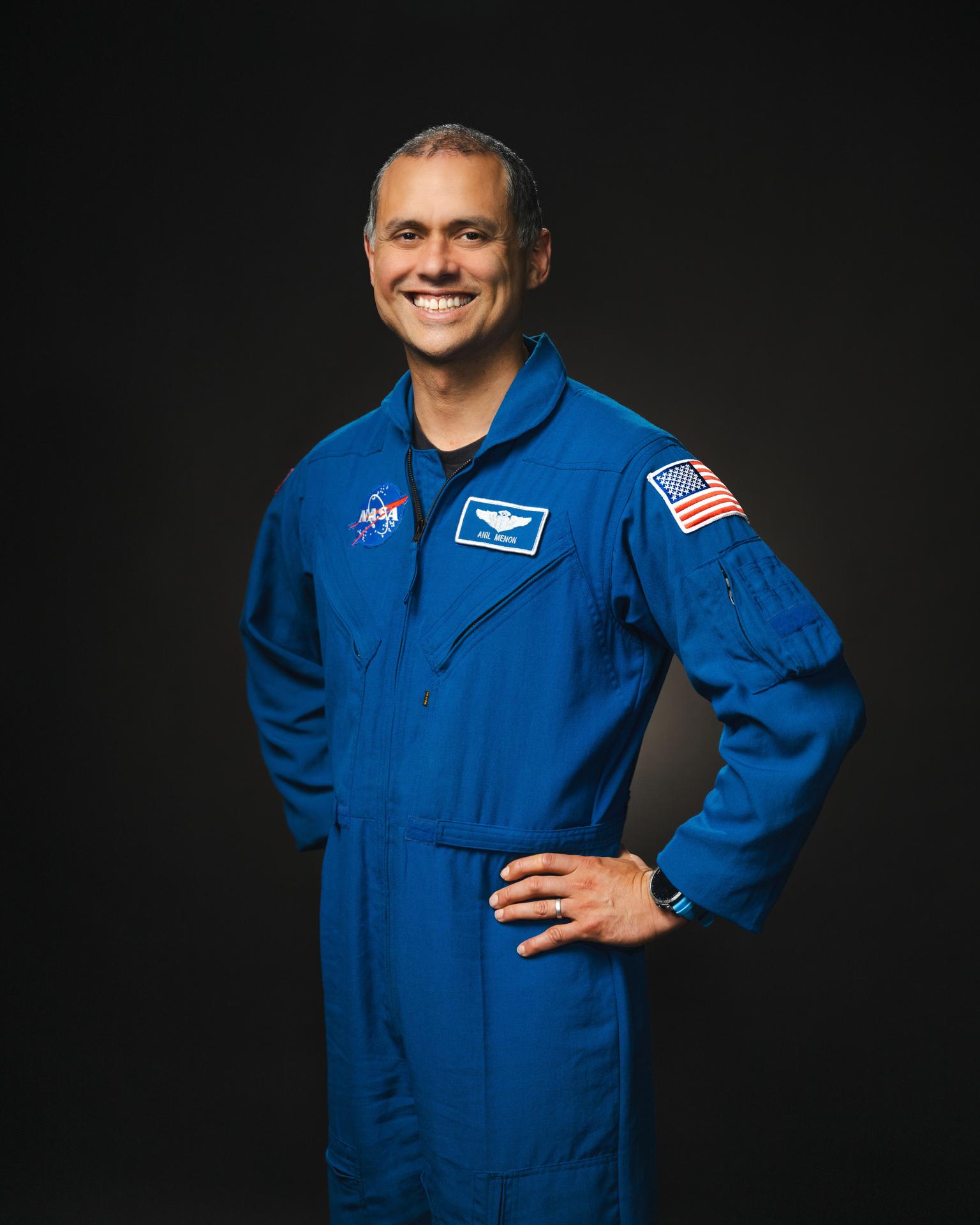
Former SpaceX Flight Surgeon Anil Menon Set for First Launch — on a Russian Soyuz
NASA confirms astronaut Anil Menon, a former SpaceX flight surgeon and Space Force colonel, will make his first spaceflight July 14 aboard Soyuz MS-29, pending a critical spacewalk to fix the ISS robotic arm.
-
Commercial
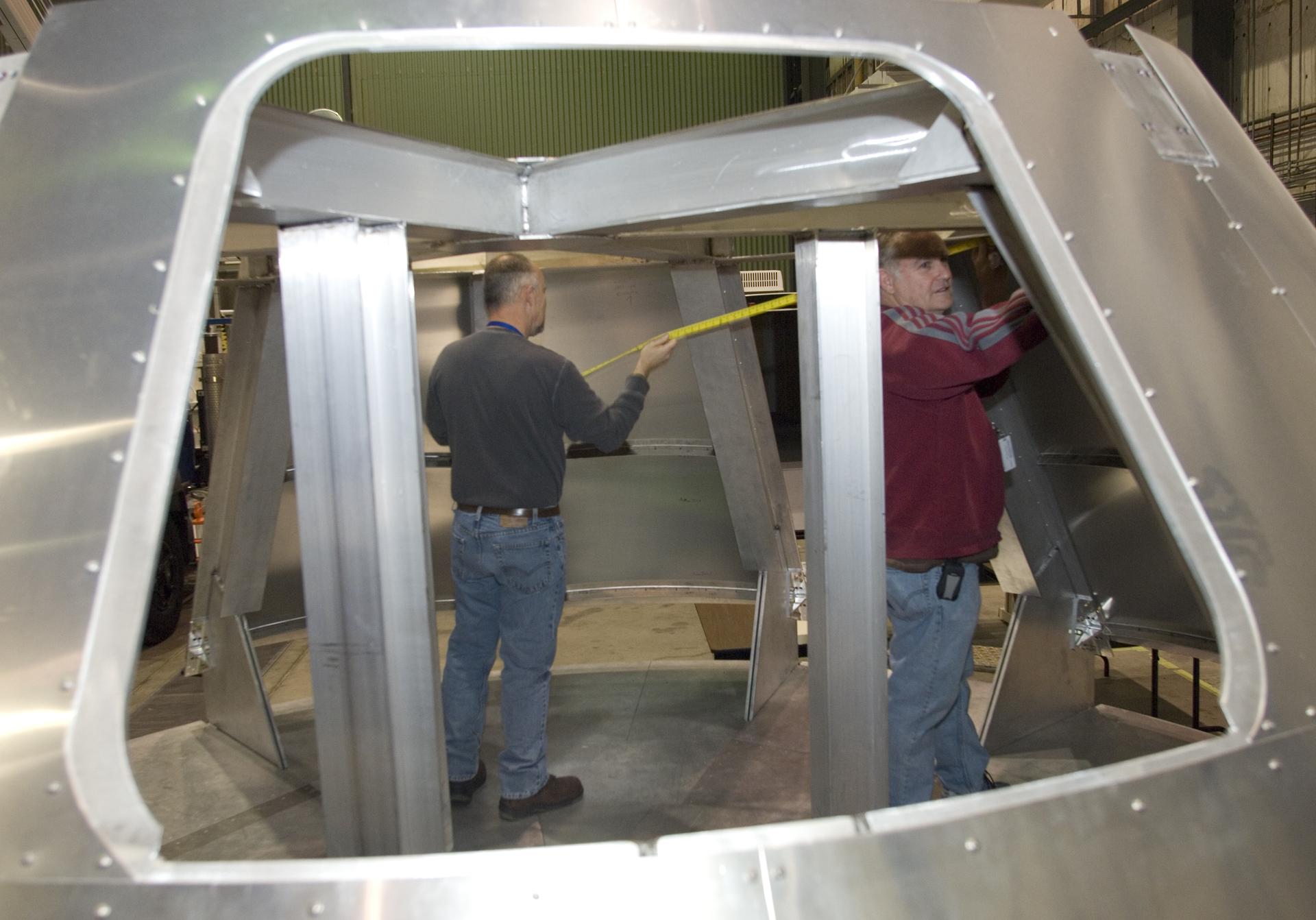
A German Space Capsule Startup Just Planted Its Flag Next to NASA Johnson — With a Full-Scale Nyx Crew Mockup
The Exploration Company opened a Houston lab with a full-scale Nyx Crew mockup and formed TEC Federal to chase U.S. government contracts, backed by ESA's LEO Cargo Return funding.
-
Missions
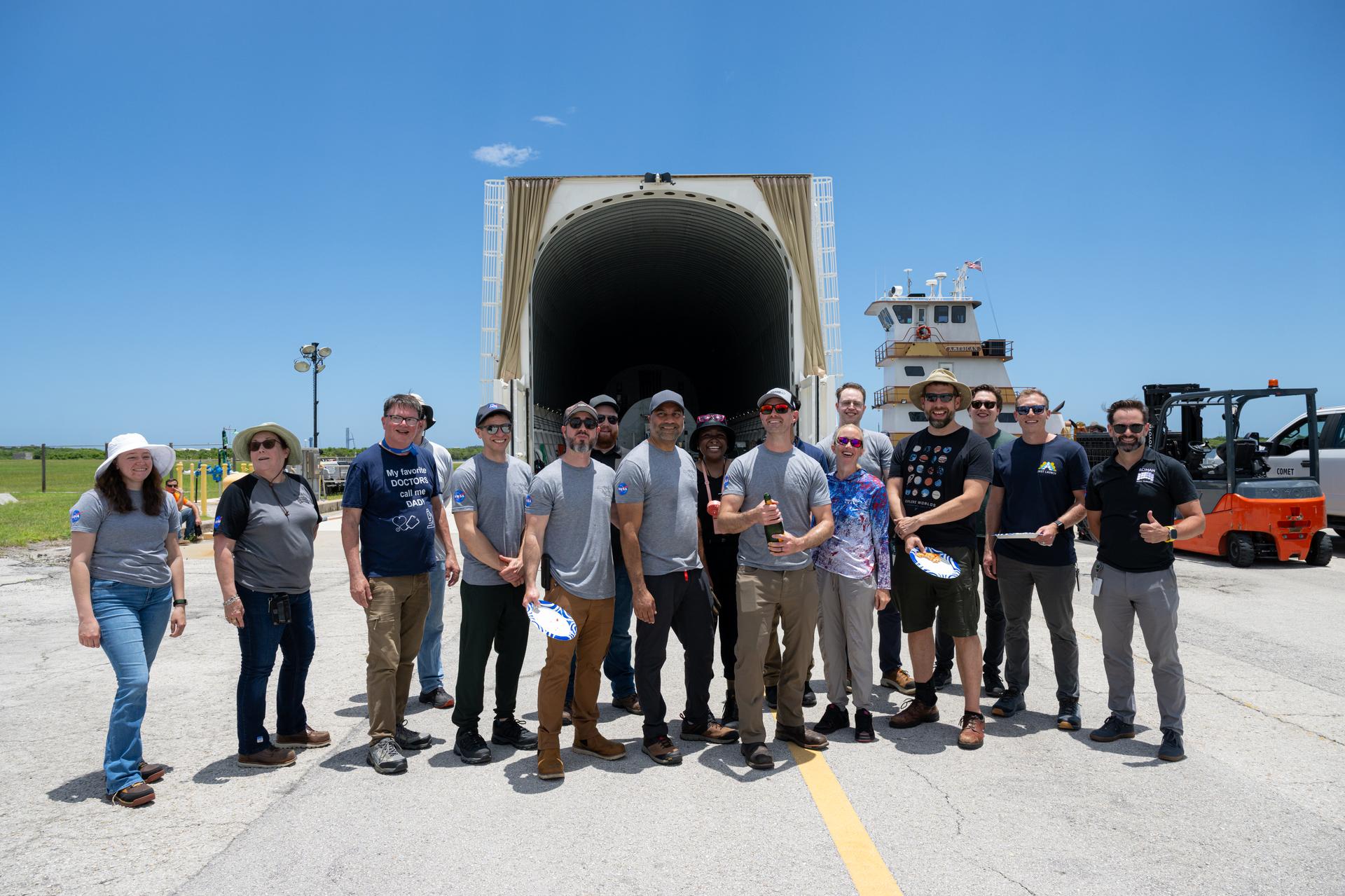
Roman Space Telescope Stands Up at Kennedy as August 30 Launch Nears
Technicians rotated the Nancy Grace Roman Space Telescope to vertical at Kennedy Space Center on June 25, clearing the way for final testing ahead of an August 30 Falcon Heavy launch nine months early.
-
Commercial
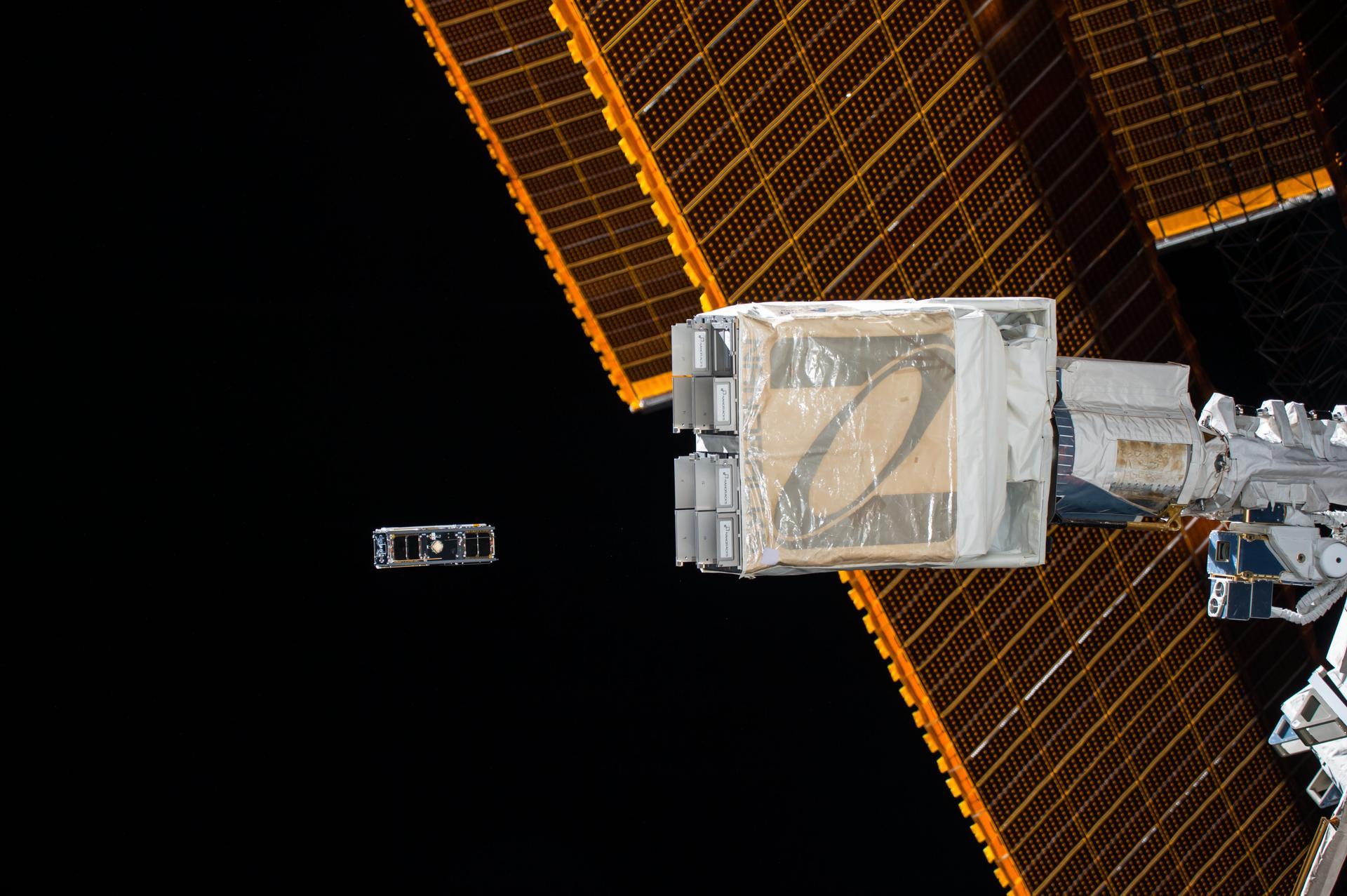
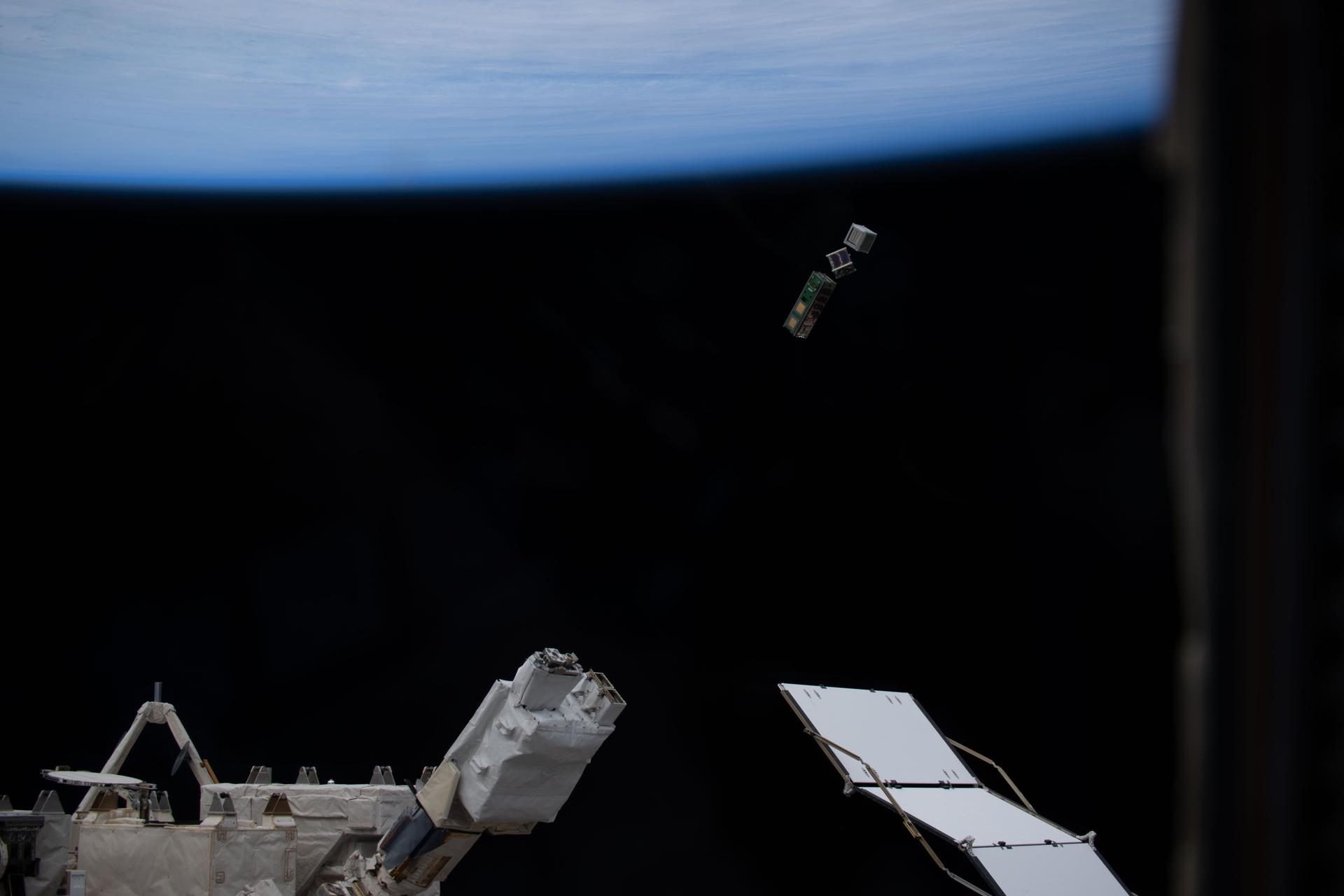
Transporter-17: How Two Student-Built CubeSats Hitched a Ride Among 81 Satellites
SpaceX's Transporter-17 rideshare launched 81 satellites from Vandenberg on July 7, including two NASA-linked CubeSats — GRITSS and MAVERIC — built to sharpen ground-station geodesy and test magnetic navigation.
-
Science & Discovery
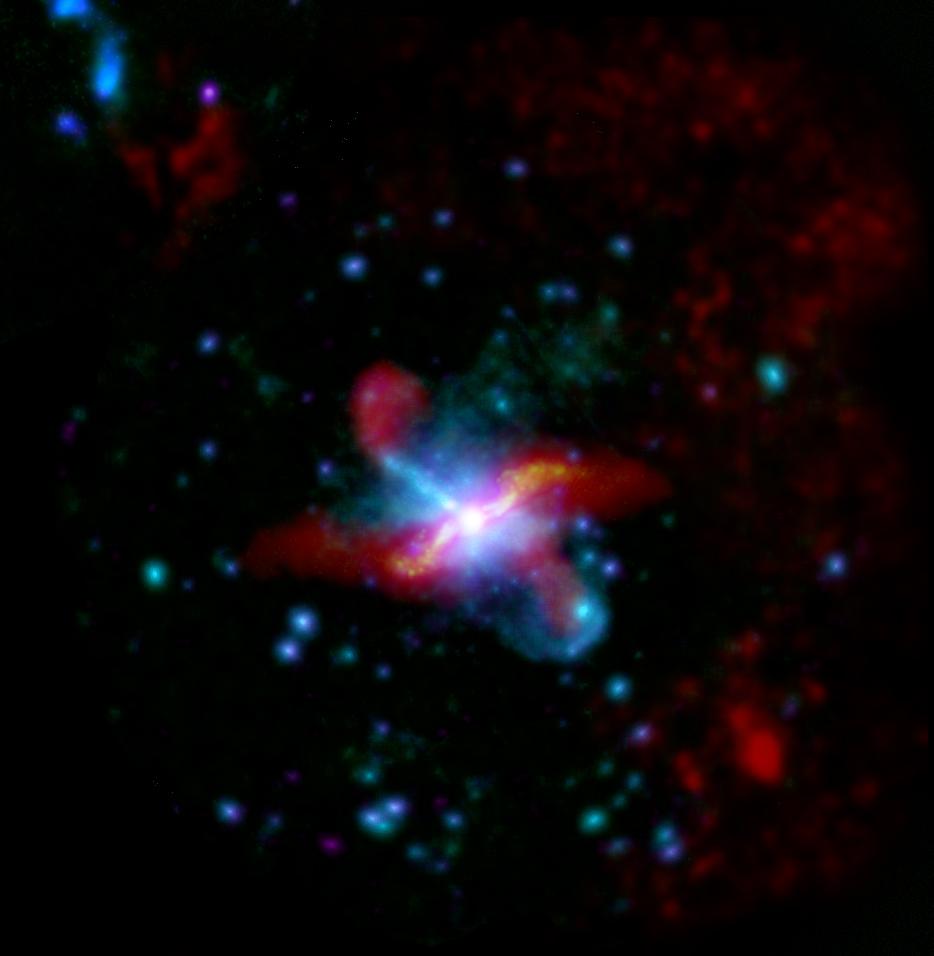
Webb Telescope Marks Fourth Anniversary by Revealing the Hidden Heart of Centaurus A
NASA's new Webb image of Centaurus A cuts through dust to resolve individual stars in a galaxy still reeling from a 2-billion-year-old collision, marking four years of the telescope's public images.
-
Commercial
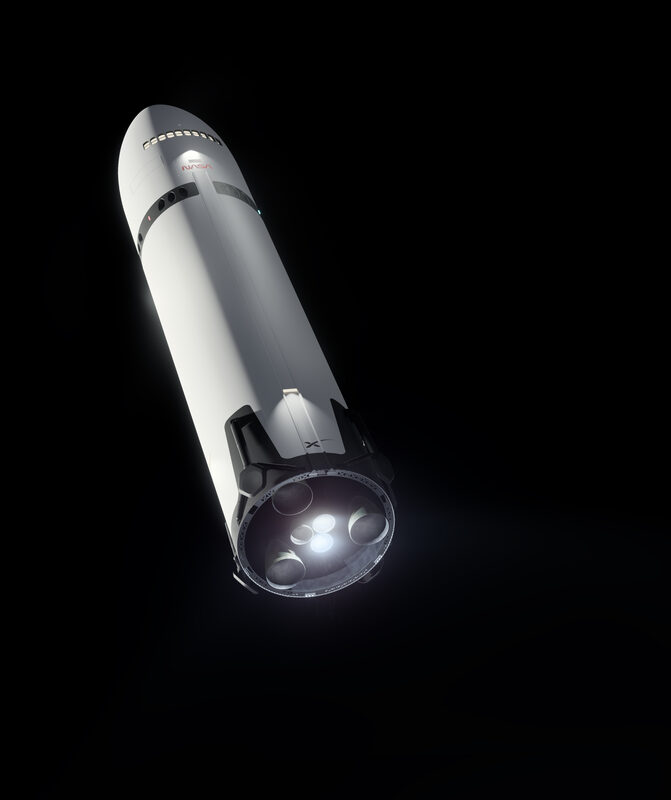
ispace Buys a Ride on Starship, Betting on SpaceX to Cut the Cost of Reaching the Moon
Japan's ispace has purchased 500 kg of Starship cargo capacity for $50 million, launching a new shared-ride lunar delivery service alongside its own Ultra lander program.
-
Commercial
The World's First Commercial Nuclear-Powered Satellite Just Reached Orbit
Miami-based City Labs flew its tritium-powered BOHR CubeSat on SpaceX's Transporter-17, becoming the first commercial mission to clear the FAA's NSPM-20 nuclear-launch pathway with Sandia's safety sign-off.
-
Missions
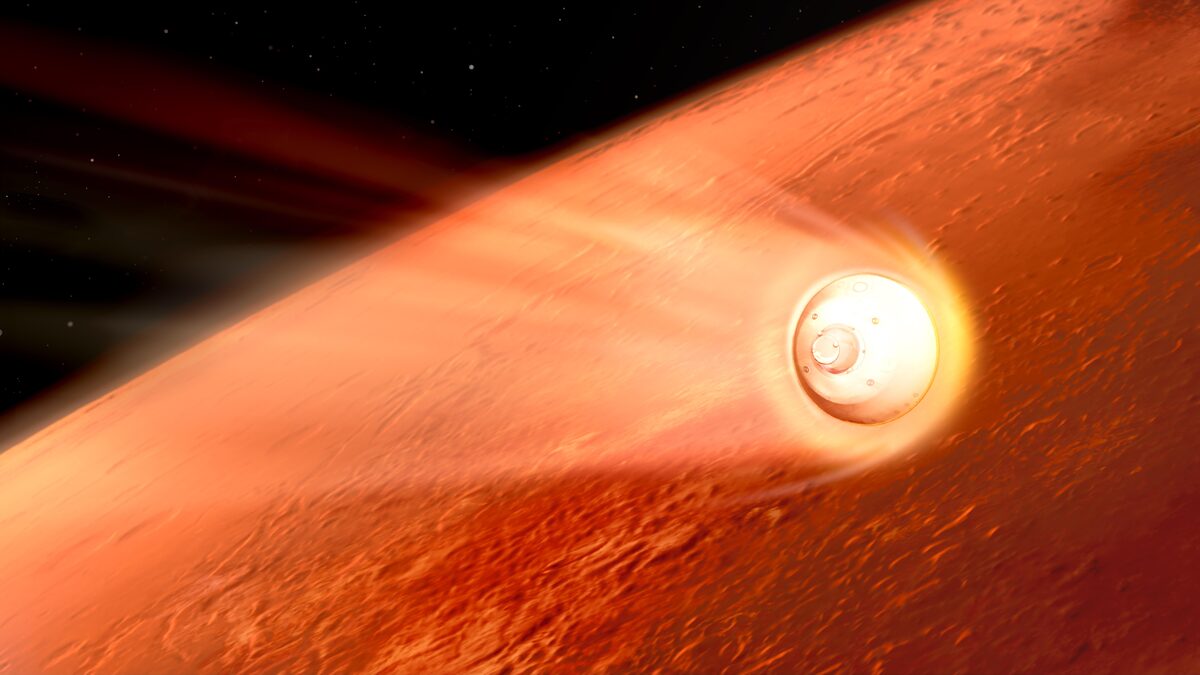
Firefly Wins $13 Million NASA Contract to Build the Heat Shield for a Helicopter Swarm Bound for Mars
Firefly Aerospace will build the aeroshell for NASA's SkyFall mission, which plans to release three Ingenuity-derived helicopters mid-air over Mars in 2028 without ever landing a platform.