NASA
Every Cosmic Herald story on NASA — missions, launches, discoveries, and the business of space, newest first.
-
Astronomy
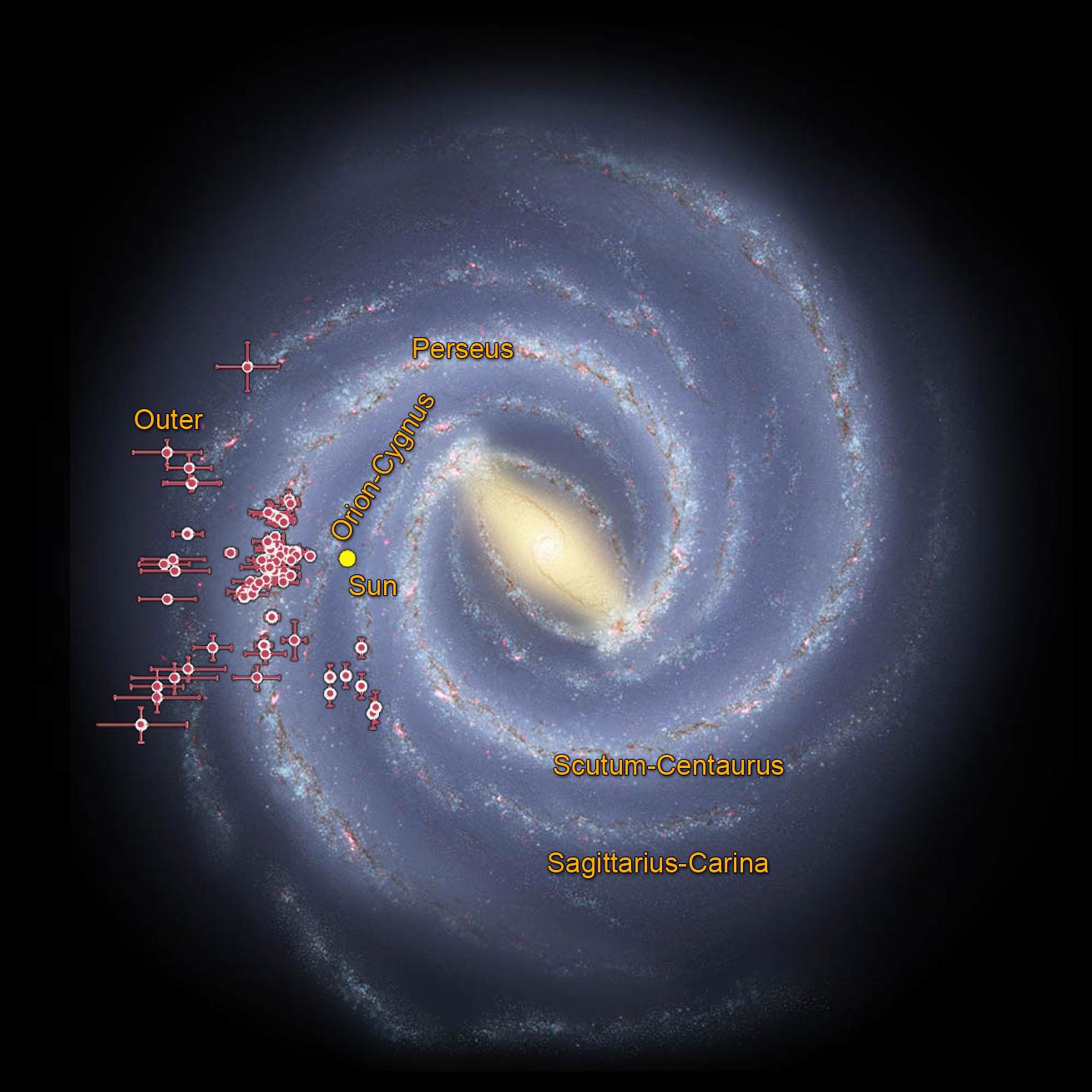
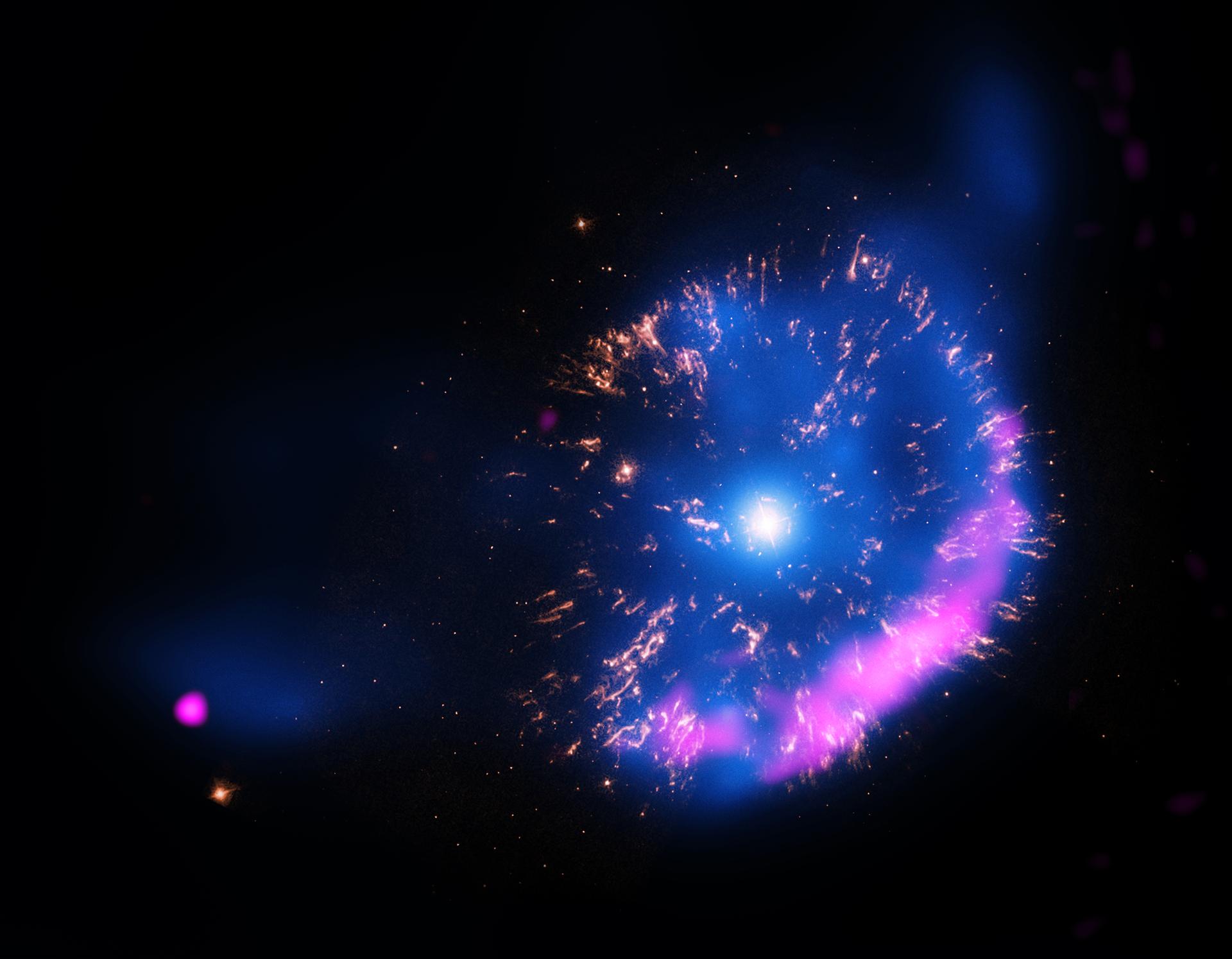
X-ray Echoes of Dead Stars Nudge the Milky Way's Outer Arms Farther Out
Using dust-scattered X-ray light echoes from three gamma-ray bursts, astronomers re-measured two of the Milky Way's outer spiral arms and found them up to 10% farther from the galactic center than assumed.
-
Commercial
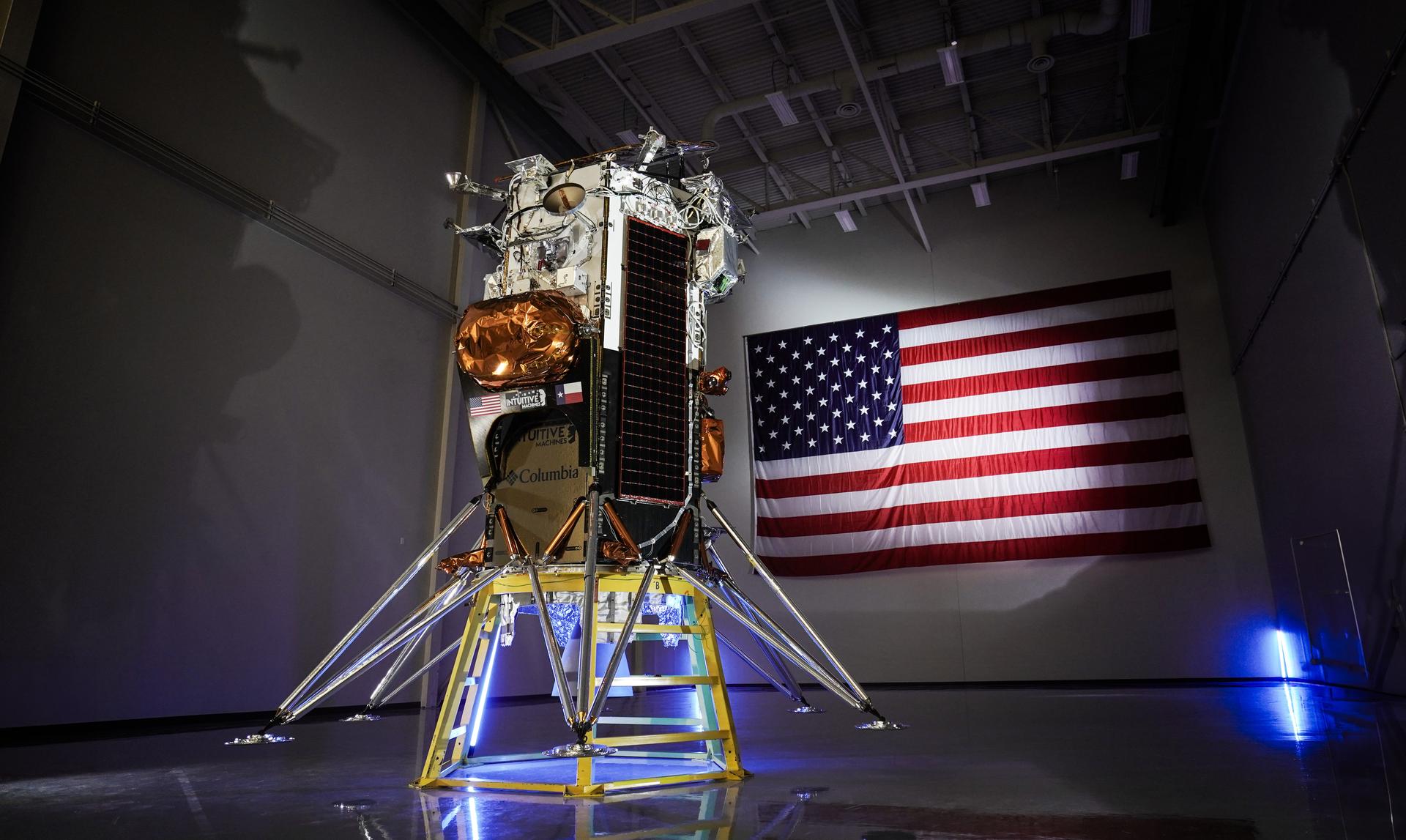
NASA Buys Four More Moon Landings: Astrobotic, Firefly and Intuitive Machines Split ~$590M in CLPS Orders
NASA awarded four CLPS task orders worth roughly $590M to Astrobotic, Firefly and Intuitive Machines to land four robotic missions on the Moon in late 2028, each carrying three payloads including the SCALPSS plume-imaging cameras.
-
Missions
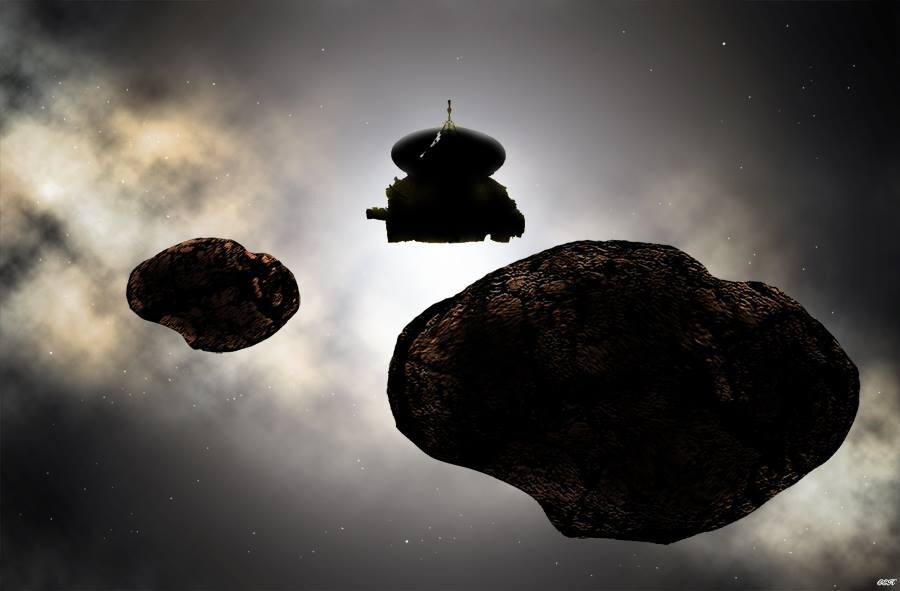
New Horizons Feels the Drag: Interstellar Atoms Are Braking the Solar Wind at 58 AU
SwRI's Heather Elliott and the New Horizons SWAP team report the solar wind at 58 AU is now 13-15% slower than at Earth, as interstellar atoms mass-load and brake it near the heliosphere's edge.
-
NASA & Agencies
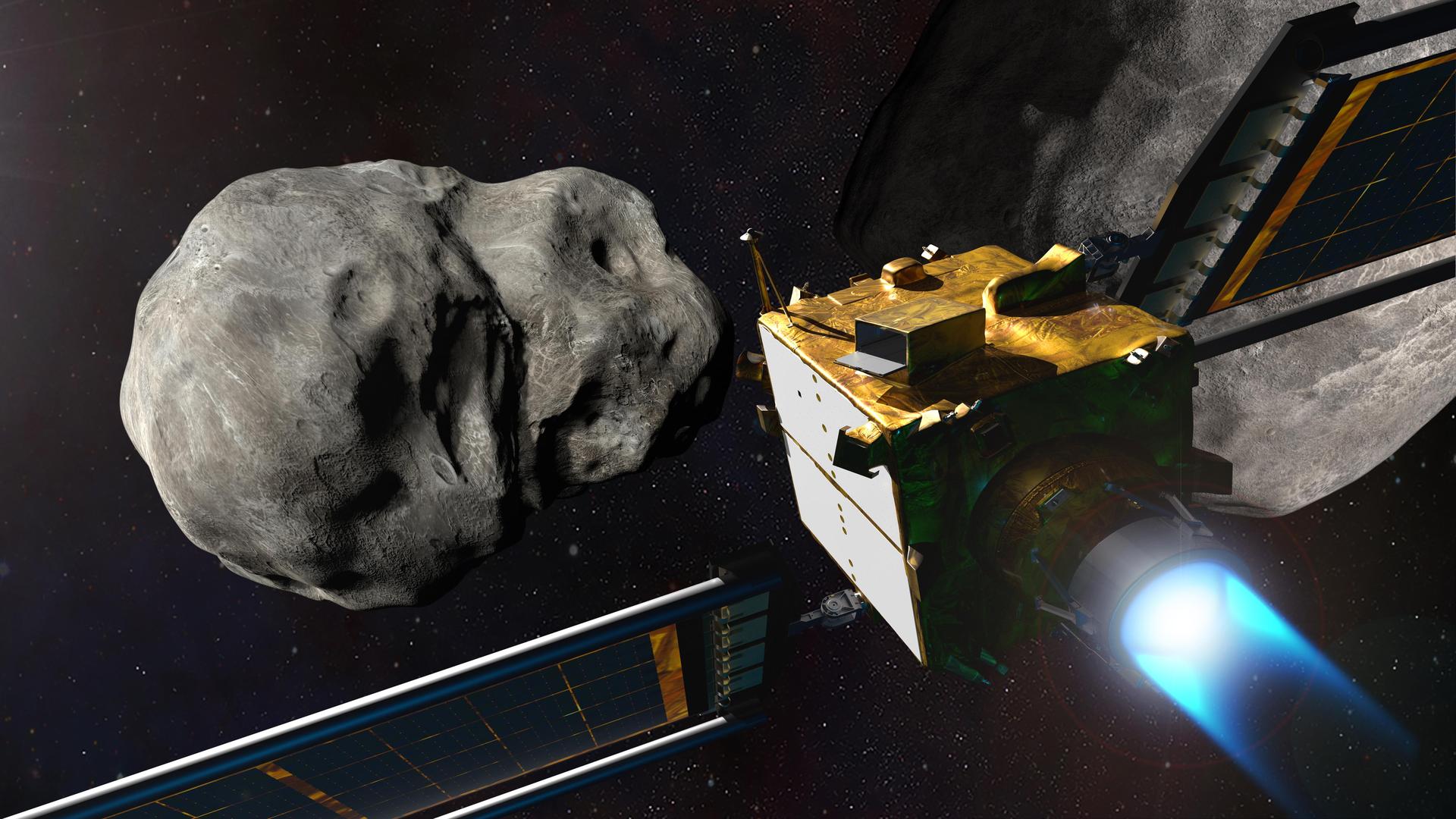
Asteroid Day 2026: As Hera Closes In on Dimorphos, Planetary Defense Gets Its Moment
On June 30, 2026, the UN-sanctioned Asteroid Day arrives at a hinge point: DART proved we can nudge an asteroid, and ESA's Hera spacecraft is due at Didymos-Dimorphos by year's end to inspect the wreckage.
-
Stargazing
The Blaze Star on the Brink: Why Sky-Watchers Are Still Waiting for T Coronae Borealis to Erupt
A recurrent nova 3,000 light-years away should brighten to naked-eye visibility any night now — but T Coronae Borealis blew past its statistically favored June 25 date and still sits at baseline. Here's why the watch continues.
-
Stargazing
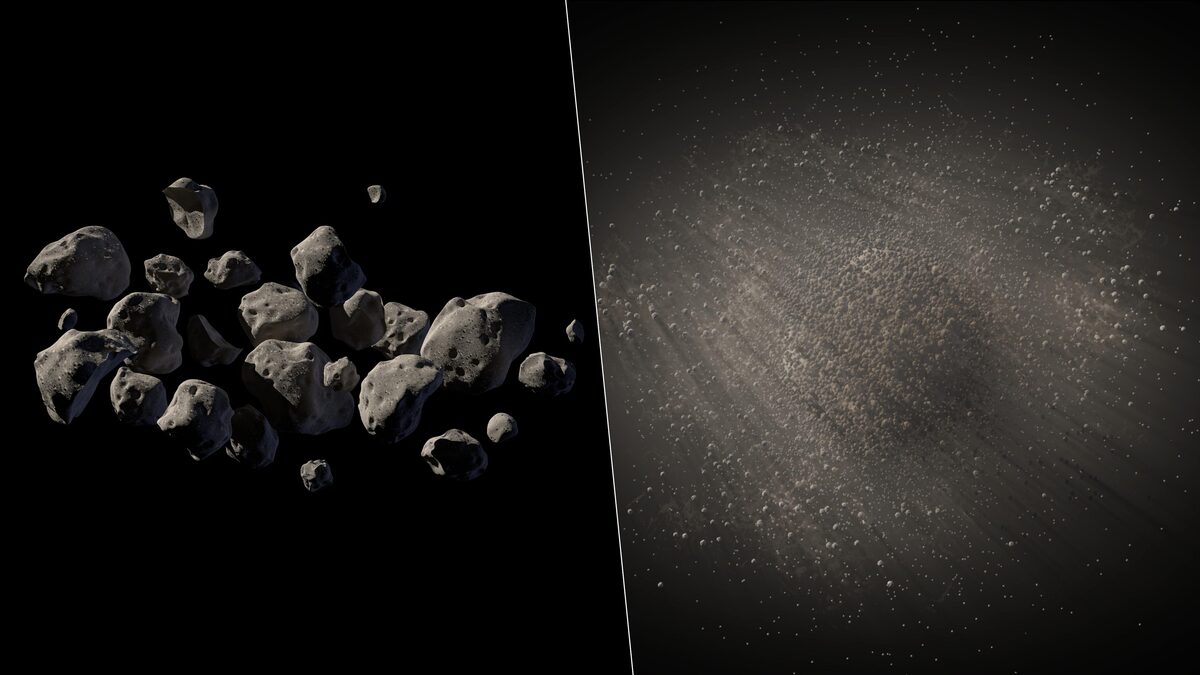
A Skyscraper-Sized 'Peanut' Buzzes Earth: Tracking Asteroid 1997 NC1's June 27 Flyby
Potentially hazardous asteroid (152637) 1997 NC1 — a slowly spinning, peanut-shaped ~1-km body — passed safely within 6.7 lunar distances on June 27, 2026, doubling as a backyard-telescope target and a planetary-defense radar opportunity.
-
Missions
NASA Just Tested a 'Gas-Pump Nozzle' for Orbit — and It Could Be the Key to Mars
NASA's Marshall Space Flight Center and L3Harris have operationally tested a developmental cryocoupler — a quick-disconnect nozzle for transferring ultra-cold propellant between spacecraft and future orbital depots, a capability never demonstrated in orbit.
-
Missions
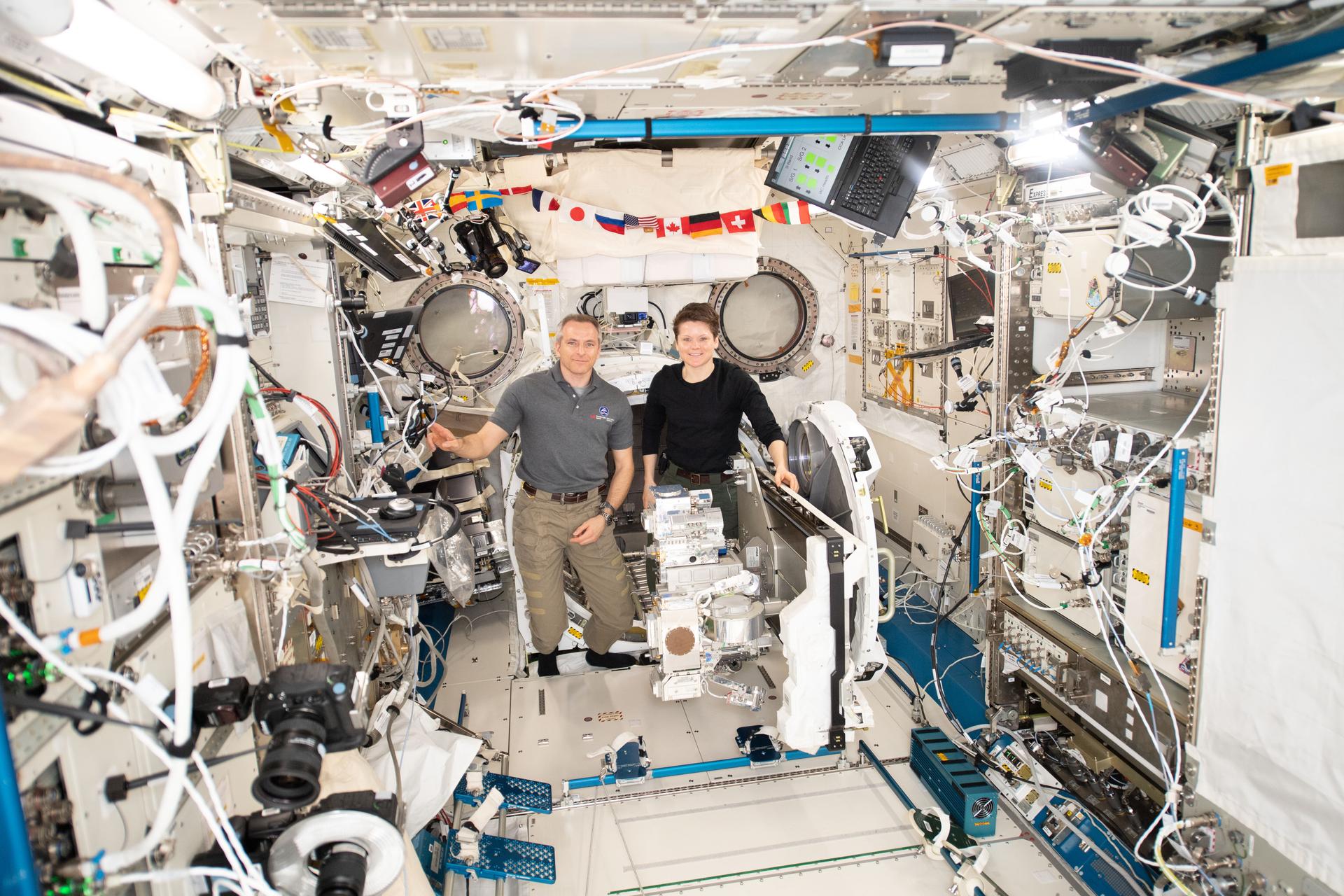
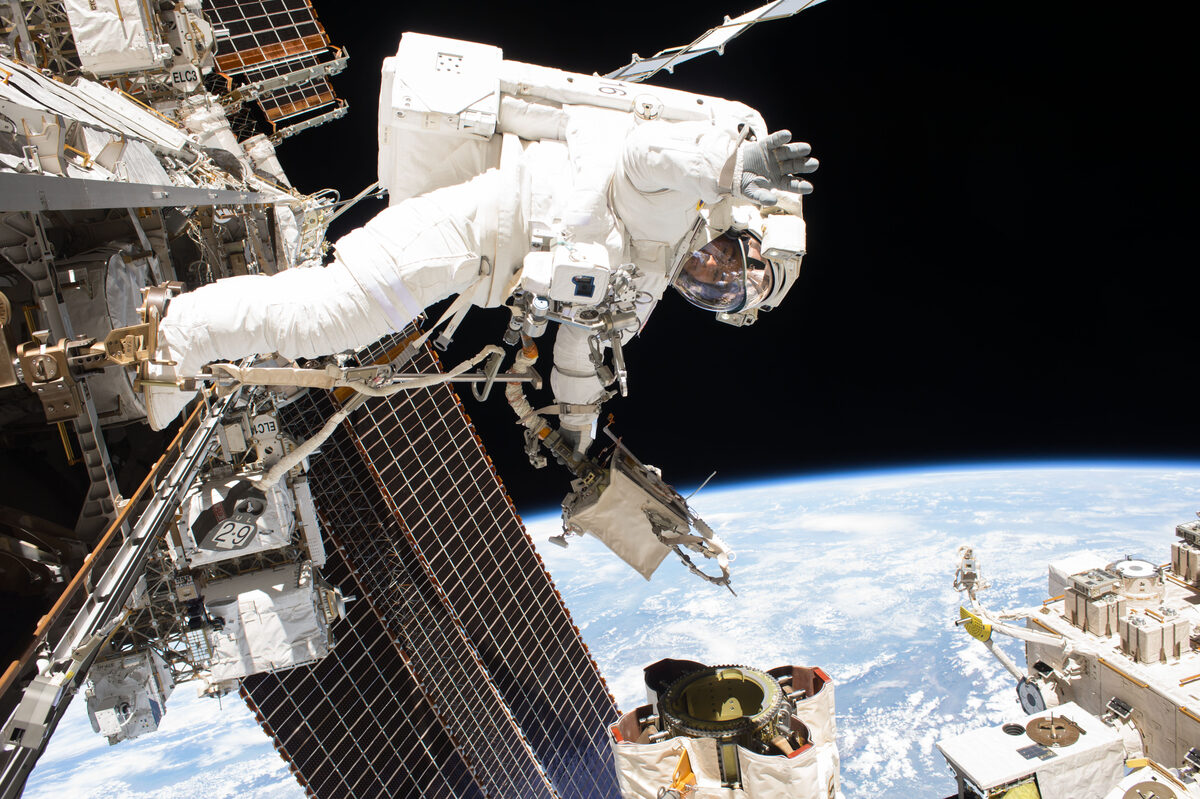
Two Astronauts, One Stubborn Wrist: NASA's June 30 Spacewalk to Fix Canadarm2
On June 30, NASA's Chris Williams and Jessica Meir will step outside the ISS to swap a failed 91-kilogram wrist joint on Canadarm2, the robotic arm that drew elevated motor current and stopped responding on May 27.
-
Astronomy
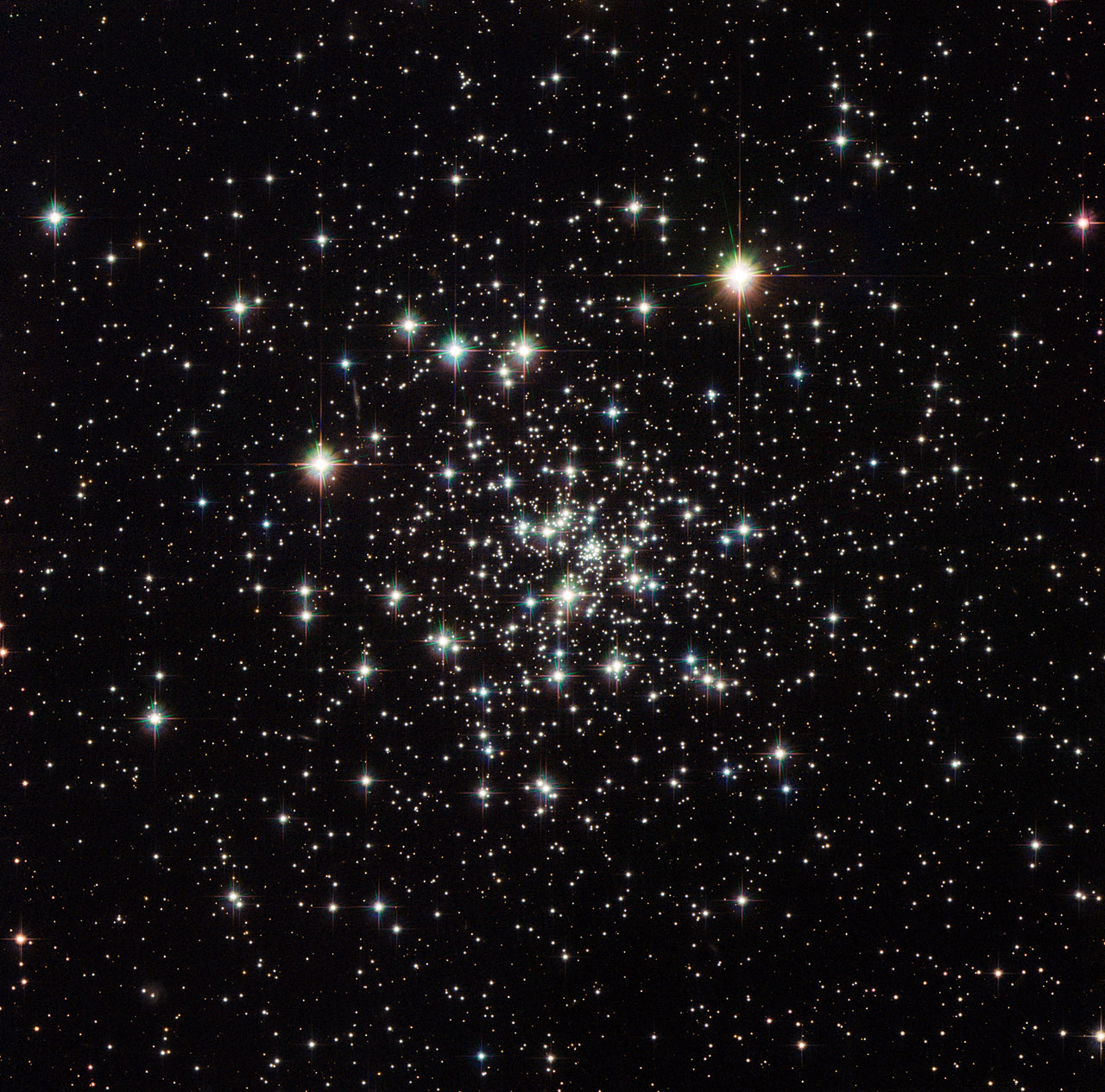
Hubble's 'Chandelier Cluster' Reveals Its Ancient Stars Formed in Two Separate Bursts
Hubble's June 2026 image of NGC 6723, the 'Chandelier Cluster,' shows its 10-billion-year-old stars formed in two closely spaced bursts — the second within 634 million years of the first — undercutting the old idea that globular clusters are single-age populations.
-
Science & Discovery
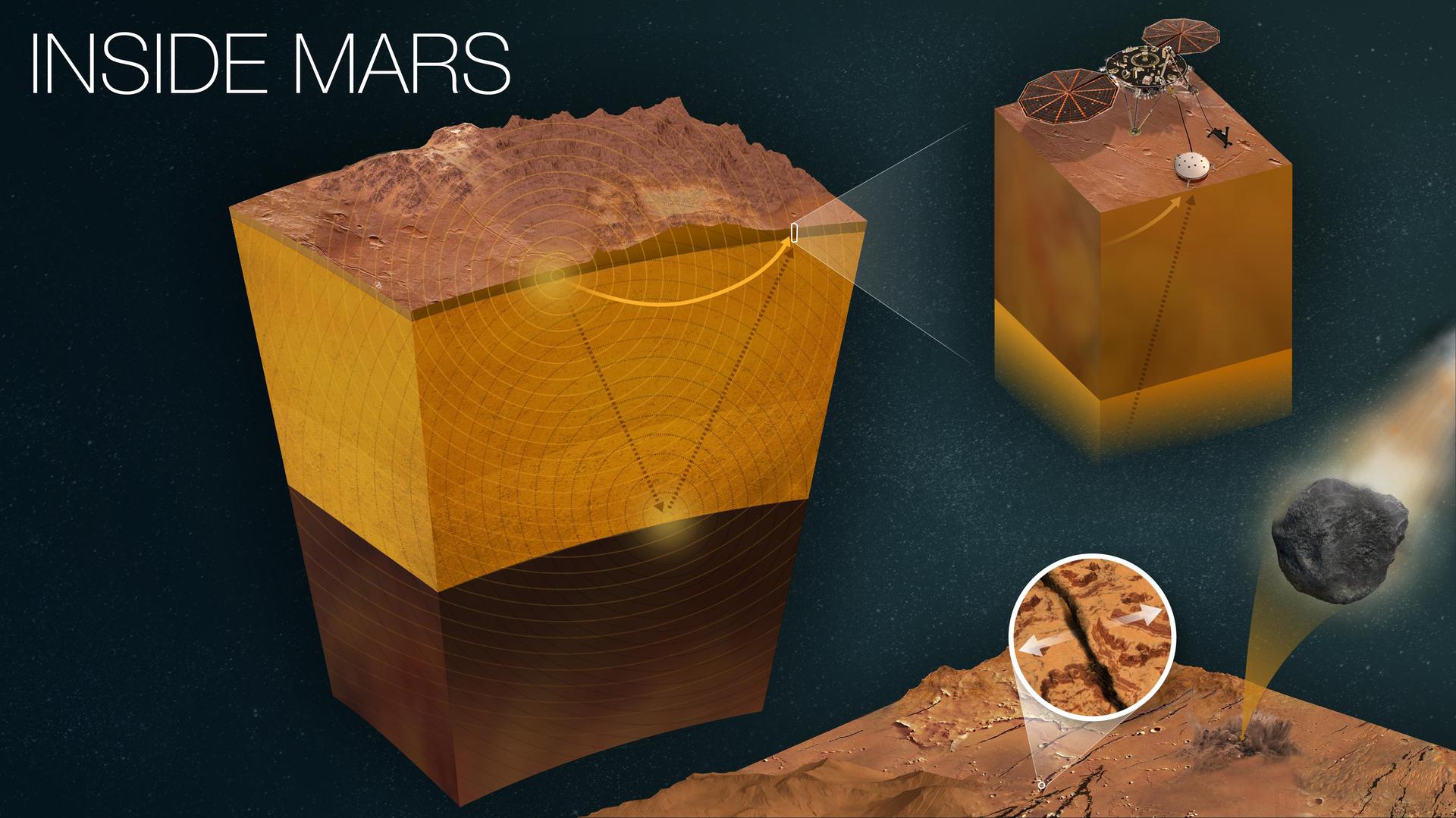
Marsquakes Reveal a Hidden Magma Engine Beneath the Red Planet's Crust
Seismic data from NASA's InSight lander points to vast, Earth-like magma systems deep inside Mars — built without plate tectonics, and possibly still fed by active mantle plumes.
-
NASA & Agencies
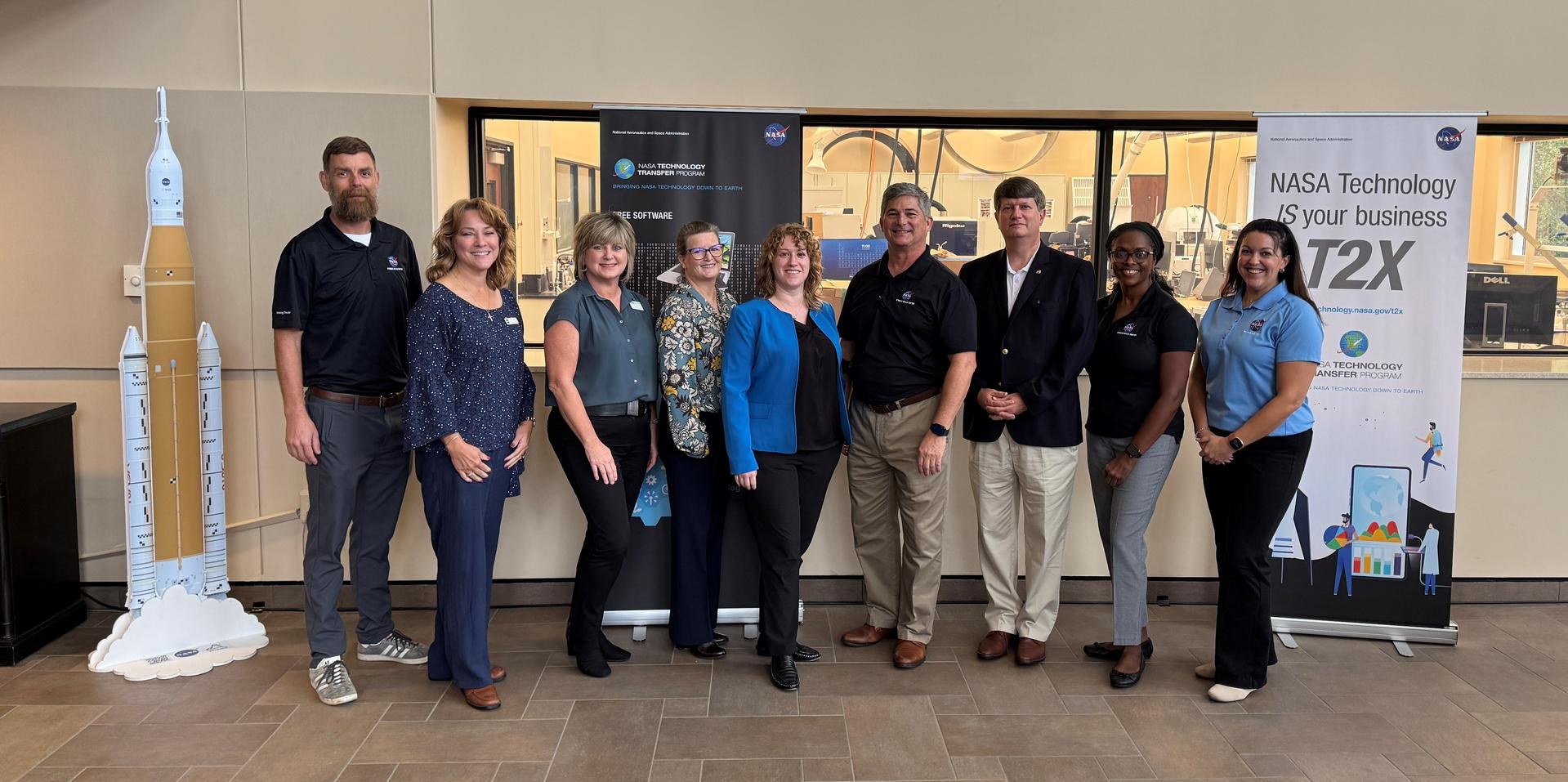
NASA and the SBA Sign a Deal to Funnel Small Businesses Into the Space Economy
NASA and the Small Business Administration signed a memorandum of agreement on June 29, 2026, launching an interagency initiative to grow the American space economy under President Trump's National Space Policy.
-
Stargazing
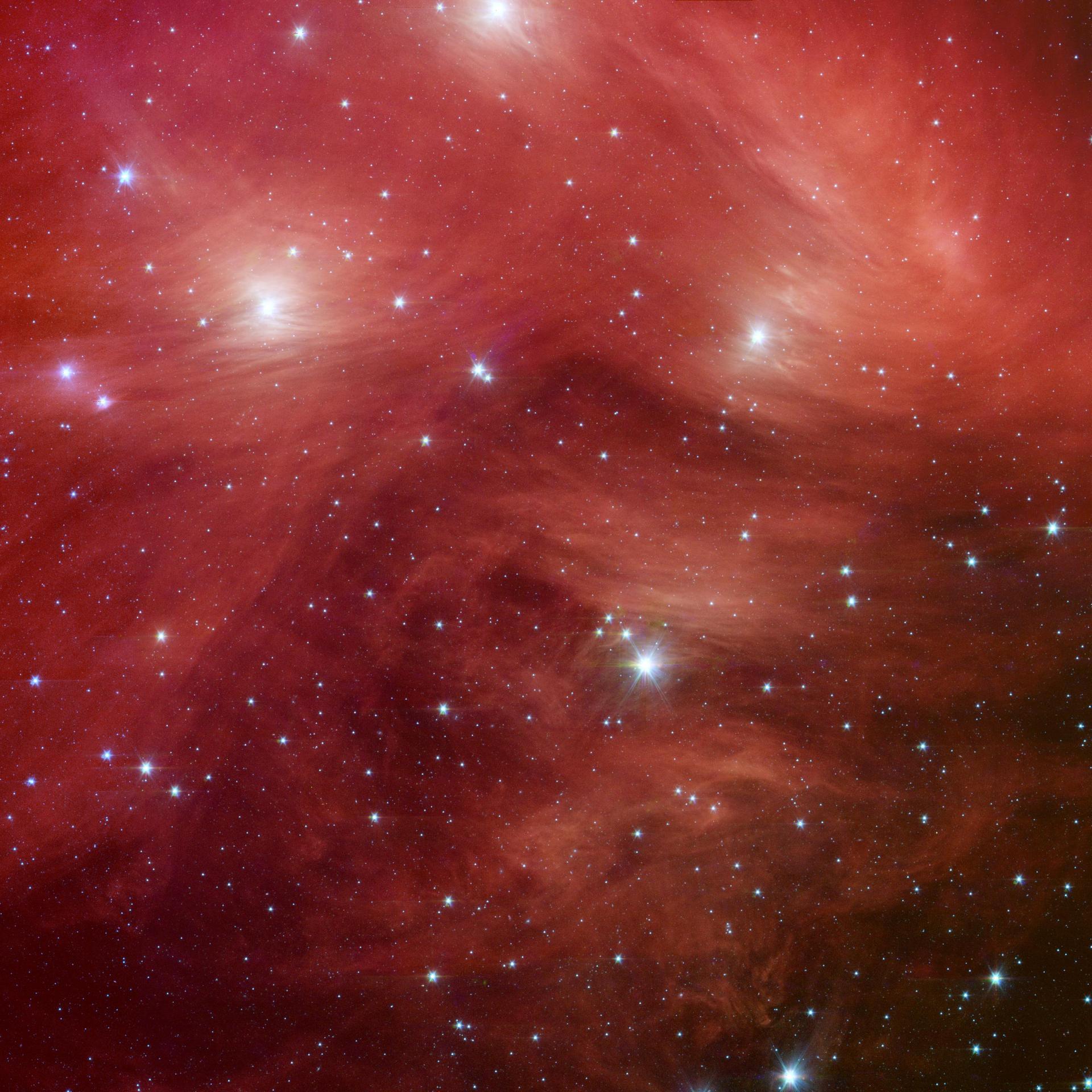
This Week's Sky: Mars Slides Into the Pleiades as the Strawberry Moon Rises
A dated late-June 2026 observing guide: Mars passes the Pleiades June 27-29 in the pre-dawn east, the Full Strawberry Moon rises June 29-30 near Sagittarius' Teapot, Mercury starts retrograde, and the Summer Triangle frames the season's best nebulae.