NASA
Every Cosmic Herald story on NASA — missions, launches, discoveries, and the business of space, newest first.
-
Astronomy
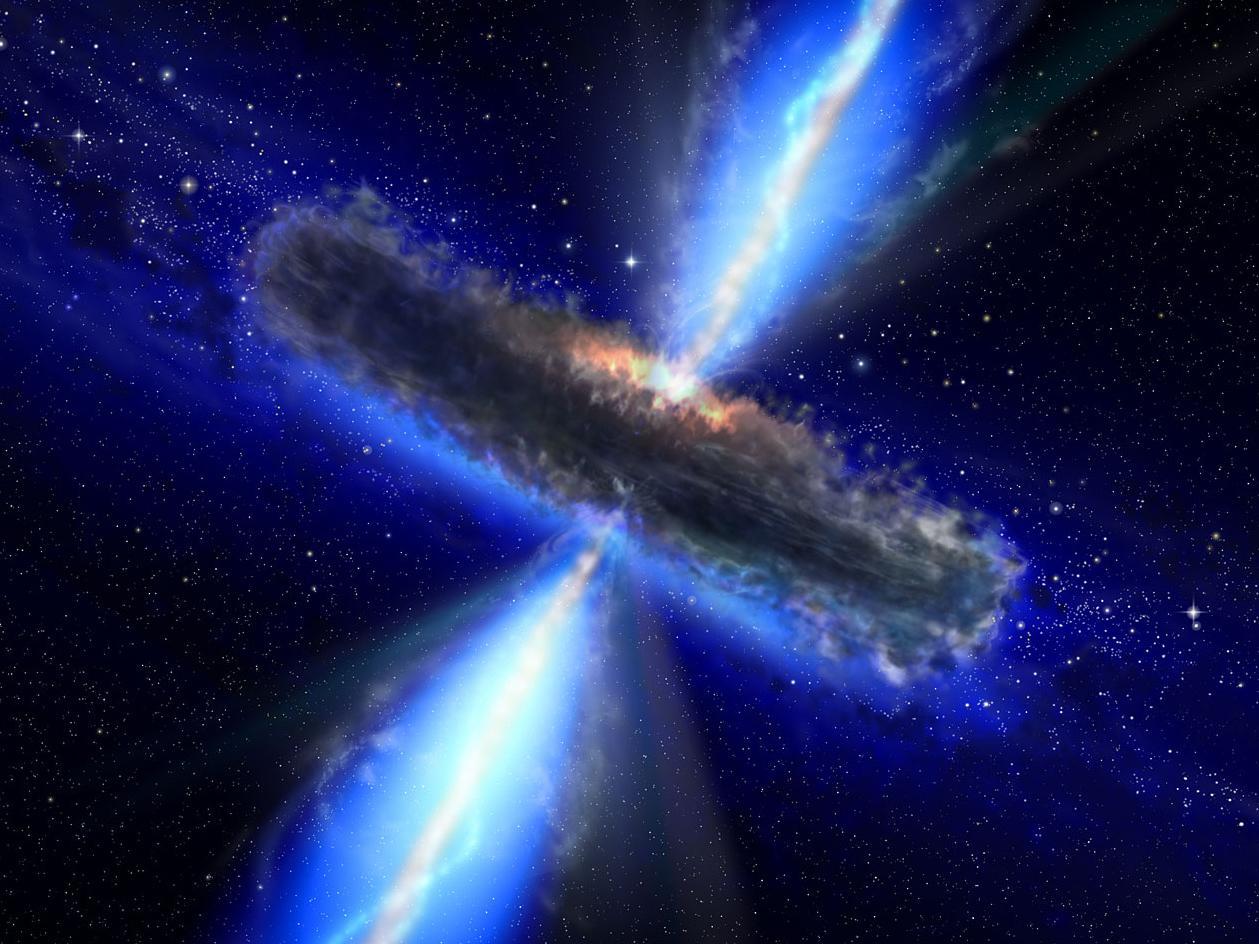
Euclid Space Telescope Uncovers 31 Ancient Quasars, Two From the Universe's First 5 Percent
ESA's Euclid telescope has spotted 31 quasars from the early universe, including two dating to just 670 million years after the Big Bang, deepening a puzzle over how supermassive black holes grew so fast.
-
Missions
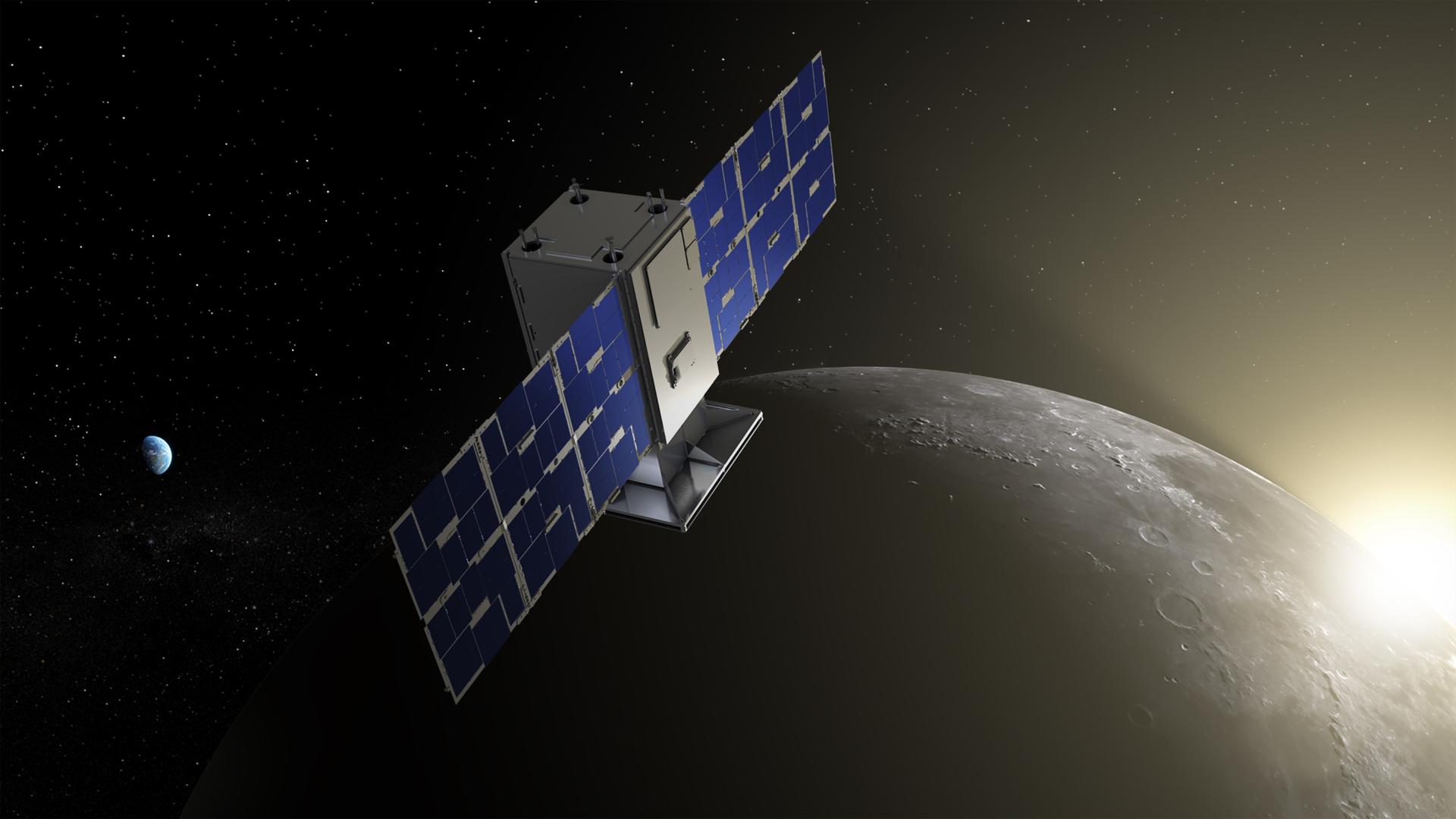
CAPSTONE, the Microwave-Sized Pathfinder, Signs Off After Four Years at the Moon
NASA's CAPSTONE, the first U.S. commercial lunar mission, has wrapped its NASA-sponsored work after nearly four years, having proven a spacecraft can navigate itself near the Moon using nothing but a camera image of the Moon and Earth.
-
Stargazing
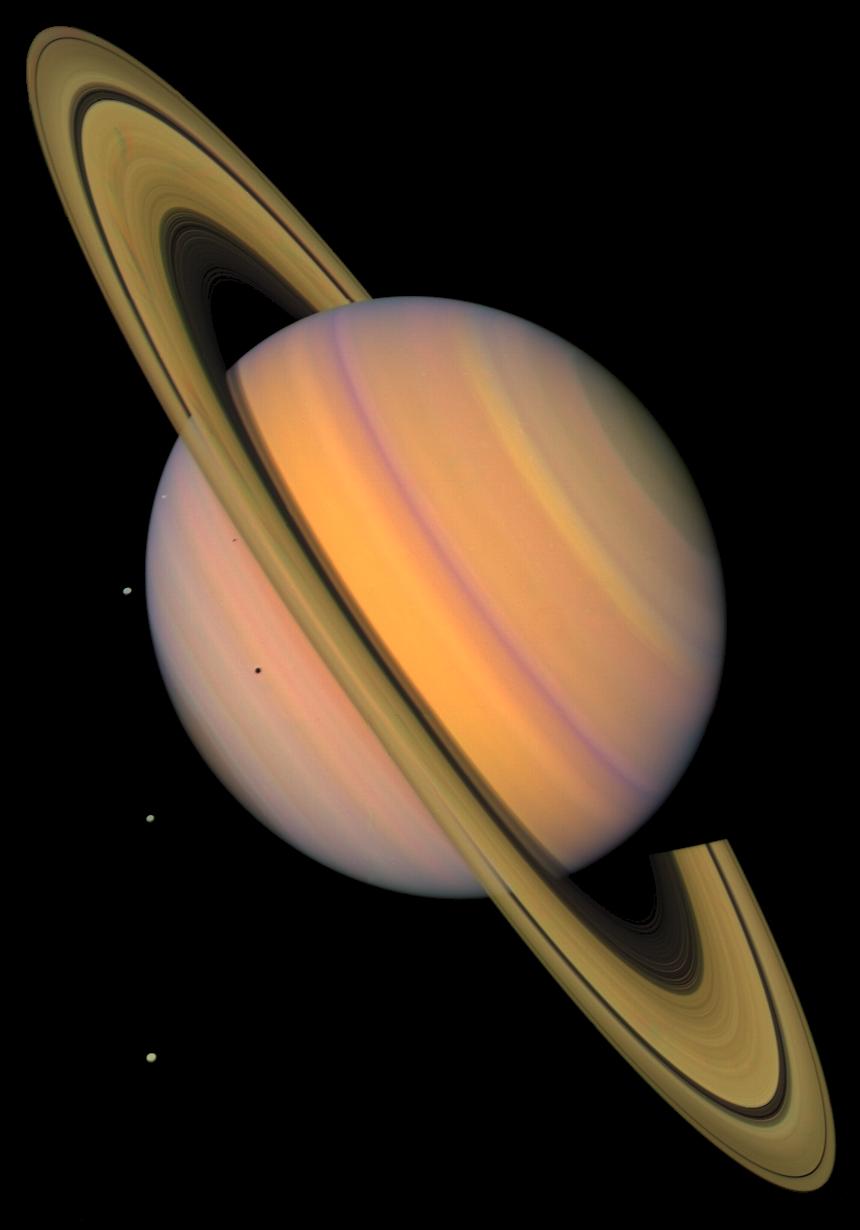
July Skies: Earth's Aphelion, a Saturn-Moon Pairing, and Comet Tempel 2 Brightening
Earth swings out to its farthest point from the Sun this week even as July's night sky delivers a Moon-Saturn close pass, a four-body dawn alignment, and a comet edging toward binocular visibility.
-
NASA & Agencies
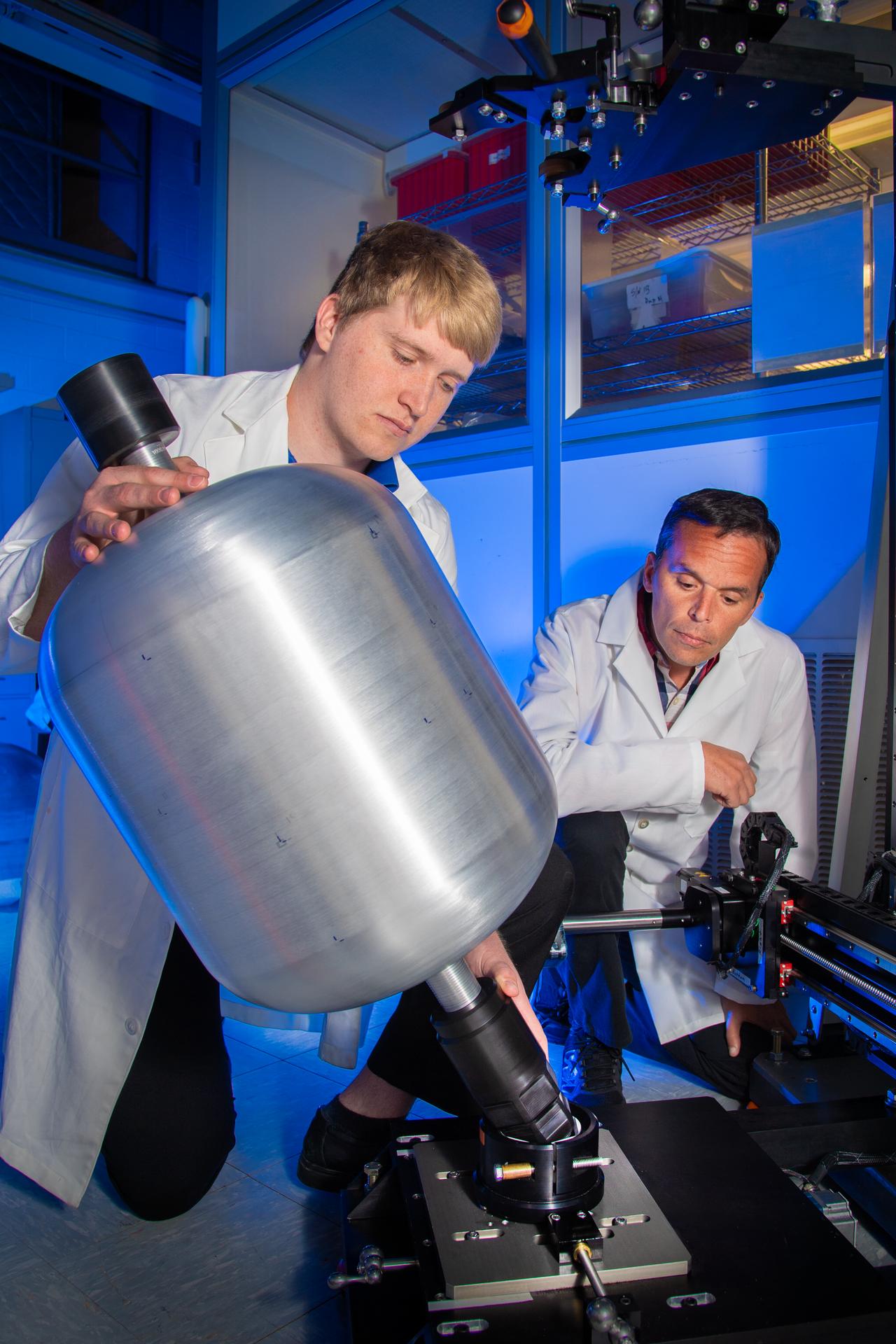
Mystery Metal Spheres Wash Up on Queensland Beach — Australian Space Agency Says They're Rocket Debris
Six silver spheres that washed ashore near Townsville over the weekend are pressure vessels from a foreign rocket body, the Australian Space Agency says, warning residents not to touch any similar debris.
-
Astronomy
Hubble, Chandra, and Webb Team Up for a Red-White-and-Blue Portrait of an Ancient Star Cluster
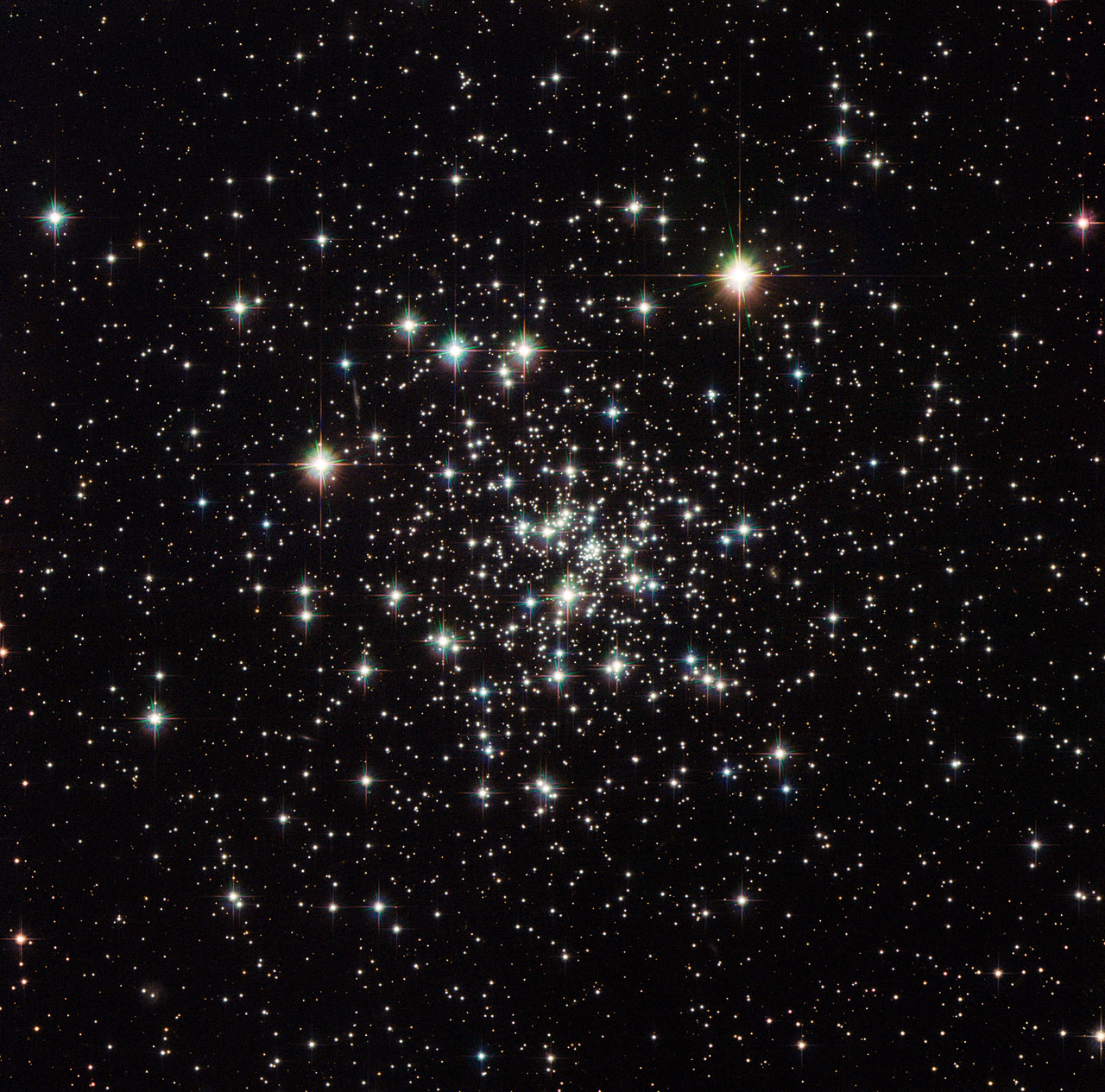
For America's 250th, NASA colored the cosmos red, white, and blue — spotlighting a 13-billion-year-old star cluster whose hues betray its violent, chemically layered past.
-
Commercial
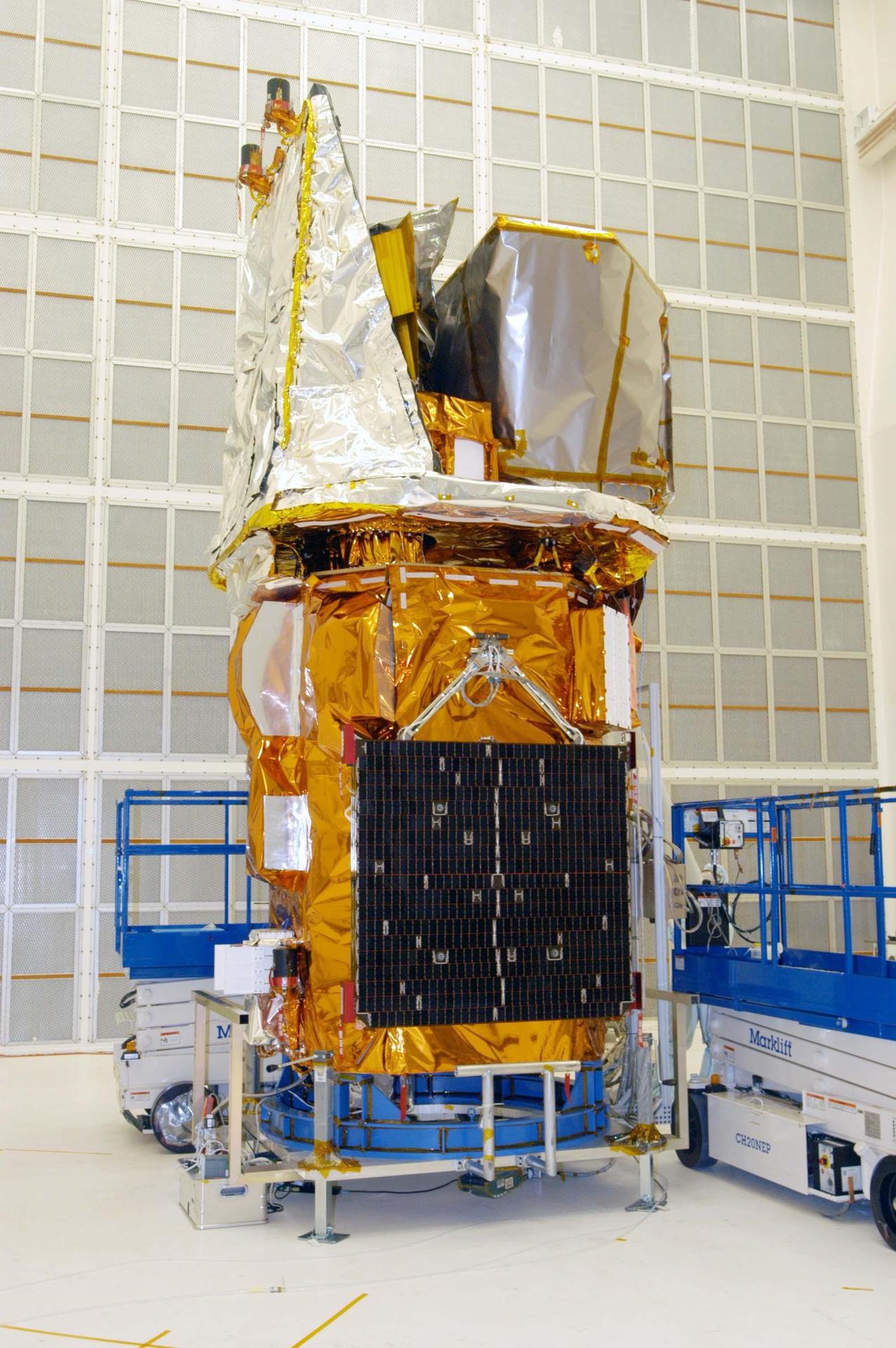
A Rocket That's Flown Since 1990 Just Launched a Rescue Mission for a Dying NASA Telescope
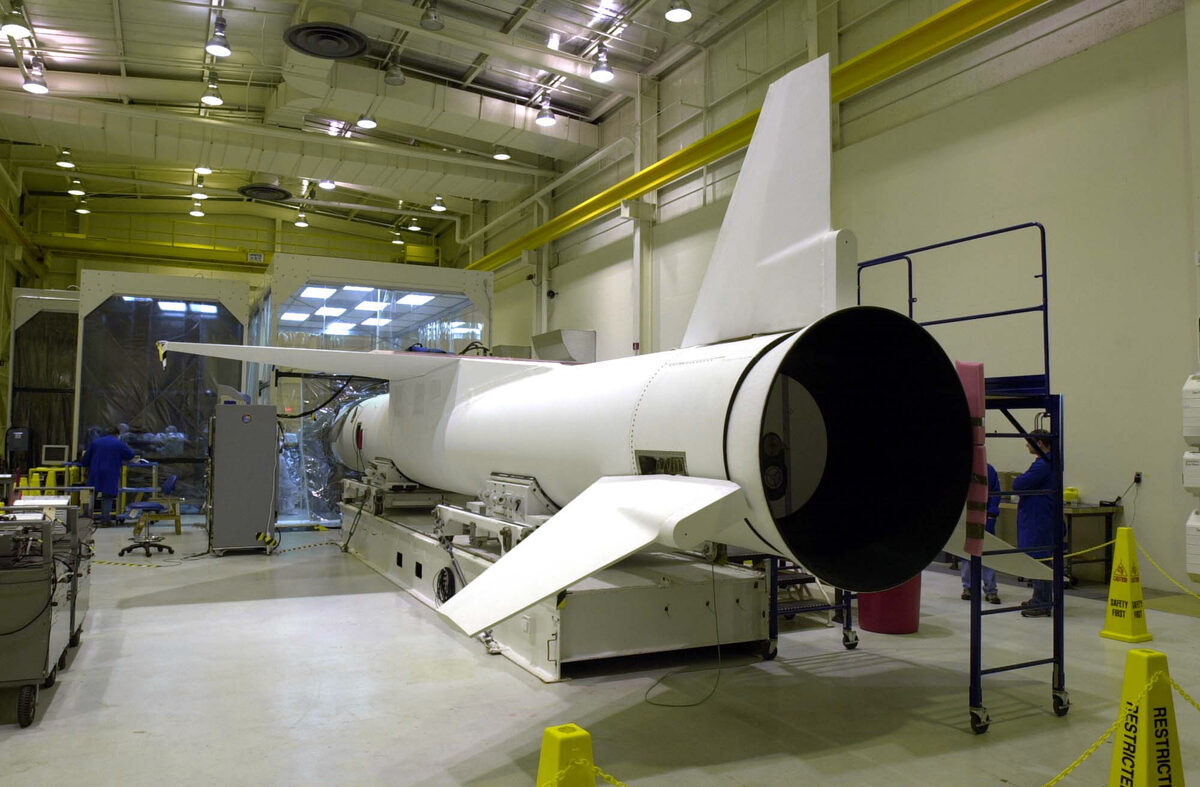
A commercial spacecraft launched on what may be the last-ever Pegasus rocket to grapple NASA's decaying Swift Observatory and shove it into a safer orbit — a servicing job built and flown in just 10 months.
-
Commercial
The Ultimate Egg-Drop Challenge: A Startup Rides SpaceX's Falcon 9 Boosters to Test Manufacturing Chips in Space
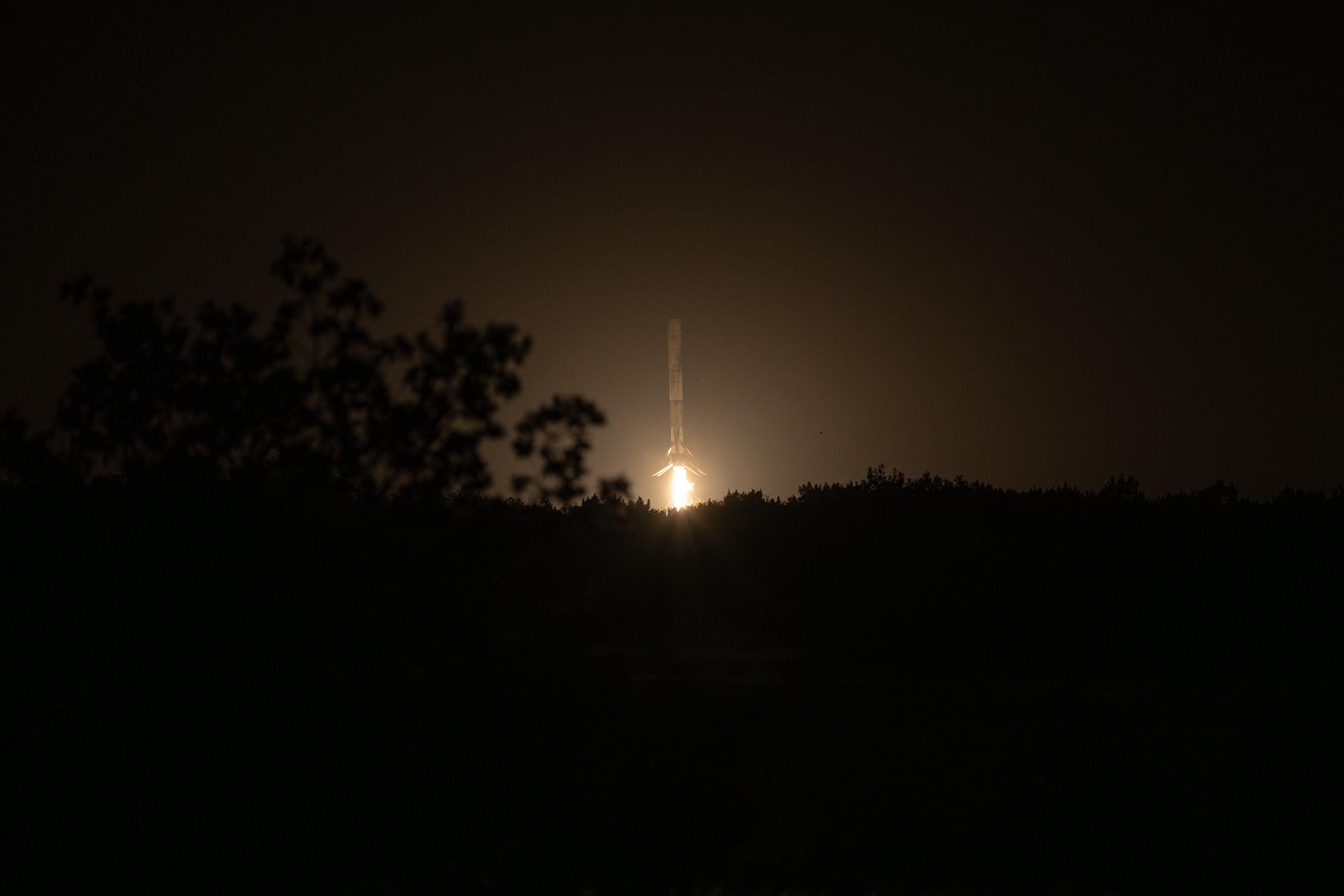
Besxar Space Industries flew two reusable test pods on a Falcon 9 booster's suborbital round trip on July 5, betting that surviving launch vibration and reentry heat is the first step toward manufacturing semiconductors in orbit.
-
Stargazing
Mars and Uranus Just Had Their Closest Meeting Until 2053
Before dawn on July 4, 2026, Mars and Uranus squeezed to just 0.1° apart in Taurus — their tightest conjunction until 2053 — with bright Mars acting as a signpost to the far dimmer ice giant.
-
Commercial
NASA's $30 Million Gambit to Save the Falling Swift Observatory
A commercial spacecraft built in nine months just launched to catch a decaying NASA telescope before it burns up — the first attempt ever to dock with a government satellite never designed for servicing.
-
Missions
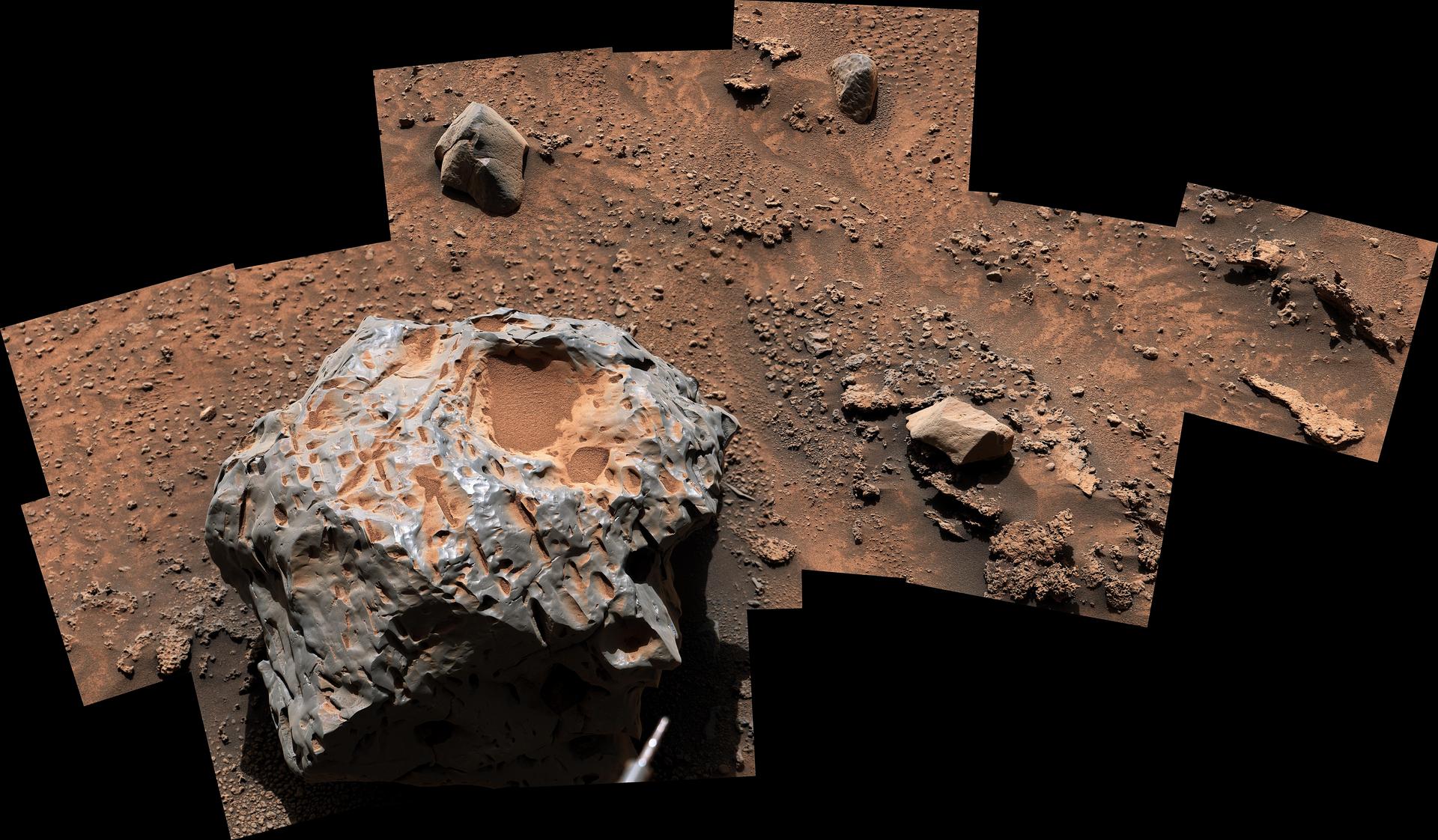
In the Land of the Polygons: Curiosity Hunts Nickel-Rich 'Meteorite' Candidates in a Martian Honeycomb
Curiosity is picking through a honeycomb-textured slice of Gale Crater, probing dark, nickel-bearing rocks that might be meteorites, distant impact debris, or just weird Mars rock.
-
Astronomy
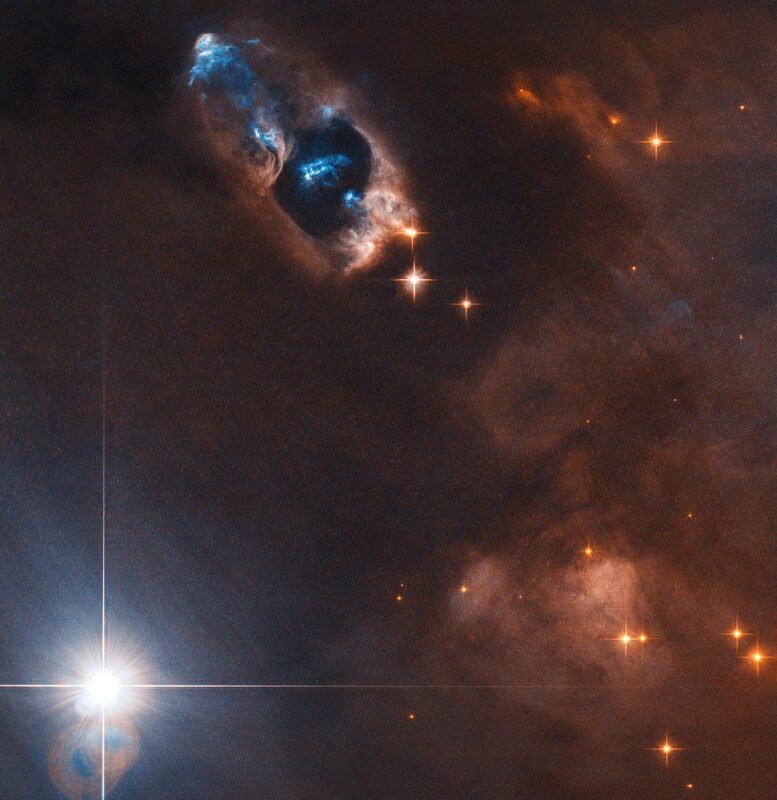
Webb Catches Baby Stars Feeding in Fits and Starts: New Evidence for Episodic Accretion in FS Tau
A new Webb infrared image of the FS Tau protostar system reveals gaps in its gas outflows — evidence that young stars gain mass in sudden bursts rather than a steady stream.
-
NASA & Agencies
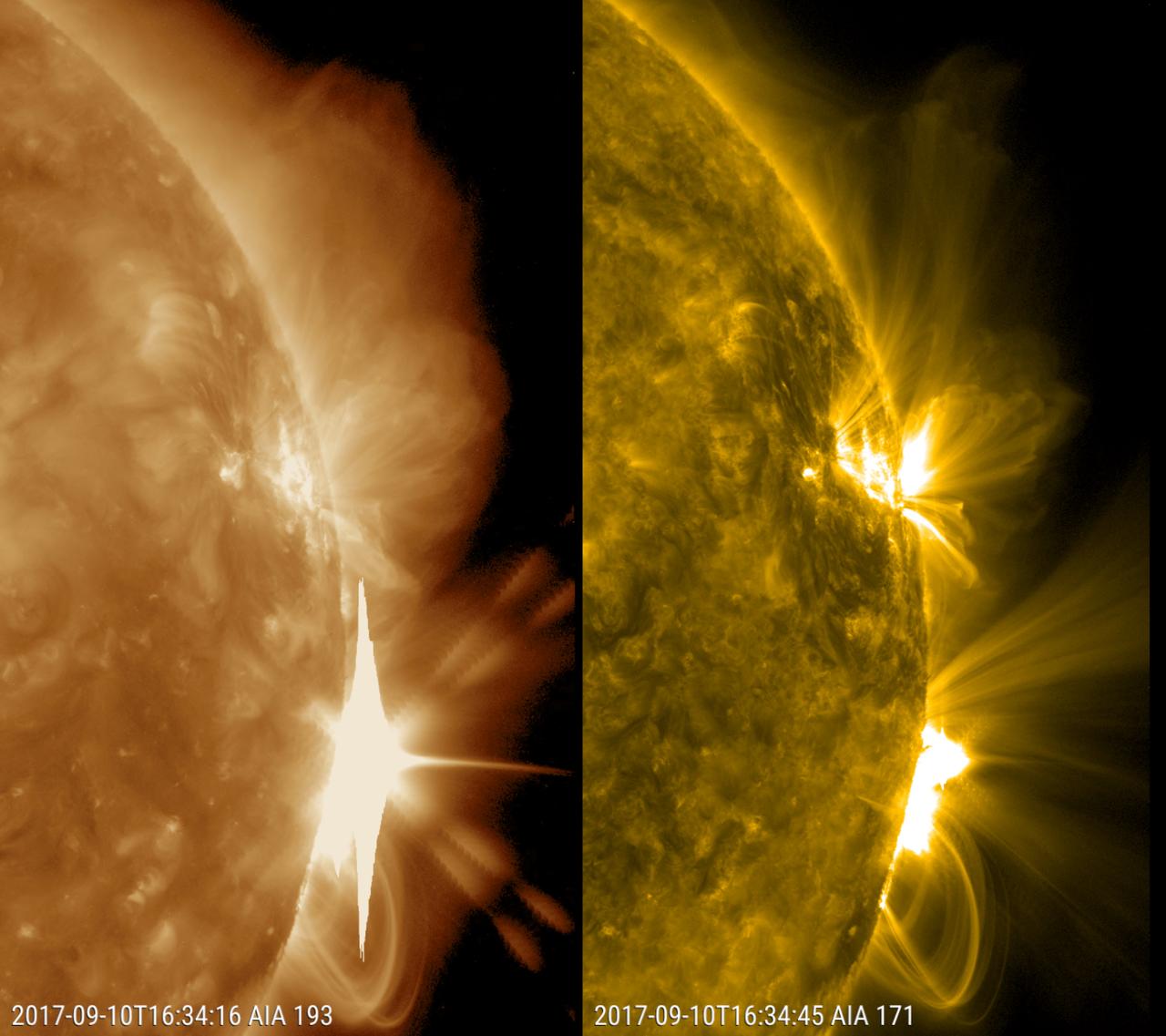
Congress Presses NASA and NOAA on Space Weather Readiness as Solar Cycle 25 Peaks
Lawmakers grilled NASA's and NOAA's top space weather officials on grid, GPS, and communications risks the same week an X1.1 flare and G3 storms lit up July 4th skies with aurora.