NASA
Every Cosmic Herald story on NASA — missions, launches, discoveries, and the business of space, newest first.
-
Missions
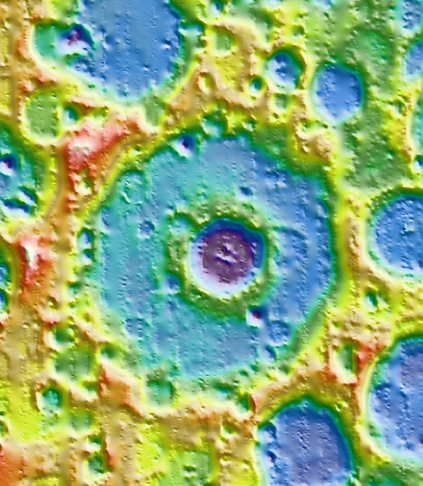
A Dead SpaceX Rocket Stage Just Struck the Moon Near Einstein Crater — and the VLT Watched It Happen
A spent Falcon 9 upper stage from January 2025's Blue Ghost/Hakuto-R launch slammed into the Moon's far side near Einstein crater on August 5, 2026, and ESO's VLT caught sodium and lithium flashing in the debris plume.
-
NASA & Agencies
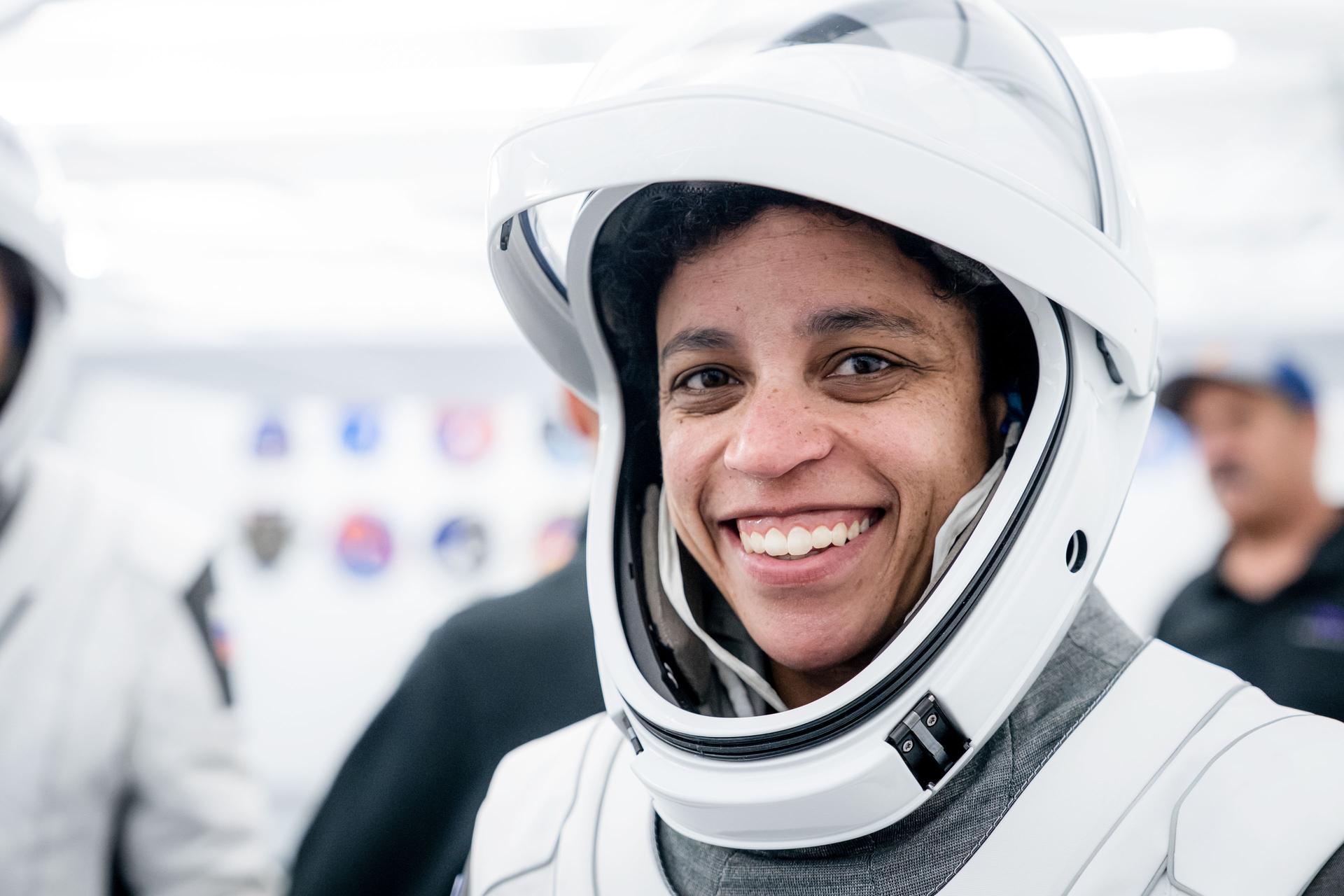
NASA Unveils Crew-13 Lineup as Station Preps for a Busy Stretch of Spacewalks and Science
NASA introduced the four-person SpaceX Crew-13 team at Johnson Space Center on August 3, 2026, ahead of a mid-September Dragon launch, while Expedition 75 gears up for an August 7 spacewalk to prep a new solar array platform.
-
Stargazing
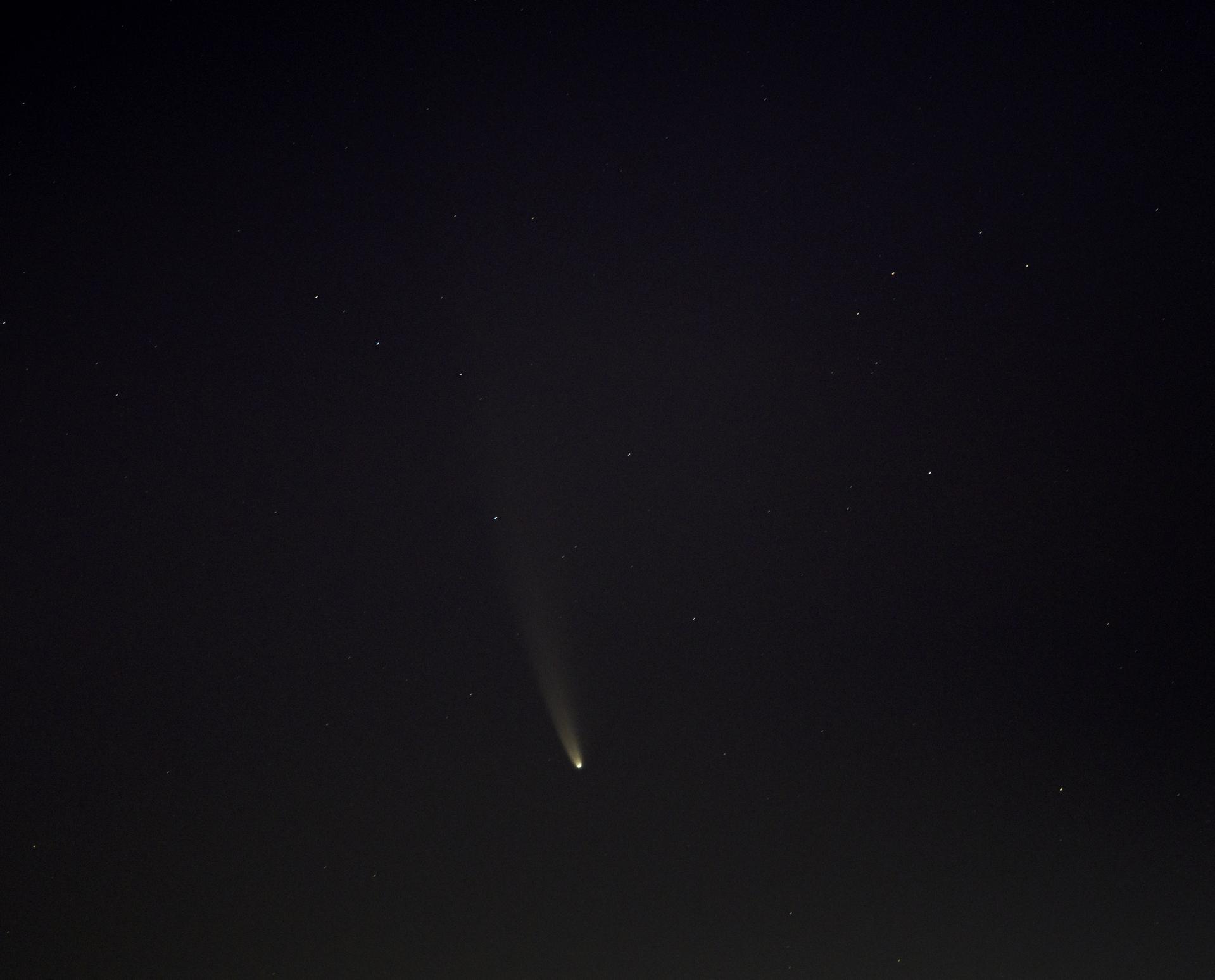
Comet 10P/Tempel 2 Hits Peak Brightness at Closest Earth Approach — Its Best Return of the Century
Jupiter-family comet 10P/Tempel 2 brightened to roughly magnitude 8-9 as it passed within 61 million km of Earth on August 3, 2026, offering Southern Hemisphere observers with binoculars or a small scope the best view of this comet for the rest of the century.
-
Science & Discovery
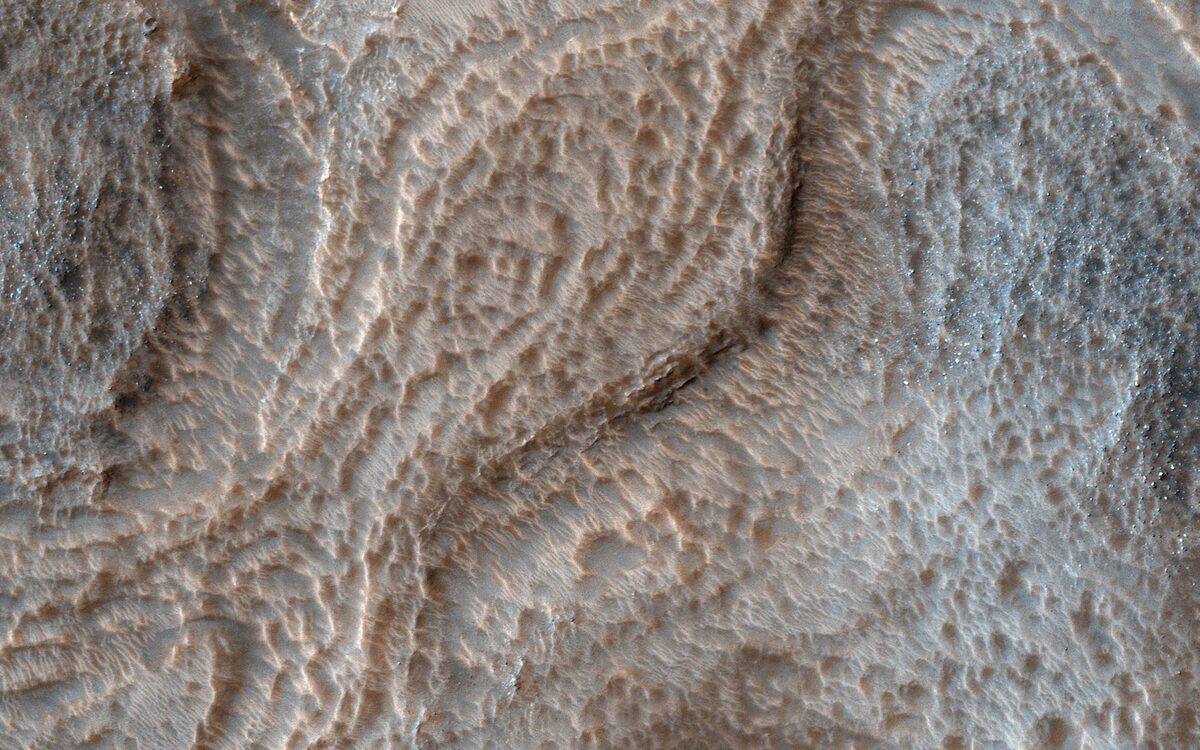
Curiosity Finds Mars' Largest Honeycomb-Patterned Field Yet in Valle Grande
Climbing Mount Sharp, Curiosity photographed a sprawling field of inch-wide honeycomb fractures in Valle Grande — the biggest such formation in its 14-year mission, with its origin still unresolved.
-
NASA & Agencies
ISRO and JAXA Lock Down the Handshake Between Chandrayaan-5's Lander and Its Japanese Rover
At a Bengaluru meeting in late July, Indian and Japanese engineers finalized how their lander and rover will talk to and power each other on the Chandrayaan-5/LUPEX mission to hunt for lunar water ice.
-
Stargazing
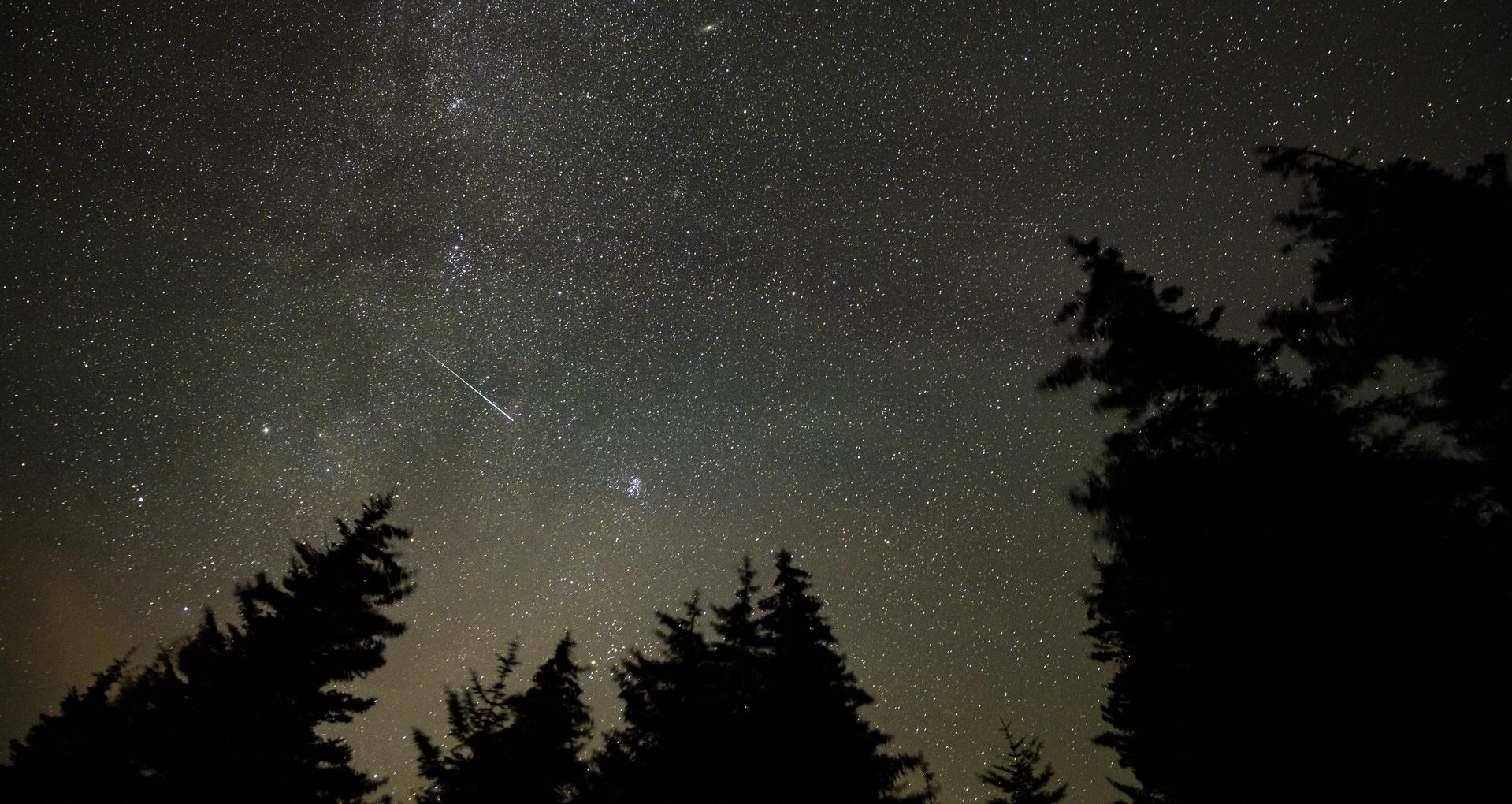
August 2026 Skywatching Guide: Perseids Peak Under a New Moon, Flanked by a Total Solar Eclipse and a Near-Total Lunar Eclipse
A moonless Perseid peak, a total solar eclipse over Greenland, Iceland and Spain, and a 93-96% partial lunar eclipse over the Americas make August 2026 one of the year's busiest skywatching stretches.
-
NASA & Agencies
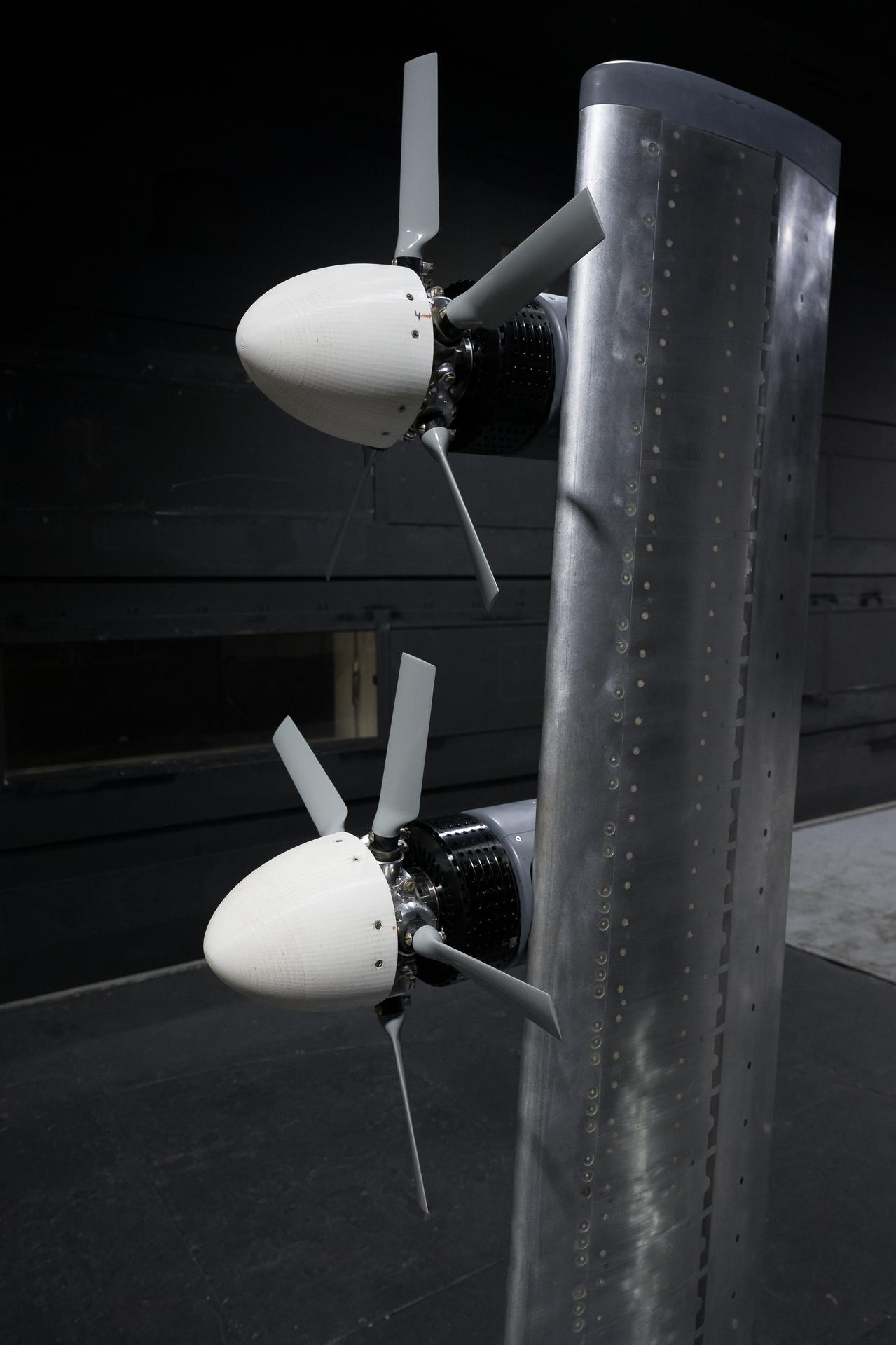
NASA Cuts the Ribbon on Its First New Wind Tunnel in 40 Years
NASA opened the Flight Dynamics Research Facility at Langley on July 31, 2026 — its first newly built wind tunnel in over four decades, aimed at aircraft, autonomous flight, and Artemis-era spacecraft testing.
-
Missions
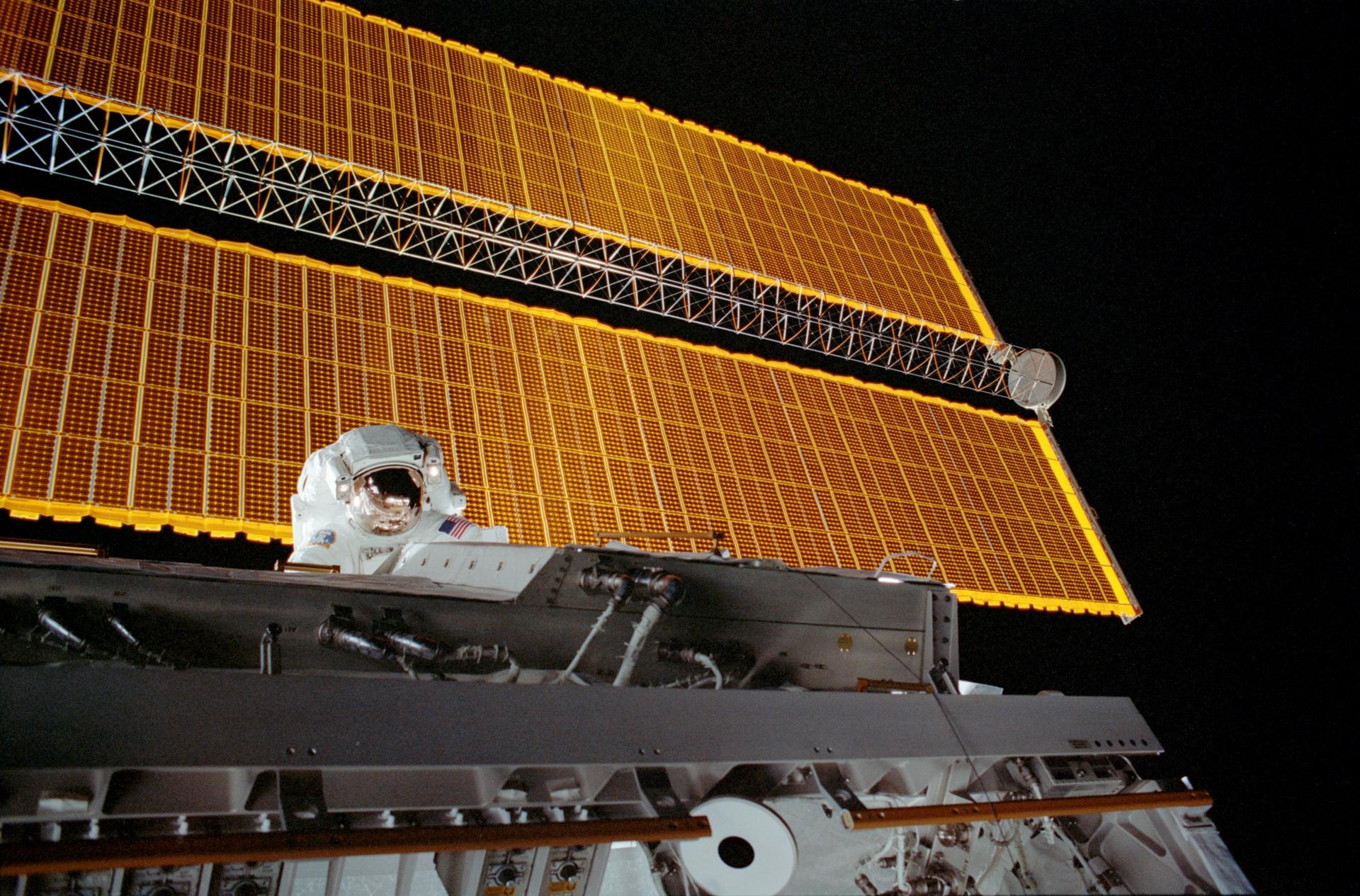
NASA Sets Three August Spacewalks to Rewire ISS Power and Fix Station Comms
NASA previewed a trio of August spacewalks — on the 6th, 13th, and 25th — to rework a station power channel, swap a balky communications antenna, and rig cabling for future upgrades.
-
Astronomy
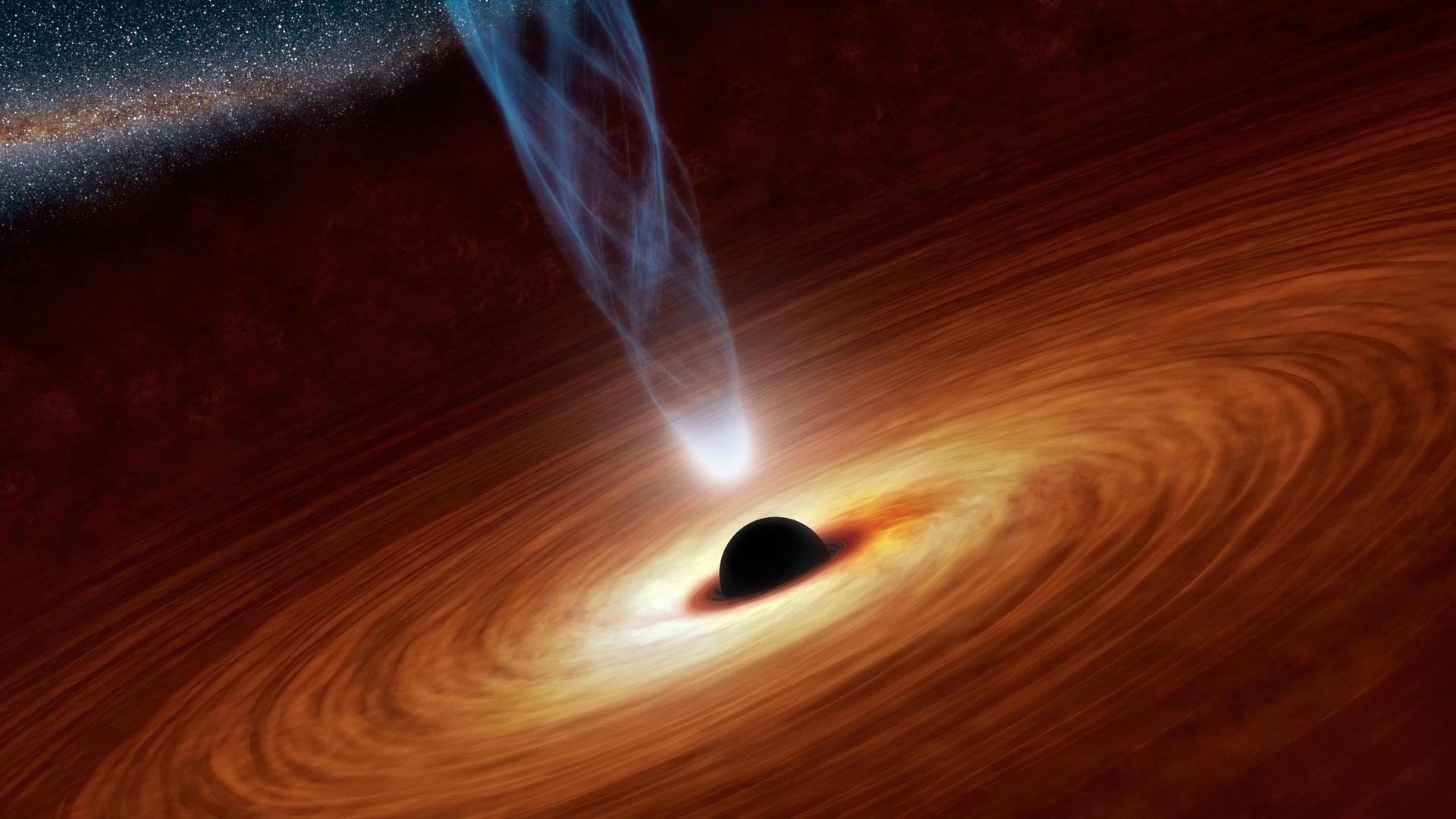
Webb's 'Little Red Dots' Turn Out to Be the Tip of a Supermassive-Black-Hole Iceberg
A nearby spiral nicknamed 'the Saguaro' just gave astronomers the missing piece of the little red dot puzzle: faint, buried X-rays confirming these mysterious JWST objects are ordinary black holes caught in an unusually obscured growth spurt.
-
Missions
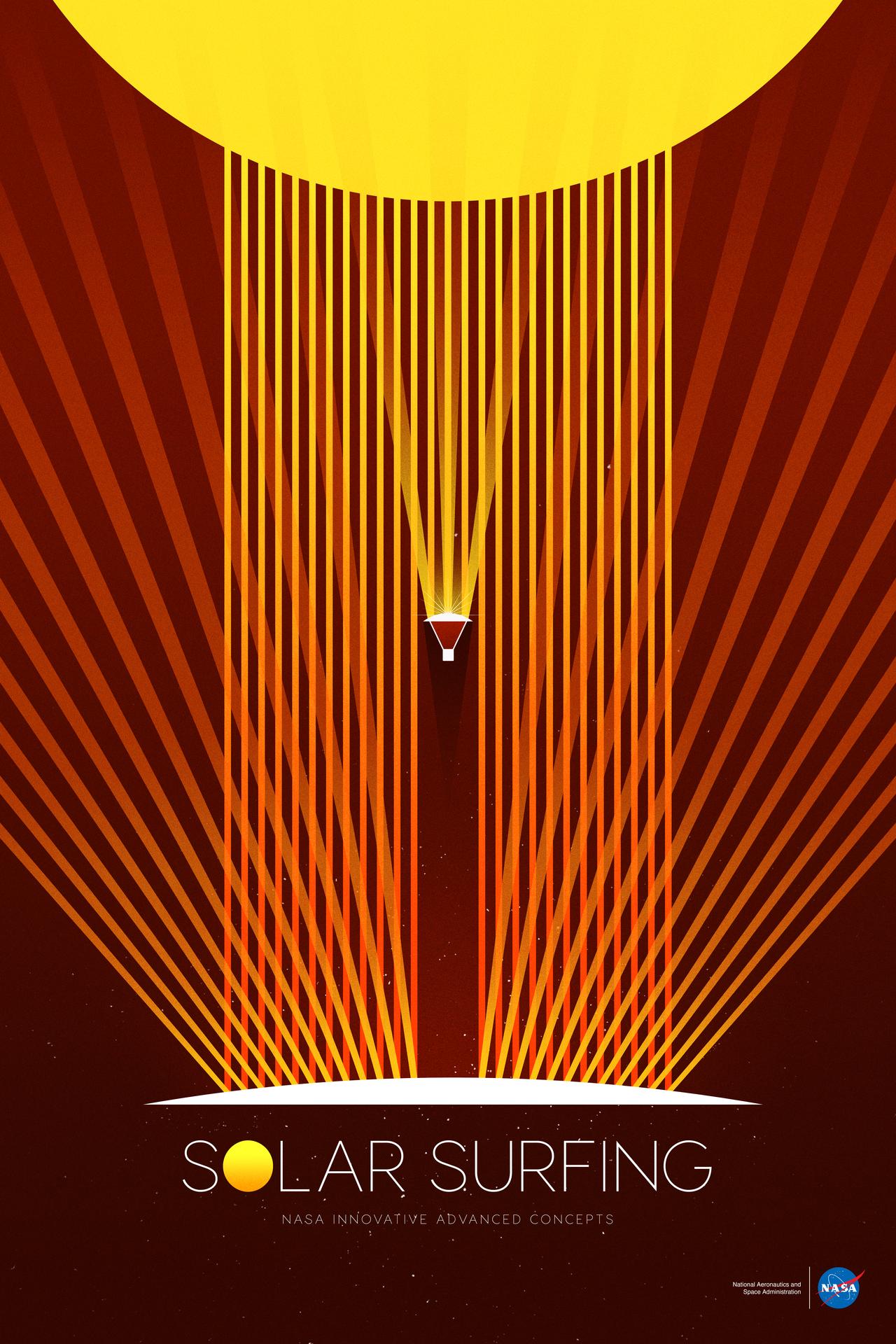
NASA Bets $3.2 Million on 18 Wild Ideas, From Sun-Dimming Dust Clouds to Lava-Tube Robots
NASA's NIAC program handed 18 teams up to $175,000 each to spend nine months proving out concepts ranging from a controllable sun-dimming dust cloud to hovering robots for lunar lava tubes.
-
NASA & Agencies
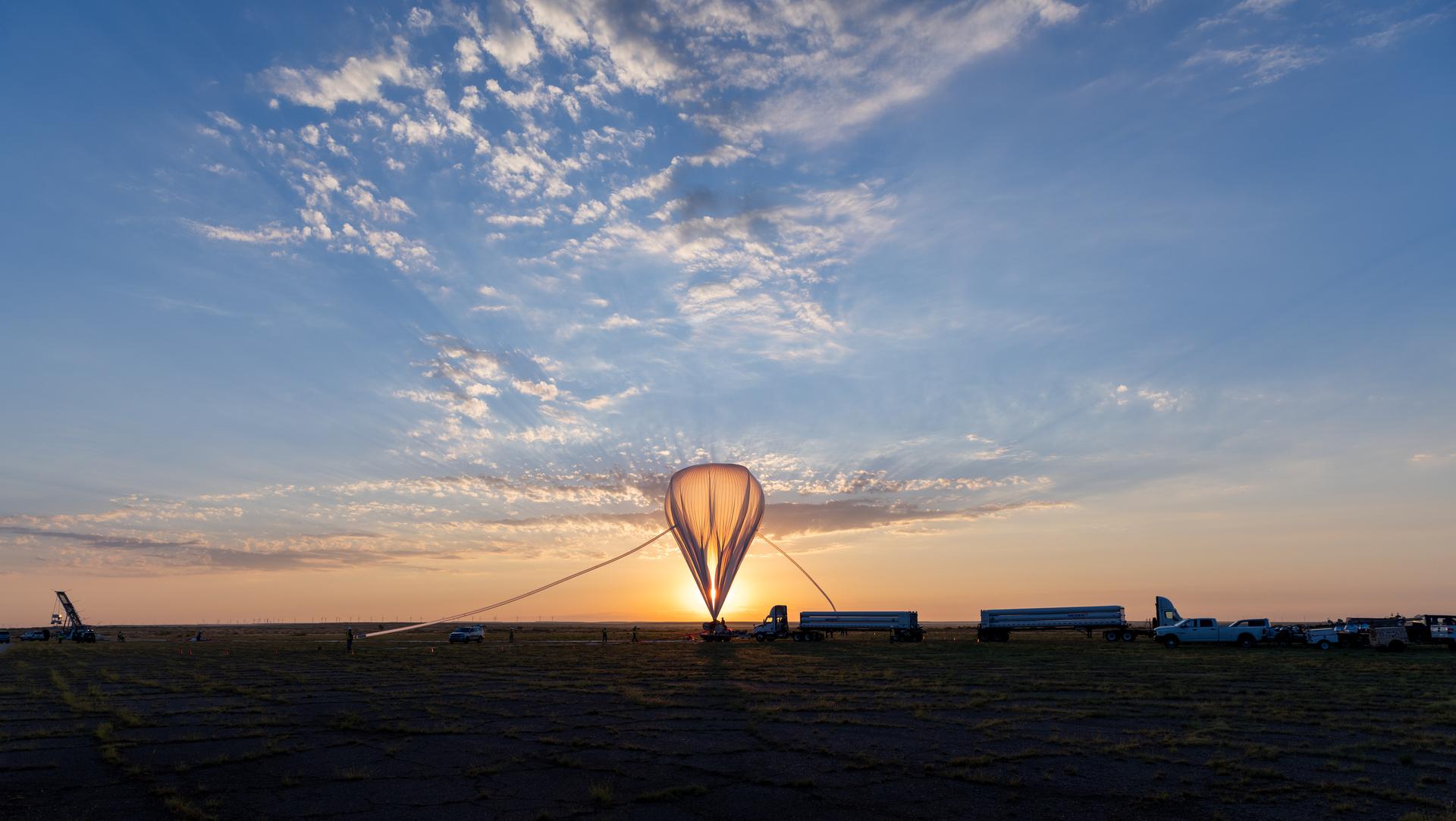
Five University Teams Are Flying Balloons Into an Eclipse's Shadow for NASA
NASA has set its coverage plan for the August 12, 2026 total solar eclipse over Greenland, Iceland and Spain, while five NASA-funded university teams launch roughly 80 balloons into the eclipse shadow to study how the atmosphere reacts when the Moon briefly cuts off the Sun.
-
NASA & Agencies
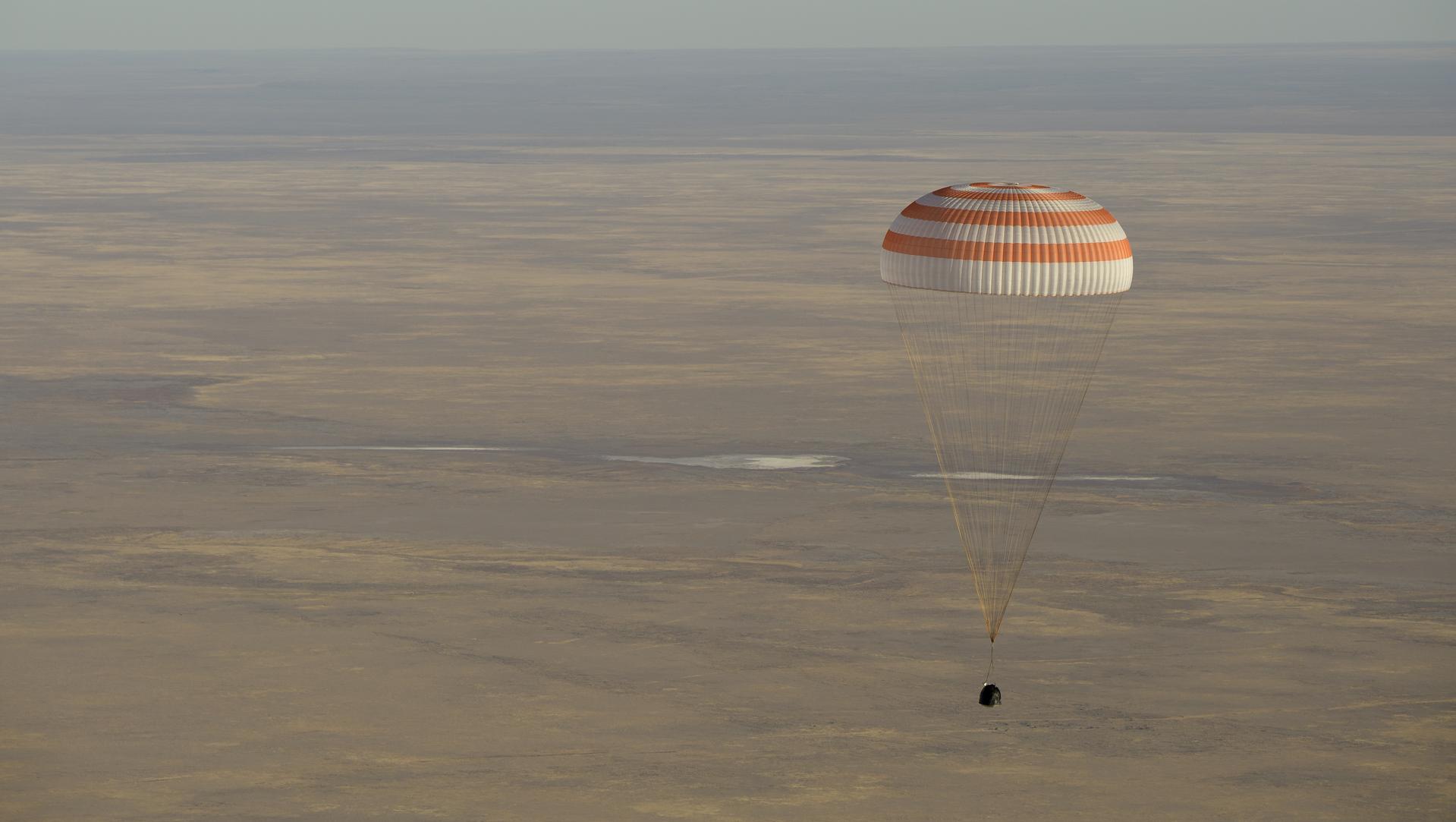
NASA Astronaut, Two Cosmonauts Land in Kazakhstan After 241-Day Mission
Soyuz MS-28 parachuted onto the Kazakh steppe on July 26, closing out a 241-day Expedition 73/74 stint that carried NASA's Chris Williams and two Roscosmos cosmonauts more than 102 million miles around Earth.