NASA
Every Cosmic Herald story on NASA — missions, launches, discoveries, and the business of space, newest first.
-
Astronomy
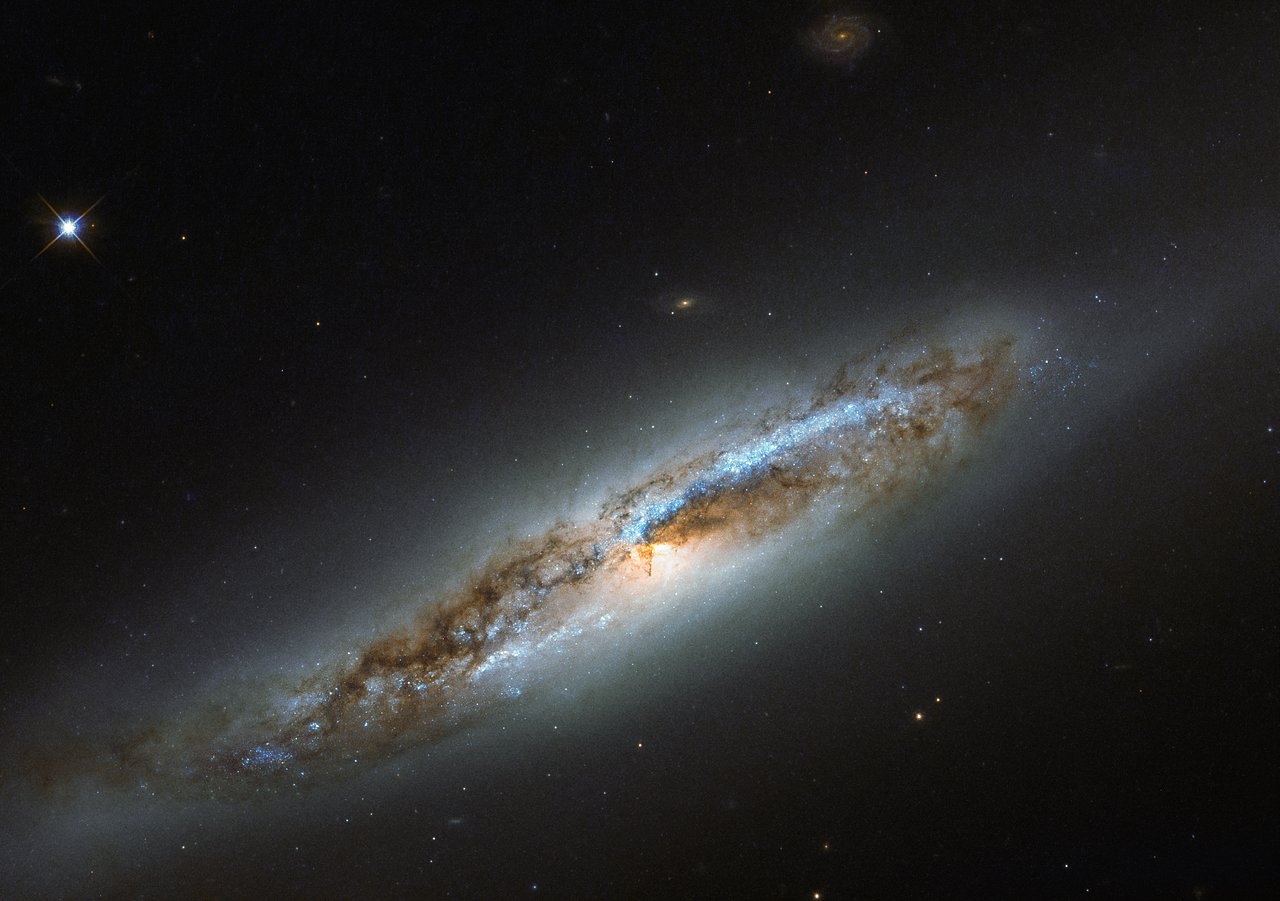
The Lopsided Galaxy: Hubble Catches NGC 4654 Squeezed on One Side, Stripped on the Other
A new Hubble image of NGC 4654, an intermediate spiral 72 million light-years away in the Virgo Cluster, shows a galaxy being compressed along one flank and unravelled along the other — the combined fingerprint of ram-pressure stripping and a tidal encounter with NGC 4639 some 500 million years ago.
-
Commercial
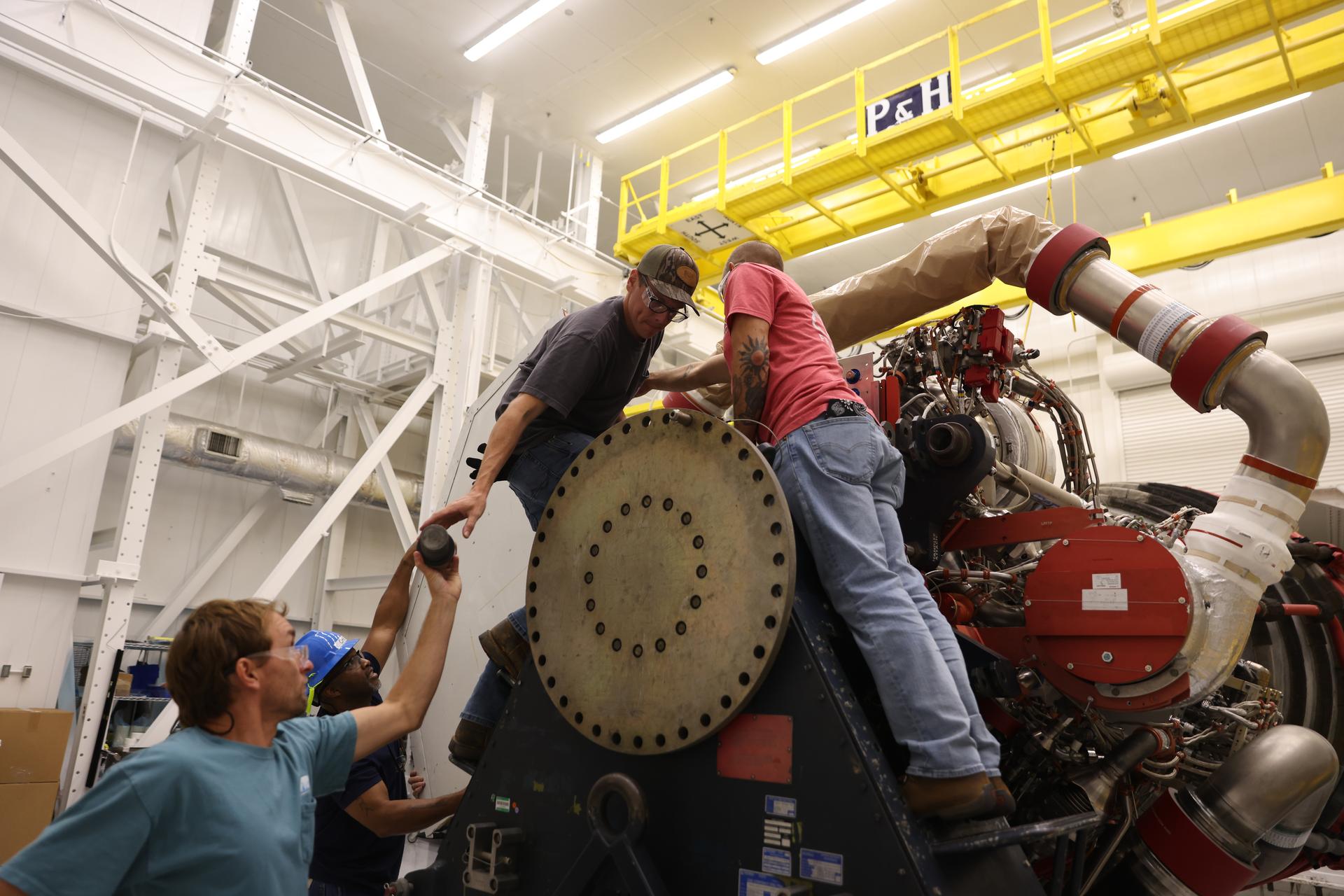
The Last of the Shuttle Engines: Four RS-25s Arrive at Michoud for Artemis III
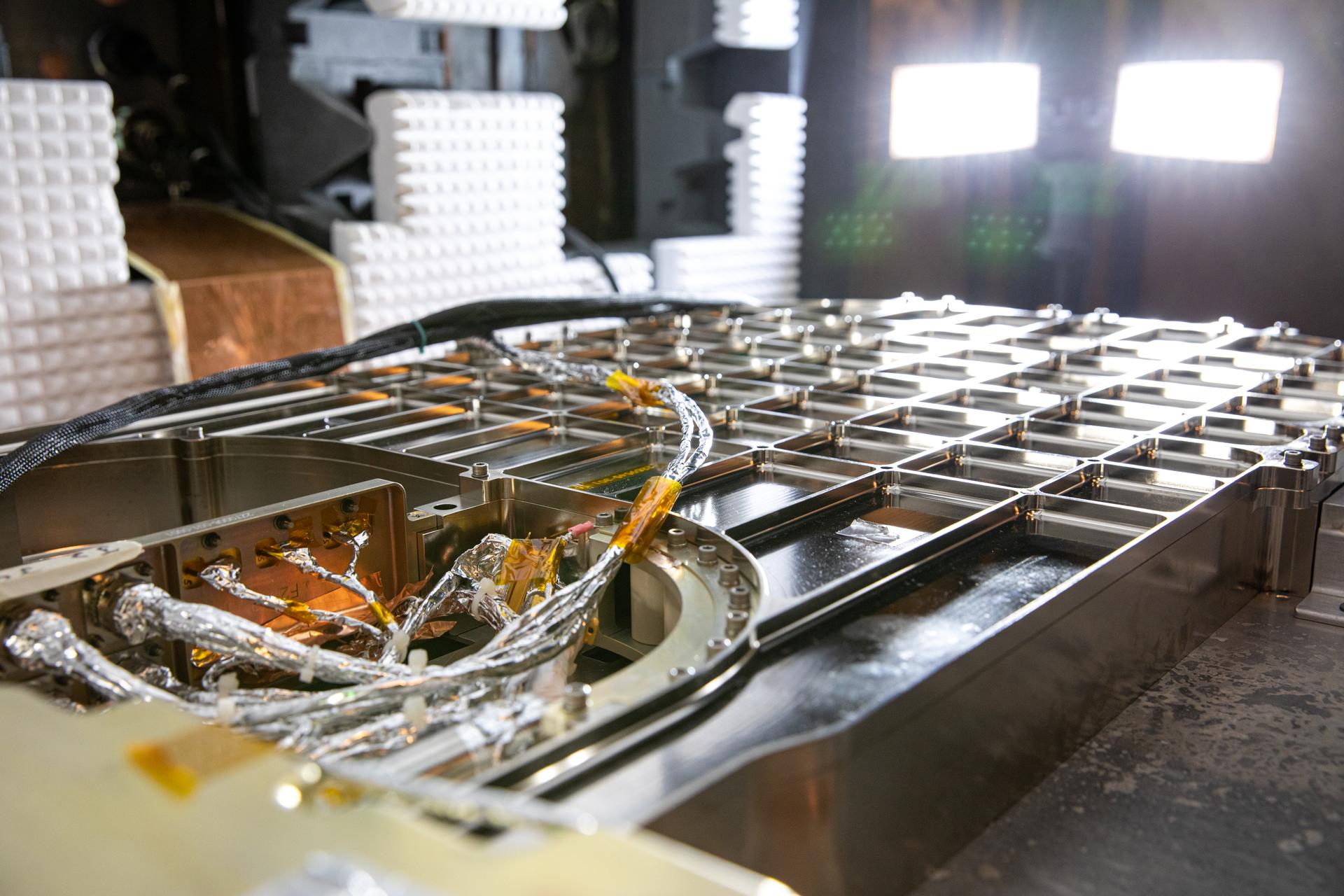
L3Harris delivered four RS-25 engines with 36 shuttle flights between them to NASA's Michoud facility on July 22, 2026 — the final flight of Space Shuttle Main Engine heritage hardware before Artemis V switches to newly built, 3D-printed engines.
-
NASA & Agencies
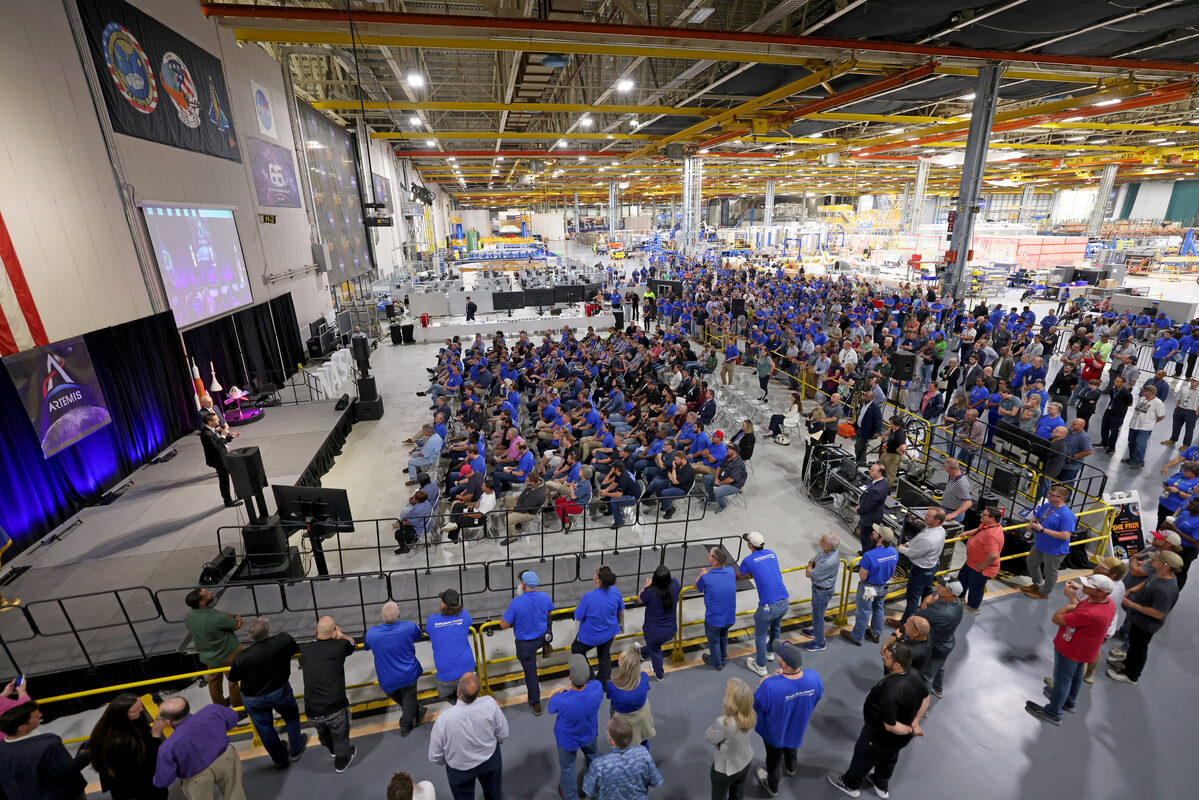
NASA Lost 4,000 Civil Servants Last Year. GAO Says 25 of Its 36 Biggest Projects Are Already Feeling It
GAO's annual NASA project assessment is usually a story about hardware. This year it's a story about people: a 22 percent workforce cut, Goddard down 34 percent, Psyche delayed a year, and a proposed FY2027 budget that would cut another 20 percent.
-
Commercial
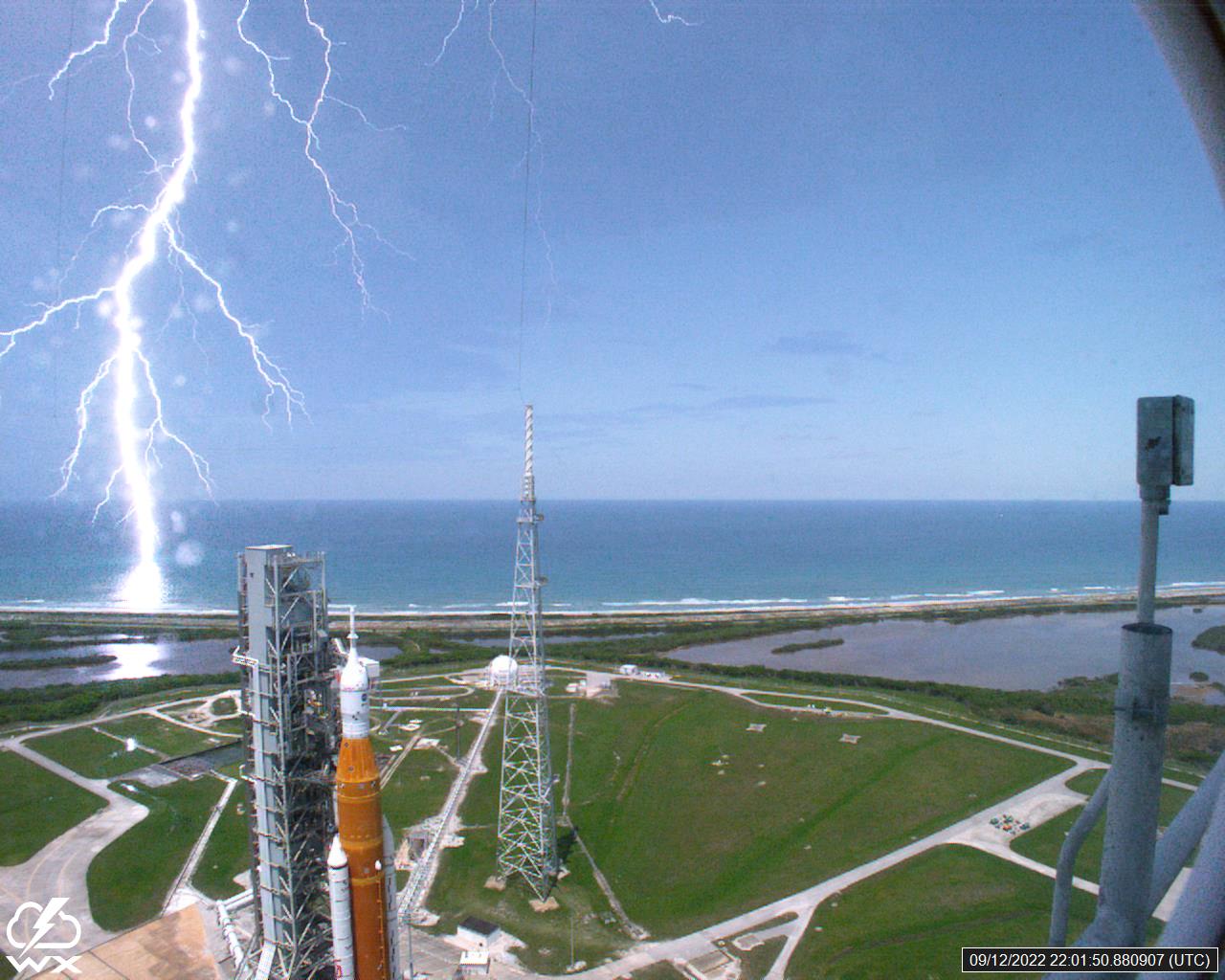
Lightning Hit a Long March 3B 30 Seconds Off the Pad — and the Rocket Kept Flying
Amateur video caught a lightning bolt hitting a Long March 3B/E about 30 seconds after it left Xichang on July 23. The Tianlian II-06 relay satellite reached orbit anyway — and the footage raises an uncomfortable question about how differently launch ranges treat weather risk.
-
Missions
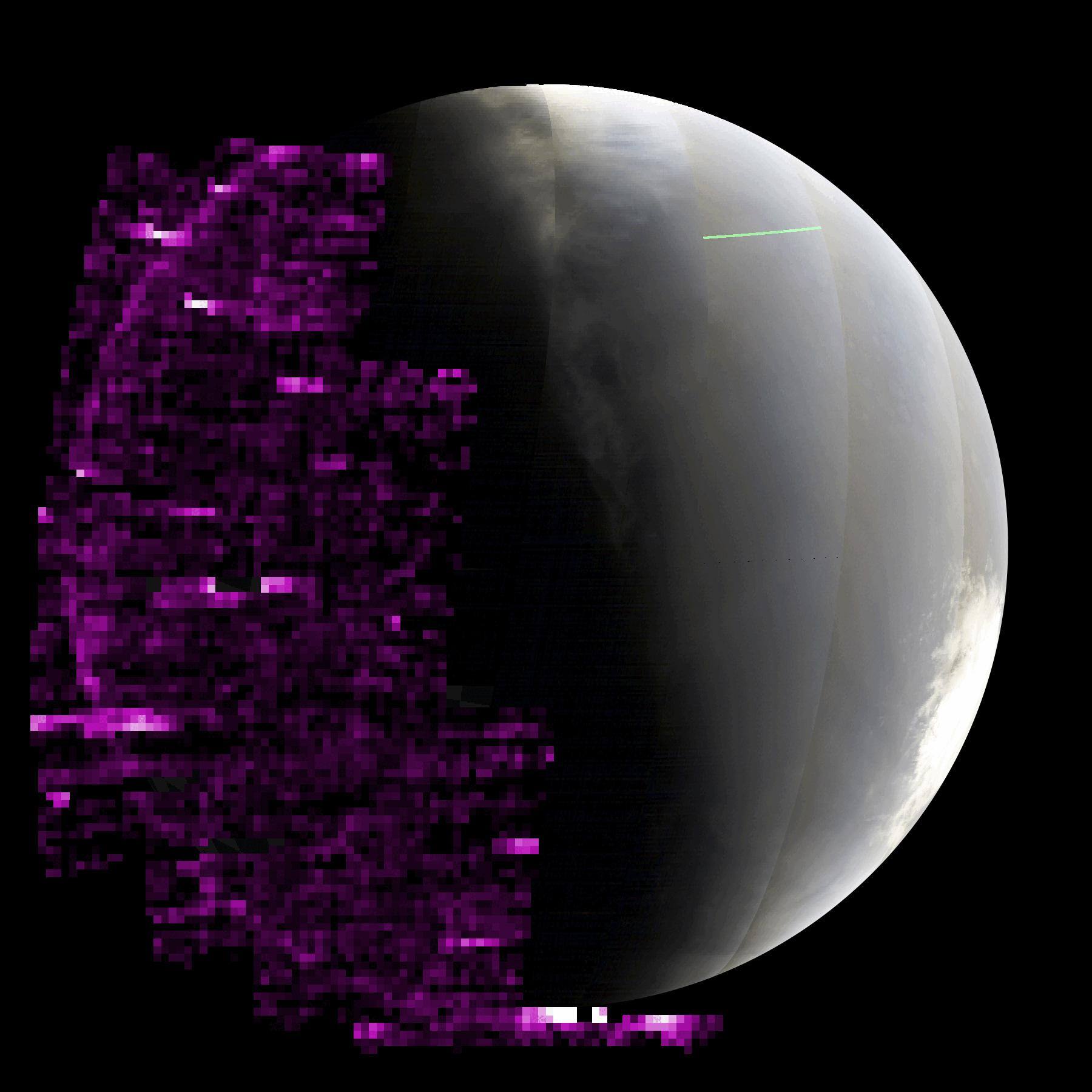
Mars Runs a Pocket-Sized Version of Earth's Aurora Engine, MAVEN Data Shows
MAVEN data show Mars powers its discrete auroras with a miniature Dungey cycle running on 4-billion-year-old crustal magnetism — 42 of 49 events matched reconnection-friendly conditions. The orbiter died in 2025; the archive is still doing first-order science.
-
Military Space
China Rotated a Cold War Orbit Sideways — and Shijian-31 Now Sweeps the Entire GEO Belt
Commercial trackers say China's Shijian-31 has rotated the Soviet-era Molniya orbit onto the equator and detuned its period to 12.5 hours, letting one satellite sweep the entire geostationary belt from 2,000 km above it every 23 days.
-
Science & Discovery
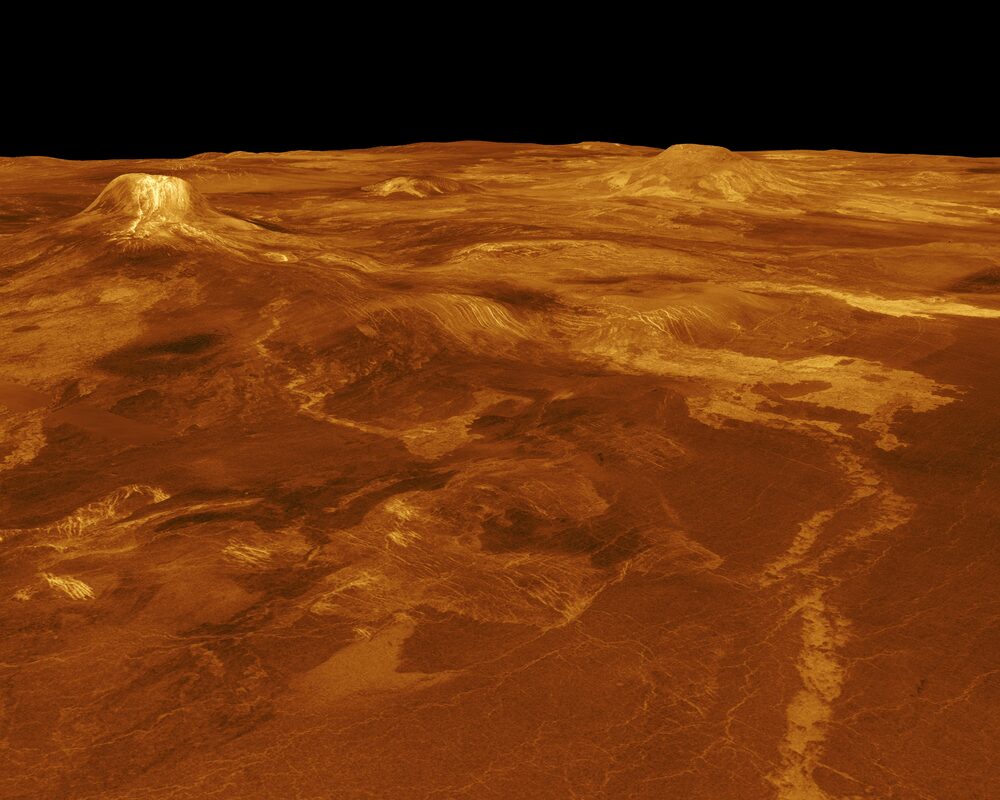
Venus Is Not Dead: New 3D Rift Models Say the Planet Is Still Pulling Itself Apart
ETH Zurich's first high-resolution 3D simulations of Venusian rifting, published in Nature Geoscience, use the broad ridges flanking Venus's 10,000-km rift valleys as a geological clock — and conclude some rifts are still spreading at 3-10 cm per year.
-
Stargazing
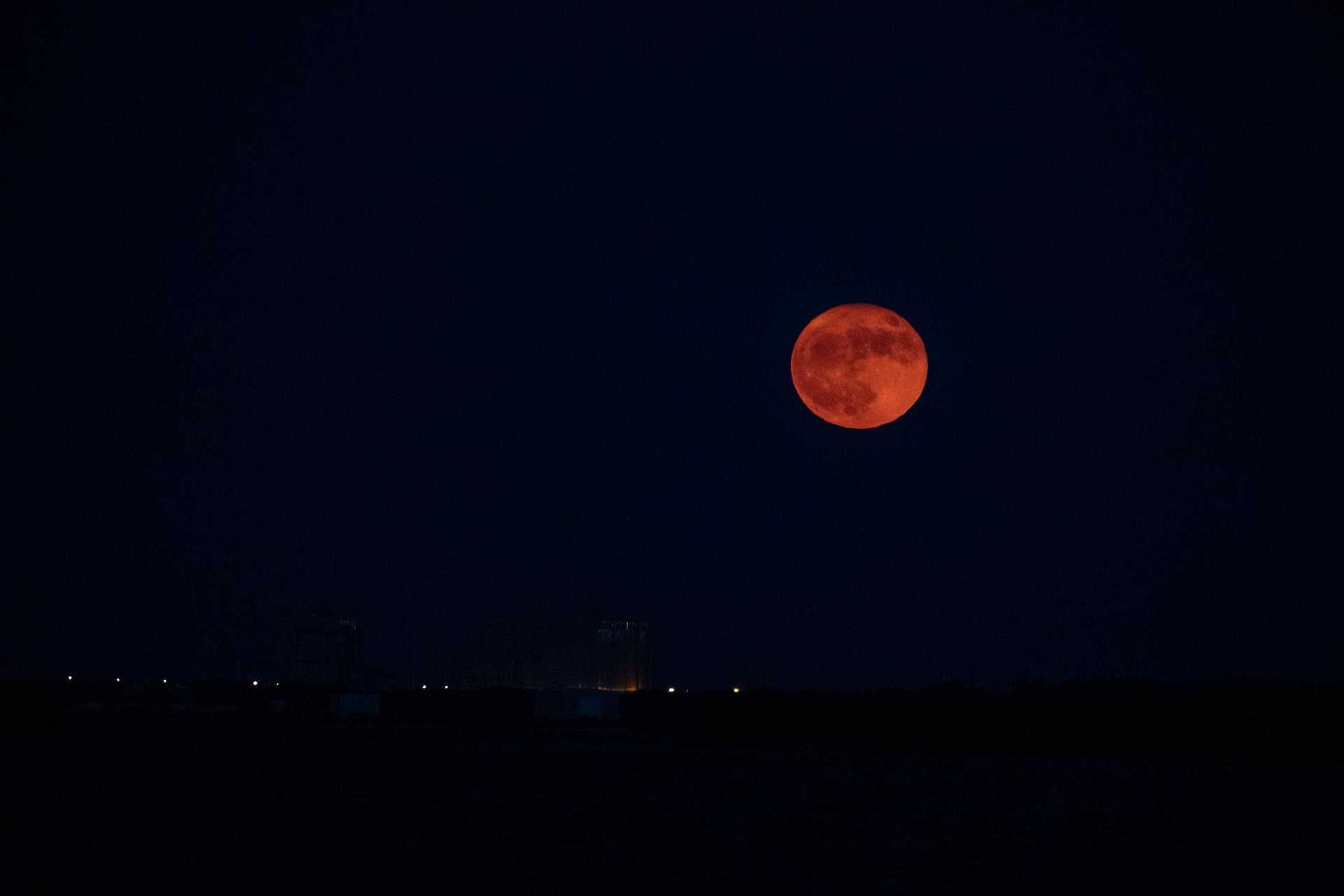
Late July 2026: A Fattening Moon, Edge-On Saturn, and a Meteor Shower Fighting the Light
The last ten days of July 2026 hand skywatchers a First Quarter Moon growing into the Full Buck Moon on 29 July, a nearly edge-on Saturn, evening Venus in Leo, and Delta Aquariid meteors that a near-full Moon will mostly drown out.
-
Stargazing
This Week's Sky: An Apollo-11 Twin Moon, a Stalling Mercury, and Titan Circling Saturn (July 20-24)
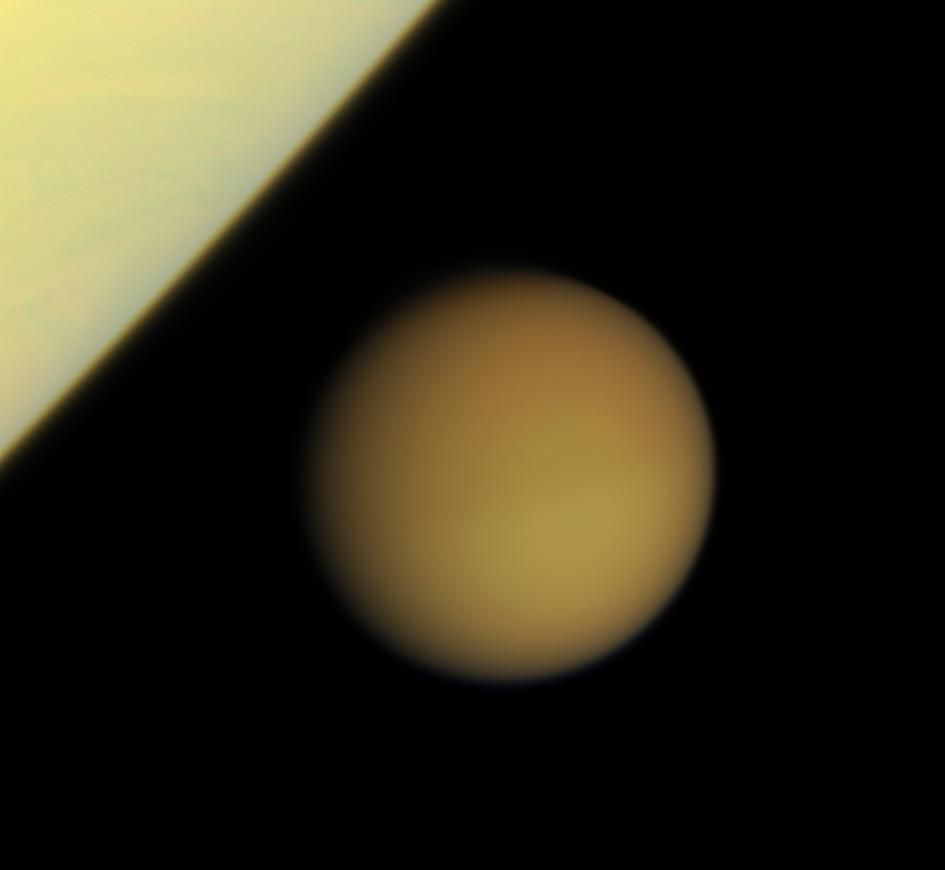
From July 20-24, 2026, the Metonic cycle serves up a Moon that echoes Apollo 11's landing night, Mercury stalls to end its retrograde in Gemini, and Titan hangs easily beside Saturn.
-
Commercial
America's First Robotic Satellite Mechanic Reaches the Pad
A Falcon 9 is set to launch Northrop Grumman's MRV-1 and three Mission Extension Pods on July 21, carrying DARPA's RSGS payload — the first U.S. multi-mission robot built to inspect, repair, upgrade, relocate and refuel satellites in geosynchronous orbit.
-
NASA & Agencies
Mauritius Signs the Artemis Accords, and Talks About the Ocean Instead of the Moon
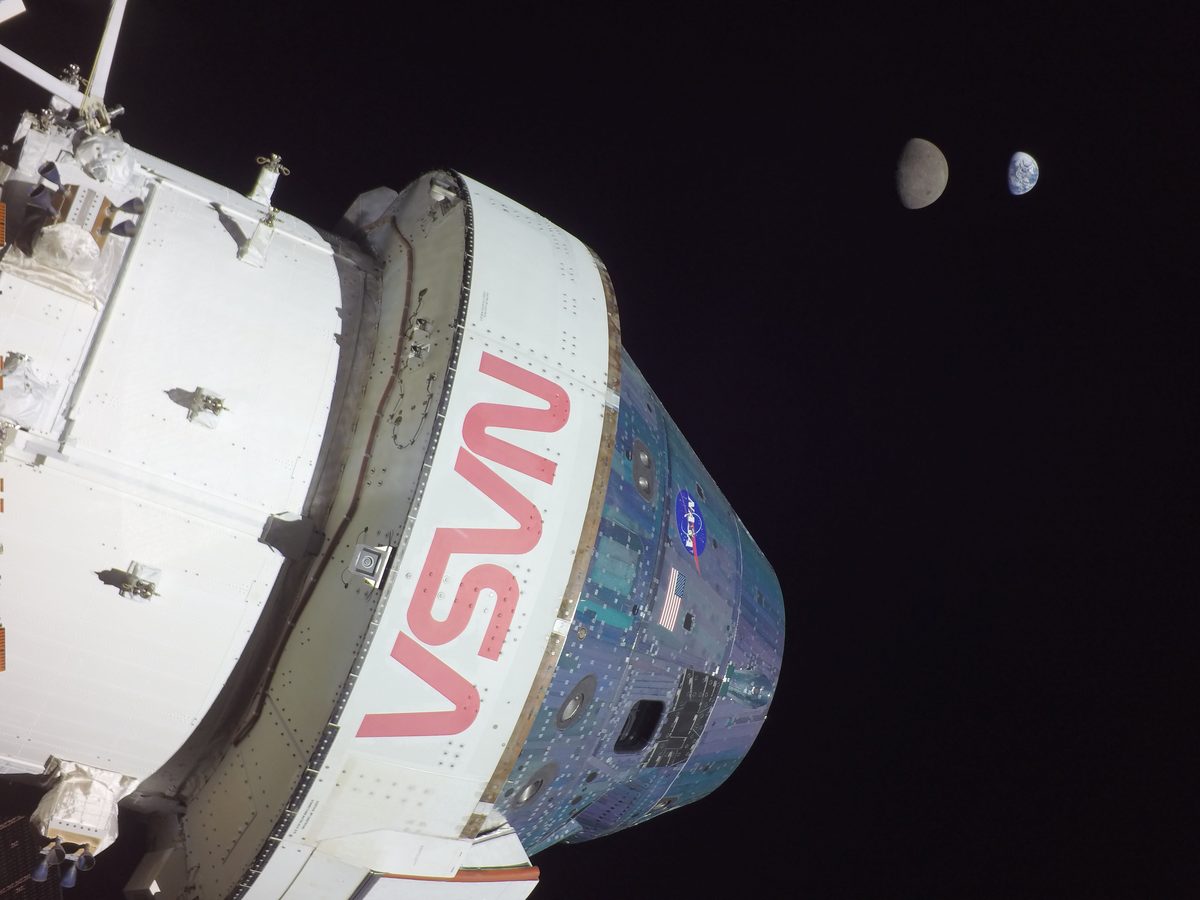
Mauritius became the 70th Artemis Accords signatory on July 17, 2026 — the seventh African nation and the 11th country to sign this year — and framed its accession around protecting oceans and coastlines rather than lunar exploration.
-
Missions
Before the Metal World: Psyche's Mars Flyby Wakes Up Its Instruments
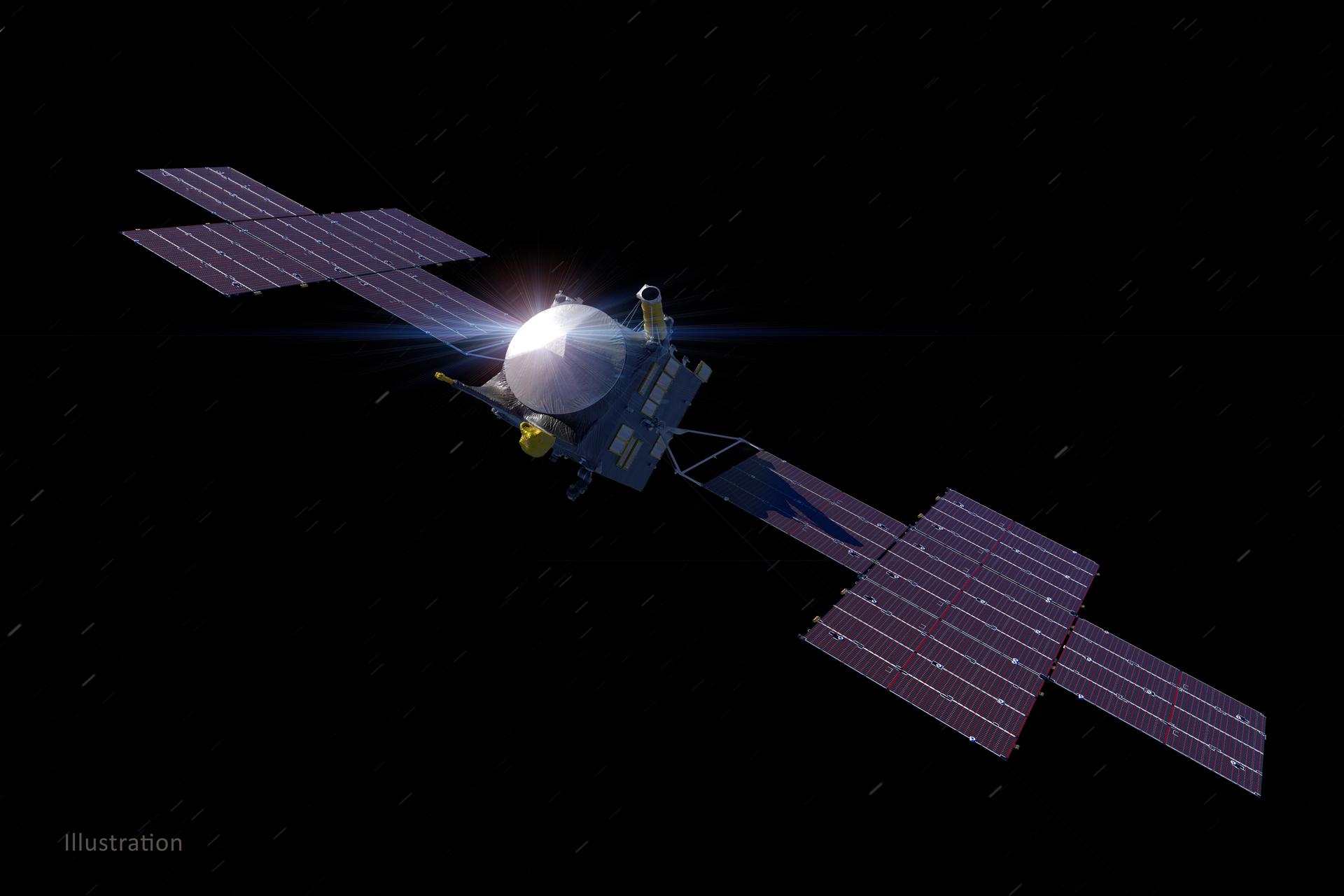
NASA released the science haul and a time-lapse from Psyche's May 15 Mars gravity assist — a free 1,000 mph boost that doubled as a full instrument checkout, including a live test of a Lawrence Livermore-built gamma-ray sensor, three years before the spacecraft reaches its metal asteroid.