NASA
Every Cosmic Herald story on NASA — missions, launches, discoveries, and the business of space, newest first.
-
Science & Discovery
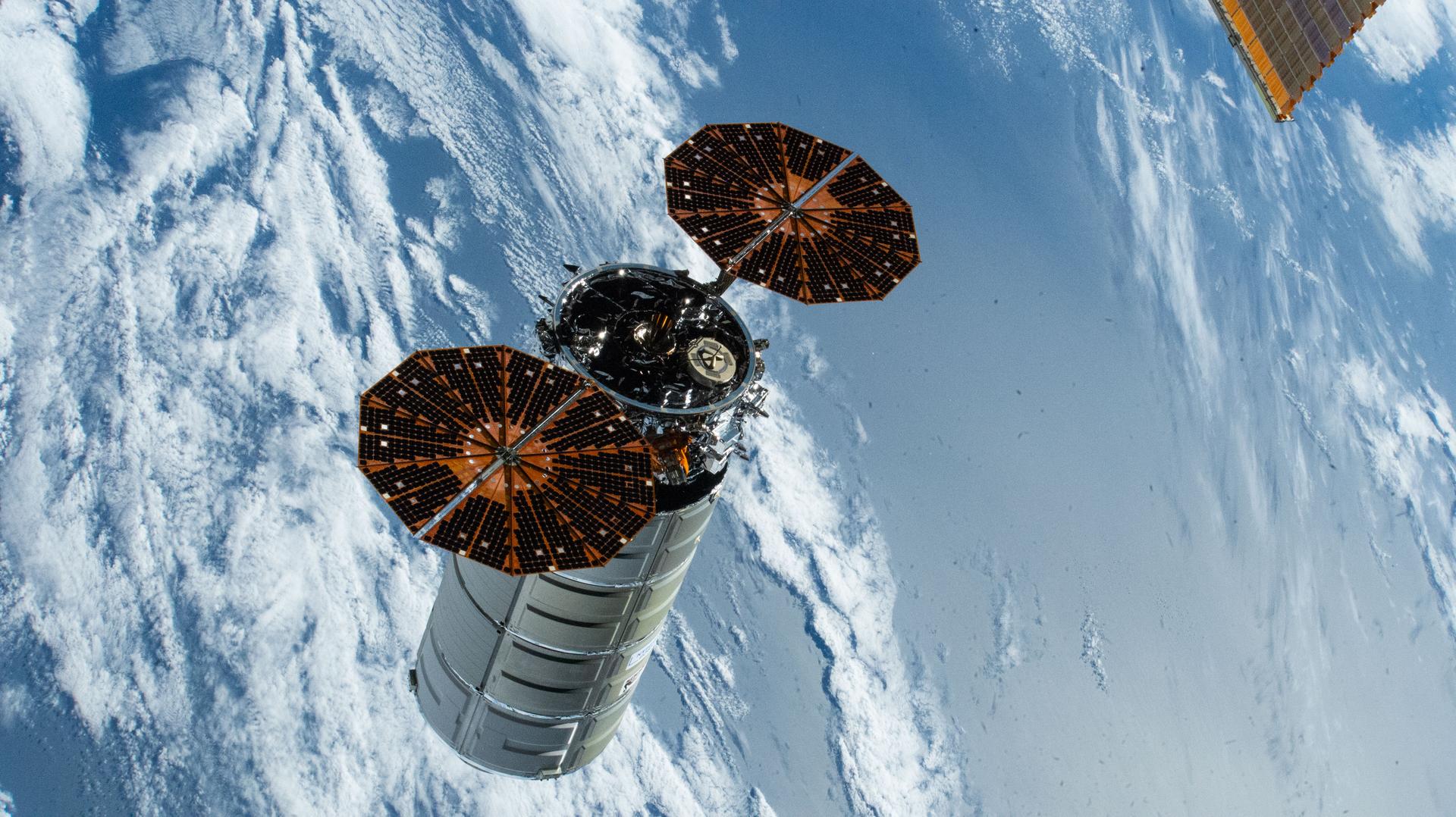
Trash to Treasure: Cygnus XL Leaves the ISS Carrying 12 Student-Built Heat-Shield Probes
Northrop Grumman's Cygnus XL left the ISS on Oct. 9 loaded with station trash and 12 University of Kentucky KREPE-3 capsules that will test experimental heat-shield materials, including a 3D-printed shield, during the cargo ship's destructive reentry.
-
Science & Discovery
SPHEREx Points Its All-Sky Eye at 37 Brown Dwarfs, and the Atmosphere Models Come Up Short
NASA's SPHEREx measured 37 nearby brown dwarfs in 102 colors, finding water, CO2, CO and methane, and showing that leading atmosphere models still miss key features. Thousands more objects are already in the queue.
-
Science & Discovery
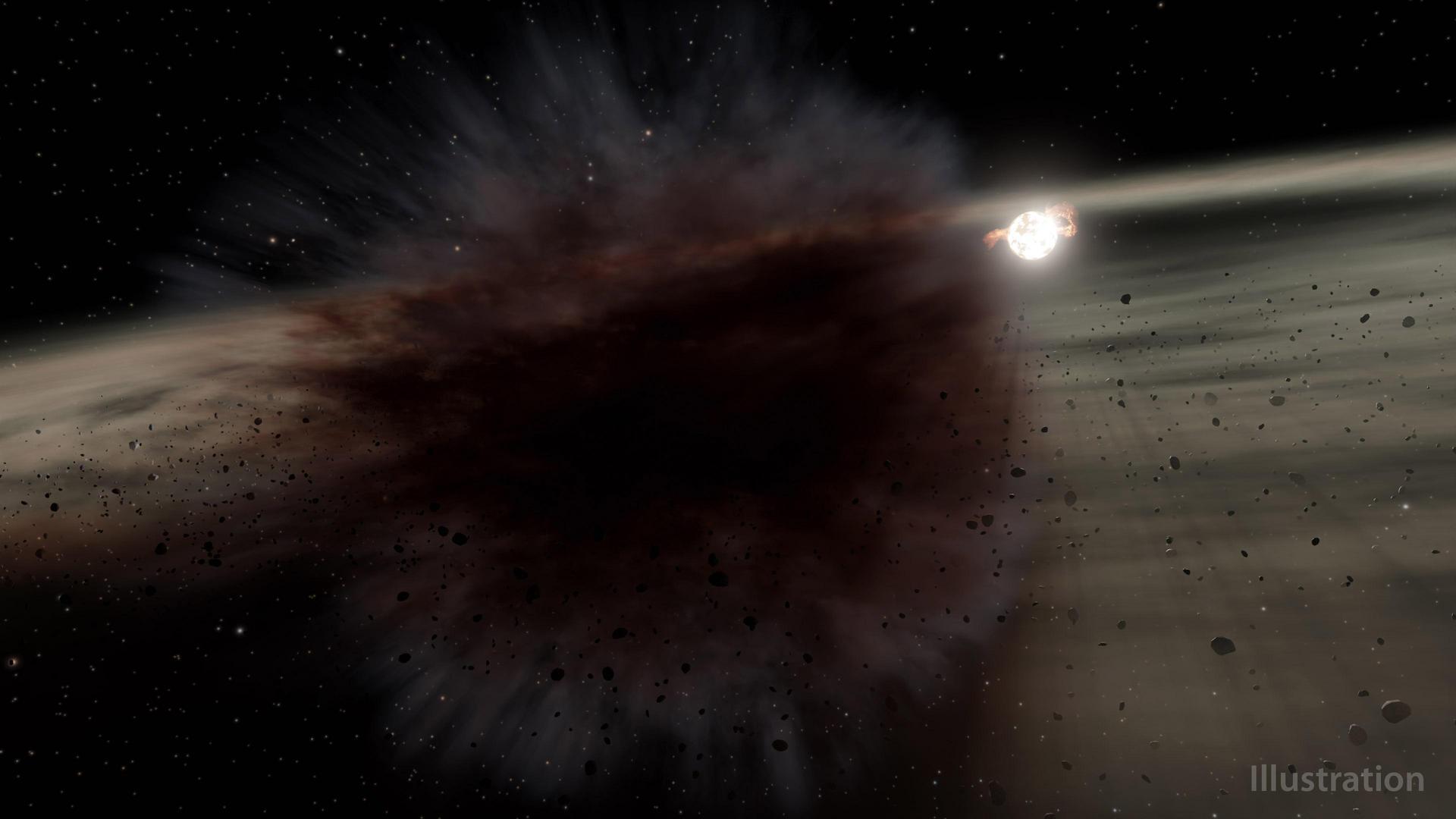
Webb Counts the Wreckage: 21 'Extreme Debris Disks' Show Two Kinds of Planet-Smashing Collisions
Webb and Spitzer spectra of 21 extreme debris disks split into two camps: silica-rich Mars-scale impacts around stars under 300 million years old, and silica-poor Moon-scale grazing collisions at any age.
-
Science & Discovery
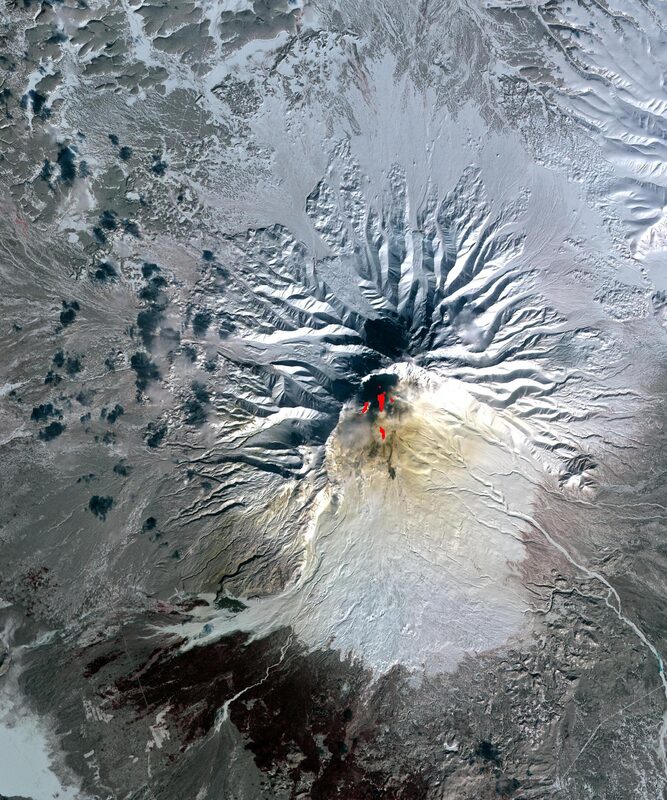
NISAR's Radar Eyes Track a Kamchatka Volcano Erupting After 475 Years
A NASA-ISRO radar satellite stitched passes from December 2025 through August 2026 into a 17-frame time-lapse of lava spilling from Kamchatka's Krasheninnikov volcano, which erupted for the first time since roughly 1550, days after a magnitude-8.8 earthquake.
-
Science & Discovery
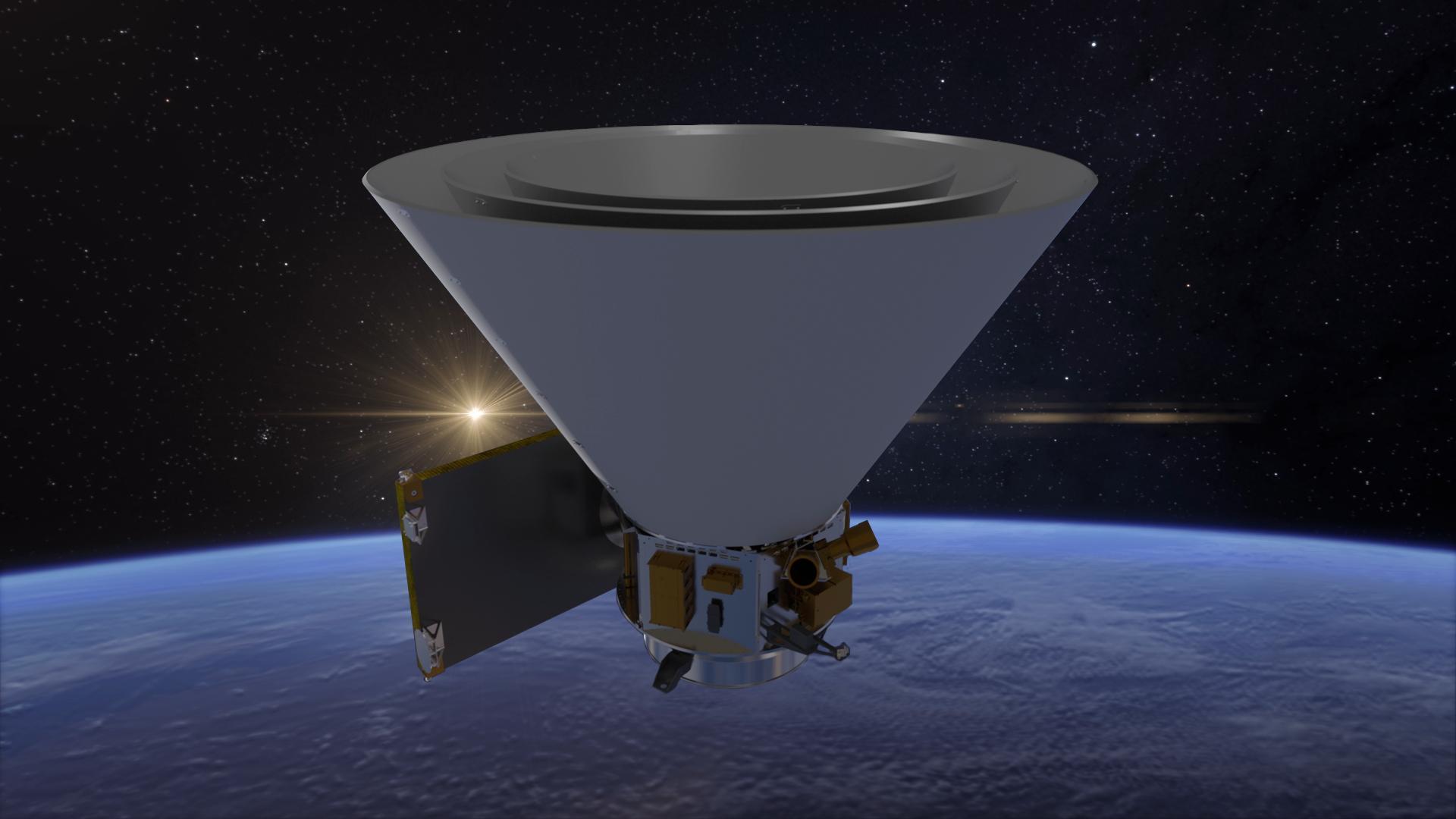
NASA Picks PRIMA, a $1.2 Billion Far-Infrared Observatory, to Lead a New Mission Class
NASA confirmed PRIMA, a cryogenically cooled 1.8-meter far-infrared telescope capped at $1.2 billion, as the first mission in its new Probe Explorers class, targeting a 2033 launch.
-
Science & Discovery
Perseverance Finds Three-Stage Water History in Jezero Crater's 'Margin Unit'
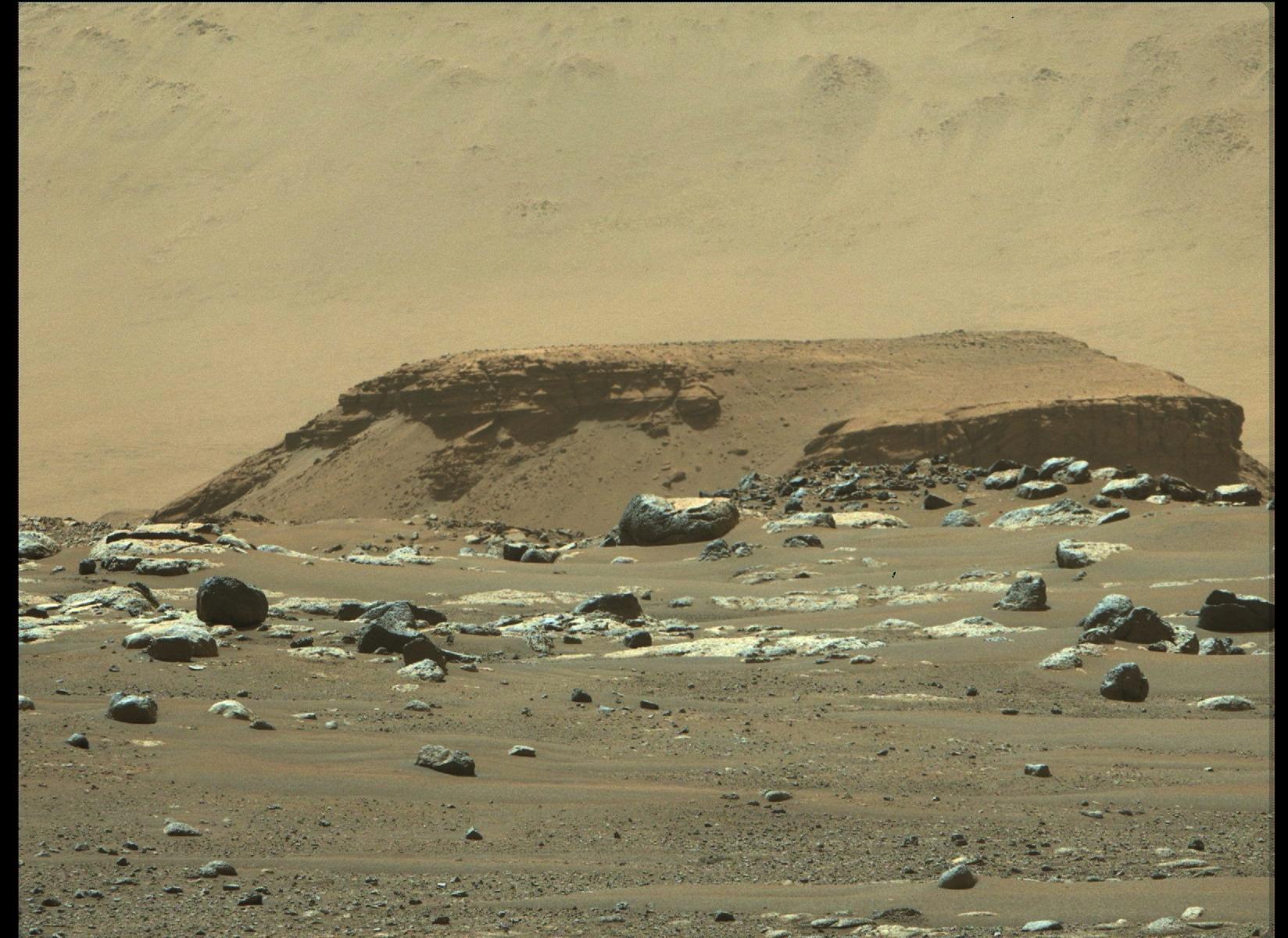
A peer-reviewed study using Perseverance's SuperCam data reconstructs three distinct water-alteration episodes in Jezero Crater's carbonate-rich Margin unit, reinforcing the site's astrobiological promise.
-
Science & Discovery
A Red Dwarf's Double Jackpot: Microlensing Turns Up a Rare Two-Giant-Planet System
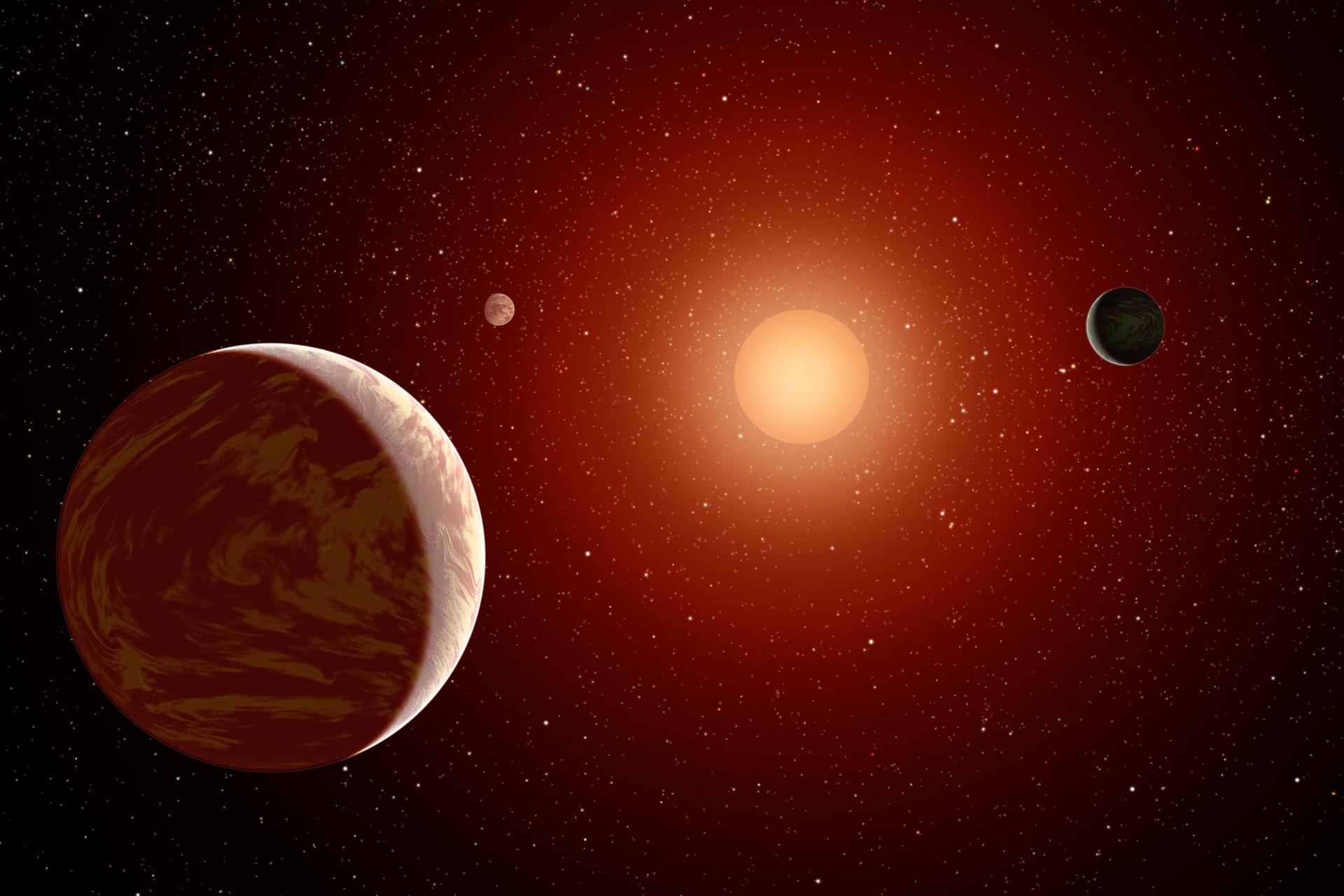
A newly posted study of microlensing event KMT-2026-BLG-0083, caught independently by four survey teams, finds an M-dwarf star hosting two Jupiter-class planets — only the seventh multi-planet system microlensing has ever confirmed.
-
Science & Discovery
NASA Recruits the Public to Teach AI What a Telescope Glitch Looks Like
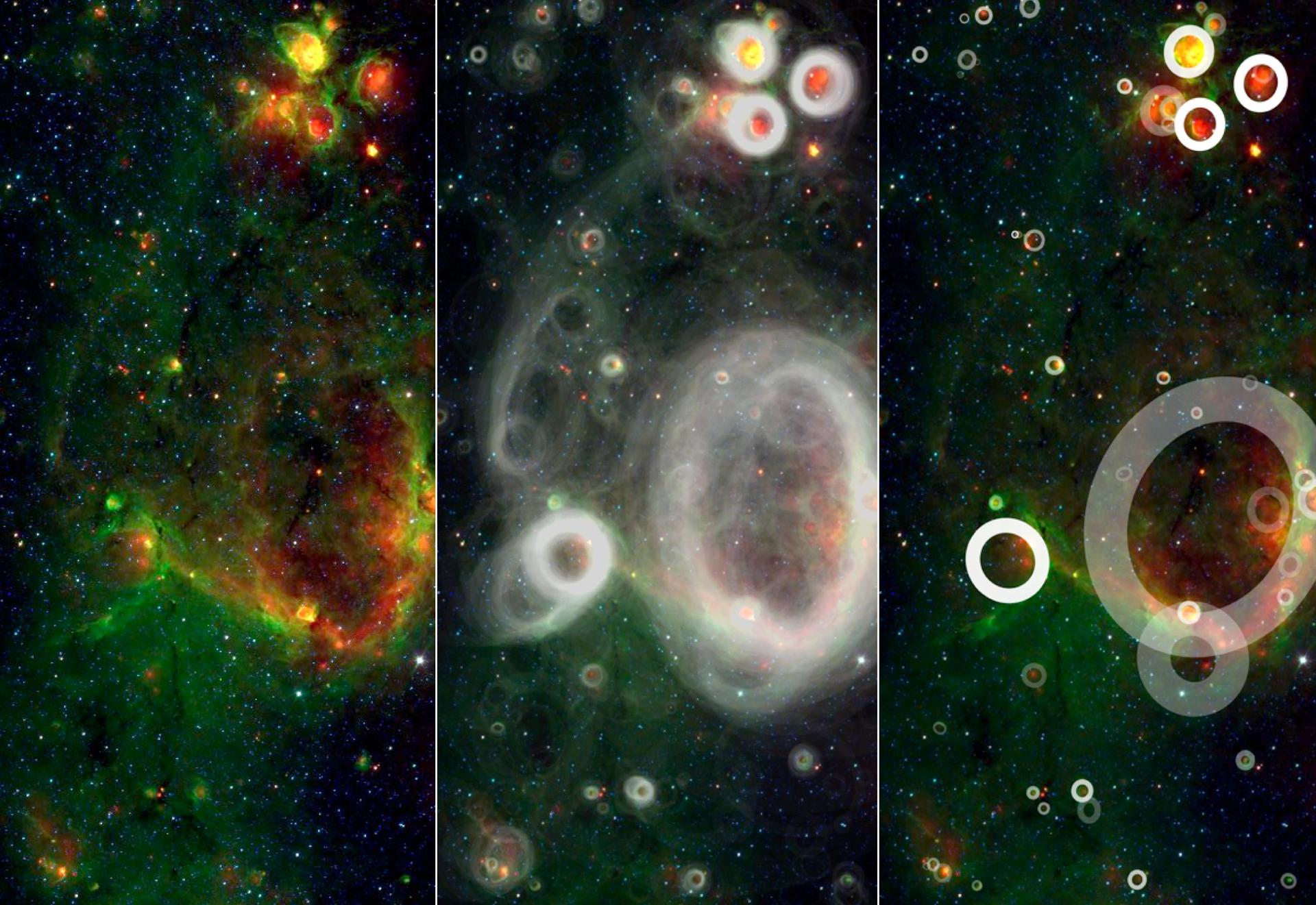
NASA's new Artifact InSPECtor project asks citizen scientists to flag cosmic-ray hits and detector quirks in Euclid telescope spectra, building the human-labeled dataset needed to train AI filters before the Roman Space Telescope starts science operations in 2027.
-
Science & Discovery
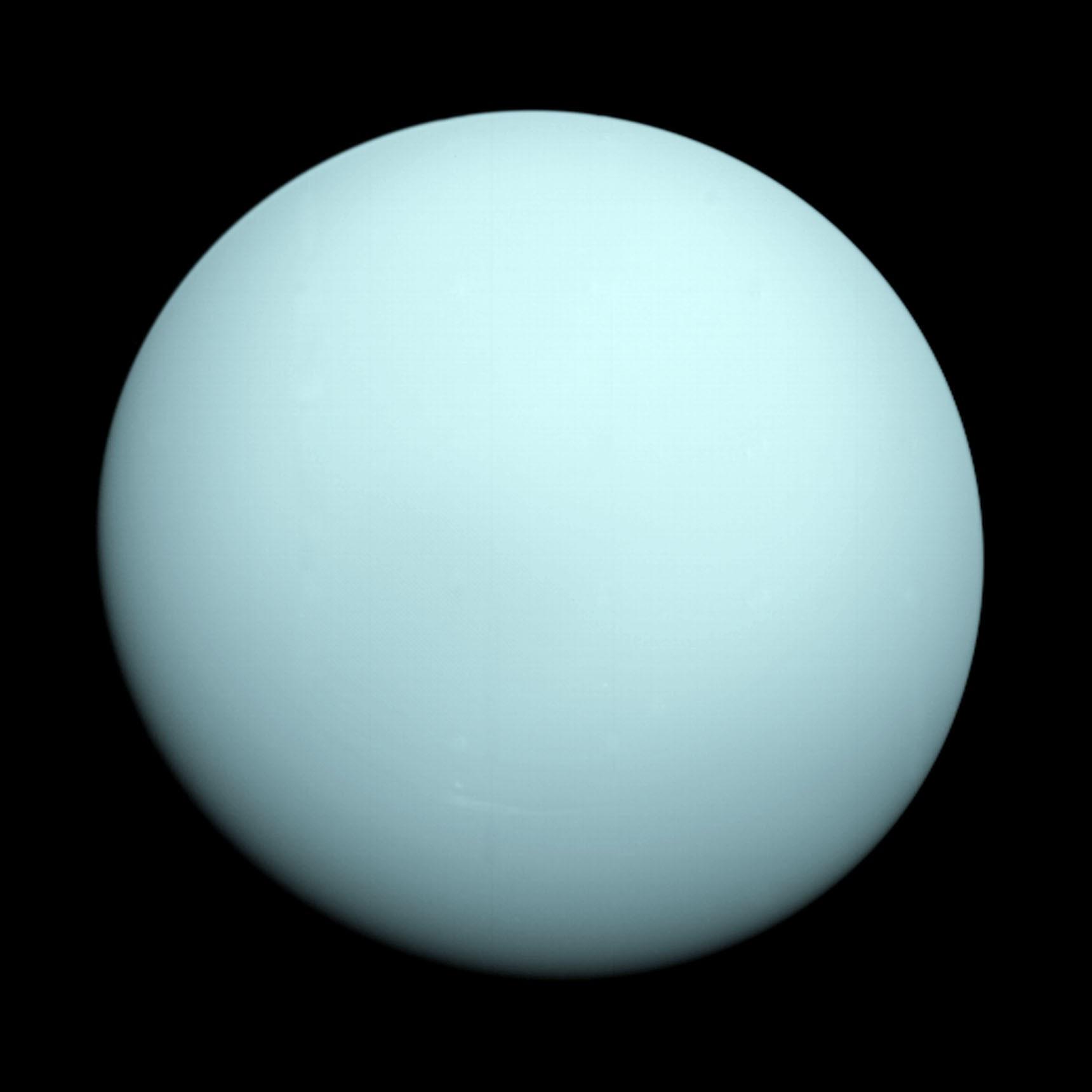
Without Jupiter's Gravity Assist, NASA Engineers Turn to Solar Electric Propulsion to Reach Uranus
A slipped launch window cost NASA's flagship Uranus mission its Jupiter gravity assist, so a new Planetary Science Journal paper swaps in solar electric propulsion to still reach the ice giant in about 13 years.
-
Science & Discovery
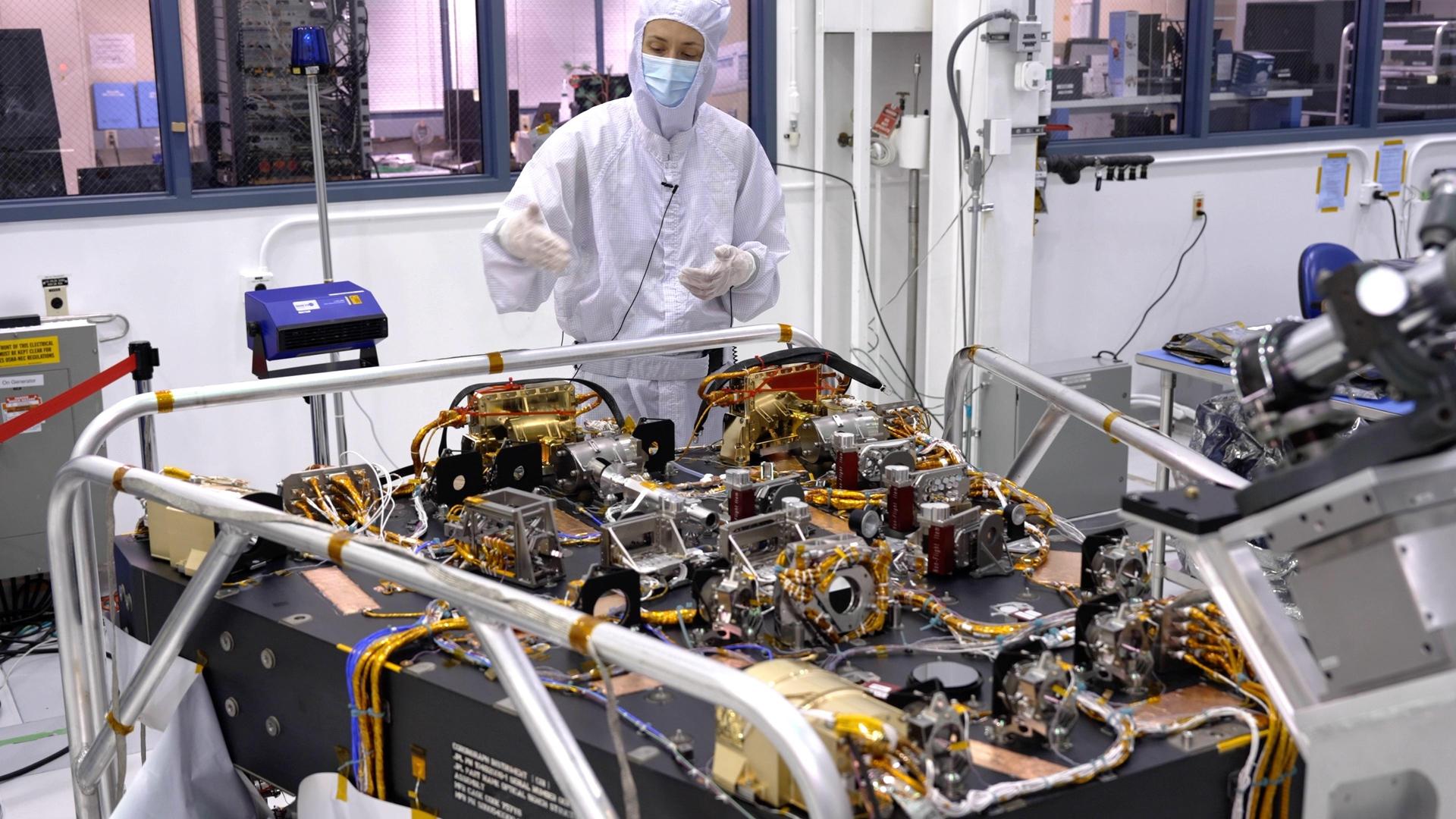
Roman Space Telescope Powers On Its Planet-Imaging Coronagraph
Days after launching on a Falcon Heavy, NASA's Roman Space Telescope switched on its Coronagraph Instrument on September 1, kicking off months of calibration before it attempts to directly image planets around nearby stars.
-
Science & Discovery
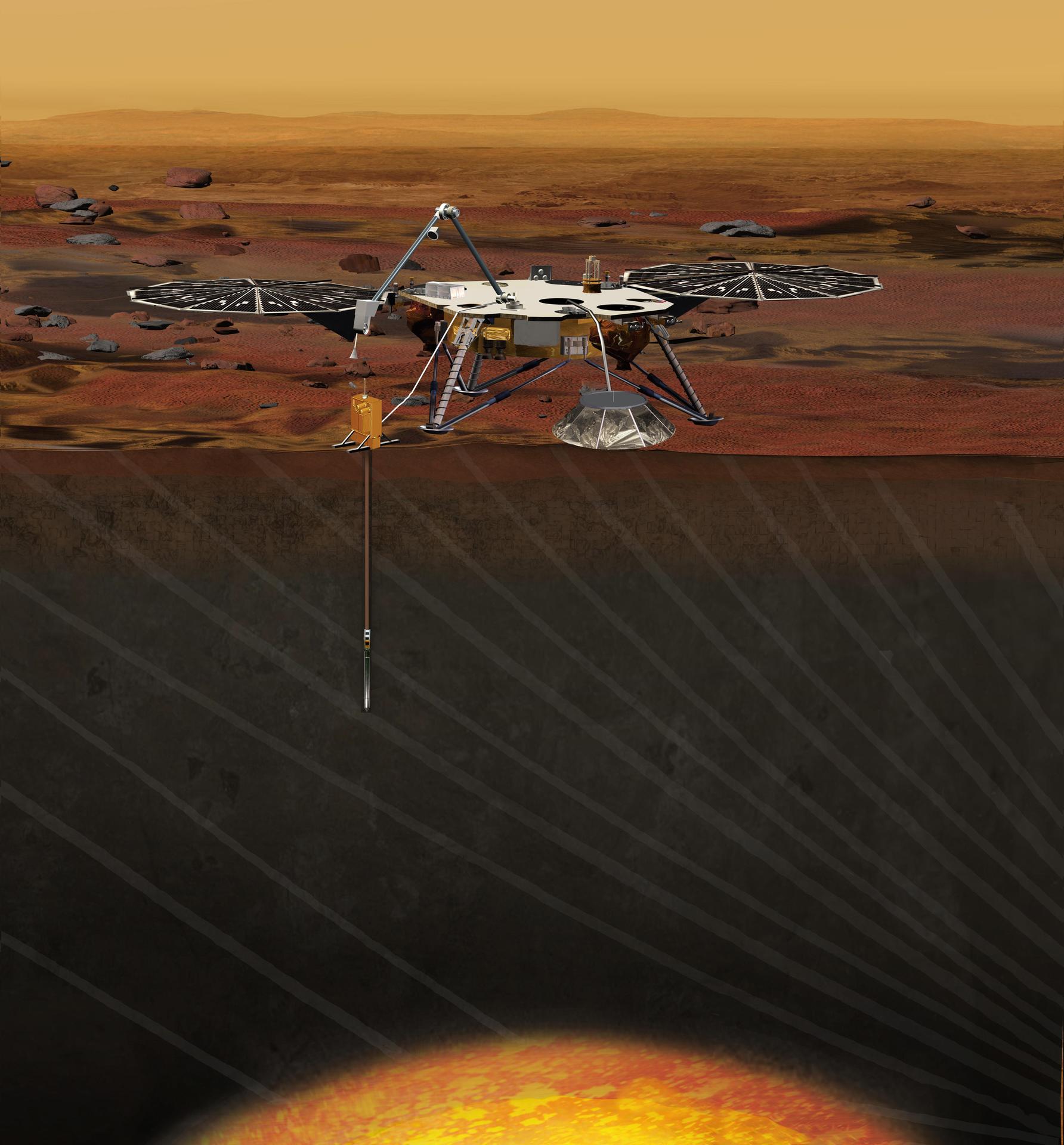
Mars May Be Hiding a Molten Hot Spot Beneath Its South Pole
A gravity-based "tidal tomography" study in Nature finds the interior under Mars's south finds runs 200–400°C hotter than the north and may be partly molten, reshaping ideas about the planet's lopsided magnetism and ancient water.
-
Science & Discovery
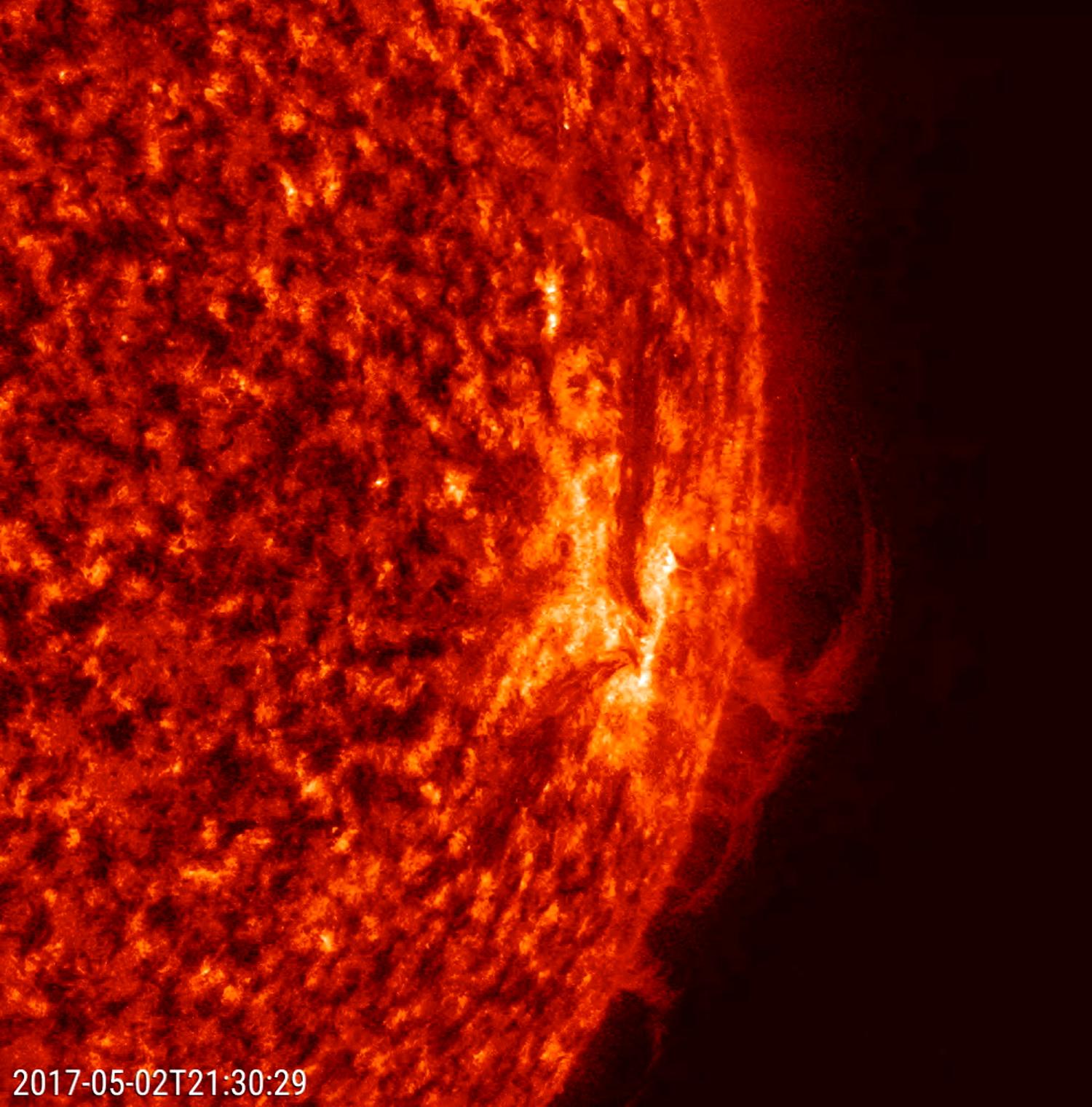
Sharpest-Ever Sun Images Reveal Swirling Instabilities Hiding in Plain Sight
The Inouye Solar Telescope's highest-resolution images yet show Kelvin-Helmholtz vortices are everywhere on the Sun's surface, not rare events — a discovery that may help crack the decades-old mystery of why the corona is millions of degrees hotter than the surface below it.