Stargazing
Stargazing and skywatching from Cosmic Herald — what to see in the night sky, meteor showers, planets, auroras, and observing guides.
-
Stargazing
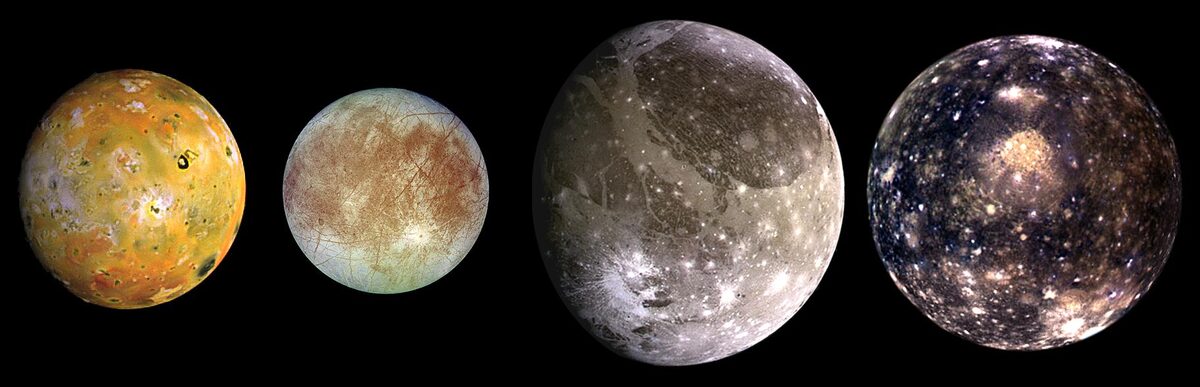
Jupiter's Moons Start Eclipsing Each Other: How to Watch the 2026-27 Mutual Event Season Before Dawn
Every five years or so, Jupiter's Galilean moons line up edge-on from Earth and start passing in front of, or into the shadows of, one another. That season is underway now, and Jupiter is back in the pre-dawn sky.
-
Stargazing
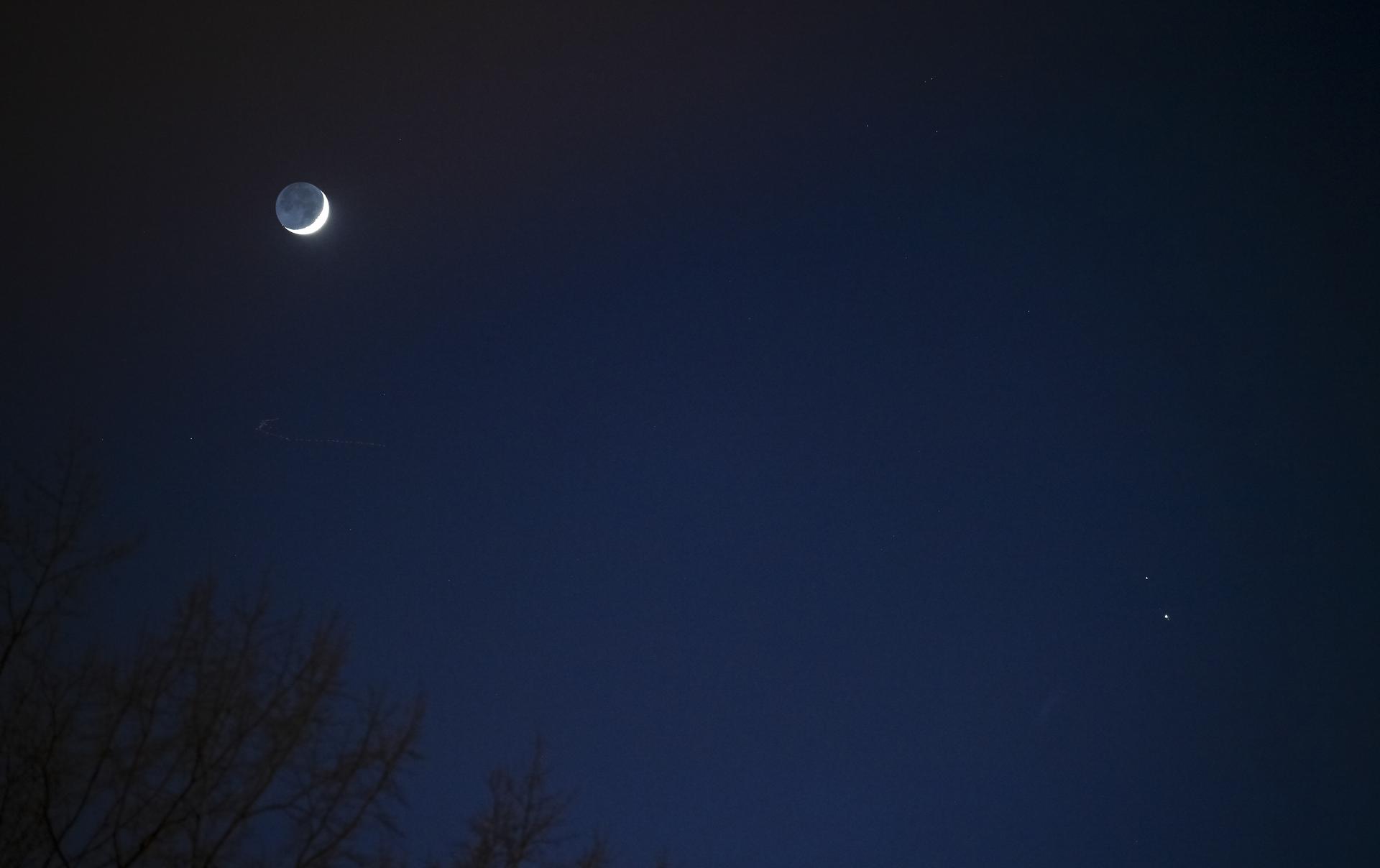
Saturn at Opposition, Then the Moon Swallows Jupiter: A Double Header for Early October
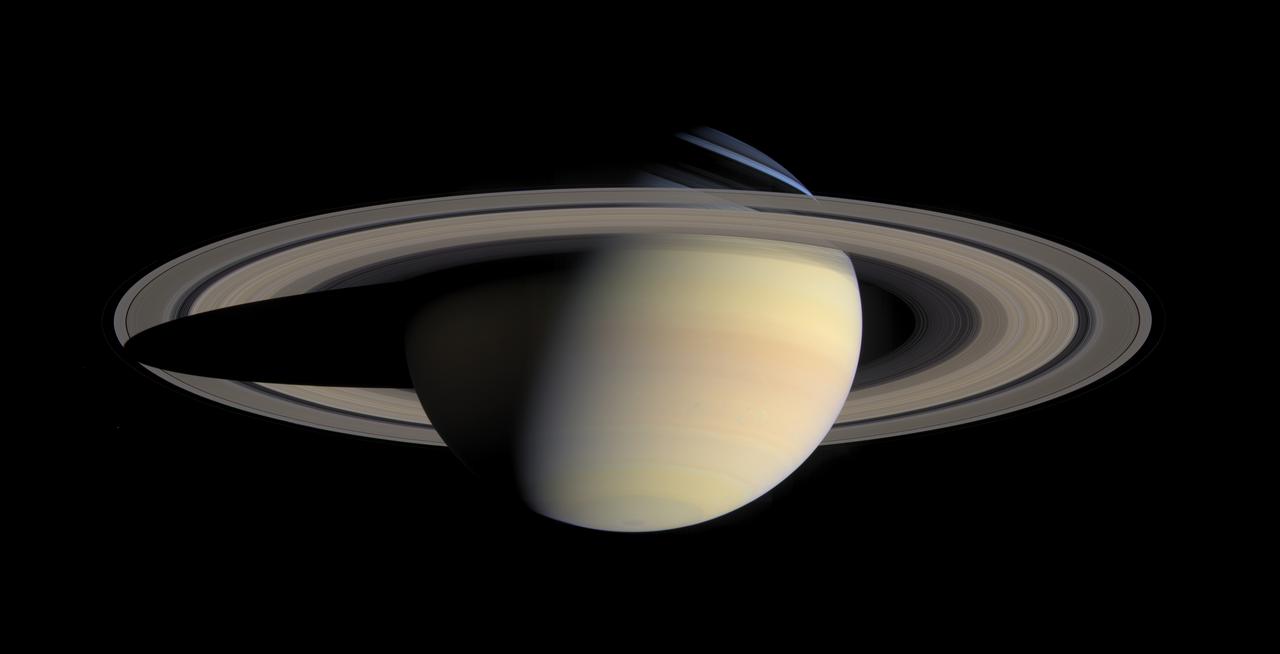
Saturn reaches opposition on Oct. 4 at magnitude 0.3, and two mornings later a waning crescent Moon passes in front of Jupiter across eastern North America, the best-placed Jupiter occultation of 2026.
-
Stargazing
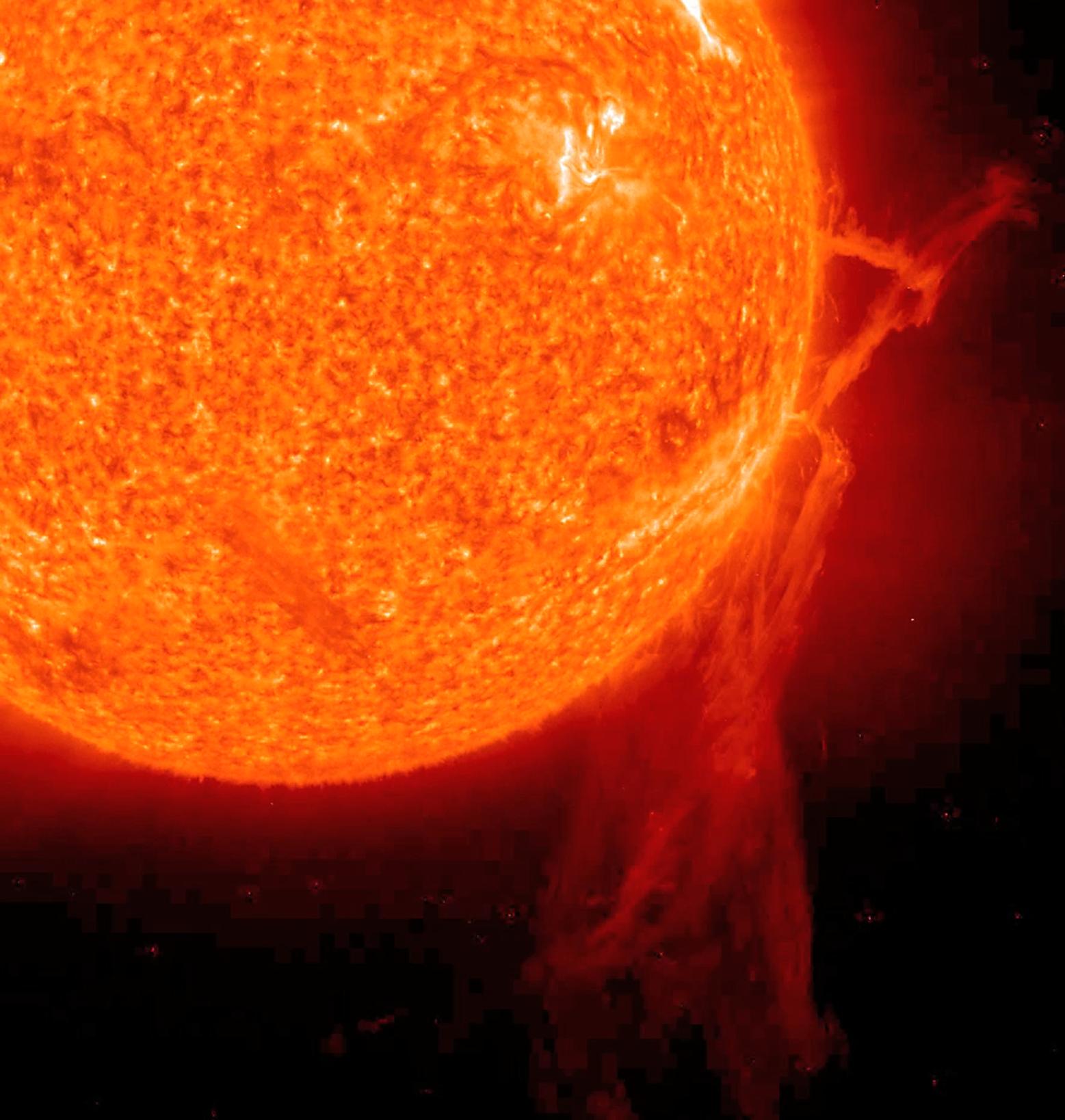
A Filament Let Go on the Sun, and a Glancing CME Is Headed for Earth
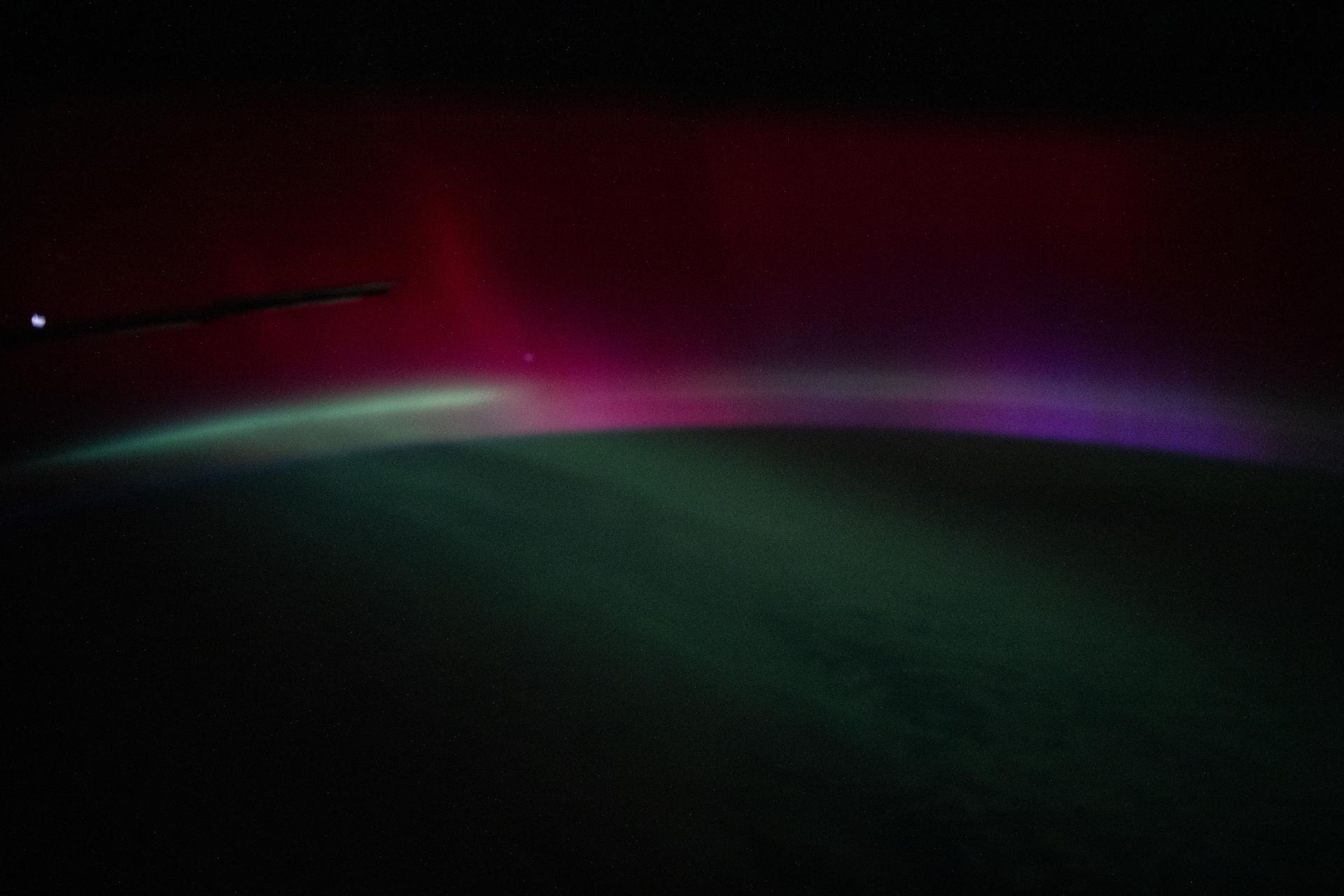
A filament eruption on Sept. 28 launched a two-part partial halo CME, and NOAA has posted a G1 (minor) geomagnetic storm watch for Oct. 2, with a flanking blow that could bring aurora to high latitudes.
-
Stargazing
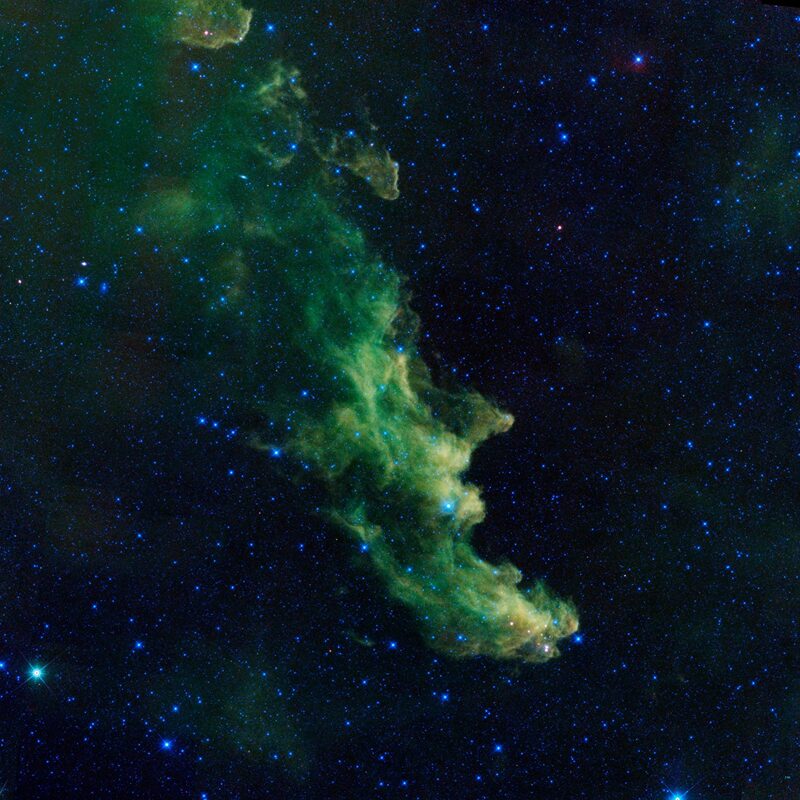
October's Spooky Sky: Catch the Demon Star Algol Blink and Hunt the Witch Head Nebula
Algol, Perseus's eclipsing Demon Star, dims by more than a magnitude every few days, and the faint Witch Head Nebula near Rigel rewards patient observers with big scopes and dark skies. Here is how to see both this October.
-
Stargazing
Equinox Coronal-Hole Stream Triggers G1 Geomagnetic Storm and Aurora Watch
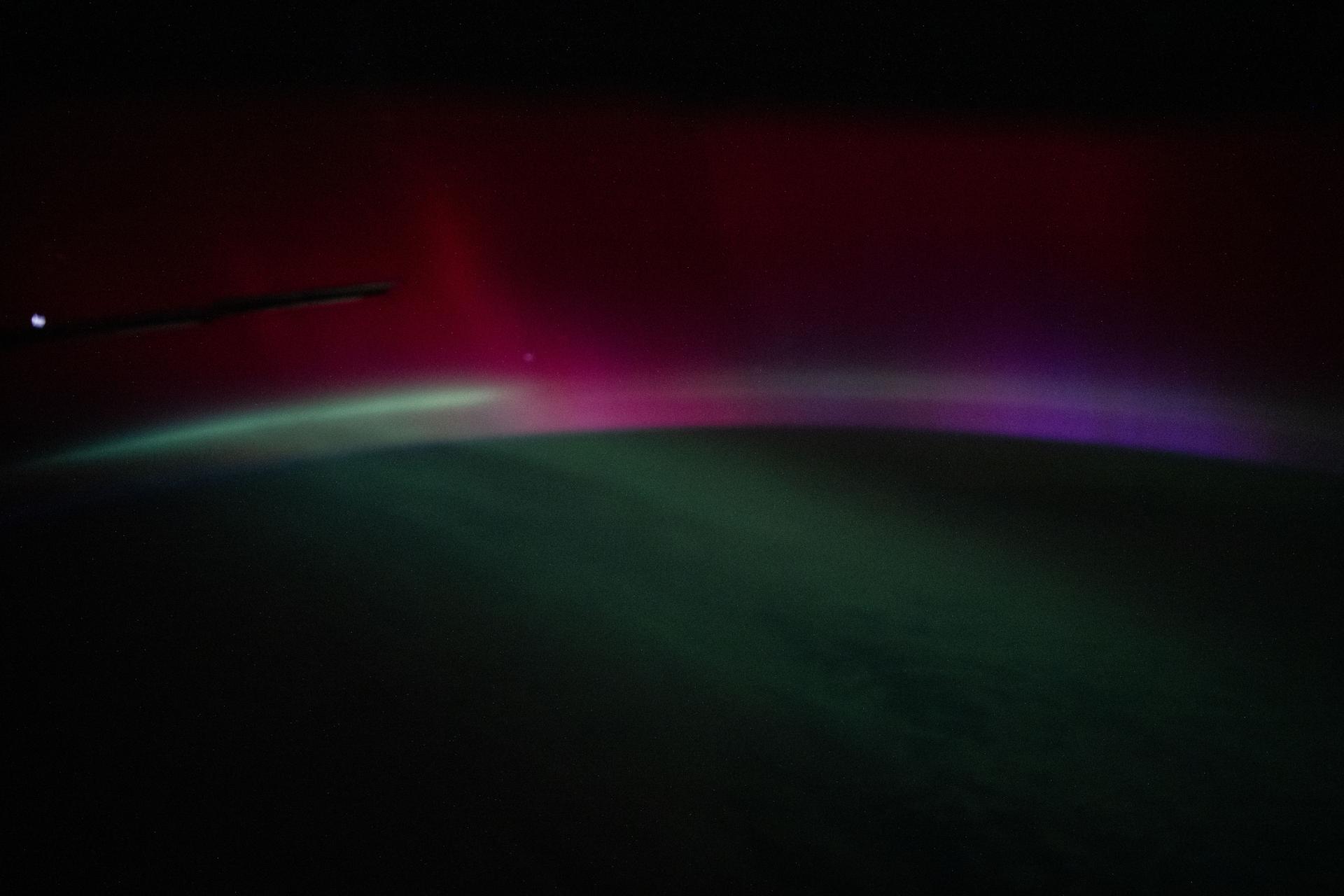
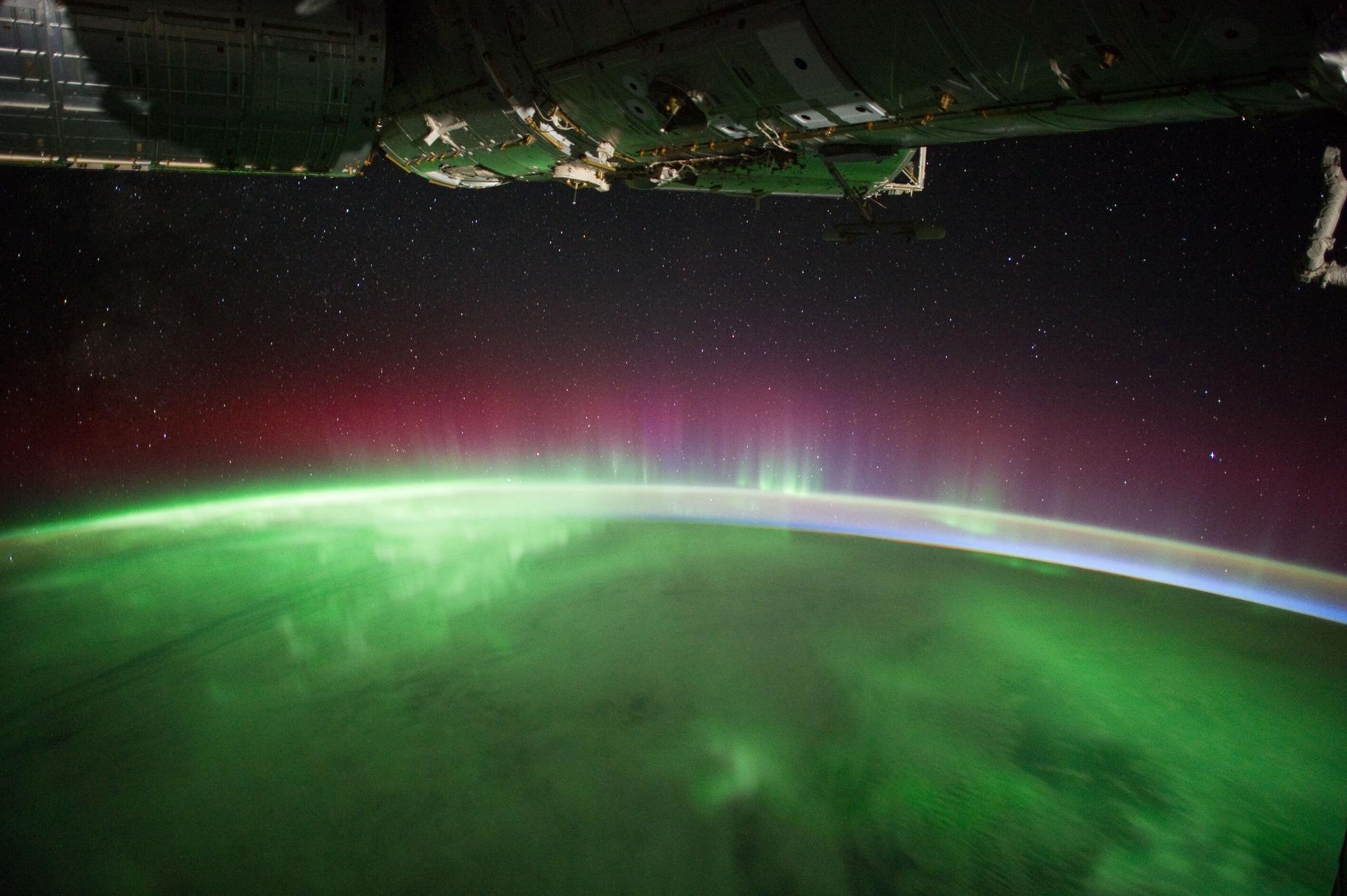
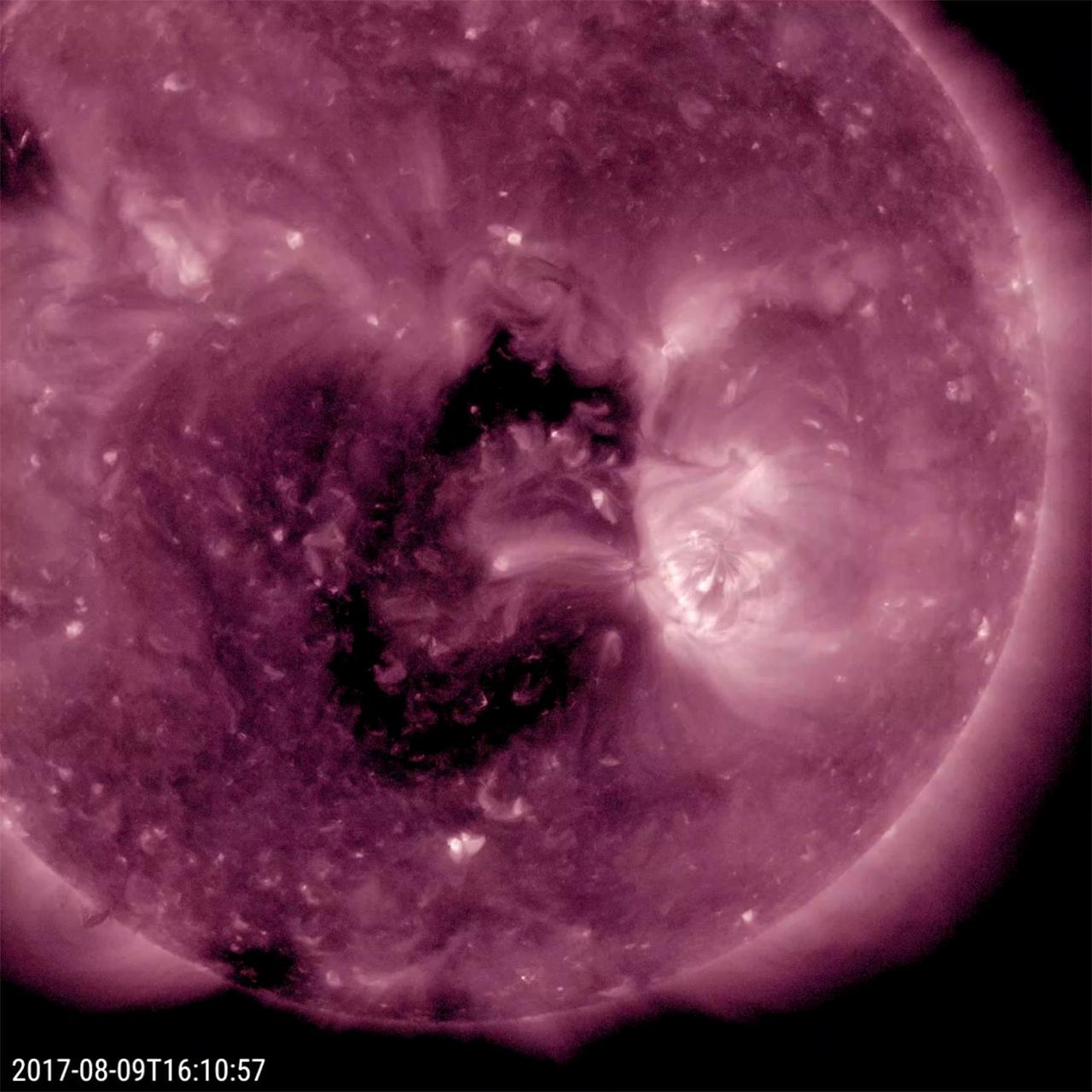
A canyon-shaped coronal hole's high-speed solar wind is hitting Earth just after the equinox, and NOAA forecasts a G1 storm with Kp near 5 that could paint auroras across Alaska, Canada, Scotland and southern New Zealand through Sept. 26.
-
Stargazing
Neptune Reaches Opposition 180 Years After the Discovery That Found It With Math
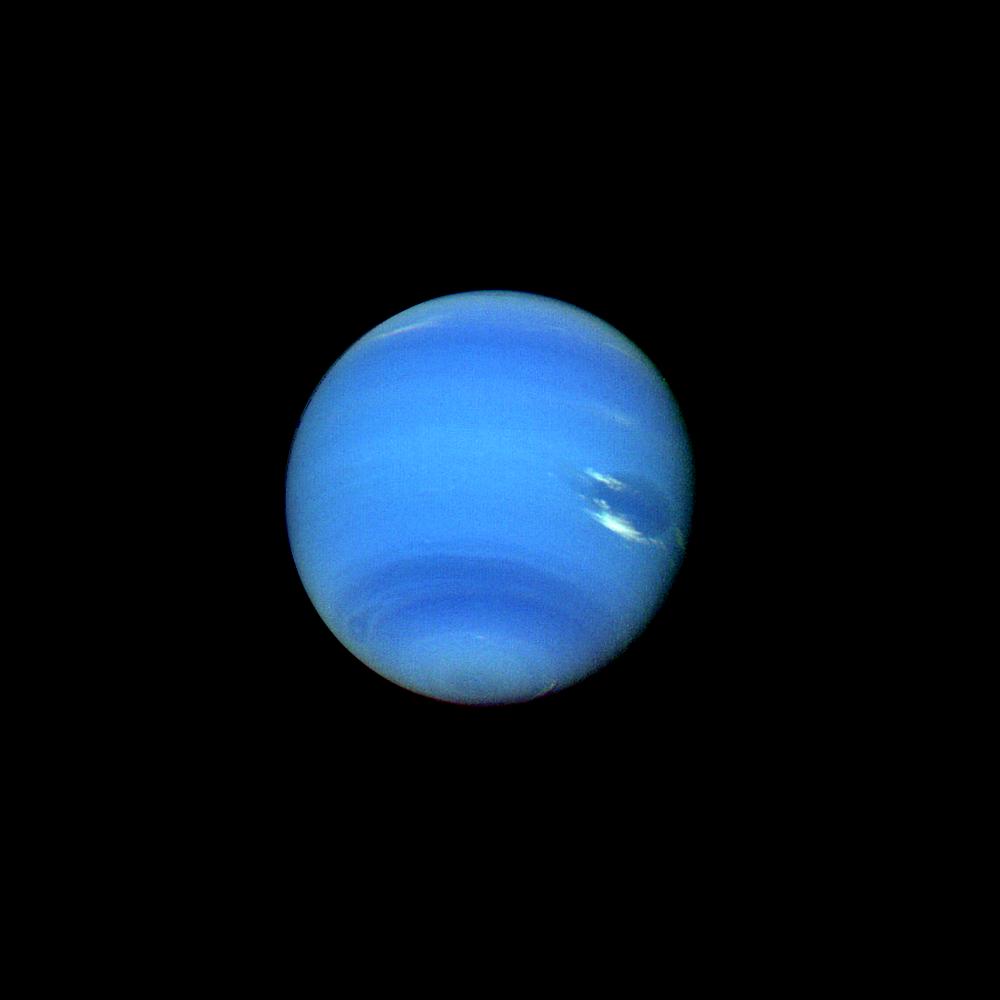
Neptune reaches opposition on Sept. 26, 2026, almost exactly 180 years after astronomers pointed a telescope at the exact spot mathematics had predicted and found it waiting.
-
Stargazing
NOAA Issues G1 Storm Watch as Solar Wind Meets the September Equinox
NOAA forecasts a G1 geomagnetic storm for Sept. 24 as a coronal-hole solar wind stream arrives right after the equinox, a seasonal alignment that historically boosts aurora odds.
-
Stargazing
Equinox Sets Up Aurora Window as Forecasters Flag a G1 Storm for Sept. 24
The September equinox and an incoming coronal-hole solar wind stream are stacking the odds toward a minor G1 geomagnetic storm and aurora sightings on Sept. 23–24, 2026.
-
Stargazing
Two Outer Planets, Two Oppositions: Neptune Peaks Sept. 25-26, Saturn Follows Oct. 4
Neptune reaches opposition on Sept. 26 at magnitude +7.8 and needs optics, while naked-eye Saturn peaks on Oct. 4, with the Harvest Moon forming a wide triangle with both planets.
-
Stargazing
International Observe the Moon Night Returns September 19, with Artemis II on the Agenda
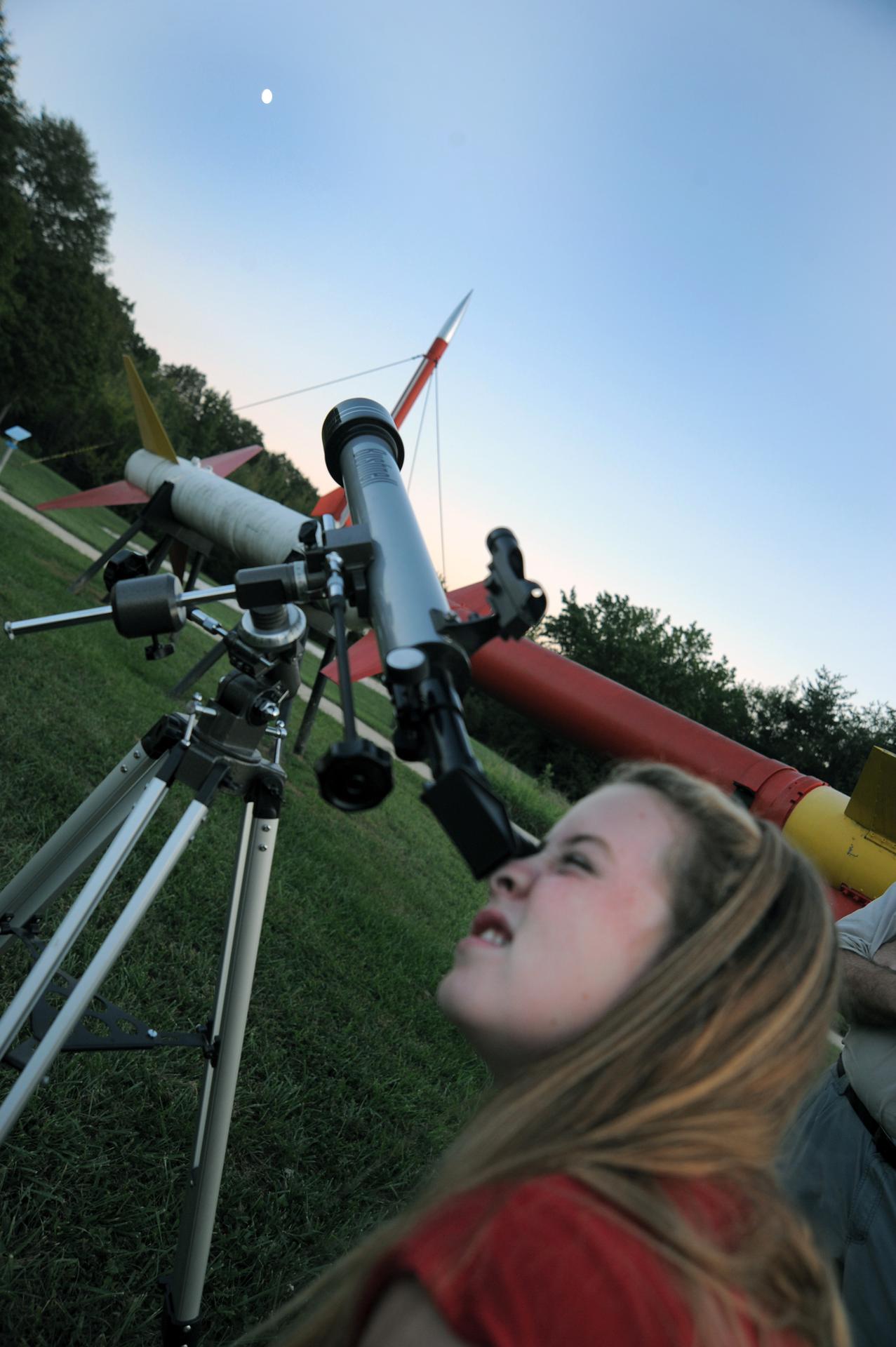
NASA's global Moon-watching night lands Sept. 19, 2026 under a waxing gibbous Moon perfect for crater-spotting, anchored by a Huntsville flagship event tied to the Artemis II crew and echoed by local telescope nights from the US to Spain.
-
Stargazing
Dueling Solar Wind Streams Set Up Weekend Aurora Chances
Two CMEs and a filament eruption from an active sunspot region are due to strike Earth's magnetic field September 16-17, and NOAA's storm watch means the aurora could sneak into mid-latitude skies this weekend.
-
Stargazing
Twin Coronal Holes Take Aim at Earth, Raising Odds of Equinox Auroras
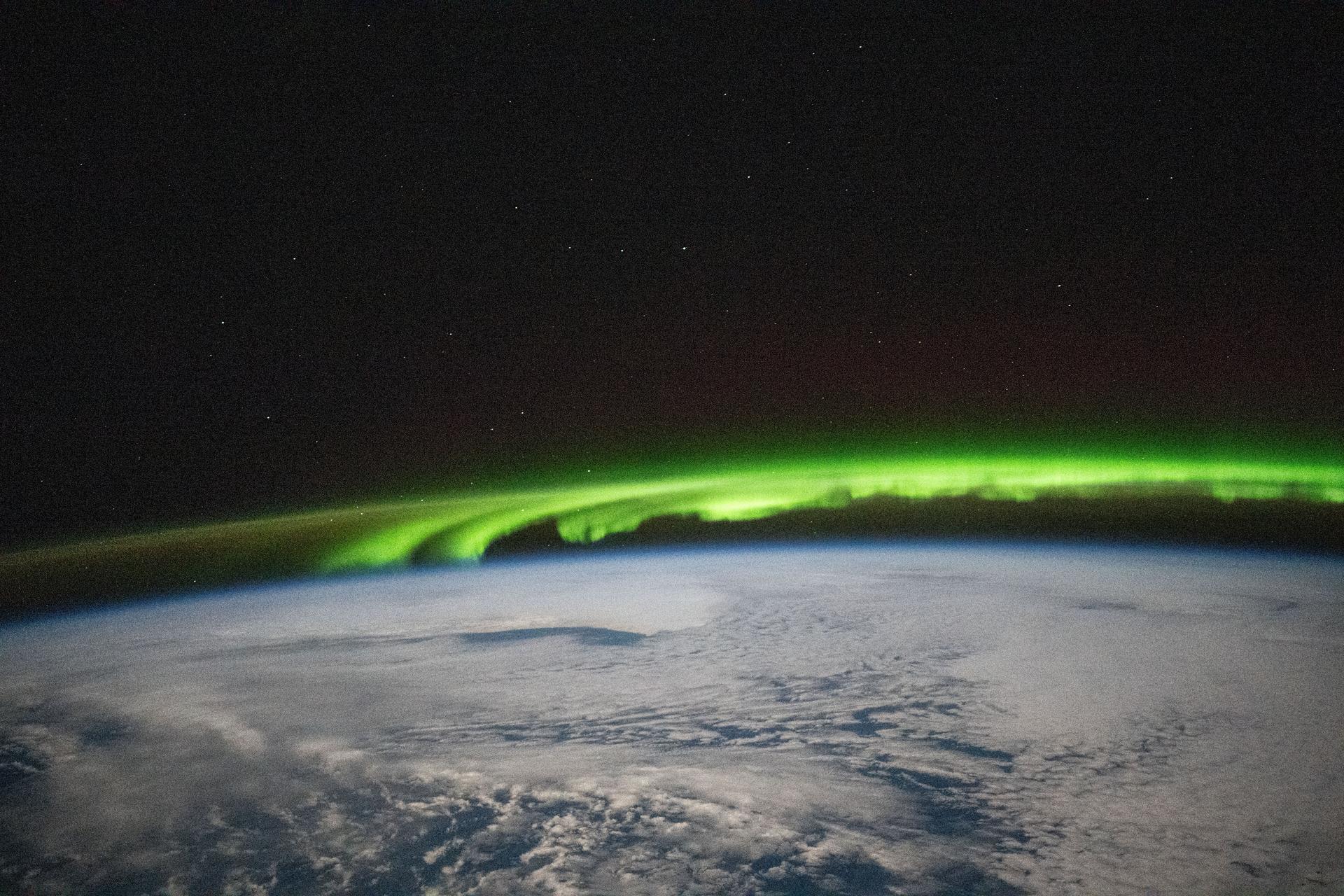
Two coronal holes, one in each solar hemisphere, are rotating into Earth-facing position, and forecasters say the resulting solar wind streams could spark G1-level auroras around the equinox.