Stargazing
Stargazing and skywatching from Cosmic Herald — what to see in the night sky, meteor showers, planets, auroras, and observing guides.
-
Stargazing
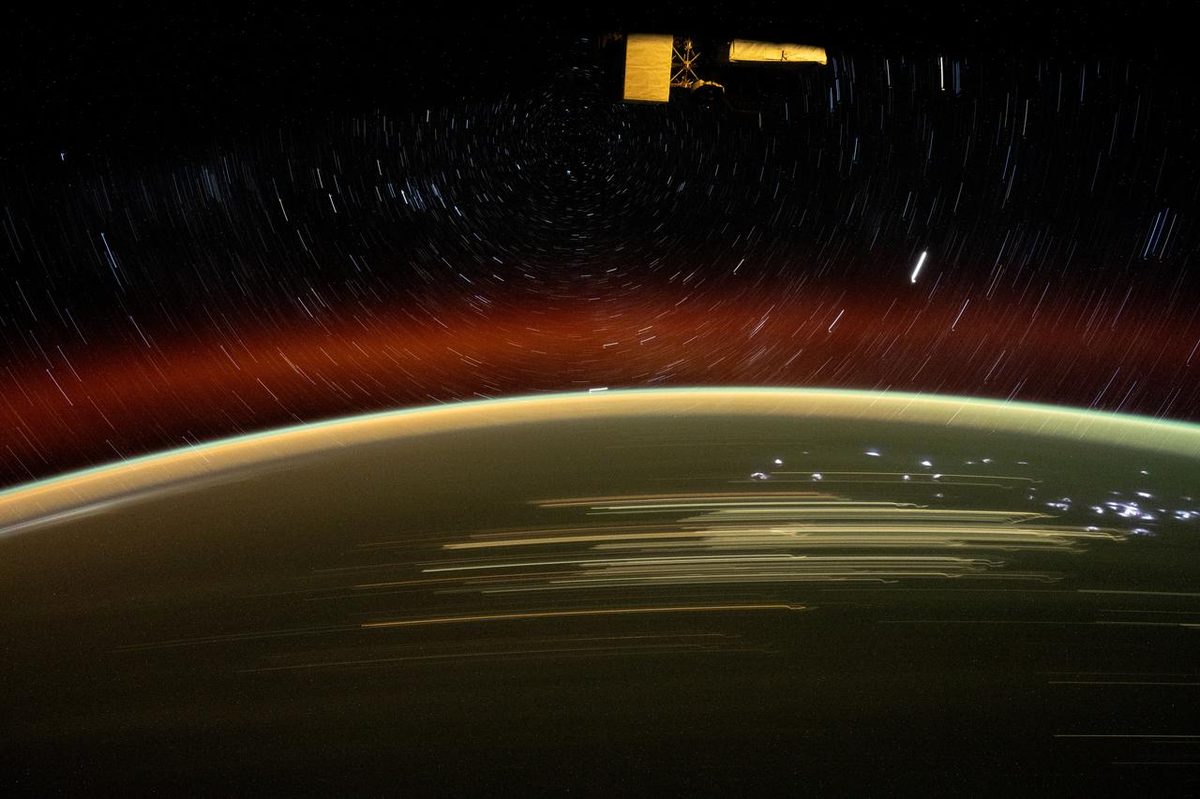
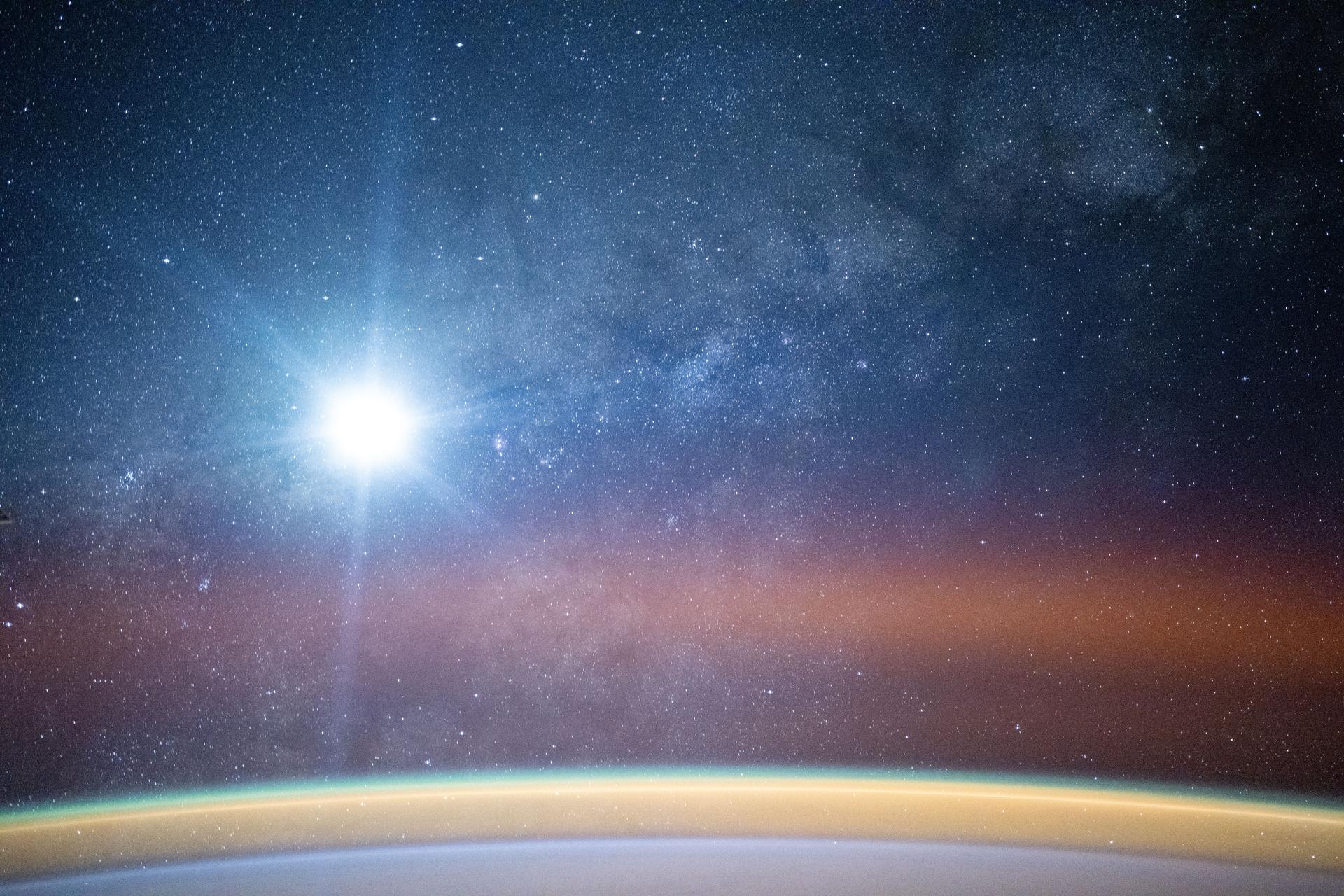
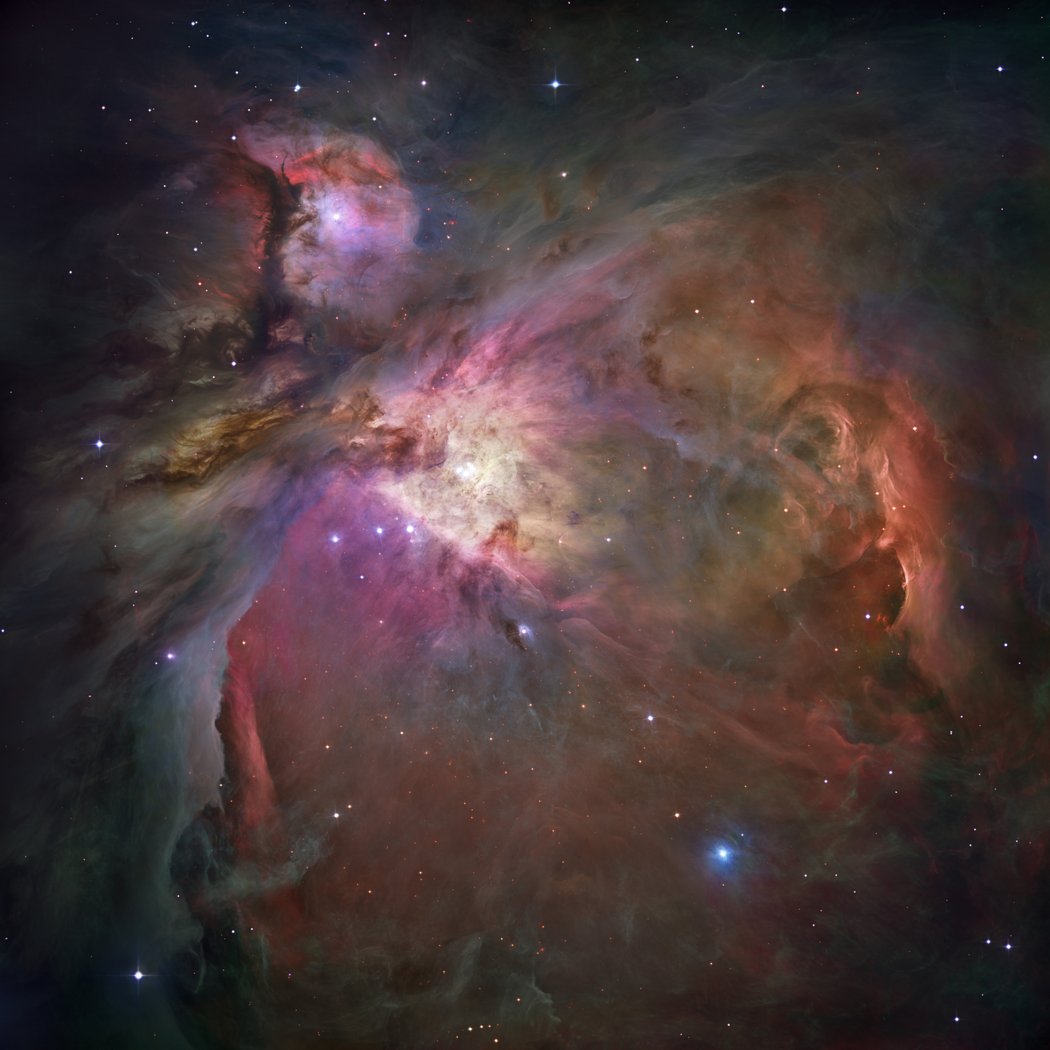
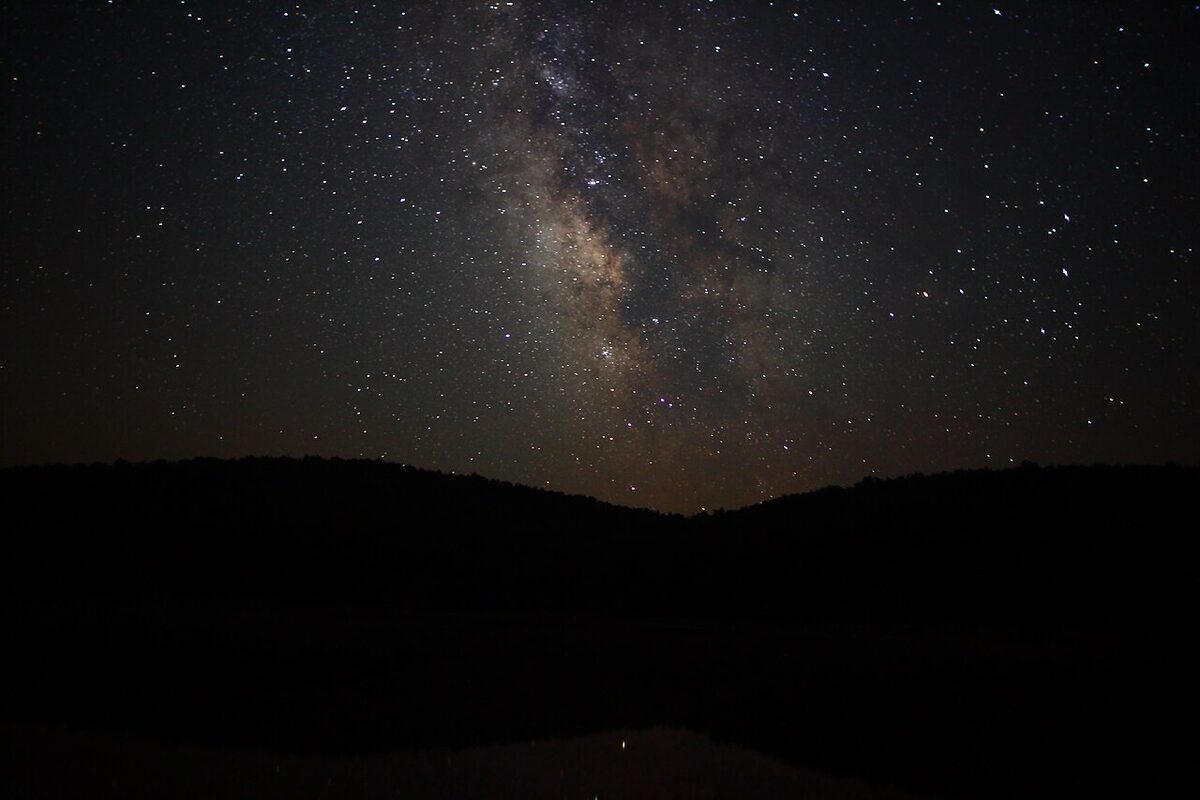
Night sky photography in 2026: what modern cameras can do that used to take an observatory
The gap between what professional astronomers can photograph and what a person with a consumer camera can photograph has collapsed in a decade. Modern sensors, computational processing, and stacking software have put Milky Way portraits and even nebula detail within reach of anyone with patience and a clear night. Here's what the technology.
-
Stargazing
The best meteor showers of 2026: when to watch and where to look
Each year brings the same celestial calendar of debris trails — but the conditions change. Moon phase, radiant altitude, and predicted rates vary year to year, and 2026 has some genuinely favorable nights worth planning around.
-
Stargazing
Saturn's rings are nearly edge-on. Here's why that's worth watching.
Saturn's rings appear to open and close as the planet orbits the Sun, presenting a full face every fifteen years or so — and then nearly vanishing as they tilt edge-on. We are approaching one of those disappearing acts. Understanding the geometry, and how to watch it unfold, makes an ordinary telescope into a front-row seat for orbital mechanics.
-
Stargazing
Five planets are visible without a telescope. Here's when and where to find each of them in 2026.
Mercury, Venus, Mars, Jupiter, and Saturn are all visible to the naked eye under dark skies. Their positions shift throughout the year as Earth and the planets orbit the Sun. This guide covers the best viewing windows and what to look for in 2026.
-
Stargazing
Light pollution has erased the Milky Way for a third of humanity. Dark sky preserves are the counterweight.
The Bortle scale measures sky darkness from 1 (pristine dark) to 9 (inner city). A third of Earth's population lives under skies so bright they cannot see the Milky Way at all. Dark sky preserves — certified by the International Dark-Sky Association — are growing, but so is the light encroachment they resist.
-
Stargazing
You don't need a telescope to see deep-sky wonders. A pair of binoculars opens the Messier catalog.
A standard pair of 7x50 or 10x50 binoculars under reasonably dark skies can reveal dozens of Messier objects: open clusters, globular clusters, nebulae, and galaxies. This guide explains which ones to start with, how to find them, and what you'll actually see.
-
Stargazing
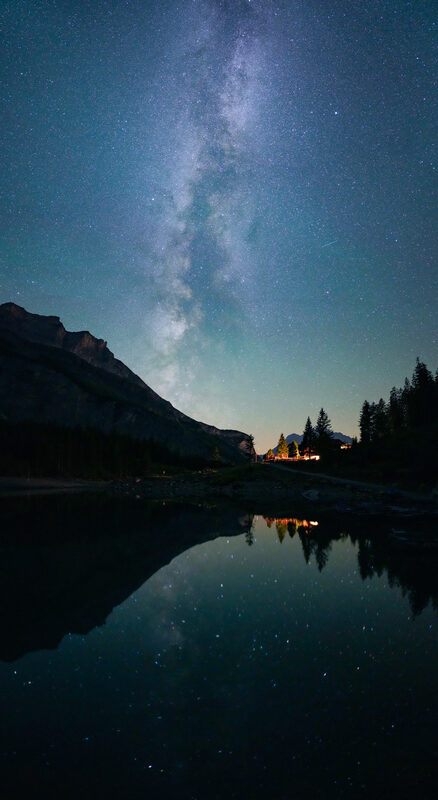
The summer Milky Way is the most spectacular thing you can see with your eyes — here's how to find it
From late June through September, the galactic center passes overhead for northern hemisphere observers, and the Milky Way glows brightest toward Scorpius and Sagittarius. This is what you're looking at, how to find it, and what to look for within it.
-
Stargazing
The Perseids peak in August — here's how to make the most of the best meteor shower of the year
Every August, Earth plows through the dusty wake of Comet Swift-Tuttle, producing up to a hundred meteors an hour from a single radiant point in Perseus. The Perseids are reliable, rich in fireballs, and require no equipment. Here's everything you need to catch them.
-
Stargazing
The Night Sky for the Rest of June 2026: A Planet Parade, a Venus Occultation, and the Strawberry Moon
Mercury joins Venus and Jupiter in the evening twilight, the crescent Moon lines up with all three on June 16, then occults Venus on the 17th. Add the solstice, noctilucent clouds, and the low-riding Strawberry Moon on June 29 — your night-by-night guide to the rest of the month.
-
Stargazing
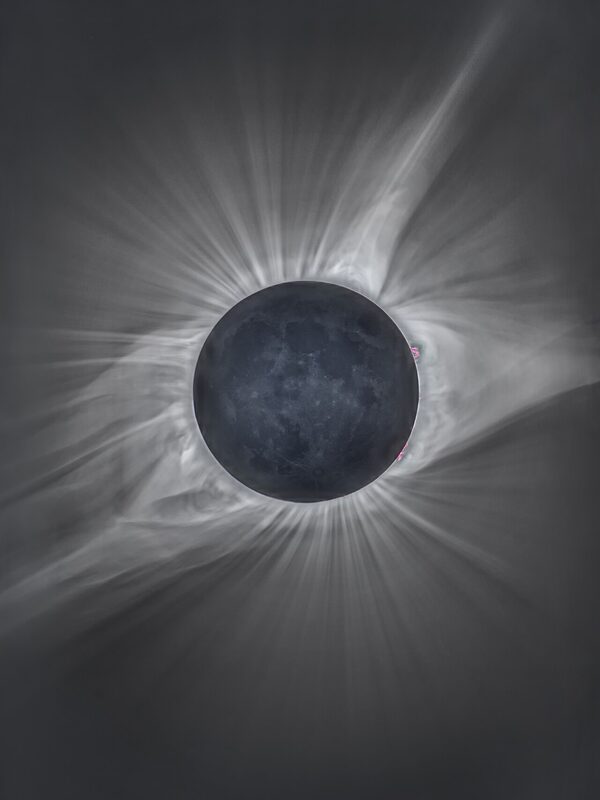
Mark the date: on August 12, 2026, the Moon's shadow returns to Europe
A total solar eclipse on August 12, 2026 will cross Greenland, Iceland, and Spain — the first to touch mainland Europe since 1999. Here's where totality falls, how long it lasts, and who gets a partial show.
-
Stargazing
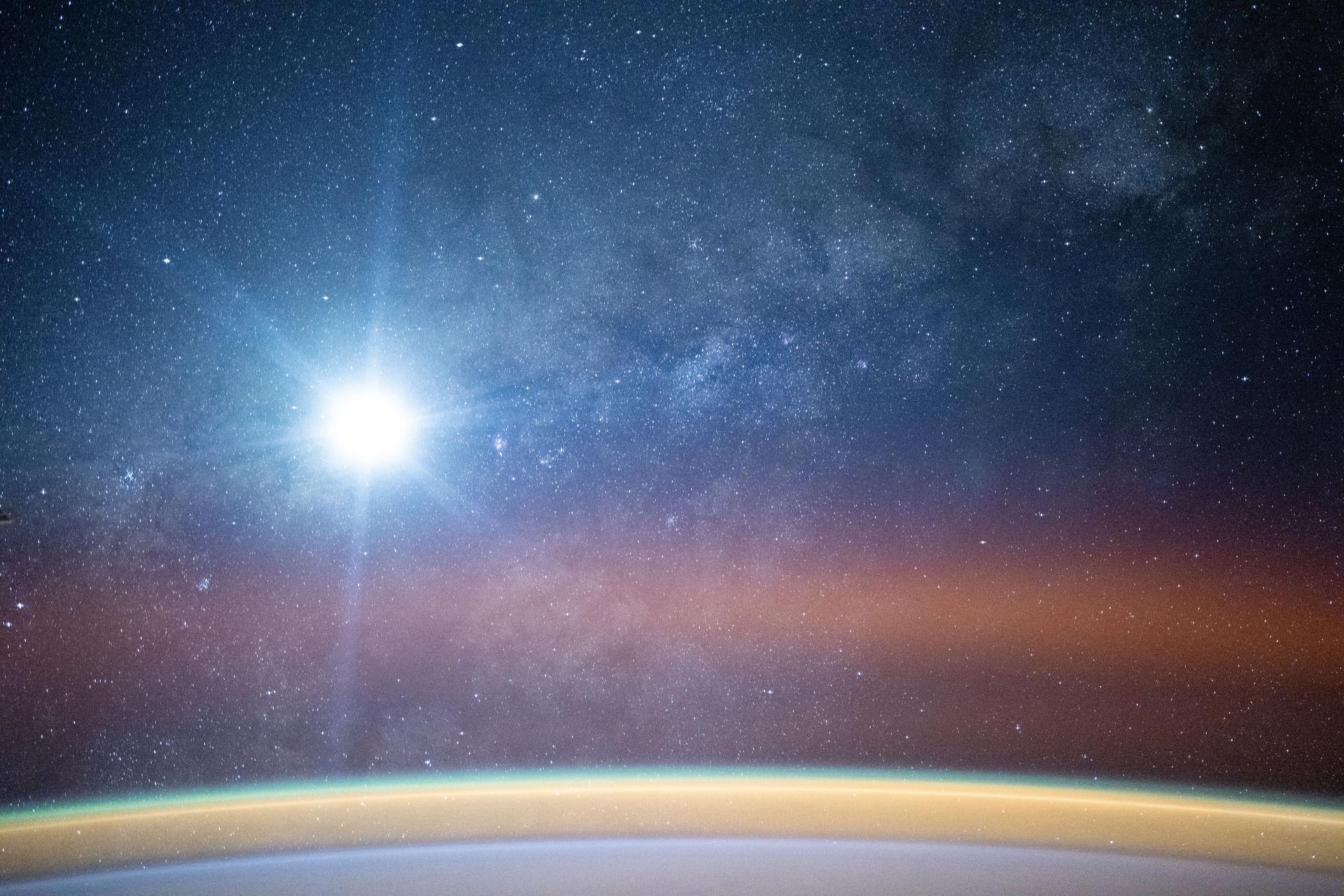
The highest clouds on Earth glow electric blue at midnight — and their season is starting
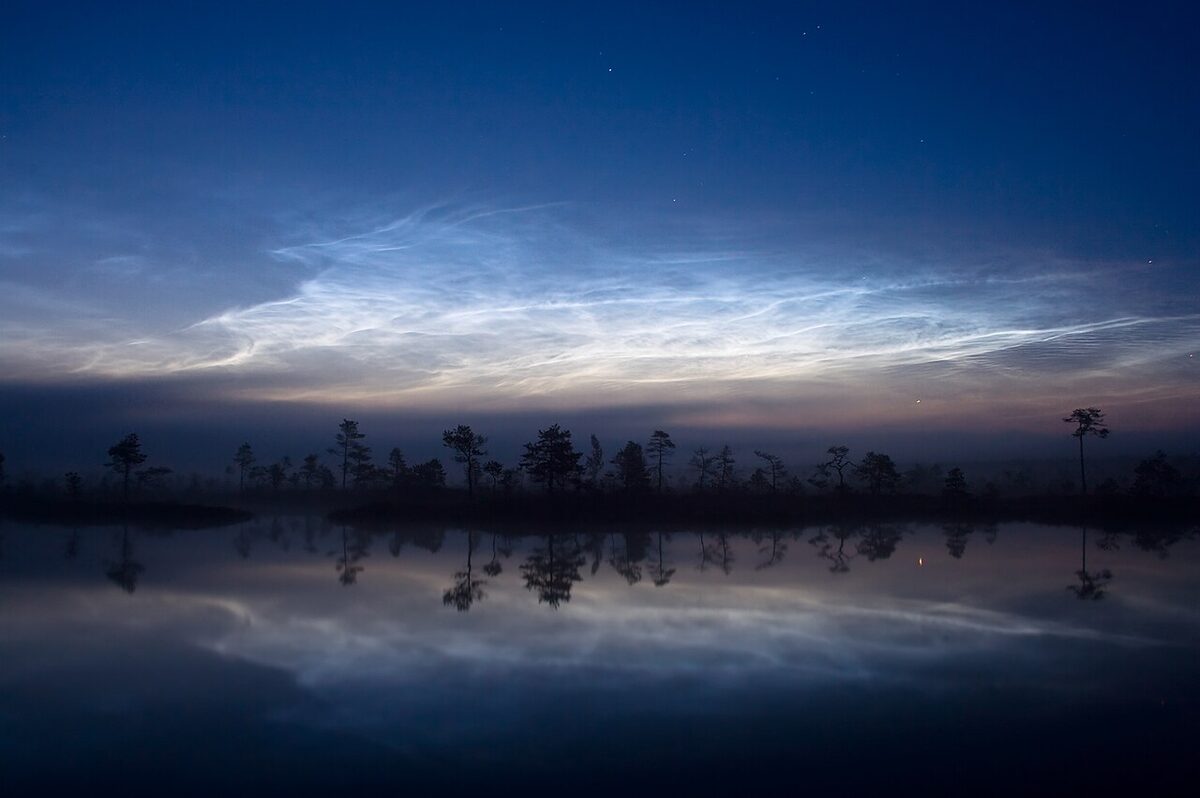
On summer nights, long after sunset, a rare kind of cloud can shine an eerie electric blue near the horizon. Noctilucent clouds form at the very edge of space, and June and July are prime time to catch them from northern latitudes.
-
Stargazing
The aurora window isn't closing yet — why 2026 can still light up the sky
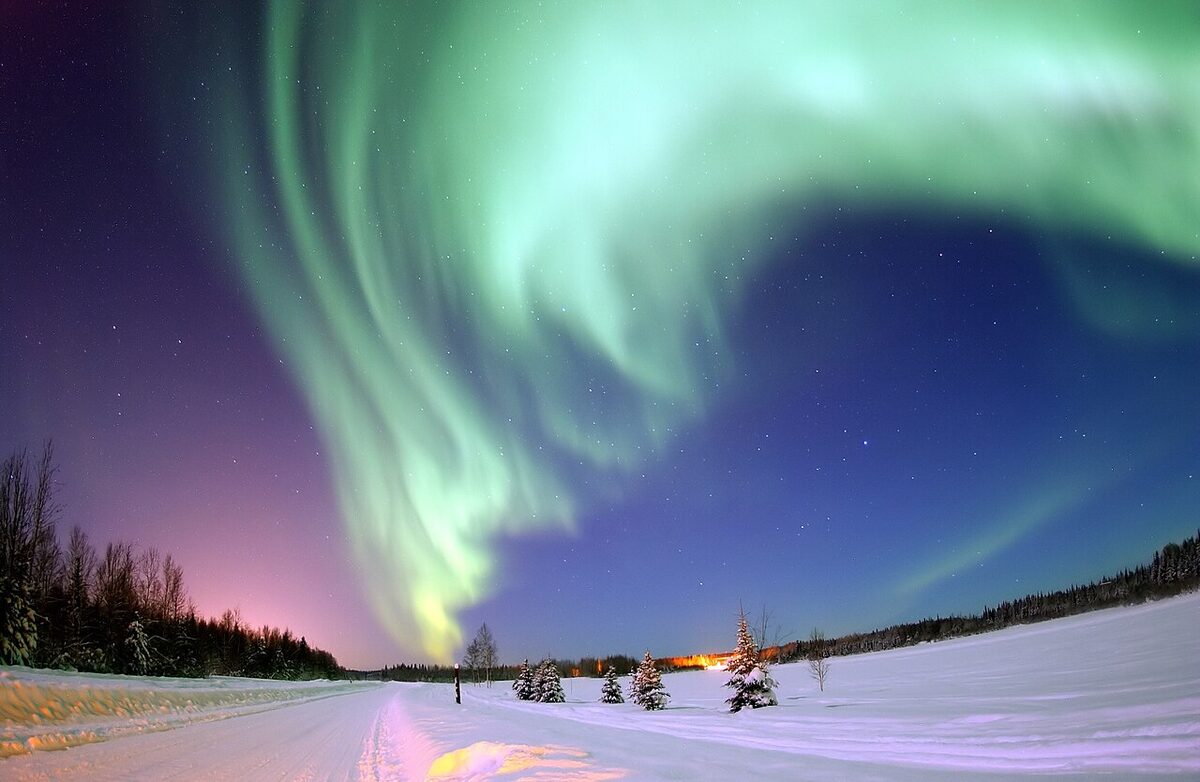
The Sun's official peak passed in 2024, but Solar Cycle 25 looks to be double-humped, and the descending phase has a history of throwing some of the biggest geomagnetic storms of all. What that means if you're still chasing the northern lights.