Stargazing
Stargazing and skywatching from Cosmic Herald — what to see in the night sky, meteor showers, planets, auroras, and observing guides.
-
Stargazing
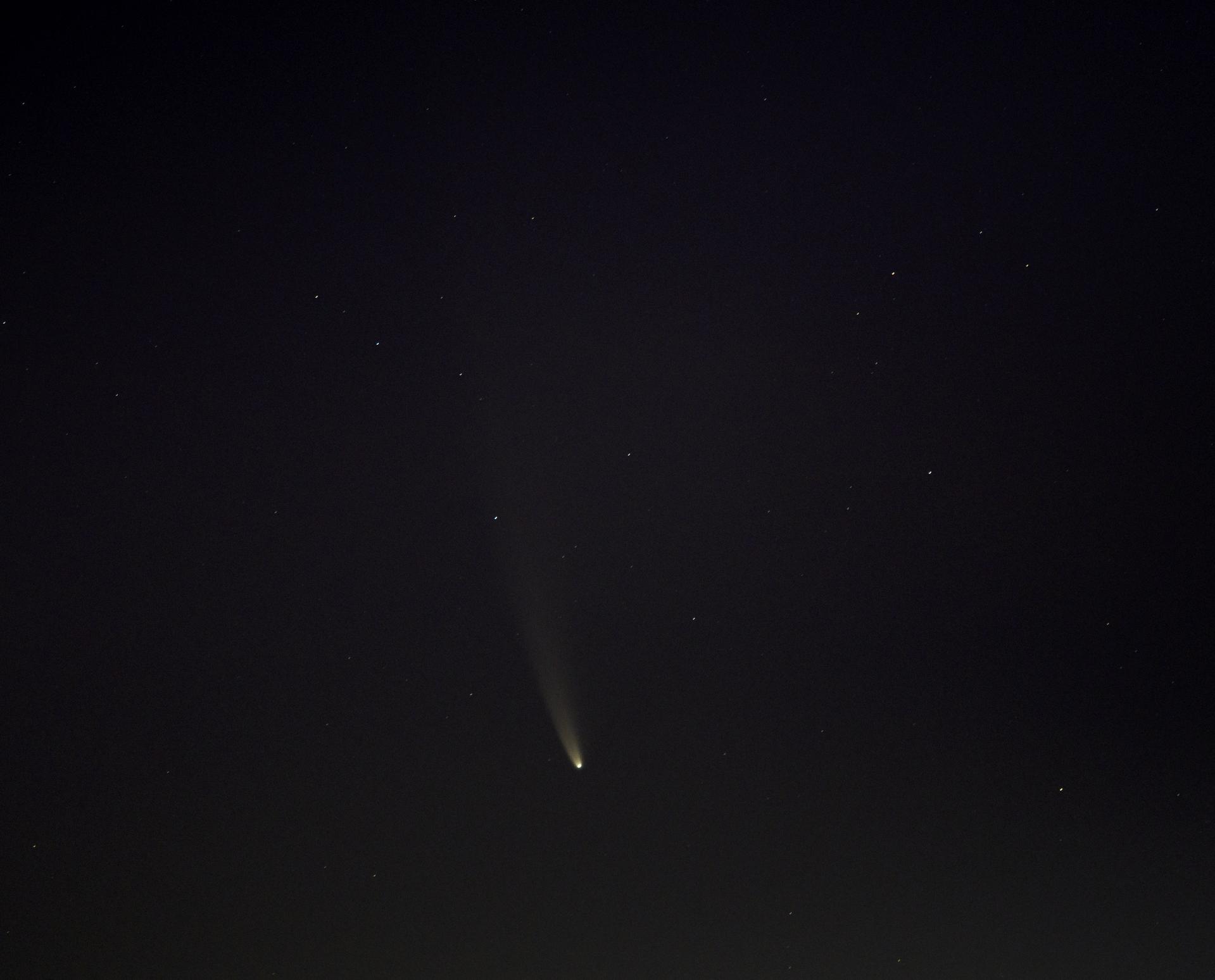
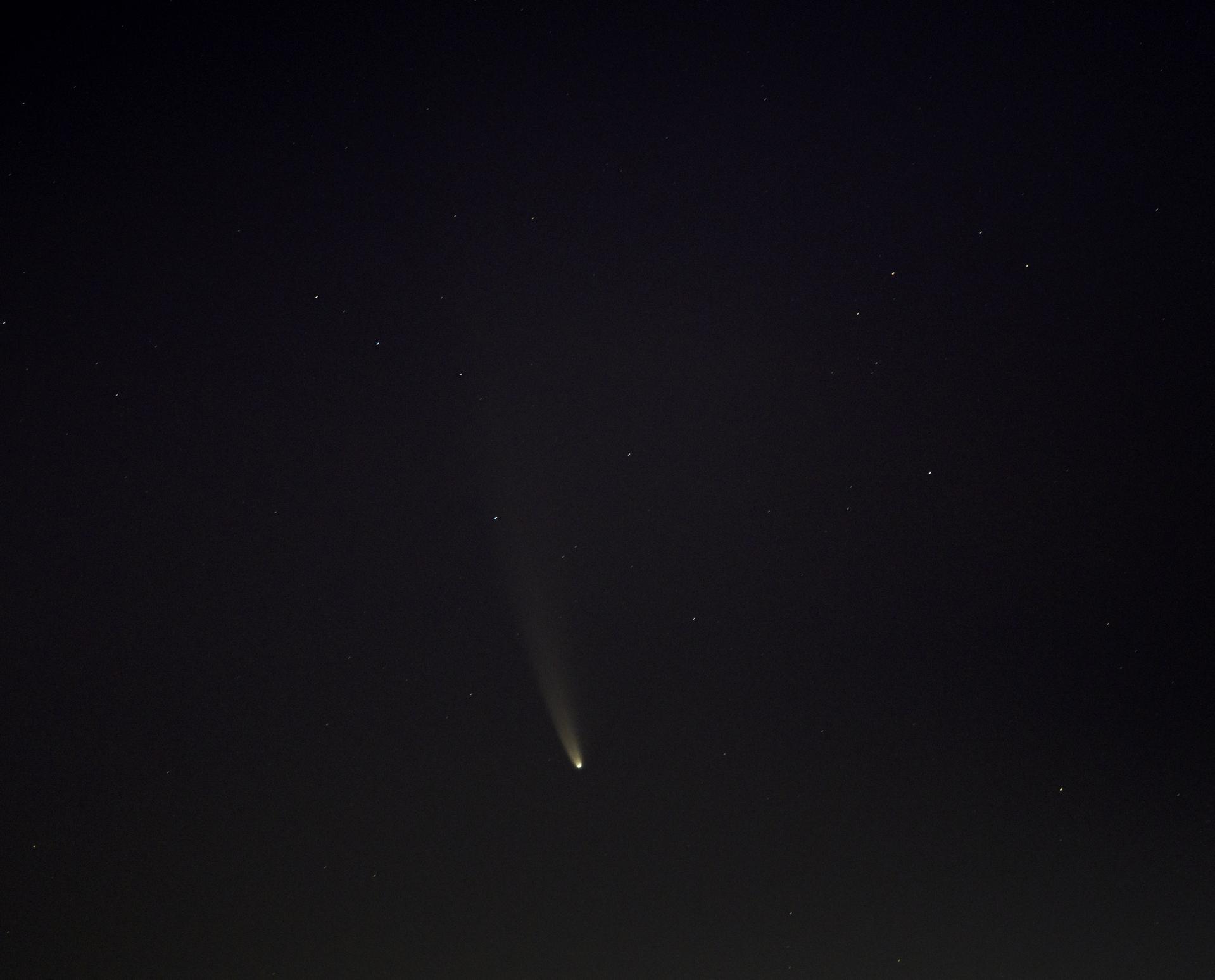
Comet 220P/McNaught Erupts Again, Glowing Green Over Two Continents
A faint periodic comet has now blown up twice in 2026, brightening thousands-fold and turning into a binocular-visible green fuzzball that astronomers still can't fully explain.
-
Stargazing
This Week's Sky: Venus Closes In on Spica as Jupiter Climbs the Dawn
From August 22-26, 2026, watch the waxing gibbous Moon slide past the Teapot and into Capricornus while Venus edges toward Spica and Jupiter, Mars, and Saturn stack up in the morning sky.
-
Stargazing
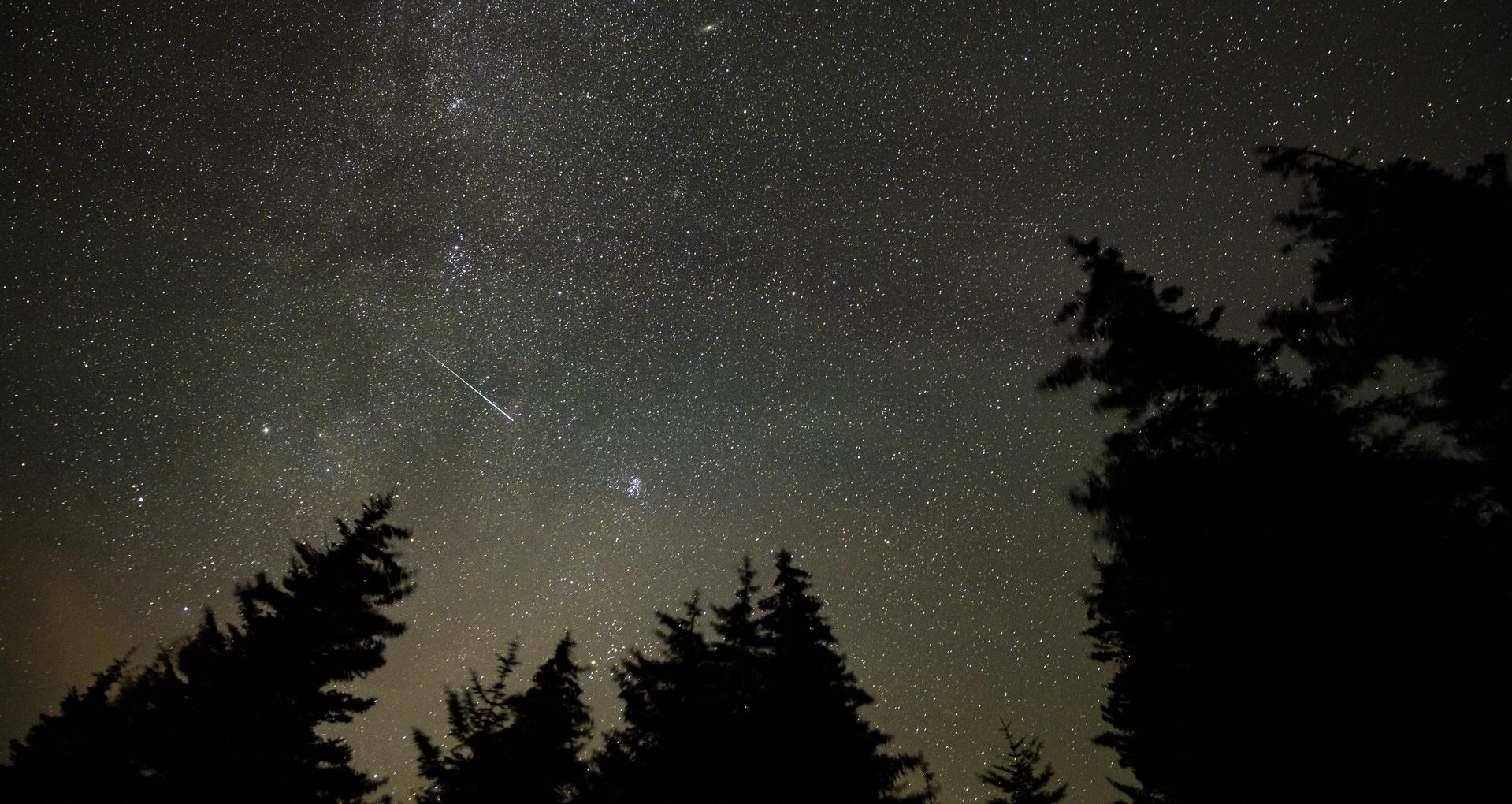
APOD Solves the Case of the 'Mystery Meteor' Crossing the Eclipsed Sun
A bright streak filmed crossing the partially eclipsed Sun from Spain on August 12 looked like a made-for-astronomy Perseid meteor — until NASA's APOD team checked the numbers and found an airplane contrail instead.
-
Stargazing
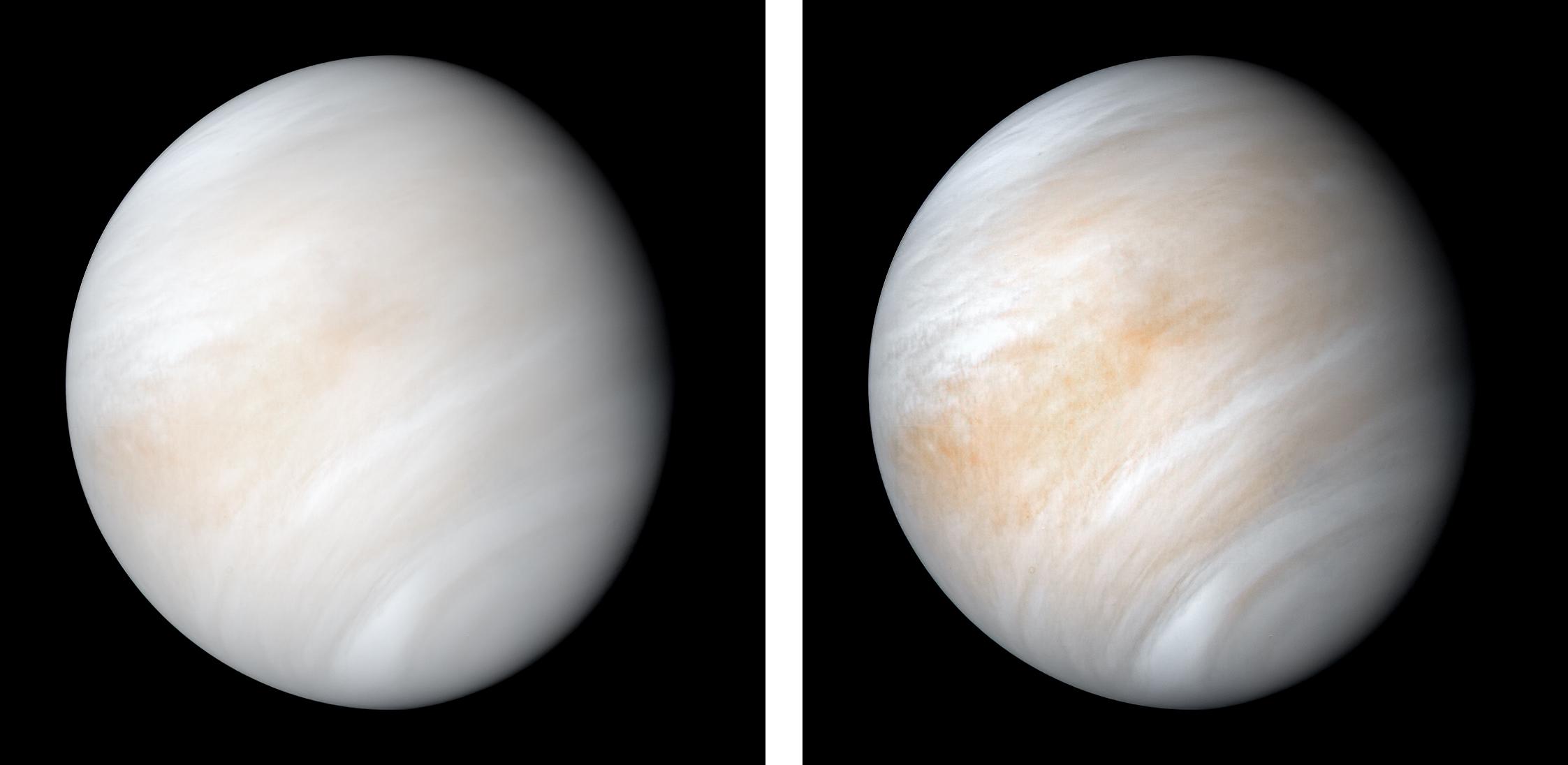
Venus Reaches Greatest Eastern Elongation, Dazzling the August Evening Sky
Venus hit its widest separation from the Sun on August 14-15, 2026, blazing at magnitude -4.3/-4.4 low in the west near the crescent Moon and Spica, with a half-lit telescopic disk visible into late September.
-
Stargazing
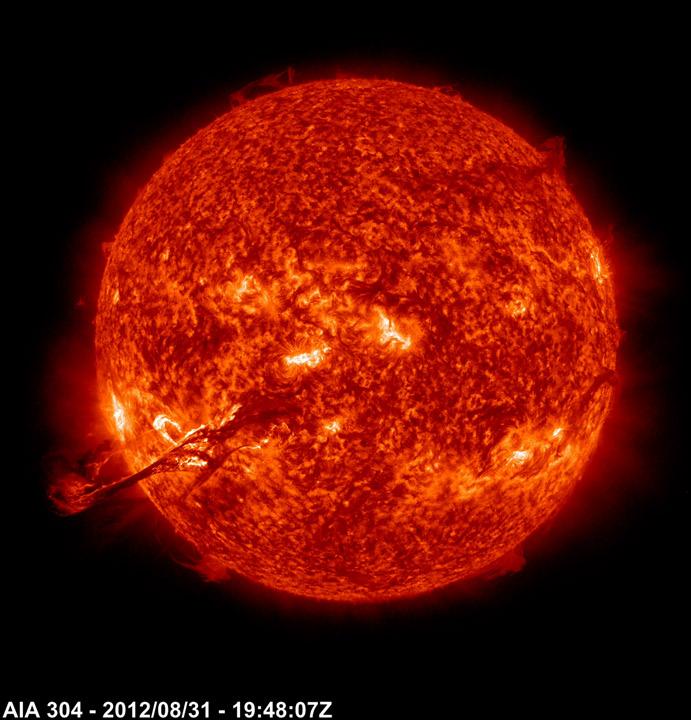
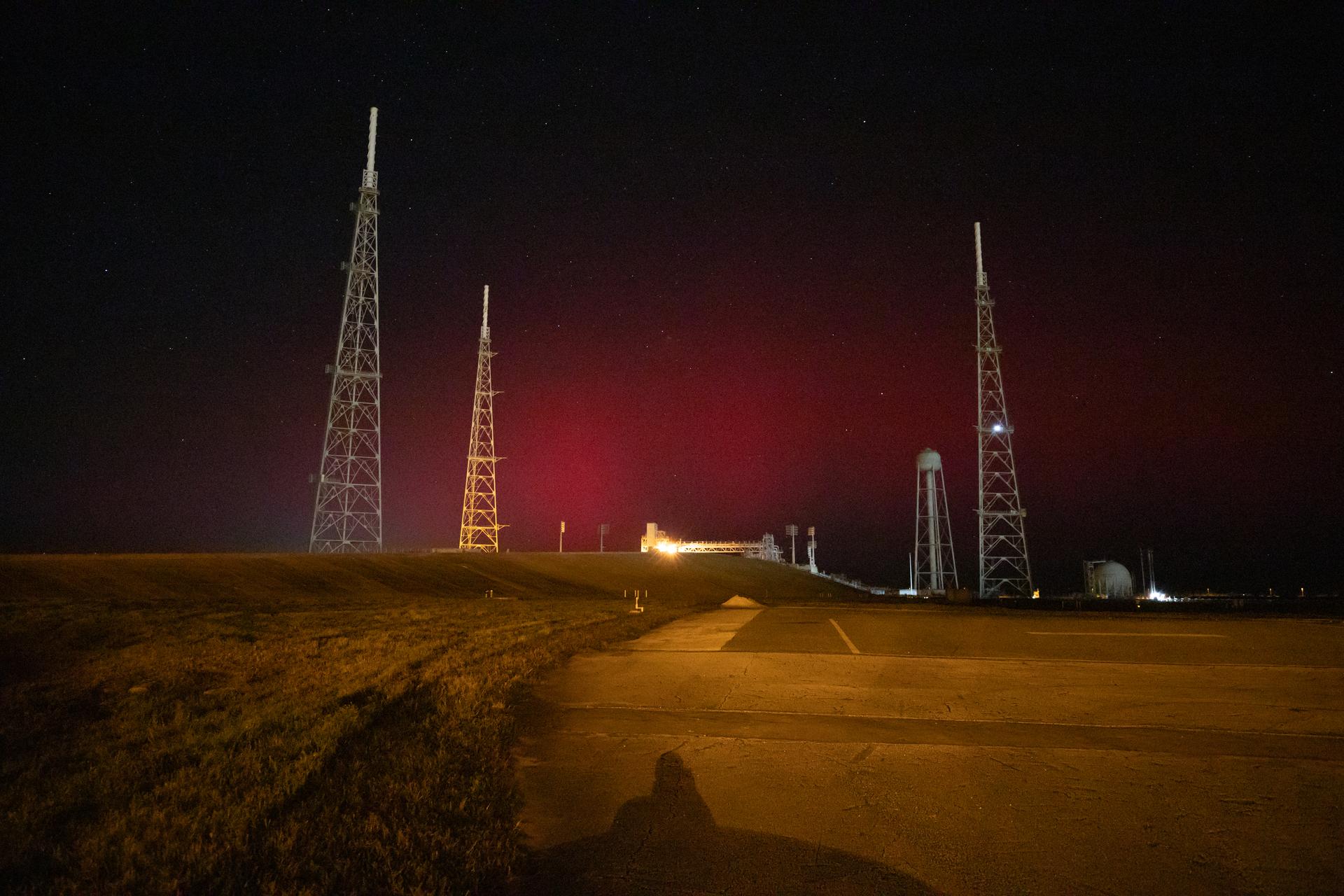
A Solar 'Rope' Is Headed Our Way: Glancing CME Could Spark Aurora Aug. 17
A filament eruption on the Sun has launched a coronal mass ejection toward Earth, and NOAA forecasters expect a glancing blow late Aug. 17 that could push aurora into the northern-tier U.S. and similar latitudes down south.
-
Stargazing
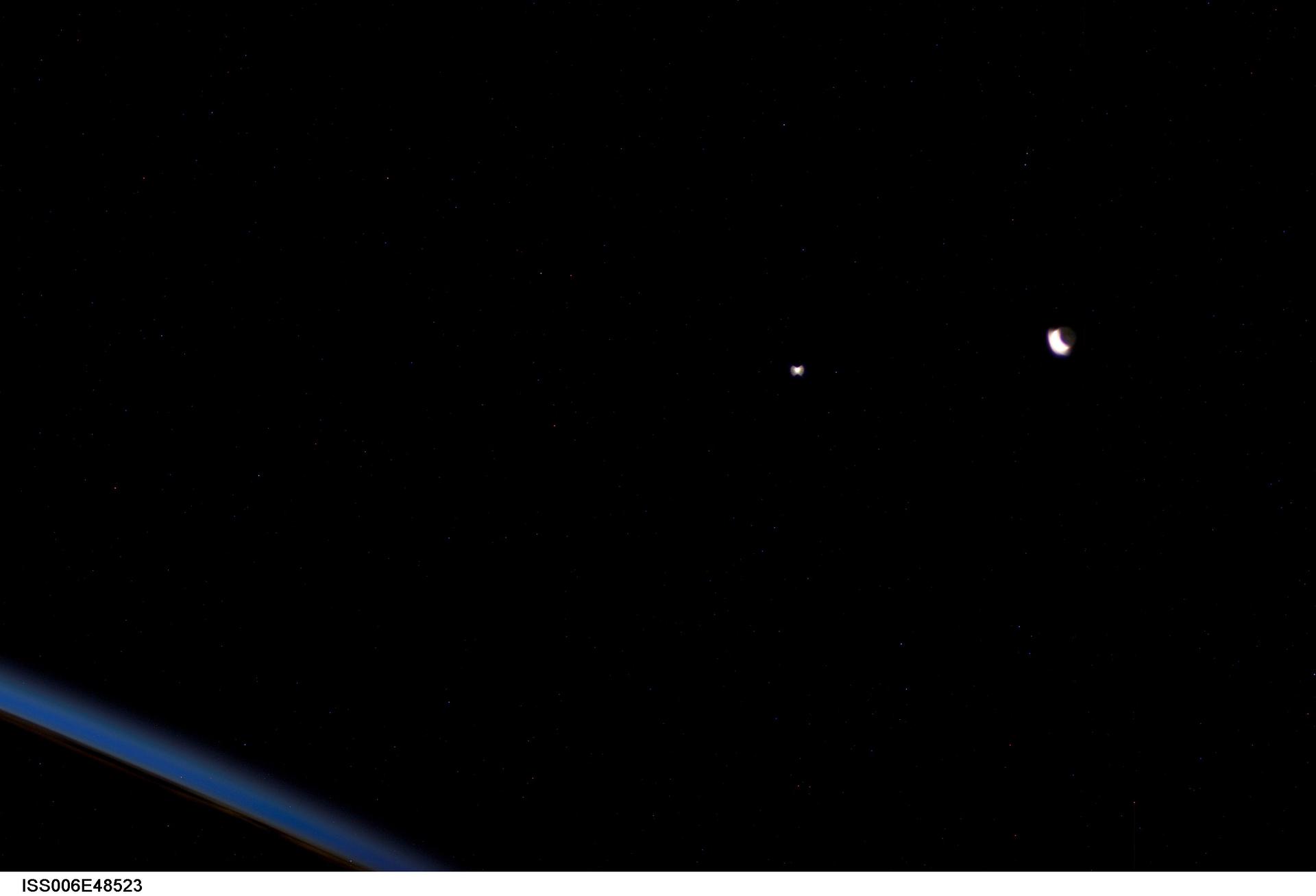
Venus Hits Its Widest Evening Separation From the Sun This Weekend — Here's How to Spot It
Venus reaches greatest eastern elongation on August 15, sitting 46 degrees from the Sun at magnitude -4.4 for its best evening show of 2026, with a crescent Moon and Spica as guideposts.
-
Stargazing
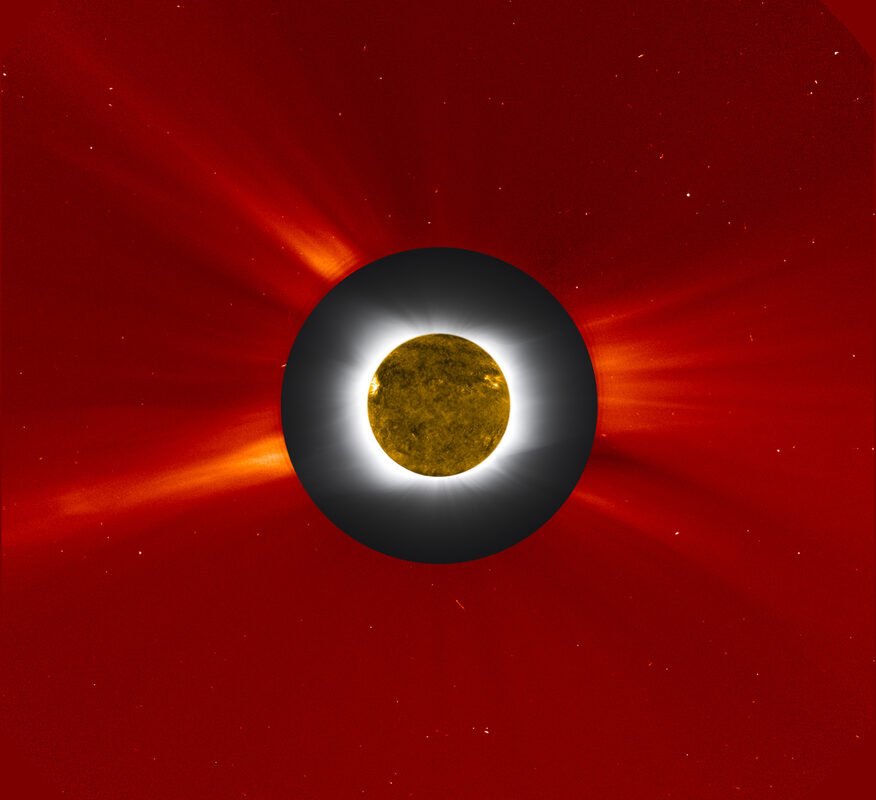
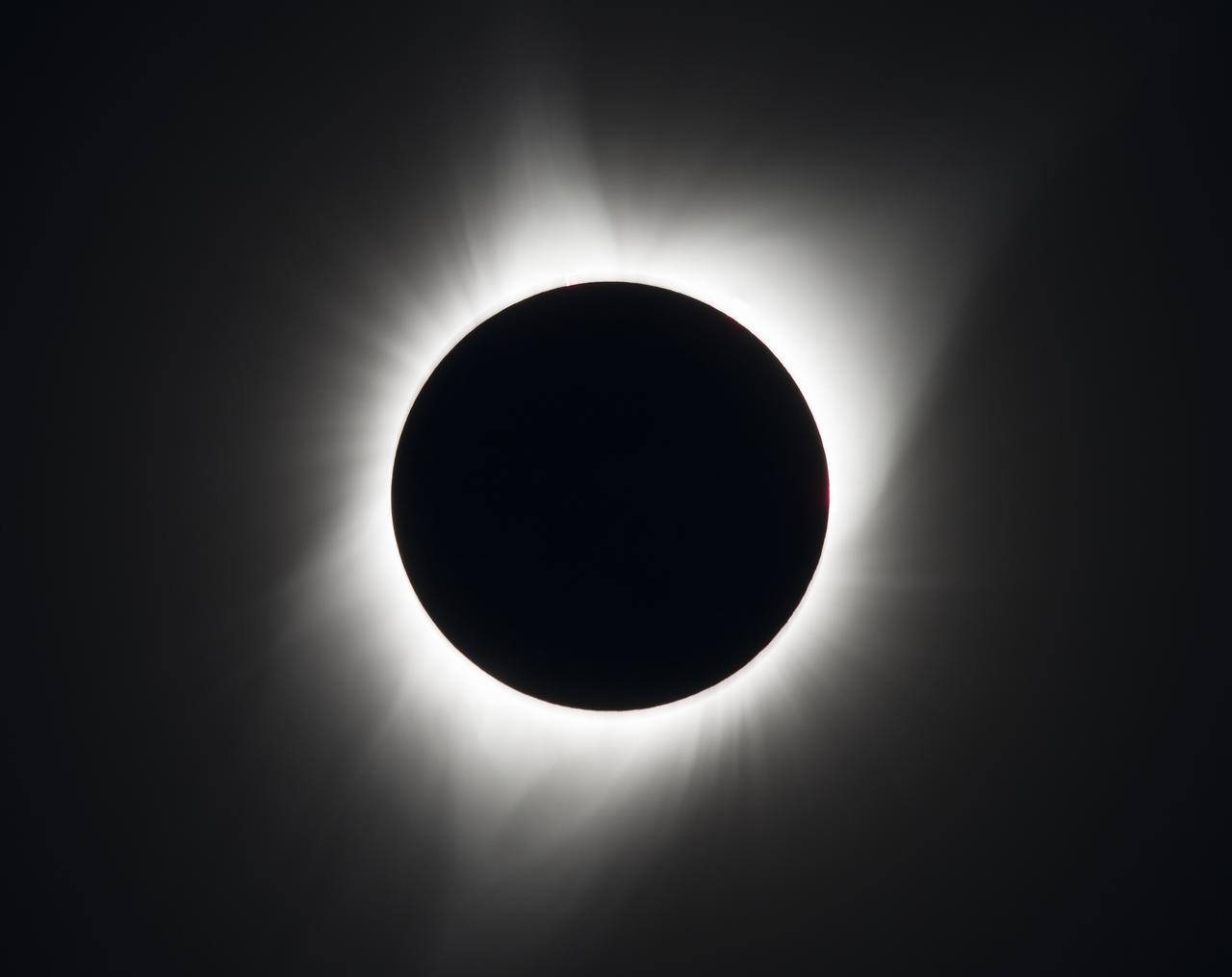
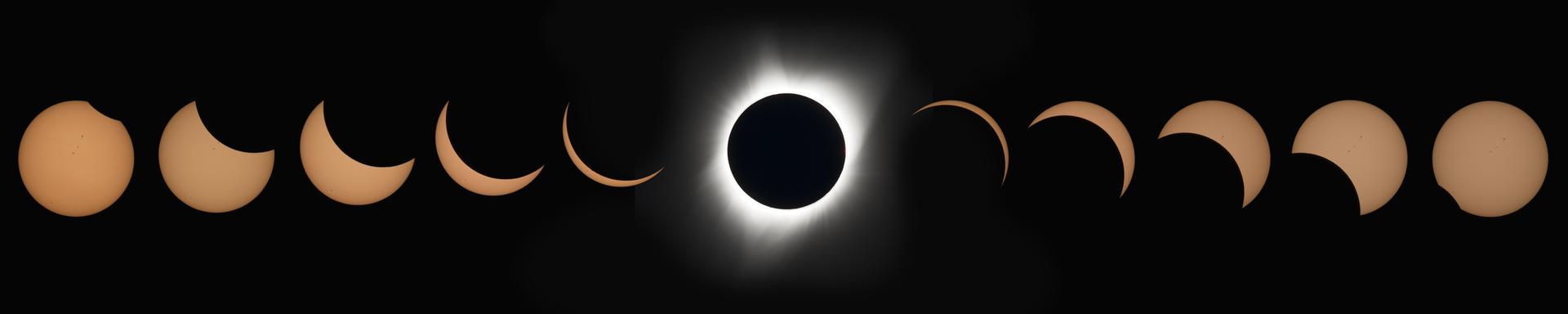
Total Solar Eclipse and Peak Perseids Collide Over Europe on August 12
A total solar eclipse crosses Greenland, Iceland, and Spain on August 12, 2026, then the New Moon lets that same night's Perseid peak deliver up to 100 meteors an hour with zero lunar glare.
-
Stargazing
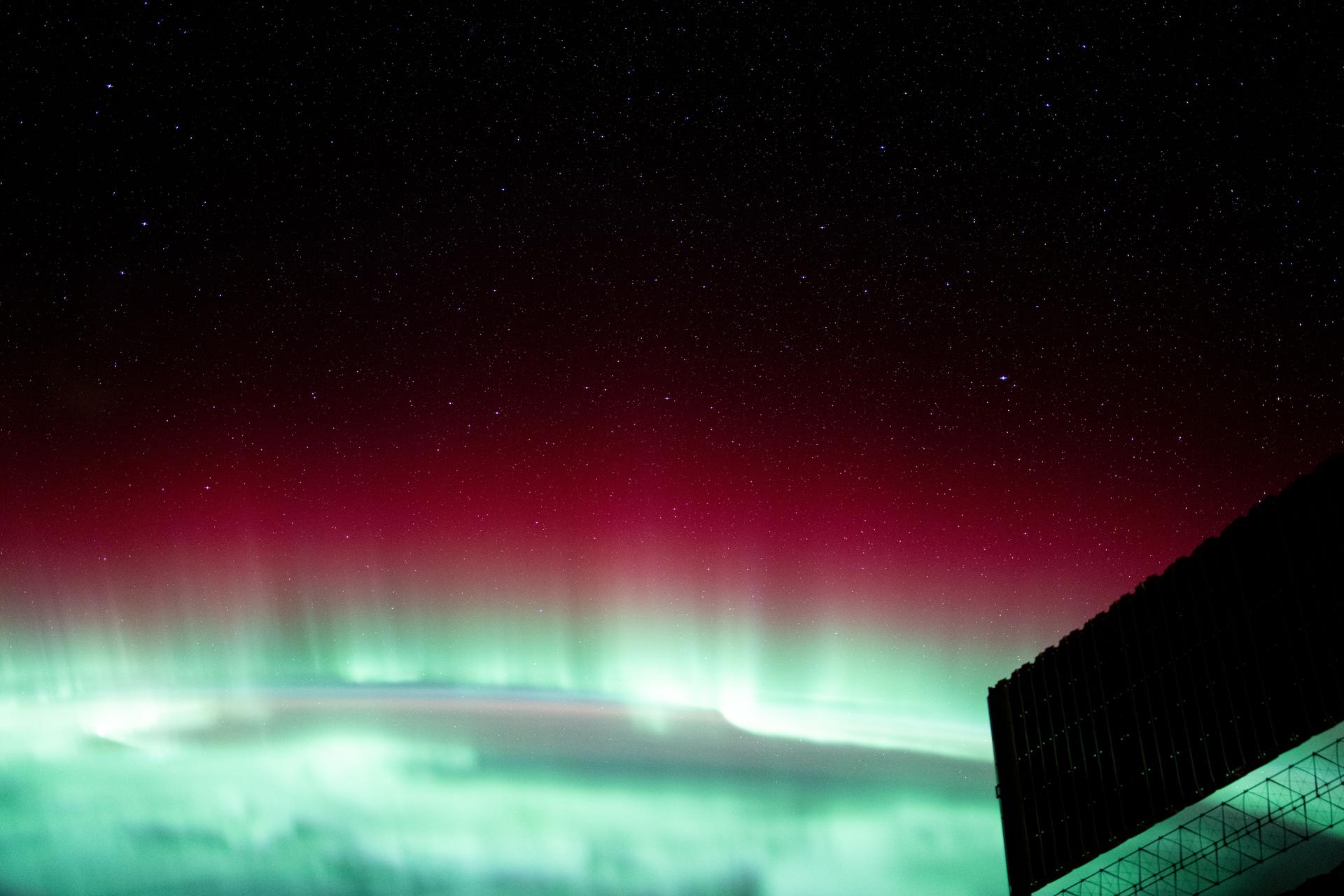
A G2 Storm Just Hit — and NOAA Says Another CME Arrives on Eclipse Day
After a Kp 6 storm lit up Scotland-latitude skies on August 8, NOAA's new forecast calls G1 storming likely on August 12 — the same day as the Greenland-Iceland-Spain total eclipse and the Perseids' ramp-up — raising the improbable prospect of auroras during totality.
-
Stargazing
August 12 Total Solar Eclipse Will Cross Greenland, Iceland and Spain — Then Hand Off to the Perseids
A total solar eclipse sweeps from the Denmark Strait through Iceland into northern Spain on August 12, 2026, then gives way to a moonless, "optimum" Perseid peak the same night.
-
Stargazing
Comet 10P/Tempel 2 Hits Peak Brightness at Closest Earth Approach — Its Best Return of the Century
Jupiter-family comet 10P/Tempel 2 brightened to roughly magnitude 8-9 as it passed within 61 million km of Earth on August 3, 2026, offering Southern Hemisphere observers with binoculars or a small scope the best view of this comet for the rest of the century.
-
Stargazing
August 2026 Skywatching Guide: Perseids Peak Under a New Moon, Flanked by a Total Solar Eclipse and a Near-Total Lunar Eclipse
A moonless Perseid peak, a total solar eclipse over Greenland, Iceland and Spain, and a 93-96% partial lunar eclipse over the Americas make August 2026 one of the year's busiest skywatching stretches.
-
Stargazing
A Fresh Flare and Two Inbound CMEs Set Up a G1 Aurora Watch for August 1-2
Two glancing-blow CMEs and a new M1.9 flare have NOAA forecasting a 25-30% chance of minor G1 geomagnetic storming August 1-2, with best US viewing odds in the northern tier — though a near-full Moon will blunt the show.