Stargazing
Stargazing and skywatching from Cosmic Herald — what to see in the night sky, meteor showers, planets, auroras, and observing guides.
-
Stargazing
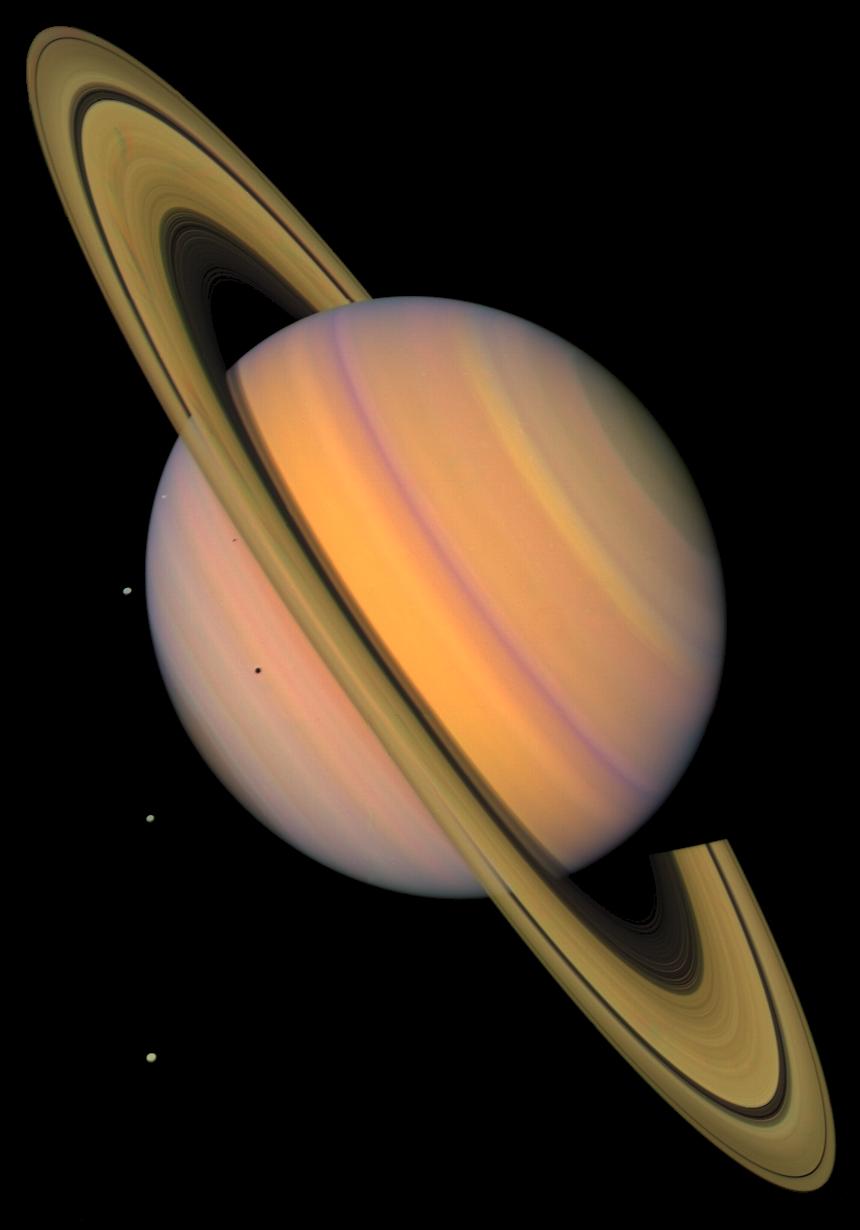
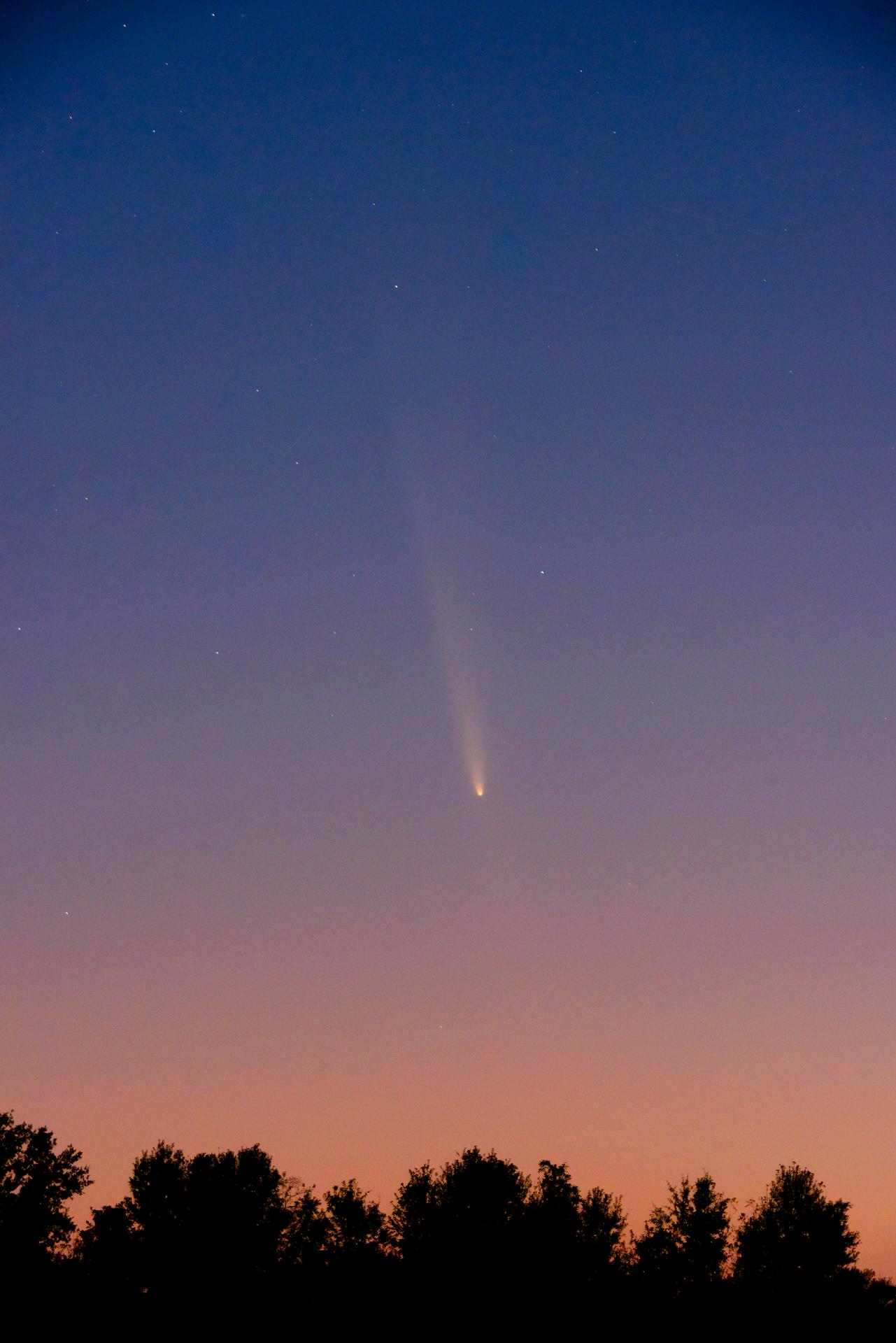
July Skies: Earth's Aphelion, a Saturn-Moon Pairing, and Comet Tempel 2 Brightening
Earth swings out to its farthest point from the Sun this week even as July's night sky delivers a Moon-Saturn close pass, a four-body dawn alignment, and a comet edging toward binocular visibility.
-
Stargazing
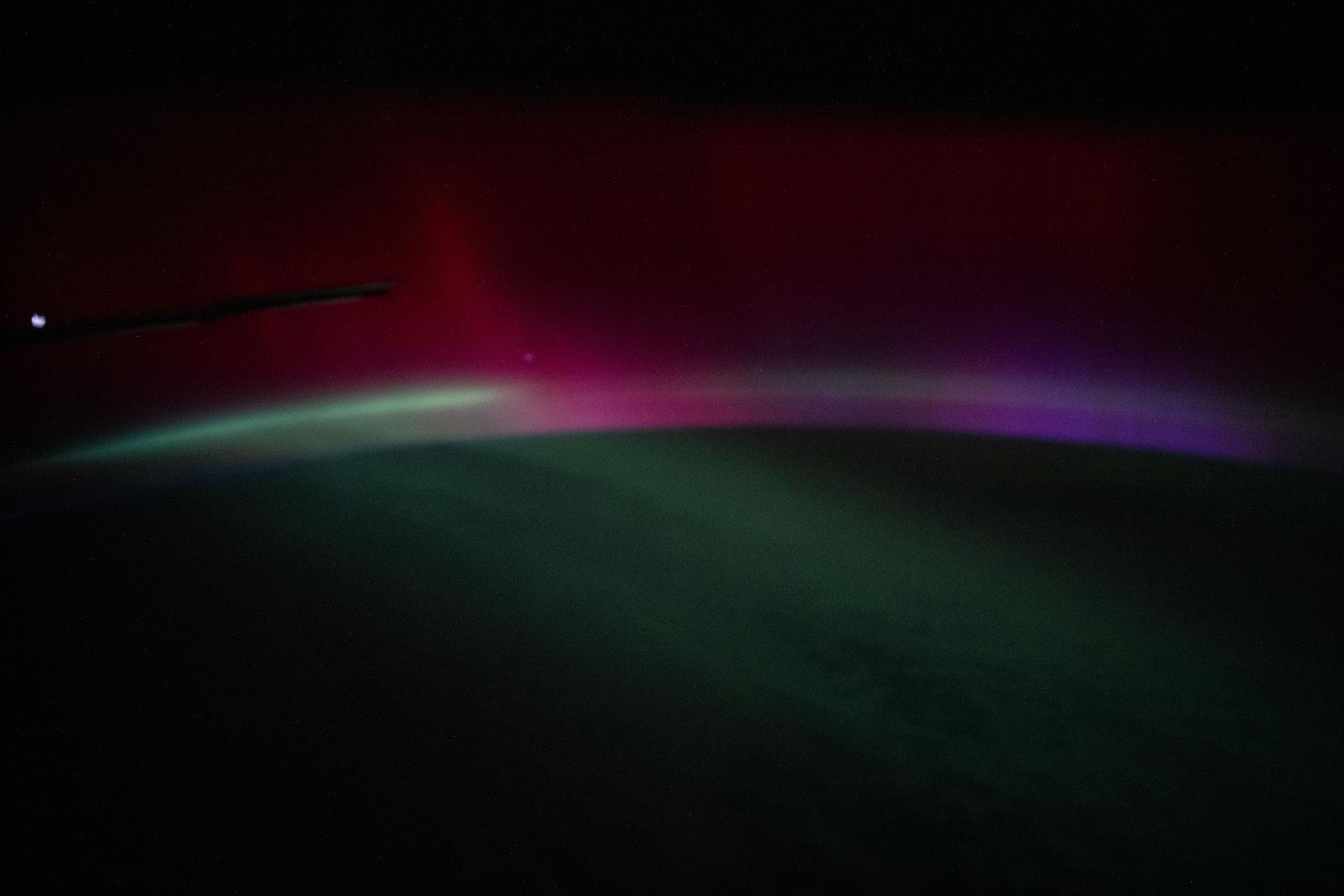
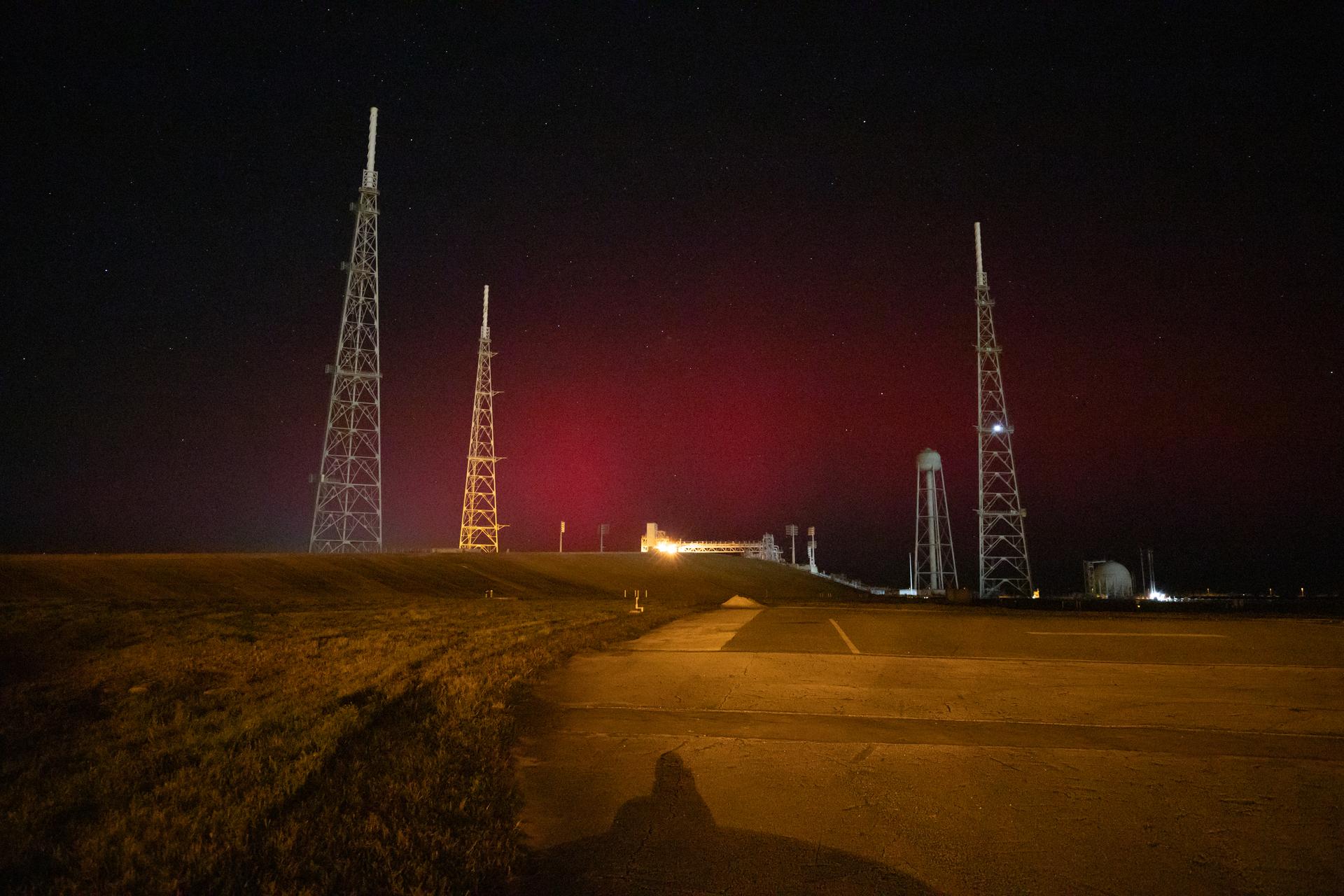
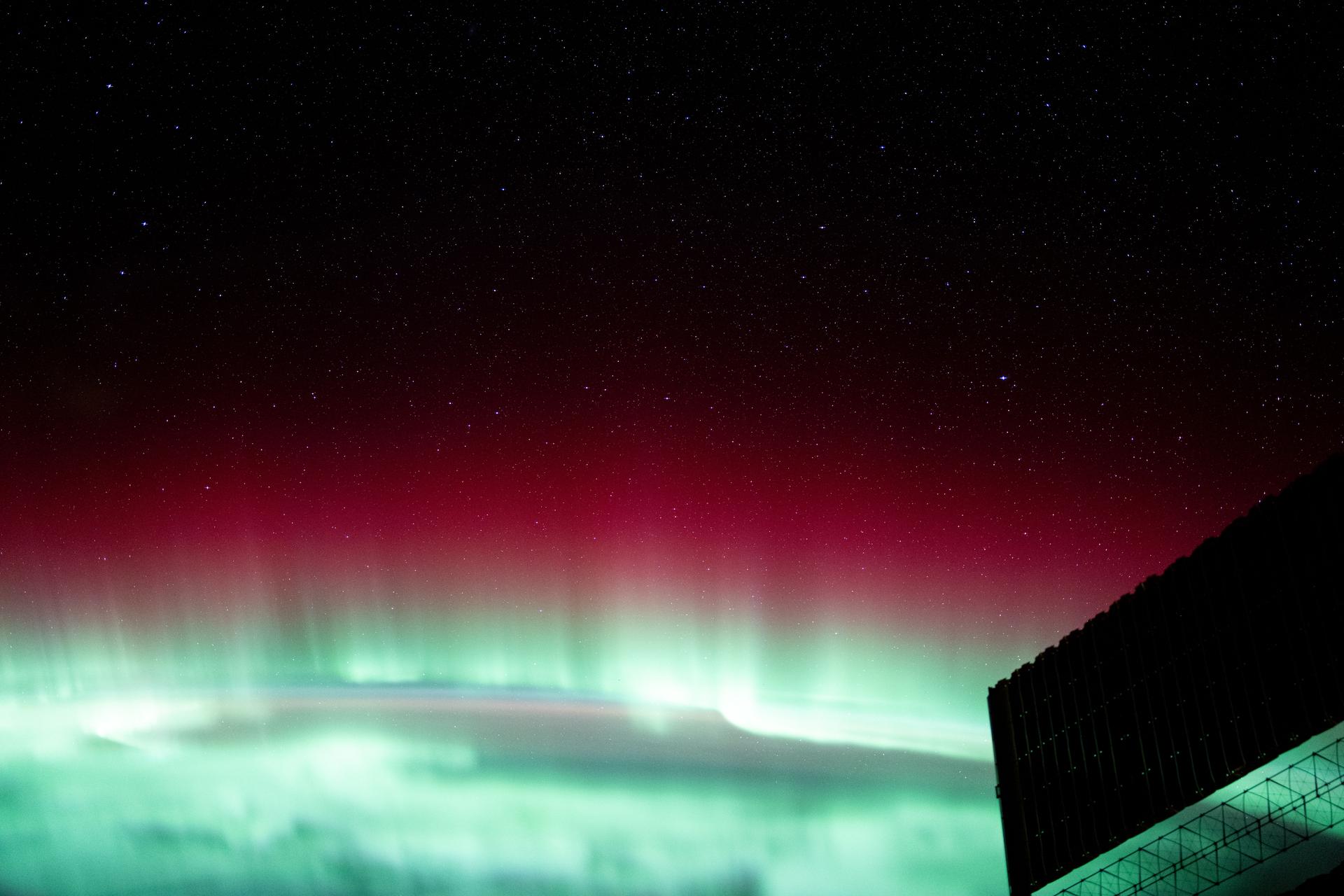
X1.3 Flare and Surprise G3 Storm Send Aurora Across 30 US States for July 4th Weekend
A CME-driven G3 storm outperformed its own forecast to paint aurora across 30-plus US states on July 4, then a fresh X1.3 flare from newly numbered AR4482 kept the sun's holiday fireworks going.
-
Stargazing
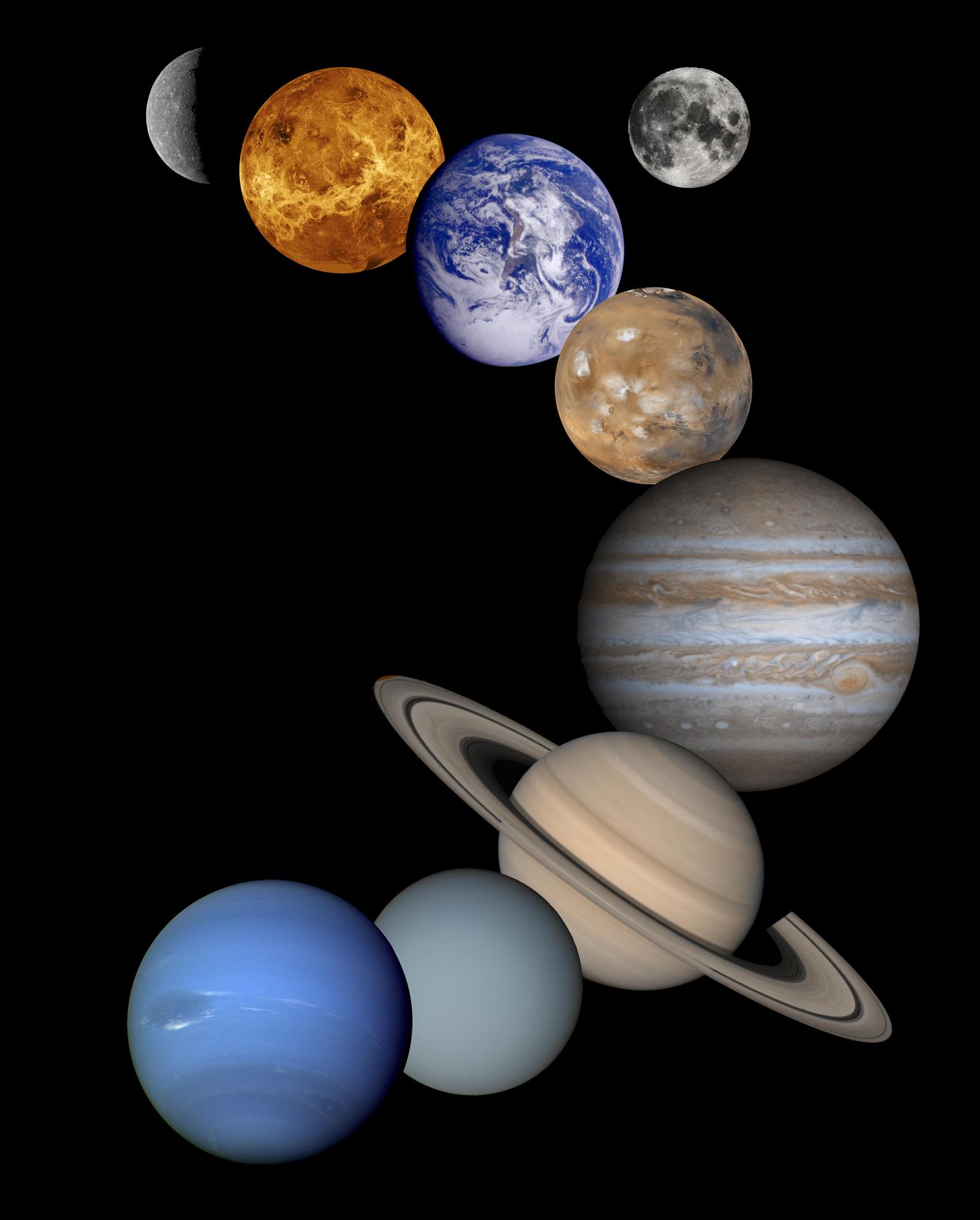
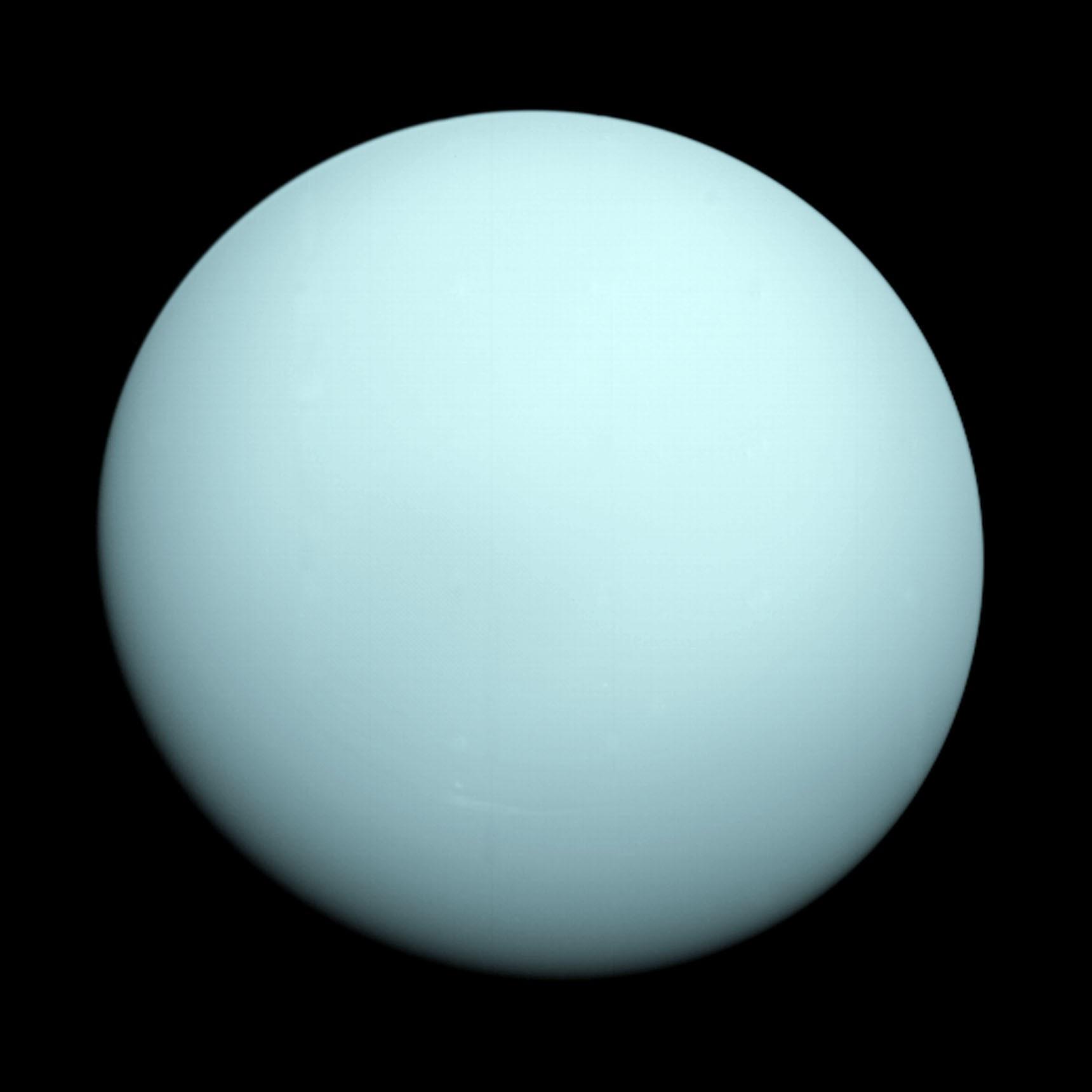
Mars and Uranus Just Had Their Closest Meeting Until 2053
Before dawn on July 4, 2026, Mars and Uranus squeezed to just 0.1° apart in Taurus — their tightest conjunction until 2053 — with bright Mars acting as a signpost to the far dimmer ice giant.
-
Stargazing
Sun Unleashes Surprise G3 Storm on July 4th, Pushing Auroras Into Utah and Nevada
A CME from a June 30 X1.1 flare overperformed its forecast, hitting G3 (Strong) and dragging the aurora as far south as Utah, Colorado and Nevada on Independence Day.
-
Stargazing
Comet 10P/Tempel 2 Brightens to Its Best Since 1967 — What Else to Watch in the July 2026 Sky
A short-period comet is having its best apparition in nearly 60 years, and NASA's July guide pairs it with thin-tilt Saturn rings, a pre-dawn Moon-Mars-Saturn lineup, and prime Milky Way viewing around the July 14 new moon.
-
Stargazing
July 4's Sky Show: Mars and Uranus Stage Their Closest Meeting Until 2053
Before dawn on July 4, 2026, Mars and Uranus pass just ~0.1 degree apart - their tightest pairing until 2053 and a rare chance to bag faint Uranus using bright Mars as a guide.
-
Stargazing
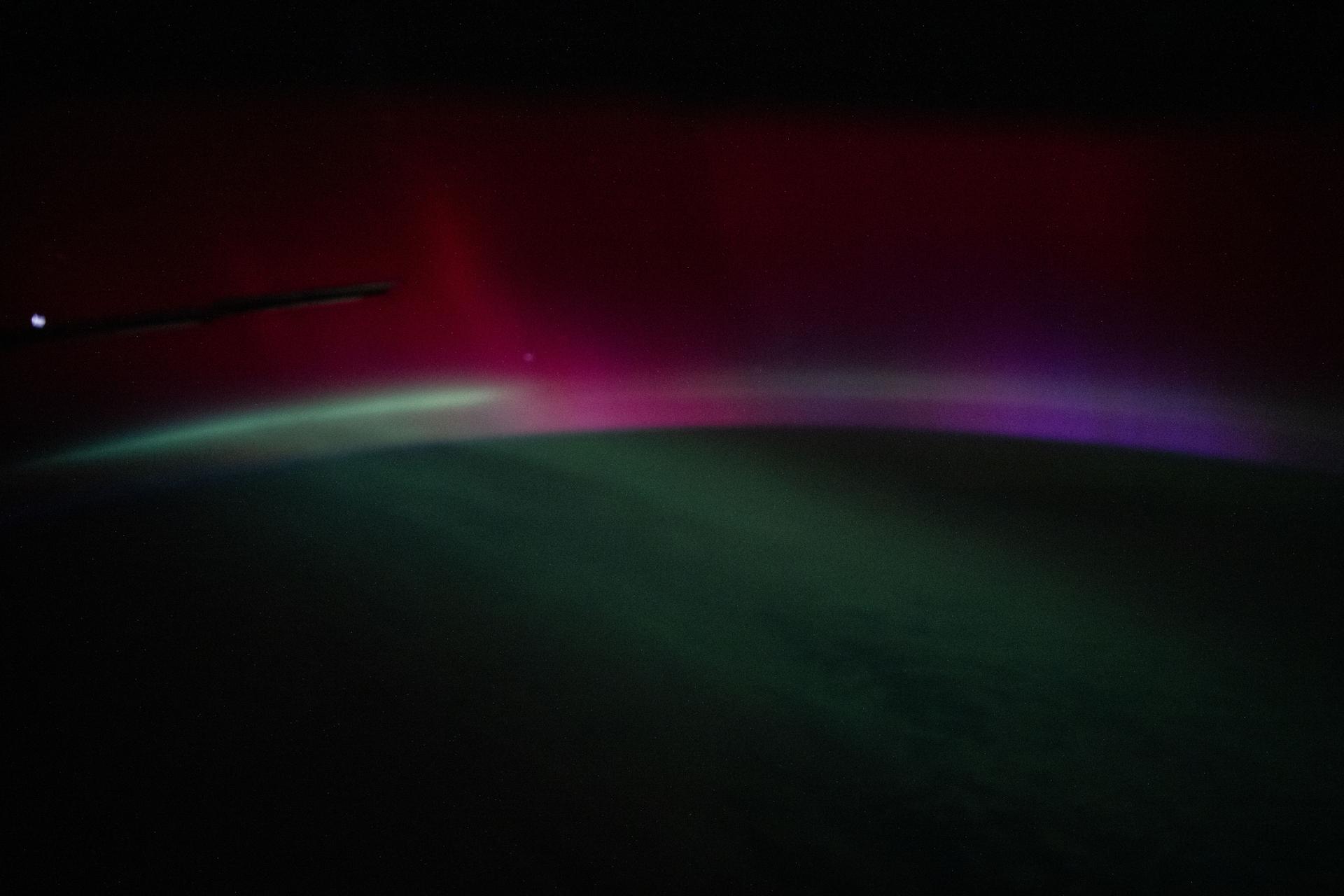
Aurora Alert: An X1.1 Flare and Back-to-Back CMEs Open a June 30-July 1 Storm Window
NOAA flagged G1-G2 storm conditions for June 30 into July 1 as a June 26 CME arrived and a slower June 27 CME chased behind, while AR4479 fired an X1.1 flare at 20:50 UTC - putting aurora within reach of northern-tier U.S. skies.
-
Stargazing
The Blaze Star on the Brink: Why Sky-Watchers Are Still Waiting for T Coronae Borealis to Erupt
A recurrent nova 3,000 light-years away should brighten to naked-eye visibility any night now — but T Coronae Borealis blew past its statistically favored June 25 date and still sits at baseline. Here's why the watch continues.
-
Stargazing
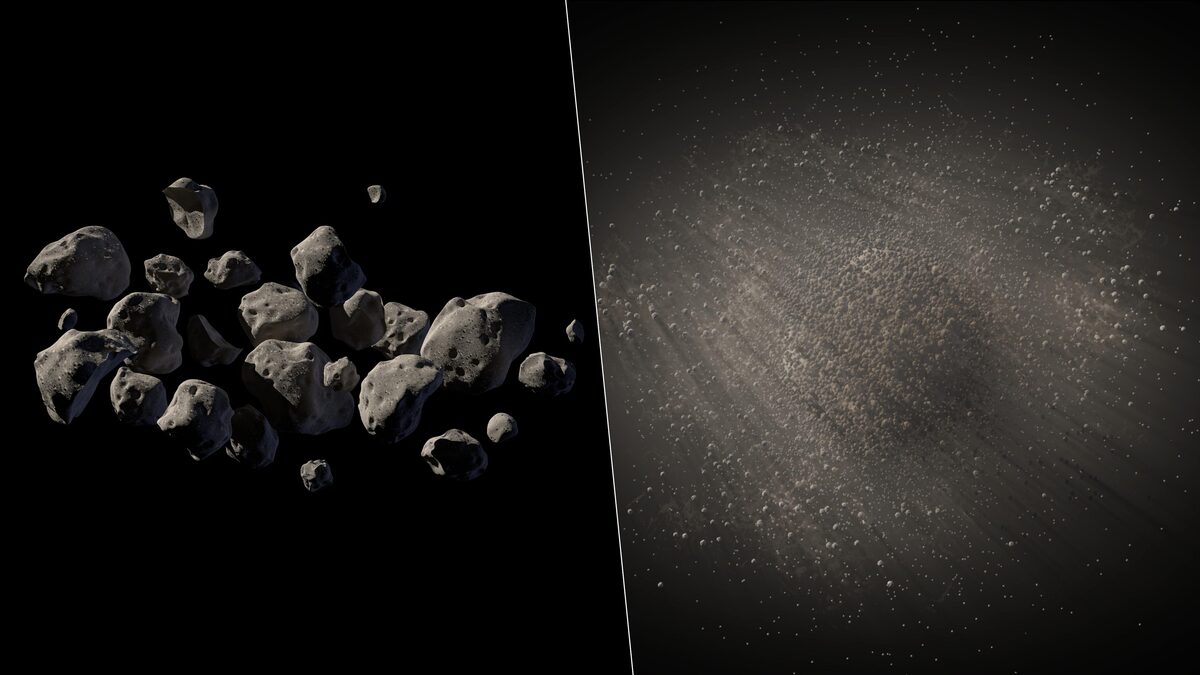
A Skyscraper-Sized 'Peanut' Buzzes Earth: Tracking Asteroid 1997 NC1's June 27 Flyby
Potentially hazardous asteroid (152637) 1997 NC1 — a slowly spinning, peanut-shaped ~1-km body — passed safely within 6.7 lunar distances on June 27, 2026, doubling as a backyard-telescope target and a planetary-defense radar opportunity.
-
Stargazing
A June 26 CME Is Inbound: NOAA Posts a Storm Watch and the Aurora Could Reach the Northern U.S.
A coronal mass ejection that left the Sun on June 26 is forecast to reach Earth around June 30, and NOAA has issued a geomagnetic storm watch — with aurora possibly visible as far south as Seattle and Minneapolis.
-
Stargazing
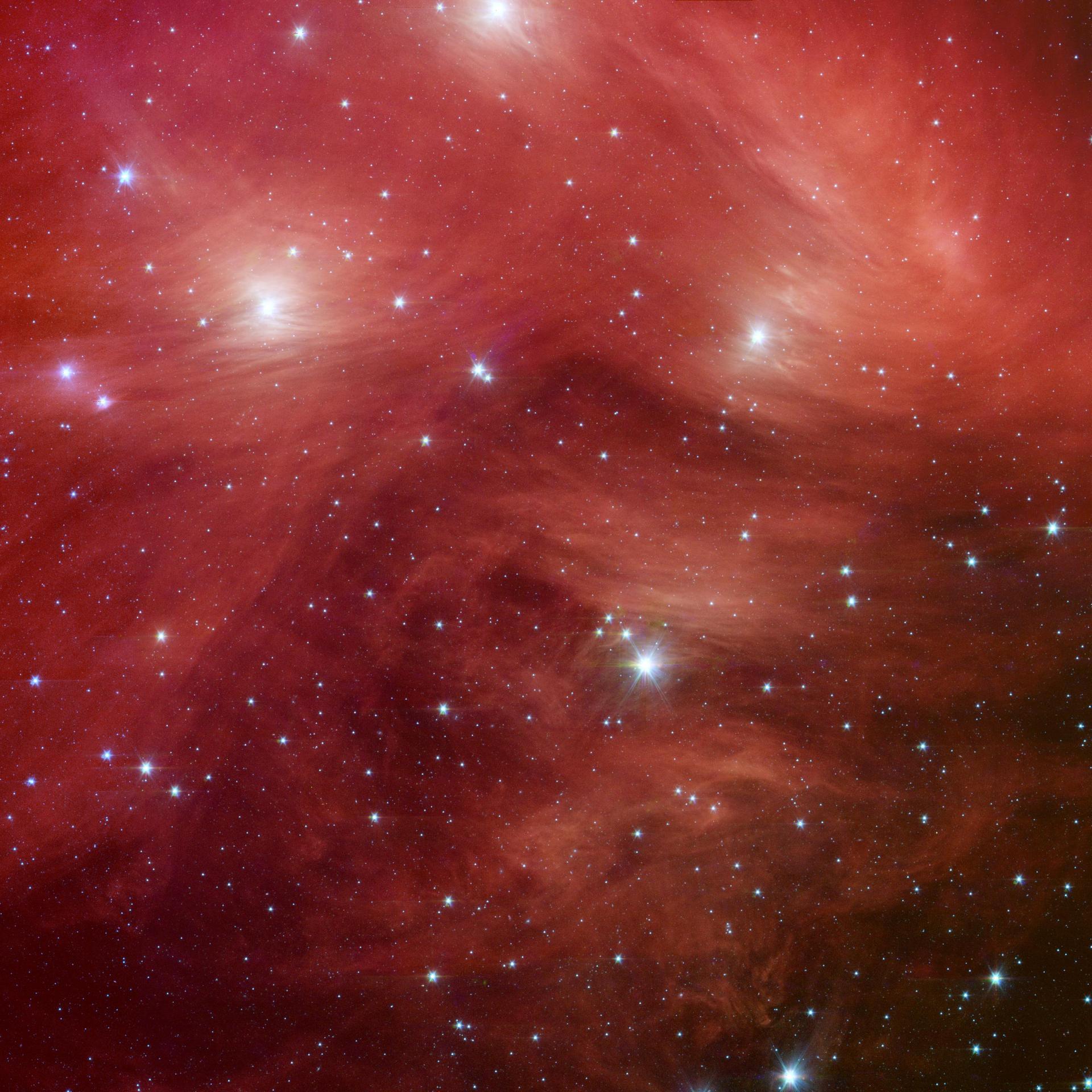
This Week's Sky: Mars Slides Into the Pleiades as the Strawberry Moon Rises
A dated late-June 2026 observing guide: Mars passes the Pleiades June 27-29 in the pre-dawn east, the Full Strawberry Moon rises June 29-30 near Sagittarius' Teapot, Mercury starts retrograde, and the Summer Triangle frames the season's best nebulae.
-
Stargazing
Your July 2026 Night Sky: A Daytime-Bright Venus, the Buck Moon, and a Fireball-Rich Meteor Finale
July 2026 hands naked-eye observers a brilliant magnitude -4 Venus near Regulus, a razor-thin 0.11-degree Mars-Uranus pairing before dawn on July 4, the Full Buck Moon on July 29, and twin meteor showers — including fireball-prone Alpha Capricornids — closing the month.