Stargazing
Stargazing and skywatching from Cosmic Herald — what to see in the night sky, meteor showers, planets, auroras, and observing guides.
-
Stargazing
A Surprise G1 Geomagnetic Storm Lit Up June 25 as a New Sunspot Woke Up
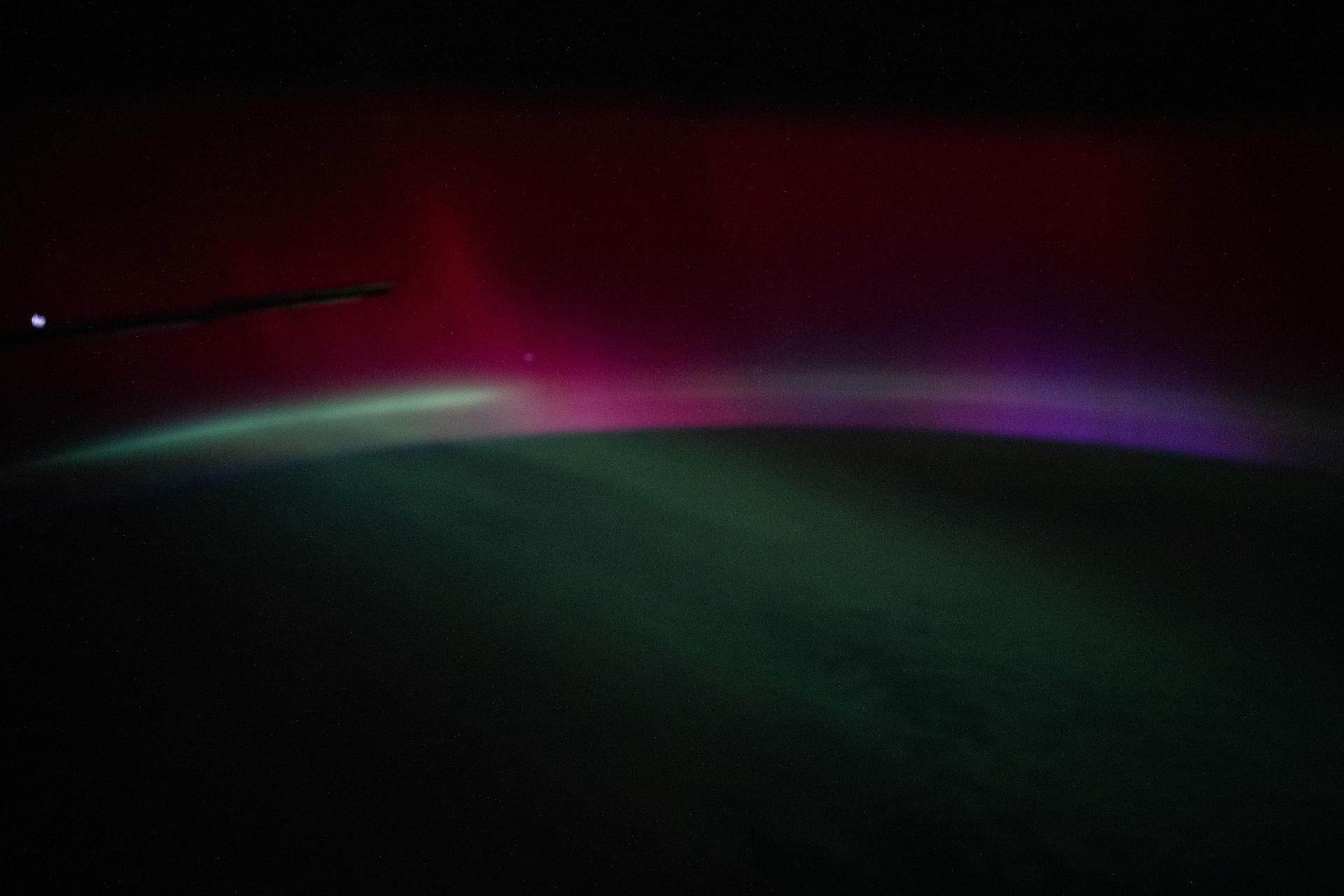
A G1 geomagnetic storm crossed the threshold at 4:43 UTC on June 25, 2026, driven by coronal-hole solar wind and a possible glancing CME, as new sunspot region AR4478 fired most of the day's 16 C-class flares.
-
Stargazing
GalileoSharp Puts Real Astrophotography Sharpening in Your Pocket
GalileoSharp is a free, fully offline Android app that sharpens Moon, planetary, and deep-sky photos using the same algorithms desktop astrophotographers rely on — Richardson-Lucy deconvolution, wavelets, unsharp mask and more — with live preview and batch processing.
-
Stargazing
Your First Telescope: What to Buy, What to Skip, and What to Look at First
Aperture matters more than magnification, Dobsonians beat department-store refractors, and the Moon is the best first target. A no-nonsense buying guide for your first serious look at the night sky.
-
Stargazing
Solstice Week 2026: A Daytime Venus Occultation, the Longest Day, and a Strawberry Moon
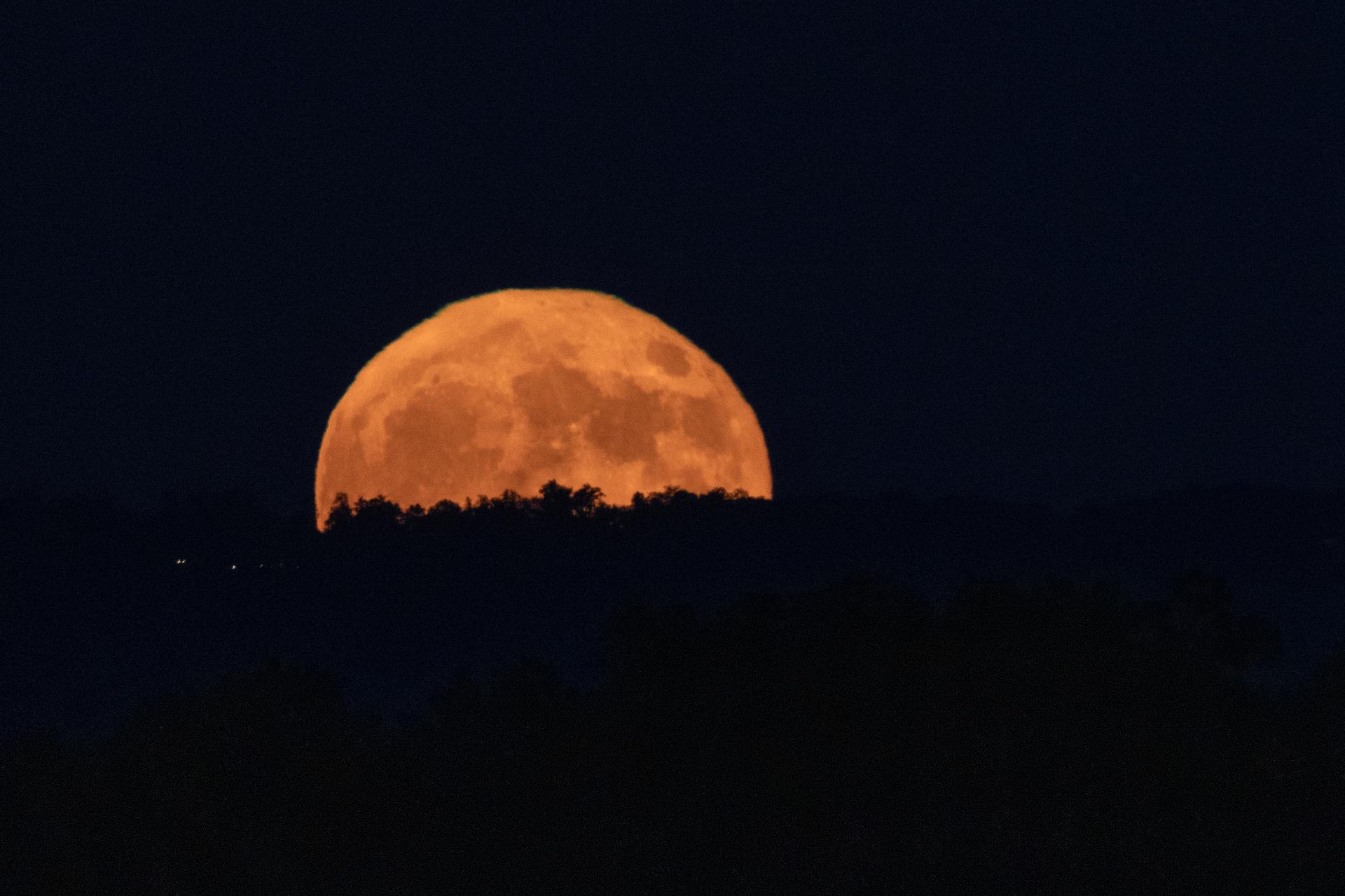
Late June 2026 packs three marquee events into one stretch of sky: the summer solstice, a rare daytime occultation of Venus by the Moon on June 17, and the June 29 Strawberry Moon — plus a western planet lineup and the rising Milky Way.
-
Stargazing
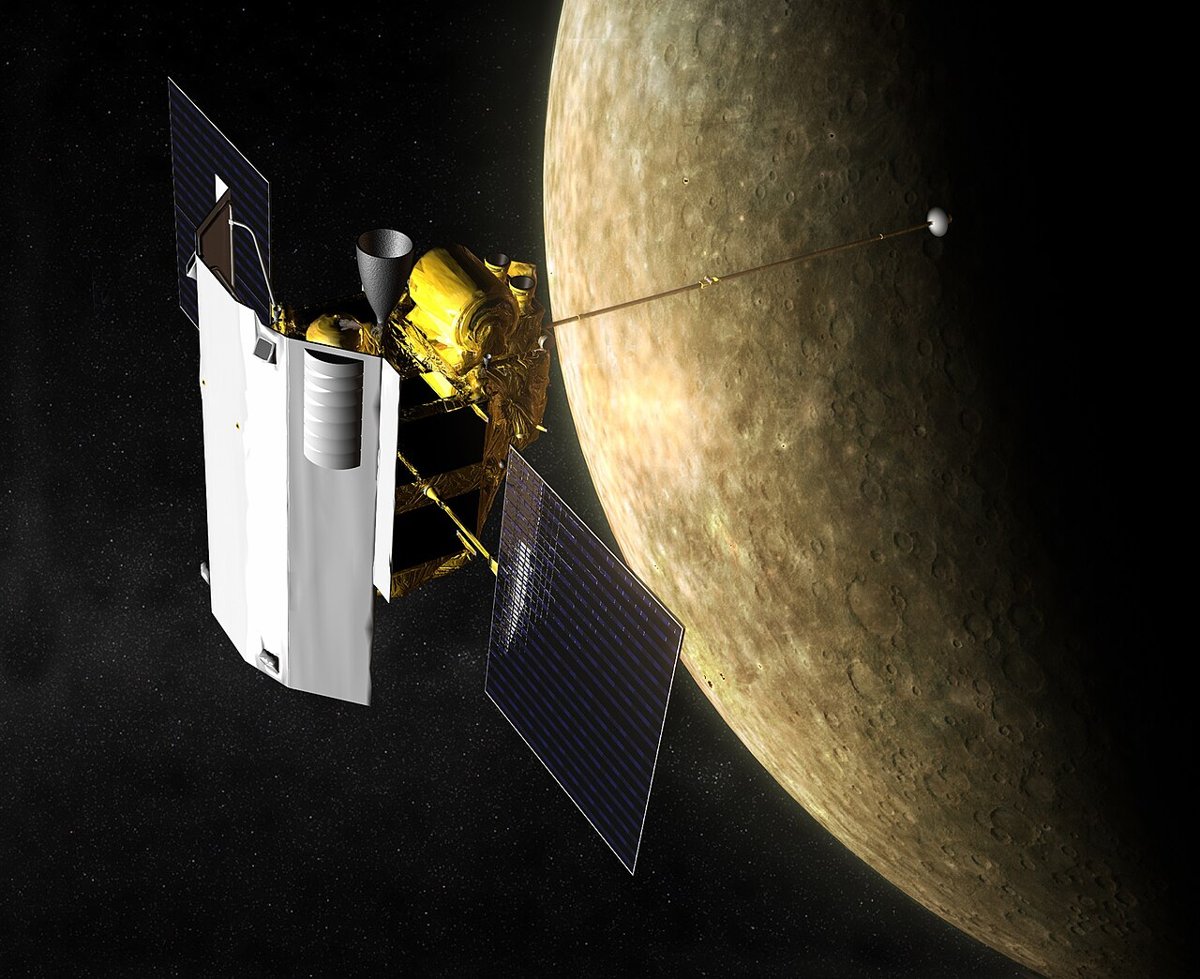
Mercury Reaches Peak Evening Visibility on June 15: Your Guide to the 2026 Viewing Window
Mercury hits its greatest elongation from the Sun on June 15, 2026, shining at magnitude 0.5 and appearing 25° from the solar disk—the best evening viewing window of the year paired with Venus and Jupiter.
-
Stargazing
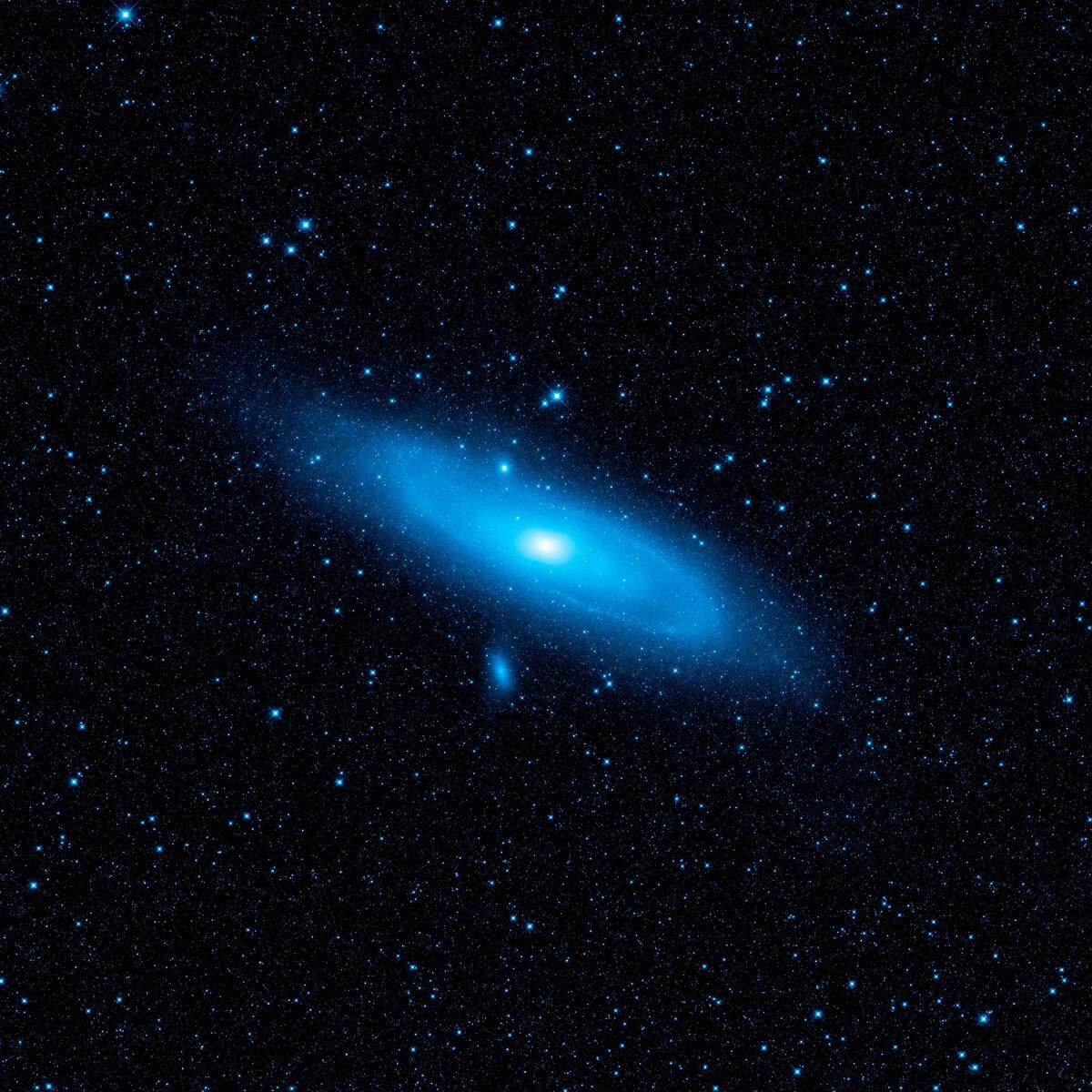
Galaxy Season: A Guide to Observing the Local Group This Autumn
Every autumn the great galaxies of the Local Group rise into prime viewing position. Here's how to find M31, M33, and their satellites — and what you're actually looking at when you do.
-
Stargazing
Globular clusters are the oldest things you can see with a backyard telescope
Globular clusters are gravitationally bound balls of hundreds of thousands of stars, some over 12 billion years old. M13 in Hercules is the showpiece of the northern sky, but Omega Centauri dwarfs it — and both are accessible with modest equipment.
-
Stargazing
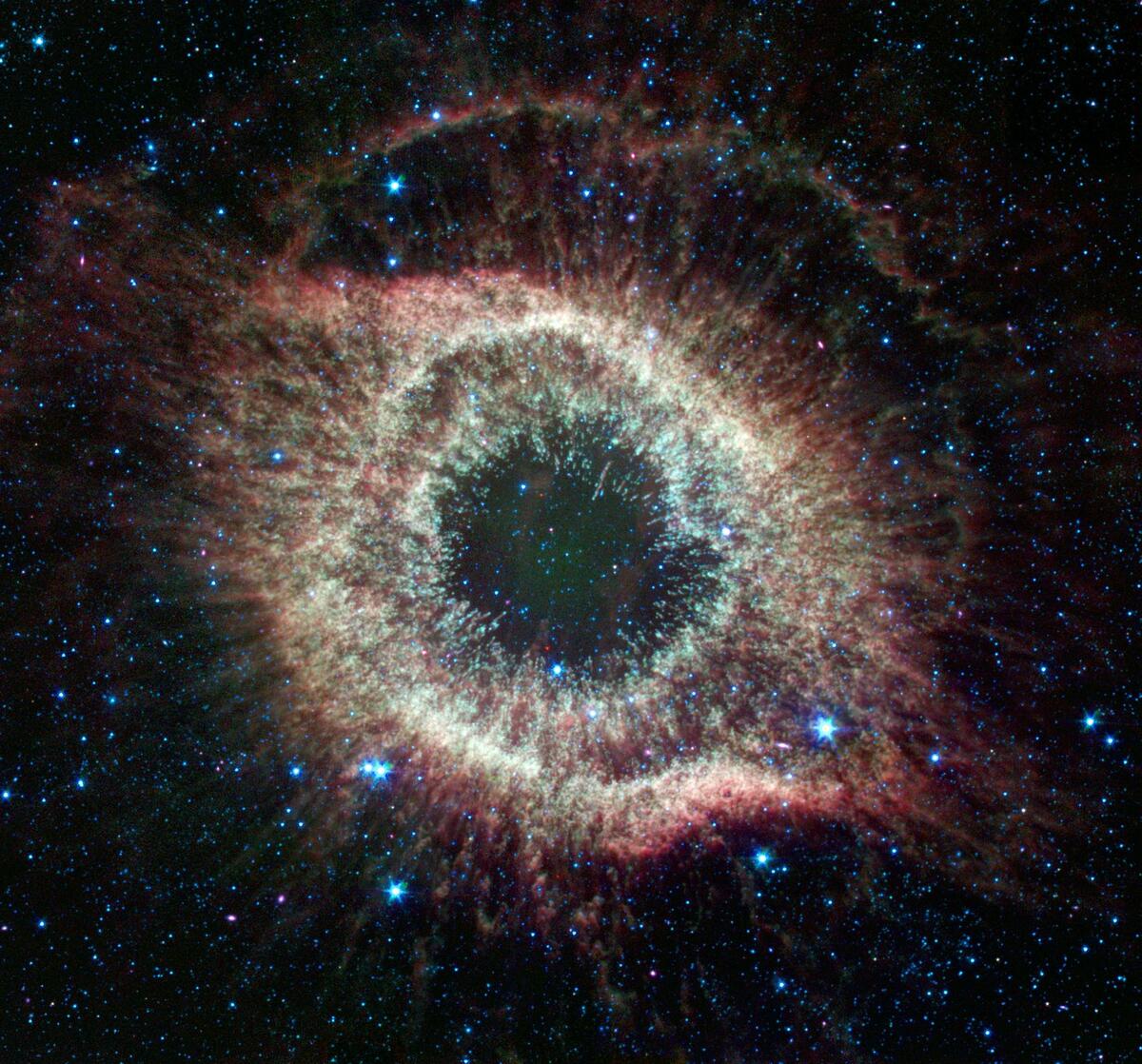
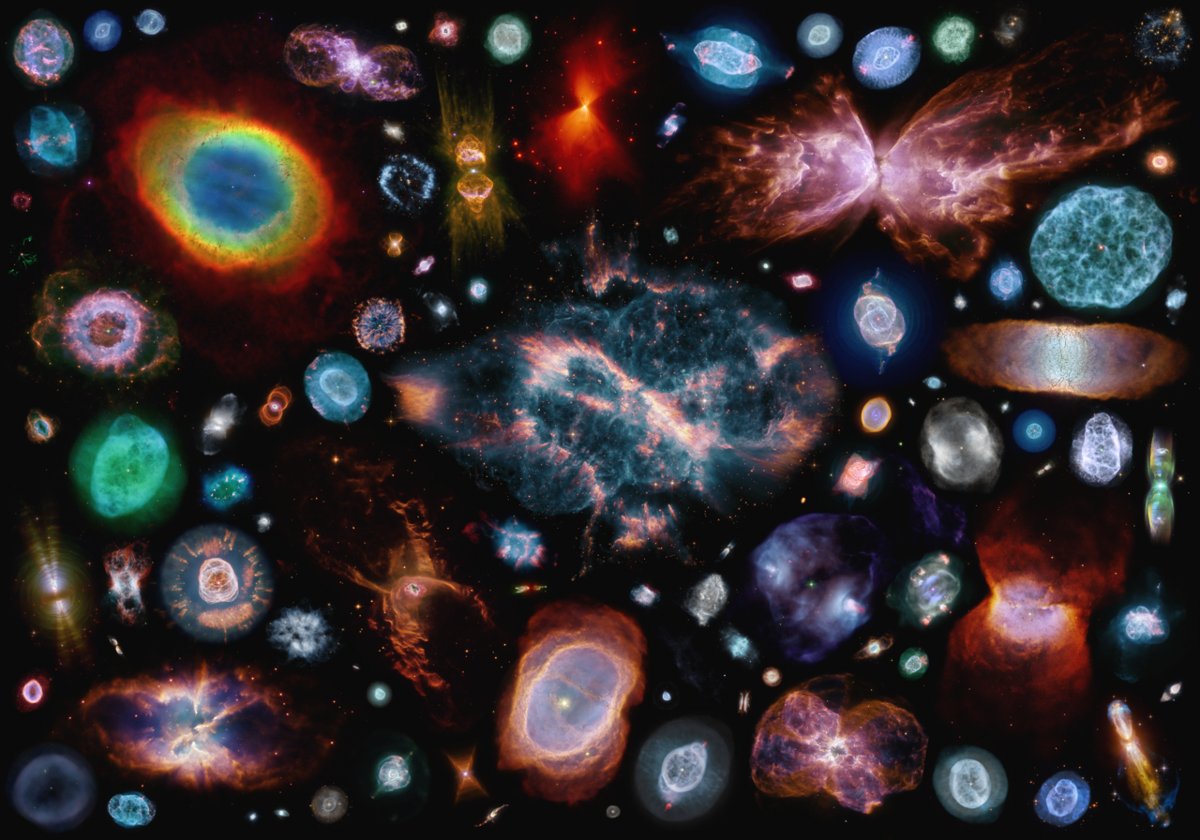
Planetary nebulae: the most photogenic objects in the sky that no one talks about
Planetary nebulae are the glowing shells left when Sun-like stars die. The Ring, Dumbbell, and Blinking Planetary are all reachable with small telescopes. Understanding what you're looking at makes them far more interesting than any photograph suggests.
-
Stargazing
America's Astronomy Clubs: A State-by-State Guide
From Stellafane in Vermont to the Houston Astronomical Society, 203 amateur astronomy clubs span all 50 U.S. states — and what they offer goes far beyond monthly meetings under the stars.
-
Stargazing
Double stars are the most underrated objects in the night sky
Point even a small telescope at the right patch of sky and you'll find pairs, triplets, and systems of stars orbiting each other in colors the naked eye can't see. Double star observing requires no dark sky, no special equipment, and no precise planning — just a list and a clear night.
-
Stargazing
How to see the Milky Way's core — and why it's harder than it used to be
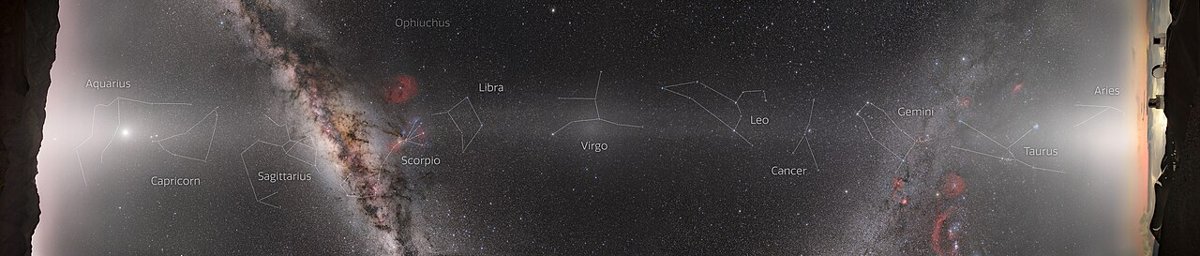
The central bulge of our galaxy rises above the southern horizon in summer, a dense river of light that was once visible to everyone everywhere. Light pollution has made it a journey for most observers now — but this practical guide covers when, where, and how to actually see it.
-
Stargazing
Jupiter is at its biggest and brightest of the year. How to make the most of it.
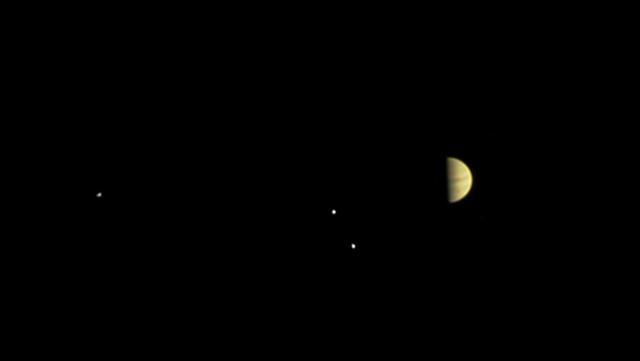
Every thirteen months, Earth laps Jupiter in their orbits around the Sun, bringing the giant planet to opposition — closest approach, fully illuminated, visible all night. Jupiter's 2026 opposition puts it in a favorable position for northern observers, and a modest telescope will show you cloud bands, the Great Red Spot, and four moons that.