Stargazing
Stargazing and skywatching from Cosmic Herald — what to see in the night sky, meteor showers, planets, auroras, and observing guides.
-
Stargazing
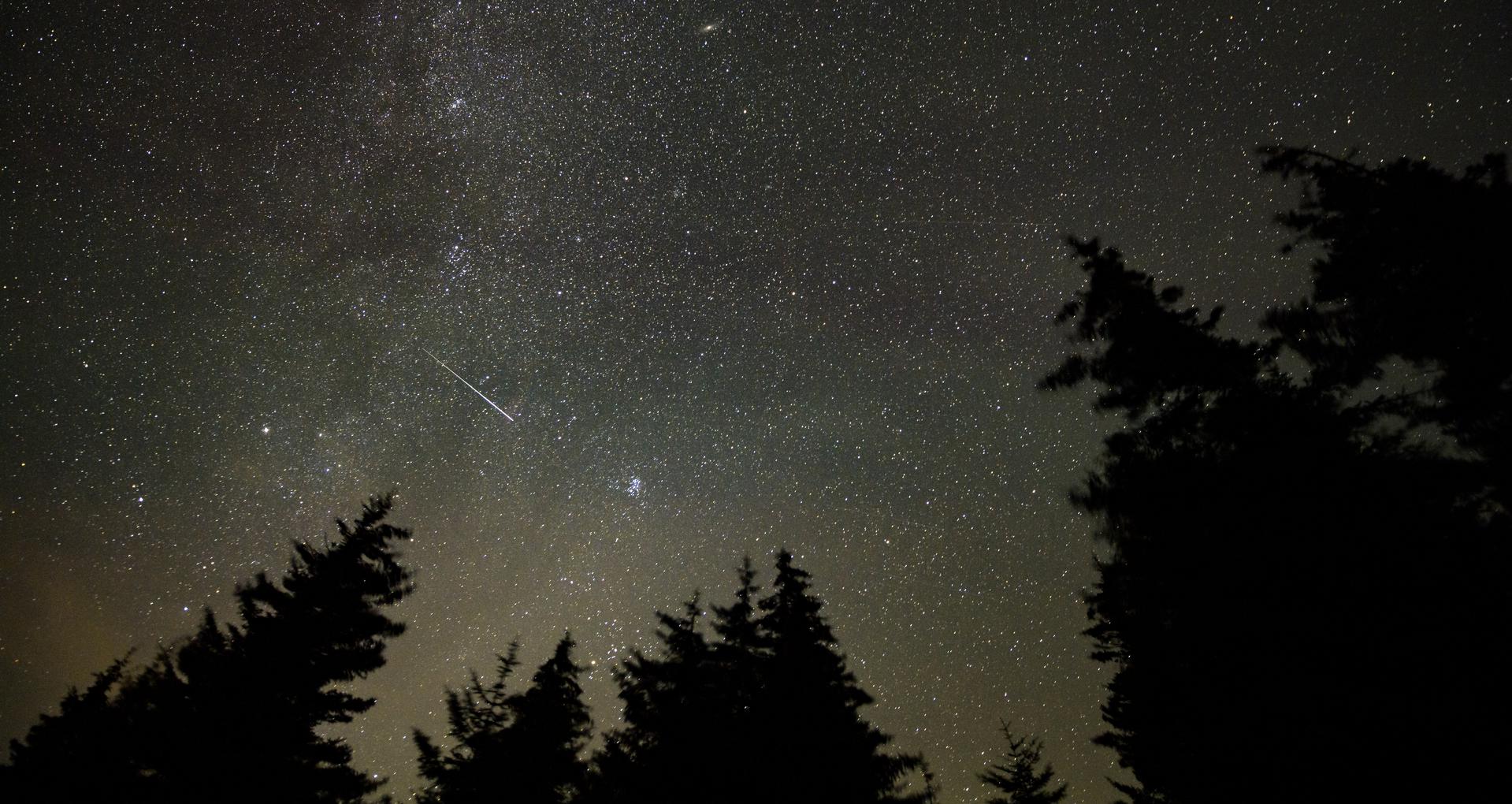
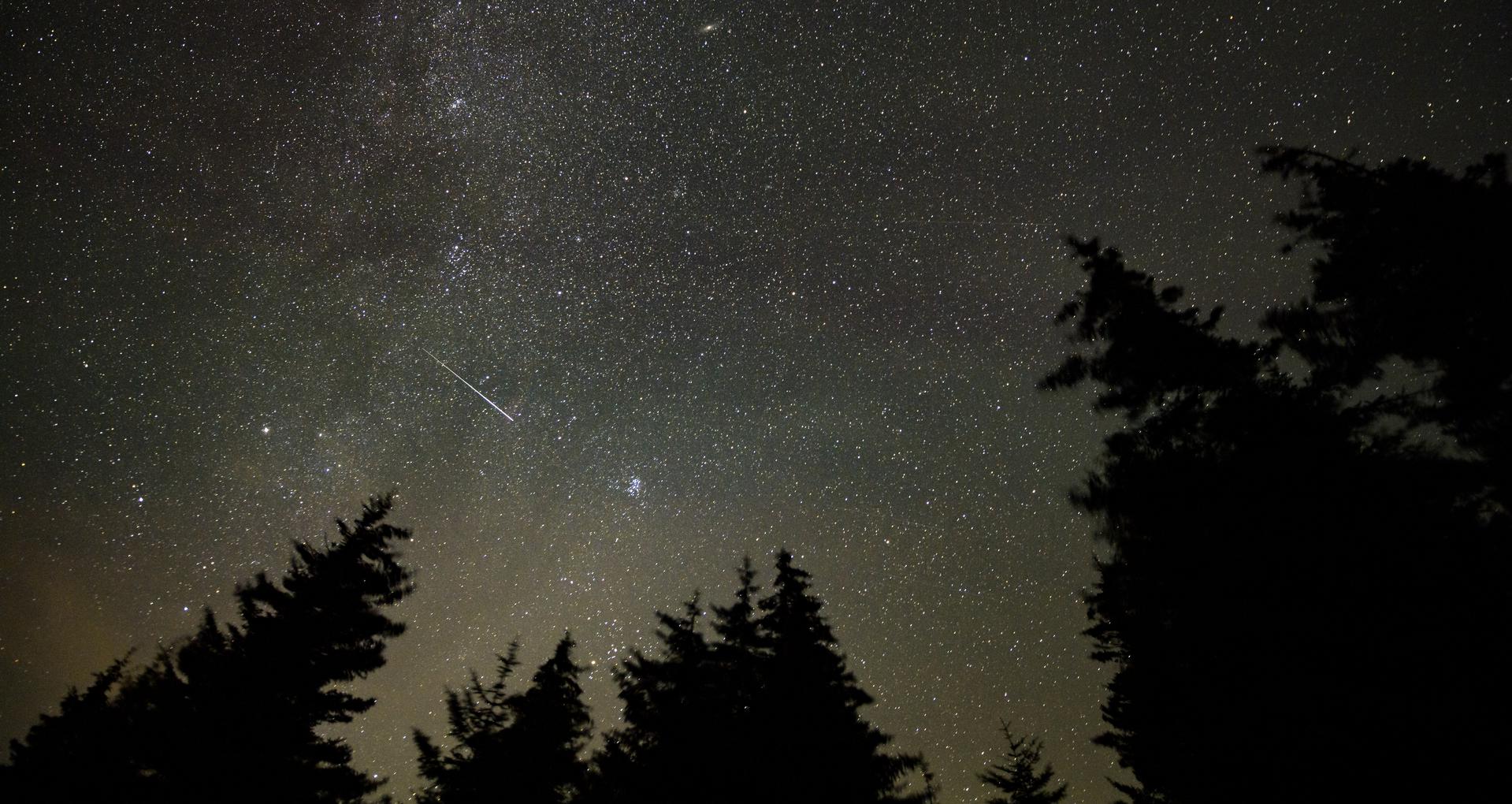
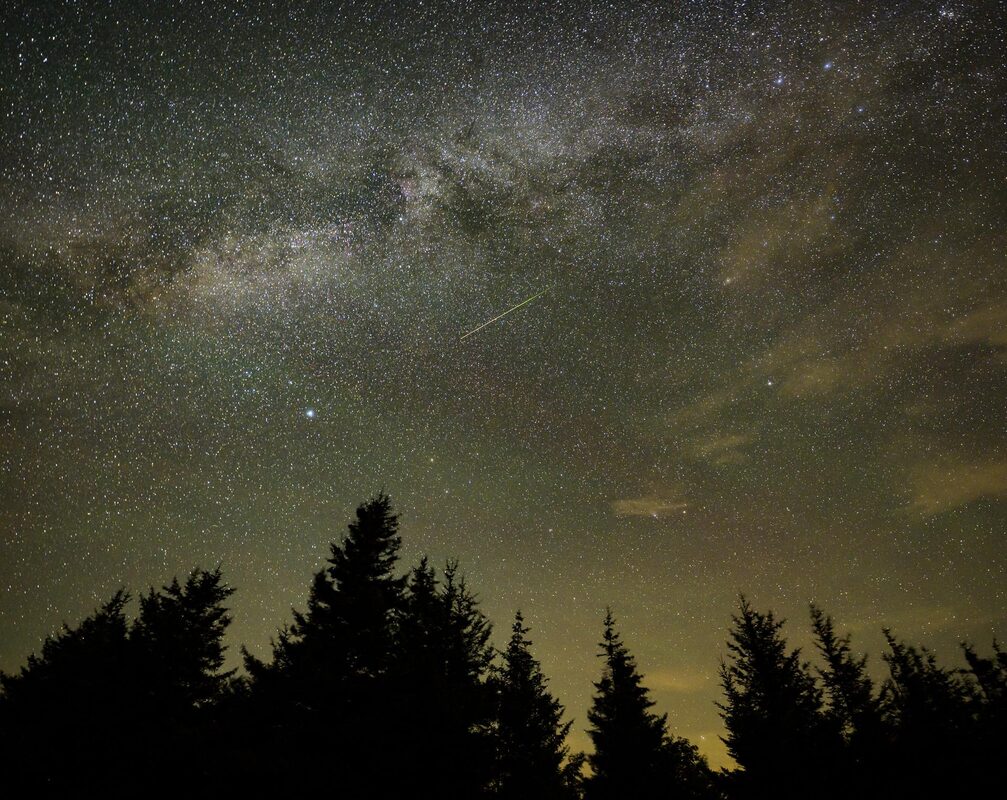
Full Moon to Wash Out Peak of Delta Aquariid–Alpha Capricornid Double Meteor Shower
A nearly full moon will drown out most of the Southern Delta Aquariids' July 28-29 peak, but the slower, brighter Alpha Capricornid fireballs that follow on July 30-31 should still cut through the glare.
-
Stargazing
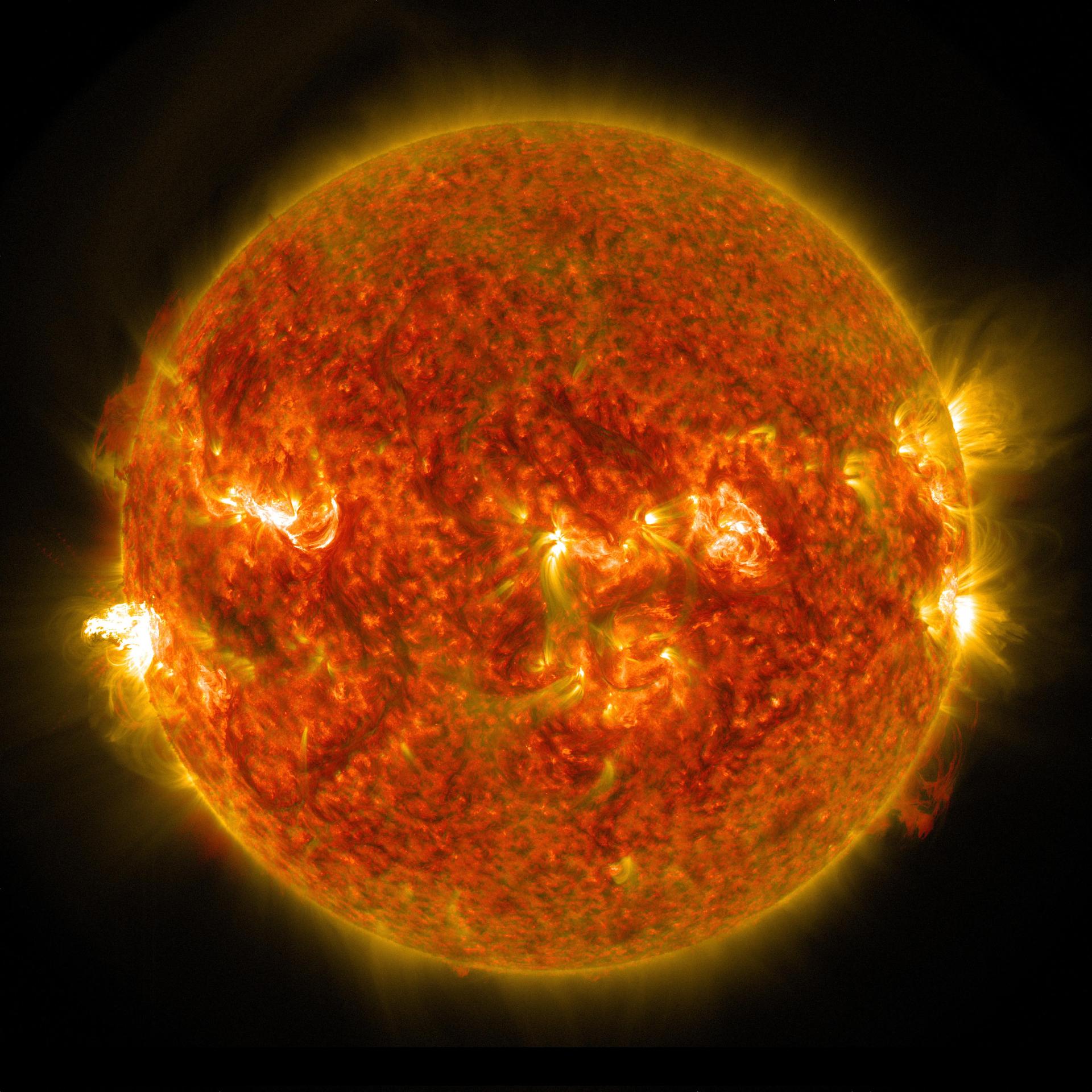
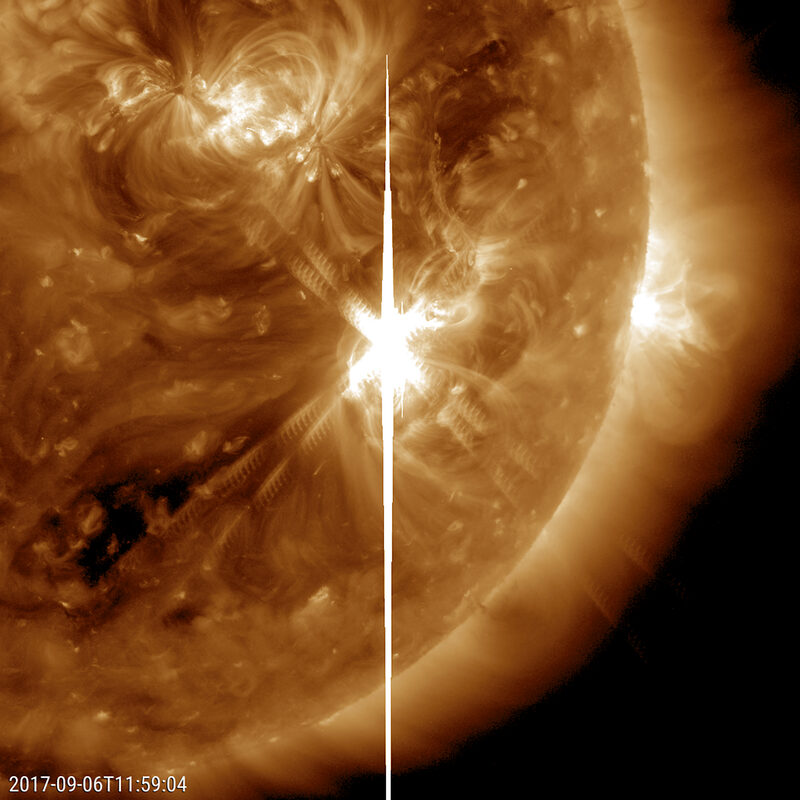
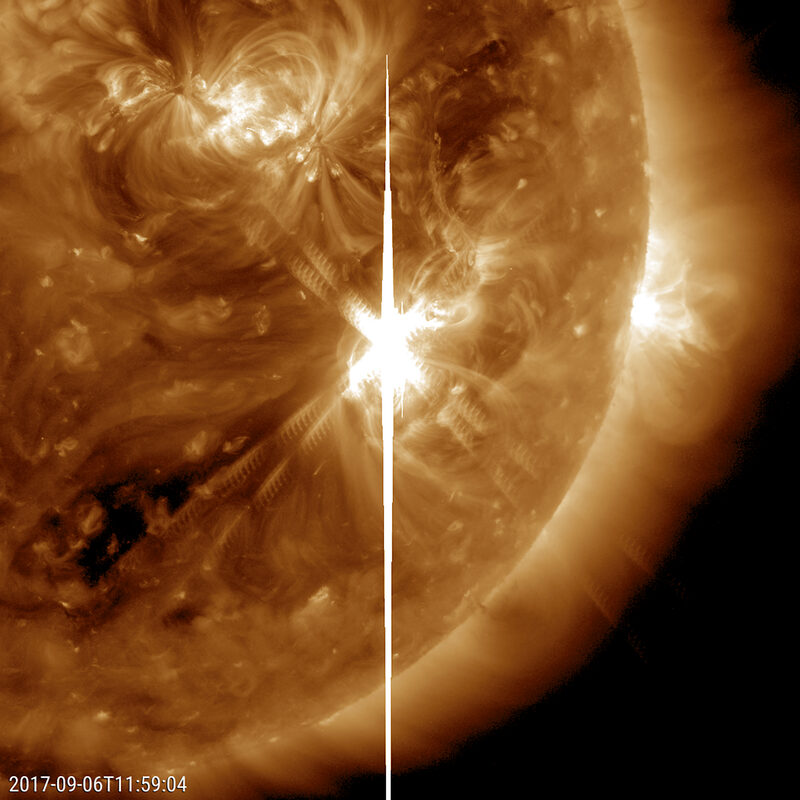
The Sun Stirs Again: Sunspot AR4494 Fires an M3 Flare as Three Regions Crackle Into Late July
Sunspot AR4494 threw an M3.2 flare on July 26 while regions 4495 and 4496 added C-class pops. Earth's magnetic field stayed quiet, but forecasters put the odds at 45% for another M-flare and 10% for an X-flare over the next 24-48 hours.
-
Stargazing
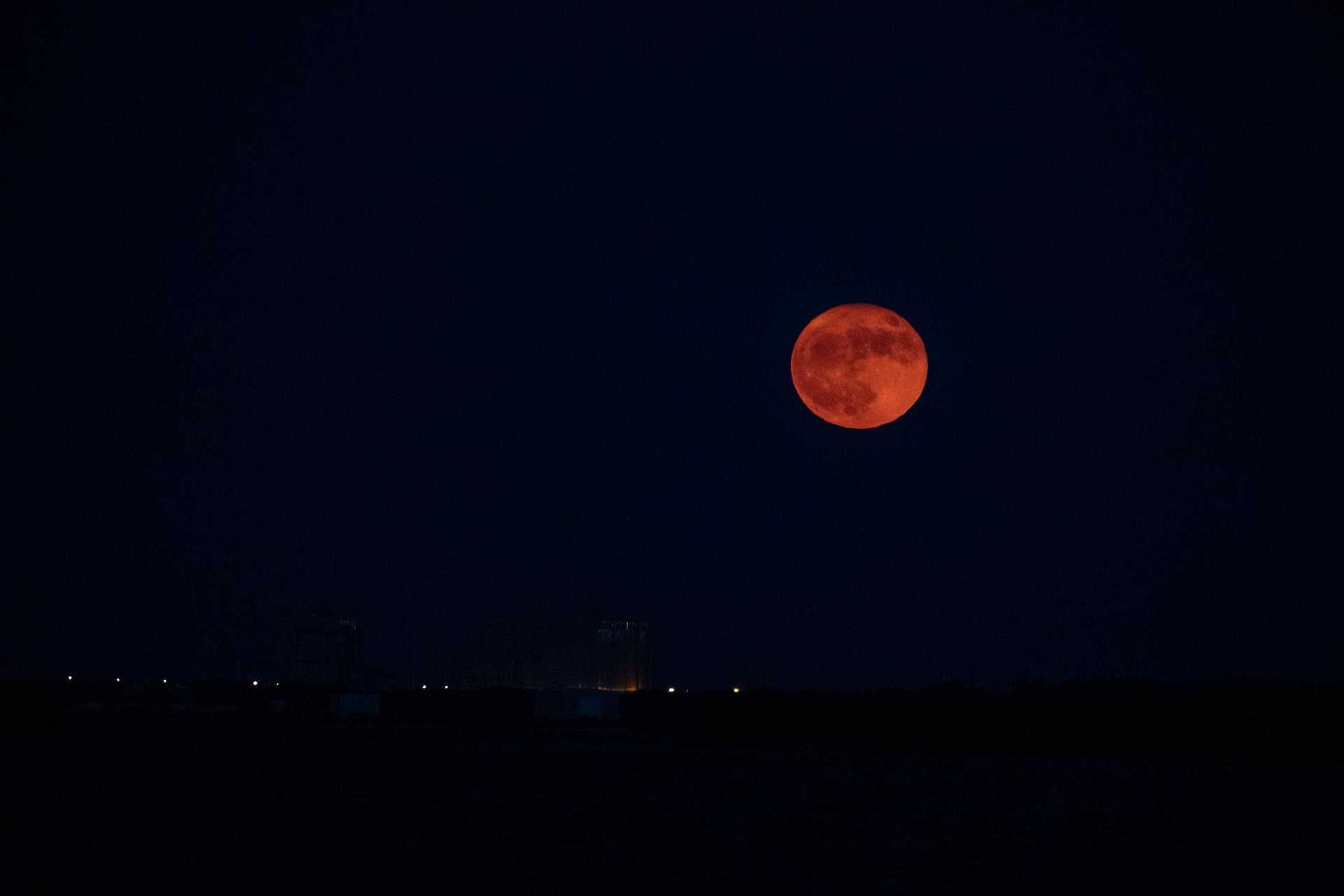
Late July 2026: A Fattening Moon, Edge-On Saturn, and a Meteor Shower Fighting the Light
The last ten days of July 2026 hand skywatchers a First Quarter Moon growing into the Full Buck Moon on 29 July, a nearly edge-on Saturn, evening Venus in Leo, and Delta Aquariid meteors that a near-full Moon will mostly drown out.
-
Stargazing
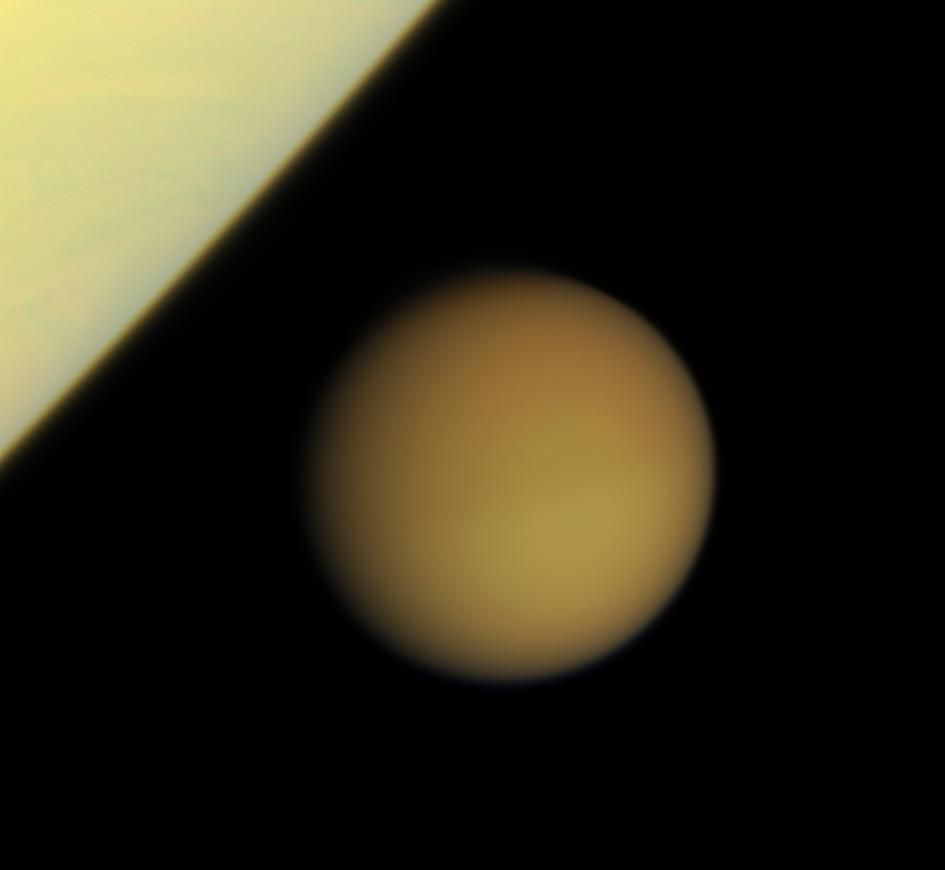
This Week's Sky: An Apollo-11 Twin Moon, a Stalling Mercury, and Titan Circling Saturn (July 20-24)
From July 20-24, 2026, the Metonic cycle serves up a Moon that echoes Apollo 11's landing night, Mercury stalls to end its retrograde in Gemini, and Titan hangs easily beside Saturn.
-
Stargazing
The Southern Delta Aquariids Are Warming Up for a Moonlit Late-July Peak
The Southern Delta Aquariids peak the night of July 30-31, 2026, but a full moon just one day earlier means the best views come from patient pre-dawn watching in the week before.
-
Stargazing
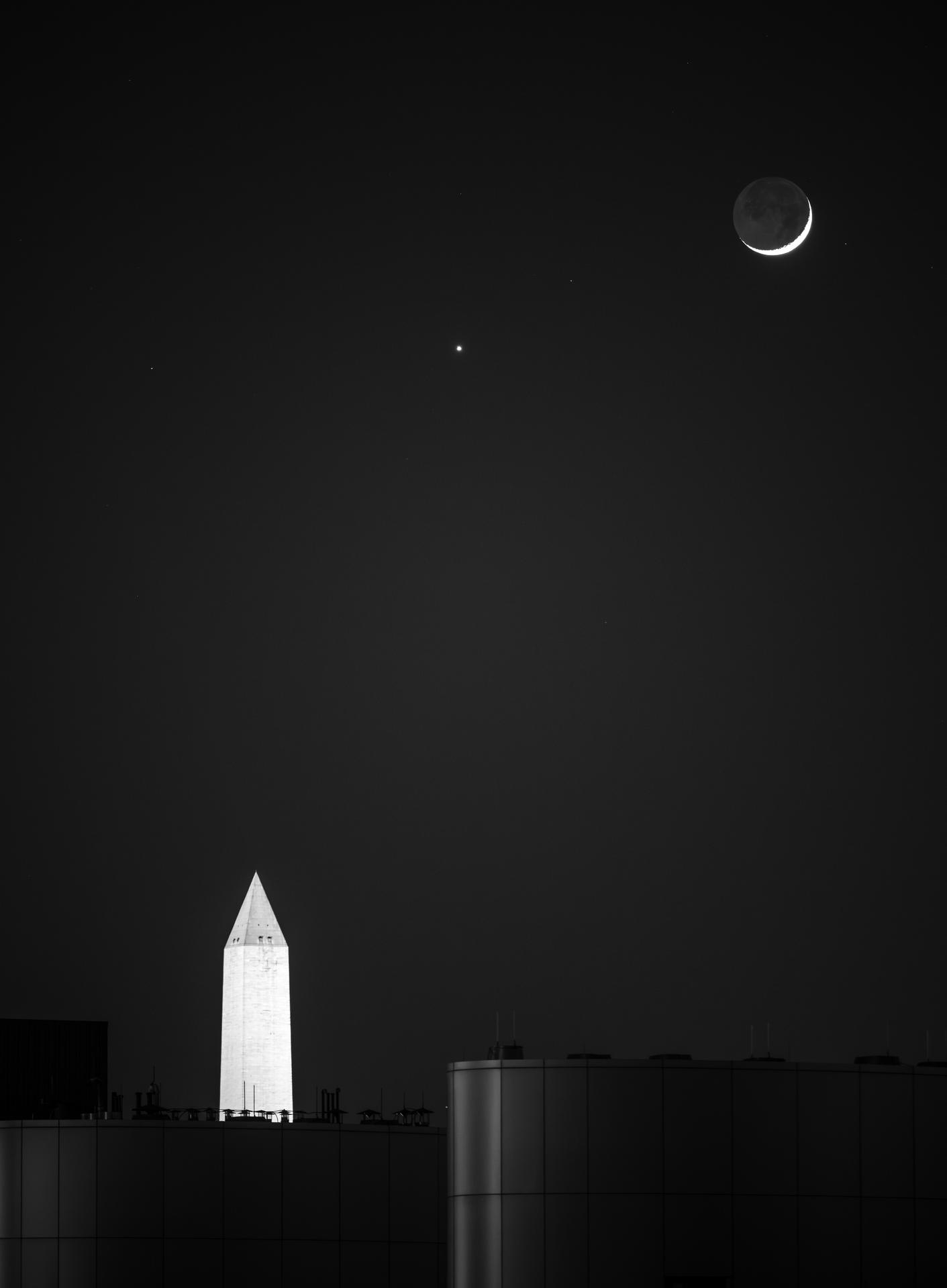
A Delicate Trio at Dusk: Moon, Venus, and Regulus Share the Sky July 15-17
A waxing crescent Moon glides past Venus and Regulus on three straight evenings this week, brushing 0.5° from the heart of Leo on July 16 before closing to within 2° of Venus the next day.
-
Stargazing
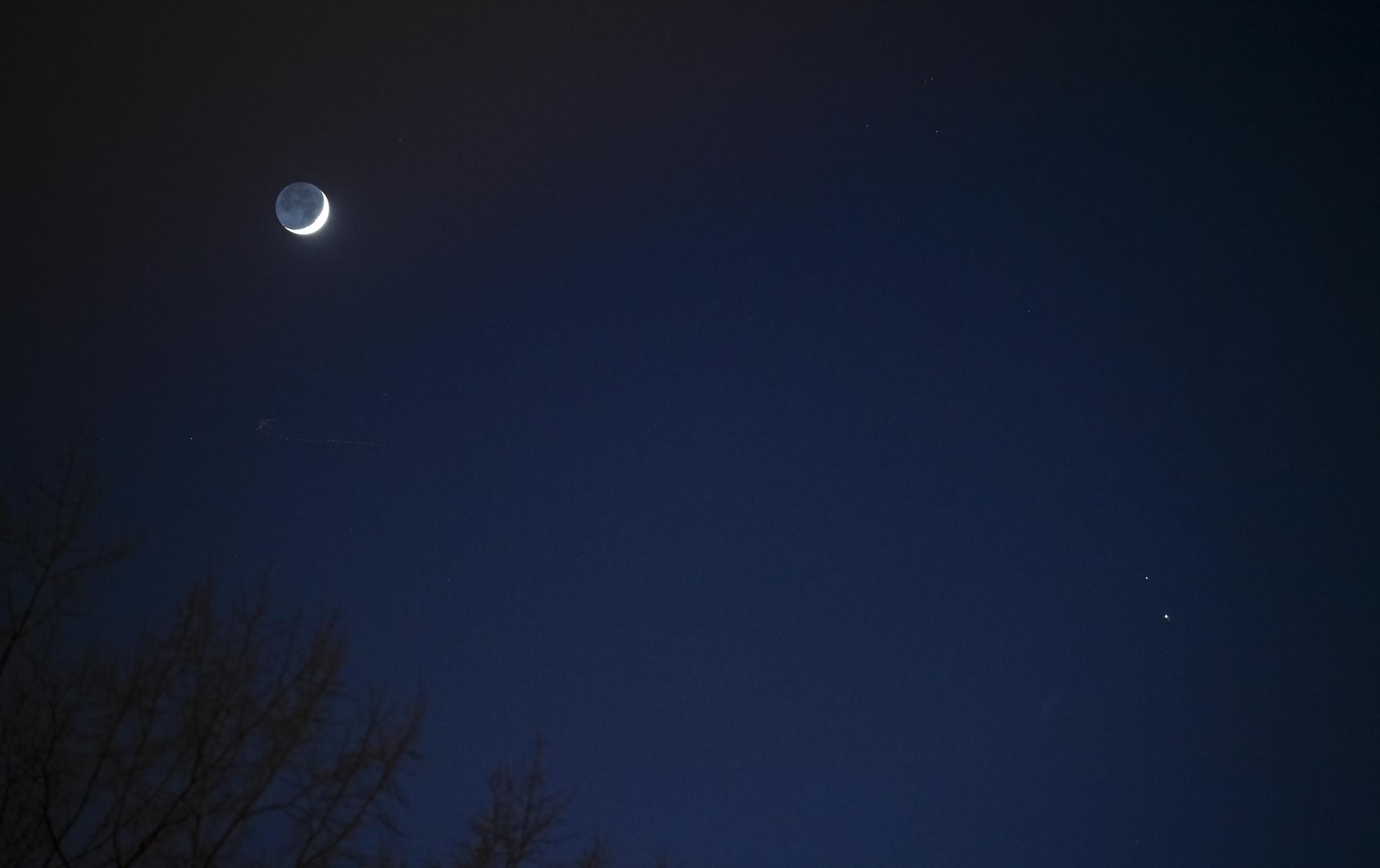
Predawn Sky Guide: Moon Lines Up With Mars, Saturn and Uranus on July 11-12
A waning crescent Moon points the way to Mars, Saturn, and a binoculars-only Uranus in the predawn eastern sky on July 11-12, 2026, part of a busy month of lunar-planetary conjunctions.
-
Stargazing
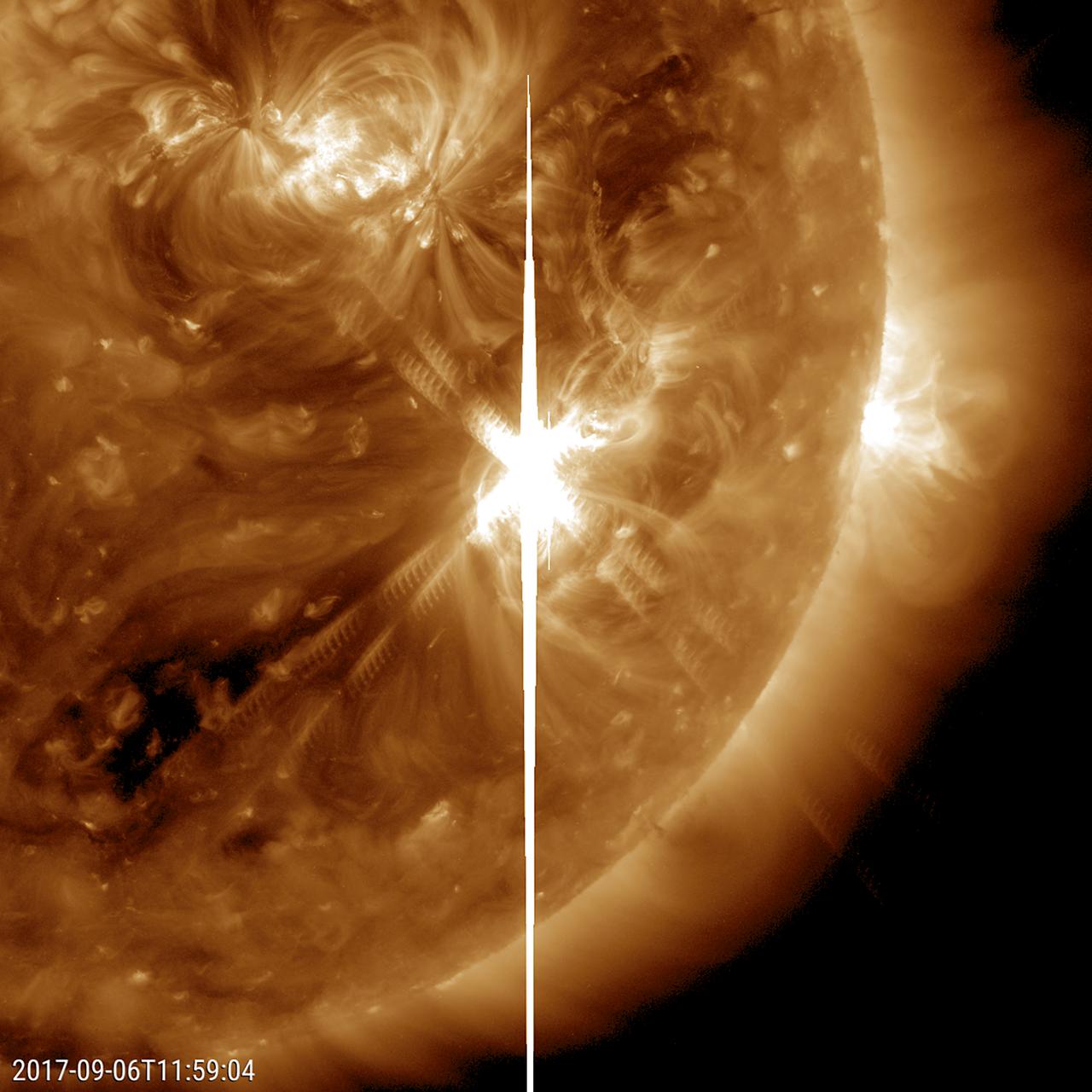
Sunspot AR4485 Fires an M1.2 Flare as CMEs Set Up a G1-G2 Storm Watch Through Midweek
Departing sunspot AR4485 unleashed an M1.2 flare and a radio blackout before rotating off the disk, while a trailing coronal mass ejection could nudge Earth's geomagnetic field to G1 storm levels late this week.
-
Stargazing
The August 2026 Night Sky Guide
August 2026 stacks a rare eclipse double-header around its best night: a moonless Perseid peak on Aug 12-13, Venus at its evening best, and a deep 93%-covered partial lunar eclipse lighting up the Sturgeon Moon on Aug 27-28.
-
Stargazing
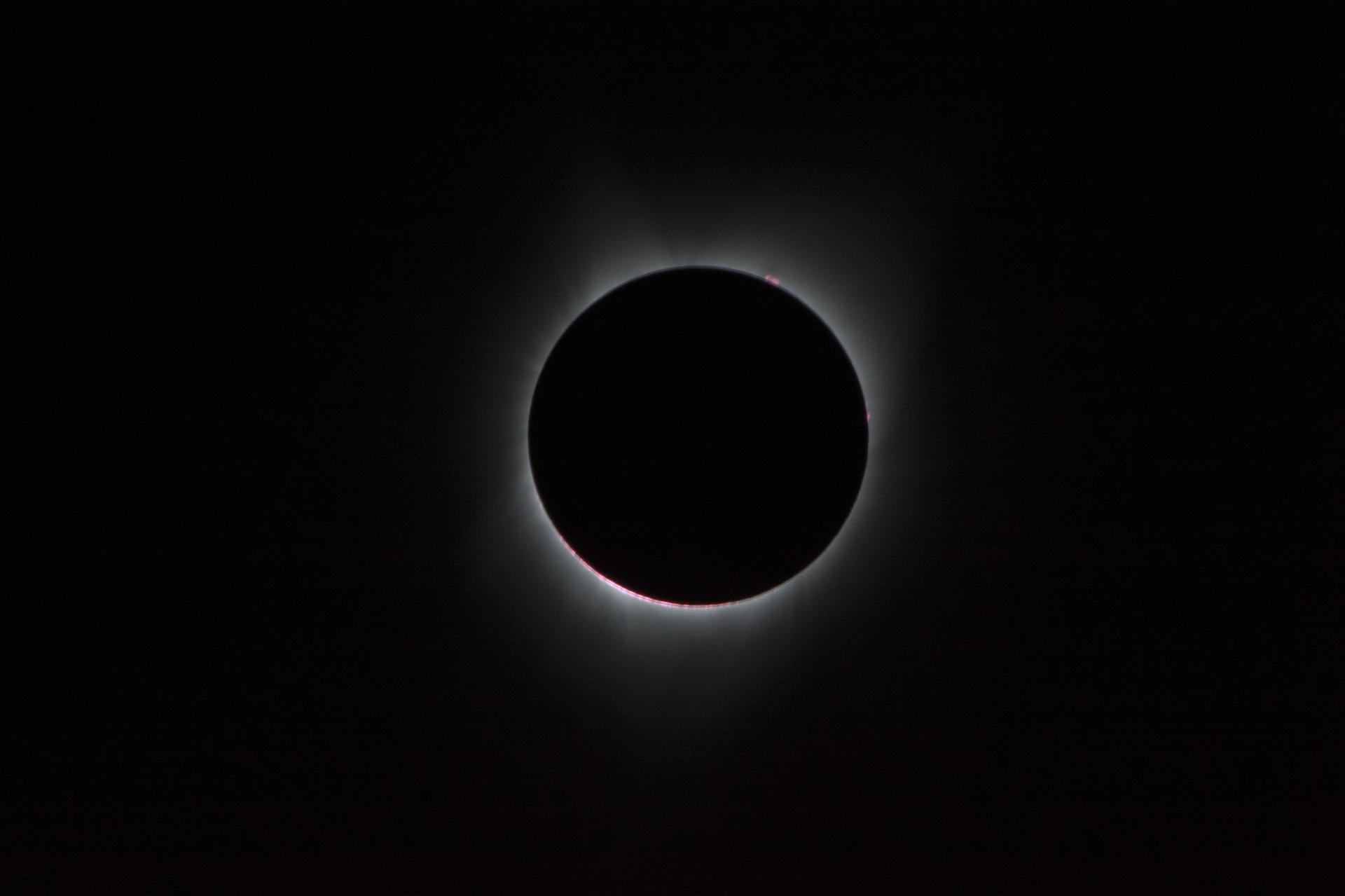
The Total Solar Eclipse of August 12, 2026: The Complete Viewing Guide
On August 12, 2026 the Moon's shadow sweeps from the Arctic across Greenland, Iceland, and Spain — the first total solar eclipse to reach mainland Europe since 1999. Exact times, best viewing spots, weather odds, safety rules, and what U.S. skywatchers will and won't see.
-
Stargazing
Sunspot AR4482 Unleashes M-Class Flares, Raising Aurora Odds Into the Weekend
Sunspot AR4482 fired off an M4.0 flare and a major filament eruption on July 7, and with a coronal-hole wind stream and CME now converging on Earth, forecasters give mid-to-high latitudes a real shot at aurora through the weekend.
-
Stargazing
A Beta-Gamma-Delta Sunspot Keeps Firing: Radio Blackout Risk Runs Through the Weekend
Active region AR4482, a magnetically tangled beta-gamma-delta sunspot, has been lobbing M-class flares at Earth since July 8, and NOAA gives it decent odds of another one through July 11 — with a side of aurora from an incoming solar wind stream.