Missions
Human and robotic spaceflight news from Cosmic Herald — launches, the Moon and Mars, mission milestones, and the spacecraft exploring the solar system.
-
Missions
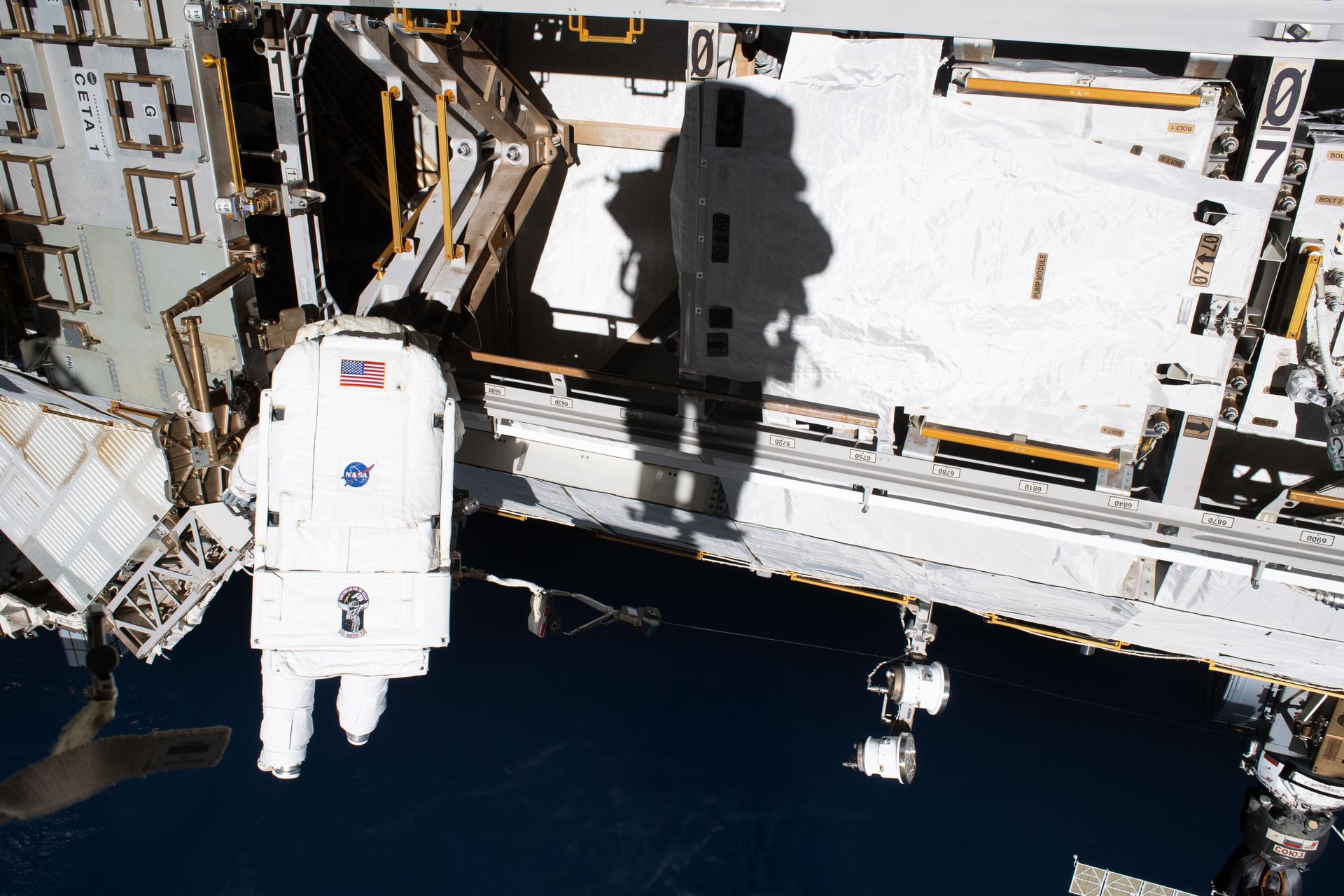
Station Boosts Orbit and Repairs Its Comm Link as ISS Preps for a September Spacewalk
NASA and ESA astronauts finished a two-part antenna repair spacewalk while Cygnus XL fired its engine for 21 minutes to reboost the ISS ahead of a Progress 96 docking and a third EVA in September.
-
Missions
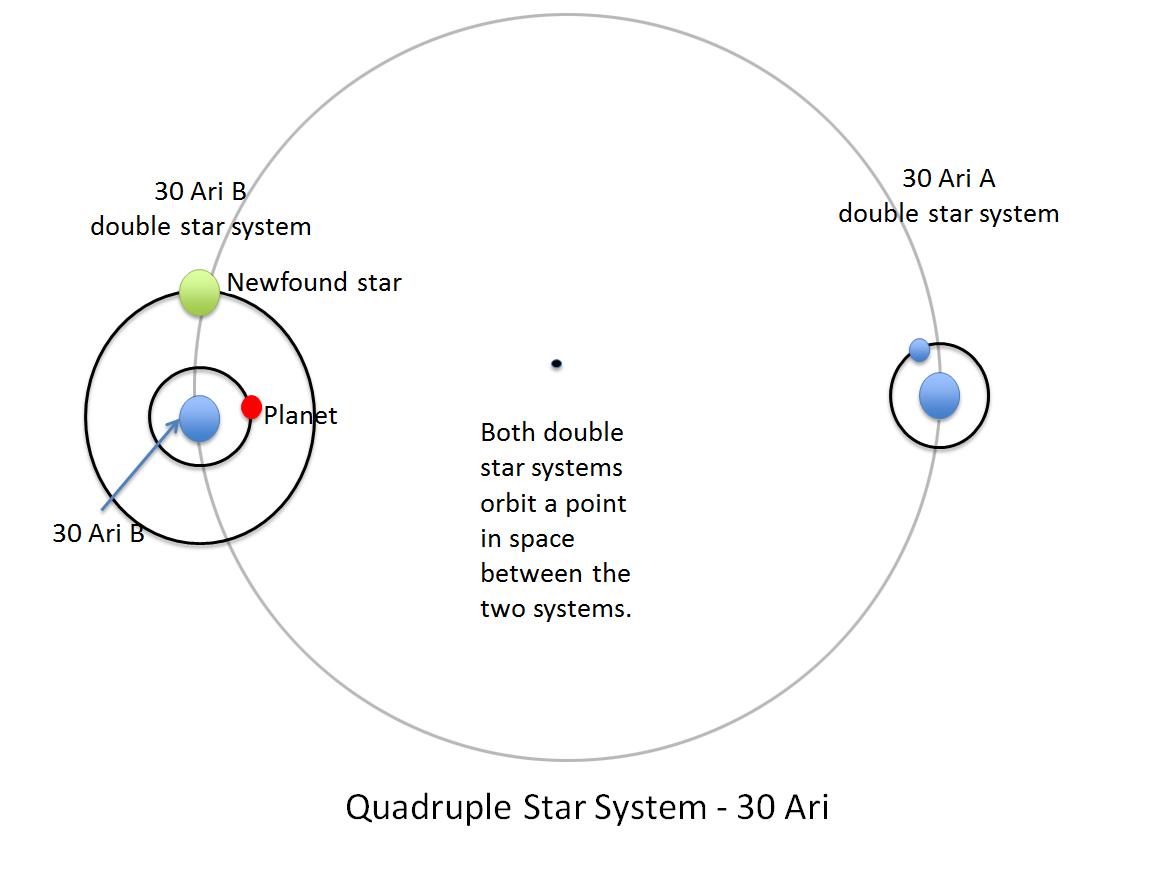
TESS Spots a Four-Star System Where One Binary Eclipses the Other
TESS data reveal TIC 433545934, a compact four-star system where one close binary pair periodically eclipses the stars of its companion pair — the first confirmed system of its kind.
-
Missions
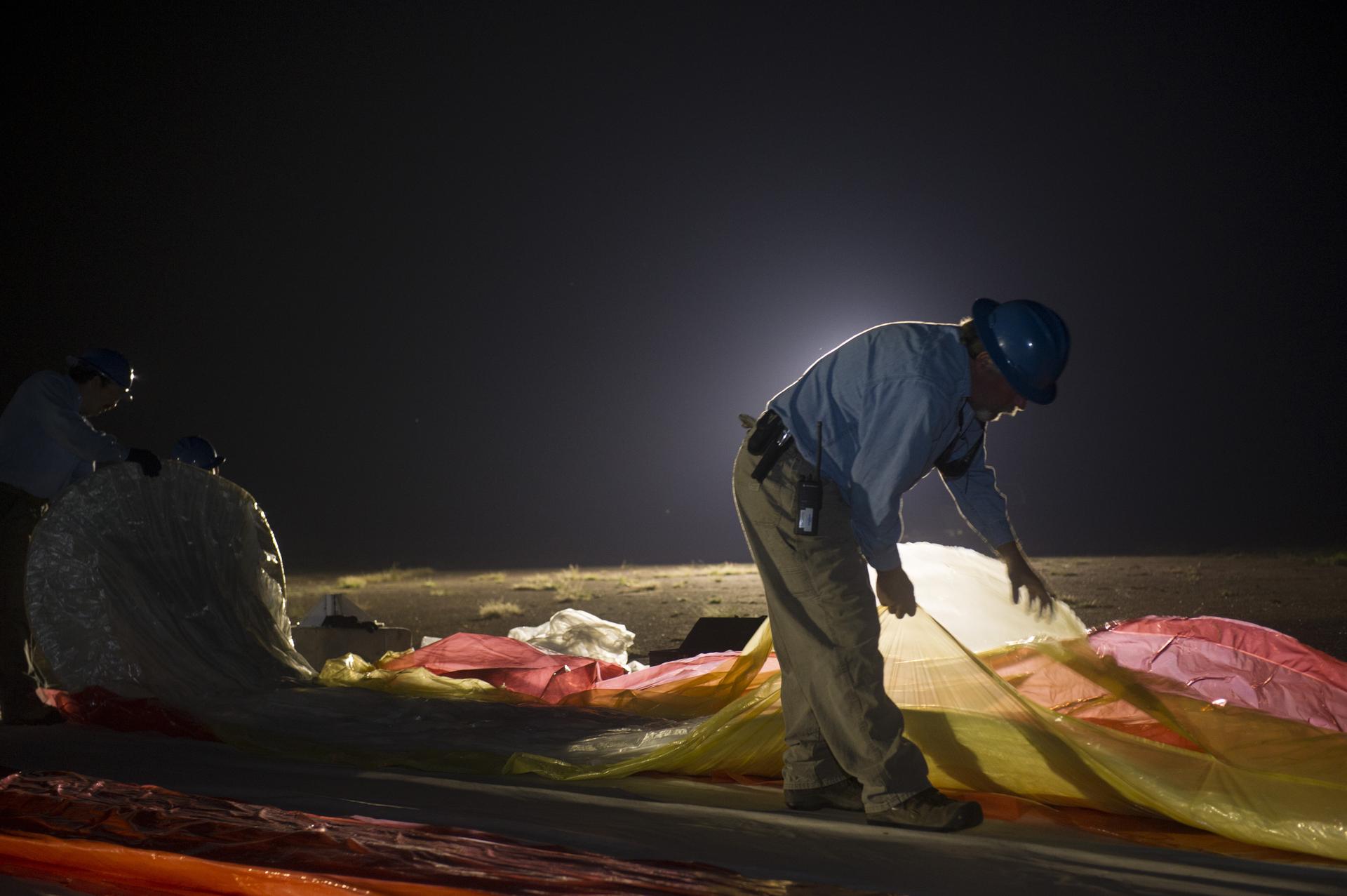
NASA's Fort Sumner Balloon Campaign Puts Rover Landing-Site Cameras to the Test
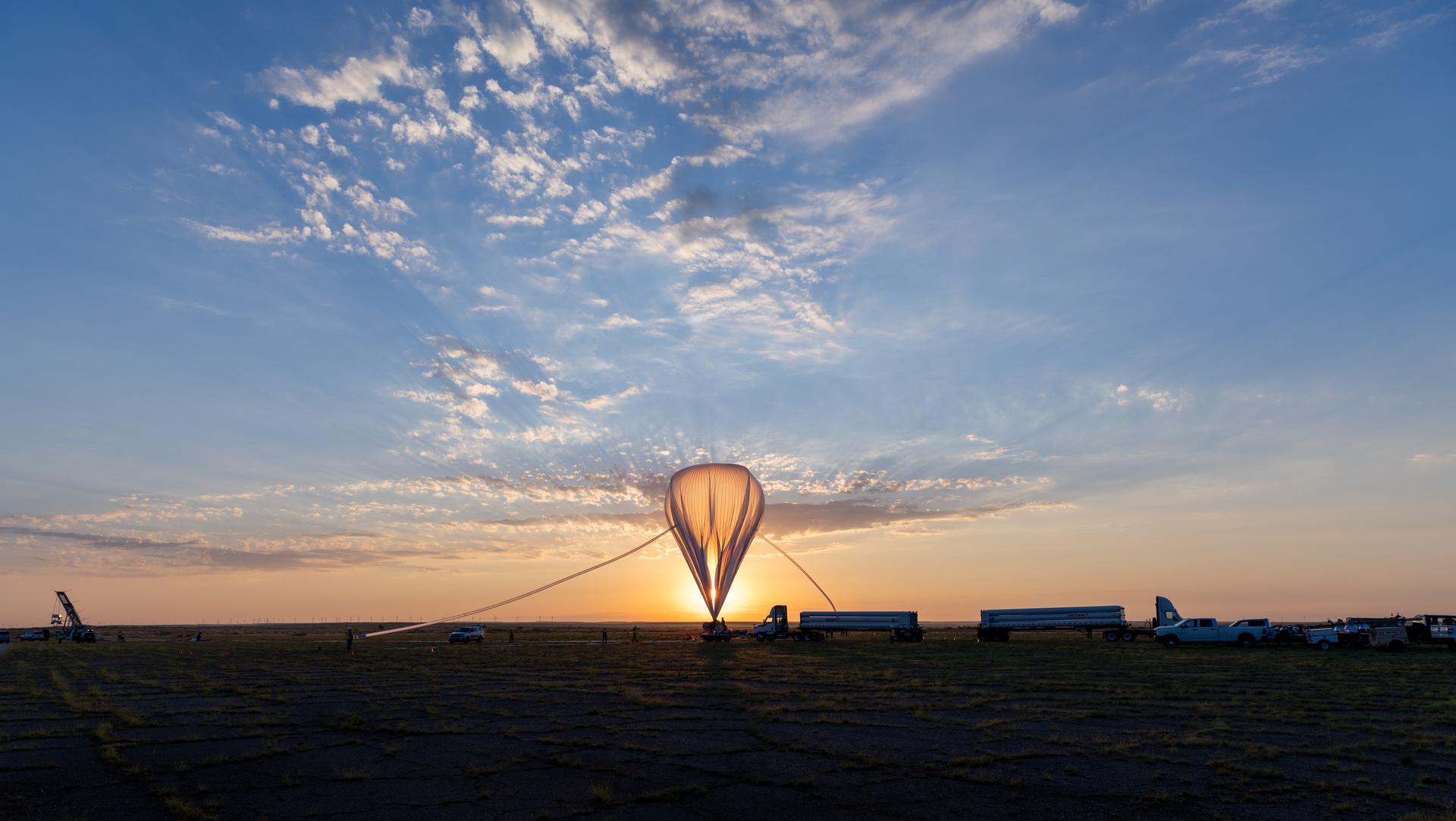
NASA's second Fort Sumner balloon flight of 2026 carried a real-time imaging camera to 126,000 feet, prototyping technology that could help future landers pick safer touchdown spots on the Moon and Mars.
-
Missions
China Scrubs Chang'e-7 Launch Hours Before Liftoff, Citing Storm and Sun Angles
China postponed the Chang'e-7 lunar south pole mission just hours before its Long March 5 was due to fly, blaming Tropical Storm Narra and a narrow sun-angle window over Shackleton Crater — with the next opportunity at least a month, possibly a year, away.
-
Missions
NASA Scraps LINK's Boost of Swift Observatory After Thruster Trouble
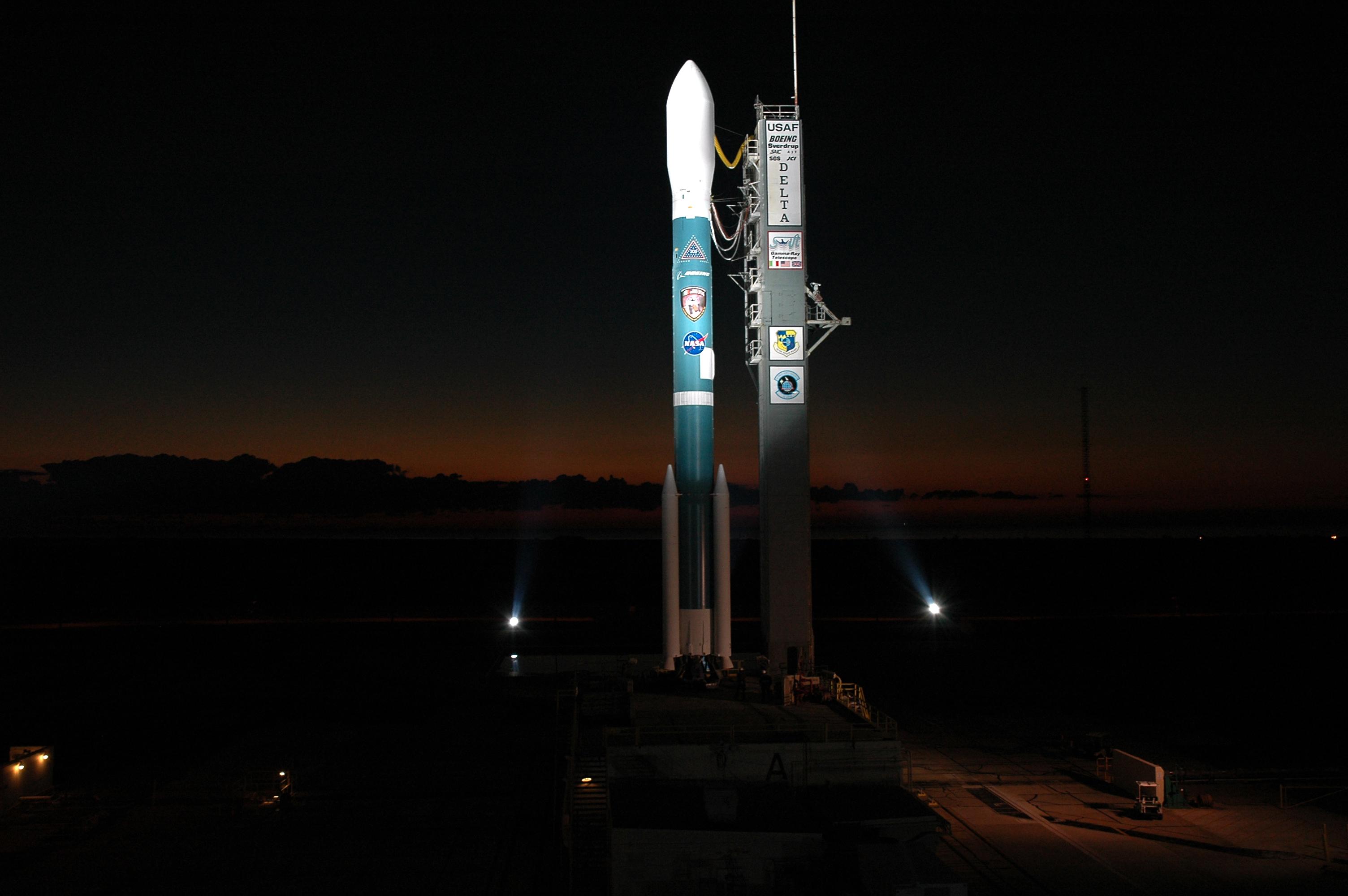
A servicing spacecraft launched to save the Swift Observatory from a decaying orbit now needs saving itself, after two of its three reaction wheels failed and NASA called off the planned altitude boost.
-
Missions
NASA's Starling Swarm Just Learned to Navigate Without GPS
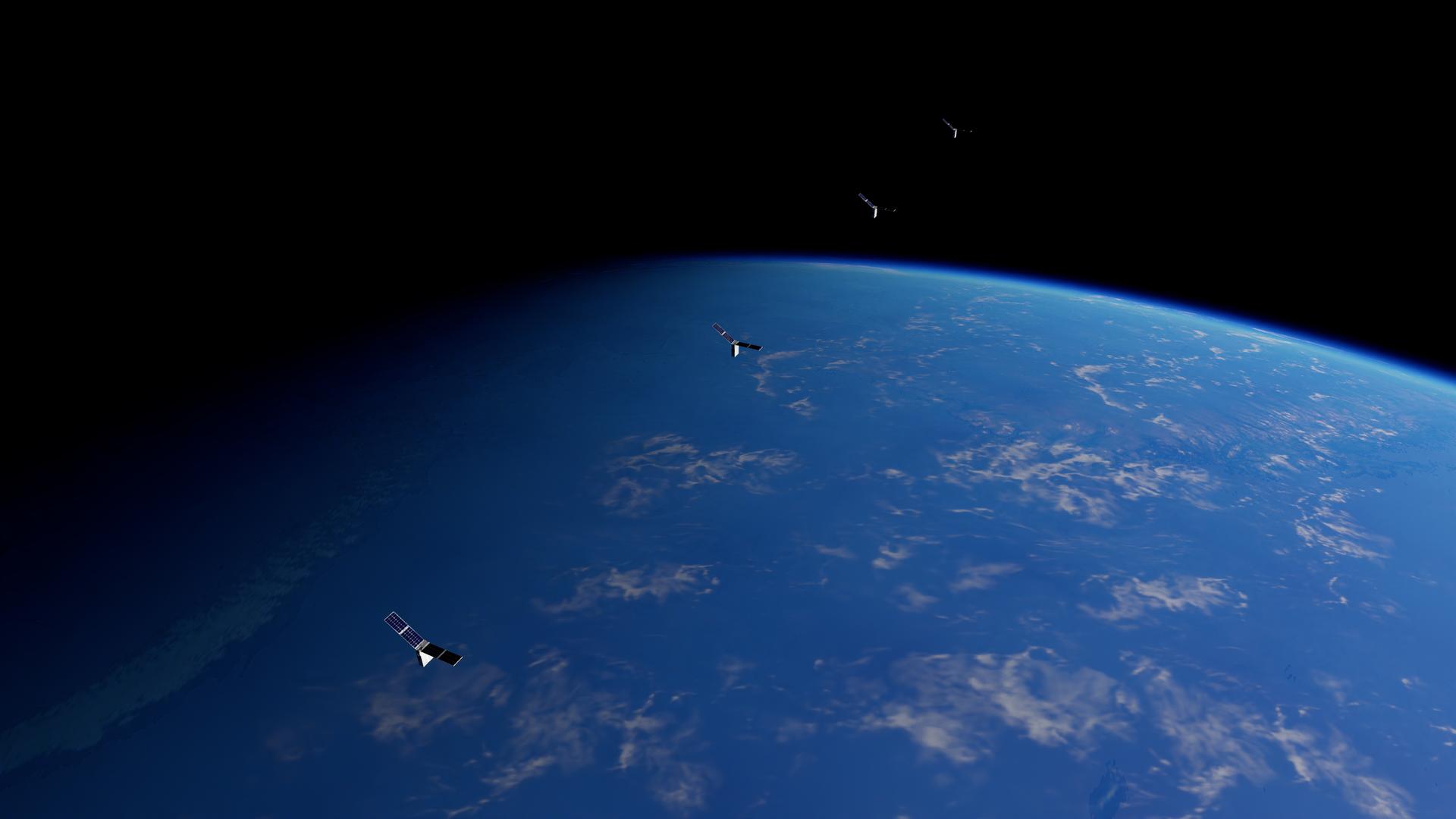
NASA and Stanford spinoff EraDrive flight-tested FALCON on the Starling CubeSats, letting small satellites fix their position by matching nearby objects to a catalog instead of relying on GPS.
-
Missions
Six Balloons, Twenty Student Teams: NASA's 2026 Fort Sumner Campaign Marks HASP's 20th Flight
NASA's Balloon Program Office opens its 2026 Fort Sumner campaign with six flights, headlined by the 20th launch of the student-built High-Altitude Student Platform after a record-setting integration round.
-
Missions
NASA Finishes Its Suitcase-Sized Moonquake Detector for Artemis III's Landing Site
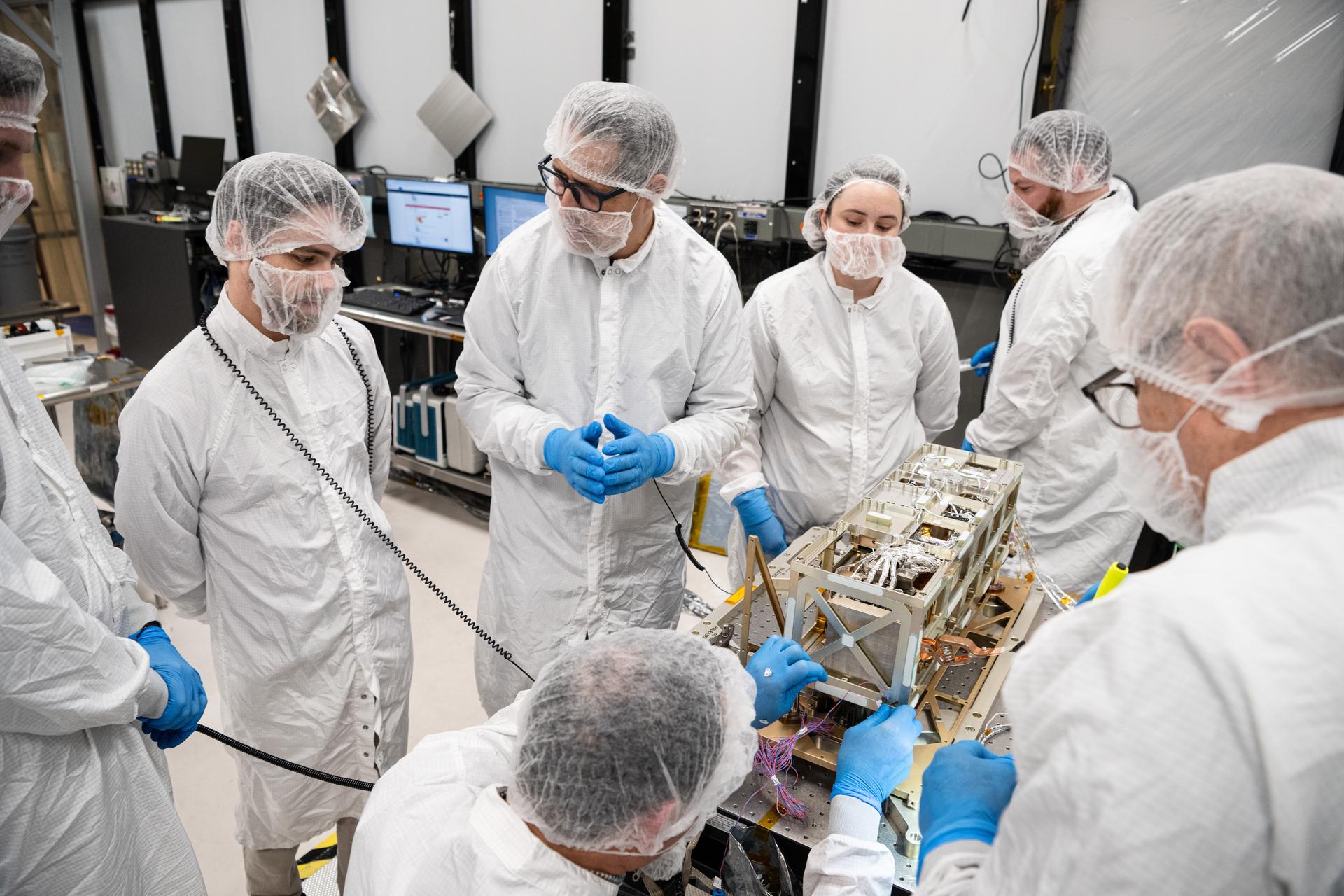
NASA says the Lunar Environment Monitoring Station, an 11-pound seismic station astronauts will hand-carry to the Moon's South Pole, has cleared hardware testing — reviving lunar seismology for the first time since Apollo shut its instruments off in 1977.
-
Missions
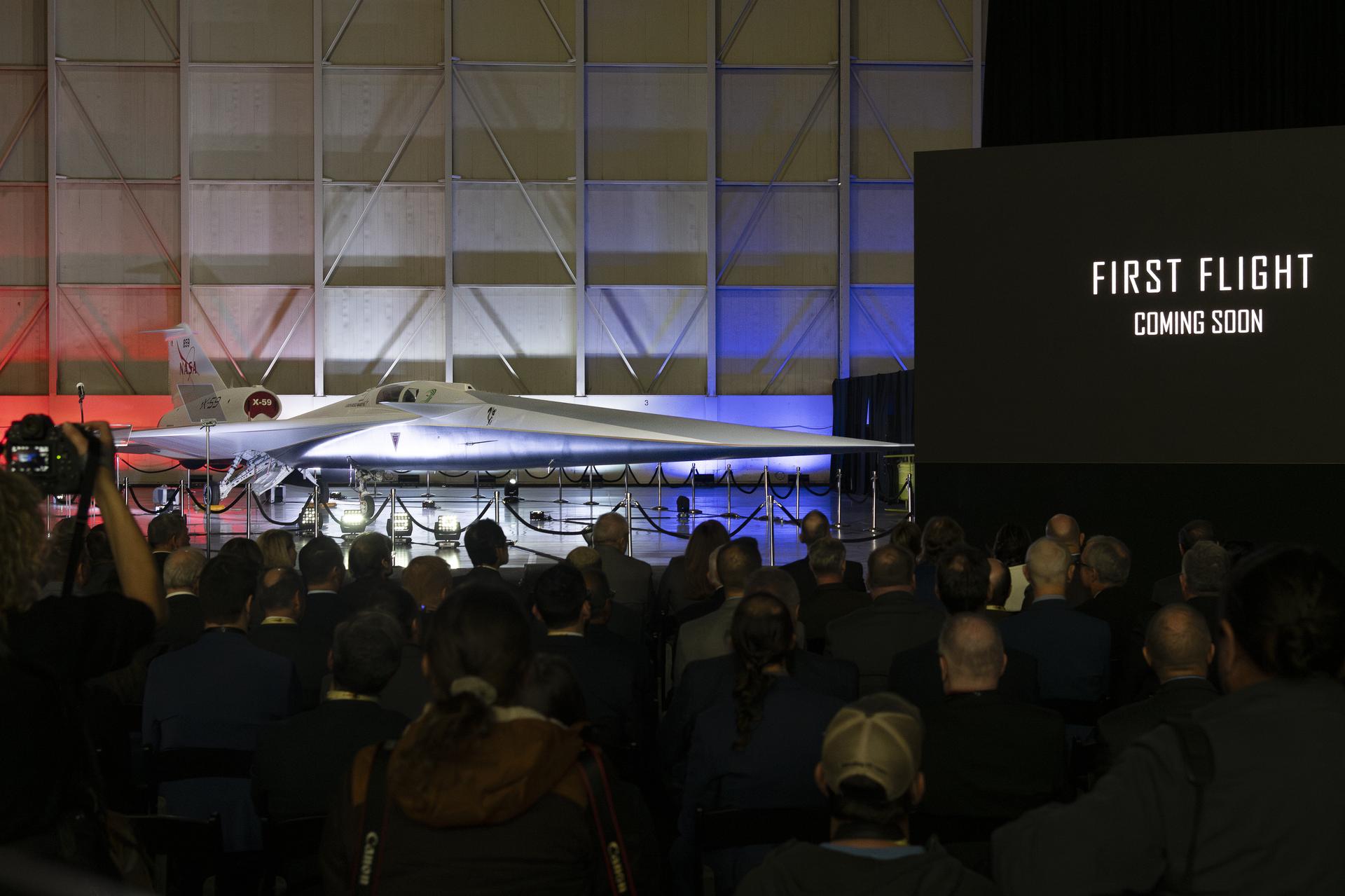
NASA Breaks Down the Physics of X-59's Quiet Sonic 'Thump' Ahead of Community Flights
NASA's August 10 Quesst blog explainer details how the X-59 turns a sonic boom into a delayed, car-door-like thump — data the agency will hand to regulators writing new supersonic-over-land noise rules.
-
Missions
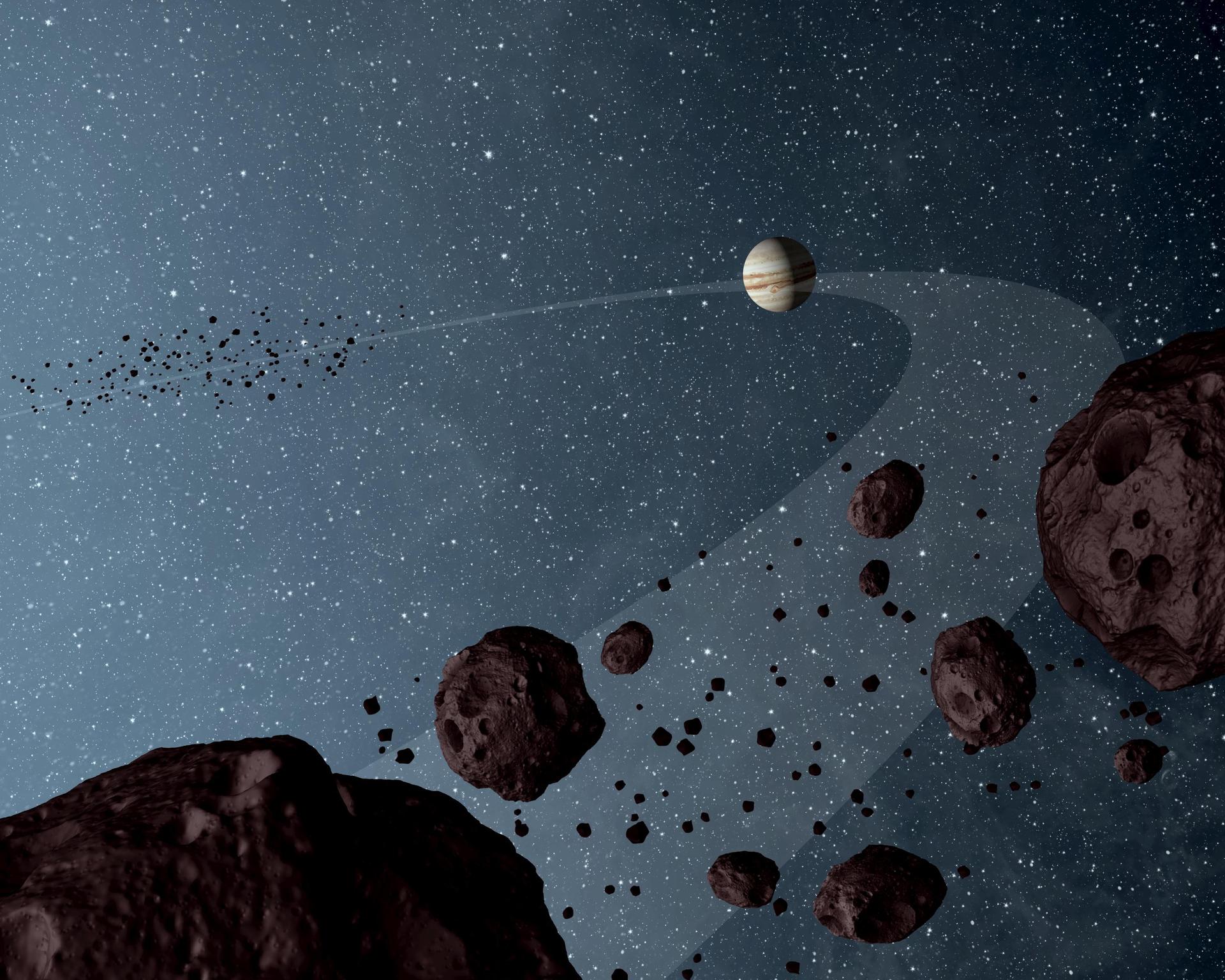
Lucy Turns Its Sharpest Camera on Four Trojan Targets in a Dress Rehearsal for the 2027 Flybys
NASA's Lucy spent spring 2026 photographing Eurybates, Polymele, Leucus and Orus from hundreds of millions of miles away — calibration shots under flyby-like lighting that Earth's telescopes can't reproduce, ahead of close passes at 300-600 miles starting August 2027.
-
Missions
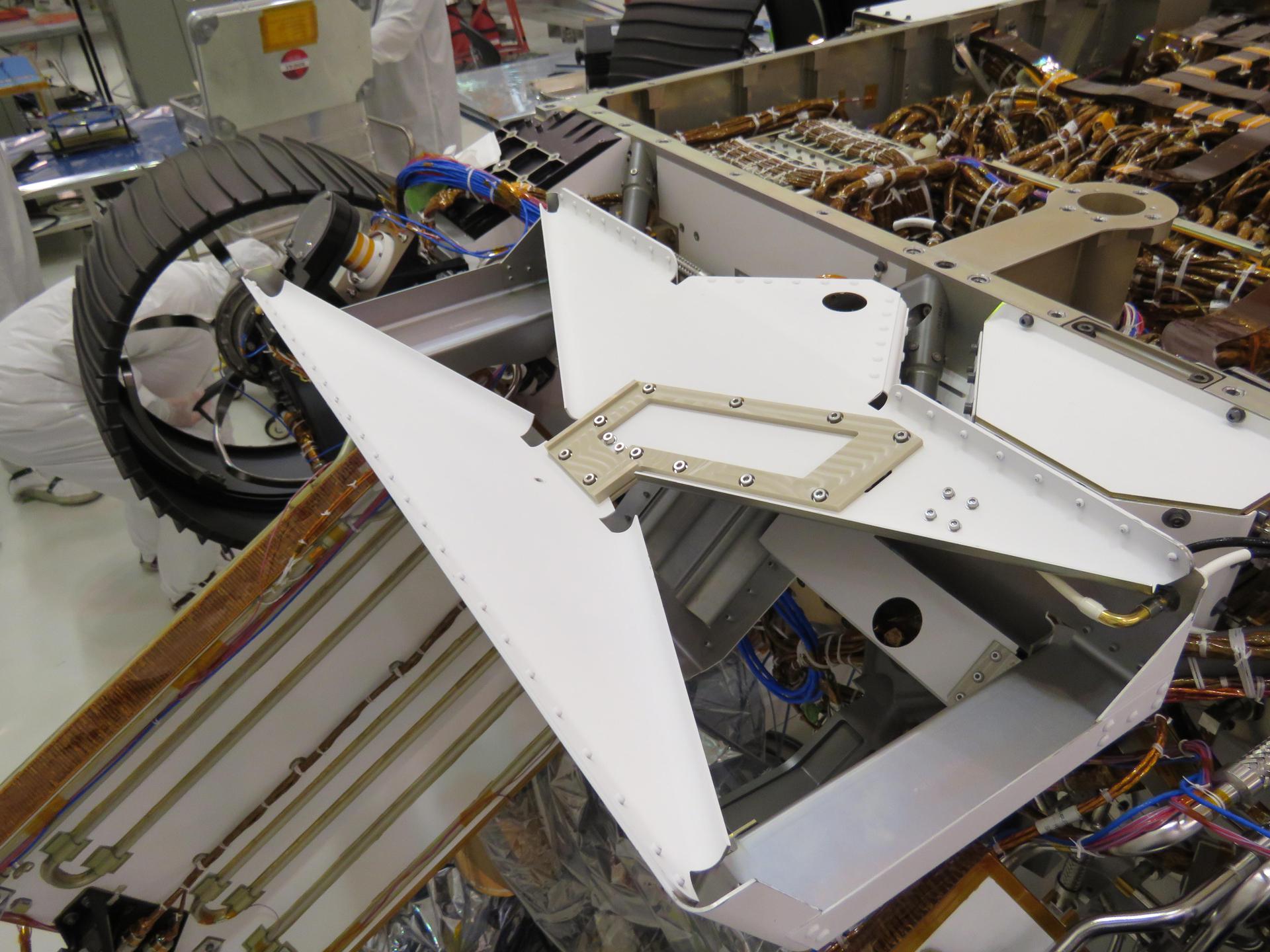
SkyFall's Ice-Hunting Radar Antenna Survives 200 Simulated Mars Landings
JPL put a featherweight fabric radar antenna for NASA's nuclear-delivered SkyFall Mars helicopters through 200 simulated landings without measurable performance loss, clearing a key hurdle ahead of a late-2028 launch.
-
Missions
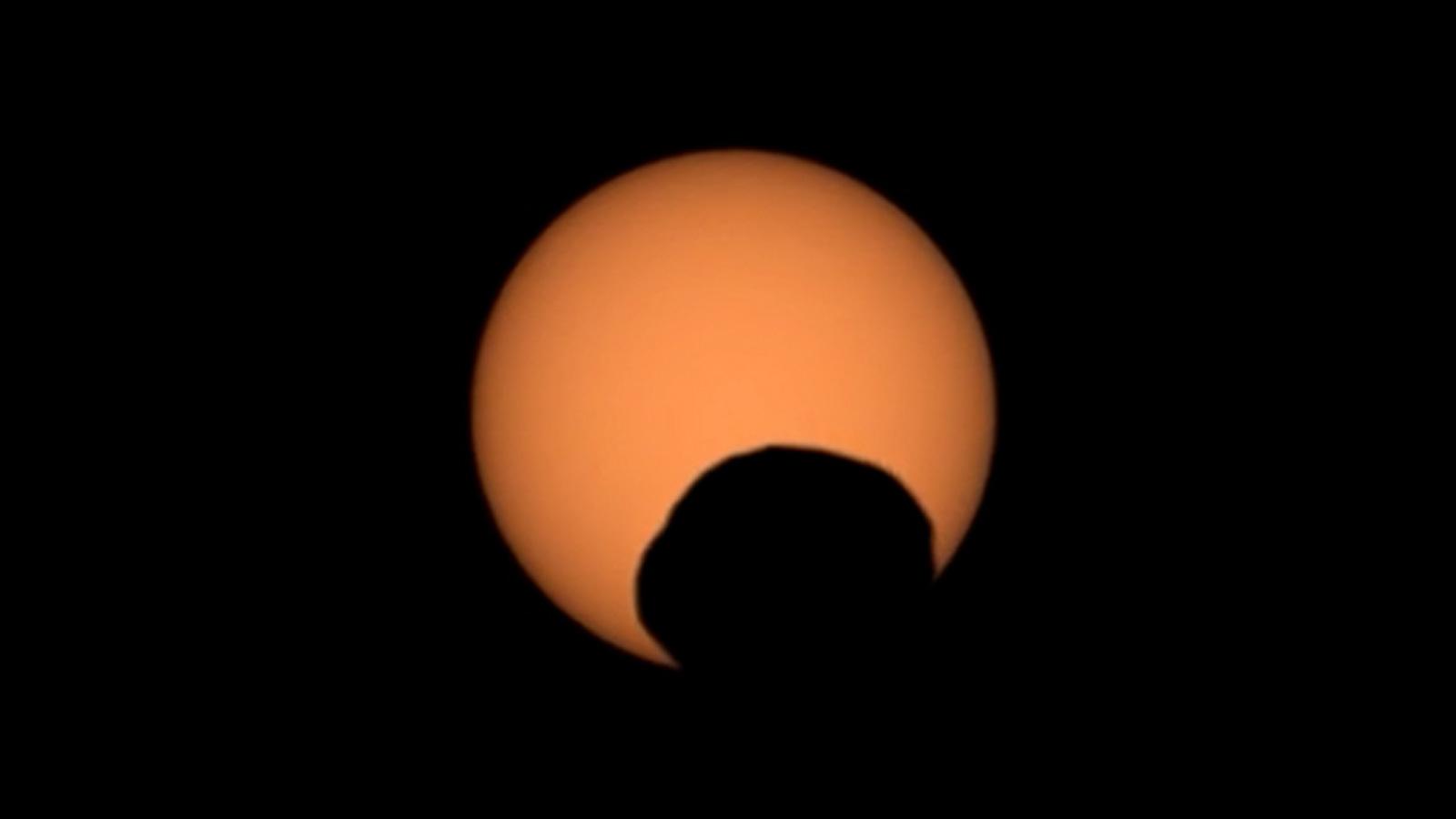
Perseverance Watches Earth Vanish Behind Phobos in a Martian First
On Sol 1,907, Perseverance's Mastcam-Z caught Earth slipping behind the Martian moon Phobos—the first photographed occultation of one world by a moon of another, ever.